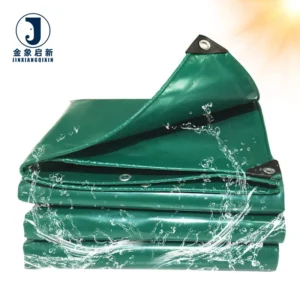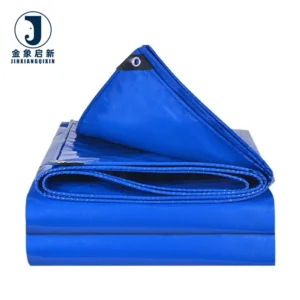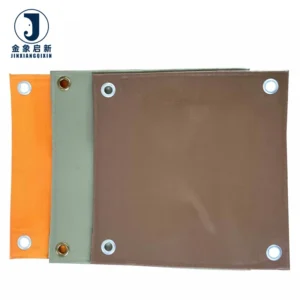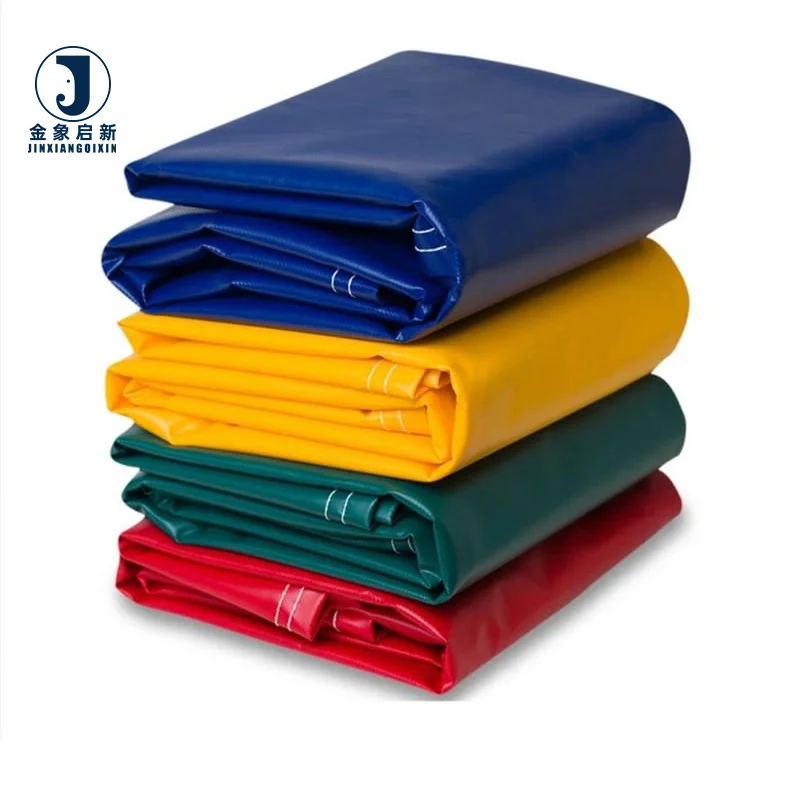
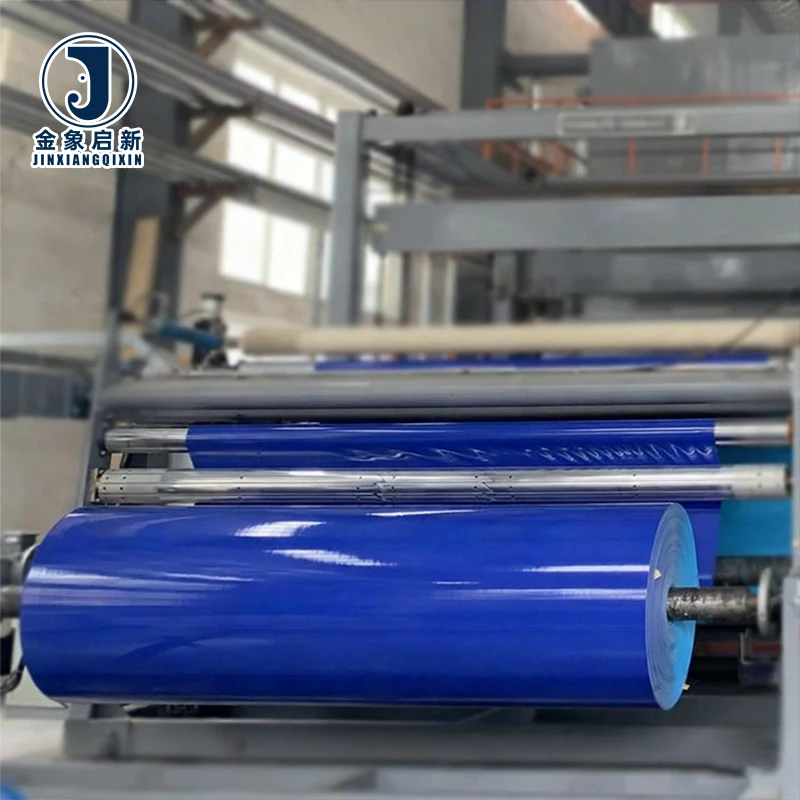
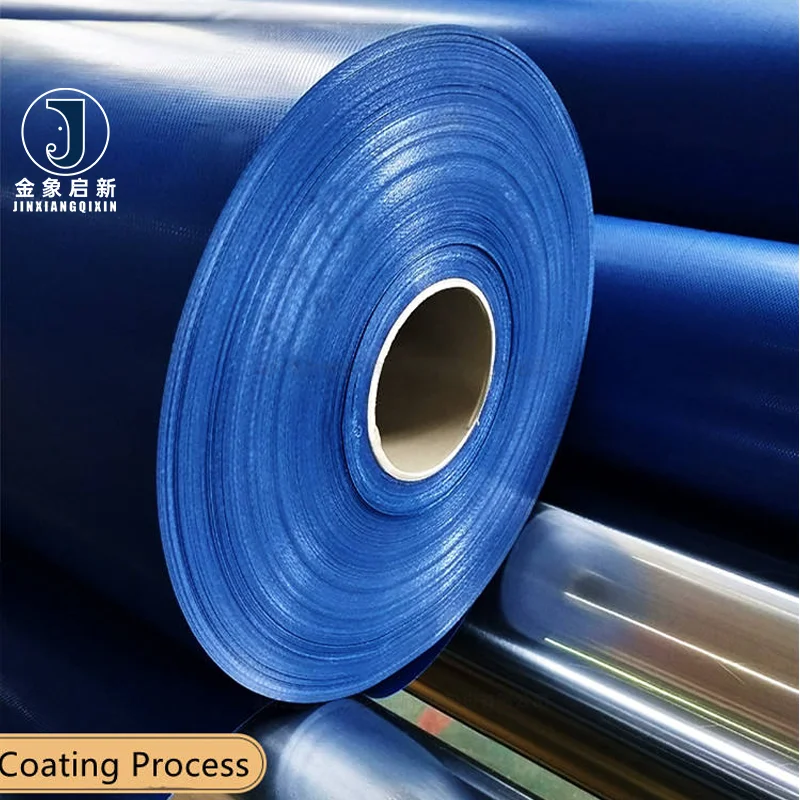
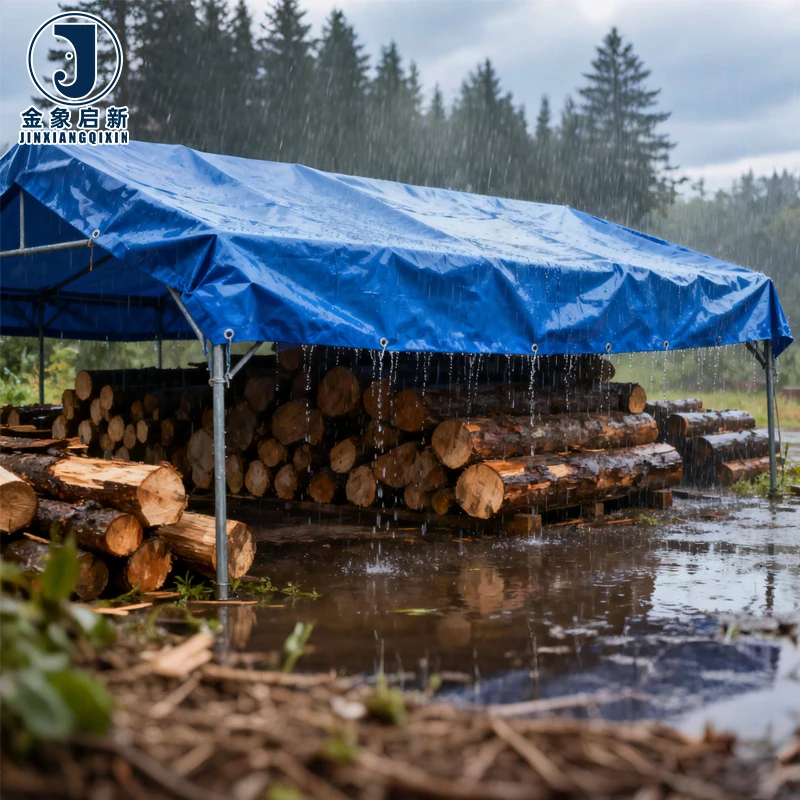
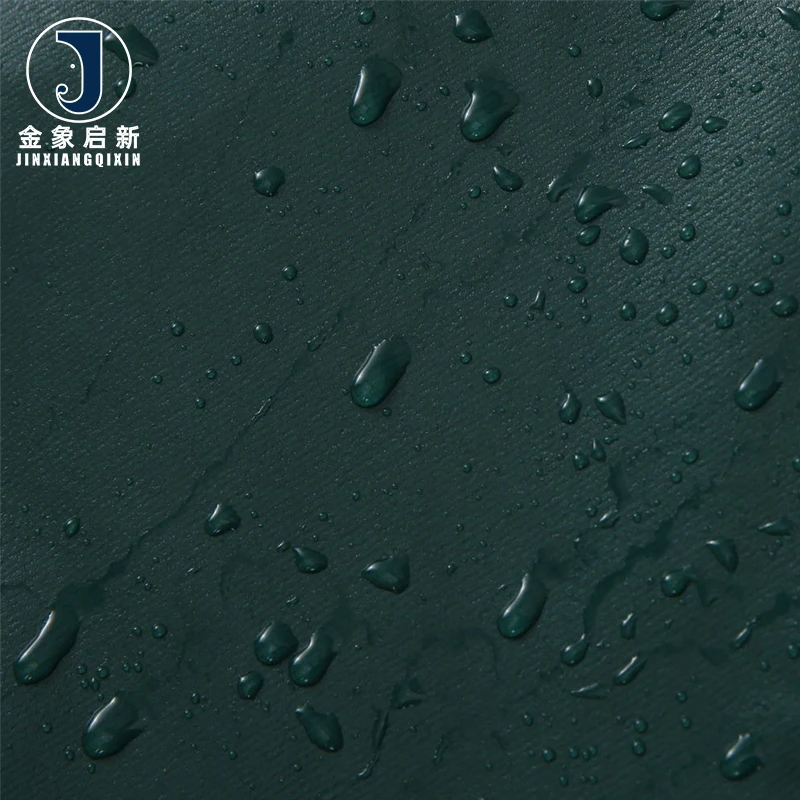
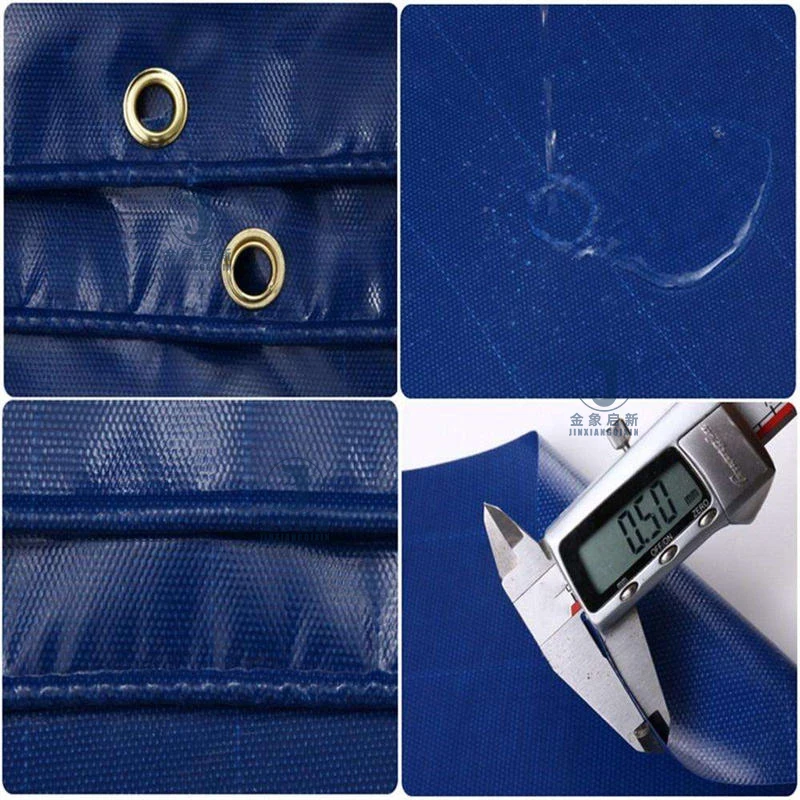
PVC Coated Fabric — 0.35-1.5 mm thickness, 400-1500 g/m² weight, 500D-2000D knitting density.
Covers full range from truck tarpaulins to tent and awning fabric, with custom width, colour and UV or flame retardant treatment. Welded seams engineered for flex-point durability.
- Samples developed within days for custom specs
- 100% pre-shipment inspection on every roll
- 30 years of coated fabric process control
Description
Process Control Over Coating Adhesion — nearly three decades focused on coated fabric, with dedicated QA at every production stage ensuring the PVC layer bonds to the base weave as specified, roll after roll.
Technical Specifications
| Parameter | Value |
|---|---|
| Product Type | PVC Coated Fabric |
| Material | Polyester base fabric with PVC coating |
| Thickness | 0.35–1.5 mm |
| Weight | 400–1500 g/m² (confirm grade for your application) |
| Base Fabric Denier | 500D–2000D |
| Tensile Strength (N/5cm) | Longitude 1500–3000 / Latitude 1200–2800 (test basis not stated in source) |
| Color Options | Blue, Blue/Orange, Green, Grey, Black, Clear, Grey/Green, Orange, or custom |
| UV Treatment | Available (test basis not stated in source) |
| Flame Retardant | Available (grade not stated — confirm the grade required for your market) |
| Waterproof | Yes |
| Custom Sizing | Width and length available on request |
| Edge & Fixing Options | Eyelets and reinforced hems available |
| Key Features | Tear resistant, weather proof, mildew proof, anti-aging |
Application Suitability
| Application | Exposure & Requirement |
|---|---|
| Truck and trailer side curtains | Constant flexing at load points, road debris abrasion, UV exposure, repeated tie-down stress at hems |
| Construction site covers and hoardings | Wind uplift, rain pooling, contact with alkaline building materials, equipment impact |
| Tent and awning fabrication | Tension loading at pole points, prolonged sun exposure, fold creasing during packing |
| Industrial pipe and equipment canopies | Heat reflection, chemical splash proximity, long-term static loading |
| Tensioned membrane structures | Biaxial stress under wind load, UV degradation over extended span, weld integrity at panel seams |
| Agricultural and aquaculture pond liners | Permanent water contact, soil chemistry, puncture risk from substrate |
| Outdoor storage and farm equipment covers | Hail impact, bird and rodent exposure, seasonal temperature swings |
Why GSM Alone Does Not Tell You How Strong the PVC Coated Fabric Really Is
A heavier sheet is not automatically a stronger one — base weave density, yarn denier, and coating adhesion together determine real-world performance.
Buyers regularly receive PVC coated tarpaulin rolls that match the quoted weight yet tear along the weld line within months of installation. The problem is not the PVC itself but the relationship between the polyester base fabric and the coating applied over it. A 900 g/m² sheet built on a loosely woven 500D base will flex and fail faster than a 650 g/m² sheet on a tight 1000D weave [NEED_CITE: tensile and tear test methods for coated fabrics per ISO 1421]. When you evaluate a PVC coated tarpaulin manufacturer, ask for the denier and thread count alongside the GSM, because those two numbers explain why some fabrics hold a welded seam under load and others delaminate.
What the Full Product Range Covers for Buyers Surveying Options
This PVC coated fabric catalogue spans three weight tiers — medium, heavy, and super heavy — each matched to a different base fabric denier and coating thickness. A logistics fleet specifying side curtain material for daily curtain-pull cycles needs a different construction than a contractor ordering temporary site covers for a single project season. The range exists so that a PVC coated tarpaulin manufacturer can recommend the exact grade rather than pushing one roll into every application.
Customization Depth Beyond Standard Roll Stock
Width, length, color, edge reinforcement, and surface finish are all configurable against the base specification. For buyers who need branded panels or pattern printing, the coating surface accepts ink once the correct preparation grade is selected [NEED_CITE: surface energy requirements for PVC coating print adhesion]. Custom eyelets and reinforced hems are positioned after the fabrication team reviews the tie-down layout, so the load path runs through the base fabric and not just the coating layer.
Reading the Specification Sheet With a Fabricator’s Eye
The denier of the base yarn — whether 500D, 1000D, or 2000D — controls how far a tear propagates once initiated. A higher denier yarn absorbs more energy before breaking, which is why super-heavy grades are specified for tensioned membrane structures where a small puncture must not become a full panel split. Tensile strength figures across longitude and latitude reveal whether the fabric is balanced or biased; a material with significantly higher warp strength is suited to applications where the primary load runs in one direction, such as truck side curtains pulled along the length of the trailer. Coating thickness from 0.35 mm to 1.5 mm governs abrasion resistance at contact points and the depth of material available for a heat-welded seam to bite into.
The Hidden Cost of Specifying on Weight Alone
A roll that arrives at the correct GSM but with poor coating-to-yarn adhesion will delaminate at the weld seam long before the base fabric reaches its tensile limit. This failure mode is invisible on a sample swatch cut from the middle of the roll — it only appears under the cyclic flexing of a loaded truck curtain or the sustained tension of a site cover in wind [NEED_CITE: delamination failure modes in PVC coated polyester under cyclic loading]. By that stage the cover has already been fabricated, eyelets installed, and fitted to the asset, making the replacement cost many times the original fabric spend.
Why Procurement Teams Source This PVC Coated Fabric Here
Three full production lines and thirty-six sets of professional equipment mean bulk roll orders are completed without splitting across subcontractors, which protects batch consistency from first roll to last. A dedicated ten-person R&D team handles material selection, pattern printing, and sample development in-house, so a custom color or non-standard width does not add weeks of external coordination. Every roll undergoes stage-by-stage QA with full pre-shipment inspection, meaning the GSM, color reference, and coating thickness recorded at dispatch match the approved sample. Documentation accompanies each shipment — specification sheets, test reports for treated grades, and packing lists that let the receiving warehouse verify roll count and weight against the order.
Documentation & Verification
- Material specification sheet stating GSM, base fabric denier, and coating type for each roll
- UV and flame-retardant test reports provided where treatment grade is specified
- Pre-shipment inspection record confirming weight and dimensional compliance
- Roll packing list with individual roll ID for traceability
- Certificate of origin and customs documentation for international dispatch
Fabrication, Handling & Storage
- Heat-weld seams at temperatures matched to coating thickness; test peel strength before full production
- Position eyelets through reinforced hem zones where base fabric denier carries the tie-down load
- Store rolls upright on pallets to prevent permanent creasing in the PVC coating layer
- Avoid dragging rolls on unprotected floors to preserve the coating surface finish
- Use mild detergent only; solvents degrade the plasticizer in the PVC coating
- Allow rolls to acclimatize before unrolling in cold conditions to prevent coating micro-cracking
What to Include in Your Inquiry
Provide the application environment and primary load type — static cover, cyclic flexing, or tensioned structure — so the correct denier and weight tier can be recommended. Specify any fire classification or UV resistance grade required by your local code or project specification. Confirm whether you need full rolls, cut panels, or fabricated covers with hems and eyelets already installed, and indicate target color references if standard options do not match.
Frequently Asked Questions
Q: How do I verify the actual GSM of the PVC coated fabric when it arrives?
A: Cut a measured sample from the roll, weigh it on a calibrated scale, and calculate grams per square meter. Compare the result against the specification sheet supplied with the shipment. Our pre-shipment inspection record documents the measured weight per roll before dispatch, giving you a baseline to confirm against.
Q: What denier and thickness should I choose for a truck side curtain versus a tent?
A: Truck side curtains experience constant flexing and tie-down stress, so a heavier base denier in the 1000D range with a thicker coating is typically specified. Tent fabric prioritizes fold-ability and lighter weight, often using a medium denier with a thinner coating. Share your specific load cycle and we will recommend the grade.
Q: Do you provide test reports for UV and flame-retardant treatments?
A: Yes, for orders where a specific UV or flame-retardant grade is requested, the corresponding test report is included in the shipment documentation. Confirm the classification or standard required for your market — such as a fire rating for building membrane use — so we can match the treatment level and supply evidence.
Q: What is the minimum order and lead time for a custom width or color?
A: Custom widths and non-standard colors carry a minimum based on the coating line setup for that run. Typical lead times run several weeks depending on the grade and treatment combination. Share your required width, color reference, and estimated annual volume so we can confirm the minimum and production schedule.
Q: How is color consistency maintained across multiple rolls in one order?
A: All rolls within a single production run are coated from the same batch of PVC compound and base fabric. Our QA process checks color reference at the coating stage and again during pre-shipment inspection. For orders spanning multiple production runs, we retain the master color sample to calibrate each subsequent batch.
Related products
-
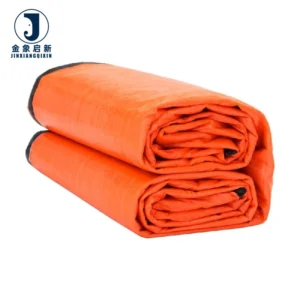
Factory 12ftx20ft Construction Cold Weather Insulated Pe Tarps Poly Tarp Heavy Duty Concrete Curing Blanket Tarpaulin Roll Sheet
¥0.66 Add to cart -
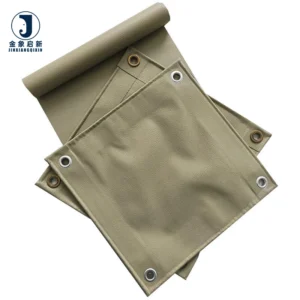
JX PVC Waterproof Fabric High-strength Sheeting for Industrial and Outdoor Coverings
¥1.90 Select options This product has multiple variants. The options may be chosen on the product page -
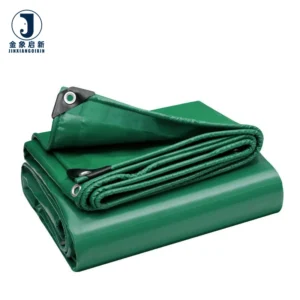
Factory Direct 20×30 Feet 13mil Heavy-Duty Vinyl Tarps PVC Tarpaulin for Firewood Roof Camping Patio Pool Boat Dump Trailer
¥2.60 Add to cart -
500gsm MULTI-PURPOSE Green Waterproof Green Tarp for Emergency Rain Shelter. Outdoor Cover
¥7.72 Select options This product has multiple variants. The options may be chosen on the product page