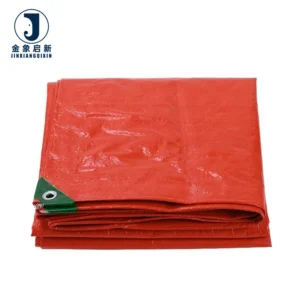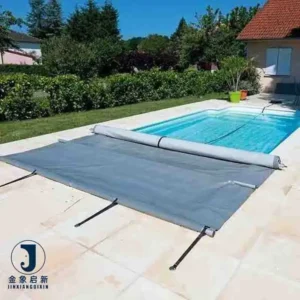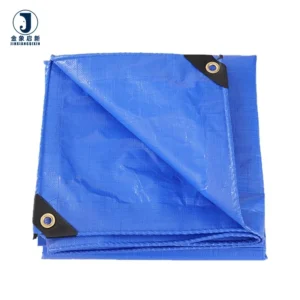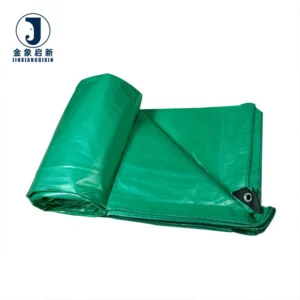
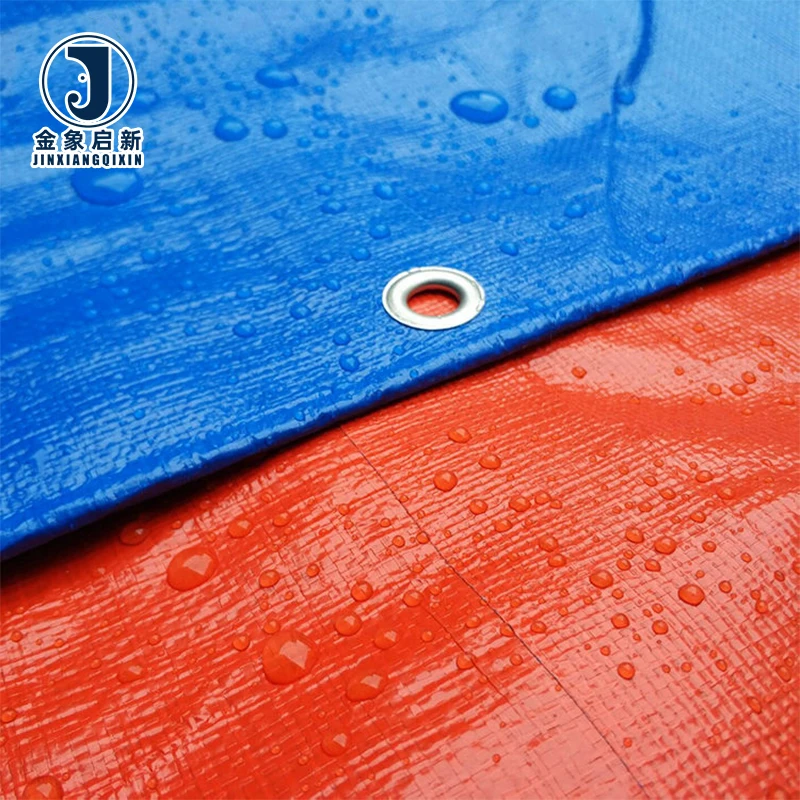
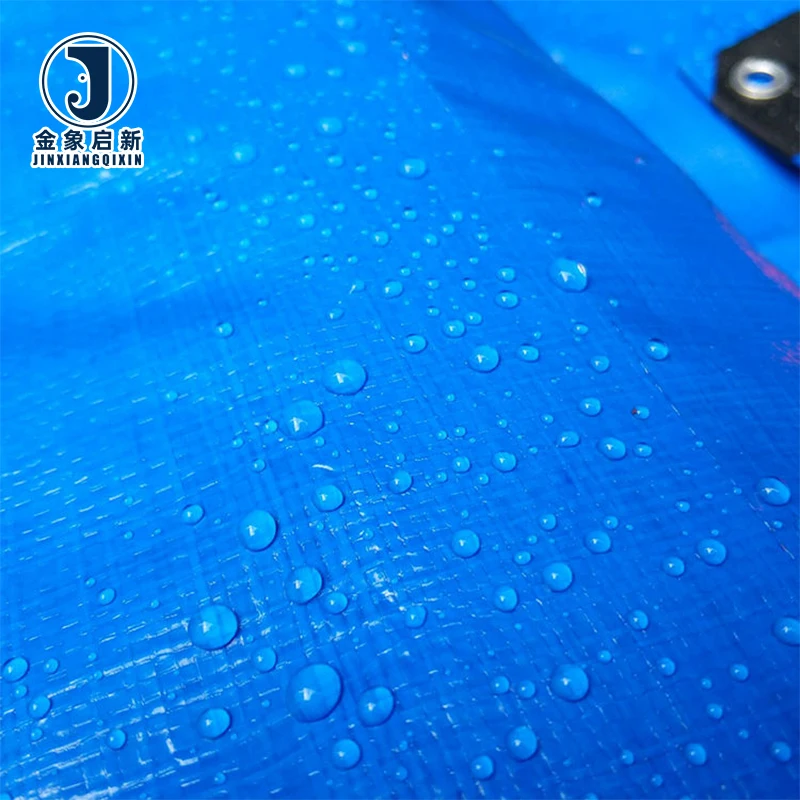
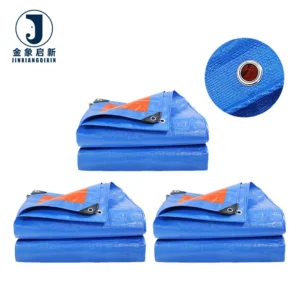
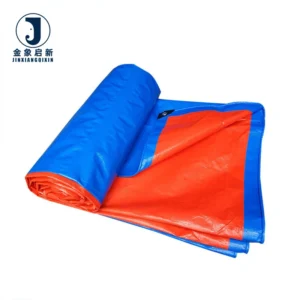
PE Tarpaulin Roll 45–400gsm, HDPE Woven with LDPE Lamination — supplied in widths up to 6m or finished tarps cut to exact dimensions with rope-hemmed edges and eyelets at 1m intervals.
- Weave counts from 6×6 to 14×14 let you match tensile strength to application, not just weight
- Roll stock or pre-cut finished tarps for tent, awning, truck cover and site protection
- Flame retardant to NFPA701 available with test report on request
Full inspection against your GSM and colour spec before every shipment, backed by 30 years of coated fabric production and three dedicated lines ensuring on-time bulk delivery.
Description
Proven Process Control — every PE tarpaulin roll leaves the line with verified GSM, matched colour reference and full documentation, eliminating the guesswork that plagues multi-source procurement.
Technical Specifications
| Parameter | Value |
|---|---|
| Product Type | PE Tarpaulin Roll |
| Fabric Weight | 45gsm ~ 400gsm (range covers product family — confirm the grade for this item) |
| Base Fabric | HDPE weaving |
| Coating | LDPE lamination on both sides |
| Mesh Count | 6×6, 8×8, 10×10, 12×12, 14×14 |
| Thickness | 0.2 mm – 0.4 mm (8 mil – 16 mil) |
| Roll Width | 6 ft, 8 ft, 10 ft, 12 ft, 2 m, 4 m, 6 m |
| Roll Length | 100 yards, 100 meters, or custom |
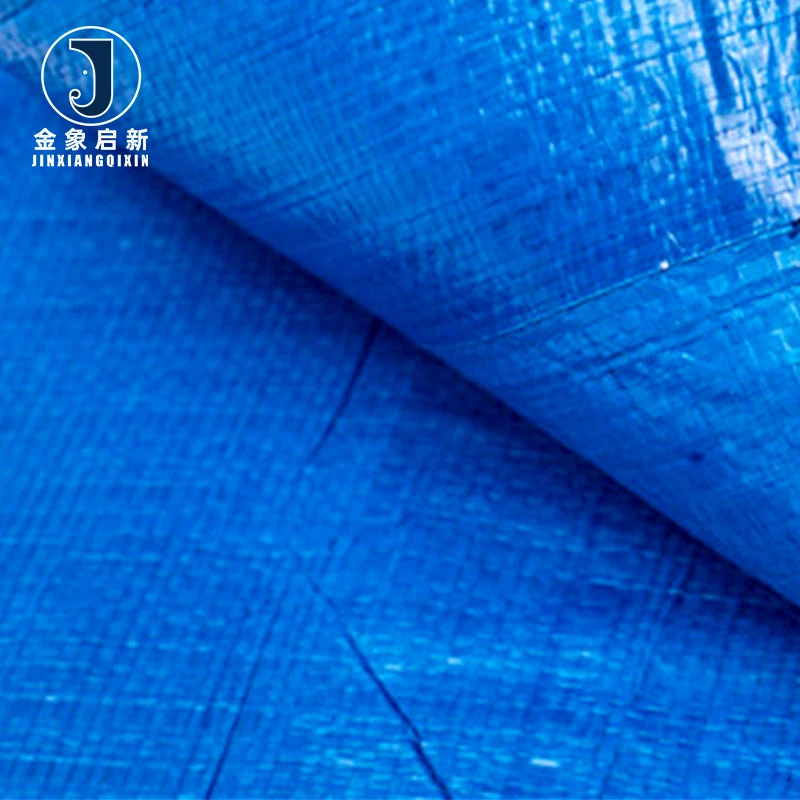
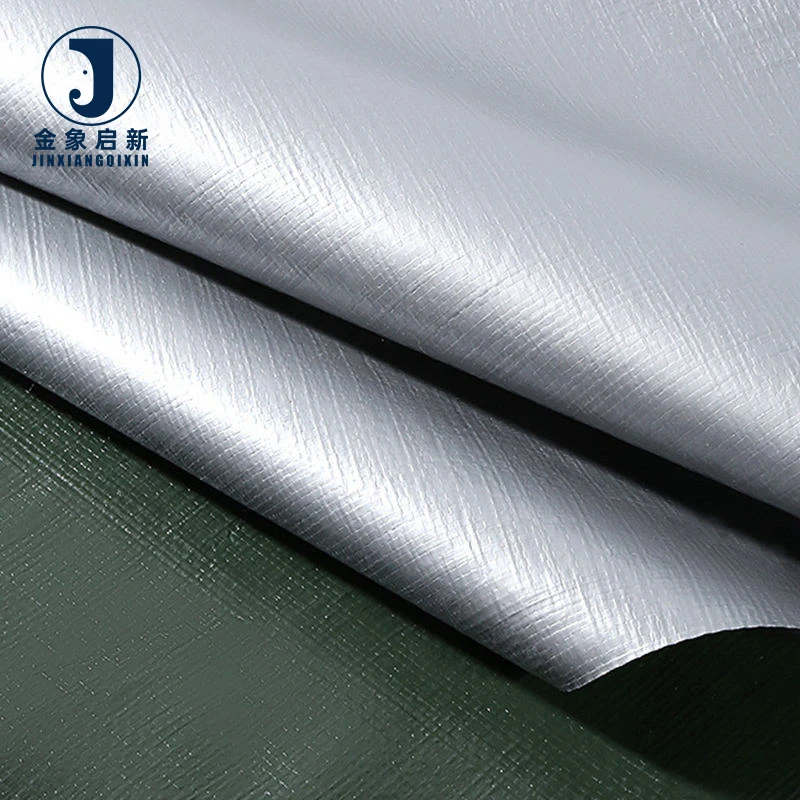
| Colour Options | Blue, Blue/Orange, Green, Grey, Black, Clear, Grey/Green, Orange, or any Pantone colour |
| Flame Retardant | NFPA 701 (grade stated in source) |
| UV Treatment | Available (test basis not stated) |
| Waterproof | Yes |
| Anti-Mildew | Mildew proof and anti-aging |
| Hem Reinforcement | PP rope in hem, all four edges |
| Eyelet Options | PC, brass, aluminum — galvanised, every 3 ft or 1 m |
| Corner Guards | PP or PE reinforced plastic |
| Gussets | Available for heavy-duty tarps |
| Hemming Margin | 4 cm unless specified |
| Roping | All four sides |
| Printing | Custom printing available |
Application Suitability
| Application | Exposure & Requirement |
|---|---|
| Truck and trailer covers | Constant road vibration, UV exposure, tie-down stress at eyelets, abrasion at flex points |
| Tent and awning manufacturing | Roll-fed cut-and-sew production, colour consistency across batches, weld and seam integrity |
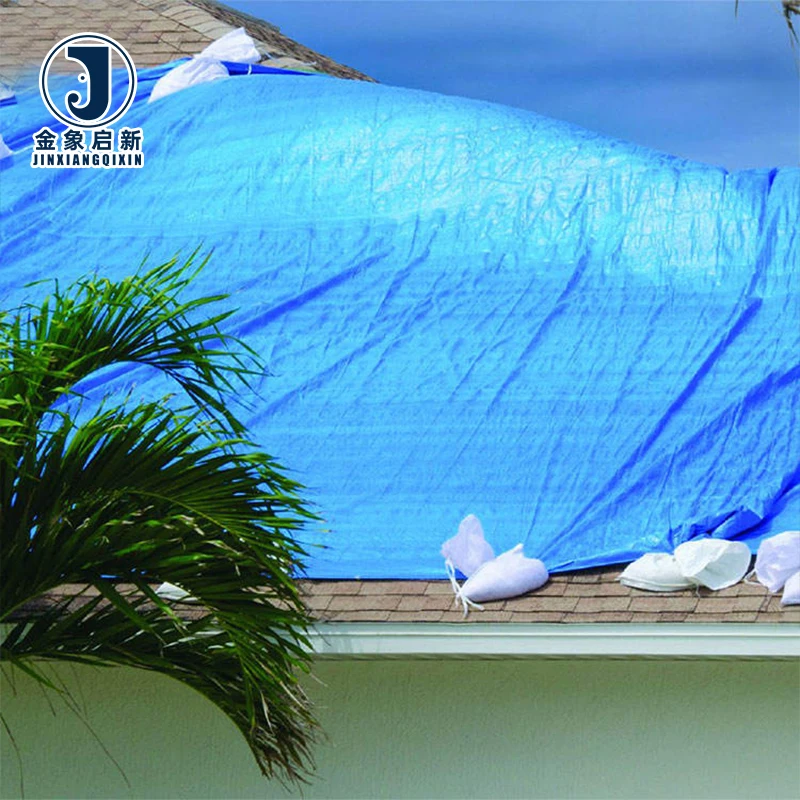
| Construction site covers | Puncture from sharp materials, wind uplift, prolonged weather exposure, site fire safety compliance |
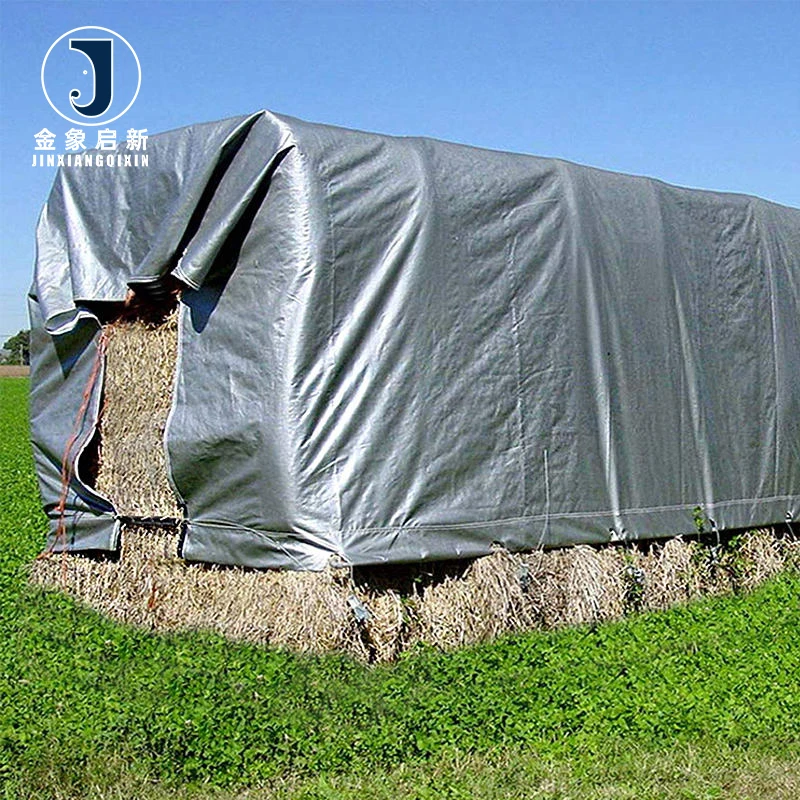
| Agricultural and stock covers | Moisture ingress prevention, mildew resistance, long-term outdoor storage, UV degradation resistance |
| General cargo protection | Load shifting during transit, water ingress at seams, edge tearing under strap tension |
Why Roll-to-Roll Colour Consistency Matters More Than You Think
A single mismatched roll can force an entire installation to be reworked.
When sourcing PE tarpaulin from multiple suppliers or even different batches within the same order, colour drift between rolls becomes visible the moment two panels are installed side by side. This is not a cosmetic complaint — it signals inconsistent coating formulation, which often correlates with variation in GSM and mechanical properties across the batch. A PE Tarpaulin manufacturer custom capable of tight process control treats colour matching as a proxy for overall production discipline. [NEED_CITE: colour variation as an indicator of coating weight inconsistency in laminated fabrics]
What Roll Stock Buyers Actually Need From a PE Tarpaulin Supplier
Purchasing PE tarpaulin by the roll means you are buying raw material for downstream fabrication or large-scale deployment. The priority is predictable behaviour on the cutting table: consistent thickness, uniform mesh density and stable dimensional tolerances across every metre of the roll. A PE Tarpaulin manufacturer custom operation with in-line QA checks catches deviations before the roll is wound, not after it arrives at your warehouse.
How Lamination Integrity Determines Field Performance
The bond between the HDPE woven base and the dual-side LDPE lamination is where most early failures originate. Delamination under flex load exposes the base fabric to moisture, and once water penetrates the weave structure, mildew and fibre degradation follow rapidly. Maintaining consistent lamination temperature and pressure across the full width of a 6 m roll requires equipment calibration that separates capable producers from commodity traders. [NEED_CITE: lamination adhesion test methods for PE coated fabrics]
Reading the Specification Sheet Beyond GSM
GSM alone tells you how much material is present, but the mesh count — whether 6×6 or 14×14 — determines how that weight is distributed across the weave. A 180 gsm fabric at 8×8 mesh will behave very differently under tensile load compared to the same weight at 12×12, because the yarn density and individual yarn denier shift the failure mode from yarn breakage to yarn slippage. Thickness, measured in mil or millimetres, adds another dimension: it reflects total coating build and directly influences stiffness, which affects how the material drapes over irregular loads and how it feeds through automated cutting equipment. Flame retardant grades available to NFPA 701 standard introduce chemical treatment that can alter hand feel and weld parameters, so specifying the FR grade early allows the production team to adjust lamination temperature accordingly.
The Hidden Cost of Ordering the Wrong Mesh Count
Selecting a lighter mesh count for an application that demands high tear resistance leads to premature failure at stress concentration points — typically around eyelets and at the hem where rope reinforcement transfers load into the fabric body. Conversely, overspecifying mesh density for a light-duty cover adds unnecessary cost and stiffness, making the tarpaulin harder to handle on site and reducing packing efficiency in the container. The correct match between mesh count, GSM and end-use loading conditions is the single most impactful specification decision a buyer makes. [NEED_CITE: relationship between mesh count and tear propagation in woven PE tarpaulins]
What Consistent Roll Quality Looks Like in Practice
Three full production lines dedicated to coated fabric mean that a PE tarpaulin roll order is not slotted in between unrelated product runs — the equipment is calibrated for HDPE weaving and LDPE lamination specifically. A 10-person R&D team develops custom widths, Pantone colour matches and printed branding samples within days, allowing buyers to verify appearance and fabrication behaviour before committing to full production volume. Dedicated QA at every production stage, with 100 percent inspection before shipment, catches GSM deviation, colour drift and lamination defects before the roll is packed. Roll-to-roll consistency is not a promise — it is an output of process design that has been refined over nearly three decades of continuous coated fabric production.
Documentation & Verification
- Material specification sheet stating exact GSM, mesh count and coating weight per roll order
- NFPA 701 test report shipped with FR-treated grades for site compliance verification
- Pre-shipment inspection record confirming roll-to-roll colour match and dimensional accuracy
- Certificate of origin and customs documentation prepared for export shipment
- Roll packing list detailing width, length, colour and mesh count per bale or carton
Fabrication, Handling & Storage
- Heat welding parameters vary by GSM — confirm temperature settings for the specific 0.2–0.4 mm thickness range before production
- PP rope hem reinforcement distributes eyelet load across four edges, reducing pull-out risk under strap tension
- Store rolls horizontally on pallets to prevent creasing and permanent deformation of the LDPE lamination surface
- Allow cold-stored rolls to reach ambient temperature before unrolling to avoid cracking the LDPE coating
- Custom Pantone colour rolls should be inspected under consistent lighting before cutting to verify batch match
- Brass and aluminum eyelet options suit different corrosion environments — specify based on coastal or industrial exposure
Preparing Your Enquiry
Specify the target roll width, mesh count preference and annual volume so that the quotation reflects realistic production scheduling. Confirm whether your end market requires NFPA 701 flame retardant certification or UV treatment documentation, as this affects lead time and test report preparation. Indicate if you need rolls only or finished tarps with hemming, eyelets and corner guards, including any custom printing or branding requirements.
Frequently Asked Questions
Q: How is the GSM verified before shipment and what documentation supports it?
A: Every roll is weighed and measured against the agreed specification during pre-shipment inspection. A material specification sheet accompanies the order, stating the exact GSM, mesh count and coating weight. The inspection record is included with the shipping documentation so the buyer can cross-reference the physical material on arrival.
Q: What flame retardant grade is available and does NFPA 701 meet my market requirements?
A: NFPA 701 flame retardant treatment is available with a test report provided per shipment. This standard is widely accepted for tent, awning and temporary structure applications in North American markets. Buyers targeting European or other regional fire codes should confirm the required grade before placing the order.
Q: How do you control colour consistency across multiple rolls in one order?
A: Pantone colour references are matched at the coating stage and verified under controlled lighting before winding. Rolls from the same production run are grouped together, and the pre-shipment inspection checks roll-to-roll colour match as a mandatory step before packing.
Q: What is the lead time and MOQ for custom width, colour or printed branding?
A: Custom widths up to 6 m and Pantone colour matches are handled on the production lines with typical multi-week lead times depending on order volume. Printed branding samples are developed by the R&D team for buyer approval before full production begins.
Q: Do finished tarps come with reinforced corners and custom eyelet spacing?
A: Yes. Finished tarps include PP rope hemming on all four sides, with galvanised eyelets spaced at 3 ft or 1 m intervals. Reinforced plastic corner guards in PP or PE are standard, and brass or aluminum eyelets are available for corrosive environments.
Related products
-
PE Coated Blackout Tarpaulin Poly Tarp with UV Protection Standard Size Fabric Sheet for Agriculture & Industrial Use
¥0.35 Select options This product has multiple variants. The options may be chosen on the product page -
Sunshade Awning Waterproof Cloth. 7X8 Waterproof Polyurethane Waterproof Cloth – Multi-purpose Cover Water tank Waterproof Cloth
¥0.18 Select options This product has multiple variants. The options may be chosen on the product page -
Multi-color & Size Waterproof Breathable Organic Blackout Coated PE Tarpaulin with UV Customizable Weft Knitted for Boys & Girls
¥0.21 Select options This product has multiple variants. The options may be chosen on the product page -
JX Tear-Resistant PE Coated Polyethylene Eco-Friendly Tarpaulin Waterproof Blackout Organic with Eyelets
¥1.31 Select options This product has multiple variants. The options may be chosen on the product page