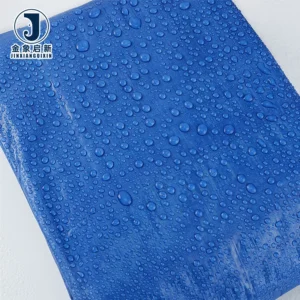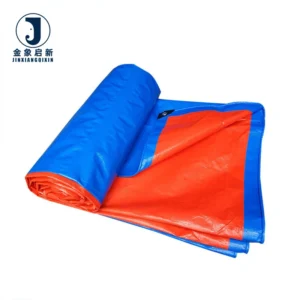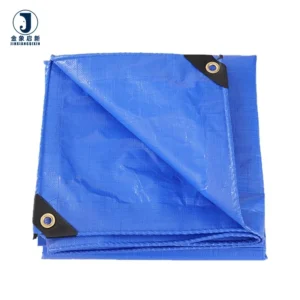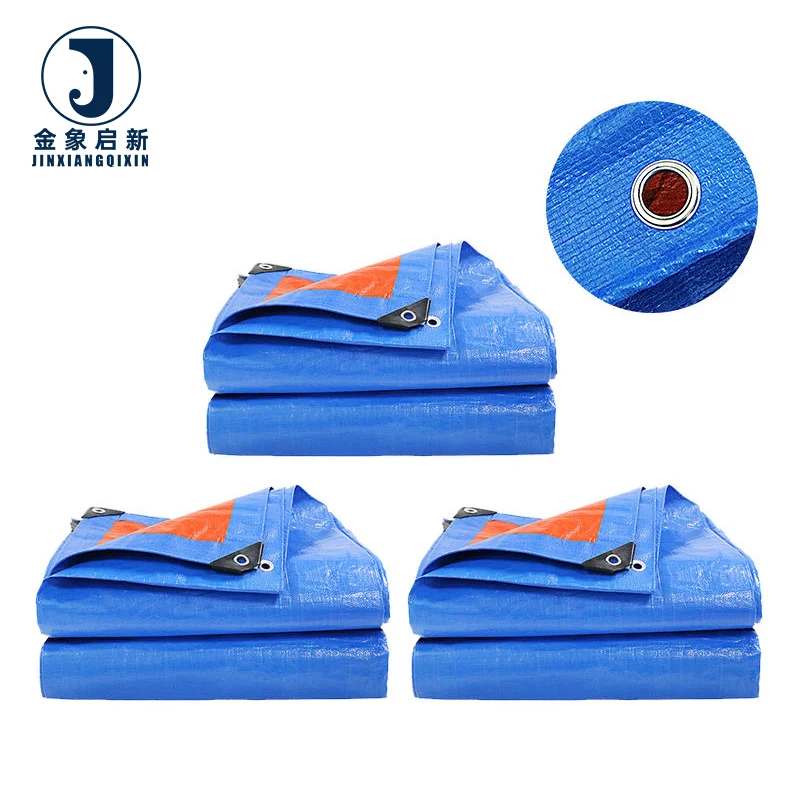
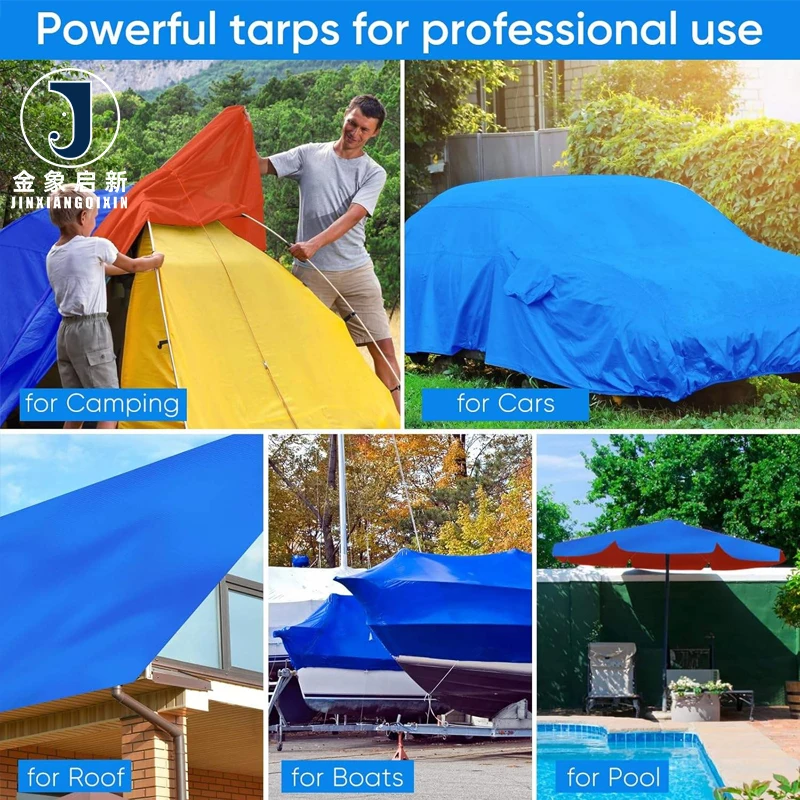
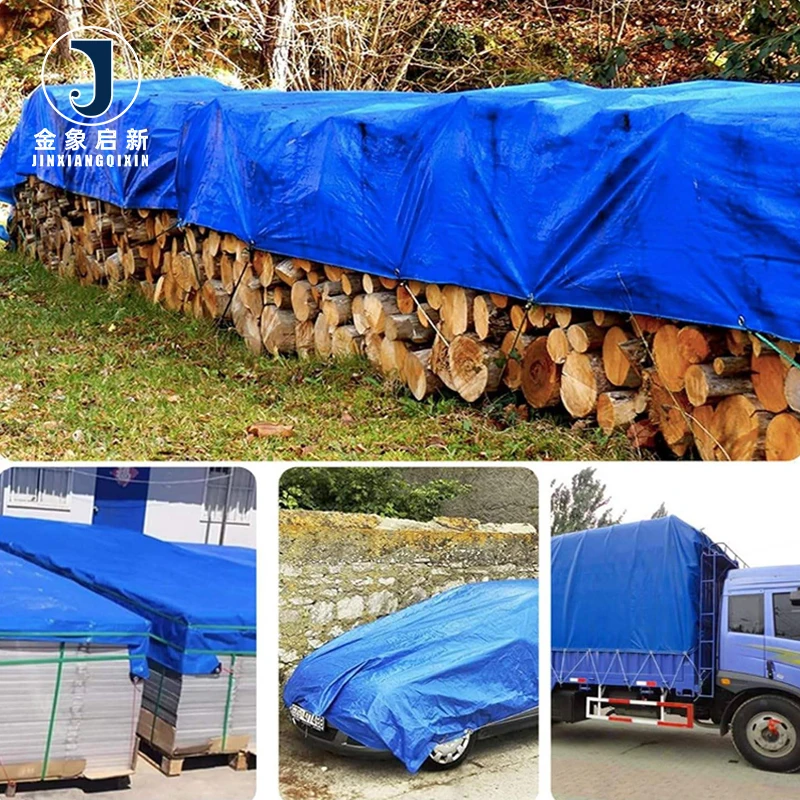
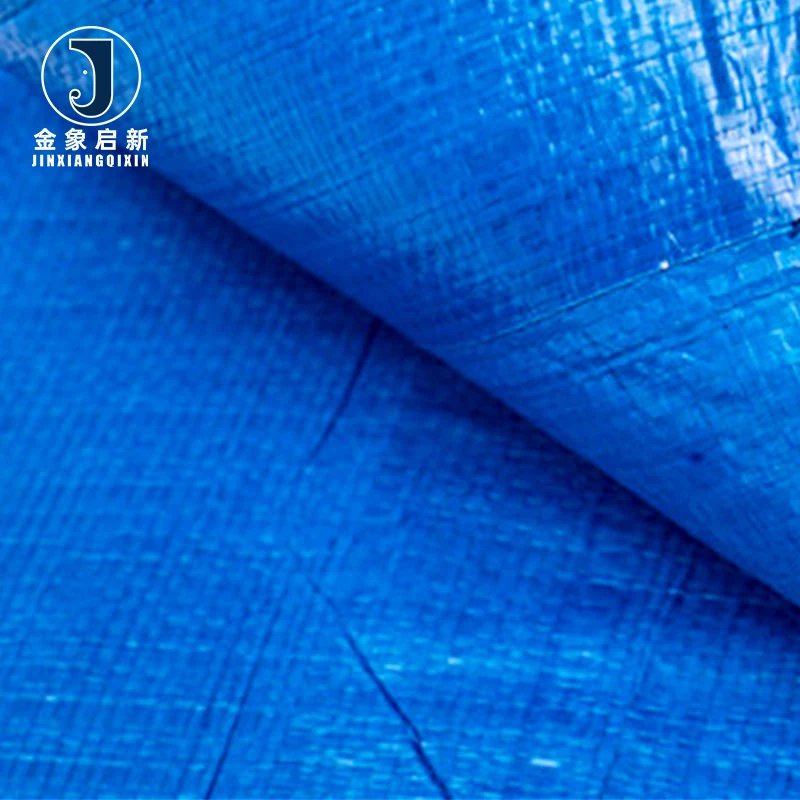
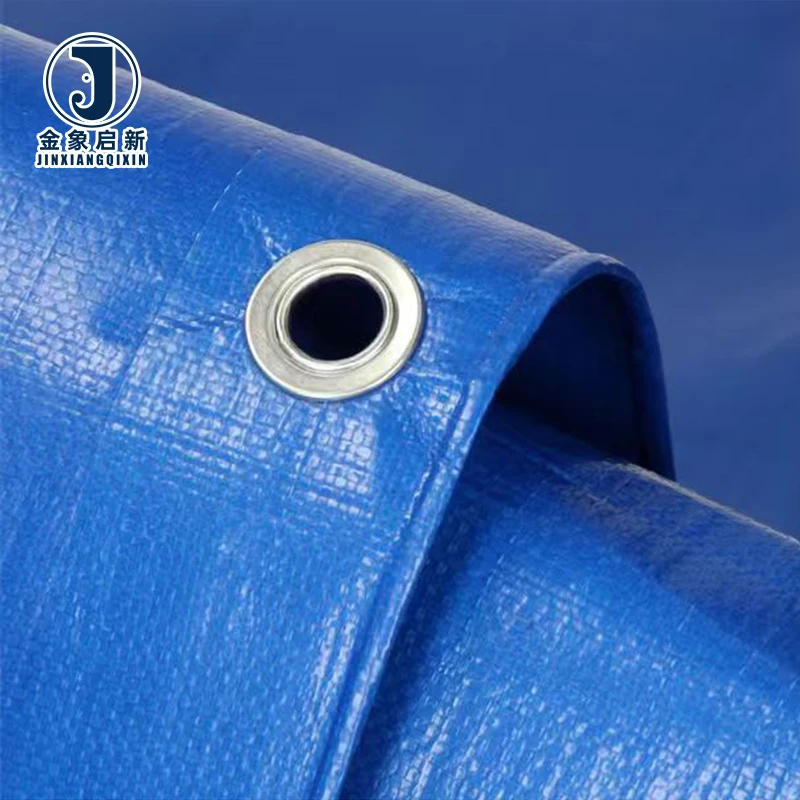
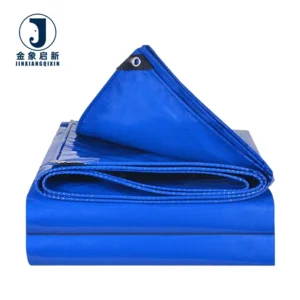
PE Tarpaulin — HDPE woven base with LDPE double-side lamination, 50–220 g/m², thickness 0.18–0.35 mm, knitting density 8×8 to 12×12.
- Covers agricultural stock, transport loads, and construction site protection across weight grades from lightweight to heavy-duty
- GSM and weave density jointly determine tensile and tear performance; choose weight based on load flex and UV exposure, not thickness alone
Backed by three full production lines, 36 sets of equipment, and 100% pre-shipment inspection for reliable bulk delivery.
Description
Coating Process Control — nearly 30 years focused on coated fabric with dedicated QA at every production stage, ensuring each roll of custom PE tarpaulin meets the stated specification before it leaves the factory.
Technical Specifications
| Parameter | Value |
|---|---|
| Product Type | PE Tarpaulin |
| Base Fabric | HDPE weaving |
| Coating Material | LDPE lamination on both sides |
| Weight (GSM) | 80–110 (lightweight), 120–150 (medium), 160–240 (heavy-duty) |
| Total Thickness | 0.18–0.22 mm (lightweight), 0.22–0.28 mm (medium), 0.30–0.35 mm (heavy-duty) |
| Mesh Count | 8×8 (lightweight), 10×10 (medium), 12×12 (heavy-duty) |
| Tensile Strength (N/5cm) | Meridian 300–500 / Latitude 250–450 (lightweight); Meridian 500–800 / Latitude 400–700 (medium); Meridian 900–1200 / Latitude 700–1000 (heavy-duty) — test basis not stated in source |
| UV Treatment | Available — confirm the treatment level required for your application |
| Roll Width Options | 6 ft, 8 ft, 10 ft, 12 ft, 2 m, 4 m, 6 m |
| Roll Length Options | 100 yards, 100 meters, or custom |
| Finished Edge Treatment | All four edges reinforced with PP rope in hem |
| Eyelet Configuration | Galvanized eyelets every 3 ft or 1 meter interval |
| Corner Reinforcement | Reinforced plastic corners |
| Finished Size Options | 2×2 m through 8×10 m (and corresponding ft sizes) |
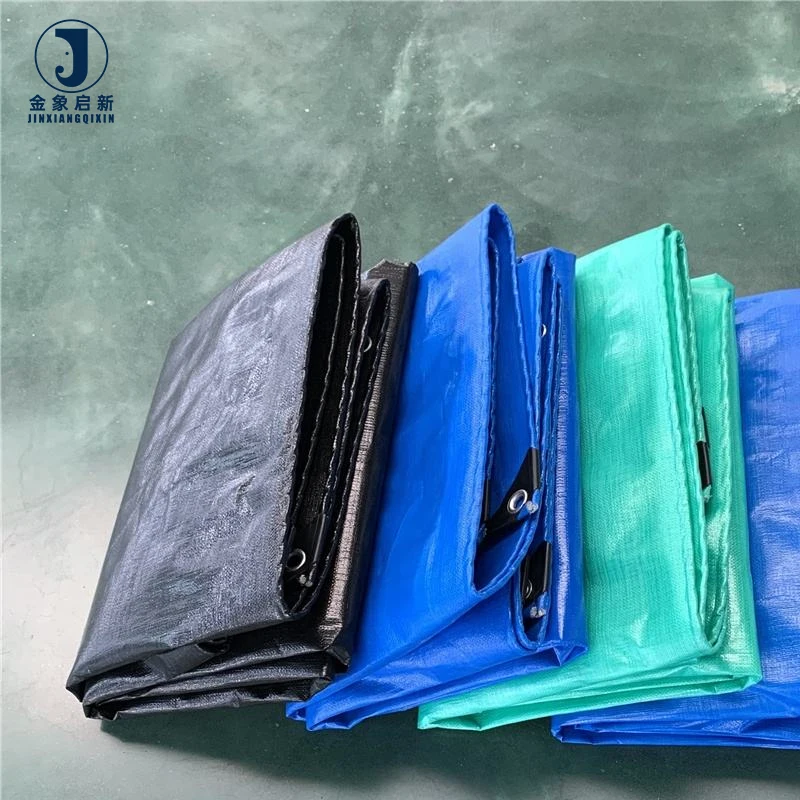
| Colour Options | Blue, Blue/Orange, Green, Grey, Black, Clear, Grey/Green, Orange, or custom |
| Key Features | Waterproof, washable, tear resistant, weather proof, sunproof, mildew proof, anti-aging |
Application Suitability
| Application | Exposure & Requirement |
|---|---|
| Agricultural stock and feed covering | Continuous UV exposure, rainfall, wind loading — requires waterproof barrier with mildew resistance |
| Pond and reservoir lining | Permanent water contact, soil chemistry, puncture risk from substrate — demands intact LDPE lamination |
| Truck and trailer load protection | Road abrasion, wind flap, tie-down stress at eyelets — needs reinforced hems and adequate tensile strength |
| Construction site equipment wrapping | Dust, debris impact, temporary weather shelter — calls for tear resistance across repeated handling |
| Warehouse and outdoor storage coverage | Stacking pressure, forklift contact, long-term sun exposure — benefits from heavier GSM grades |
| General outdoor weather protection | Rain, UV, temperature cycling — requires balanced waterproof and anti-aging performance |
Why the PE Tarpaulin You Ordered Feels Thinner Than Quoted
The quoted GSM and the delivered GSM must be verified at the same point — pre-shipment, not after the container arrives.
Every purchasing cycle, buyers specify a custom PE tarpaulin at a certain weight, approve a sample, and then receive production rolls that feel noticeably lighter during deployment. The lamination thickness may have been reduced to cut cost, or the HDPE base fabric weave may have been loosened to stretch yield per kilogram. Without a weight check at the factory gate, the shortfall only surfaces weeks later when the material tears under the first real load. [NEED_CITE: coated fabric weight verification methods and buyer complaint patterns in industrial tarpaulin procurement]
How the HDPE Weave and LDPE Lamination Work Together
The structural backbone of every PE tarpaulin roll in this range is a high-density polyethylene woven base, laminated on both sides with low-density polyethylene. The HDPE mesh provides tensile and tear resistance, while the LDPE layers seal the weave gaps to deliver waterproof performance. In lightweight grades, the 8×8 mesh with thinner lamination suits short-term agricultural covers where handling ease matters more than long-term abrasion resistance. Moving to medium and heavy-duty grades, the tighter 10×10 and 12×12 weaves carry proportionally higher tensile loads, and the thicker LDPE coating adds puncture protection for transport and construction use.
Matching Roll Width and Length to Your Cutting Plan
Roll widths of 6 ft through 6 m and lengths of 100 yards or 100 meters cover most standard cutting layouts. For buyers ordering finished sheets, the factory cuts to specified dimensions — 2×2 m up to 8×10 m and the corresponding imperial sizes — with PP rope hems and galvanized eyelets at fixed intervals. The critical detail is ensuring the roll width you select minimises offcut waste when cutting your required panel sizes. A PE tarpaulin manufacturer that controls the full process from weaving to lamination can adjust roll widths to your pattern, reducing seam joins on large covers and improving material yield across the order.
Reading Weight, Mesh Count, and Tensile Strength as a System
GSM alone tells you how much material is in each square meter, but it does not reveal how that weight is distributed between the HDPE base yarn and the LDPE coating. A sheet weighing 160 GSM with a 12×12 mesh and heavy lamination will behave very differently from one at the same weight with a loose 8×8 mesh and thick coating — the former resists tearing under load while the latter may be stiff but prone to splitting at the weave intersections. Tensile strength figures in this range span from Meridian 300 to 1200 N/5cm across the three weight tiers, and these values depend on both the base yarn denier and the mesh count working together. When specifying a custom PE tarpaulin, request the mesh count and tensile data alongside the GSM so you can compare how different constructions will perform under your specific loading conditions. [NEED_CITE: relationship between mesh count and tensile performance in HDPE woven laminated fabrics]
What Happens When the Specification Does Not Match the Job
Selecting a lightweight 80 GSM grade for a truck cover that will see daily tie-down tension and road-speed wind flap almost guarantees early failure at the eyelets and hem line. Conversely, paying for a 240 GSM heavy-duty sheet to cover indoor warehouse stock wastes budget on tear resistance and UV treatment that the material will never need. Colour inconsistency across rolls in the same order becomes visible once panels are installed side by side on a construction hoarding or a set of matched trailer covers. Welded seams on underspecified grades tend to delaminate before the fabric body fails, because the lamination adhesion was not matched to the flex demands of the application. [NEED_CITE: common failure modes in PE tarpaulin when GSM or mesh count is mismatched to end-use stress]
Why This Factory Supports Reliable PE Tarpaulin Sourcing
Three full production lines and 36 sets of professional equipment handle volume orders with consistent scheduling across lightweight through heavy-duty grades. The 10-person R&D team develops custom width rolls, colour matches, and made-to-measure finished sheets within days, not weeks. Every roll passes through dedicated QA/QC at each production stage — weaving, lamination, cutting, and finishing — with 100% inspection recorded before dispatch. Material specification sheets accompany each shipment, stating the exact GSM, base fabric construction, coating type, and colour reference so you can verify on receipt. Samples are developed rapidly for custom requirements, letting you confirm hand feel, colour accuracy, and lamination quality before committing to full production.
Documentation & Verification
- Material specification sheet stating GSM, HDPE mesh count, and LDPE coating weight per roll
- Pre-shipment inspection record confirming weight and dimensions against the purchase order
- Roll packing list detailing colour, width, and length for container loading verification
- Certificate of origin and customs documentation included with every dispatch
- UV or flame-retardant test reports supplied where the applicable grade is specified
Fabrication, Handling & Storage
- Heat-seal LDPE laminated panels at moderate temperatures to avoid burning through the thinner lightweight grades
- Position galvanized eyelets within the PP rope hem to distribute tie-down loads across the reinforced edge
- Store rolls upright on pallets to prevent flat-spot creasing that weakens the HDPE weave at the fold
- Allow cold-stored sheets to reach ambient temperature before unfolding to avoid cracking the LDPE lamination
- Use mild detergent for cleaning — aggressive solvents can degrade the LDPE surface on any weight grade
- Cut panels with a hot knife to seal LDPE edges and prevent fraying of the HDPE base yarn
Requesting a Quotation That Matches Your Requirements
Provide your application scenario and exposure conditions — whether the cover will face constant UV, mechanical abrasion, or intermittent use. Specify the roll width and colour you need, or share the finished sheet dimensions with eyelet spacing preferences. If your market requires particular certifications or test reports, state those upfront so the PE tarpaulin manufacturer can match the correct grade and documentation to your order.
Frequently Asked Questions
Q: How can I verify the GSM of the PE tarpaulin rolls I receive?
A: Request a material specification sheet with your order that states the target GSM and mesh count. On receipt, cut a measured sample from the roll, weigh it on a calibrated scale, and compare it to the stated value. Every shipment from this factory includes a pre-shipment inspection record documenting the verified weight per roll before dispatch.
Q: What roll widths are available and can I order custom widths?
A: Standard widths include 6 ft, 8 ft, 10 ft, 12 ft, 2 m, 4 m, and 6 m. Custom widths can be produced to match your cutting pattern and reduce offcut waste. Provide your panel dimensions and the factory will recommend the roll width that optimises material yield across your order quantity.
Q: How do you control colour consistency across multiple rolls?
A: Colour is matched against a reference standard before production begins, and each batch of LDPE lamination compound is checked for shade consistency. If your order spans multiple rolls, you can request that all rolls be produced from the same lamination batch to minimise visible variation when installed side by side.
Q: What eyelet spacing and edge reinforcement options are available?
A: Standard configuration includes PP rope reinforcement in all four hems with galvanized eyelets every 3 ft or 1 meter. Custom spacing can be specified to match your tie-down pattern. Reinforced plastic corners are fitted on finished sheets to handle concentrated loads at the most stressed points.
Q: Can I get samples before placing a full production order?
A: Yes. The R&D team develops samples within days for custom colour, width, and print requirements. Approve the sample for hand feel, weight, lamination adhesion, and colour accuracy before authorising bulk production, ensuring the delivered material matches your specification exactly.
Related products
-
Tarpaulin Manufacture Scaffolding Heavy Duty Camping Waterproof Cover Sheet Coated Plastic Roll Pe Tarp
¥1.80 Select options This product has multiple variants. The options may be chosen on the product page -
Waterproof PE Tarpaulin Fabric 100-300gsm Anti-Uv Outdoor Use for Boys & Girls Activity Ponds
¥0.31 Select options This product has multiple variants. The options may be chosen on the product page -
Waterproof Organic Blackout PE Coated Medium Duty All-Purpose Truck Tarpaulin for Outdoor Use Boys
¥6.81 Select options This product has multiple variants. The options may be chosen on the product page -
Hot Selling Heavy Duty PVC Coated Tarpaulin Covers Waterproof Plastic for Truck Tent Outdoor
¥3.10 Select options This product has multiple variants. The options may be chosen on the product page