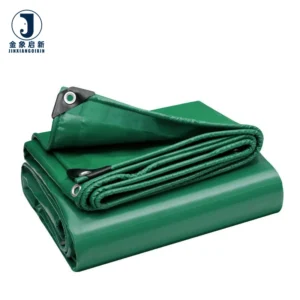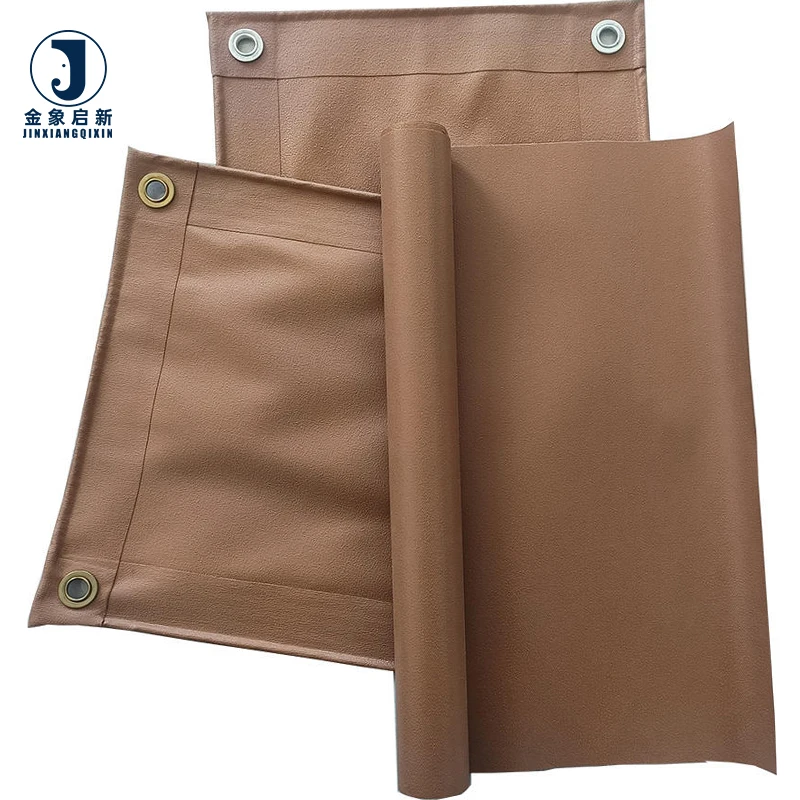
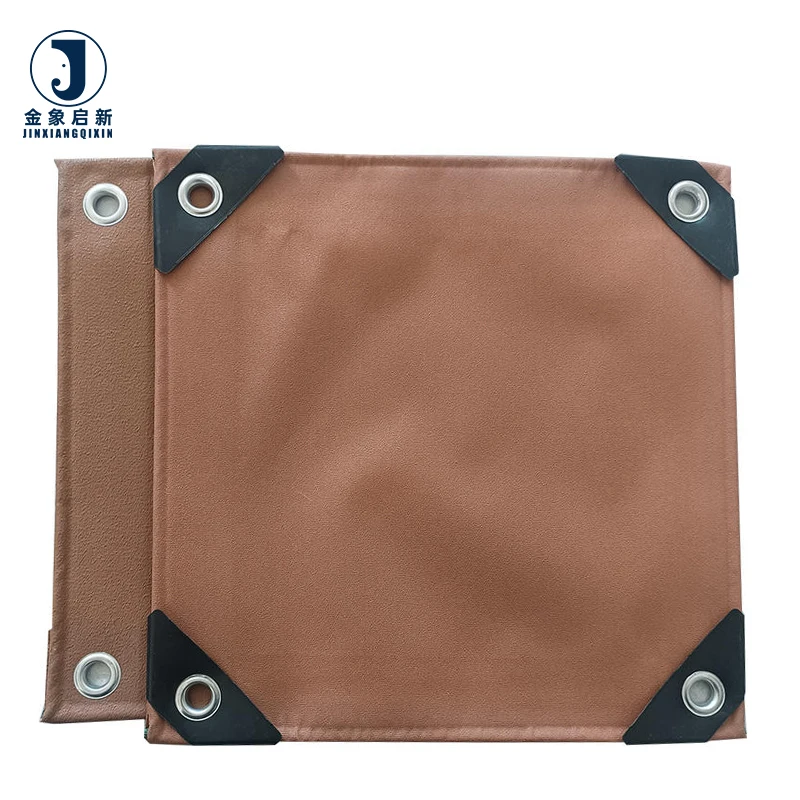
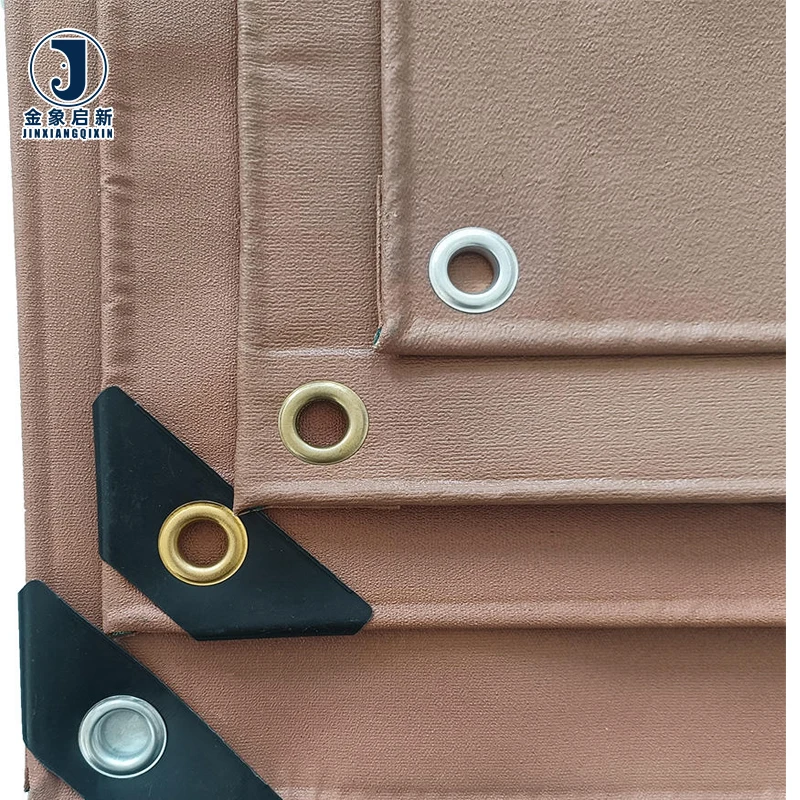
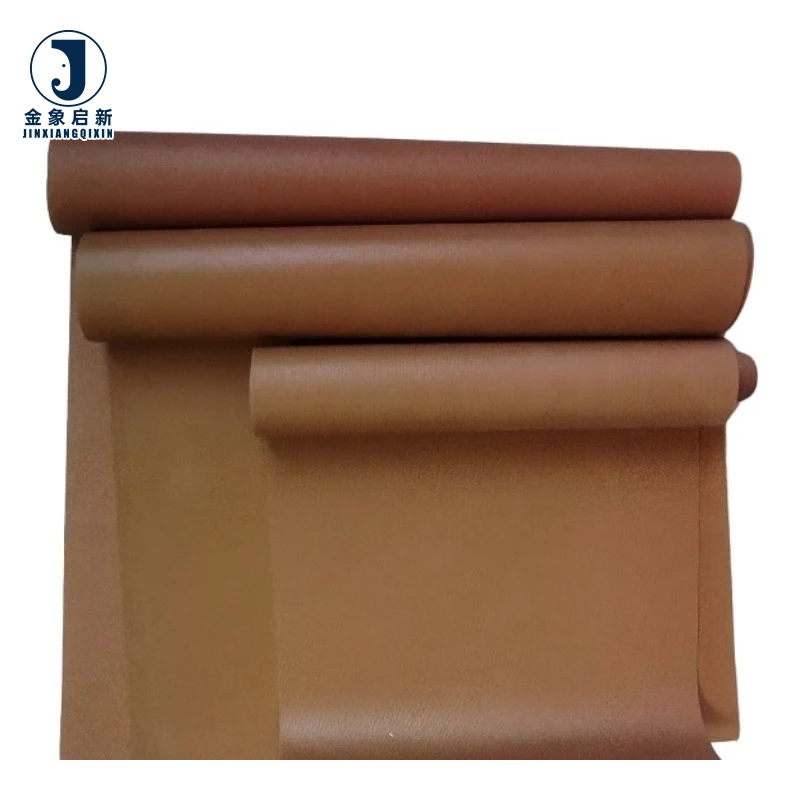
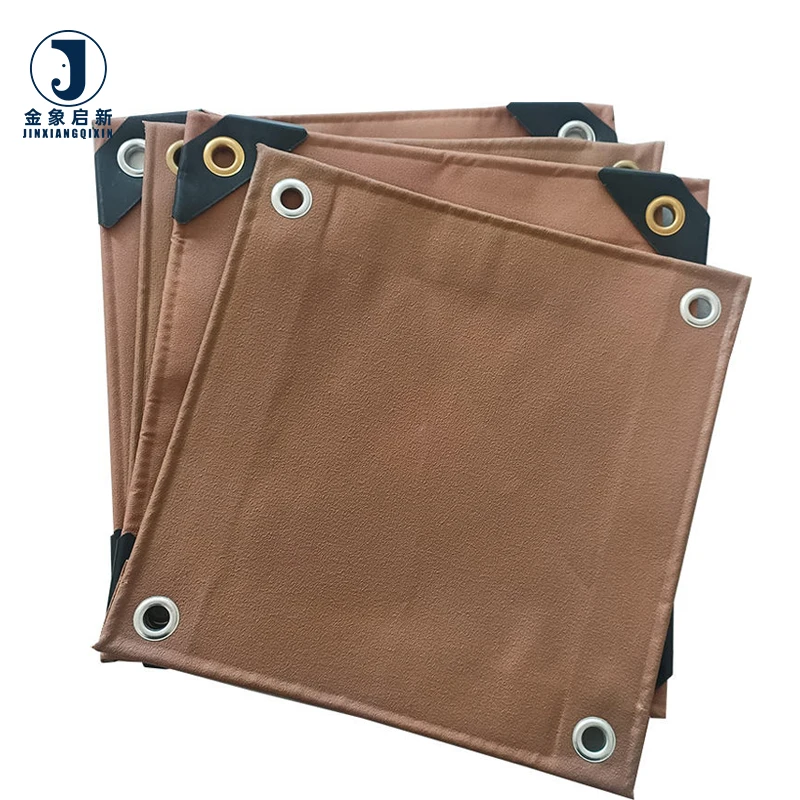
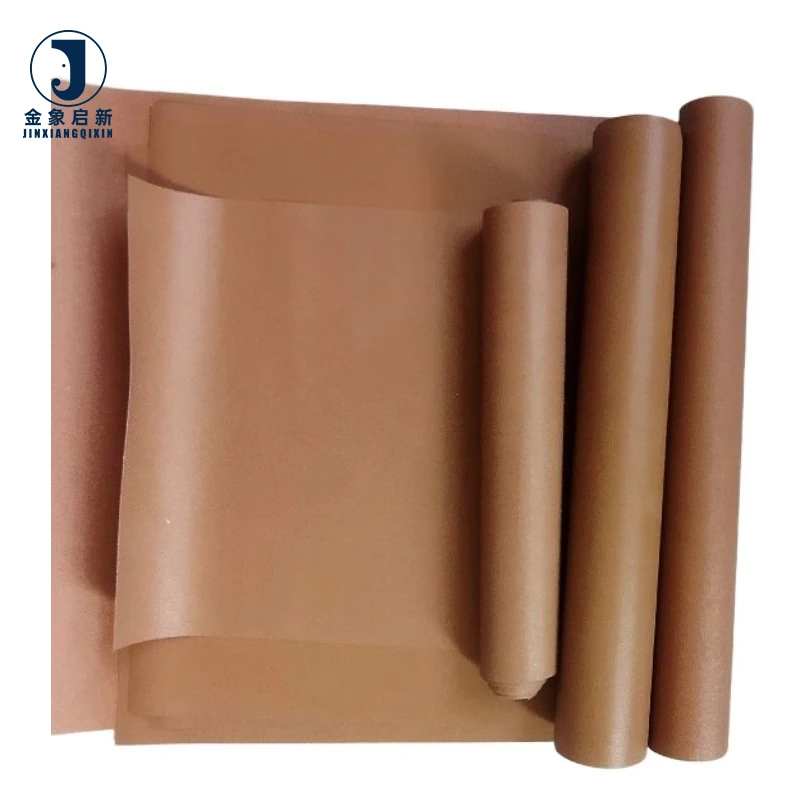
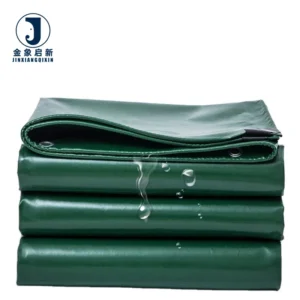
PVC Coated Tarpaulin 1000D, 550GSM/900GSM — supplied in roll or cut size with custom width, length and colour.
- 1000D polyester base delivers high tensile strength for tensioned truck covers, tent roofs and flood barrier panels
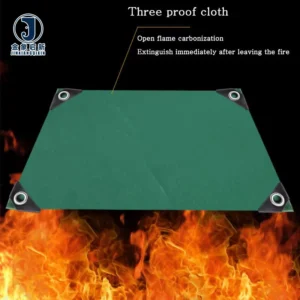
- Treatment options include flame retardant (test basis not stated), anti-UV and anti-static — specify per site requirement
- Self-clean surface finish reduces maintenance on installed covers across logistics, construction and outdoor shelter applications
- Full customisation on size, colour batch consistency and printed branding in one order
10-person R&D team develops samples within days for custom colour, print and sizing requirements.
Description
Full Customisation Range — we support mixed orders across GSM options, treatment packages, colours and cut sizes so you can source truck cover, tent and flood barrier fabric from one production run.
Technical Specifications
| Parameter | Value |
|---|---|
| Product Type | PVC Coated Tarpaulin |
| Base Fabric | 1000D Polyester |
| Weight Options | 550 GSM, 900 GSM |
| Coating | PVC |
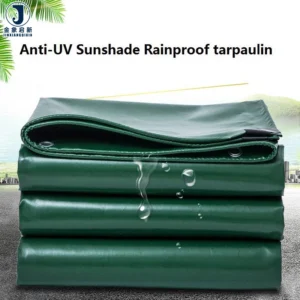
| Surface Finish | Waterproof, Self-Clean |
| Treatment Options | Flame Retardant (grade not stated); Anti-Static (grade not stated); Anti-UV (test basis not stated); Anti-Cold; Anti-Mildew |
| Assembly State | Roll or Cut Size |
| Certification | ISO, CE |
Application Suitability
| Application | Exposure & Requirement |
|---|---|
| Truck side curtain and trailer cover | Constant flexing at load points, road debris abrasion, UV exposure, wind loading at highway speed |
| Temporary site tent and event shelter | Tensioned frame installation, weather cycling, crowd safety requiring flame retardant compliance |
| Temporary roof wrap and scaffold enclosure | Direct rainfall, pooling water, wind uplift, UV degradation over extended exposure |
| Flood barrier and water diversion panel | Continuous water contact, silt and debris impact, rapid deployment and tear-down cycles |
Why the Wrong PVC Coated Tarpaulin Specification Costs More Than Fabric Replacement
A quoted GSM figure tells you nothing about how the fabric will behave once it leaves the roll.
When a logistics fleet specifies a truck cover based solely on weight, the material may arrive lighter than agreed or fail at the welded seam long before the coated surface shows wear. I have watched heavy-grade coated rolls come back from the field with the base fabric intact but the heat-welded joints peeled clean apart — the welding parameters were set for a different coating formulation [NEED_CITE: heat weld parameter matching to PVC coating weight and plasticiser content]. The same issue applies to treatment claims: a flame retardant label without a stated grade leaves you exposed at the site inspection.
Coverage Across Truck, Tent and Roof Applications From One Supplier
Sourcing PVC coated tarpaulin for multiple end uses usually means dealing with separate mills for each weight class. This 1000D polyester base is available in both 550 GSM and 900 GSM, which lets a fleet operator order side curtain fabric at the lighter grade and heavy-duty truck roof covers at the higher grade within the same container load, keeping colour and batch consistency across the entire shipment.
Treatment Selection Based on End-Use Environment, Not a Default List
A mining site tent requires a different treatment stack than a highway truck cover. Flame retardant, anti-static, anti-UV, anti-cold and anti-mildew options are all available — confirm the grade required for your market and the specific compliance standard your site or jurisdiction enforces [NEED_CITE: fire safety classification requirements for temporary structures across jurisdictions]. We match the treatment package to the application you declare at inquiry stage, rather than applying a default coating to every roll.
How Denier, Coating Weight and Surface Finish Interact in Practice
The 1000D polyester base fabric provides the tensile skeleton; the PVC coating weight determines how well that skeleton is protected and how the material handles during fabrication. A 550 GSM construction uses less coating compound, resulting in a lighter, more pliable panel suited to side curtains that flex repeatedly. The 900 GSM version carries substantially more PVC on each face, increasing stiffness and abrasion resistance for roof panels that face pooling water and debris impact. The self-clean surface finish reduces dirt adhesion on installed covers, cutting down maintenance cycles on high-exposure applications.
What Happens When Colour Consistency Is Not Verified Before Loading
A tent manufacturer once received a full container of coated fabric where two rolls sat side by side on the frame with a visible shade difference — same colour code on the label, different production batches. The entire structure had to be re-skinned before the client would accept handover [NEED_CITE: batch-to-batch colour variation in PVC coated fabrics during multi-run production]. We address this by running colour consistency checks roll-to-roll within the same order before container loading, flagging any shade drift before dispatch rather than leaving it for the buyer to discover on site.
Why Procurement Teams Consolidate Their Coated Fabric Orders Here
Three full production lines and 36 sets of professional equipment give us the capacity to run mixed GSM orders without sacrificing lead time reliability. The 10-person R&D team develops samples within days when a buyer needs a specific colour, treatment combination or custom cut size validated before committing to volume. Every roll passes dedicated QA/QC at each production stage, with 100% pre-shipment inspection covering weight, coating adhesion and surface quality. Our documentation package travels with the shipment so that verification at the receiving dock is straightforward rather than adversarial.
Documentation & Verification
- Material specification sheet confirming base fabric denier, coating type and selected GSM per roll
- Weight verification record per roll measured against the stated GSM before dispatch
- Flame retardant and anti-UV test reports matched to the production batch where applicable
- ISO and CE certificates covering the manufacturing facility and product range
- Pre-shipment inspection record documenting visual, weight and dimensional checks
- Roll packing list with net weight and roll count for container loading verification
Fabrication, Handling & Storage
- Heat weld parameters must be adjusted between 550 GSM and 900 GSM grades to avoid seam delamination
- Cut-size panels benefit from reinforced hems at tension points to distribute eyelet pull-out loads
- Store rolls upright on pallets to prevent flat-spot creasing across the 1000D base fabric
- Allow cold-stored rolls to reach ambient temperature before unrolling to avoid coating crack
- Use mild detergent only on the self-clean surface; solvent-based cleaners damage the PVC top coat
What We Need to Move Your Inquiry Forward
Send us the application, the exposure conditions at the installation site and any compliance standards your market enforces — whether that is a flame retardant grade for mining tents or an anti-static requirement for aviation ducting. Let us know if you need rolls at stock widths or cut-to-size panels with finished edges, and whether colour matching or printed branding is part of the order. We will return a specification recommendation and sample timeline so you can evaluate the material before committing.
Frequently Asked Questions
Q: How do I confirm the GSM I receive matches the GSM I ordered?
A: We weigh sample cuts from every roll during pre-shipment inspection and record the result against the quoted GSM. You receive this weight verification document with the shipment. If you require independent lab testing, we can send sealed samples from the same production batch to a third-party laboratory before the container is loaded.
Q: Which treatment combination is required for a mining site tent versus a highway truck cover?
A: Mining site tents typically need flame retardant and anti-static treatment to meet underground and surface safety regulations, while highway truck covers prioritise anti-UV and anti-cold treatment for weather exposure. Tell us the jurisdiction and the end-use environment, and we recommend the treatment package that matches the compliance standard your site enforces.
Q: Can I mix different widths and colours in one container?
A: Yes. Our production lines handle multiple width and colour runs within the same order, and we consolidate them into a single container. We check roll-to-roll colour consistency across the entire order before loading so that panels installed side by side show no visible shade variation.
Q: How do you handle roll-to-roll shade variation across a large order?
A: We run all rolls for a single order through the same coating batch where possible. During pre-shipment inspection, we lay adjacent rolls side by side under controlled lighting and flag any shade drift. Rolls that fall outside the agreed tolerance are held back and re-run rather than shipped.
Q: What is the sample lead time for a custom colour and treatment combination?
A: Our R&D team develops custom samples within days once we receive your colour reference and treatment requirements. The sample goes through the same coating and treatment process as volume production so that the material you evaluate is representative of what you will receive at scale.
Related products
-
Heavy Duty Truck Tarpaulin 1000d Pvc Tarp Waterproof Pvc Canvas
¥1.20 Add to cart -
630 Gsm Blue/Grey/Orange Pvc Tarpaulin Roll Pvc Tarpaulin Truck Tarpaulin Pvc Coated Tarpaulin
¥1.66 Add to cart -

450gsm Green Heavy-duty Waterproof Tarps & Groundsheets Pvc Tarpaulin
¥1.25 Select options This product has multiple variants. The options may be chosen on the product page -
Factory Direct Sale Flatbed Trailer Tarps Black Heavy Duty Lumber Pe Tarp Flatbed Truck Transportation Tarpaulin Roll Sheet
¥1.25 Select options This product has multiple variants. The options may be chosen on the product page