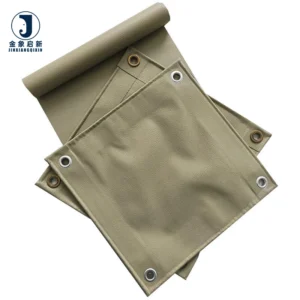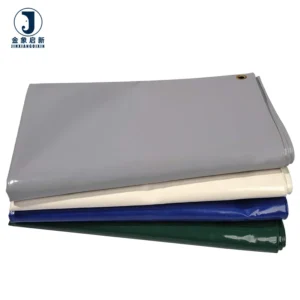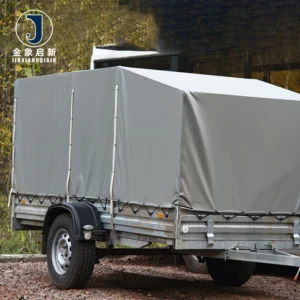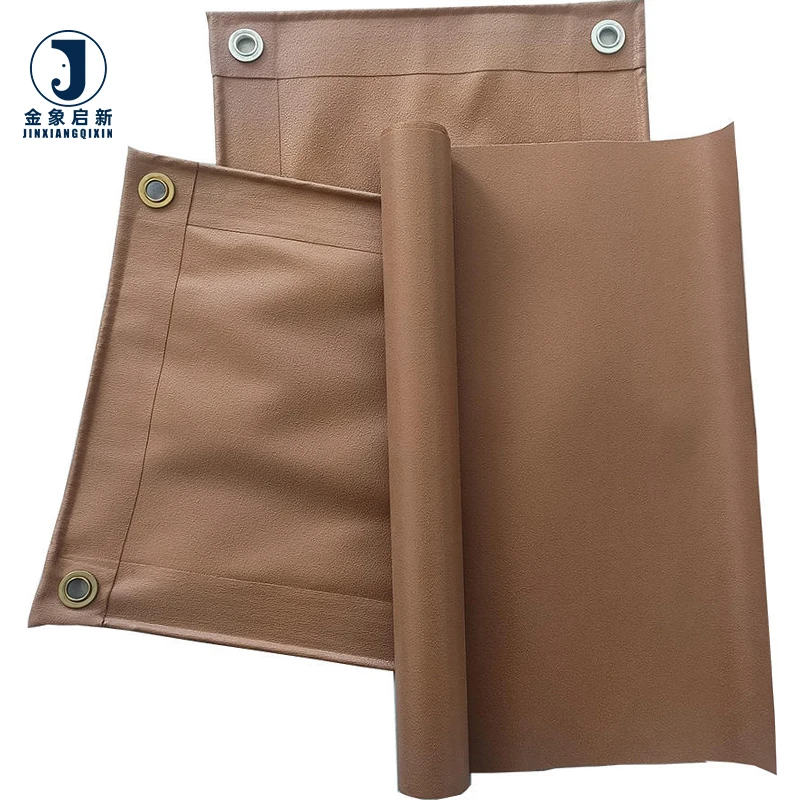
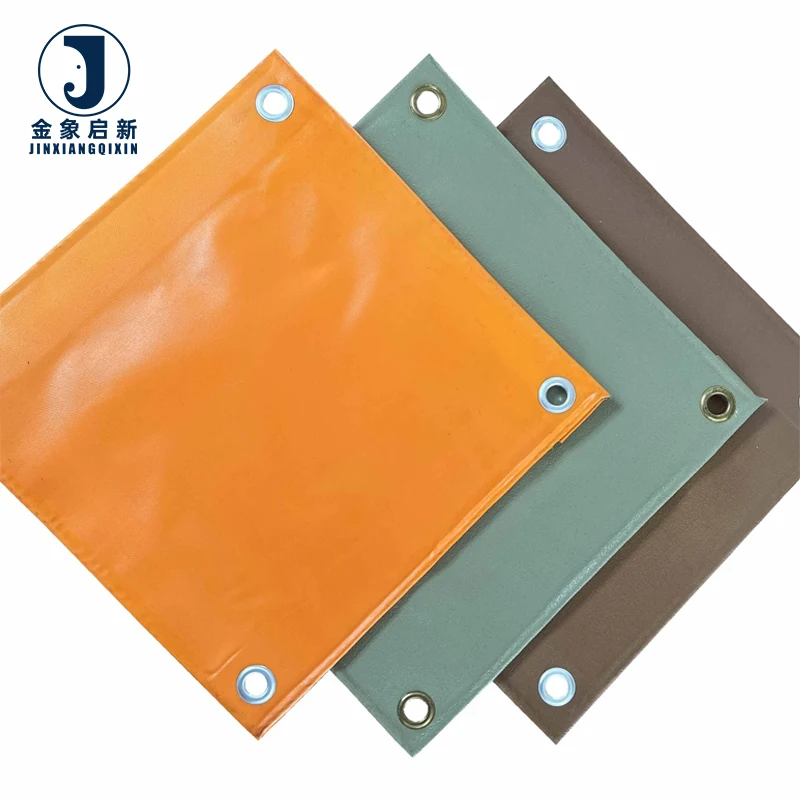
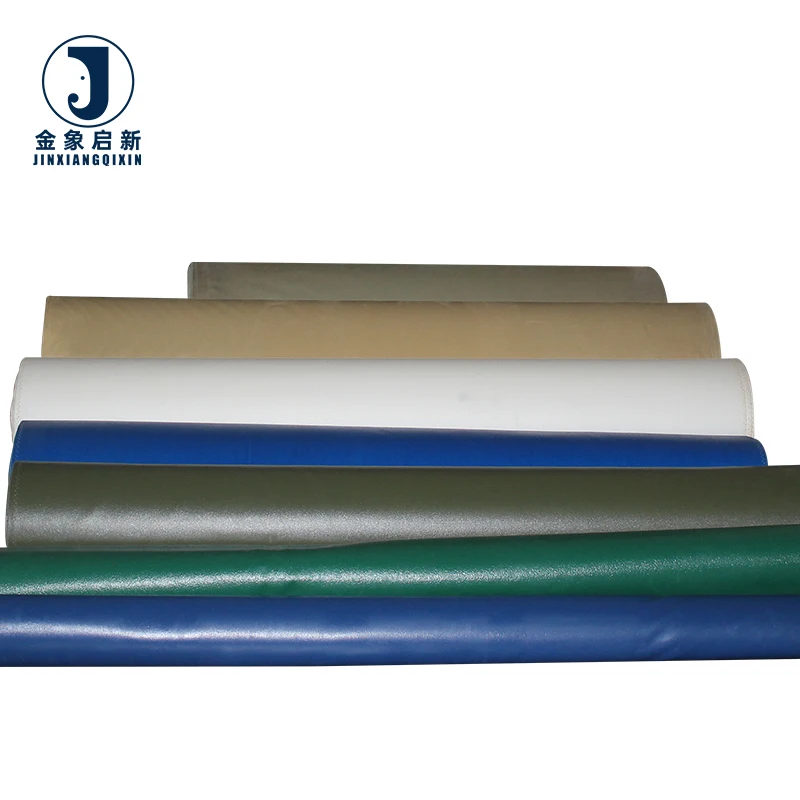
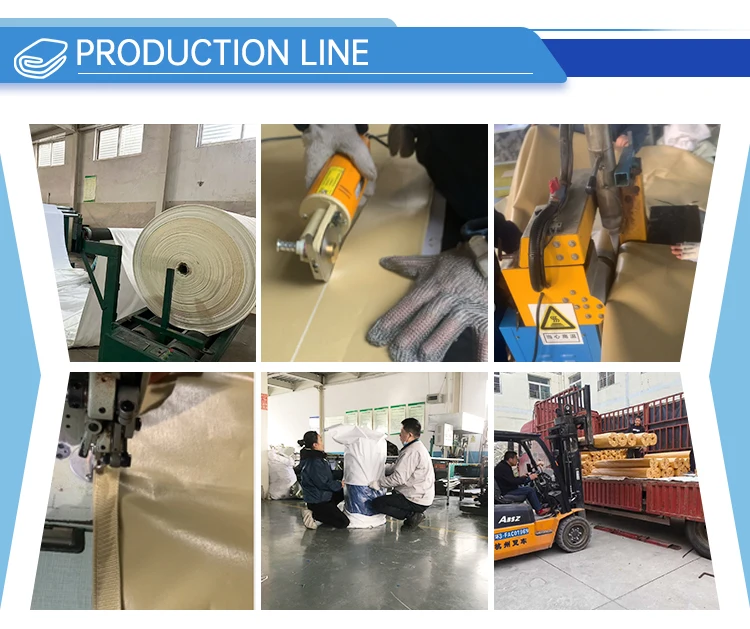
520gsm PVC Coated Tarpaulin Fabric — 100% polyester base with hot-melt lamination, available from 400–1500 g/m² in medium, heavy and super heavy grades.
- Warp tensile up to 3000 N/5cm, thickness 0.35–1.5 mm
- Treatment options: cold resistant, mold proof, UV resistant
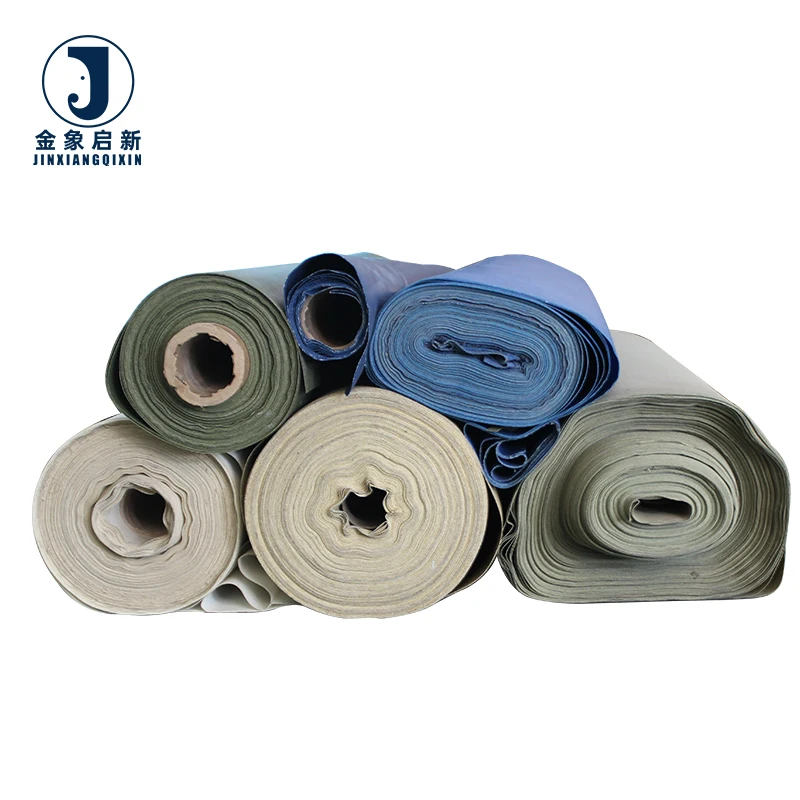
- Standard cut sizes from 8’×10′ to 20’×30′, or full-width roll stock
Consistent coating weight and adhesion controlled across three dedicated production lines, with 100% pre-shipment inspection on every roll.
Description
Deep Process Control — Every roll of 520gsm PVC coated tarpaulin custom manufacturer output is checked for coating weight and adhesion at each production stage before dispatch.
Technical Specifications
| Parameter | Value |
|---|---|
| Product Type | PVC Coated Tarpaulin Fabric |
| Base Material | 100% high toughness polyester yarn |
| Coating Technology | Lamination and hot melt coating |
| Treatment Options | Flame retardant, anti-static, cold resistant, mold proof, UV resistant (confirm grade required for your market) |
| Weather Resistance | 3-5 years outdoor guarantee |
| Welding Properties | Excellent welding tear strength |
| Standard Cut Sizes | 8′ x 10′, 10′ x 12′, 12′ x 16′, 16′ x 20′, 20′ x 20′, 20′ x 30′ |
| Certifications | ISO, CE |
Application Suitability
| Application | Exposure & Requirement |
|---|---|
| Truck tarpaulin and side curtain | Constant flexing at hinge points, road debris abrasion, sustained UV and rain exposure |
| Construction site equipment covers | Prolonged outdoor storage, wind-driven rain, handling abrasion from repeated removal |
| Industrial pipe canopy | Sun exposure, thermal expansion movement, chemical-laden air in plant environments |
| Tensioned structural fabric | Continuous tensile load, wind uplift, UV degradation over multi-year installation |
| Farm and transport load covering | Abrasion from shifting loads, moisture ingress risk, tie-down friction |
Why Quoted Weight Alone Does Not Guarantee Tarpaulin Performance
A verified material specification sheet with production-stage QA records is the only way to confirm the fabric you receive matches what was agreed.
Buyers regularly see PVC coated tarpaulin custom manufacturer quotations stating a specific GSM, only to find the delivered rolls lighter than agreed once placed on a scale. When the coating weight is inconsistent across the roll, the tensile and tear performance drops below the expected threshold for the intended application. This problem is rarely visible before installation, and by the time a side curtain splits at a flex point or a truck cover fails under wind load, the material has already been cut, welded, and fitted. [NEED_CITE: tensile and tear test methods for coated fabrics per ISO 1421]
Hot Melt Coating Adhesion Under Repeated Flex Loads
The hot melt coating and lamination technology used on this PVC coated tarpaulin fabric bonds the PVC layer to the polyester base at elevated temperature, producing adhesion that resists delamination when the material flexes repeatedly. For side curtain applications where the fabric folds and unfolds daily at tie-down points, this bond integrity prevents the coating from peeling away from the base yarn. PVC coated tarpaulin custom manufacturer production runs using this method maintain consistent coating weight across the roll width, which is critical when multiple panels are welded together for a single trailer cover.
Welding Tear Strength at High-Stress Seams
Where two panels meet at a welded seam, the joint must resist peeling forces that concentrate along the weld line every time a truck load shifts or wind catches a loose section. The excellent welding tear strength of this fabric means the seam can be heat-welded without the PVC coating burning through or the base yarn weakening at the joint. [NEED_CITE: heat welding parameters for PVC coated polyester fabrics] This is the point where many coated fabrics fail first — not because the fabric body is weak, but because the weld line cannot absorb the same stress the surrounding material handles.
Understanding GSM, Denier, and Coating Method Together
The weight of a coated fabric in grams per square metre reflects the combined mass of the base yarn and the PVC coating applied to both sides. A higher GSM does not automatically mean higher tear resistance if the base fabric denier is low and most of the weight comes from coating thickness alone. The denier of the polyester yarn — whether 500D for medium-duty grades or 1000D for heavier applications — determines how the fabric resists tear propagation once a cut or puncture starts. The hot melt coating method adds adhesion strength between these layers that knife-over-roll or calendaring methods may not achieve at the same coating weight. Surface treatments such as anti-UV and flame retardant are applied during or after coating, and their effectiveness depends on the coating method locking the treatment into the PVC matrix rather than leaving it as a surface wash that degrades with abrasion. [NEED_CITE: DIN 4102 fire classification for building materials] The knitting density and weave pattern further influence how loads distribute across warp and weft directions, which affects both tensile strength readings and real-world behaviour under diagonal stress.
What Happens When the Specification Does Not Match the Site
When a truck fleet operator receives side curtain fabric with lower actual GSM than quoted, the material thins out faster at abrasion points where the curtain contacts the trailer frame, leading to early replacement cycles. If the flame retardant grade is not documented with a test report, a construction site may reject the entire installation at inspection, forcing a costly re-order and project delay. Batch-to-batch colour variation across rolls in the same order becomes visible once panels are installed side by side on a single trailer, creating a patchwork appearance that damages the fleet operator’s brand. Welded seams that fail before the fabric body does leave the load exposed at exactly the point where flex forces are highest. [NEED_CITE: common failure modes in PVC coated tarpaulin installations]
Why Procurement Teams Source This Fabric Here
Three full production lines with 36 sets of professional equipment run this PVC coated tarpaulin custom manufacturer range with capacity for bulk orders and reliable scheduling. A 10-person R&D team handles material selection and sample development, turning around custom width, colour, and treatment samples within days so buyers can verify weldability and GSM before committing to production volume. Dedicated QA/QC checks at every production stage — not just final inspection — catch coating weight deviations and colour shifts before the roll leaves the line. The hot melt coating process is monitored for adhesion consistency, ensuring the bond between PVC and polyester base holds through welding and long-term flex use. Pre-shipment inspection records accompany every dispatch, giving buyers a documented weight and dimension check against their specification sheet.
Documentation & Verification
- Material specification sheet stating exact GSM, base fabric denier, and coating method for this product
- UV and flame retardant test reports supplied where applicable, no claim without documentation
- Pre-shipment inspection record confirming weight, dimensions, and treatment before loading
- Roll packing list with batch reference for traceability across multiple rolls
- ISO and CE certificates included in the documentation package
Fabrication, Handling & Storage
- Hot weld at temperatures matched to the hot melt coating thickness to avoid burn-through on 520gsm grades
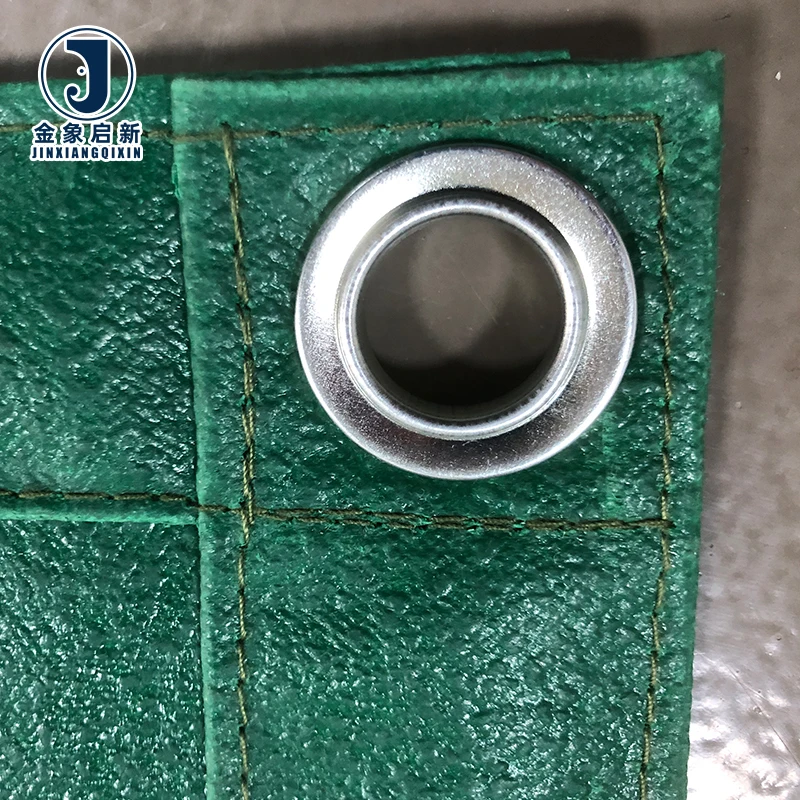
- Reinforce tie-down eyelet zones with extra PVC patches to distribute flex loads on side curtain panels
- Store rolls upright on pallets to prevent flat-spot creasing in the coated polyester fabric
- Allow cold-stored rolls to reach ambient temperature before unrolling to avoid coating crack
- Use PVC-compatible cleaners only; solvent-based products can soften the hot melt coating layer
- Overlap welded seams by a width appropriate to the fabric weight to maintain tear continuity
What We Need to Move Your Enquiry Forward
To recommend the right grade and treatment package, share the end-use application, whether the fabric will be supplied in roll form or as finished cut-and-welded covers, and any fire safety or compliance standards your market requires. Confirm the colour reference or Pantone code if batch consistency across multiple rolls is needed for a fleet order. Let us know the target width and estimated annual volume so we can confirm production scheduling and sample turnaround.
Frequently Asked Questions
Q: How is the actual GSM verified before the rolls ship?
A: Every roll undergoes a weight check at multiple production stages, not just at packing. A pre-shipment inspection record documents the measured GSM against your specification sheet and is included with the dispatch paperwork, so you can confirm the material matches what was quoted before the container leaves our facility.
Q: Can you supply a test report for the UV or flame retardant treatment?
A: Yes. Where UV or flame retardant treatment is specified, the corresponding test report is included in the documentation package. Confirm the grade and test standard required for your market at the enquiry stage so the correct treatment level is applied during production.
Q: How do you maintain colour consistency across multiple rolls in one order?
A: Colour reference is confirmed before production begins, and batch mixing is controlled across the full order quantity. In-process QA checks compare each roll against the approved reference under standard lighting. The pre-shipment inspection record notes the colour check result for every roll.
Q: What is the process for custom sizing a truck cover to a specific trailer model?
A: Share the trailer model, dimensions, and tie-down configuration. Our R&D team develops a sample panel with the specified GSM and treatment within days. Once you approve the sample for fit, weldability, and colour, production proceeds with 100% inspection before dispatch.
Q: Can samples be developed before I commit to a bulk order?
A: Samples are produced to your exact GSM, colour, and treatment specification so you can verify weight, weld strength, and surface finish on your own equipment. Sample turnaround is measured in days, not weeks, and approval of the sample locks the production parameters for the full order.
Related products
-

PVC Coated Tarpaulin PVC Fabric Tarpaulinheavy duty fire retardant waterproof pvc coated tarpaulin rolling pvc tarp
¥1.00 Select options This product has multiple variants. The options may be chosen on the product page -
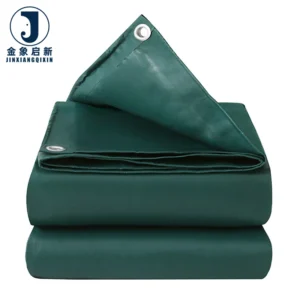
Secure Green PVC Coated Blackout Tarpaulin Truck Tent Cover Anti-Aging Waterproof Folding Design Breathable Woven Technics
¥0.83 Select options This product has multiple variants. The options may be chosen on the product page -
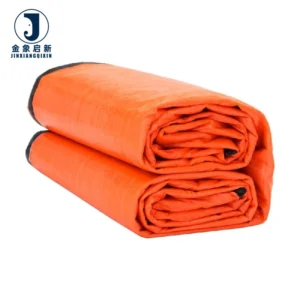
Factory 12ftx20ft Construction Cold Weather Insulated Pe Tarps Poly Tarp Heavy Duty Concrete Curing Blanket Tarpaulin Roll Sheet
¥0.66 Add to cart -

Hotsale Custom China Supplier Super Strength Industrial Grade 680GSM RIPSTOP PVC Tarpaulin for Builders Roof Tarp and Sheeting
¥2.80 Add to cart