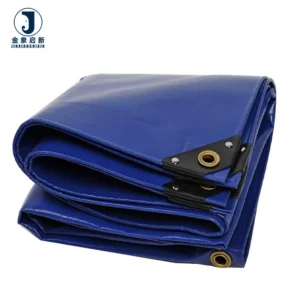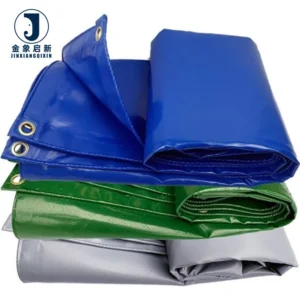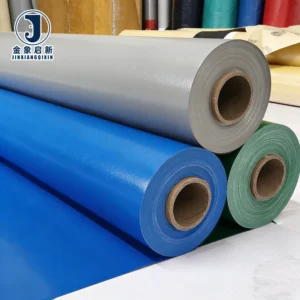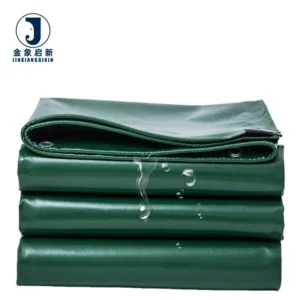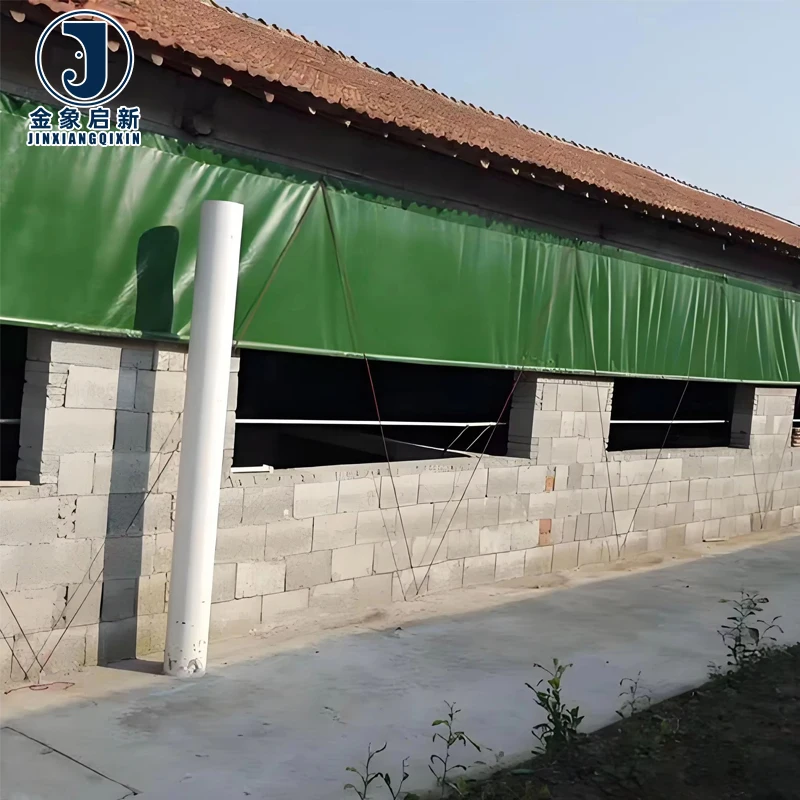
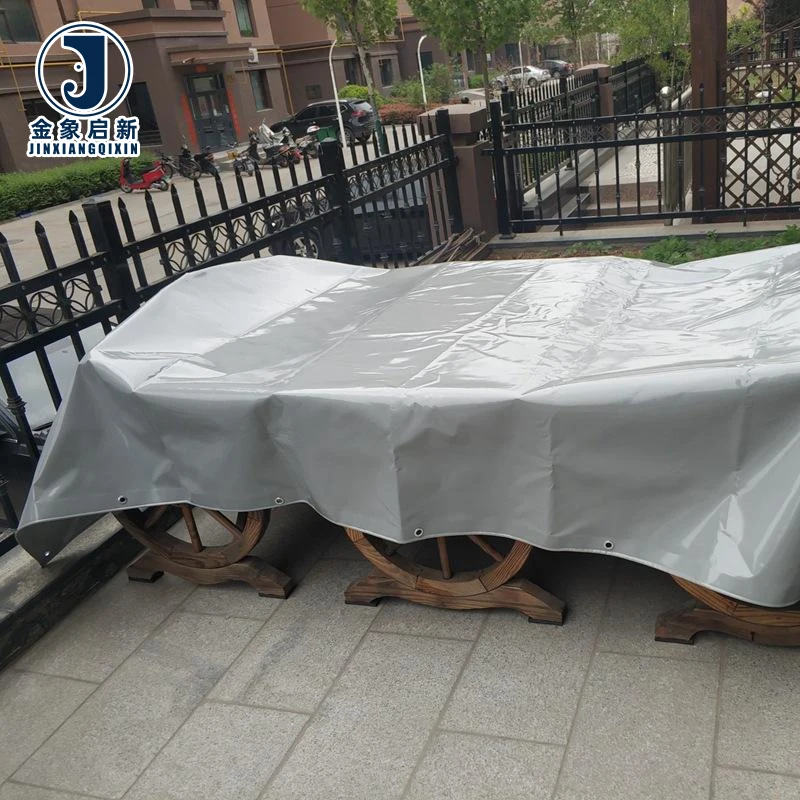
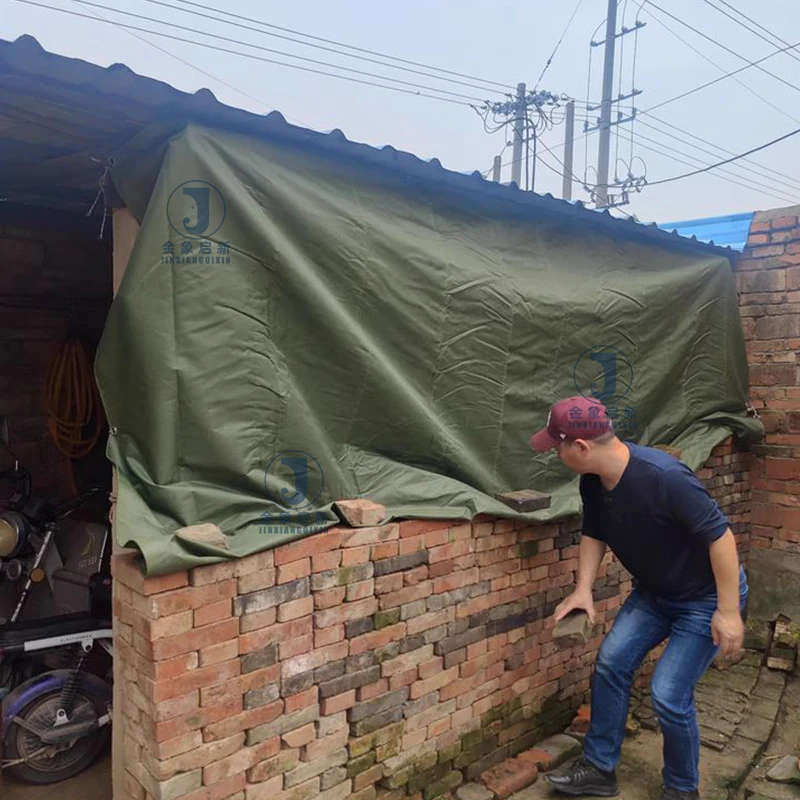
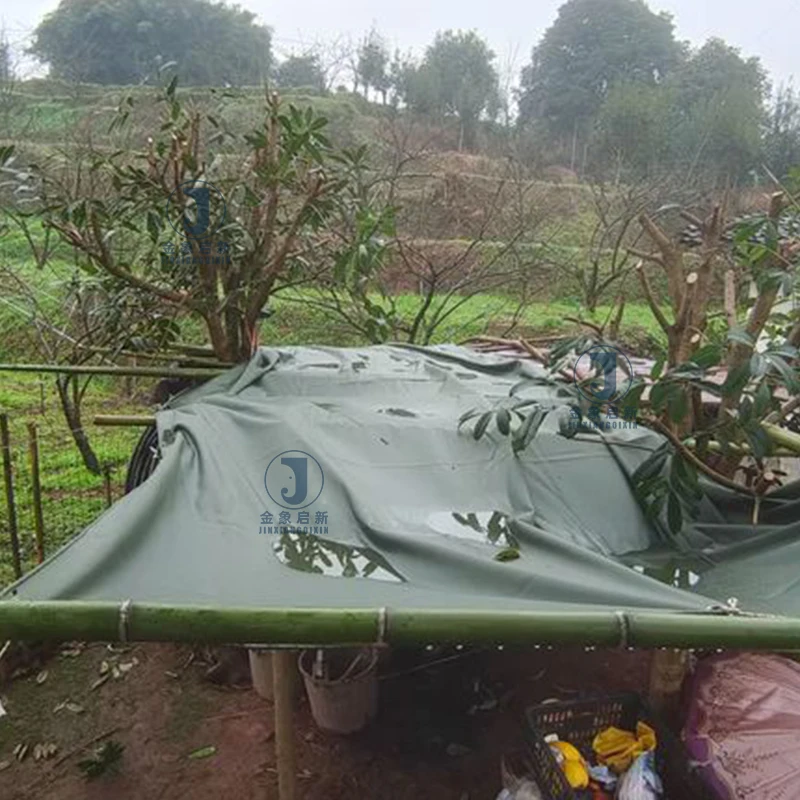
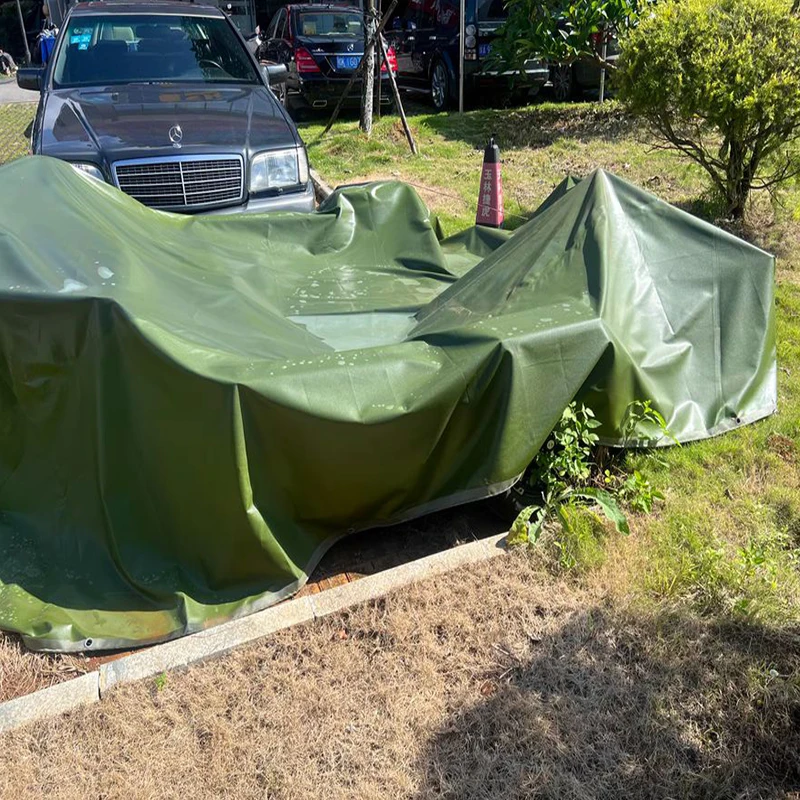
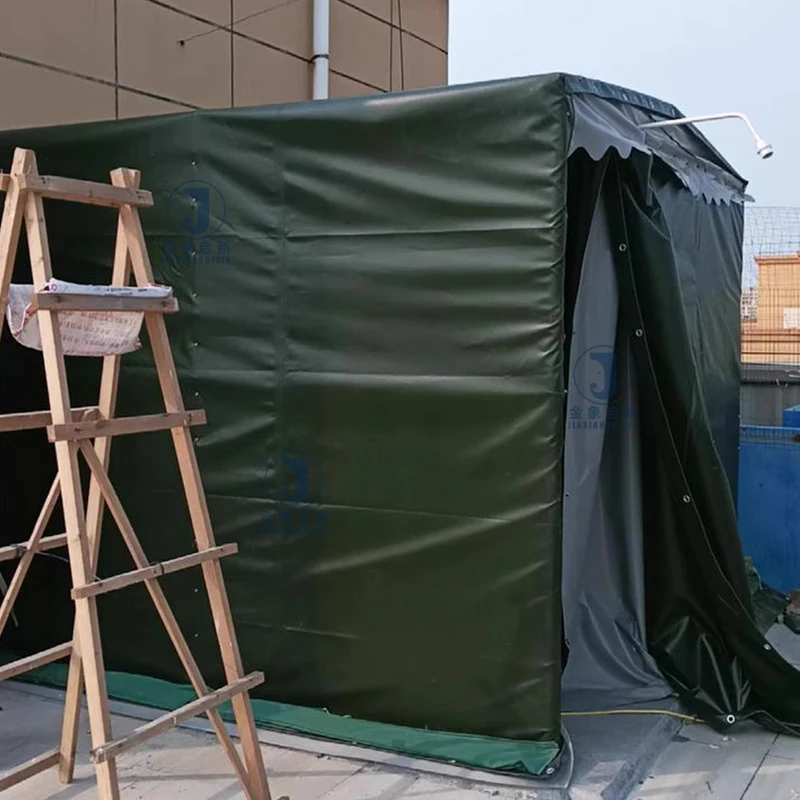
PVC Coated Tarpaulin — waterproof PVC on plain-weave polyester base, tear-resistant with anti-static treatment and customizable color options for agricultural enclosures.
- Designed for poultry, pig, sheep and broiler farm tent covers where sustained moisture exposure and static control are critical to livestock housing performance.
- Full custom capability from roll stock to cut-to-size panels, with dedicated QA at every production stage and 100% pre-shipment inspection.
Description
Custom Roll Capability — A 10-person R&D team develops PVC coated tarpaulin samples within days for agricultural cover specifications, supporting buyers from first enquiry to container loading.
Technical Specifications
| Parameter | Value |
|---|---|
| Product Type | PVC Coated Tarpaulin Roll |
| Coating Material | PVC |
| Base Fabric Construction | Warp Knitted Polyester |
| Weave Style | Plain |
| Waterproof | Yes — fully coated construction |
| Anti-Static | Available in anti-static grades — confirm the treatment and test standard required for your facility |
| Tear Resistant | Yes — suited to heavy-duty agricultural use (grade not stated in source) |
| Flame Retardant | Available in flame retardant grades — confirm the grade required for your market |
| UV Treatment | Available with UV treatment — test basis to be confirmed per order |
| Color | Customizable across the full palette |
| Finish | Plain |
| Width | Custom width available |
| Length | Custom roll length available |
Application Suitability
| Application | Exposure & Requirement |
|---|---|
| Poultry and broiler housing tent covers | Constant high humidity, ammonia vapour, daily temperature swings, repeated opening and closing of side curtains |
| Pig and sheep shelter enclosures | Direct animal contact, abrasion against timber and steel frames, moisture from washing and rainfall |
| Agricultural equipment and feedstock covers | Outdoor UV exposure, wind loading on large unsupported spans, dust and organic debris accumulation |
| Farm tent and inflatable structure membranes | Tension across inflated forms, seam stress at anchor points, long-term weathering in open paddock settings |
Why Roll-to-Roll Colour Consistency Matters When You Buy PVC Tarpaulin in Volume
Batch colour variation is the single most visible defect once farm covers are installed side by side.
When a livestock facility orders multiple rolls of PVC coated tarpaulin for a row of broiler houses or pig shelters, even a slight shade shift between rolls becomes obvious after installation. Buyers often receive material that matches the approved sample individually but shows a visible banding effect across the building envelope. This forces panels to be re-sorted or entire sections replaced — a cost that does not appear on the original quotation. [NEED_CITE: colour measurement tolerance standards for coated textiles]
Controlling Colour and Weight from First Roll to Last
Producing a PVC coated tarpaulin roll for agricultural use requires tight control at the coating stage. The warp knitted polyester base passes through the coating line and receives its PVC layer in a continuous process, where temperature, line speed and knife gap together determine the final weight per square metre. Any drift in these settings shows up as a visible or measurable difference between rolls produced at the start and end of a run. For farm tent fabric buyers ordering a full container load, that consistency is what separates a clean installation from a patchwork result.
Matching the Fabric to the Shelter Frame
Every agricultural shelter imposes its own load profile on the cover. Broiler houses with automated side curtain systems flex the material dozens of times per day at the roll-up bar. Pig shelters with low-pitch roofs allow water to pool if the fabric sags between purlins. Sheep enclosures exposed to prevailing wind need enough tensile stability to resist billowing without transferring all the load to the eyelets. Selecting the correct PVC coated tarpaulin specification — weight, base fabric denier and coating adhesion — for each shelter type is where application knowledge prevents premature failure. [NEED_CITE: tensile and tear test methods for coated fabrics per ISO 1421]
What the Specification Sheet Actually Tells You
A material specification sheet should state more than a single GSM figure. The warp knitted polyester base fabric provides the structural skeleton: its denier and thread count determine how far a tear will propagate once initiated by a sharp frame edge or a loose bolt. The PVC coating weight applied to each face governs waterproof integrity and abrasion resistance — a heavier coat on the weather face with a lighter scrape coat on the reverse is a common construction that balances protection with roll flexibility. Together, these parameters define how the PVC coated tarpaulin roll behaves under tension on a farm shelter frame, and why quoting on GSM alone leaves critical gaps in the comparison.
Surface Finish and Its Role in Farm Environments
The plain finish on this PVC coated tarpaulin provides a smooth, non-porous surface that sheds dust, feed residue and organic matter common in livestock environments. In poultry housing, where ammonia and moisture create aggressive conditions, a smooth surface allows operators to wash down covers between production cycles without the fabric absorbing contaminants. The finish also influences how well the material accepts heat welding — a clean, consistent surface produces stronger weld seams than a textured alternative when joining panels for wide-span agricultural tents. [NEED_CITE: PVC coating surface treatment and weld adhesion behaviour]
The Hidden Cost of Specifying on Price Per Kilogram Alone
When buyers select PVC coated tarpaulin based solely on the lowest cost per kilogram of finished roll, the coating line compensates by reducing PVC compound while maintaining the stated width. The result is a material that meets the weight figure on paper but relies on heavier base yarns and less coating to get there. In agricultural applications where the coating provides the waterproof barrier and protects the polyester from UV degradation, a thin coat fails first — often along the weld seams where flexing concentrates. The shelter may look intact from a distance while the coating has already begun to delaminate at the stress points. [NEED_CITE: coating adhesion failure modes in PVC tarpaulin field use]
Why Agricultural Buyers Source This PVC Coated Tarpaulin Here
Three full production lines and 36 sets of professional equipment support bulk roll output without sacrificing the coating consistency that farm cover projects demand. A dedicated 10-person R&D team handles material selection and sample development, producing test rolls within days so buyers can verify weight, colour and hand feel before committing to a container order. QA/QC checkpoints at every production stage, with 100% inspection before shipment, catch coating weight drift and colour deviation before the roll is packed. Custom widths and lengths are produced on the same lines as stock grades, so lead times for non-standard agricultural tent dimensions remain practical rather than prohibitive.
Documentation & Verification
- Material specification sheet stating base fabric construction, coating material, and colour reference per roll
- GSM and coating weight verified against the specification sheet before each roll is cleared for packing
- Anti-static and flame retardant test reports supplied for the specific grade ordered, not a generic family certificate
- Pre-shipment inspection record confirming colour consistency and dimensional accuracy across the full order
- Roll packing list with individual roll numbers matched to the certificate of origin for customs clearance
Fabrication, Handling & Storage
- Heat weld PVC coated tarpaulin panels using a hot air wedge welder set to the coating thickness specified for farm cover seams
- Store rolls upright on pallets in a dry warehouse to prevent flat-spot deformation of the warp knitted base fabric
- Clean installed farm covers with mild detergent and low-pressure water to preserve the plain finish surface integrity
- Allow PVC coated tarpaulin rolls to acclimatise to ambient temperature before unrolling in cold conditions to avoid coating crack
- Cut panels with a straight blade on a flat surface to ensure clean edges that weld evenly on agricultural tent frames
Requesting a Quotation for Your Farm Cover Project
Provide the shelter type — broiler house, pig pen, equipment store — along with the panel dimensions and the number of rolls or cut panels required. State your target market so the correct fire classification and anti-static documentation can be prepared. Confirm whether you need full rolls for your own fabrication line or finished panels with custom sizing and hemming.
Frequently Asked Questions
Q: How is GSM verified on arrival and what documentation supports the stated weight?
A: Each roll is weighed and measured during pre-shipment inspection, with the recorded GSM checked against the specification sheet. The inspection record and material specification sheet travel with the shipment so you can cross-reference the stated weight with the physical roll label on arrival.
Q: How is batch-to-batch colour consistency controlled across multiple rolls for large farm projects?
A: Colour is set at the compounding stage and verified at each production checkpoint against the approved reference. Rolls for a single project are produced in one continuous campaign where possible, and 100% pre-shipment inspection confirms visual consistency before packing.
Q: What custom widths, lengths and finishing options are available for agricultural tent fabric orders?
A: Roll width and length are produced to your panel layout to minimise cutting waste on site. The R&D team prepares samples within days to confirm dimensions, colour and hand feel before the bulk run begins, and custom hemming or reinforcement can be discussed at the sampling stage.
Q: What is the sample development and approval process before bulk roll production begins?
A: After receiving your specification and application details, the R&D team produces a sample roll reflecting the exact coating weight, base fabric and colour requested. Once you approve the sample, the same parameters are locked into the production line settings for the full order.
Q: How are rolls packed and loaded for container shipping to prevent transit damage?
A: Rolls are wrapped in protective film, packed on pallets, and loaded to maximise container utilisation while preventing movement during transit. The roll packing list details each roll number and position in the container, matching the documentation set provided for customs clearance.
Related products
-
PVC Tarpaulin Waterproof Triangular Tarpaulin Folha De Tarpaulina Truck Tarpaulin
¥0.90 Select options This product has multiple variants. The options may be chosen on the product page -
Nylon-coated Trailer Tarpaulin. Waterproof Canvas. Heavy-duty PVC Tarpaulin for Truck Tents
¥1.04 Add to cart -
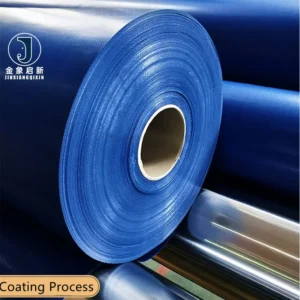
PVC Coated Tarpaulin Outdoor Poly Tarp Plastic Canvas Tarpaulin Roll 650 Gsm for Truck Tent. Roof Cover
¥2.70 Add to cart -
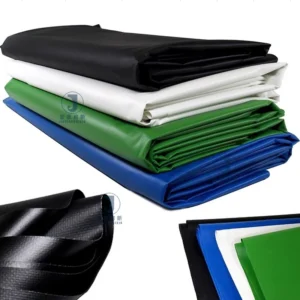
Best Quality 650gsm Waterproof Polyester Heavy Duty Bache PVC Tarpaulin Manufacturer
¥1.25 Select options This product has multiple variants. The options may be chosen on the product page