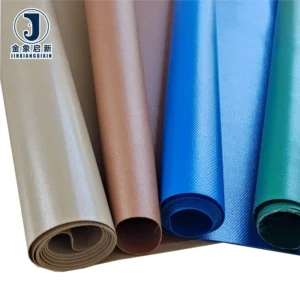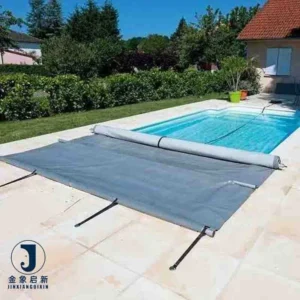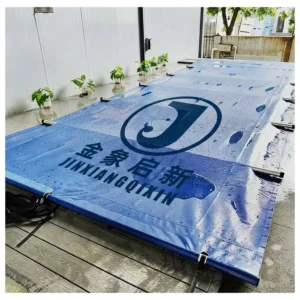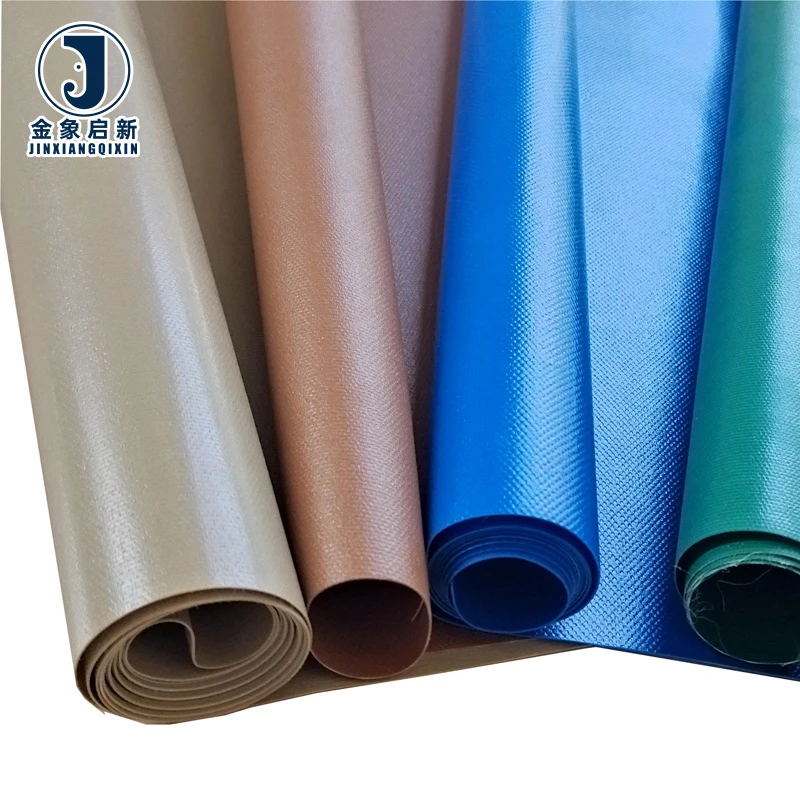
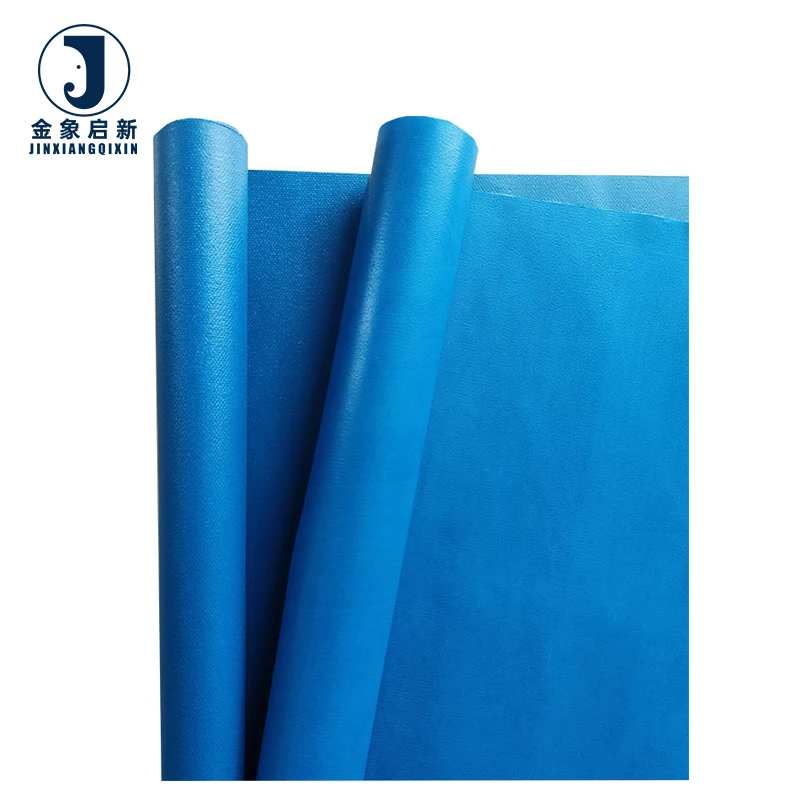
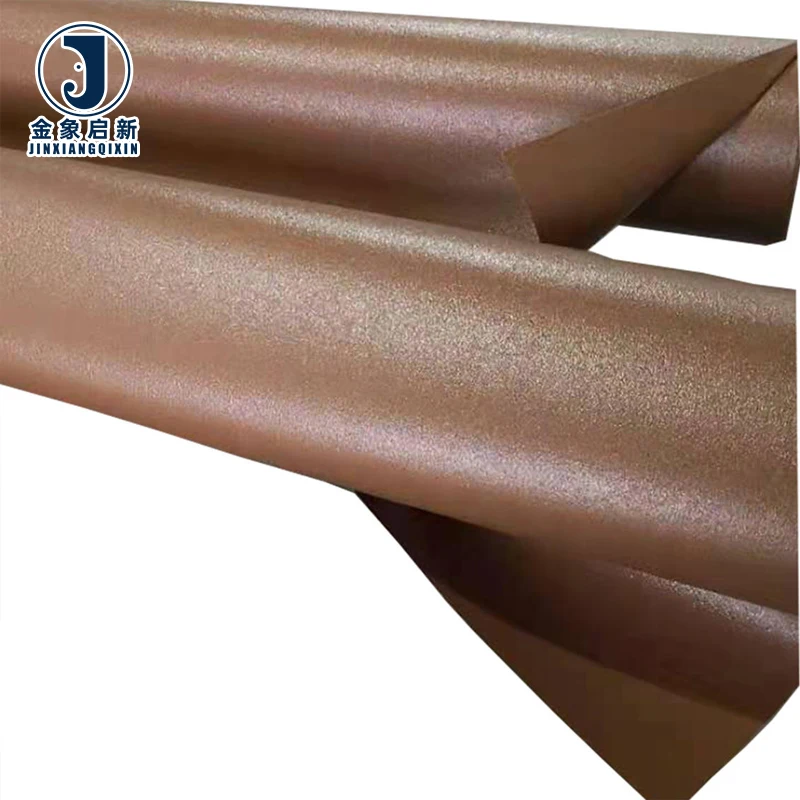
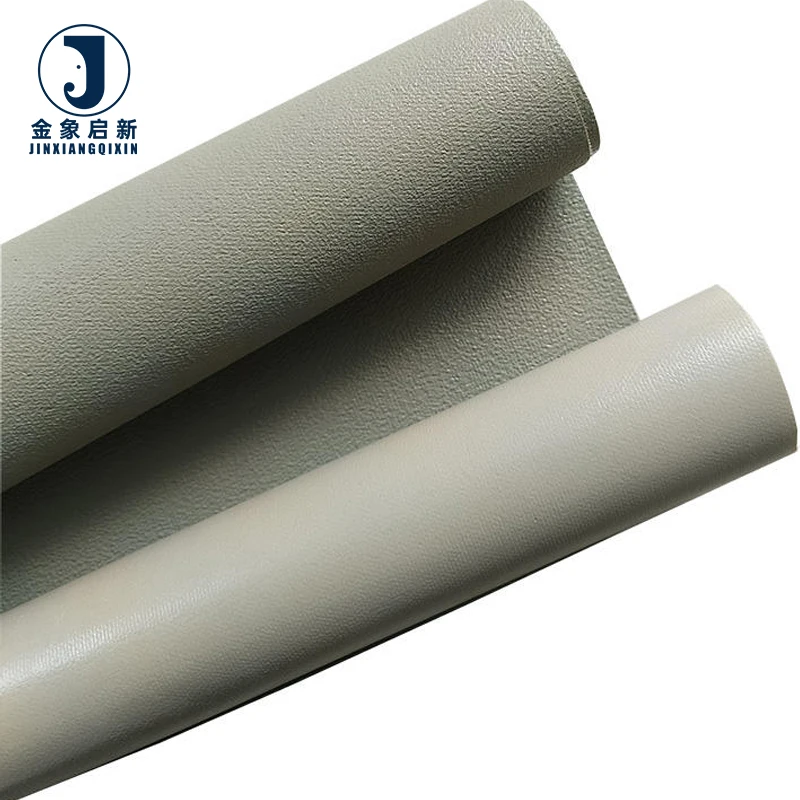
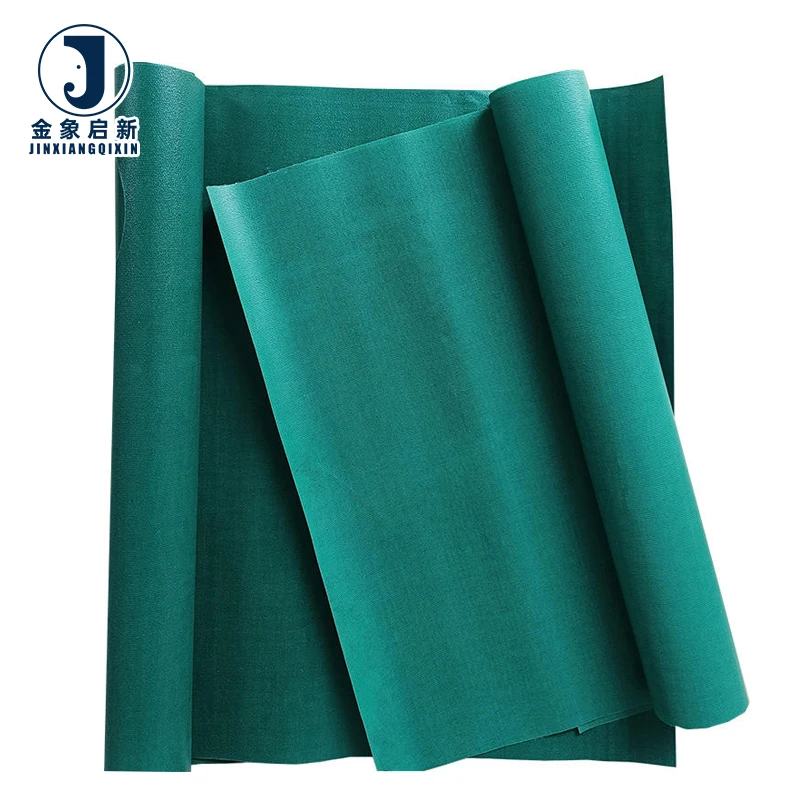
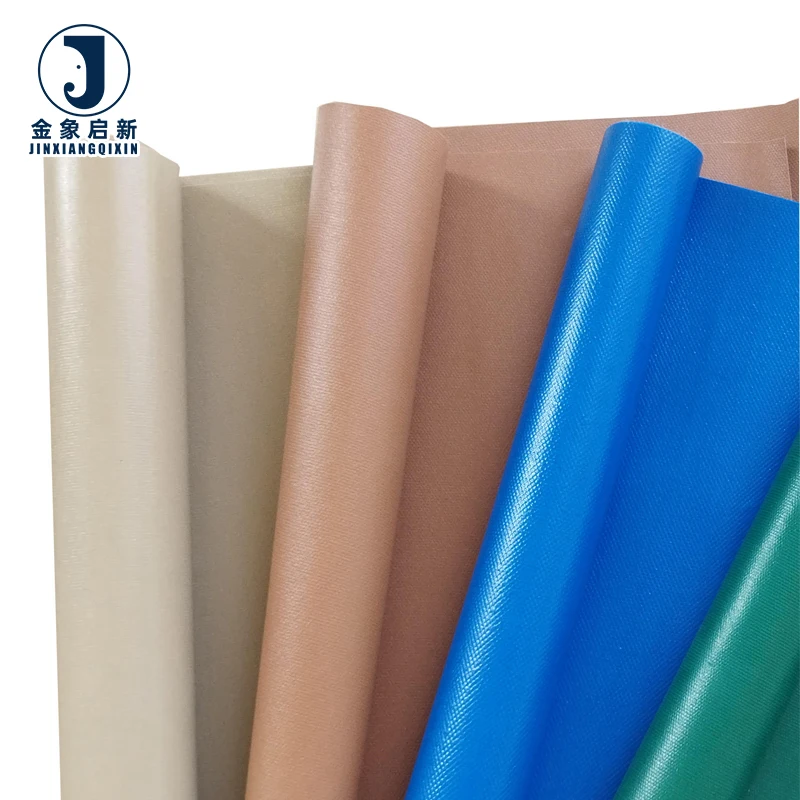
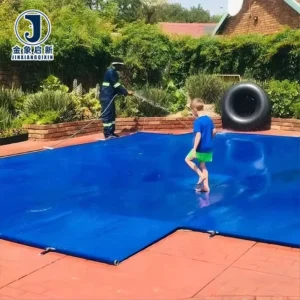
PVC Pool Cover — PVC coated high-strength polyester mesh, 350–750gsm, 0.32–0.65mm thickness, hot-melt coated for superior weld seam integrity and tear resistance at tension points.
- Custom cut to rectangular or irregular pool contours with hook or aluminium bar ratchet tensioning systems
- Anti-UV, flame retardant and anti-static treatments available with test reports on request
- Roll stock in 2m × 75m or 2.1m × 50m for distributor fabrication, or finished covers to drawing
Full QA inspection at every production stage with pre-shipment records, 10-person R&D team for rapid sample turnaround, and nearly 30 years of coating process control ensuring roll-to-roll consistency.
Description
Coating Weight Control — dedicated QA/QC inspects coating adhesion and GSM at every production stage with 100% pre-shipment verification for each PVC pool cover tarpaulin roll.
Technical Specifications
| Parameter | Value |
|---|---|
| Product Type | PVC Coated Tarpaulin for Pool Cover |
| Material | PVC + High-strength polyester mesh fabric |
| Coating Method | Laminated technology & Hot-melt coating technology |
| Color Options | Blue / Red / Yellow / Light blue / Grey (customized options available) |
| Weight (GSM) | 350gsm / 420gsm / 500gsm / 550gsm / 600gsm / 750gsm |
| Total Thickness | 0.32mm / 0.35mm / 0.4mm / 0.45mm / 0.5mm / 0.65mm |
| Roll Width | 2m / 2.1m |
| Roll Length | 75m (2m width) / 50m (2.1m width) |
| Waterproof | Yes |
| Anti-UV Treatment | Available in anti-UV grades — confirm the test basis required for your market |
| Anti-Mildew | Yes |
| Anti-Static | Yes (surface resistance or standard not confirmed) |
| Cold Crack Resistance | Yes (temperature rating not stated) |
| Flame Retardant | Available in flame retardant grades — confirm the grade required for your market |
| Service Life | Suited to extended outdoor exposure under normal circumstances |
| Fastening Options | Standard hook system / Aluminium bar with ratchet tensioner |
Application Suitability
| Application | Exposure & Requirement |
|---|---|
| Residential swimming pool cover | UV exposure, debris protection, water evaporation reduction, seasonal temperature retention |
| Commercial and hotel pool cover | High-frequency handling, tensioning system compatibility, safety compliance, colour consistency across multiple covers |
| Aquaculture fish tank and reservoir cover | Permanent water contact, algae and mildew environment, puncture resistance from submerged structures |
| Construction site water containment | Temporary water storage, soil contact, abrasion from site traffic and equipment |
Why Stated GSM Does Not Guarantee Pool Cover Performance
Coating weight and base fabric density must be verified together — GSM alone tells only part of the story.
When a PVC pool cover tarpaulin manufacturer custom order arrives and the material feels lighter than expected, the problem is rarely a simple weighing error. The coating may be thinner at the selvedge edges, or the base fabric denier may have been downgraded while the total GSM was held by adding filler to the PVC compound [NEED_CITE: tensile and tear test methods for coated fabrics per ISO 1421]. Pool covers span large unsupported areas and experience tension from hook or aluminium bar fastening systems, meaning the base fabric structure carries the mechanical load while the coating provides waterproofing and UV protection. A PVC pool cover tarpaulin manufacturer custom fabrication built on a lighter base fabric will show adequate GSM on a scale but will tear at the fastening points under wind load or when snow accumulates on the surface.
Laminated and Hot-Melt Coating for Pool Cover Durability
The laminated and hot-melt coating process bonds the PVC layer to the high-strength polyester mesh under heat and pressure, producing adhesion that resists delamination when the cover flexes under load. This matters for pool covers because the material spans unsupported distances and must transfer tension from the fastening points through the coating-fabric interface without separating. Hot-melt coating fills the weave structure more completely than standard knife-over-roll methods, reducing the risk of water ingress through pinholes. When sourcing a PVC pool cover tarpaulin manufacturer custom order, confirming the coating method gives you a reliable predictor of how the material will behave at welded seams and cut edges.
Custom Sizing and Fastening System Selection
Pool covers must fit precisely to the pool perimeter, and irregular shapes require contour cutting that accounts for coping stones, overflow channels, and step-outs. The hook fastening system suits complex pool geometries where anchor points follow a non-linear path, while the aluminium bar method with ratchet tensioner provides uniform tension across large rectangular pools [NEED_CITE: DIN standard references for tensile testing of coated fabrics]. Specifying the fastening system at the inquiry stage allows the manufacturer to position reinforcements and hem treatments at the exact load points rather than applying generic edge finishing. A PVC pool cover tarpaulin manufacturer custom cut to contour reduces on-site trimming and ensures the tensioning hardware engages with reinforced zones.
Reading the Specification Sheet Beyond GSM
The GSM value combines the weight of the PVC coating and the polyester base fabric, but it is the base fabric denier and weave density that determine how the material resists tear propagation when a fastening point is overloaded. Two covers at the same GSM can have very different tear performance if one uses a heavier base fabric with a lighter coating while the other uses a lighter base fabric with a thicker coating. The laminated technology in this material produces a tighter coating-fabric bond than paste-coating methods, which directly influences how the welded seams perform when the pool cover is tensioned across a span. Thickness readings from 0.32mm to 0.65mm across the GSM range reflect this balance — a 0.32mm cover at 350gsm will behave differently under wind load than a 0.65mm cover at 750gsm, and the correct selection depends on pool dimensions and local climate conditions [NEED_CITE: relationship between coated fabric thickness and tensile performance].
What Happens When Pool Cover Specifications Are Wrong
A pool cover that arrives with the correct GSM but an unsuitable base fabric will tear at the hook or aluminium bar attachment points before the coating shows any degradation. Colour variation between rolls becomes visible when multiple covers are installed at a single facility such as a hotel or apartment complex, forcing selective replacement or full reorder. Anti-UV treatment claimed without a supporting test report may fail to protect the PVC from chalking and embrittlement after one or two seasons of direct sun exposure, leaving the operator with a cover that cracks at fold lines [NEED_CITE: UV degradation mechanisms in plasticized PVC coatings]. Flame retardant grades specified for commercial pool enclosures must match the local building code — a cover that passes in one market may fail inspection in another if the grade was not confirmed before production.
Why Source Your Pool Cover Tarpaulin Here
Three full production lines and 36 sets of professional equipment support bulk PVC pool cover roll output with consistent coating weight across the production run. The 10-person R&D team develops samples within days for custom colour, sizing, and fastening reinforcement layouts before you commit to volume. Dedicated QA/QC at every production stage catches coating weight deviation and colour drift before rolls reach the packing area. Material specification sheets accompany every dispatch, stating the exact GSM, base fabric, coating type, and colour reference for traceability. Nearly 30 years of process control over PVC coating formulation means the adhesion and flexibility characteristics of each roll are predictable and repeatable.
Documentation & Verification
- Material specification sheet stating exact GSM, base fabric denier, coating method, and colour reference for each roll
- Test reports for UV and flame retardant grades provided where applicable — confirm required standards at inquiry
- Pre-shipment inspection record with coating weight and adhesion verification before dispatch
- Roll packing list with batch identification for traceability across multiple pool covers
- Certificate of origin and customs documentation included for international pool cover shipments
Fabrication, Handling & Storage
- Hot-melt coated rolls require heat welding at temperatures matched to the PVC compound — test weld parameters on sample before production
- Reinforce hem zones at hook or aluminium bar attachment points to distribute tension across the high-strength polyester mesh
- Store rolls upright on pallets to prevent permanent creasing in the laminated PVC surface
- Unroll and allow material to relax at ambient temperature before cutting, especially in cold conditions where PVC stiffens
- Clean with mild detergent only — solvent-based cleaners can degrade the PVC plasticizer and affect surface finish
What to Include in Your Pool Cover Inquiry
Provide the pool dimensions, shape profile, and the fastening system you intend to use so we can recommend the correct GSM grade and reinforcement layout. Specify your target market and any fire safety or building code requirements that apply to the pool enclosure. Indicate whether you need finished covers cut to contour with hem and fastening preparation, or roll stock for local fabrication. Let us know the colour reference and quantity so we can confirm lead time and batch consistency across your order.
Frequently Asked Questions
Q: How do I verify the GSM on arrival matches the quotation?
A: Each order ships with a material specification sheet stating the exact GSM, base fabric denier, and coating type for your rolls. Our QA/QC team performs 100% pre-shipment inspection including coating weight verification. You can cross-check the stated values against the documentation on receipt. If you require independent lab testing, we can arrange third-party certification at the inquiry stage.
Q: Which fastening system should I choose for my pool shape?
A: The hook system works well for irregular pool contours where anchor points follow a curved or non-linear path around the perimeter. The aluminium bar method with ratchet tensioner suits large rectangular pools where uniform tension across the full span is required. Specify your pool shape and dimensions at inquiry so we can position reinforcements at the correct load points.
Q: What UV treatment is available and how is it verified?
A: Anti-UV treatment is available as an option across the PVC pool cover range. The specific test basis and exposure rating should be confirmed at the inquiry stage to match your market requirements. We provide test reports for UV grades where applicable — request the documentation relevant to your region and expected sun exposure conditions.
Q: Can you cut covers to custom pool contours?
A: Yes, we produce custom-shaped pool covers based on your dimensional drawings or site measurements. Provide the pool outline, coping details, and any step-out or overflow channel profiles. Samples can be developed within days for approval before bulk production begins, allowing you to verify fit and fastening alignment.
Q: How do you ensure colour consistency across multiple rolls?
A: All rolls in a single order are produced from the same PVC compound batch and inspected for colour consistency during the pre-shipment QA/QC check. The material specification sheet includes the colour reference for traceability. For multi-pool facilities requiring covers installed side by side, specify this at inquiry so we can apply additional colour matching controls.
Related products
-
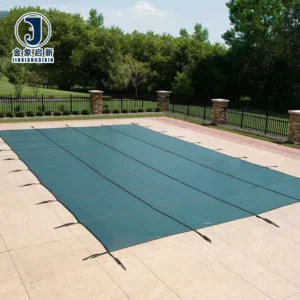
Custom Made PVC Pool Cover 500gsm Blackout – Manufacturer
Read more -
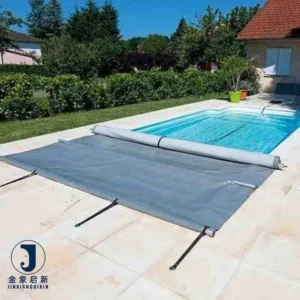
Custom PVC Pool Cover Tarpaulin for Pools – Manufacturer
Read more -
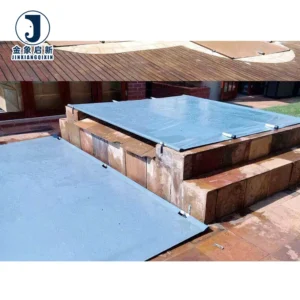
18oz 610gsm PVC Swimming Pool Cover Tarpaulin Fabric – Custom Made
Read more -
PVC Laminated Waterproof Breathable Anti-UV Blackout Organic Plain Weft Swimming Pool Covers Tarpaulin Coated
¥1.78 Select options This product has multiple variants. The options may be chosen on the product page