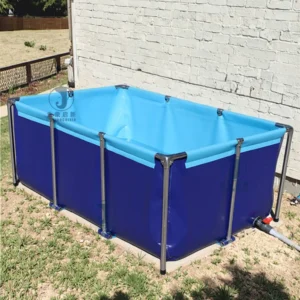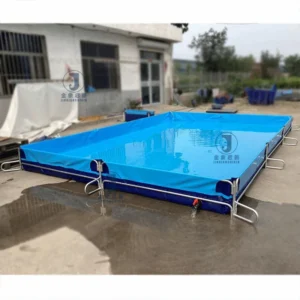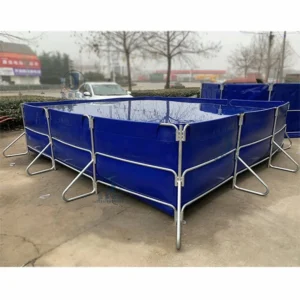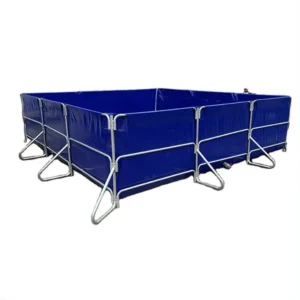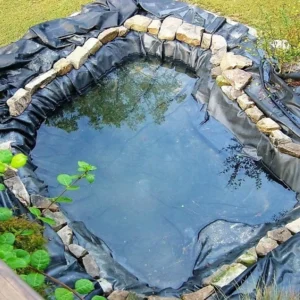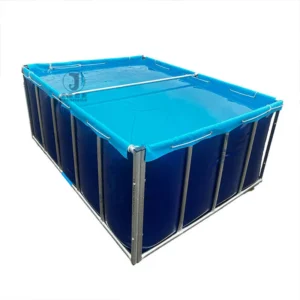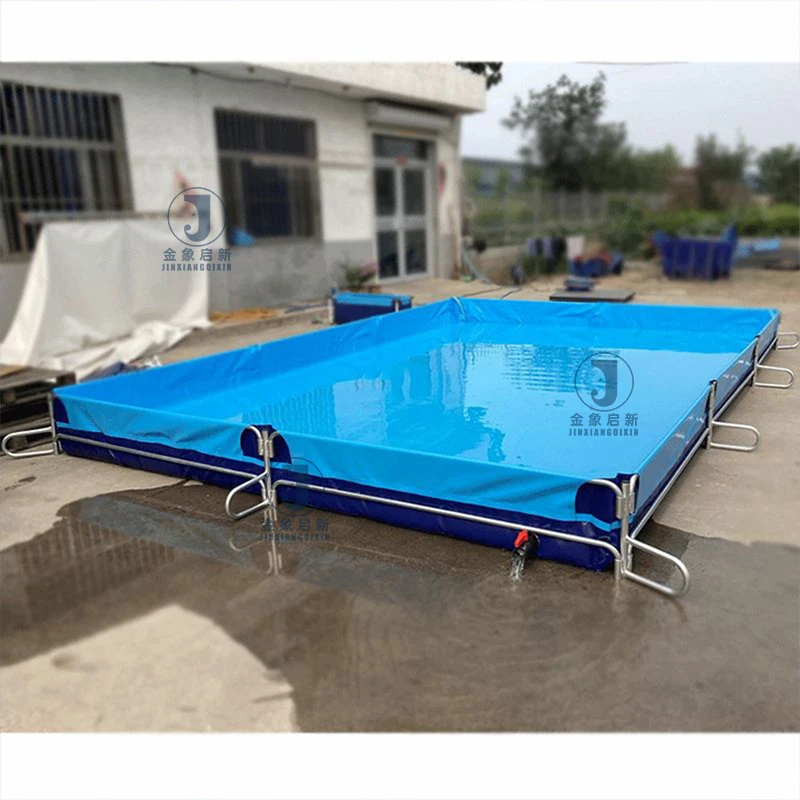
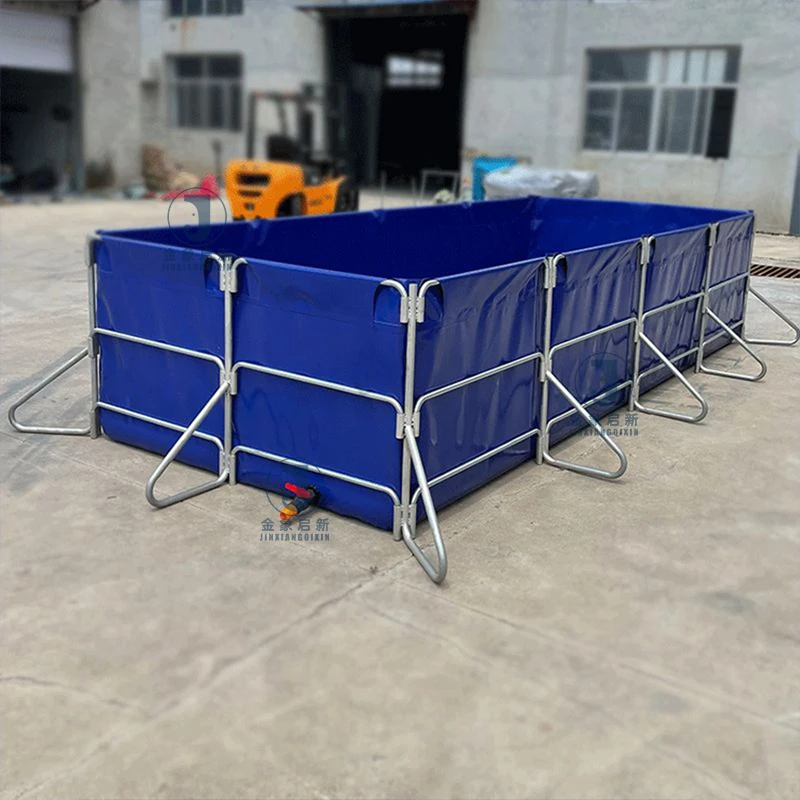
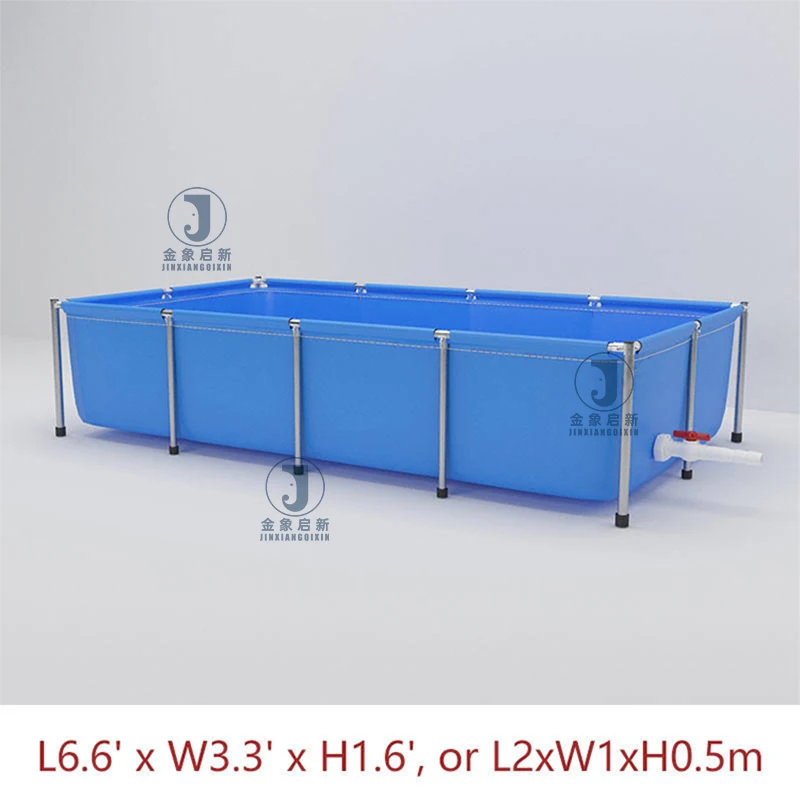
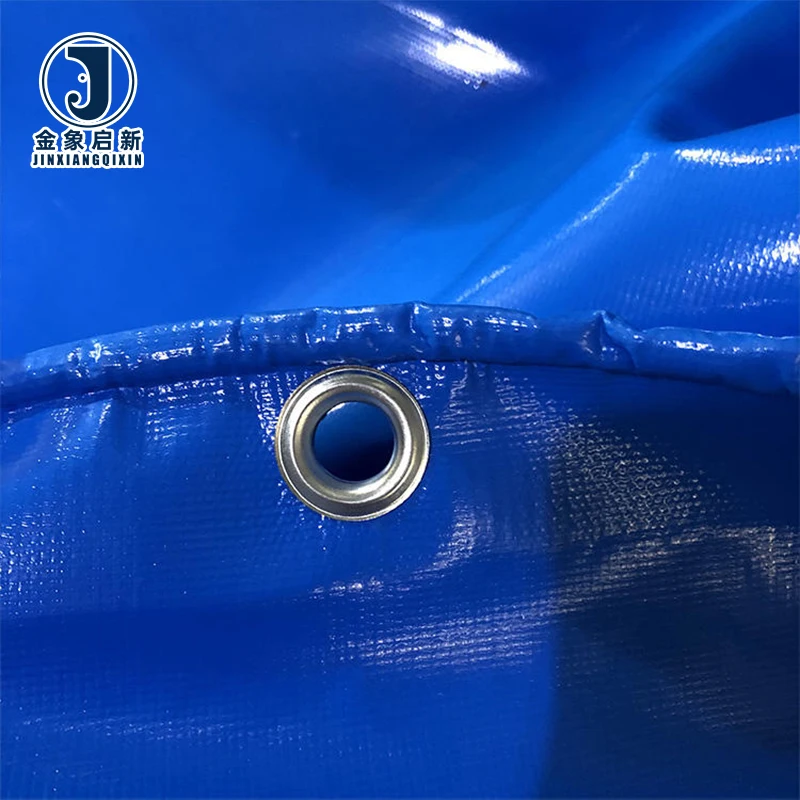
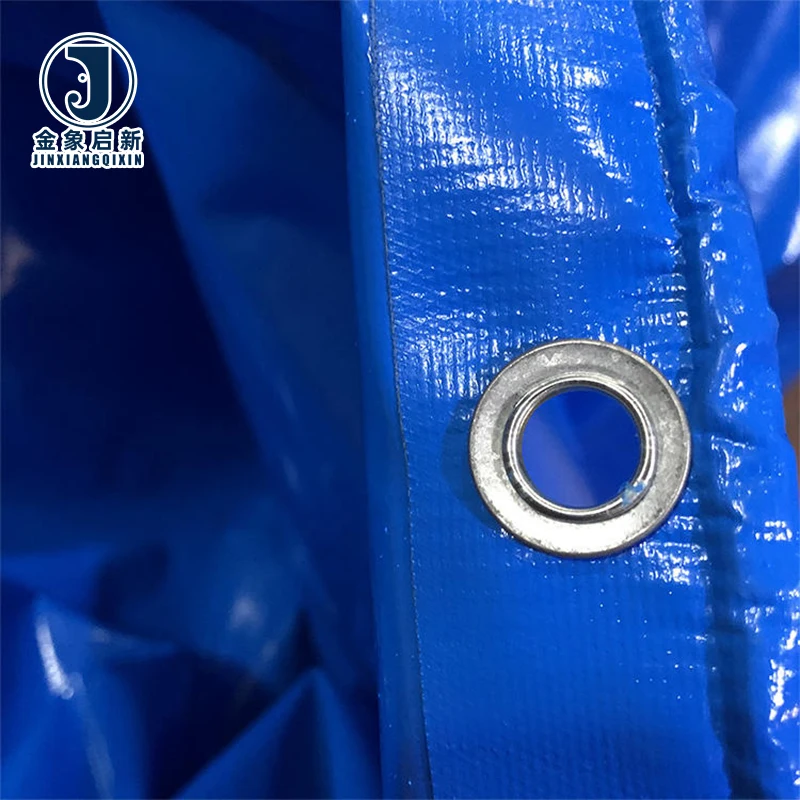
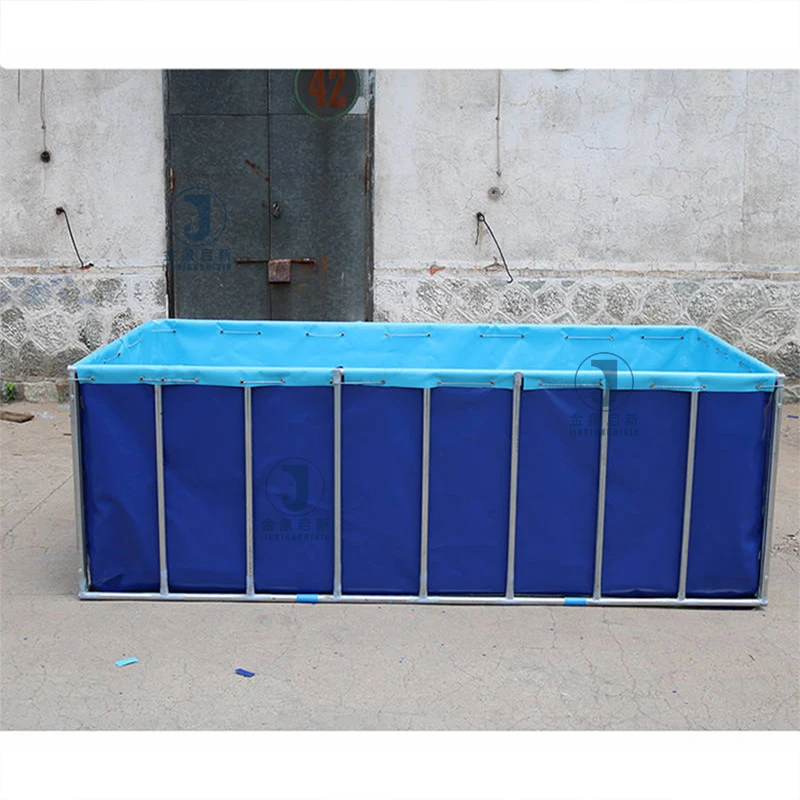
PVC Tarpaulin for Fish Pond, 350–750gsm, 0.32–0.65mm Thickness — hot-melt coated polyester mesh with strong PVC adhesion for reliable welded seams under water load. Available in rolls (2m × 75m / 2.1m × 50m) or cut-to-size panels with custom width, colour and eyelet placement. Optional flame retardant, anti-static and anti-mildew treatments supported by test reports. Backed by dedicated QA at every production stage, 100% pre-shipment inspection, and sample development within days for project approval.
Description
Deep process control — nearly three decades focused on coated fabric means every roll is verified against stated GSM before dispatch, eliminating the common shortfall buyers face when pond liner material arrives lighter than quoted.
Technical Specifications
| Parameter | Value |
|---|---|
| Product Type | PVC Tarpaulin for Fish Pond |
| Material | PVC + high-strength polyester mesh fabric |
| Coating Technology | Laminated & hot-melt coating |
| Weight Range (GSM) | 350 / 420 / 500 / 550 / 600 / 750 GSM |
| Thickness Range | 0.32 mm / 0.35 mm / 0.4 mm / 0.45 mm / 0.5 mm / 0.65 mm |
| Standard Roll Size | 2 m × 75 m or 2.1 m × 50 m |
| Finish Product Size | Custom cut-to-size or sold by inventory roll |
| Color Options | Blue / Red / Yellow / Light Blue / Grey — custom colours available |
| Key Features | Cold crack resistance, anti-mildew, waterproof, best color fastness, outstanding tearing strength for welding |
| Special Treatments | Flame retardant, anti-static, anti-cold, anti-mildew, 3P — confirm the grade required for your market |
| Standards & Certification | ISO, CE |
Application Suitability
| Application | Exposure & Requirement |
|---|---|
| Aquaculture pond & tank liner | Permanent water contact, soil chemistry, puncture risk, UV exposure on exposed edges |
| Nursery and hatchery raceway liner | Frequent water exchange, chemical dosing, need for clean weld seams between panels |
| Agricultural reservoir liner | Long-term water retention, UV and weather exposure, bulk roll quantities for large surface area |
| Tent, awning & inflatable structure membrane | Flex under wind load, UV exposure, requirement for consistent colour across adjacent panels |
Why GSM Alone Does Not Define Pond Liner Performance
Coating adhesion and base fabric weave determine how the liner survives water load, not just the gram weight printed on the label.
Buyers specifying PVC tarpaulin fish pond liner aftermarket supplier options often assume a higher GSM automatically means a stronger pond liner. Yet a heavy-coated fabric with poor polyester-to-PVC adhesion can delaminate at the weld line the moment the pond fills and the seams flex under hydrostatic pressure [NEED_CITE: tensile and tear test methods for coated fabrics per ISO 1421]. The real failure point is rarely the middle of the panel — it is the heat-welded seam where the coated layers must hold together under continuous tension.
This is why our specification process starts by matching GSM, thickness and coating technology to your actual pond depth, water chemistry and expected service conditions, rather than quoting the heaviest grade by default.
Coating Technology and Weld Integrity
The laminated and hot-melt coating process used for this PVC tarpaulin fish pond liner creates a bond between the PVC layers and the high-strength polyester mesh that directly affects peel strength. When panels are heat-welded on site to form a continuous liner, the weld must carry the same load as the parent fabric. Hot-melt coating delivers*slates to stronger seam performance when the pond is full and water pressure pushes against every welded joint.
Selecting the Right Weight and Thickness
The available GSM range — 350 through 750 — paired with thickness from 0.32 mm to 0.65 mm covers applications from shallow nursery tanks to deep commercial reservoirs. A 350 GSM liner may suffice for a seasonal above-ground pool, while a 750 GSM grade with 0.65 mm thickness provides the puncture resistance needed for earth-bottom ponds where subsoil irregularities press against the liner [NEED_CITE: pond liner puncture resistance and GSM relationship]. Choosing the correct grade avoids both over-specifying on material cost and under-specifying on durability.
Reading the Specification Sheet Correctly
GSM tells you the total mass per square metre, but it is the polyester yarn tenacity and mesh density that govern tensile and tear behaviour. Two rolls both rated at 500 GSM can perform very differently if one uses a lighter base fabric compensated by a thicker PVC coat. When evaluating PVC tarpaulin fish pond liner aftermarket supplier proposals, request the base fabric denier and weave count alongside GSM — these figures together explain how the material will resist tearing if a sharp stone pushes against the liner under water load. The hot-melt coating method here ensures the coating is forced into the mesh rather than sitting on the surface, which improves both flexibility and peel strength at welded seams.
The Hidden Cost of Specification Errors
Ordering pond liner at a quoted GSM without verifying actual weight on arrival is a recurring issue in the industry. Material that arrives lighter than agreed not only underperforms on tensile strength but also welds differently — heat-welding parameters calibrated for 600 GSM will over-melt a 500 GSM panel, weakening the seam before the pond is even filled. Batch-to-batch colour variation is another costly failure: when two rolls of different shade are welded side by side in a visible pond or water feature, the mismatch is obvious and the entire installation may require rework [NEED_CITE: colour consistency standards for PVC coated fabrics]. Confirming GSM, thickness and colour reference on the material specification sheet before production begins prevents these downstream costs.
Why Source This PVC Tarpaulin Fish Pond Liner Through Jinxiang
Three full production lines with 36 sets of professional equipment support bulk roll output with consistent GSM and colour across every roll in your order. A dedicated 10-person R&D team handles custom width, length, colour matching and pattern printing, developing samples within days so you can approve material before full production runs. QA and QC checkpoints at every production stage, followed by 100% pre-shipment inspection, verify that roll weight, thickness and shade match the specification sheet you signed off. Coating process control built over nearly 30 years of focused coated-fabric production ensures adhesion strength that generic suppliers cannot replicate. Custom sizing, eyelet placement and reinforcement options are handled in-house, so you receive finished pond liner panels ready for installation rather than raw rolls that require third-party fabrication.
Documentation & Verification
- Material specification sheet confirming GSM, base fabric construction, coating method and colour reference
- Test reports for flame-retardant or anti-static treatments where applicable to your pond installation
- ISO and CE certificates included with shipment documentation for compliance and customs clearance
- Pre-shipment inspection record verifying weight, thickness and colour consistency per roll
- Roll packing list with individual roll dimensions and net weight for container loading verification
- Certificate of origin and customs support documentation for export markets
Fabrication, Handling & Storage
- Heat-weld seams at temperatures matched to the selected GSM — 750 GSM requires higher heat input than 350 GSM to achieve full fusion
- Allow rolls stored in cold conditions to reach ambient temperature before unrolling to prevent cold-crack damage at the fold
- Use sharp blades for cutting panels to avoid fraying the polyester mesh, which reduces weld quality at cut edges
- Store rolls upright on pallets to prevent flat-spot deformation that causes visible creases in the finished pond liner
- Clean welded liner surfaces with mild detergent only — harsh solvents can soften the PVC coating and reduce adhesion over time
- Plan panel layout to minimise weld seams in high-stress zones where water depth and hydrostatic load are greatest
How to Request a Quotation
Tell us the pond dimensions, water depth and whether the liner will sit on soil, concrete or a sand base so we can recommend the correct GSM and thickness. Specify if you need full rolls or cut-to-size panels with welded seams and eyelets already in place. Confirm your target market’s fire-retardant or anti-static requirements if the liner will be used in a covered or indoor aquaculture facility. Let us know the colour and whether you need a sample roll or sample panel for on-site approval before committing to bulk production.
Frequently Asked Questions
Q: Can you supply PVC tarpaulin in both roll stock and cut-to-finished-size for fish ponds?
A: Yes. We supply this PVC tarpaulin fish pond liner in standard rolls — 2 m × 75 m or 2.1 m × 50 m — and also fabricate cut-to-size panels with heat-welded seams, reinforced edges and eyelets per your pond dimensions. Samples are developed within days so you can verify material and weld quality before bulk production begins.
Q: How do you guarantee GSM and colour consistency across multiple rolls in one order?
A: Every production stage includes QA checkpoints, and a 100% pre-shipment inspection verifies actual roll weight against the stated GSM on your specification sheet. Colour is matched to an approved reference, and rolls within the same order are inspected side by side to catch shade variation before packing.
Q: What special treatments are available and are they backed by test certificates?
A: Flame-retardant, anti-static, anti-cold and anti-mildew treatments are available. Because required grades vary by market and application, we ask you to specify the standard your project demands. Where applicable, test reports confirming the treatment grade are included with your shipment documentation.
Q: What is the lead time and minimum order for custom width or colour?
A: Custom widths, colours and printed patterns typically carry multi-week lead times that depend on order volume and current production scheduling. Minimums apply to non-standard colours and widths. Submit your target dimensions, colour reference and estimated annual volume so we can confirm exact lead time and minimum quantities for your specification.
Q: Can I get a sample before committing to a full container order?
A: Absolutely. Our standard process includes a sample approval step before bulk production. We develop samples reflecting your selected GSM, colour and treatment requirements within days, allowing your team to test weld parameters and verify physical properties on site before the full order enters production.