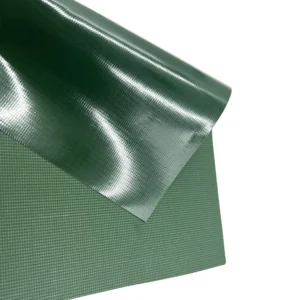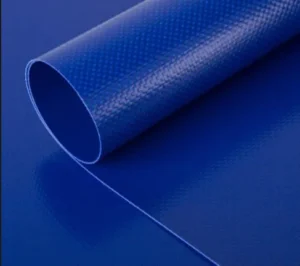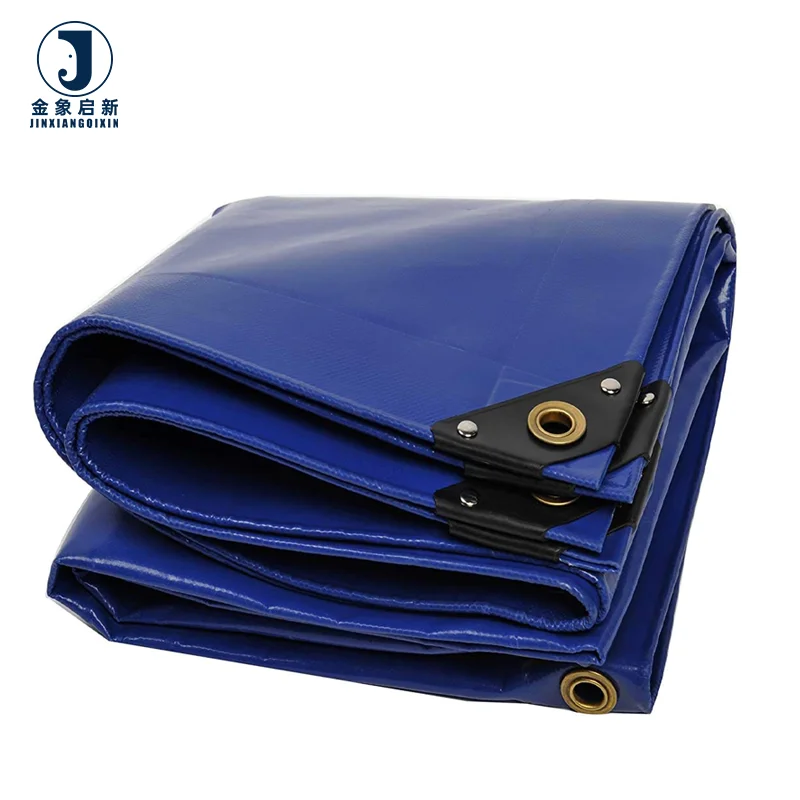
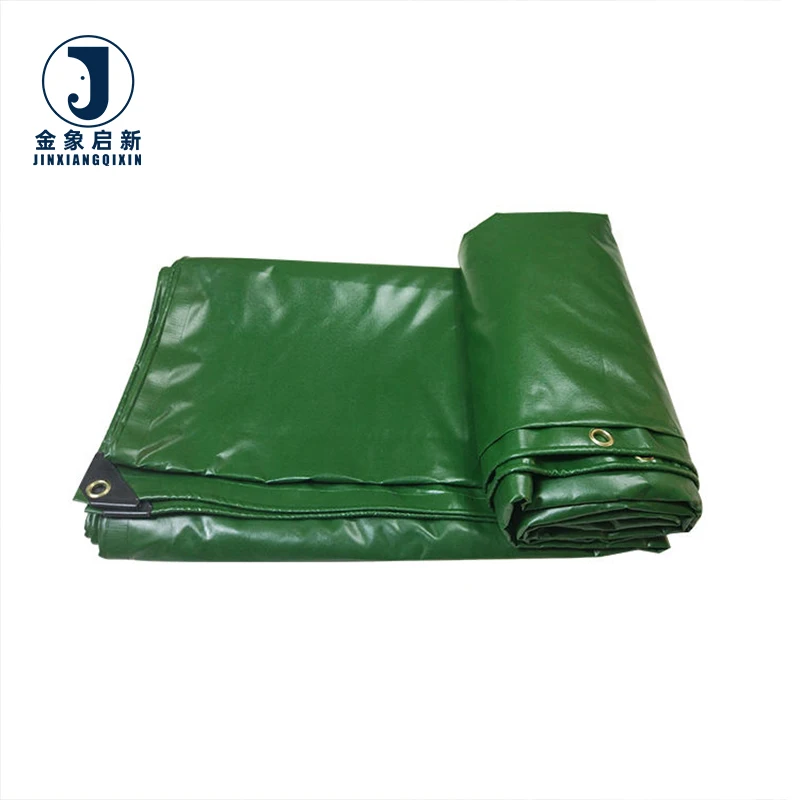
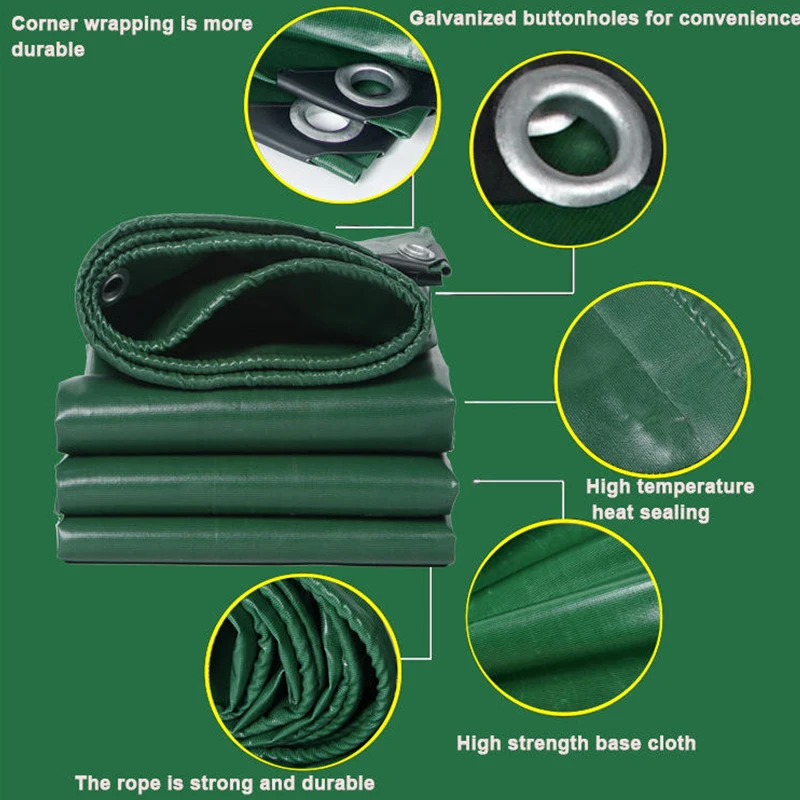
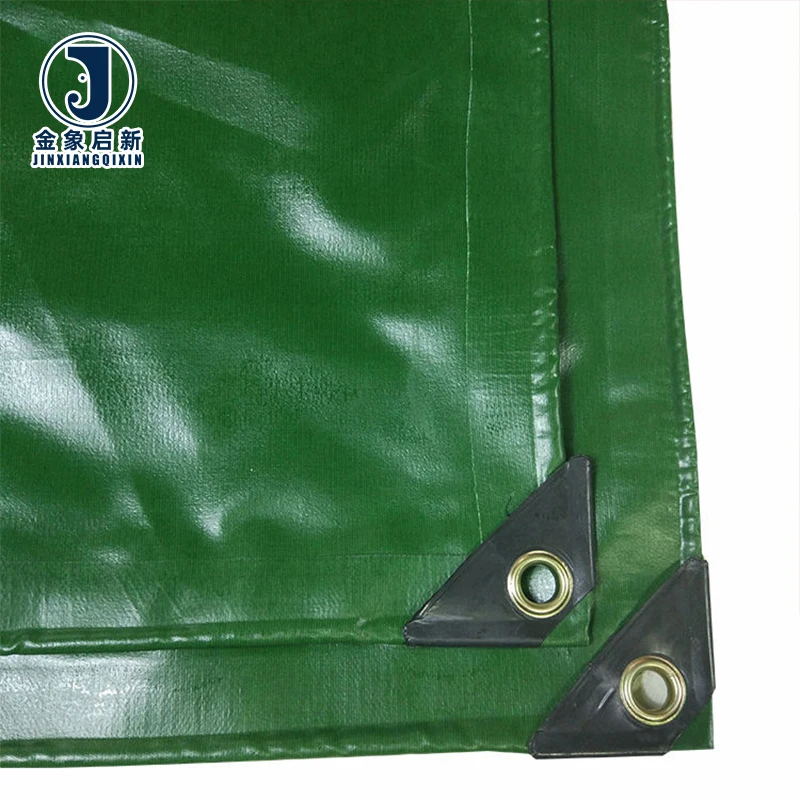
PVC Coated Tarpaulin Roll, HDPE Weave Base, 50–300GSM — available in widths from 6ft to 6m with customizable length and color options. Anti-UV and flame-retardant treatments offered where verified by test reports. Welded seams and reinforced PP rope hems with galvanized eyelets ensure durability at high-stress flex points.
- Backed by 30 years of coating process control and 100% pre-shipment inspection.
Description
Coated Fabric Process Control — Every roll of PVC tarpaulin produced on our three dedicated coating lines undergoes in-process weight verification, ensuring the GSM and weave density specified at inquiry stage are confirmed before the roll leaves the factory floor.
Technical Specifications
| Parameter | Value |
|---|---|
| Product Type | PVC Tarpaulin Roll |
| Base Fabric | HDPE weaving with LDPE lamination on both sides |
| Weight (GSM) | 50gr/m² ~ 220gr/m² available (confirm the grade required for your application) |
| Total Thickness | 0.2–0.4 mm / 8–16 mil / Custom |
| Mesh / Weave Density | 6×6, 6×7, 7×7, 7×8, 8×8, 9×9, 8×10, 10×10, 12×12, 14×14, 14×16 options |
| Width | 6 ft, 8 ft, 10 ft, 12 ft / 2 m, 4 m, 6 m |
| Roll Length | 100 yards, 100 metres, or custom |
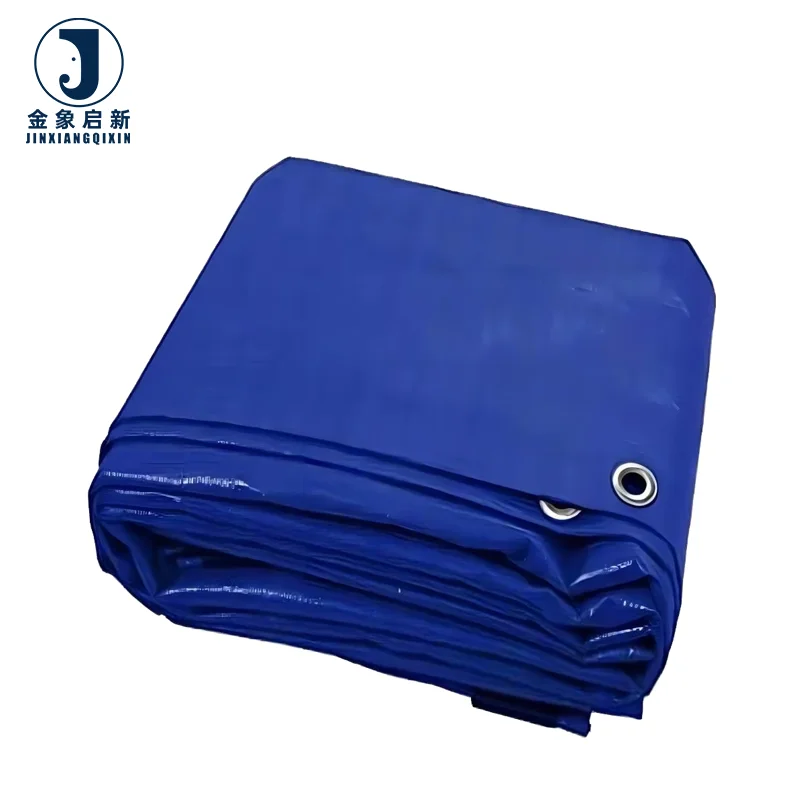
| Colour Options | Blue, Blue/Orange, Green, Grey, Black, Clear, Grey/Green, Orange, or custom |
| Waterproof | Yes |
| Anti-Mildew | Yes |
| UV Treatment | Available (test basis not stated in source — confirm the standard required for your market) |
| Anti-Static | Claimed (grade not stated — confirm the grade required for your application) |
| Key Features | Tear resistant, washable, weather proof, sunproof, mildew proof, anti-aging |
| Standards | ISO, CE |
Application Suitability
| Application | Exposure & Requirement |
|---|---|
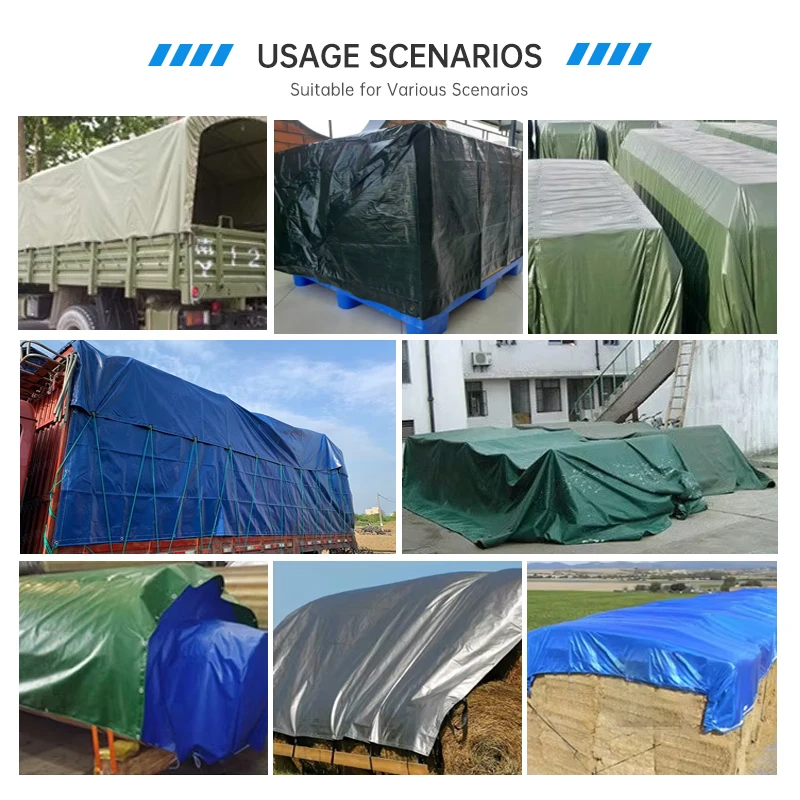
| Poultry coop curtain systems | Constant moisture, ammonia vapour, frequent washdown, requires waterproof and anti-mildew fabric |
| Agricultural crop and hay covers | Direct sun, rain, seasonal temperature swings, UV and mildew resistance critical |
| Truck and container load covers | Road abrasion, flexing at tie-down points, wind uplift, mechanical stress during transit |
| Construction scaffolding and site enclosures | Wind loading, debris impact, prolonged outdoor exposure across multiple phases |
| Garden furniture and gazebo tents | Intermittent outdoor use, pool chemical splash, UV degradation over time |
Why Your Quoted GSM Is Not Enough to Guarantee Fabric Performance
Specified weight means nothing without documented verification at the point of dispatch.
As a PVC Coated Tarpaulin Roll manufacturer custom builders trust, we see buyers receive rolls that measure lighter than the quotation stated, with coating weight absorbed into the base fabric tolerance rather than applied on top. [NEED_CITE: GSM deviation between quoted and delivered rolls is a leading complaint among coated fabric importers] This gap between paperwork and physical product undermines load calculations, warranty commitments, and downstream fabrication planning. The only reliable safeguard is pre-shipment weight measurement recorded per roll against the agreed specification.
How GSM and Weave Density Work Together on This PVC Coated Tarpaulin Roll
Choosing the right weight for your application involves more than selecting a number from a range. On this PVC tarpaulin roll, the base fabric mesh count and the coating weight combine to produce the final mechanical behaviour. A lighter grade with a tight 14×14 weave will handle differently under tension than a heavier grade built on an open 6×6 base, because the yarn intersections distribute stress across more contact points. As a PVC Coated Tarpaulin Roll manufacturer custom specifications are mapped to documented GSM-to-density pairings, giving you a rational basis for selecting between grades rather than relying on weight alone.
What UV, Anti-Static, and Mildew Treatments Mean in Practice
Outdoor exposure demands more than a base coating. UV stabilisers embedded during the lamination process slow the breakdown of polymer chains that cause embrittlement and colour fade over successive seasons. Anti-mildew additives address the biological growth that develops on fabric stored in humid conditions or deployed in agricultural settings with organic matter present. Anti-static treatment is particularly relevant for poultry curtain applications where dust accumulation and electrostatic discharge affect bird welfare. [NEED_CITE: anti-static treatment grades for agricultural coated fabrics per relevant testing standards] Each treatment must be confirmed at the sample stage, as availability depends on the specific grade and end-use requirement.
Reading the Specification Matrix for This PVC Tarpaulin Roll
The total thickness range of 0.2–0.4 mm correlates directly with the coating weight applied to each side of the HDPE base. Thicker coatings improve abrasion resistance at contact points but add roll weight and reduce flexibility during installation. Weave density options from 6×6 up to 14×16 determine how many yarns per inch carry the tensile load — higher counts distribute force across more intersections, limiting the propagation of a tear once the fabric is punctured. Available widths up to 6 m reduce the number of field seams needed when covering wide structures, which in turn reduces the number of welded joints where flex fatigue concentrates. Colour consistency across rolls in a single order depends on batch-level pigment control, a factor that becomes visible only when adjacent panels are installed side by side.
The Hidden Cost of Specifying Without Verification
When rolls arrive lighter than quoted, the downstream consequences compound. Truck cover fabric that falls short on coating weight fails first at the flex points where the load shifts during transit, not across the main panel. [NEED_CITE: coated fabric failure patterns at high-flex zones in transport applications] Agricultural covers specified for UV resistance but delivered without documented treatment degrade within a single growing season, forcing replacement and crop exposure. Colour variation between rolls in the same shipment means an installed poultry curtain system shows visible banding, triggering rejection and rework. These are not material defects — they are specification and verification gaps that originate before the fabric leaves the production line.
Why Procurement Teams Source This Roll Stock Here
Three full production lines and 36 sets of professional equipment provide the capacity to run bulk orders with consistent scheduling, not the intermittent output of a job-shop operation. A 10-person R&D team handles material selection, custom width and colour matching, and sample development within days rather than weeks. Dedicated QA and QC checkpoints at every production stage, backed by 100 percent inspection before shipment, mean roll weight, dimensions, and surface quality are confirmed against your order before packaging. Full documentation packages including material specification sheets, pre-shipment inspection records, and customs support reduce the friction of cross-border receiving and incoming inspection.
Documentation & Verification
- Material specification sheet stating exact GSM, base fabric, and coating type per roll
- Pre-shipment inspection record confirming roll count, weight, and dimensions
- Roll packing list with individual roll identifiers for incoming warehouse check
- Certificate of origin and full customs documentation for international shipment
- UV and treatment test reports where applicable to the specified grade
Fabrication, Handling & Storage
- Heat welding parameters depend on the specific coating thickness — confirm settings on a sample offcut before production runs
- Galvanised eyelets at 1 m intervals distribute tie-down loads across the PP rope reinforced hem
- Store rolls upright on pallets to prevent flat-spot deformation on the outer coating layers
- Unroll at ambient temperature to avoid creasing the LDPE lamination in cold conditions
- Clean with mild detergent only — aggressive solvents attack the anti-mildew additives in the surface coat
- Plan cut patterns to align with the weave direction, maximising tear resistance along stress axes
What to Include in Your Inquiry
To match you with the correct grade, provide the end-use environment, including exposure to direct sunlight, moisture, and mechanical abrasion. Specify the target width and roll length needed to minimise field splicing on your structure. If your market requires fire classification or anti-static certification, state the standard your site demands so the correct treatment can be confirmed at sample stage.
Frequently Asked Questions
Q: How is GSM verified before shipment and what documentation do you provide?
A: Every roll is weighed and measured during the 100 percent pre-shipment inspection, with results recorded against the quoted specification. You receive a material specification sheet, a pre-shipment inspection record confirming weight and dimensions per roll, and a packing list with individual roll identifiers for your incoming warehouse verification process.
Q: Can you match custom colours across multiple rolls without visible batch variation?
A: Custom Pantone and RAL colour matching is handled through controlled pigment batching at the coating stage. Samples are produced first for your approval, and production rolls within the same order are run from a single mixed batch to maintain consistency when panels are installed side by side.
Q: What width, roll length, and finished options are available for custom orders?
A: Standard widths extend to 6 m with roll lengths of 100 yards or 100 metres, both fully customisable. Finished tarpaulin options include PP rope reinforced hems on all four edges, galvanised eyelets at 3 ft or 1 m intervals, and reinforced plastic corners for direct installation use.
Q: What UV treatment test basis supports your outdoor durability claims?
A: UV treatment is available across the product range, but the specific test standard depends on the grade selected and your market requirements. We recommend confirming the applicable standard at inquiry stage so the correct formulation and supporting documentation can be prepared with your sample.
Q: What is the sample development process and lead time for custom requirements?
A: The R&D team develops samples within days based on your specified weight, colour, weave density, and treatment needs. Once the sample is approved, production proceeds with in-process QA checkpoints, giving you confidence that the bulk order matches the approved reference in both specification and appearance.
Related products
-
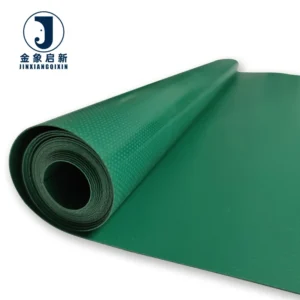
Wholesale Pricehigh Quality Outdoor Waterproof Tarp Customized Pvc Tarpaulin Roll
¥1.20 Add to cart -
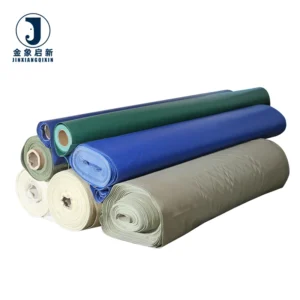
Awning and Tents Waterproof Fabric PVC Tarpaulin
¥1.50 Add to cart -
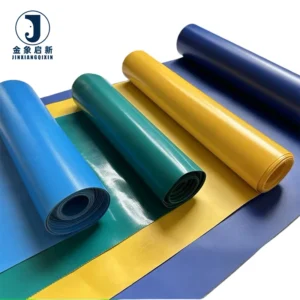
Heavy Duty Fire Retardant Waterproof PVC Coated Tarpaulin Rolling Tarp Materials for Truck Cover Tents Outdoor Usage
¥1.40 Add to cart -
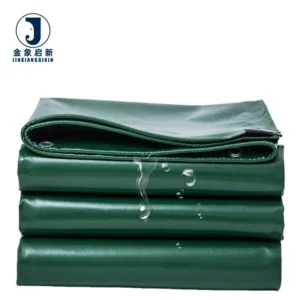
PVC Tarpaulin Industry Fabric PVC Tarpaulin 620gsm for Fish Pond Factory Swimming Pools Cover PE Tarpaulin
¥0.90 Select options This product has multiple variants. The options may be chosen on the product page