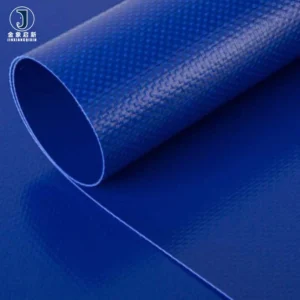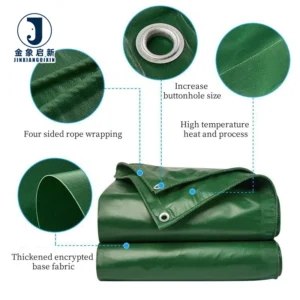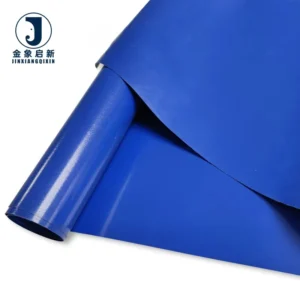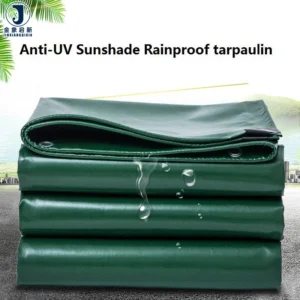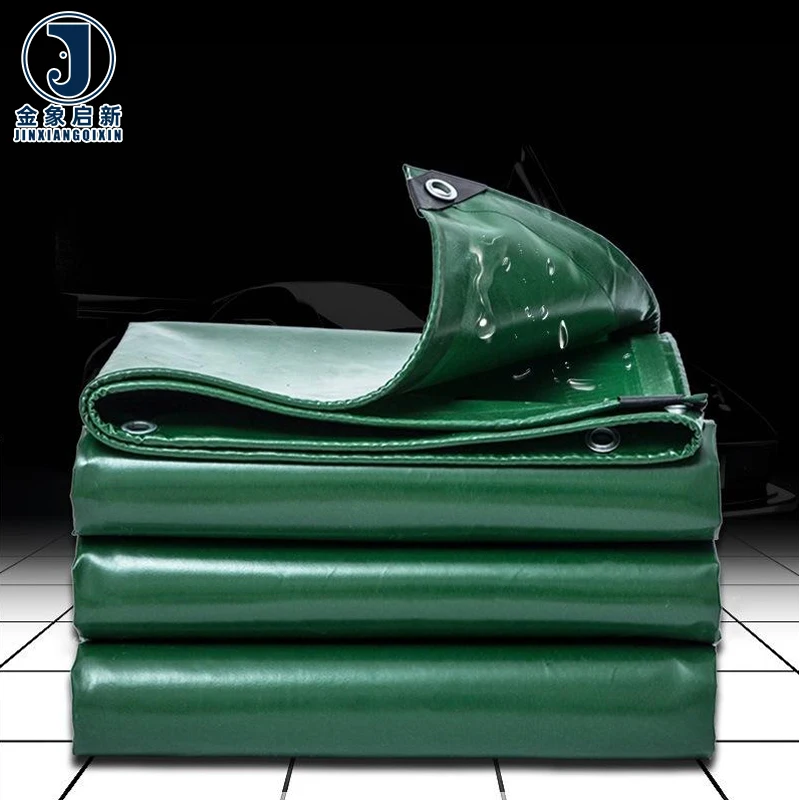
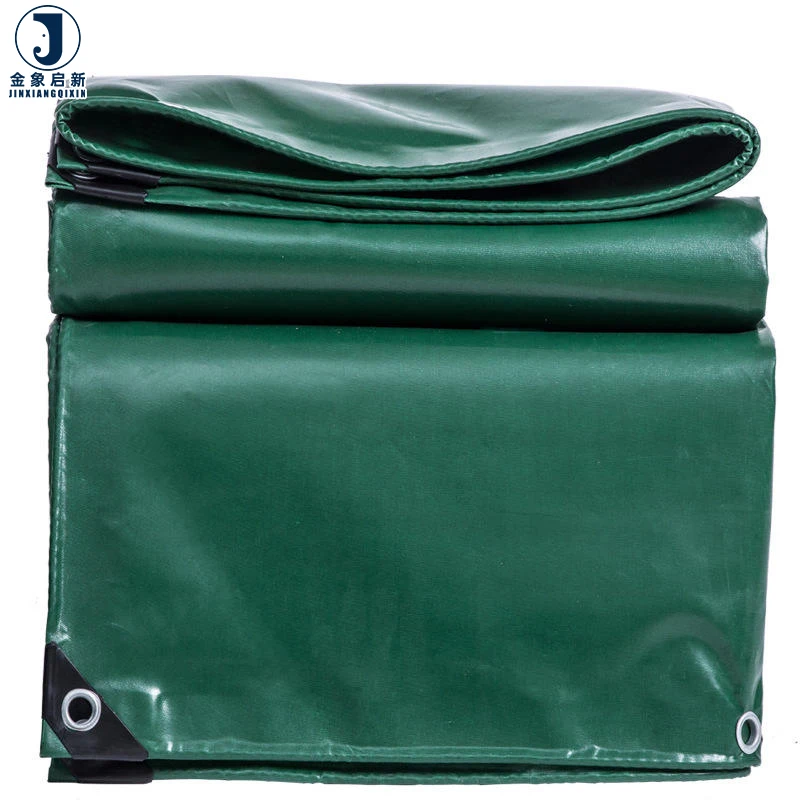
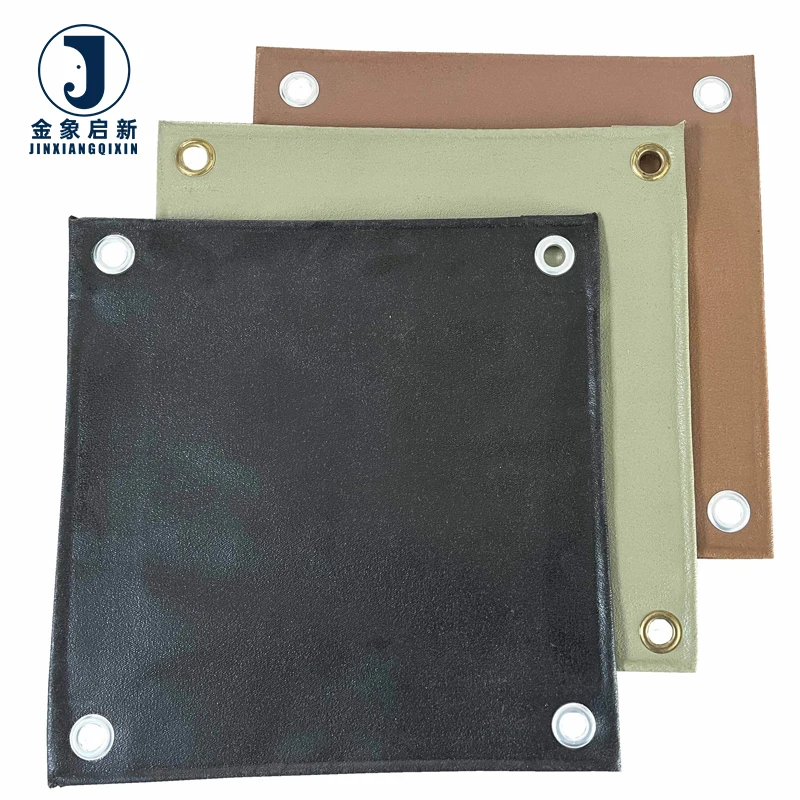
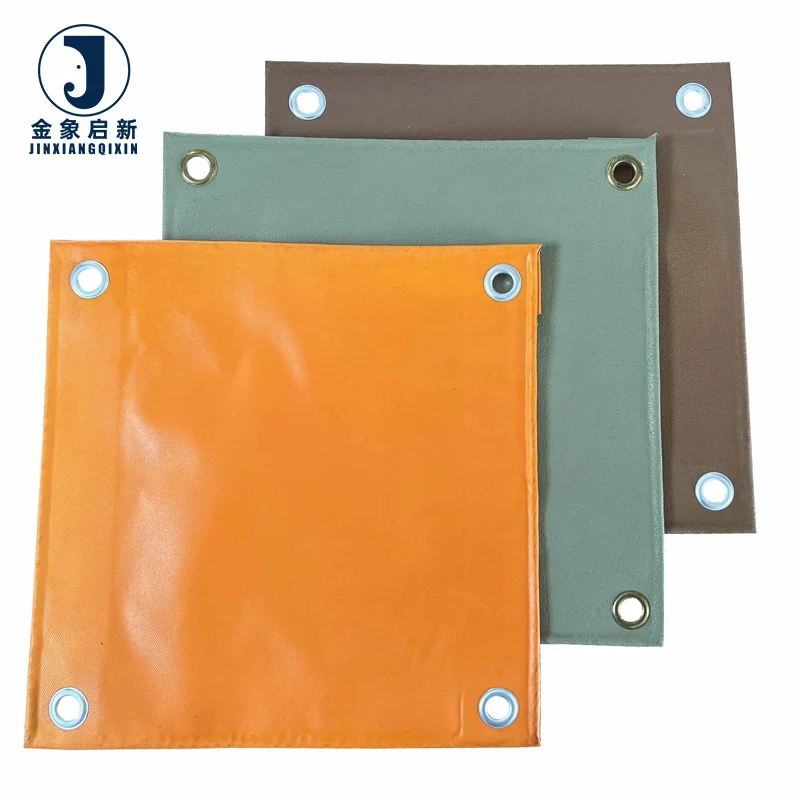
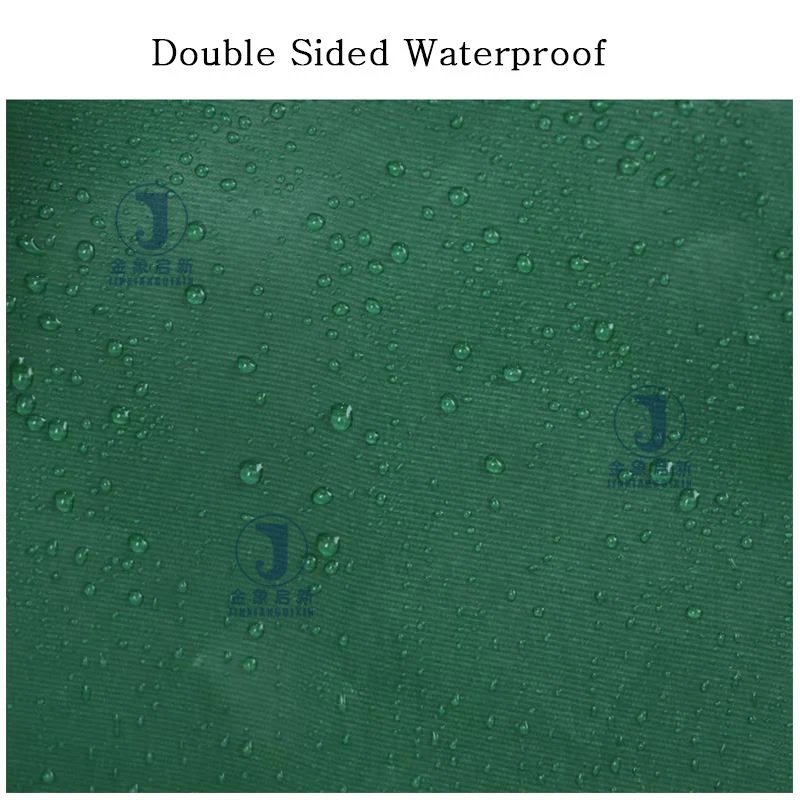
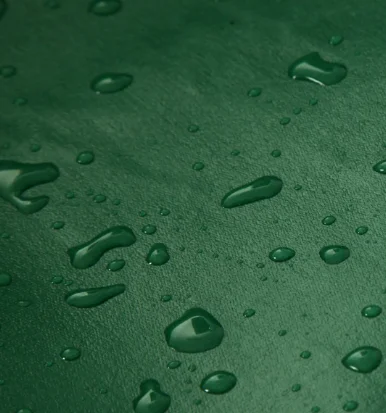
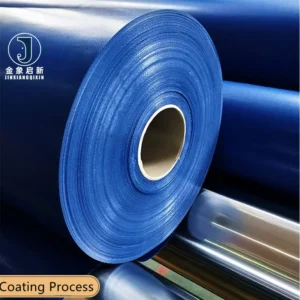
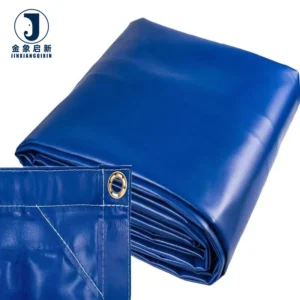
Waterproof Breathable Heavy Duty PVC Tarpaulin in roll form with glossy or matte finish, anti-UV and flame retardant treatments optional, custom width and length.
- Deep process control over coating weight and adhesion ensures roll-to-roll batch consistency, critical when multiple rolls install side by side across large covers or structures.
- Supported by 10-person R&D team with samples developed within days, 36 sets of professional equipment for bulk capacity, and 100% pre-shipment inspection on every roll.
Description
Production Integrity — every roll weighed and checked against the quoted specification before it leaves the coating line, eliminating the GSM discrepancy that causes whole-container rejections.
Technical Specifications
| Parameter | Value |
|---|---|
| Product Type | PVC Tarpaulin Roll |
| Material | PVC Coated Fabric |
| Finish | Glossy or Matte (customizable) |
| Treatment Options | Anti-UV, Flame Retardant (grade not stated — confirm requirement) |
| Colour Options | Single or Double Side Colour (customizable) |
| Width | Custom width available |
| Length | Custom length available |
| Accessories | Eyelets and reinforced hems available |
| Printing | Pattern printing and branding available |
| Certification | ISO, CE |
Application Suitability
| Application | Exposure & Requirement |
|---|---|
| Truck and trailer covers | Constant road vibration, wind loading, UV exposure, flex abrasion at tie-down points |
| Construction site and equipment covers | Prolonged sun and rain exposure, mechanical puncture risk, dust and debris abrasion |
| Agricultural and aquaculture pond liners | Permanent water contact, soil chemistry, root penetration, long-term UV exposure |
| Tent and awning fabric | Repeated folding and tension, weather cycles, colour consistency across panels |
| Inflatable and membrane structure fabric | Air pressure stress, weld seam integrity, dimensional stability under load |
| Pallet and equipment covers | Handling abrasion, warehouse dust, moisture ingress during transport or storage |
Why the Quoted GSM Is Only Half the Story for PVC Tarpaulin Roll Buyers
A roll that arrives lighter than the quoted GSM is the single most common reason for tarpaulin shipment rejection.
When you buy PVC tarpaulin from multiple sources, each supplier runs a different coating formulation. One shipment arrives at full spec weight, the next is noticeably lighter — same quotation, same product code, different reality on the cutting table. Over years of production, I watched a Middle Eastern client reject an entire container of PVC Tarpaulin Roll material because the gsm measured on arrival did not match what was promised. That failure was not about dishonesty; it was about coating control drifting between production runs [NEED_CITE: common causes of GSM variance in coated fabric production].
Batch Consistency Across the Full Tarpaulin Range
Sourcing lightweight grades for pond liners and heavy-duty grades for truck covers from separate mills means you manage two sets of samples, two QC standards, and two logistics chains. Consolidating your PVC Tarpaulin Roll requirements under one coating facility means one specification sheet covers every grade you need, with colour references matched across thicknesses. The production lines here handle everything from lighter utility weights up to heavy-duty structural grades without switching suppliers.
Customisation Depth Without Fragmented Supply
A distributor stocking full-width rolls for tent makers alongside pre-cut widths for transport fleets usually splits those orders across different converters. Keeping all formats — custom widths, pattern printing, eyelet placement, and reinforced hems — under one roof means the base fabric and coating chemistry stay consistent regardless of the finishing operation applied. That consistency matters when a tent fabricator and a truck cover buyer both expect the same colour reference from the same PVC Tarpaulin Roll stock.
Coating Weight Control and Adhesion Reliability
The difference between a tarpaulin that holds together for years and one that delaminates at the first heavy wind comes down to how the PVC coating bonds to the base fabric. Coating weight must be monitored throughout the production run, not just sampled at the start. When adhesion drops at any point along the roll, the weakest section fails first — usually at a weld seam or an eyelet under load [NEED_CITE: coating adhesion test methods for PVC coated textiles]. Deep process control over coating formulation and application pressure is what separates a reliable PVC Tarpaulin Roll from one that peels apart under field conditions.
Understanding the Specification Sheet Before You Commit
Base fabric denier, weave density, coating method, and finished GSM all interact to produce the final performance of a PVC Tarpaulin Roll. A high GSM with a loose weave and thin coating behaves very differently from a moderate GSM built on a dense, high-denier base. The coating method — whether knife-over-roll, dip, or calender — determines how deeply the PVC penetrates the weave, which in turn affects peel strength, weldability, and long-term flexibility. When reviewing a specification, always cross-reference the base fabric construction with the stated coating weight rather than reading GSM in isolation. Surface finish also plays a role: a glossy surface sheds water and dirt more readily, while a matte finish offers better print adhesion and reduced glare for installed structures.
The Hidden Cost of Specifying on Price Per Roll Alone
A PVC Tarpaulin Roll that ships cheaper per kilogram often recovers that margin through lighter coating or a lower-denier base fabric. The buyer does not notice the difference until the first installed cover shows early cracking at fold lines or weld seams pull apart under moderate wind load. Flame retardant claims without a supporting test report mean the fabric may not meet the fire safety code required on your project site, leading to failed inspections and replacement costs that dwarf the initial savings. Colour variation between rolls from inconsistent pigment dosing forces fabricators to reject panels mid-production, wasting material and delaying delivery [NEED_CITE: impact of batch colour variation on tarpaulin fabrication yield].
Why Buyers Consolidate Their PVC Tarpaulin Roll Sourcing Here
Three full production lines and thirty-six sets of professional equipment allow simultaneous running of different grades and widths without cross-contamination between batches. A ten-person R&D team handles material selection, sample development, pattern printing, and custom sizing — samples for custom requirements are developed within days, not weeks. Every production stage has dedicated QA/QC oversight, and every roll undergoes inspection before shipment with results recorded on the pre-shipment inspection record. Material specification sheets accompany each quotation, stating GSM, base fabric details, coating type, and colour reference so there is no ambiguity before production starts. Anti-UV and flame retardant test reports are supplied where applicable, not merely claimed on a data sheet.
Documentation & Verification
- Material specification sheet stating GSM, base fabric, coating type, and colour reference with each quotation
- UV and flame retardant test reports supplied where applicable, matched to the grade ordered
- Pre-shipment inspection record confirming weight verification per roll against stated specification
- Roll packing list with individual roll dimensions, net weight, and batch identification
- Certificate of origin and full customs documentation included with every shipment
Fabrication, Handling & Storage
- Heat weld parameters should be adjusted to the specific coating thickness and finish type ordered
- Eyelet spacing must account for base fabric density to prevent pull-through under load
- Rolls stored horizontally on pallets to prevent permanent creasing of the PVC coating layer
- Unroll in moderate temperatures to avoid cold-cracking of the coated surface during handling
- Cut patterns should be nested to maximise yield from the custom width supplied
- Surface cleaning with mild detergent only; solvent-based cleaners may degrade the coating finish
What to Include in Your PVC Tarpaulin Roll Enquiry
Tell us the end-use application and the environmental exposure the fabric will face — this determines whether anti-UV treatment or flame retardant grading is necessary and at what level. Specify the target width, required length per roll, and whether you need the material as roll stock or with finished edges, eyelets, and hems. If colour matching or pattern printing is required, provide Pantone or RAL references so we can develop a sample for your approval before bulk production begins.
Frequently Asked Questions
Q: What GSM range is available and how is it verified on delivery?
A: We produce from lightweight utility grades through to heavy-duty structural weights. Every roll is weighed and checked against the quoted GSM before dispatch, with results recorded on the pre-shipment inspection document. The material specification sheet provided with your quotation states the exact GSM, base fabric, and coating type so there is no ambiguity at delivery.
Q: Can I get different colours in one order with guaranteed batch consistency?
A: Yes. Multiple colours can be produced within a single order. Pigment dosing is controlled per batch, and colour references are matched to the agreed Pantone or RAL standard. We develop samples for custom colours within days so you can verify the shade before we run the full production quantity.
Q: What certifications and test reports ship with the rolls?
A: Every shipment includes ISO and CE certificates, a material specification sheet, and a roll packing list. Where anti-UV or flame retardant treatments are specified, the corresponding test reports are included with the documentation. Certificate of origin and customs paperwork are also provided to support smooth import clearance.
Q: What is the lead time and minimum for custom width or printed branding?
A: Lead times vary depending on width, colour, and printing complexity. Custom widths and pattern-printed rolls typically require multi-week production scheduling. Minimum order quantities are set based on the specific customisation required. Request a quotation with your exact specifications for a confirmed timeline and minimum.
Q: How do I get a sample before placing a bulk order?
A: Submit your application requirements, target GSM, colour preference, and any treatment needs. Our R&D team develops a sample within days for your review. Once you approve the sample, we proceed to bulk production under the same specification, ensuring the delivered rolls match the approved sample exactly.
Related products
-
JX Manufacturer Direct Sales PVC Coated Swimming Pool Cover. Durable Waterproof and UV Resistant Floor Swimming Pool Cover Cloth
¥1.78 Select options This product has multiple variants. The options may be chosen on the product page -
PVC Tarpaulin Waterproof Triangular Tarpaulin Folha De Tarpaulina Truck Tarpaulin
¥0.90 Select options This product has multiple variants. The options may be chosen on the product page -
Best Quality 650gsm Waterproof Polyester Heavy Duty Bache Pvc Tarpaulin
¥0.53 Add to cart -
Custom Reinforced Edges Rip-Stop Rubberized PVC Tarpaulin Industry Covering Vinyl Coated Polyester Tarps for Trucks
¥8.00 Select options This product has multiple variants. The options may be chosen on the product page