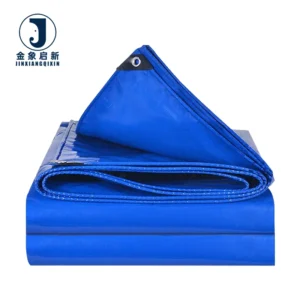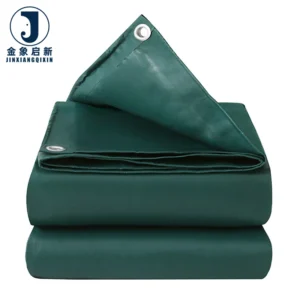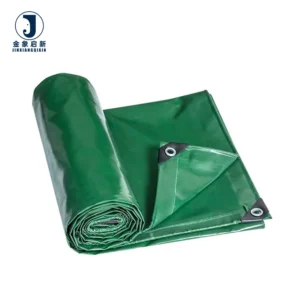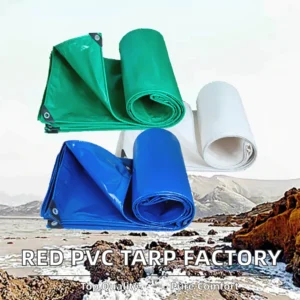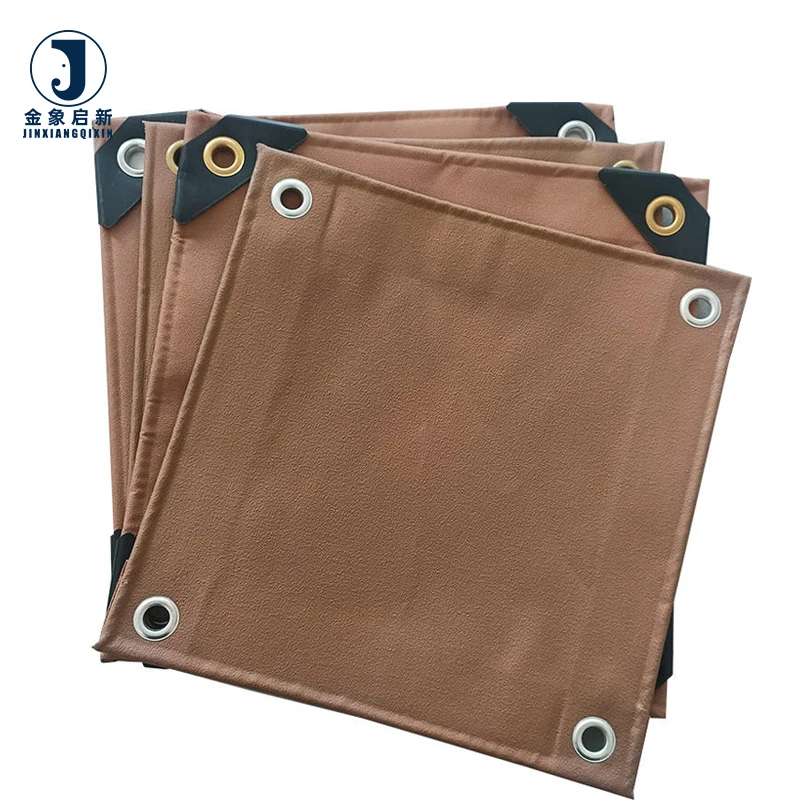
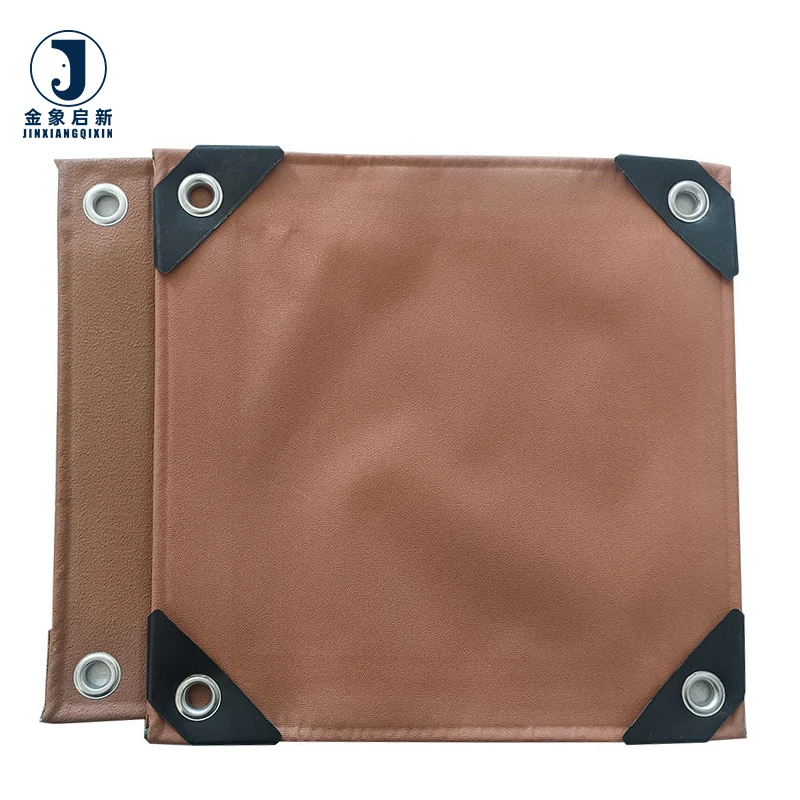
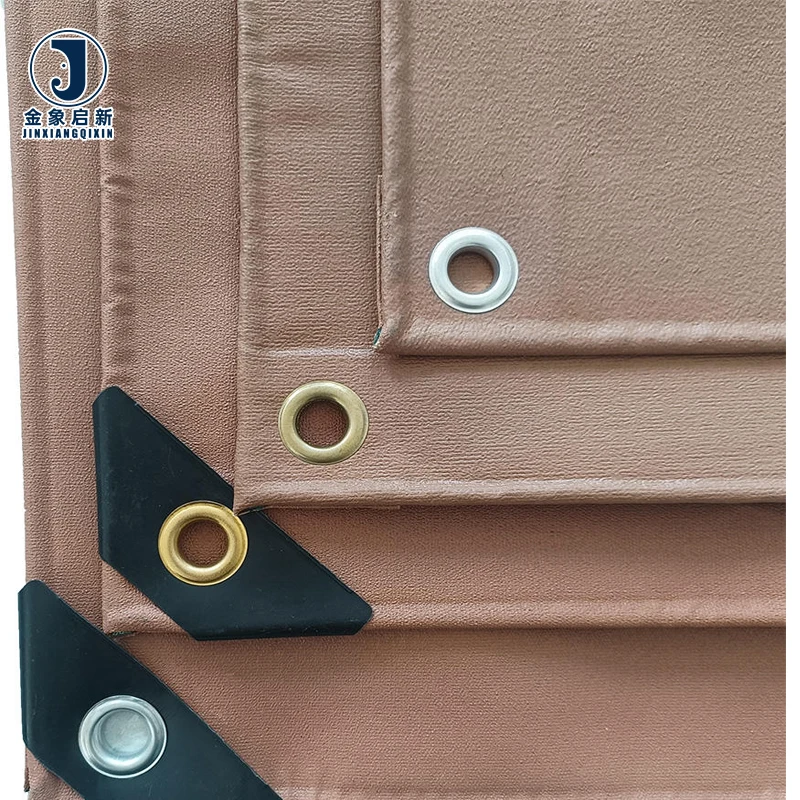
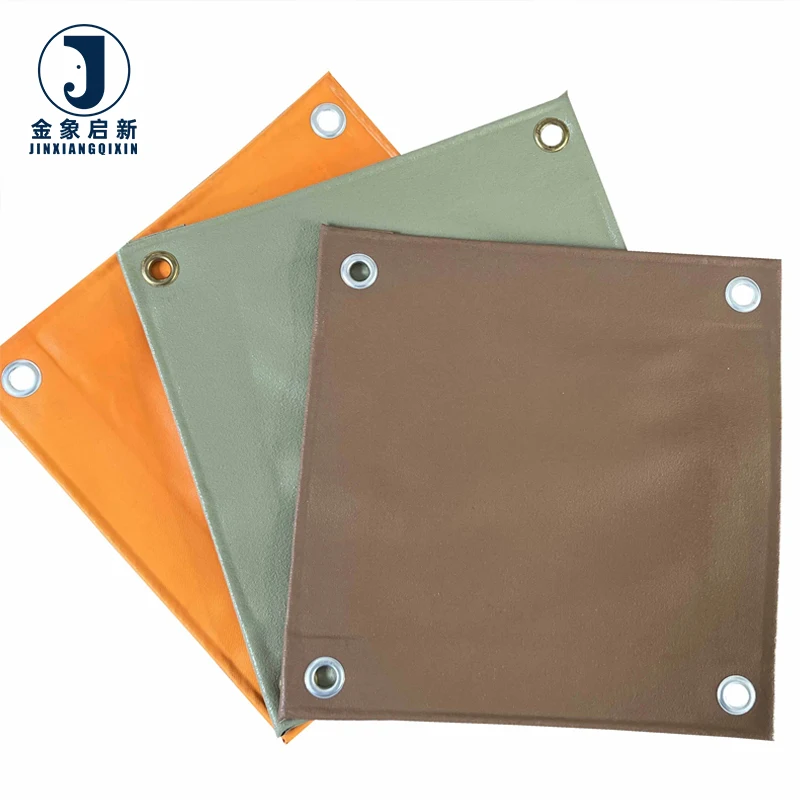
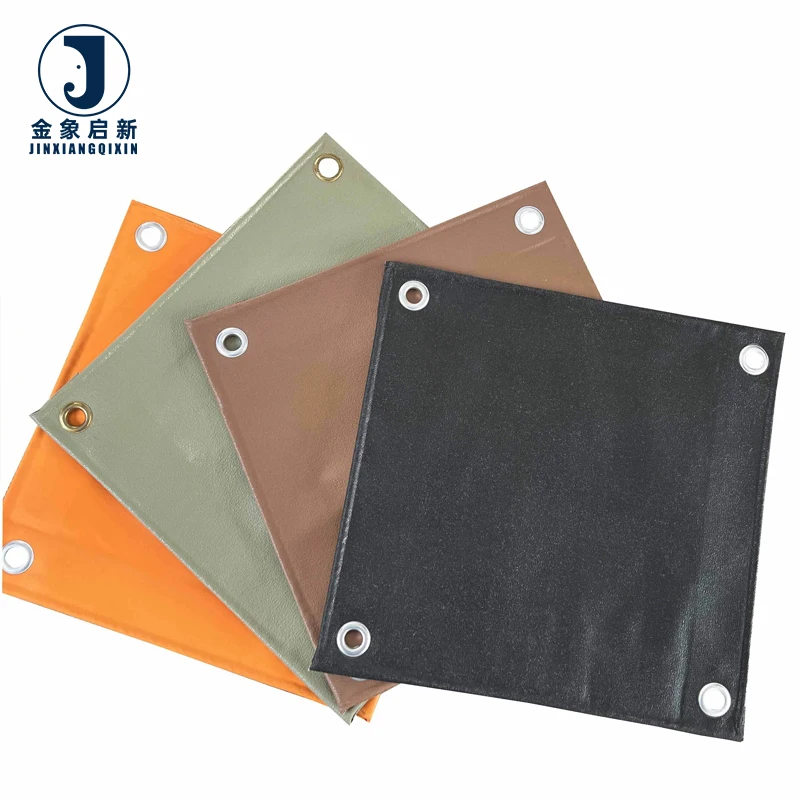
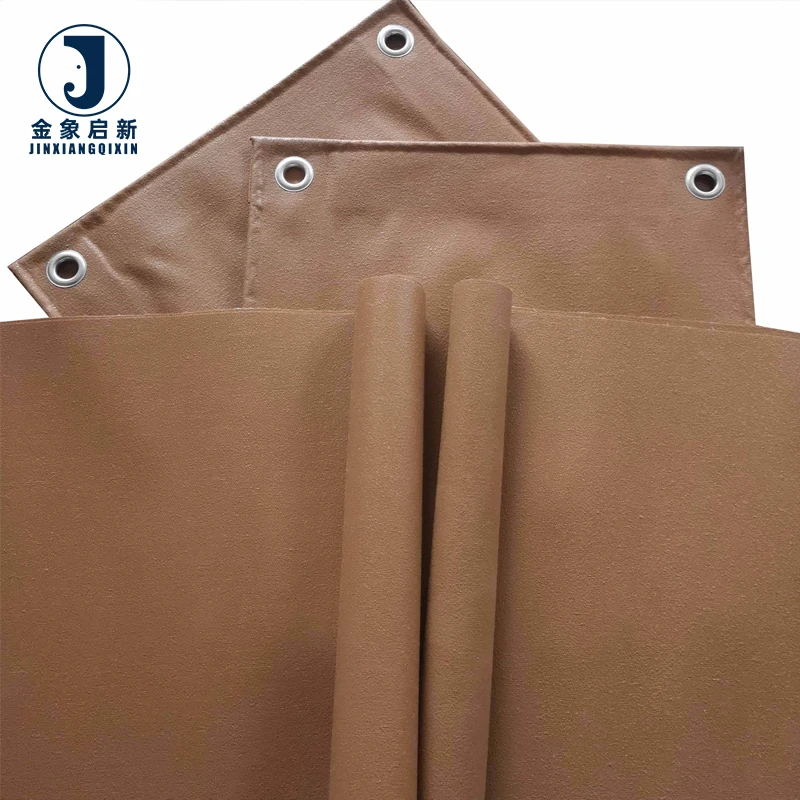
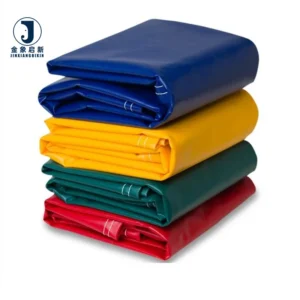
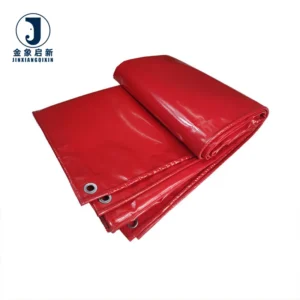
PVC Coated Tarpaulin 500gsm / 600gsm / 700gsm / 850gsm / 900gsm — knife coated fabric with flame retardant, anti-static, anti-cold and anti-mildew treatment options for truck cargo covers and outdoor waterproof protection.
- Base fabric denier and weave structure engineered for tensile and tear strength matched to load flex and transport abrasion
- GSM verified at every production stage with 100% pre-shipment inspection and photographic record
- Welded seam construction reinforced at stress points where cargo shifts during transit
- UV and flame retardant treatments available with supporting test reports on request
36 sets of professional equipment across 3 full production lines deliver bulk capacity with reliable on-time dispatch for fleet, contractor and distributor orders.
Description
Complete Custom Capability — from base fabric selection through coating, printing and finished covers, with ten-person R&D team handling every stage of your specification.
Technical Specifications
| Parameter | Value |
|---|---|
| Product Type | PVC Coated Tarpaulin |
| Material | PVC Coated Fabric |
| Weight Options | 500gsm / 600gsm / 700gsm / 850gsm / 900gsm |
| Treatment Options | Flame Retardant / Anti-Static / Anti-cold / Anti-mildew |
| Weather Resistance | Outdoor life 1-3 years |
| Application | Truck Cargo Cover / Waterproof Cover |
| Customization | Available for size, color, and treatment |
| Standards | ISO, CE |
Application Suitability
| Application | Exposure & Requirement |
|---|---|
| Truck and trailer cargo protection | Constant road vibration, wind load, UV exposure, flexing at tie-down points |
| Construction site equipment covering | Rain ingress, dust abrasion, forklift and crane contact damage |
| Agricultural stock and machinery covers | Moisture, mildew formation, temperature swings, handling wear |
| Transport fleet side curtains | Daily rolling and unrolling, road salt spray, aerodynamic stress at speed |
Why a Quoted GSM Often Fails You on Arrival
Fabric weight on paper means nothing unless verified roll by roll before it leaves the factory.
I have watched a full container get rejected because the 650gsm PVC coated tarpaulin that arrived measured closer to 590gsm on the buyer’s scale. The coating weight was shaved just enough to cut cost but not enough to look wrong — until the weld lines started splitting under the first load. When you source a PVC Coated Tarpaulin aftermarket supplier, the gap between the quotation spec and the delivered reality is where most cargo cover failures begin [NEED_CITE: ISO 1421 tensile and tear test methods for coated fabrics]. The problem is not always deliberate; some mills simply lack the in-line weighing discipline to hold tight tolerances across a long production run.
Matching GSM Grade to the Load You Are Actually Covering
Choosing between 500gsm and 900gsm is not about picking the heaviest option available. A lighter grade flexes more easily around irregular cargo shapes and puts less strain on eyelet reinforcement points, while a heavier grade resists puncture from sharp-edged industrial loads and holds up under sustained wind pressure on long-haul routes. The right PVC Coated Tarpaulin aftermarket supplier will ask what you are covering before recommending a weight, rather than defaulting to the highest-margin roll in stock.
Coating Weight Versus Base Fabric Density
Total GSM is the sum of base fabric weight and coating weight, and the ratio between them changes how the material behaves on the truck. A high base fabric density with moderate coating gives better tear propagation resistance at the seams. A heavy coating over a lighter base improves waterproofing and surface abrasion resistance but may crack at fold points in cold weather. Understanding this split helps you specify a PVC Coated Tarpaulin aftermarket supplier who can adjust the formulation rather than just offering fixed stock grades [NEED_CITE: DIN 53354 test methods for coated fabric tensile behaviour].
Reading the Specs That Actually Matter in the Field
GSM alone does not predict how the cover will survive its first winter. The base fabric denier and weave pattern determine how a tear behaves once it starts — a ripstop weave limits propagation while a plain weave allows it to run. Coating adhesion strength decides whether the PVC layer delaminates from the base under repeated flexing at trailer corners. Available flame retardant and anti-static treatments need verification against the standard your destination market requires, since a certificate without a grade is a certificate that will not satisfy a site safety inspector. Width and length options determine how many field welds your finished cover will need, and every additional seam is a potential failure point under load movement. Surface finish — glossy or matte — affects how easily road grime releases during cleaning and whether printed fleet branding adheres long-term.
What Happens When the Weld Fails Before the Fabric Does
The weakest point on any truck cargo cover is not the middle of the panel — it is the welded seam where the load flexes most during transit. If heat and pressure settings are wrong for the specific coating formulation, the bond between overlapping panels will peel apart under dynamic stress while the surrounding fabric remains intact. I have seen heavy-grade coated rolls fail at exactly this point because the welding parameters were set for a different PVC compound. Batch colour variation between rolls is another quiet problem; two panels cut from different rolls and joined side by side can show a visible shade difference once installed in daylight, triggering a rejection that has nothing to do with performance [NEED_CITE: welded seam peel strength standards for PVC coated fabrics].
Why This Production Line Exists for Your Specification
Three full production lines and thirty-six sets of professional equipment allow parallel runs of different weight grades without cross-contamination of coating formulations. A ten-person R&D team handles material selection, pattern printing and custom sizing, developing samples within days rather than weeks. Dedicated QA and QC inspection at every production stage means GSM is checked on each roll, not sampled from one roll per batch. Pre-shipment inspection covers the full order with photographic records so you see exactly what is leaving the factory. Full documentation support — from material specification sheets to certificates of origin — is prepared for each dispatch, reducing customs delays at destination.
Documentation & Verification
- Material specification sheet stating GSM, base fabric denier and coating weight per roll
- Test report for flame retardant or anti-static treatment where applicable to your order
- Pre-shipment inspection record with photographic evidence of every roll
- Certificate of origin and customs documentation matched to your import requirements
- Roll packing list with individual roll weight and dimension breakdown
Fabrication, Handling & Storage
- Heat welding temperature must match the specific PVC coating formulation of your chosen weight grade to avoid delamination
- Eyelet reinforcement zones require additional fabric patches when using lighter GSM options for heavy tie-down loads
- Rolls should be stored upright on pallets to prevent permanent creasing across the coating surface
- Unfolding in cold conditions requires gradual acclimatisation to prevent micro-cracking of the anti-cold treated surface
- Cleaning with mild detergent preserves the anti-mildew treatment layer; solvent-based cleaners strip it
- Field repairs need compatible PVC adhesive matched to the coating weight for lasting bond strength
What We Need to Quote Accurately
Tell us the cargo type, trailer model or cover dimensions, and the environmental conditions the cover will face daily. If your destination market requires a specific fire classification or anti-static standard, state the regulation name so we match the correct treatment grade. Confirm whether you need finished covers with hemming and eyelets or roll stock for your own fabrication line.
Frequently Asked Questions
Q: How do you confirm the GSM matches the quotation before shipment?
A: Every roll is weighed individually during pre-shipment inspection. We record the actual GSM against the specification sheet and share photographic evidence with the buyer before dispatch, so there is no discrepancy between what was quoted and what arrives at the port.
Q: Can you supply test reports for flame retardant treatments?
A: Yes. When your order includes flame retardant treatment, we provide a test report showing the grade achieved. Specify the standard required in your market so we formulate the coating to meet that exact classification rather than a generic one.
Q: How do you maintain colour consistency across a multi-roll order?
A: All rolls for a single order are produced in one coating batch using the same pigment mix. Pre-shipment inspection includes a side-by-side visual check under controlled lighting to confirm no shade variation exists between rolls before packing.
Q: What is the lead time for custom size and treatment combinations?
A: Lead time depends on the weight grade, treatment type and order volume. We confirm the production schedule at quotation stage and provide a firm dispatch date. Sample development for custom requirements typically takes days rather than weeks.
Q: What documents accompany each shipment?
A: Each dispatch includes a material specification sheet, roll packing list, certificate of origin, and relevant test reports. For orders requiring fire or anti-static compliance, the applicable certificates are included to satisfy site inspection at destination.
Related products
-
Factory Direct 20×30 Feet 13mil Heavy-Duty Vinyl Tarps PVC Tarpaulin for Firewood Roof Camping Patio Pool Boat Dump Trailer
¥2.60 Add to cart -
Waterproof Custom 1000D 550GSM/900GSM Self Clean PVC Coated Tarpaulin for Truck. Tent. Roof Cover Flood Barrier
¥0.99 Select options This product has multiple variants. The options may be chosen on the product page -
Heavy Duty Waterproof PVC Tarpaulin Roll Cover for Truck Tent Outdoor Storage and Industrial Use
¥1.48 Add to cart -
Tarpaulin Hot Selling 30M X 30M Finished PVC Tarpaulin for Farming Tarpaulin
¥1.48 Add to cart