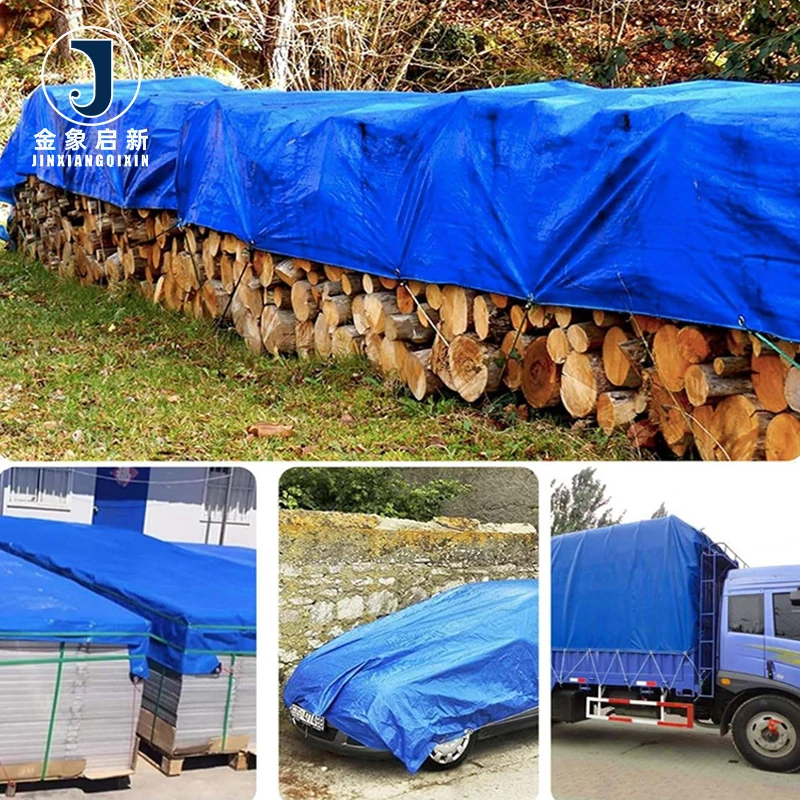
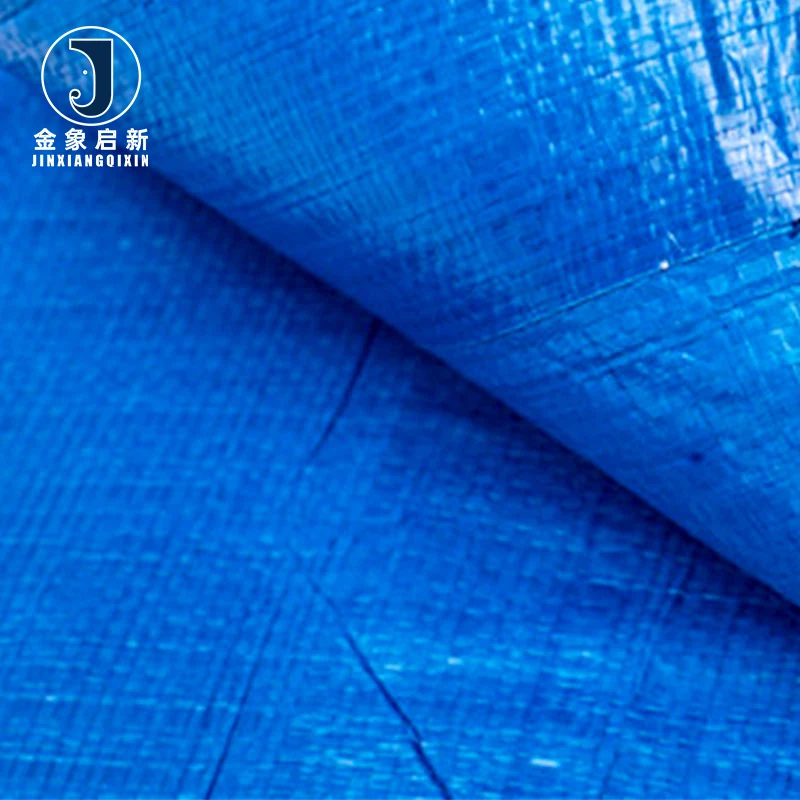
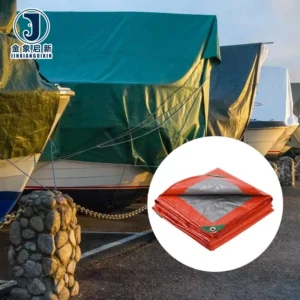
Heavy Duty Waterproof PE Tarpaulin Cover Sheet — HDPE woven with LDPE lamination, 50–220 g/m², 0.2–0.4mm thickness.
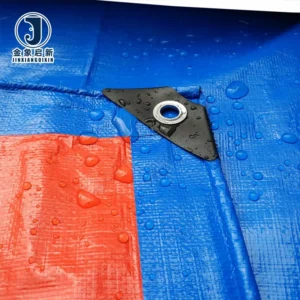
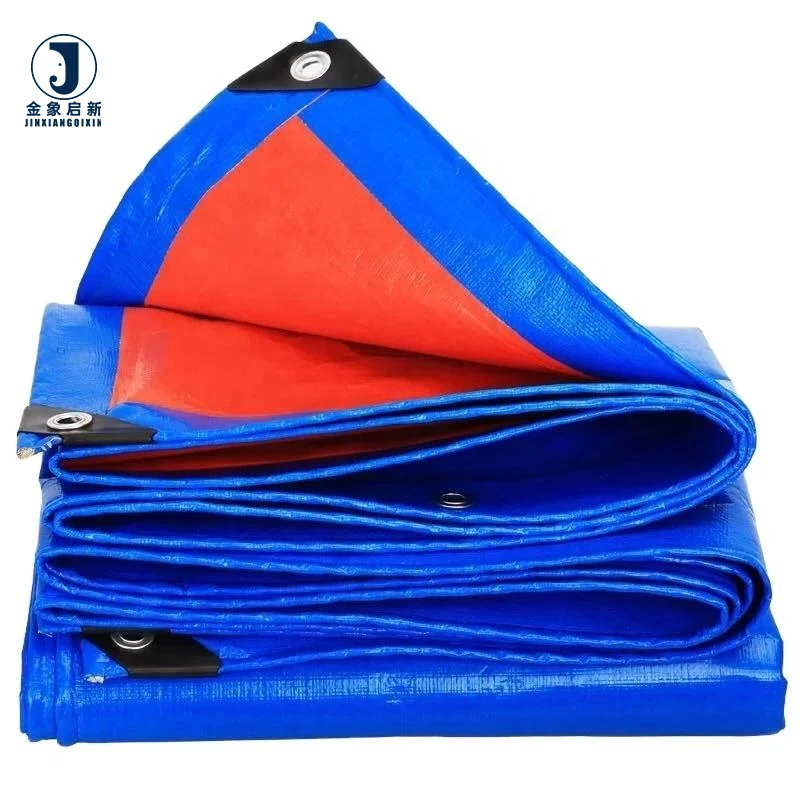
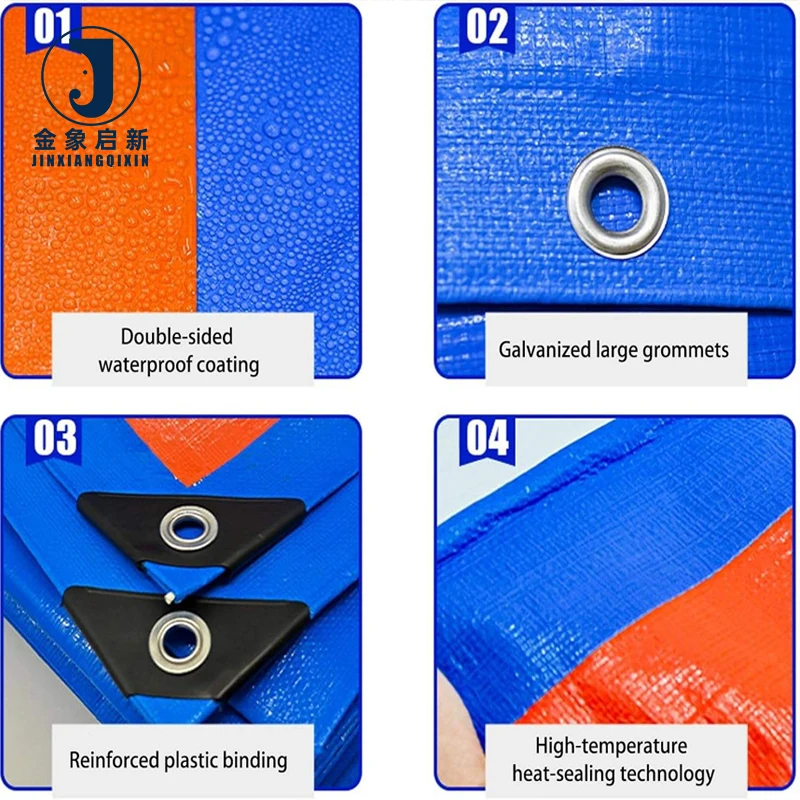
- Available in roll stock (6ft–12ft width, 100 yards/meters length) or finished sizes with PP rope reinforced hems, galvanized eyelets every 3ft, and reinforced plastic corners for secure tie-down at flex points.
- Eyelet spacing and hem reinforcement method directly affect durability under load flex and wind stress on scaffolding or transport covers — finished configuration should match the actual tie-down pattern required on site.
Backed by nearly 30 years of coated fabric process control, 100% pre-shipment inspection, and full QA documentation including material spec sheet and certificate of origin.
Description
Deep Process Control Over Coating — HDPE weaving with LDPE lamination on both sides, verified by 100% pre-shipment inspection for every roll and finished sheet we dispatch.
Technical Specifications
| Parameter | Value |
|---|---|
| Product Type | PE Tarpaulin Roll / Finished PE Tarpaulin |
| Material | HDPE weaving with LDPE lamination on both sides |
| Weight (GSM) | 50 g/m² – 220 g/m² |
| Total Thickness | 0.2–0.4 mm / 8 mil–16 mil |
| Roll Width | 6 ft, 8 ft, 10 ft, 12 ft or 2 m, 4 m, 6 m |
| Roll Length | 100 yards, 100 meters, or custom |
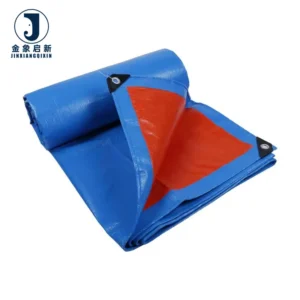
| Color Options | Blue, Blue/Orange, Green, Grey, Black, Clear, Grey/Green, Orange, or custom |
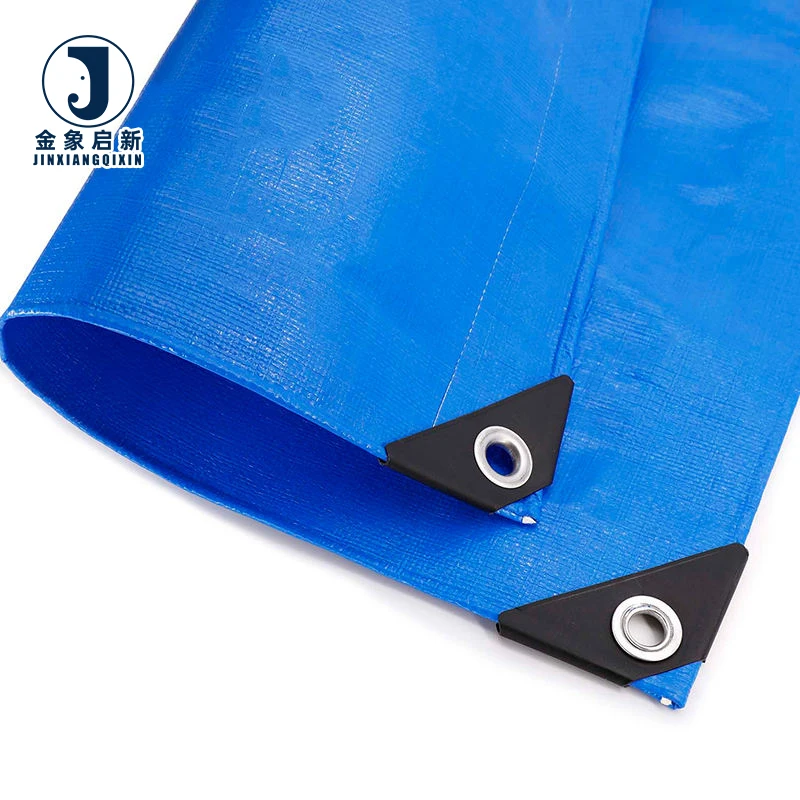
| Finished Edges | All four edges reinforced with PP rope in hem |
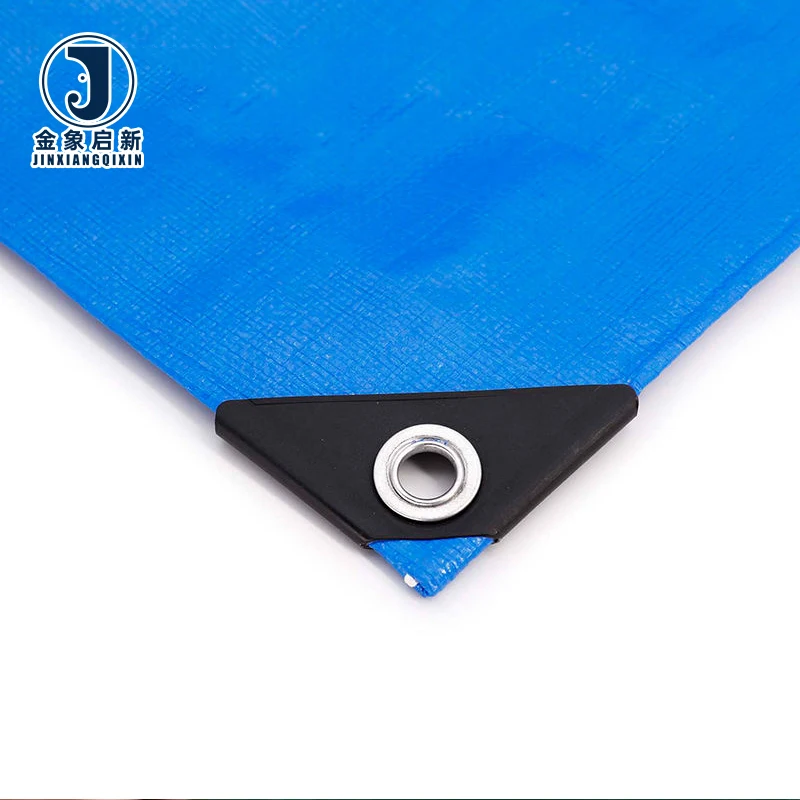
| Eyelets | Galvanized eyelets every 3 ft or 1 meter interval |
| Corners | Reinforced plastic corners |
| Finished Sizes | 2×2 m, 3×3 m, 3×5 m, 4×4 m, 4×5 m, 4×6 m, 4×8 m, 4×10 m, 5×5 m, 5×6 m, 5×8 m, 5×10 m, 6×6 m, 6×8 m, 6×10 m, 8×10 m |
| Key Features | Waterproof, mildew proof, tear resistant, washable, acid and alkali resistant, anti-aging with anti-oxidants |
| UV Treatment | Available (test basis not stated — confirm the grade required for your market) |
| Printing | Custom branding available |
| Certifications | ISO, CE |
Application Suitability
| Application | Exposure & Requirement |
|---|---|
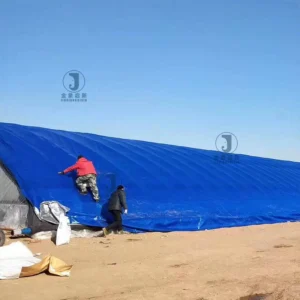
| Scaffolding cover on construction sites | Wind load, abrasion against steel tubes, UV exposure, repeated installation and removal cycles |
| Camping and outdoor event cover | Rain, ground moisture, UV exposure, frequent folding and transport |
| Equipment and stock protection | Standing water, dust ingress, sunlight degradation, mechanical handling damage |
| Agricultural and aquaculture pond lining | Permanent water contact, soil chemistry, puncture risk from substrate irregularities |
| Transport load cover | Road debris, wind flap fatigue, tie-down stress at eyelet points |
What "Waterproof" Really Means When LDPE Lamination Quality Varies
A waterproof claim without a lamination weight specification is just marketing.
When sourcing PE tarpaulin, buyers often specify a target GSM on paper but receive fabric that feels lighter at the edges or thinner in the centre of the roll. The waterproof performance of a PE tarpaulin manufacturer custom order depends not just on total GSM but on the consistency of the LDPE lamination across the entire HDPE woven base. Uneven lamination leads to pinholes that only reveal themselves after weeks of rain exposure, typically when the cover is already deployed over valuable stock or scaffolding. [NEED_CITE: tensile and tear test methods for coated fabrics per ISO 1421]
Why HDPE Weave Density Determines More Than Just Tear Resistance
The HDPE woven base is the structural skeleton of every PE tarpaulin. When high density weaving material is specified, the warp and weft tapes interlock more tightly, distributing point loads across a wider area of fabric rather than concentrating stress at a single yarn. This matters on scaffolding covers where steel clamps grip the material, and on truck covers where tie-down straps pull against the eyelets. A PE tarpaulin manufacturer custom specification should always call out the weave density alongside the GSM so that tear behaviour can be predicted before the first roll ships.
How GSM, Thickness, and Lamination Weight Interact
Total GSM alone cannot predict how a tarpaulin will perform in the field. A 150 g/m² sheet could achieve that weight through a heavy HDPE base with thin lamination, or a light base with thick LDPE coating. The former delivers higher tear strength but may show surface roughness; the latter feels smooth but can delaminate at fold lines. [NEED_CITE: DIN 53354 test methods for tensile properties of plastic films] When you specify a grade from the 50 g/m² to 220 g/m² range, the relationship between the base fabric denier and the lamination thickness determines whether the finished tarpaulin suits lightweight camping covers or heavy-duty construction site sheeting. Selecting the correct balance avoids paying for excess weight that adds freight cost without improving field performance.
The Hidden Cost of Ordering by GSM Without Verifying Construction
Buyers who specify only a GSM figure and accept delivery without checking the material specification sheet often discover problems weeks later. A roll that arrives at the correct weight but with lower weave density will tear at the eyelet reinforcement points under wind load. Colour variation between rolls in the same container becomes obvious once the sheets are installed side by side on a scaffolding facade, forcing the contractor to replace entire sections. Welded seams on finished tarpaulins can fail before the fabric itself if the heat sealing parameters were not matched to the actual lamination thickness received. [NEED_CITE: failure modes in laminated PE fabrics under cyclic wind loading]
Why Batch Consistency and Documentation Matter for Every Shipment
Our production process controls lamination weight and HDPE weave density simultaneously across all three production lines, so the 50 g/m² through 220 g/m² range holds true roll to roll. A 10-person R&D team develops samples within days for custom widths, colours, and printed branding, letting you approve construction before bulk production starts. Dedicated QA/QC runs at every stage — incoming HDPE tape inspection, weaving tension check, lamination temperature monitoring, and finished roll weighing — so the GSM on the specification sheet matches the GSM on the scale. Custom sizing for finished tarpaulins, including eyelet spacing and PP rope hem reinforcement, is handled in-house without outsourcing to third-party workshops.
Documentation & Verification
- Material specification sheet stating exact GSM, HDPE base fabric construction, and LDPE lamination weight per roll
- Pre-shipment inspection record with measured weight and colour reference for each batch
- Roll packing list detailing roll dimensions, net weight, and colour allocation per container
- Certificate of origin and customs documentation for export clearance
- UV treatment test report provided where applicable — confirm grade required for your market
Fabrication, Handling & Storage
- Heat seal temperature must match the LDPE lamination thickness — verify with offcut tests before full production
- Galvanized eyelets at 3 ft or 1 m intervals require reinforced plastic corners to prevent pull-through under tension
- Store rolls horizontally on pallets to avoid creasing the HDPE weave at pressure points
- PP rope hem reinforcement should be inspected after each tie-down cycle for abrasion against steel edges
- Clean with mild detergent only — alkaline solvents degrade the LDPE lamination surface over time
- Finished tarpaulins in 2×2 m through 8×10 m sizes should be folded along the weave direction to prevent diagonal stress cracks
Requesting a Specification That Matches Your Application
To source the correct PE tarpaulin for your project, share the intended application and the environmental exposure conditions the cover will face — UV intensity, wind load, contact with chemicals, and expected installation frequency. Specify whether you need roll stock in standard widths or finished cut-to-size sheets with custom eyelet spacing and hem reinforcement. If colour consistency across multiple rolls is critical for your installation, request a colour reference sample and confirm batch allocation before production begins.
Frequently Asked Questions
Q: How is GSM verified on arrival and what documentation do you provide?
A: Every roll is weighed during 100% pre-shipment inspection, and the measured GSM is recorded on the material specification sheet included with your shipment. The sheet also states the HDPE base fabric construction and LDPE lamination weight so you can verify total construction matches your purchase order.
Q: What roll widths and lengths are stocked, and what are the minimums on custom sizes?
A: Standard roll widths are 6 ft, 8 ft, 10 ft, 12 ft and 2 m, 4 m, 6 m in 100-yard or 100-meter lengths. Custom widths and lengths are available — sample development takes days, and minimum order quantities depend on the grade selected from the 50 g/m² to 220 g/m² range.
Q: How do you control colour consistency between rolls in the same order?
A: Colour masterbatch is blended at the LDPE lamination stage, and each production run is checked against the confirmed colour reference. Rolls destined for the same container are allocated from a single batch, and the pre-shipment inspection record notes the colour reference for traceability.
Q: What eyelet spacing and hem reinforcement options are available for finished tarpaulins?
A: Finished tarpaulins come with galvanized eyelets every 3 ft or 1 m, PP rope reinforced hems on all four edges, and reinforced plastic corners. Custom eyelet spacing and additional reinforcement at high-stress points can be specified during sample approval.
Q: Can you supply UV treatment with a test report and what does it cover?
A: UV treatment is available and anti-oxidants are added during production for anti-aging performance. Where your site regulation or market requires a specific UV stability test report, confirm the standard required and we will arrange testing and documentation accordingly.
Related products
-
Hot Selling Organic Coated Blackout Waterproof Canvas PE Tarpaulin Tarp for Boys & Girls Construction Transportation Cover
¥1.68 Select options This product has multiple variants. The options may be chosen on the product page -
Heavy Duty Organic Breathable PVC Coated Weft Tarpaulin 400gsm Waterproof UV Resistant for Trucks Buildings Agriculture Boys
¥0.87 Select options This product has multiple variants. The options may be chosen on the product page -
Multi Use Organic Breathable Plain Water Resistant PE Coated Blackout Heavy Duty Woven Canvas Tarpaulin UV Resistant Industrial
¥0.40 Select options This product has multiple variants. The options may be chosen on the product page -
PE Coated Blackout Tarpaulin Poly Tarp with UV Protection Standard Size Fabric Sheet for Agriculture & Industrial Use
¥0.35 Select options This product has multiple variants. The options may be chosen on the product page