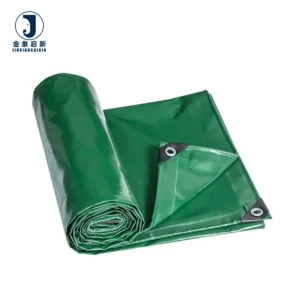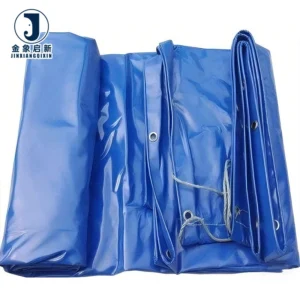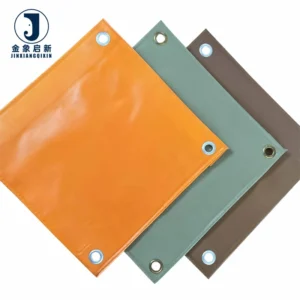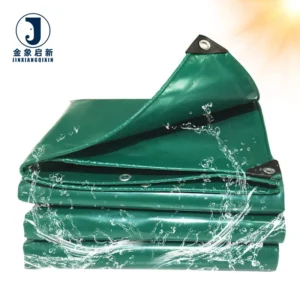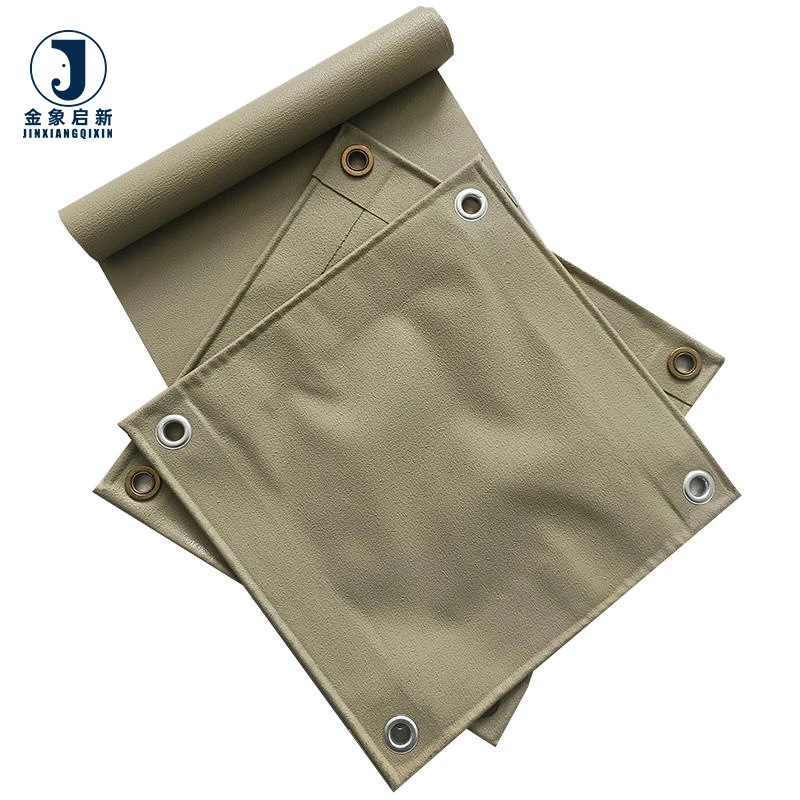
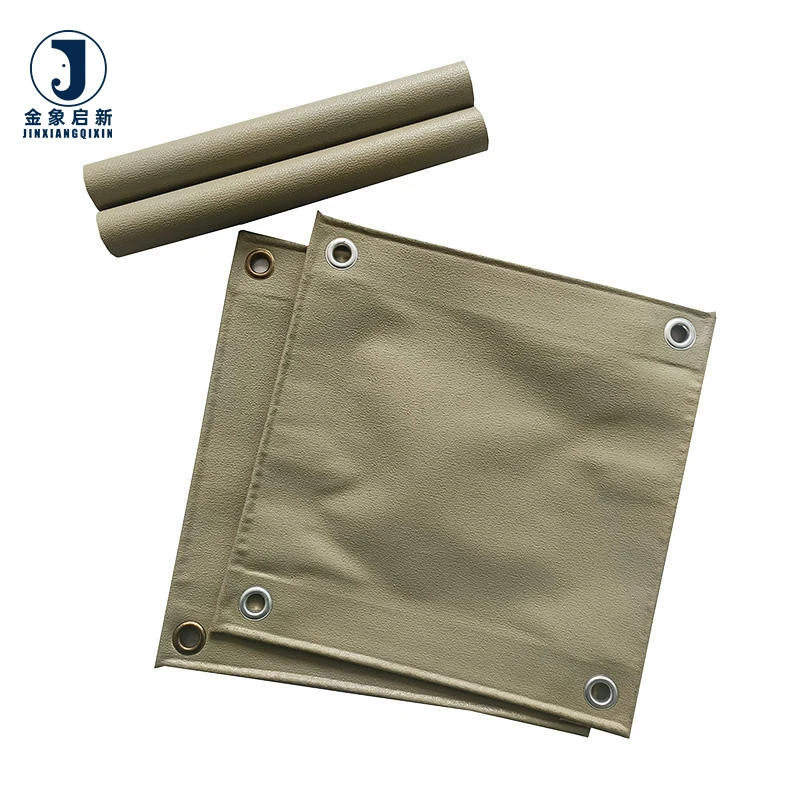
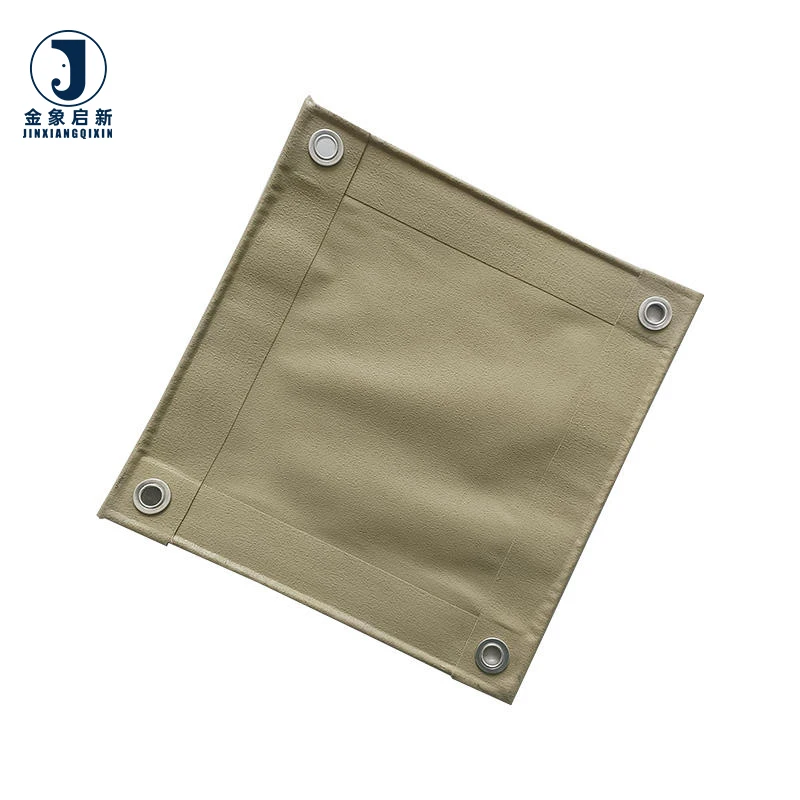
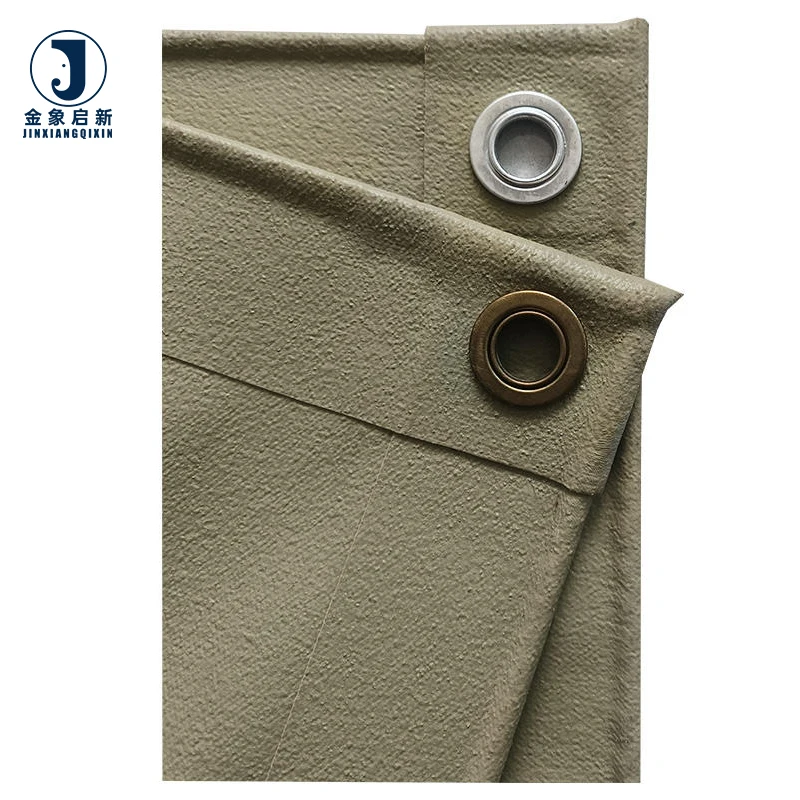
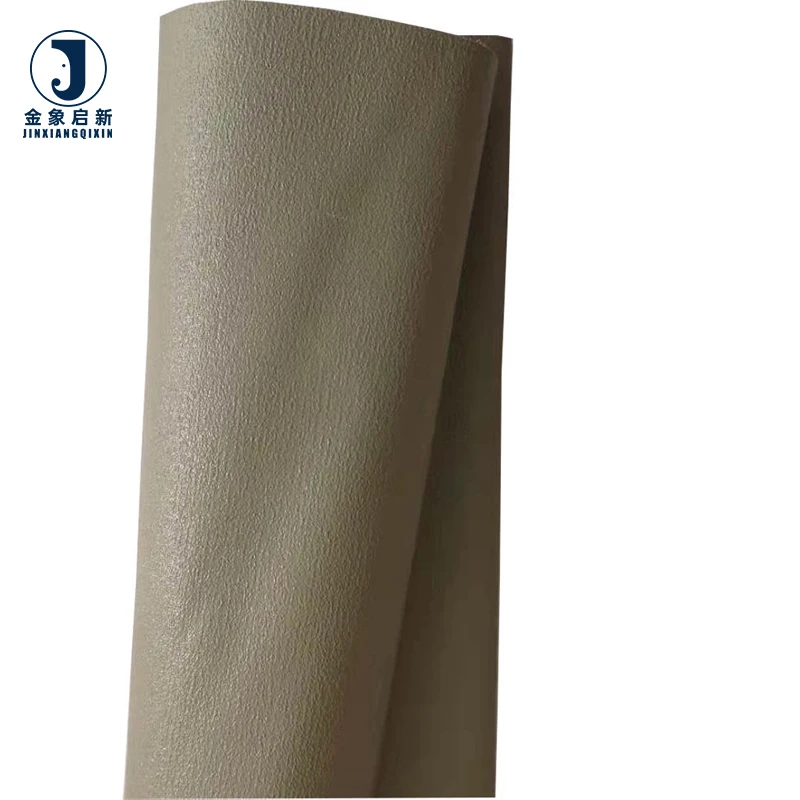
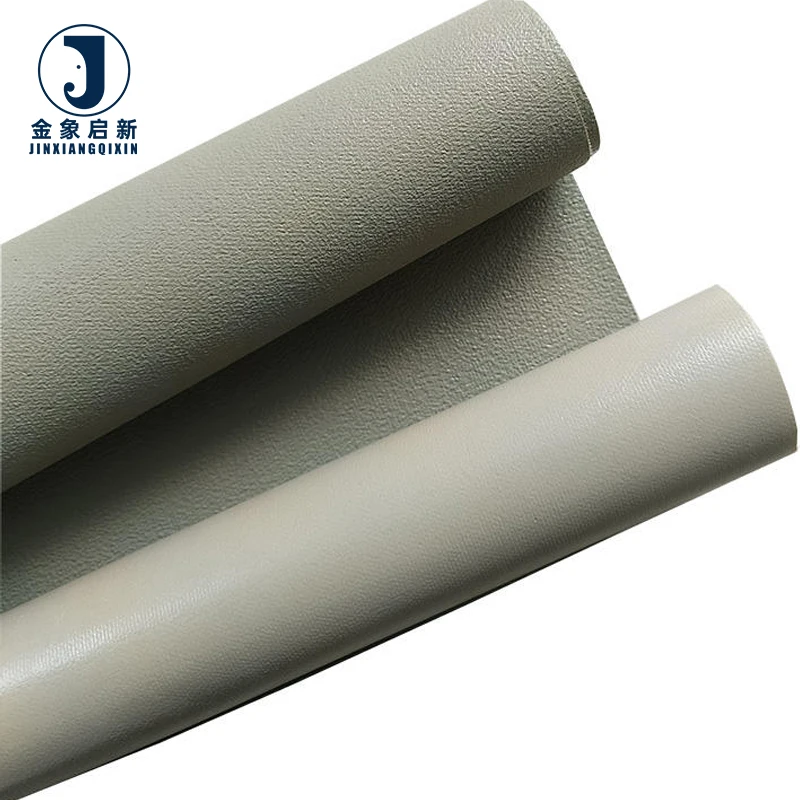
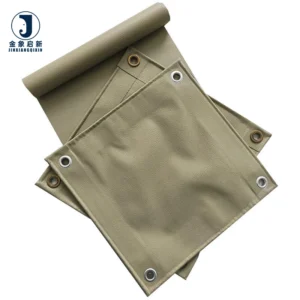
PVC Coated Tarpaulin Fabric, 450 GSM, 1000×1000 Denier Base — knife coated for waterproof, tear-resistant performance across truck covers, tents, and industrial equipment protection.
- Deep process control over coating weight and adhesion ensures roll-to-roll consistency
- Full treatment options including anti-UV, flame retardant, and double-side colour with verifiable test results
- Custom width, length, colour, and finishing available from a single production source
Three full production lines and 36 sets of professional equipment deliver reliable on-time capacity for bulk orders.
Description
Proven Coating Control — Every roll undergoes weight and adhesion checks across three production lines so the PVC coated tarpaulin you receive matches the specification sheet you approved.
Technical Specifications
| Parameter | Value |
|---|---|
| Product Type | PVC Coated Tarpaulin Fabric |
| Coating Method | Knife Coated |
| Coating Material | PVC |
| Base Fabric Type | Woven Fabric |
| Weight (GSM) | At least 450 GSM (verify against final quotation) |
| Waterproof Rating | Waterproof |
| UV Treatment | Anti-UV (test basis not stated) |
| Oil Resistance | Oilproof |
| Tear Resistance | Tear-Resistant |
| Key Features | Waterproof, oilproof, anti-UV treated, tear-resistant woven construction |
| Form | Roll |
| Customisation | Custom width, length, and colour available |
| Printing | Pattern printing supported |
| Standards | ISO, CE certified facility |
Application Suitability
| Application | Exposure & Requirement |
|---|---|
| Truck and trailer cover fabrication | Constant flexing at load points, road debris abrasion, prolonged UV exposure, tie-down stress at eyelets |
| Outdoor tent and awning structures | Weather cycling, wind-driven rain, UV load, repeated assembly and disassembly creasing |
| Industrial equipment covers | Workshop oil splash, dust ingress, handling abrasion, outdoor storage exposure |
| Construction site protection sheets | Puncture from sharp materials, water pooling, wind uplift tension, UV degradation over project duration |
| Advertising banner and signage | Large-format printing adhesion, outdoor UV and rain exposure, grommet pull-out resistance |
Why Quoted GSM Rarely Tells the Full Story for PVC Coated Fabric
A weight figure without process control behind it is just a number on paper.
Buyers across logistics and construction routinely face a familiar pattern: the PVC coated tarpaulin fabric arrives noticeably lighter than the quotation stated. Coating weight drifts across the roll width, edges come in thinner than the centre, and by the time the first cover fails at a flex point, the supplier has already moved on. The stated GSM only matters when it is held within a tight tolerance from edge to edge and verified before the roll leaves the factory. [NEED_CITE: coating weight tolerance standards for industrial PVC fabrics per ISO 1421]
What Knife Coating Means for Your PVC Coated Tarpaulin Fabric
Knife coated PVC construction forces the coating compound directly into the woven base fabric under controlled pressure, producing a mechanical bond that resists delamination far better than simple lamination methods. This matters when truck covers flex daily under tie-down straps and when tent panels endure repeated folding during transport. The bond between coating and base fabric determines whether the material ages as one unit or begins to separate at stress points.
How Woven Base Fabric Density Drives Tear Performance
The tear resistance of a PVC coated tarpaulin depends as much on the woven base fabric density as on the coating weight applied on top. A lighter coating over a high-denier woven base can outperform a heavier coating over a loose weave when it comes to stopping a tear from propagating across a panel. Specifying PVC coated fabric requires looking at both the base fabric construction and the coating method together rather than evaluating weight alone. [NEED_CITE: relationship between base fabric denier and tear propagation in coated textiles]
Reading the Specification Sheet Beyond the GSM Figure
The stated weight of at least 450 GSM places this PVC coated tarpaulin in a range suited to heavy-duty outdoor and industrial covers, but weight alone does not predict how the fabric will behave under real load. Knife co* which translates to higher peel strength at welded seams compared to calendered or laminated alternatives. Waterproof performance depends on full coating coverage with no pinholes or thin spots, which is a function of production line control rather than just total grams per square metre. Anti-UV treatment must be confirmed with a test report tied to a specific standard, not assumed from a marketing claim. Oilproof coating adds protection in workshop and machinery environments where hydrocarbon contact would degrade untreated PVC over time.
The Hidden Cost of Specifying on Weight Alone
When coating weight is the only parameter checked at receiving, other failures slip through undetected. A PVC coated tarpaulin can hit the quoted GSM yet still delaminate at the seams if the coating adhesion was inconsistent during production. Colour variation between rolls in the same shipment becomes visible only after panels are welded side by side on a truck curtain or tent wall, forcing a full rework. Flame retardant grades supplied without a matching test certificate can lead to failed site inspections on construction or mining projects where documentation is mandatory. [NEED_CITE: seam failure incidence in coated fabric covers relative to coating adhesion variance]
Why Source This PVC Coated Tarpaulin from Jinxiang
Three full production lines and 36 sets of professional equipment give this PVC coated tarpaulin manufacturer the capacity to run bulk orders while maintaining coating weight consistency across every roll. The 10-person R&D team handles material selection, custom width development, pattern printing, and sample preparation so you can validate the fabric against your application before committing to a full container. Dedicated QA and QC inspection at every production stage means each roll is checked against the material specification sheet before packing, not sampled after the fact. Full documentation travels with every shipment, including material spec sheets, test reports for applicable treatments, and pre-shipment inspection records. Samples for custom widths, colours, or printed branding are developed within days, shortening the gap between inquiry and production approval.
Documentation & Verification
- Material specification sheet stating GSM, base fabric type, and coating method for each roll
- Anti-UV and treatment test reports included where applicable to the ordered grade
- Pre-shipment inspection record confirming weight and visual consistency before dispatch
- Roll packing list with individual roll weights for receiving verification
- ISO and CE certificates covering the production facility and quality system
- Certificate of origin and customs documentation for international shipment clearance
Fabrication, Handling & Storage
- Knife coated surface accepts high-frequency and hot-air welding; adjust dwell time to coating thickness for full seam fusion
- Reinforce eyelet and tie-down zones with additional PVC patches to distribute load across the woven base fabric
- Store rolls upright on end caps to prevent flat-spot creasing that becomes permanent in the coating
- Allow rolls to acclimatise before unrolling in cold conditions to avoid cracking the PVC coating layer
- Cut patterns with nested layouts to maximise yield from the custom width and reduce welded seam count
- Clean with mild detergent only; solvents can degrade the oilproof PVC coating surface over time
What to Include in Your Enquiry
To receive an accurate specification recommendation, share the end-use application and the primary exposure conditions the PVC coated tarpaulin will face in service. Specify the required roll width, target GSM range, and whether you need anti-UV or other treatment grades backed by test reports for your market. Confirm whether you need fabric by the roll for your own fabrication line or cut-to-size finished panels with eyelets and welded hems.
Frequently Asked Questions
Q: How is GSM verified when the PVC coated tarpaulin rolls arrive?
A: Each roll is checked during 100% pre-shipment inspection against the material specification sheet. The inspection record accompanies the shipment, documenting the verified weight so you can cross-reference it on arrival. Edge-to-edge consistency is confirmed during production, not just sampled from one point on the roll.
Q: What custom widths and minimums apply to this PVC coated fabric?
A: Custom widths are developed through the in-house R&D team with samples produced within days for approval before bulk production. Minimums depend on the specific width and colour requested. Contact the sales team with your target dimensions and annual volume for a detailed quotation.
Q: Can I get test reports for anti-UV treatment with my shipment?
A: Anti-UV treatment is available, and test reports are included in the documentation package where applicable to the grade ordered. Specify the UV standard required by your end market during enquiry so the correct treatment grade and matching documentation are prepared.
Q: How is colour consistency maintained across multiple rolls in one order?
A: Colour reference is set during sample approval and monitored through in-process QA at every production stage. Pre-shipment inspection includes visual comparison across rolls in the same batch to catch variation before dispatch, preventing panel-to-panel colour mismatch after fabrication.
Q: What documentation ships with each PVC coated tarpaulin order?
A: Every shipment includes a material specification sheet, roll packing list with weights, pre-shipment inspection record, and applicable test reports. ISO and CE certificates, certificate of origin, and customs support documents are provided as standard for international orders.
Related products
-

450gsm Green Heavy-duty Waterproof Tarps & Groundsheets Pvc Tarpaulin
¥1.25 Select options This product has multiple variants. The options may be chosen on the product page -
500gsm MULTI-PURPOSE Green Waterproof Green Tarp for Emergency Rain Shelter. Outdoor Cover
¥7.72 Select options This product has multiple variants. The options may be chosen on the product page -
Waterproof Heavy Duty Tarpaulin Water Proof Cover Tarpaulin Manufacturer
¥1.48 Add to cart -
JX PVC Waterproof Fabric High-strength Sheeting for Industrial and Outdoor Coverings
¥1.90 Select options This product has multiple variants. The options may be chosen on the product page