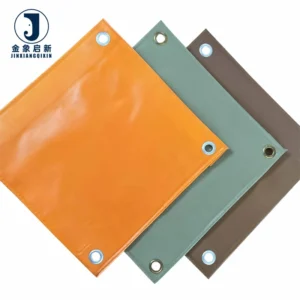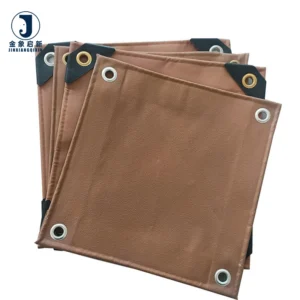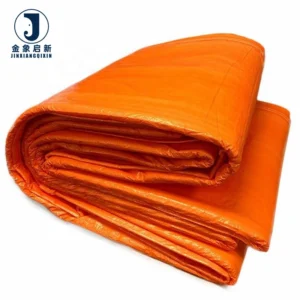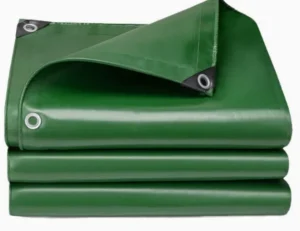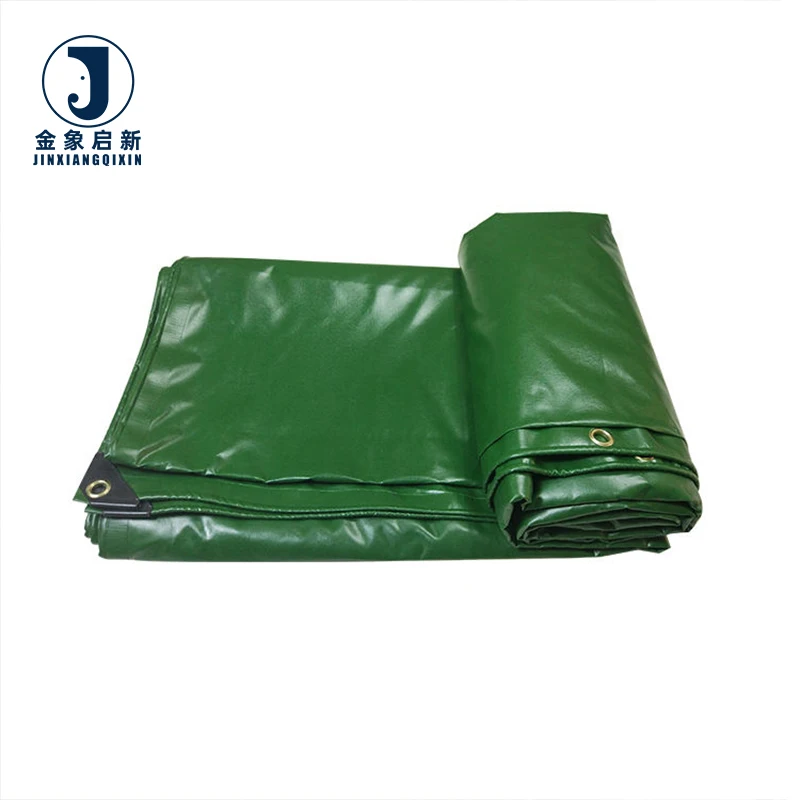
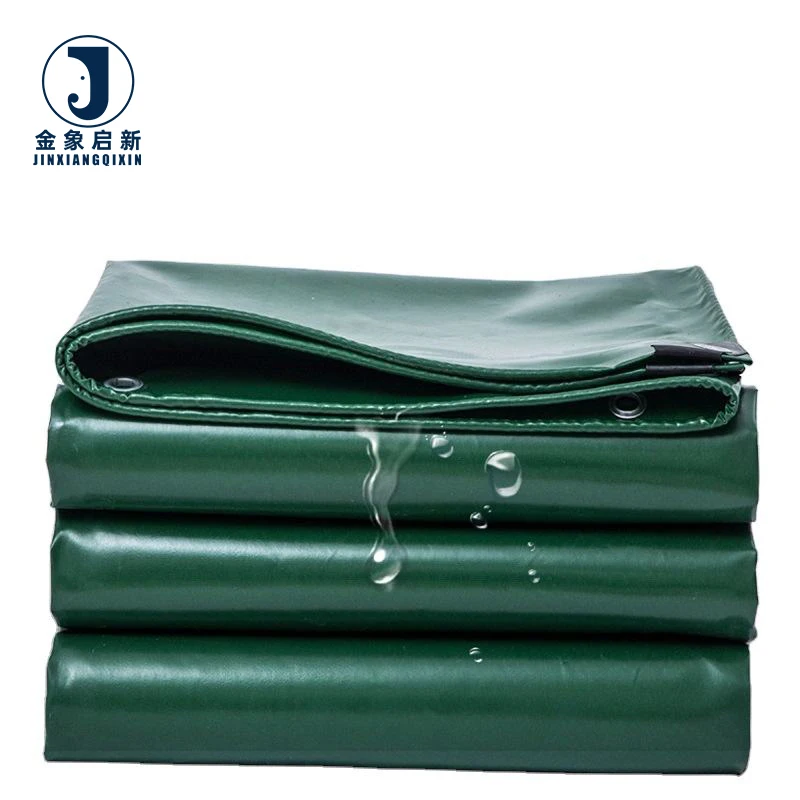
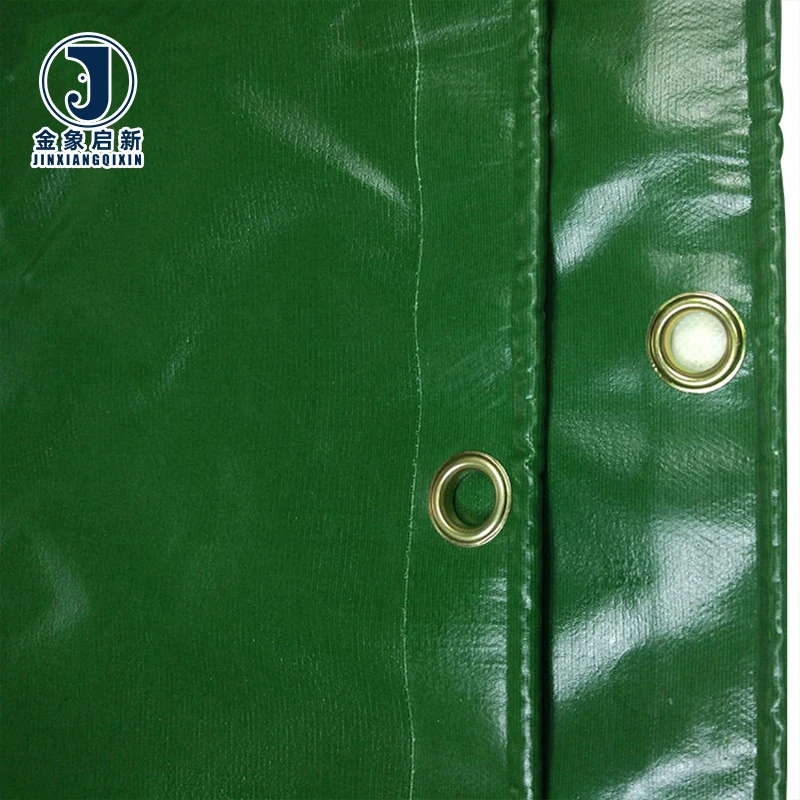
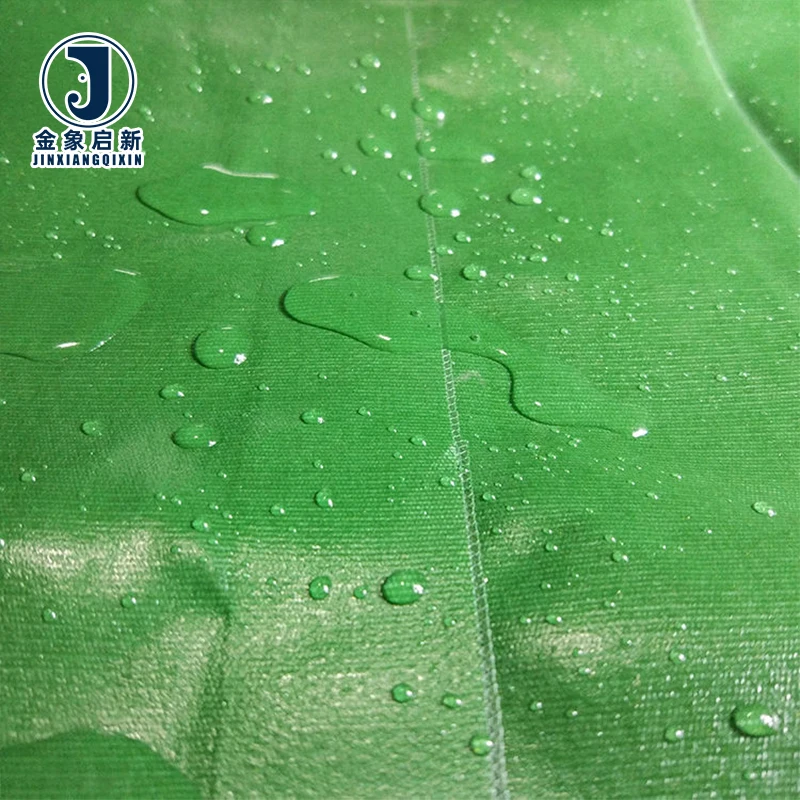
PVC Coated Tarpaulin Roll — available in 350gsm to 750gsm with high-strength polyester mesh base, hot-melt coated for strong adhesion and outstanding tearing strength at welded seams.
- Custom width, length and color with roll-to-roll consistency across your order
- Laminated and hot-melt coating technology ensures flexibility, waterproof performance and cold crack resistance
- Full material specification sheet, test reports and pre-shipment inspection record provided with every dispatch
- 100% inspection before shipment backed by three full production lines and nearly 30 years of coated fabric expertise
Description
Verified GSM Consistency — every roll of PVC coated tarpaulin is weighed and checked against the quoted specification before it leaves the warehouse, because a shelter that fails in a storm is not just a material defect.
Technical Specifications
| Parameter | Value |
|---|---|
| Product Type | PVC Coated Tarpaulin |
| Material | PVC + High-strength polyester mesh fabric |
| Weight Options | 350gsm / 420gsm / 500gsm / 550gsm / 600gsm / 750gsm |
| Thickness Options | 0.32mm / 0.35mm / 0.4mm / 0.45mm / 0.5mm / 0.65mm |
| Roll Size Options | 2m × 75m / 2.1m × 50m |
| Coating Technology | Laminated technology & Hot-melt coating technology |
| Color Options | Blue / Red / Yellow / Light blue / Grey (custom colors available) |
| Surface Finish | Standard coated finish |
| Key Features | Waterproof, sunproof, cold crack resistance, anti-mildew, anti-static treatment available, outstanding tearing strength for welding, best color fastness |
| Standards | ISO 14001 / ISO 45001 / CE / RoHS |
Application Suitability
| Application | Exposure & Requirement |
|---|---|
| Emergency rain shelter | Continuous rain and wind loading, rapid deployment, reliable waterproofing and seam integrity |
| Truck awning | UV exposure, road dust abrasion, repeated folding and unfolding at flex points |
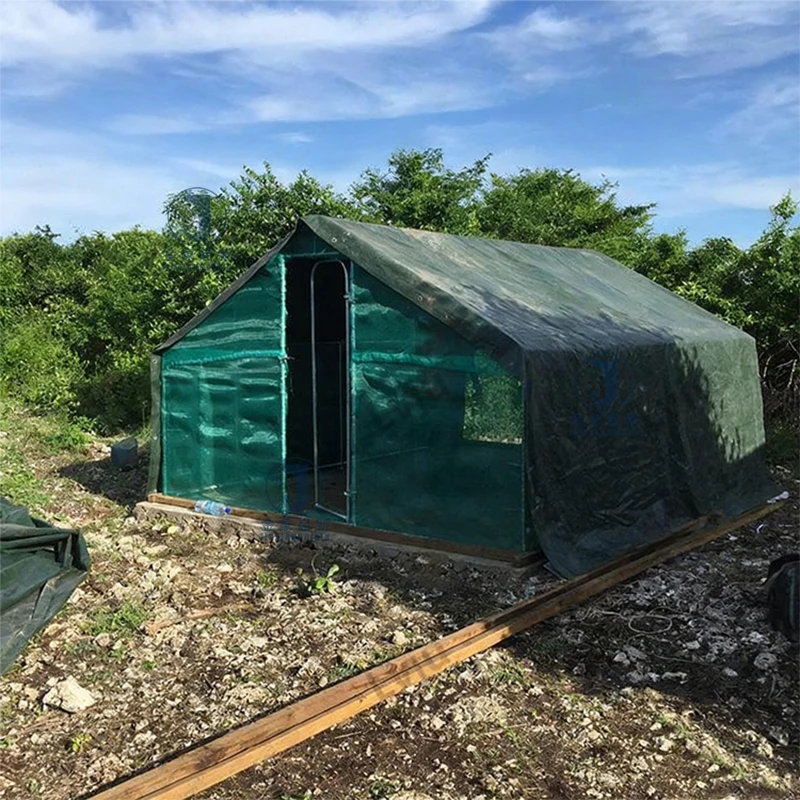
| Tent cover | Outdoor weather cycling, tension from frame structure, color consistency across panels |
| Fish tank / pool liner | Permanent water contact, chemical exposure from water treatment, puncture risk from substrate |
| Cargo ship cover | Salt spray, high wind load, extended UV exposure, tie-down stress at edges |
| Outdoor equipment cover | Debris impact, standing water, seasonal temperature swings |
Why a Quoted GSM Does Not Guarantee the Roll You Receive
When a PVC coated tarpaulin aftermarket supplier quotes 500gsm, the roll that arrives should weigh 500gsm — not something lighter that passed through a lax inspection line. I learned this the hard way. A buyer once ordered heavy-grade green tarp for emergency rain shelters, and the rolls that landed weighed closer to a lighter grade. The entire container was rejected, and the shelters were delayed while people slept in the rain.
GSM on paper means nothing unless it is verified on the scale at the point of dispatch.
The problem runs deeper than a single dishonest shipment. A lighter roll often means the base fabric has fewer yarns per square inch, or the coating layer was applied thinner to save material cost. Both reduce tensile and tear strength at the exact points where the fabric is stressed most — the welded seams and the tie-down edges. For emergency shelters and truck covers, those are the failure points that show up first [NEED_CITE: tensile and tear test methods for coated fabrics per ISO 1421]. When you are specifying a PVC coated tarpaulin aftermarket supplier for a project where failure is not an option, the verification process matters as much as the specification itself.
How Coating Adhesion Determines Real-World Durability
The bond between the PVC coating and the polyester base fabric is where most coated tarpaulins either perform or fail. This PVC coated tarpaulin uses both laminated technology and hot-melt coating technology, which creates a mechanical and thermal bond between layers rather than a simple surface application. When the fabric flexes — as it does on a truck awning or a tensioned tent panel — the coating must move with the base fabric without delaminating. Hot-melt coating achieves this by bonding at the yarn intersection level, so peeling forces are distributed across the weave structure rather than concentrated at the surface.
Welded Seam Integrity at the Flex Points
Welded seams are the most common failure point on any fabricated tarpaulin. The heat and pressure of welding change the local material properties, and if the base fabric does not have sufficient tearing strength, the weld line cracks before the body of the fabric shows any wear. This material is engineered for outstanding tearing strength at the weld zone, which matters for every application where panels are joined — from multi-panel truck side curtains to large-span tent roofs. The high-tenacity polyester yarns carry the load through the weld area, preventing the kind of progressive tear that starts small and unzips under wind load [NEED_CITE: welded seam performance testing for PVC coated fabrics].
Reading the Specifications Beyond the GSM Number
Weight alone does not tell you how a PVC coated tarpaulin will behave under load. The 350gsm through 750gsm range offered here corresponds to thickness from 0.32mm to 0.65mm, and each step up involves changes in both the base fabric density and the coating weight applied to each side. A heavier GSM built on a loosely woven base with thick coating will peel and crack sooner than a mid-weight fabric built on a tight, high-tenacity weave. That is why the polyester mesh specification matters as much as the headline weight. The hot-melt coating process locks the PVC into the yarn structure, so the effective bond is a function of both yarn count and coating penetration depth. For applications like fish tank liners where puncture resistance matters, the base fabric weave density is the controlling variable, while for truck awnings where flex fatigue dominates, the coating flexibility and cold crack resistance are more relevant. Roll dimensions of 2m × 75m or 2.1m × 50m also affect fabrication planning — wider rolls reduce the number of longitudinal welds needed for large covers, which directly reduces the number of potential failure lines.
The Hidden Cost of Specifying on Price Alone
When procurement decisions are driven by the lowest per-square-meter quote, the material that arrives often reflects where corners were cut. A roll that is lighter than stated will fabricate faster and cost less upfront, but the seams fail earlier, the coating delaminates at fold lines, and the color shifts between batches make matching replacement panels impossible. For emergency shelters, a fabric that cracks in cold weather because it lacks genuine cold crack resistance puts people at risk. For truck fleets, a side curtain that tears at the weld within months means downtime and replacement cost that far exceeds the savings on the original roll [NEED_CITE: field failure rates for underweight PVC coated tarpaulins].
Why Buyers Specify This Range for Repeat Projects
The PVC coated tarpaulin aftermarket supplier capability here is built on nearly 30 years of focused coated fabric production, with process control over coating weight and adhesion verified at every stage. Three full production lines and 36 sets of professional equipment support the volume consistency that distributors and fleet operators need across repeat orders. A 10-person R&D team handles custom color matching, width, and treatment requirements with sample turnaround in days, not weeks. Dedicated QA and QC at every production stage means GSM verification happens before the roll is packed, not after the buyer opens the container. The color consistency from roll to roll within the same order is controlled through batch-matched coating runs, so installed panels match when viewed side by side.
Documentation & Verification
- Material specification sheet confirming GSM, base fabric construction, and coating weight per side
- UV stability and flame retardant test reports provided with applicable grades — confirm the grade required for your market
- Pre-shipment inspection record showing measured roll weight against quoted GSM
- Roll packing list with individual roll identification for traceability
- ISO and CE certificates supporting regulatory compliance in destination markets
- Certificate of origin and customs documentation included with every export shipment
Fabrication, Handling & Storage
- Hot-melt coated construction requires adjusted heat and dwell time settings at weld stations to achieve full bond without burning through the PVC layer
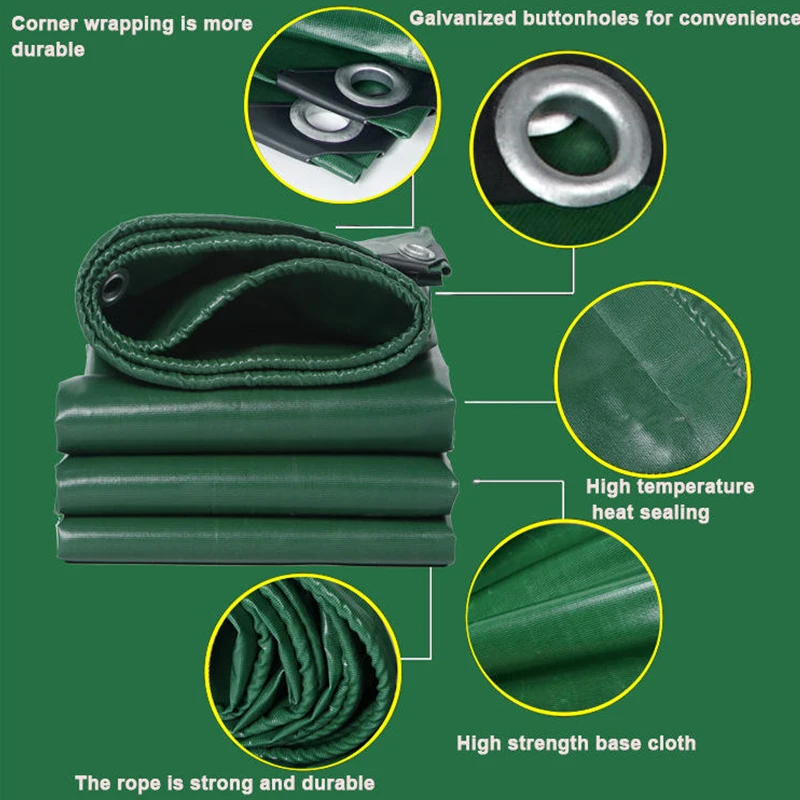
- High-tenacity polyester base allows aggressive eyelet crimping and reinforced hem stitching without yarn pull-out at load points
- Store rolls horizontally on racking to prevent permanent creasing, especially in heavier grades from 550gsm to 750gsm
- Cold crack resistant formulation allows winter transport, but allow rolls to acclimatize before unrolling to avoid surface micro-cracking
- Clean with mild detergent only — solvent-based cleaners can degrade the plasticizer system in the PVC coating layer
- Plan cutting layout around the 2m or 2.1m roll width to minimize offcuts and transverse weld lines on large covers
What to Share When You Request a Quote
Tell us the end-use application, the environmental exposure conditions, and the market where the finished product will be deployed — this determines which treatments and test documentation you need. Specify your target GSM, preferred roll width and length, and color reference so we can match against our standard range or develop a custom sample. If you need fabricated panels rather than raw rolls, share the finished dimensions and any seam or reinforcement requirements.
Frequently Asked Questions
Q: What GSM grade should I specify for truck covers versus emergency shelters?
A: Truck covers typically require mid-to-heavy grades because of constant flexing, road abrasion, and wind load on welded seams. Emergency shelters can use lighter grades if the structure is temporary, but cold crack resistance and waterproof integrity remain critical. We recommend sharing your specific exposure conditions so we can match the weight and treatment to the actual load environment.
Q: Can I get a test report to verify UV or flame retardant treatment?
A: Yes. Where UV stability or flame retardant grades are specified, we supply the corresponding test report with the shipment. The specific grade and test standard depend on your destination market requirements, so confirm the standard your project calls for during the inquiry stage.
Q: How do you ensure color consistency across multiple rolls in one order?
A: Color consistency is controlled by batching rolls for the same order through a single coating run with matched pigment formulation. Each roll is inspected against the approved color reference before packing. If you need to add rolls to an existing installation later, we can reference the original batch to minimize visible variation.
Q: What is the minimum order for custom width or color?
A: Custom widths and colors involve setting up dedicated coating runs, so minimums depend on the specification and the production line allocation. Share your target width, color reference, and estimated annual volume, and we will confirm the achievable minimum and lead time for your specific requirement.
Q: How are welded seams checked before the rolls leave the factory?
A: Welded seam samples are tested during production runs to confirm that the bond strength meets the tearing specification of the base fabric. Pre-shipment inspection includes a visual and mechanical check of seam integrity. This ensures that the weld zone does not become the weak point when the fabricated cover is under tension in service.
Related products
-
Secure Green PVC Coated Blackout Tarpaulin Truck Tent Cover Anti-Aging Waterproof Folding Design Breathable Woven Technics
¥0.83 Select options This product has multiple variants. The options may be chosen on the product page -
Heavy Duty Truck Tarpaulin 1000d Pvc Tarp Waterproof Pvc Canvas
¥1.20 Add to cart -
Tarpaulin Hot Selling 30M X 30M Finished PVC Tarpaulin for Farming Tarpaulin
¥1.48 Add to cart -
Heavy Duty Outdoor Tarpaulin Thickened for Outdoor Waterproof Large Tarpaulin with 3 Meter Width
¥7.78 Add to cart