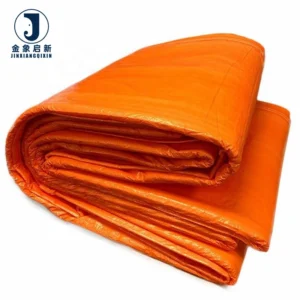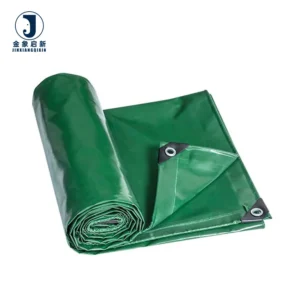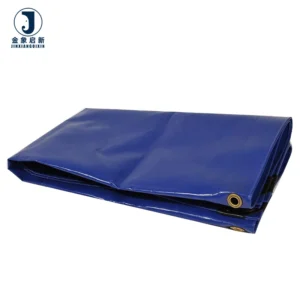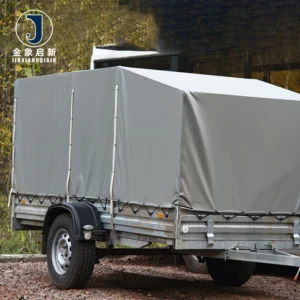
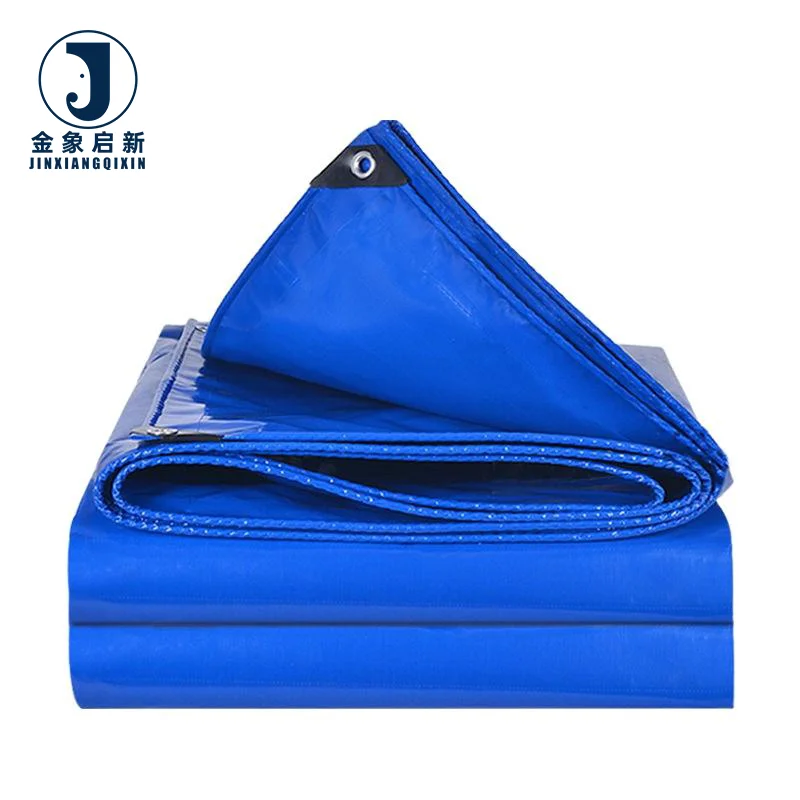
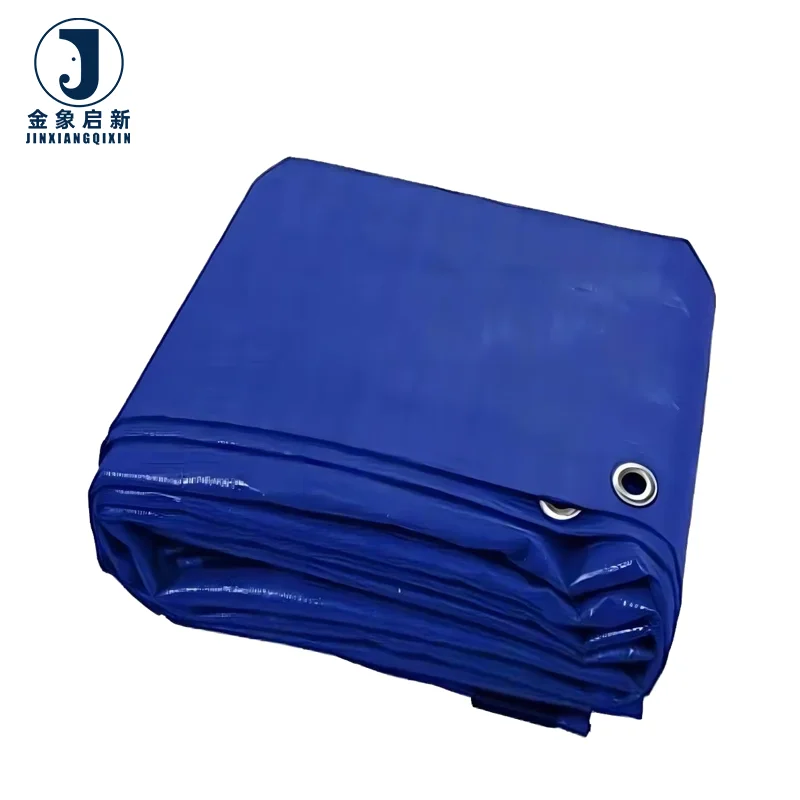
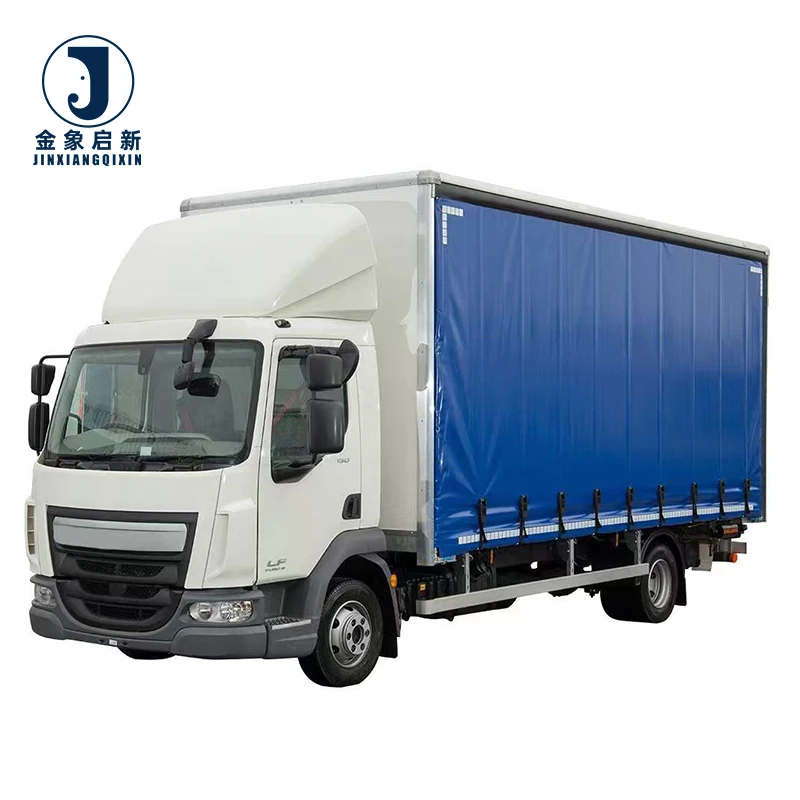
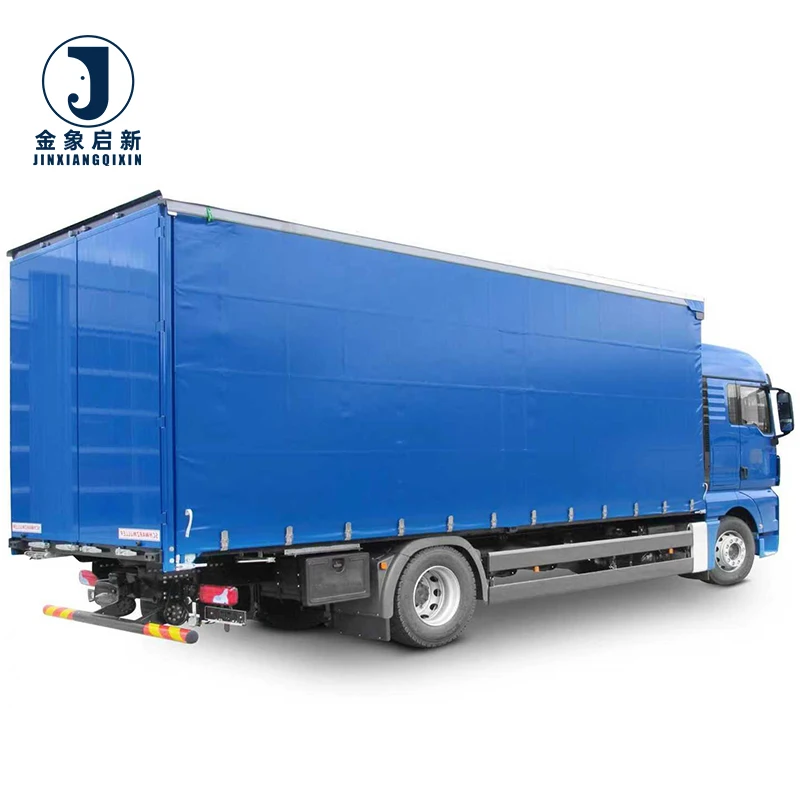
PVC Coated Tarpaulin — 250gsm–1500gsm, 200DX300D to 1000DX1000D denier options, glossy or matte surface with waterproof, UV and FR treatment.
- Full range from lightweight to heavy-duty grades covering truck, tent, pond liner and inflatable structure applications
- Coating weight and adhesion controlled at every stage, ensuring GSM on arrival matches the quoted spec
- Batch-to-batch colour consistency verified before dispatch so panels installed side by side match perfectly
- Samples developed within days for custom width, length, eyelet spacing and printed branding
Description
Process-Controlled Coating — three full production lines and 36 sets of professional equipment ensure the GSM you order is the GSM you receive, verified at every coating stage for this PVC coated tarpaulin range.
Technical Specifications
| Parameter | Value |
|---|---|
| Product Type | PVC Coated Tarpaulin |
| Weight | 250gsm-1500gsm (range covers product family — confirm the grade for this item) |
| Base Fabric Denier | 200D×300D / 500D×500D / 840D×840D / 1000D×1000D |
| Color | Blue, yellow, black, green, white, etc. |
| Size | 3×4m / 6×8m / 8×10m / 10×12m or custom made |
| Surface Finish | Glossy or matte |
| Treatment | Waterproof, UV, FR and anti-fungal treated (flame retardant grade not stated — confirm the grade required for your market) |
| UV Treatment | Customized (test basis not stated — request test report for your market) |
| Temperature Range | -15°C to 70°C |
| Key Features | Water-proof, rain-resistant, tear-resistant, good flexibility, abrasion resistance, high adhesion strength |
| Environment | Eco-friendly |
| OEM/ODM | Accepted |
Application Suitability
| Application | Exposure & Requirement |
|---|---|
| Truck and trailer load covering | Constant road vibration, wind flex, UV exposure, tie-down abrasion at hem and eyelet zones |
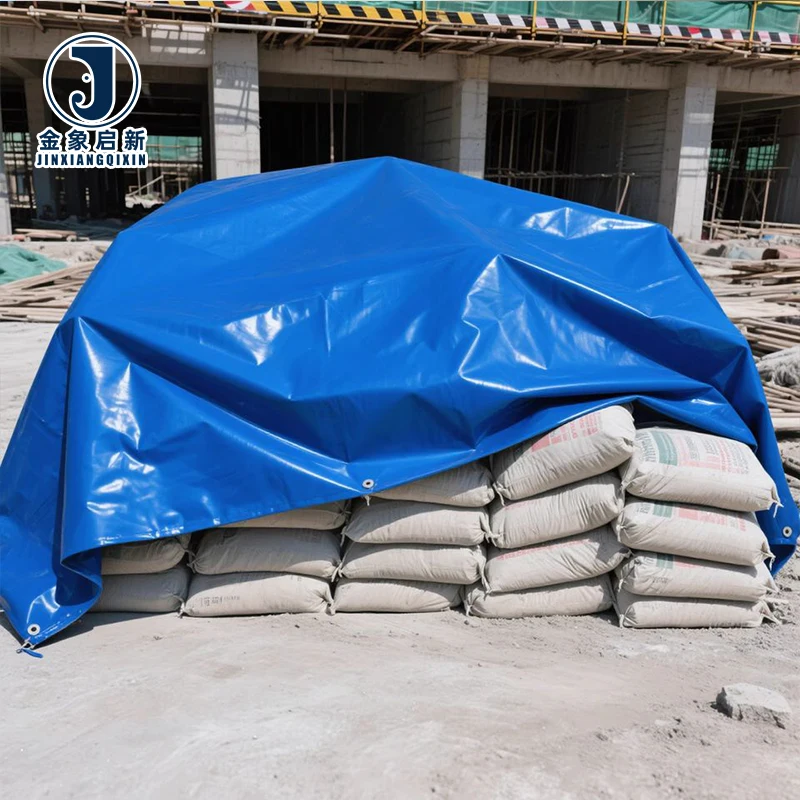
| Construction site and equipment covers | Weather exposure, puncture from sharp edges, dust ingress prevention, repeated folding and deployment |
| Agricultural and aquaculture pond lining | Permanent water contact, soil chemistry, UV degradation, puncture risk from substrate |
| Tent and awning manufacturing | Structural tension loads, UV and rain exposure, colour consistency across panels, weld seam integrity |
Why Coating Weight Verification Decides Field Performance for PVC Coated Tarpaulin
The GSM on the quotation must match the GSM on the roll — anything less is a specification breach, not a tolerable variance.
I have reviewed too many field failures where the fabric tore prematurely, and the root cause traced back to coating weight falling short of what was agreed. The material simply was not the grade the buyer paid for. Dedicated in-process QA at every coating stage with 100% pre-shipment inspection removes this gap [NEED_CITE: coating weight verification methods for PVC coated fabrics per ISO standards]. For a PVC coated tarpaulin manufacturer, the discipline to verify every roll before dispatch is what separates reliable supply from costly claims.
Full Product Range Across Weight Classes and Denier Options
This PVC coated tarpaulin range spans multiple base fabric denier constructions — from 200D×300D for lighter-duty covers through to 1000D×1000D for heavy structural applications. Each denier option pairs with the coating weight range to deliver different tensile and tear performance profiles. Buyers sourcing for diverse end uses — from temporary construction enclosures to permanent pond liners — can specify the exact combination rather than accepting a generic mid-range fabric that underperforms in one application and is over-engineered for another.
Coating Adhesion and Weld Seam Reliability
The adhesion strength between the PVC coating and the polyester base fabric directly determines how well welded seams hold under load. When adhesion is weak, the coating delaminates at the weld line before the fabric itself reaches its breaking point [NEED_CITE: peel strength and weld seam performance in PVC coated fabrics]. This range is produced with controlled coating processes that maintain consistent adhesion across the full GSM spectrum, so welded seams on truck side curtains and tent panels perform reliably at flex points where load cycling concentrates stress.
Reading the Specification Beyond GSM Alone
The base fabric denier is a critical specification that works alongside coating weight to define real-world performance. A 500D×500D base at a given GSM will behave differently under tear load than an 840D×840D base at the same GSM — the heavier denier yarns resist tear propagation more effectively even when total weight is identical. The temperature range of -15°C to 70°C defines the operational envelope: below -15°C the PVC coating stiffens and becomes susceptible to cracking if folded or impacted, while above 70°C the coating softens and tensile strength drops. Surface finish — glossy or matte — affects both aesthetics and practical handling; glossy surfaces shed dirt and water more readily while matte finishes reduce glare and provide better grip during fabrication and installation.
The Hidden Cost of Specifying on Price Rather Than Verified Weight
When coating weight is not independently verified before dispatch, the consequences cascade through the supply chain. Rolls that arrive underweight produce covers that fail months earlier than expected, generating warranty claims and damaging the converter’s reputation with their own end users. Colour drift between rolls in the same shipment forces fabricators to sort and match panels manually, adding labour and delaying projects. Flame retardant treatment claimed without a supporting test report leaves the installer exposed at site inspection [NEED_CITE: fire safety compliance requirements for temporary structures and covers]. These are not theoretical risks — they are the most common disputes in coated fabric procurement.
Why Source This PVC Coated Tarpaulin Here
Nearly 30 years of focused production on coated fabric translates into process control that newer operations have not yet developed — coating weight consistency, adhesion reliability, and colour matching are managed through accumulated know-how, not just equipment settings. Three full production lines and 36 sets of professional equipment support bulk capacity while maintaining the flexibility to run custom widths, colours, and print specifications without excessive minimums. A 10-person R&D team handles material selection, sample development, and custom sizing, producing samples within days so buyers can validate the specification before committing to bulk. Dedicated QA/QC at every production stage with 100% inspection before shipment means the roll you receive matches the quotation. ISO and CE certified production ensures documentation is complete for export markets across North America, Europe, and Asia.
Documentation & Verification
- Material specification sheet stating GSM, base fabric denier, coating type, and colour reference for each order
- Test report for UV and flame retardant grades provided where applicable — confirm grade needed
- Pre-shipment inspection record with verified coating weight per roll before dispatch
- ISO and CE certificates included with full documentation package and certificate of origin
- Roll packing list detailing roll count, dimensions, and net weight for customs clearance
Fabrication, Handling & Storage
- Heat weld temperature and dwell time must be matched to the specific GSM and coating formulation ordered
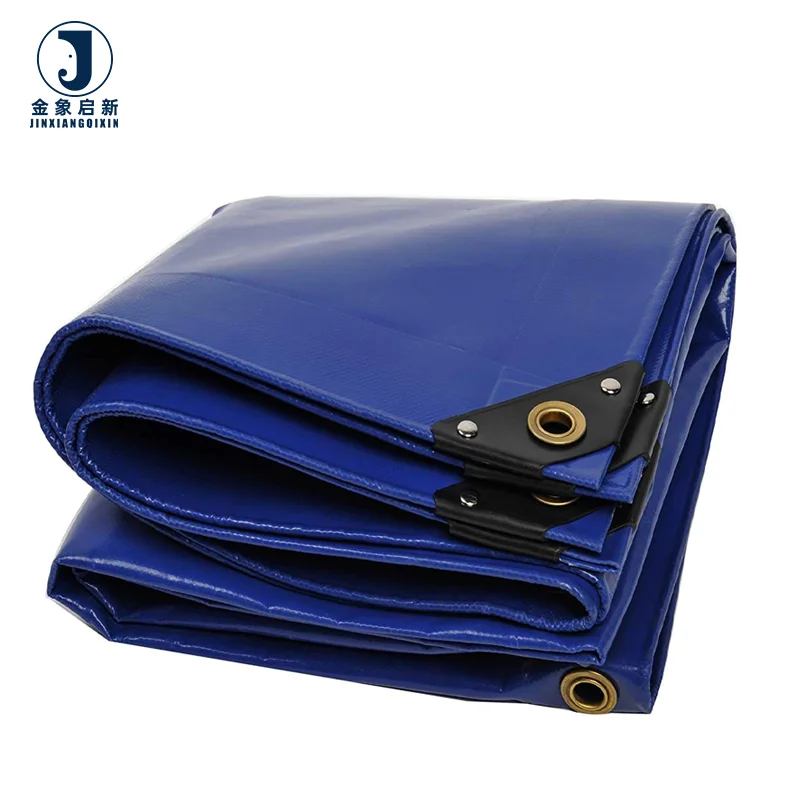
- Reinforce eyelet and hem zones according to the denier selected to prevent pull-through under tie-down load
- Store rolls upright on end cores to prevent flat spots and permanent creasing in the PVC coating
- Allow rolls to acclimatise to ambient temperature before unrolling, especially when surface finish is glossy
- Use mild detergent and soft brush for cleaning — avoid solvents that may attack the anti-fungal treatment layer
- Lay flat or hang finished covers to prevent fold lines from becoming permanent stress concentration points
What to Include in Your Enquiry
Provide the application environment and exposure conditions so the correct denier, GSM, and treatment combination can be recommended. Specify whether you need rolls for your own fabrication line or finished cut-to-size covers with hem and eyelet details. Confirm the flame retardant or UV test standard required in your target market so the appropriate grade is quoted from the outset.
Frequently Asked Questions
Q: How is the coating weight verified before each shipment?
A: Every roll undergoes 100% inspection before dispatch, with coating weight checked against the quoted GSM specification. A pre-shipment inspection record accompanies the shipment, documenting the actual measured values per roll. This ensures the PVC coated tarpaulin you receive matches the material specification sheet included in your documentation package.
Q: Can I obtain a test report for flame retardancy before placing a bulk order?
A: Flame retardant grades are available across this PVC coated tarpaulin range — confirm the specific grade and test standard required for your market. Test reports for applicable grades can be provided during the sample approval stage so you can verify compliance with your local fire safety regulations before committing to full production.
Q: How do you maintain colour consistency across multiple rolls in one order?
A: Colour matching is controlled during the coating process with reference to the colour standard specified at order confirmation. Rolls from the same production batch are checked side by side before dispatch. The pre-shipment inspection includes a visual consistency check so panels installed adjacent to each other will not show visible colour variation.
Q: What is the sample development timeline for custom sizes or treatments?
A: The 10-person R&D team develops samples within days for custom width, colour, surface finish, or treatment requirements. Samples are submitted for your approval before bulk production begins, locking the specification so the full order matches the approved reference. This step is built into the standard sales process.
Q: What hem and reinforcement options are available for cut-to-size tarps?
A: Cut-to-size covers can be produced with reinforced hems and eyelet spacing matched to the denier and end use. Specify the tie-down method and load conditions so the reinforcement is engineered accordingly. Heat-welded hems maintain waterproof integrity at the edges, and eyelet reinforcement is sized to distribute load across the base fabric.
Related products
-
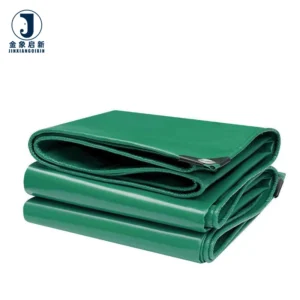
450gsm Green Heavy-duty Waterproof Tarps & Groundsheets Pvc Tarpaulin
¥1.25 Select options This product has multiple variants. The options may be chosen on the product page -
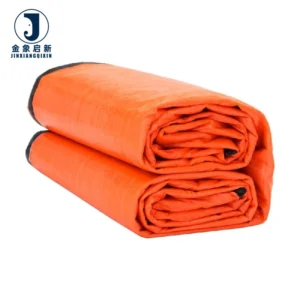
Factory 12ftx20ft Construction Cold Weather Insulated Pe Tarps Poly Tarp Heavy Duty Concrete Curing Blanket Tarpaulin Roll Sheet
¥0.66 Add to cart -
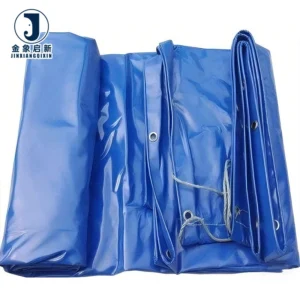
PVC Fabric Material Woven Tarpaulin Waterproof Woven Fabric Tarpaulin
¥0.50 Add to cart -
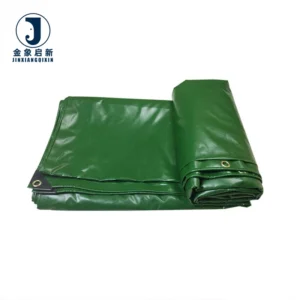
500gsm MULTI-PURPOSE Green Waterproof Green Tarp for Emergency Rain Shelter. Outdoor Cover
¥7.72 Select options This product has multiple variants. The options may be chosen on the product page