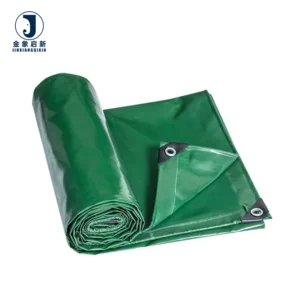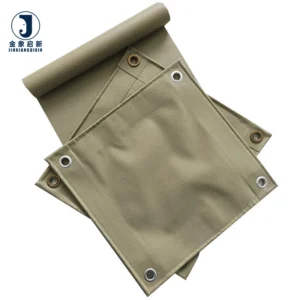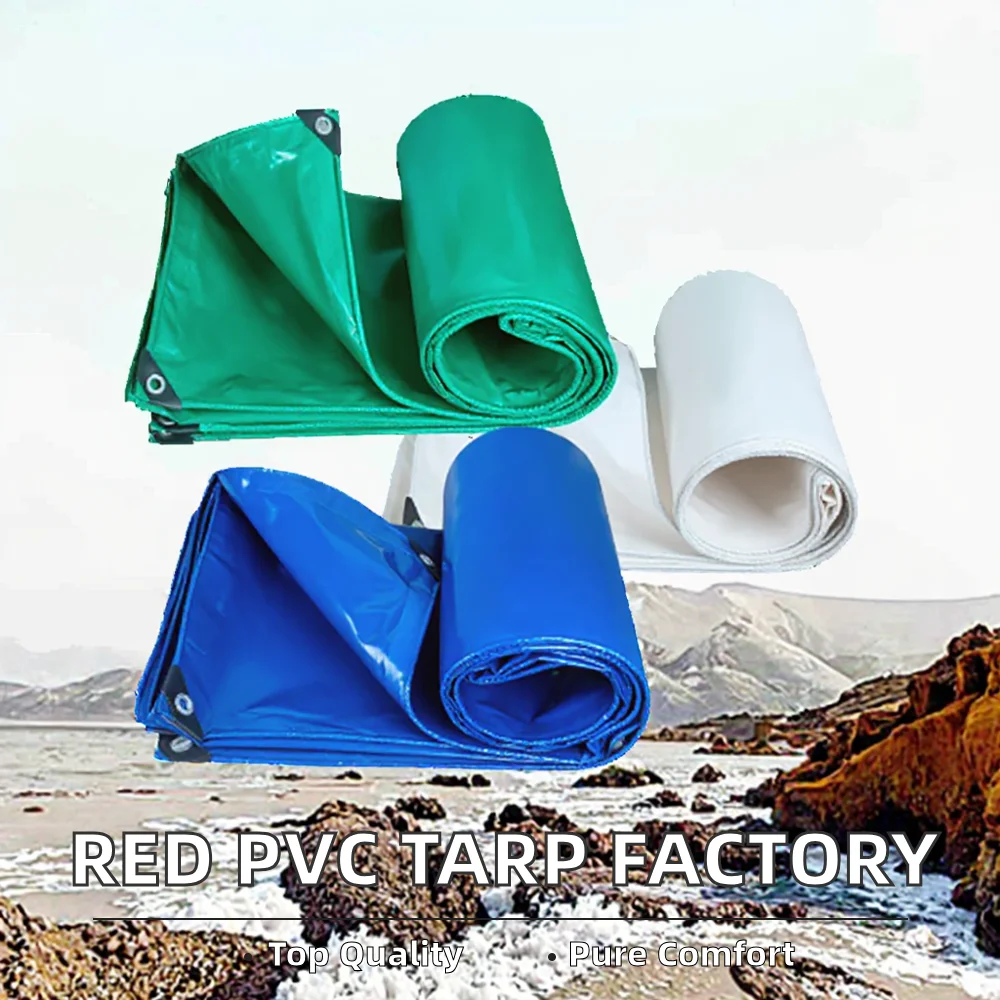
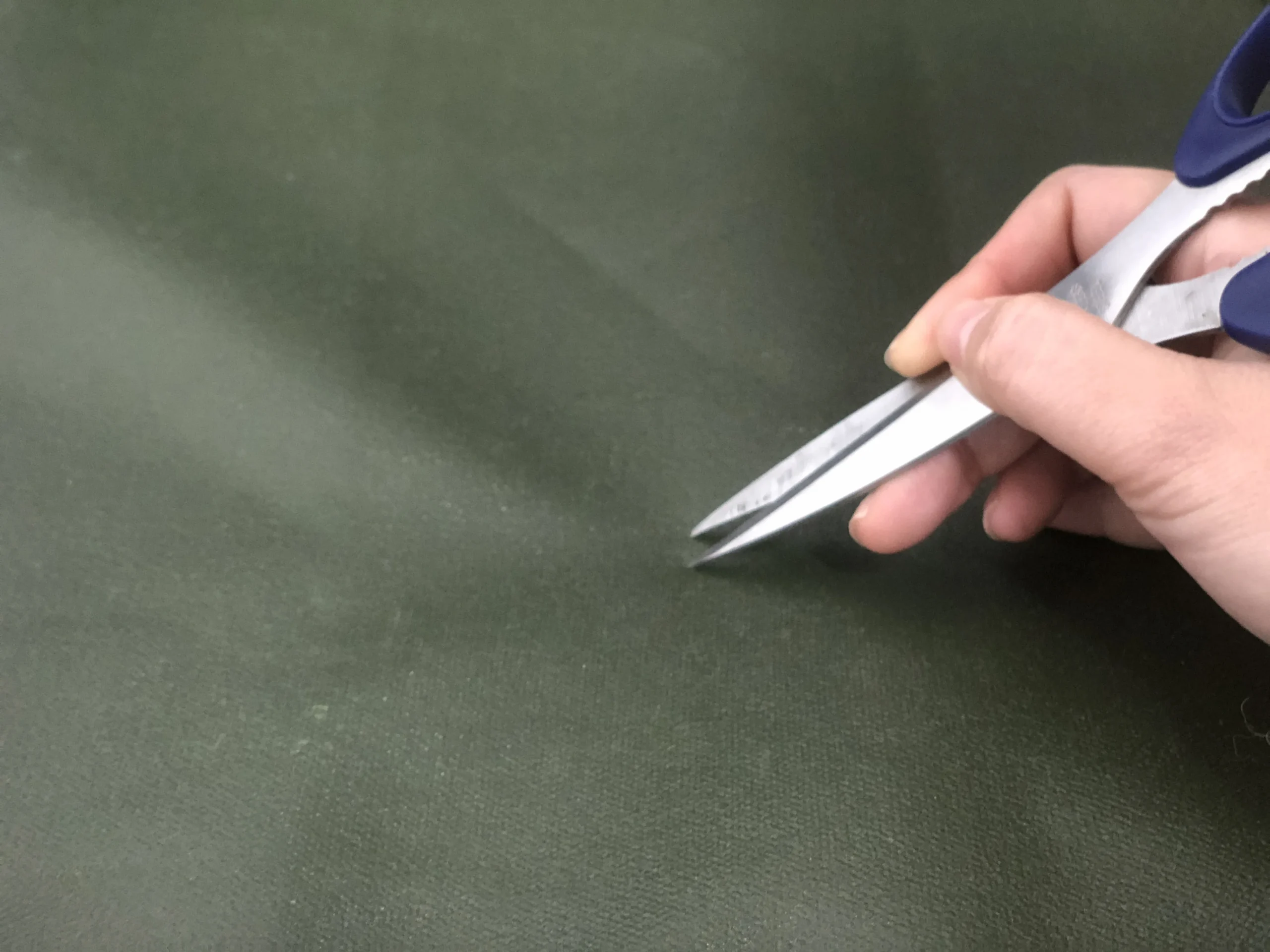
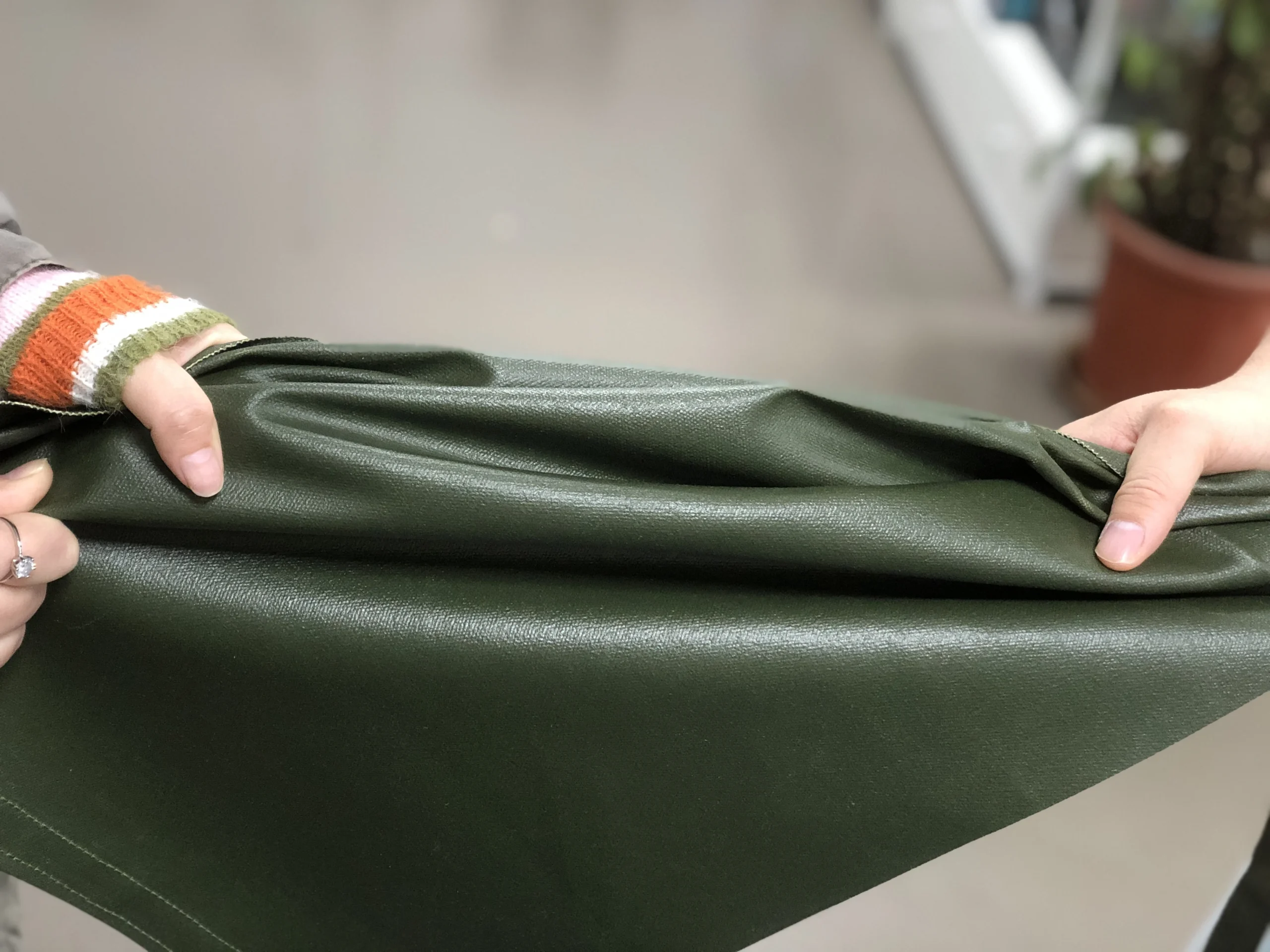
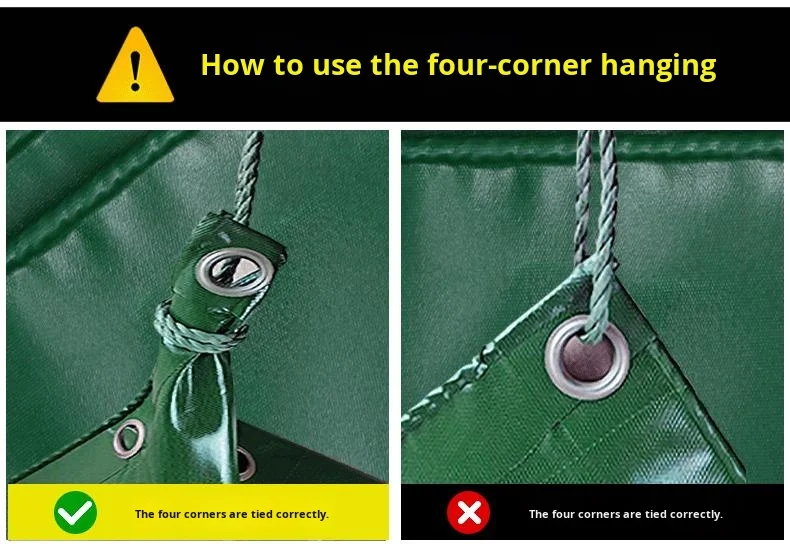
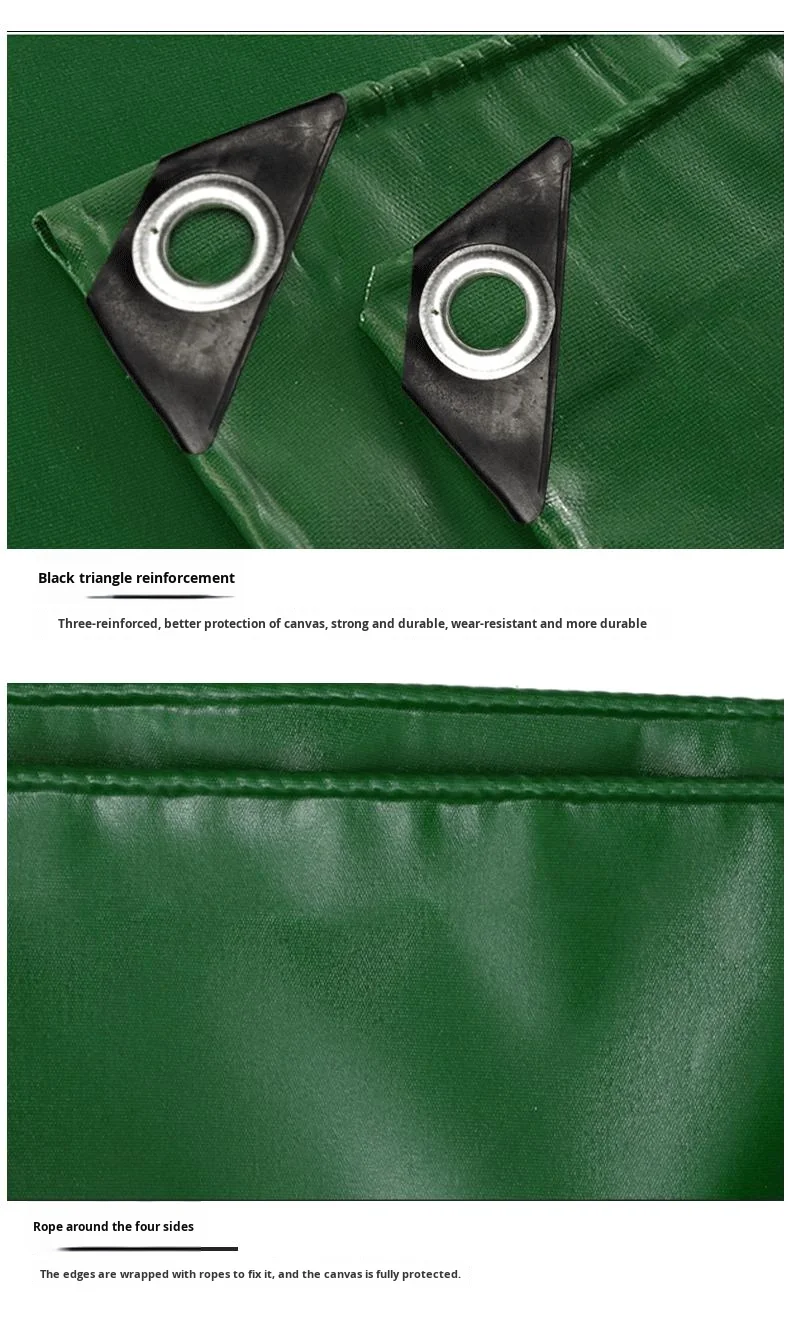
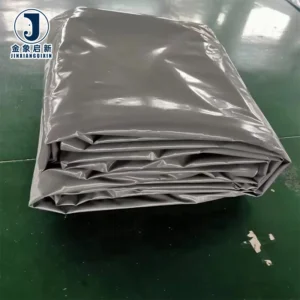
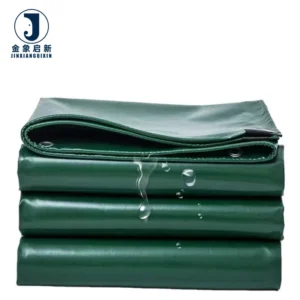
PVC Coated Tarpaulin Roll — 420 g/m² with high-strength base fabric, PVC knife coated for waterproof, tear-resistant outdoor coverage.
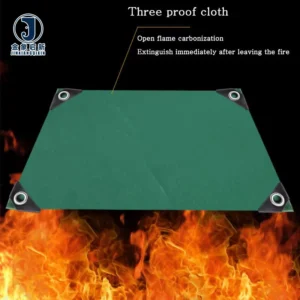
- Supports custom widths and colours with full treatment options including anti-UV and flame retardant grades
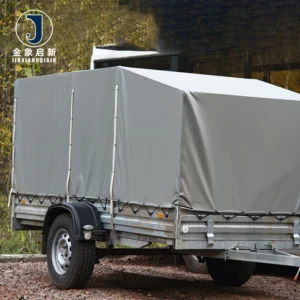
- Built for truck covers, trailer wraps, and tent fabrication where batch consistency across rolls is critical to cutting yield and seam performance
Backed by dedicated QA/QC at every production stage and 100% pre-shipment inspection, with samples developed within days for custom requirements.
Description
Proven Coating Process Control — nearly three decades focused on knife coated PVC fabric, ensuring consistent GSM, adhesion, and colour match across every roll dispatched.
Technical Specifications
| Parameter | Value |
|---|---|
| Product Type | PVC Coated Tarpaulin Roll |
| Coating Material | PVC |
| Coating Method | Knife Coated |
| Base Fabric Denier | 1000D×1000D |
| Weight | 420 g/m² |
| Flame Retardant | Available (grade not stated — confirm the grade required for your market) |
| Anti-Static | Available (standard not stated — request test documentation for your compliance requirement) |
| Anti-Mildew | Available |
| Anti-UV | Available (test basis not stated — verify UV rating for your exposure environment) |
| Anti-Cold | Available |
| Waterproof | Yes |
| Outdoor Service Life | 3–5 years (source value — verify against manufacturer catalog) |
| Printing Option | Custom pattern and branding available |
| Custom Size | Available |
| Key Features | Waterproof, oilproof, tear-resistant, multiple treatment options |
Application Suitability
| Application | Exposure & Requirement |
|---|---|
| Truck side curtain fabric | Constant flexing at load points, road abrasion, prolonged UV exposure, requirement for consistent colour across fleet |
| Outdoor tent and awning fabric | Full weather exposure, repeated assembly and teardown, UV and mildew resistance needed for extended seasonal use |
| Car and equipment covers | Direct sun and rain contact, dust and oil contamination, need for surface protection without scratching |
| Industrial weather protection covers | Chemical and moisture exposure, flame retardant or anti-static requirement depending on site safety classification |
Why Colour Variation Between Rolls Undermines Entire Fleet Installations
Batch-consistent colour starts with controlled coating chemistry, not sorting after production.
When a logistics operator installs side curtains across twelve trailers and the panels read as slightly different shades under daylight, the entire fleet looks mismatched — even though every roll met the same Pantone reference on paper. This colour drift typically stems from pigment batch variance or inconsistent coating thickness during the knife coating pass. The result is not cosmetic alone; it signals uneven coating weight that may also affect tensile behaviour at the weld line [NEED_CITE: ISO 1421 tensile and tear test methods for coated fabrics]. A PVC coated tarpaulin roll custom manufacturer with in-process QA catches this at the coating head, not at the packing station.
How Knife Coating Builds the Foundation for Tear and Tensile Performance
The 1000D×1000D base fabric provides the structural skeleton, but it is the knife coating process that locks the PVC compound into the weave interstices under controlled pressure and temperature. This method produces a mechanical bond between coating and yarn that determines peel strength and, ultimately, how the material behaves when cut and heat-welded into finished covers. A PVC coated tarpaulin roll custom manufacturer using knife coating can manage coating weight independently from base fabric density, giving buyers the flexibility to specify both strength and surface characteristics.
Treatment Chemistry Decides Performance at the Extremes
Flame retardant, anti-static, anti-cold, and anti-UV treatments each involve distinct additive packages blended into the PVC compound before coating. Anti-cold modifiers maintain flexibility in sub-zero conditions, while anti-mildew biocides protect the plasticiser system from fungal degradation during prolonged humid storage. These are not surface sprays but integral compounding decisions made at the mixing stage. Confirming which treatment standards apply to your destination market ensures the compound formulation matches regulatory requirements [NEED_CITE: DIN 4102 fire classification for building materials].
Reading the Specification Sheet Beyond GSM
The 420 g/m² weight tells you the total mass per square metre of base fabric plus coating, but the 1000D×1000D denier reveals the yarn thickness in both warp and weft directions. A heavier GSM on a lower-denier base may indicate a thicker coating layer rather than a stronger fabric, which can actually reduce tear propagation resistance because the coating cracks before the yarns engage. Knife coated construction on a balanced 1000D×1000D weave distributes load across intersecting yarns, so tensile performance depends on both yarn count and coating adhesion working together. The custom pattern and branding capability also depends on surface finish — a smoother knife coated surface accepts printed ink with better definition than a heavily textured calendered finish.
What Happens When Specification Mismatches Reach the Job Site
A roll specified at the correct GSM but produced on a lighter base fabric with compensating coating weight will pass the scale check yet fail at the first flex cycle, because the coating layer alone cannot carry dynamic load. Similarly, flame retardant treatment claimed without a test report leaves the installer liable if a site safety audit demands documented compliance. Colour variance across rolls in a multi-roll order becomes visible only after installation, when adjacent panels catch light differently — by which point removal and rework costs exceed the original material savings [NEED_CITE: tensile and tear test methods for coated fabrics per ISO 1421].
What Separates This Production Line from Generic Roll Stock
Nearly thirty years of focused coating process control means the PVC compound formulation, knife gap setting, and oven temperature profile are managed as an integrated system rather than independent variables. Three full production lines and thirty-six sets of professional equipment provide capacity to run large-volume orders while maintaining consistent coating weight roll to roll. A ten-person R&D team handles material selection, sample development, and custom sizing — including pattern printing and branding — with samples turned around within days rather than weeks. Dedicated QA/QC at every production stage, with full inspection before shipment, catches GSM deviation and colour drift before rolls leave the facility [NEED_CITE: DIN 4102 fire classification for building materials].
Documentation & Verification
- Material specification sheet confirming exact GSM, 1000D×1000D base fabric, and knife coating type per roll
- Test reports for flame retardant and anti-UV grades supplied with the specific batch where applicable
- Pre-shipment inspection record verifying weight, colour consistency, and coating adhesion across the order
- Roll packing list with individual roll identification for full traceability through the supply chain
- Certificate of origin and customs documentation prepared for cross-border shipment
Fabrication, Handling & Storage
- Heat-weld at temperatures matched to the 420 g/m² knife coated PVC construction to avoid coating scorch or incomplete bond
- Reinforce tie-down and eyelet zones with additional PVC patches, as the 1000D×1000D base carries concentrated point loads
- Store rolls horizontally on pallets in a dry, shaded area to prevent permanent creasing of the coated surface
- Allow cold-stored rolls to reach ambient temperature before unrolling to prevent cracking of the anti-cold treated compound
- Clean with mild detergent only; avoid solvent-based cleaners that may degrade the anti-mildew additive package
- Plan cutting layouts to maximise yield from roll width, minimising welded seams in high-flex areas
Requesting a Quotation That Matches Your Actual Requirement
Specify the end-use environment — whether the roll will be fabricated into truck side curtains, event tent panels, or industrial covers — along with the exposure conditions your finished product will face. State your destination market so the correct flame retardant grade, anti-static standard, or anti-UV test basis can be matched to local compliance requirements. Confirm the roll width, colour reference, and whether custom pattern printing or branding is needed on the surface. Indicate your annual volume and whether you require raw roll stock or pre-cut panels to reduce in-house fabrication.
Frequently Asked Questions
Q: How is GSM verified at arrival against the quoted specification?
A: Every roll undergoes weight verification during pre-shipment inspection. The material specification sheet accompanying your order states the exact GSM, base fabric denier, and coating type. We recommend buyers perform a spot-check weigh-in on arrival using a calibrated scale and compare against the inspection record provided. Any discrepancy flagged within the agreed claim period triggers an investigation against the retained production sample.
Q: What flame retardant grades are available and which test standards do they meet?
A: Flame retardant treatment is available as a compounding option integrated into the PVC coating. The specific grade and test standard depend on your destination market requirements. Request the applicable test report before order confirmation so the compound formulation matches your compliance obligation — whether for transport, construction, or event structure use.
Q: How is batch-to-batch colour consistency controlled across a multi-roll order?
A: Colour consistency is managed at the pigment mixing stage and monitored during the knife coating pass. Each production run references a master colour standard, and in-process QA checks for drift before rolls proceed to winding. The pre-shipment inspection record documents colour verification across all rolls in your order.
Q: What custom widths, lengths, and printing options are available, and what are the minimums?
A: Custom width, length, colour, and pattern printing with branding are all available through the R&D team. Minimum order quantities vary depending on the degree of customisation — standard stock grades carry lower minimums, while custom colours or printed branding require dedicated production runs. Request a sample to confirm the specification before placing a volume order.
Q: What are the recommended heat-welding and seam-reinforcement methods for knife coated PVC tarpaulin?
A: Knife coated PVC on a 1000D×1000D base responds well to hot air and wedge welding. Weld temperature and speed must be matched to the 420 g/m² total weight to achieve full coating fusion without damaging the base yarns. High-stress zones such as corners and tie-down points benefit from additional reinforcement patches applied over the primary seam.
Related products
-
Heavy Duty Outdoor Tarpaulin Thickened for Outdoor Waterproof Large Tarpaulin with 3 Meter Width
¥7.78 Add to cart -
Waterproof Custom 1000D 550GSM/900GSM Self Clean PVC Coated Tarpaulin for Truck. Tent. Roof Cover Flood Barrier
¥0.99 Select options This product has multiple variants. The options may be chosen on the product page -
630 Gsm Blue/Grey/Orange Pvc Tarpaulin Roll Pvc Tarpaulin Truck Tarpaulin Pvc Coated Tarpaulin
¥1.66 Add to cart -
Pvc Coated Waterproof Tarpaulin Heavy Duty Tarp for Tent Roof Stocklot Lumber
¥1.60 Add to cart