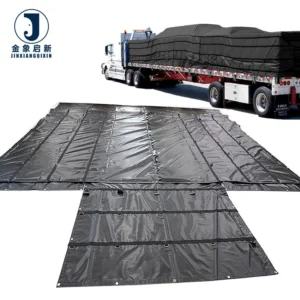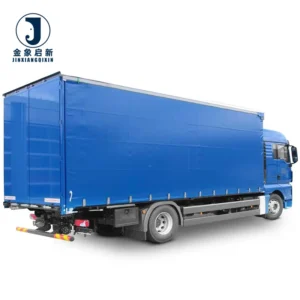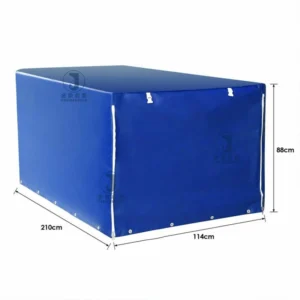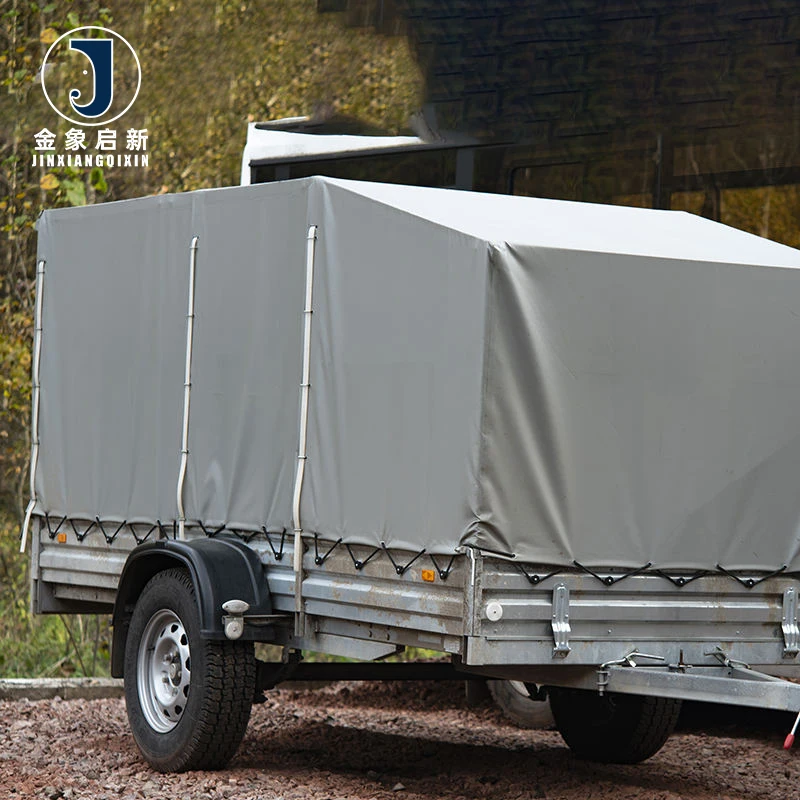
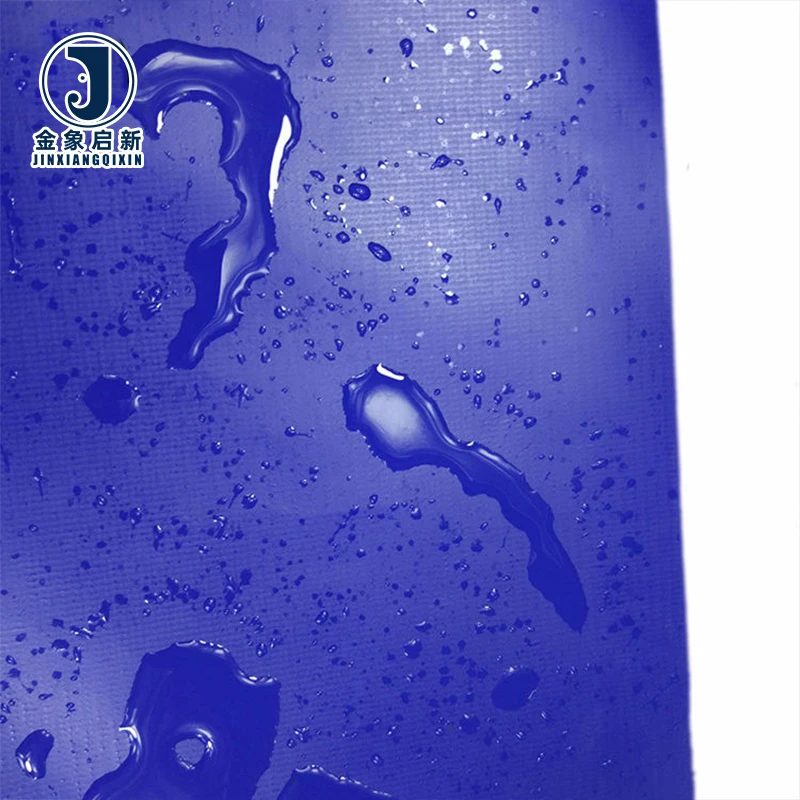
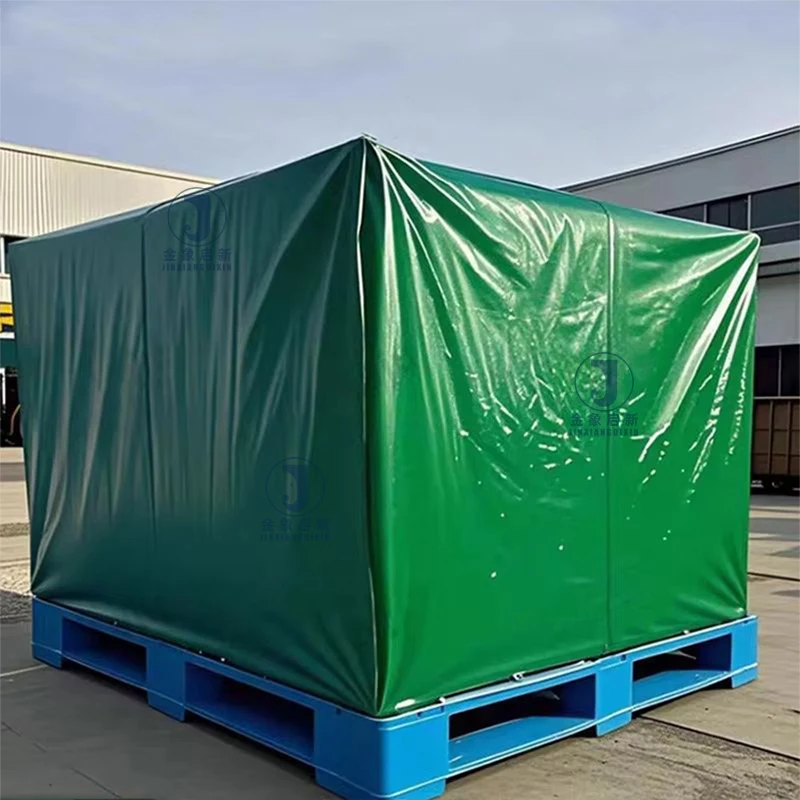
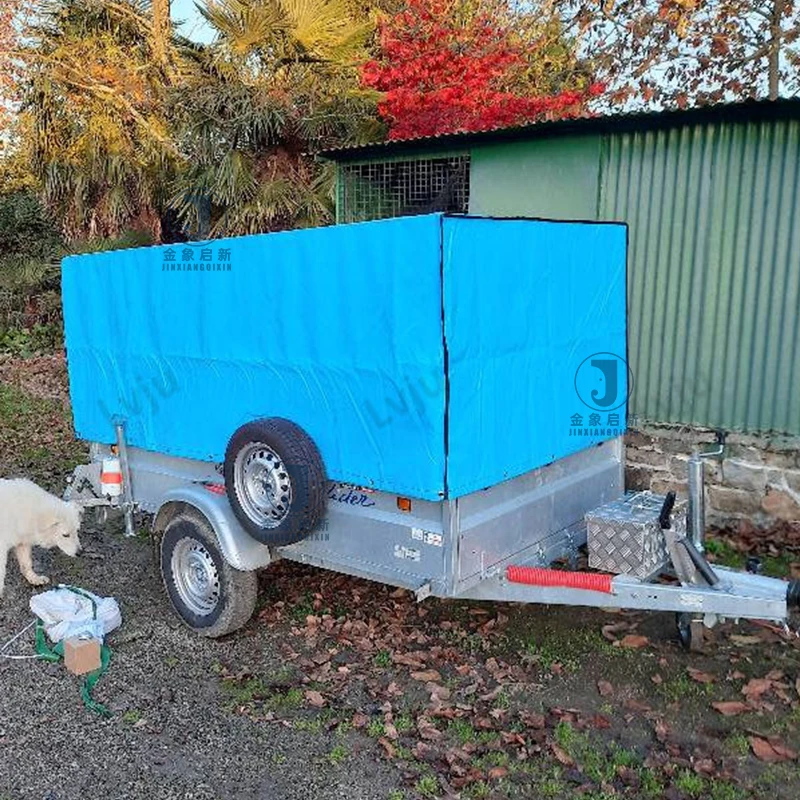
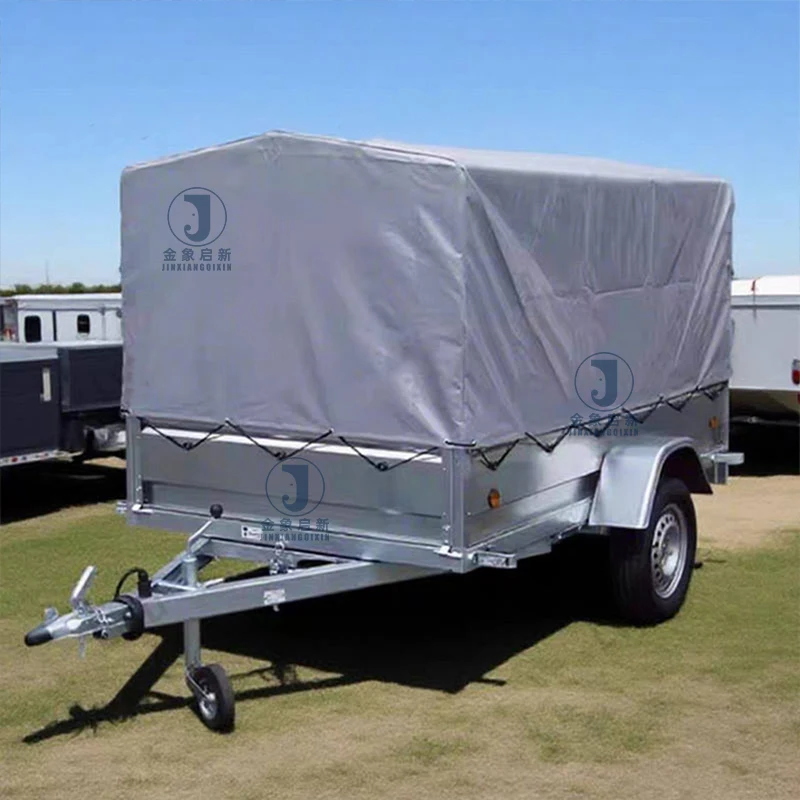
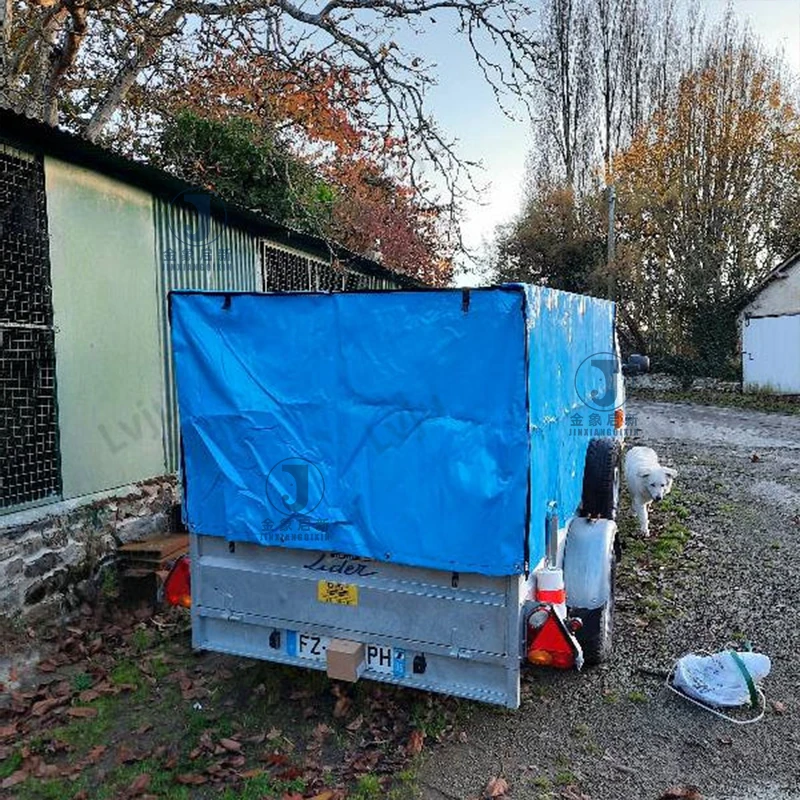
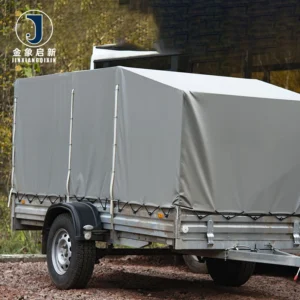
PVC Coated Truck Tarpaulin Cover in 350–750 GSM with 0.32–0.65mm thickness range, hot-melt coated on high-strength polyester mesh.
- Six weight grades let you match cover specification to exposure severity and vehicle type, from side curtains to heavy-duty trailer wraps
- Laminated and hot-melt coating ensures strong PVC-to-polyester adhesion, preventing delamination at flex points under load movement
Backed by nearly 30 years of coated fabric process control, with 100% pre-shipment inspection and full documentation on every dispatch.
Description
Coating Weight Control — every roll of PVC coated truck tarpaulin cover is verified against its stated GSM on our production lines before dispatch, eliminating the weight discrepancies that cause load protection failures in transit.
Technical Specifications
| Parameter | Value |
|---|---|
| Product Type | PVC Tarpaulin Truck Cover |
| Base Fabric | High-strength polyester mesh |
| Coating Technology | Laminated technology & Hot-melt coating technology |
| Weight (GSM) | 350gsm / 420gsm / 500gsm / 550gsm / 600gsm / 750gsm |
| Thickness | 0.32mm / 0.35mm / 0.4mm / 0.45mm / 0.5mm / 0.65mm |
| Roll Size | 2m × 75m / 2.1m × 50m |
| Finish Product Size | Custom as per customer’s needs or sold by inventory |
| Color Options | Blue / Red / Yellow / Light blue / Grey (Customized) |
| Key Features | Cold crack resistance, Anti-mildew, Anti-static treatment, Waterproof, Sunproof |
| Optional Treatments | Flame retardant (grade not stated — confirm requirement), Anti-cold |
| Standards | ISO, CE |
Application Suitability
| Application | Exposure & Requirement |
|---|---|
| Truck and trailer cargo covers | Constant flexing at load points, road abrasion, UV exposure, wind lift on highways |
| Side curtain systems for curtain-siders | Repeated sliding and folding, tension stress along top rail, weather ingress prevention |
| Construction site equipment covers | Prolonged outdoor storage, dust and debris impact, moisture exposure across seasons |
| Temporary industrial tarp covers | Chemical splash risk, mechanical contact during loading operations, thermal variation |
| Scaffolding and building enclosure | Wind load on large surface area, rain penetration, scaffolding tube abrasion |
| Marine and off-shore maintenance covers | Salt spray corrosion, high humidity, UV degradation in open deck environments |
Why a PVC Truck Cover Fails at the Weld Before the Fabric Does
The seam is the weakest link in any assembled tarpaulin, and most premature failures trace back to coating adhesion rather than base fabric strength.
When a truck cover flexes under highway wind load, the stress concentrates at welded joints where two panels meet. If the PVC coating does not bond fully to the polyester mesh, the weld line peels apart long before the fabric itself reaches its tensile limit. I once traced a batch of returned side curtain panels back to a lamination temperature that was slightly off — the coating looked fine on the roll, but under repeated flex cycling the seams opened up within weeks [NEED_CITE: tensile and tear test methods for coated fabrics per ISO 1421]. That experience changed how we approach every PVC truck Cover aftermarket supplier order: we now verify coating adhesion at every production stage, not just at final inspection.
Coating Adhesion and Delamination Prevention
Hot-melt coating technology fuses the PVC layer directly into the polyester mesh structure, creating a mechanical and chemical bond that resists separation under load flex. This is critical for a PVC Truck Cover aftermarket supplier to understand because curtain-sider panels undergo thousands of fold cycles over their service life. Laminated technology provides an alternative bonding method suited to specific weight grades, and selecting between the two depends on the flex frequency and tension profile of the end application.
Roll-to-Roll Colour Consistency Across Fleet Orders
When a logistics fleet replaces covers across multiple trailers, panels installed side by side must match. Colour variation between rolls in the same shipment creates visible banding that clients reject on sight. Our pigment dispersion process controls colour within a single production run, ensuring that every PVC truck tarpaulin cover in a batch order matches the approved sample [NEED_CITE: colour consistency standards for coated technical textiles]. This matters most for fleet branding where corporate colours must remain uniform across an entire vehicle lineup.
Understanding GSM, Thickness, and Base Fabric Together
Specifying by GSM alone tells only part of the story. A 550gsm fabric with a dense, high-tenacity polyester mesh base will outperform a 600gsm fabric that achieves its weight through heavier coating on a lighter scrim. The hot-melt coating process allows precise control over how much PVC is applied, meaning the weight distribution between base fabric and coating can be engineered for the target application. Thicker grades such as 0.5mm and 0.65mm provide additional abrasion resistance for environments where the cover contacts rough cargo surfaces, while lighter options like 0.32mm and 0.35mm suit side curtain applications where flexibility and low rolling resistance take priority. The relationship between denier, weave density, and coating weight collectively determines how the PVC truck cover behaves under real-world tension and abrasion [NEED_CITE: DIN 4102 fire classification for building materials and coated fabric testing protocols].
The Hidden Cost of Specifying on Price Per Kilogram
When procurement decisions focus narrowly on unit cost, suppliers may offset margins by reducing coating weight while maintaining the quoted GSM through a heavier — but lower-tenacity — base scrim. The result is a cover that passes incoming weight inspection but tears prematurely at stress points. Another common failure pattern occurs when flame retardant treatment is claimed without supporting test documentation, leading to rejected shipments at sites that require verified compliance [NEED_CITE: flame retardant certification requirements for transport and construction covers]. These specification shortcuts create rework costs that far exceed any initial savings on the PVC truck tarpaulin cover purchase.
Why Sourcing This PVC Truck Cover Here Makes Sense
Three full production lines with 36 sets of professional equipment allow us to run multiple GSM grades simultaneously without cross-contamination or scheduling conflicts. A 10-person R&D team develops samples within days when custom widths, colours, or branding are required, rather than waiting for a production window. Every roll undergoes dedicated QA/QC at each coating stage, with 100% inspection before shipment — not spot-checking. Custom sizing is confirmed against specific truck or trailer model dimensions before cutting begins, preventing the generic-size mismatch that forces on-site modification. Documentation accompanies every dispatch, from material specification sheets to pre-shipment inspection records, so your receiving team can verify what arrived matches what was ordered.
Documentation & Verification
- Material specification sheet stating exact GSM, base fabric construction, and coating weight per roll
- Weight verification record confirming each roll meets quoted GSM before dispatch
- Test report for flame retardant or anti-static grades where applicable to your market
- Pre-shipment inspection record with photographic evidence of roll condition
- Roll packing list detailing dimensions, weight, and colour reference per item
- Certificate of origin and customs documentation for international shipment
Fabrication, Handling & Storage
- Hot-melt coated grades weld at standard PVC frequencies; adjust dwell time for 0.65mm thickness
- Reinforce eyelet zones with extra PVC patches on lighter 350gsm and 420gsm grades to prevent pull-through
- Store rolls horizontally on pallets to prevent permanent creasing across the 2m or 2.1m width
- Allow cold-stored rolls to reach ambient temperature before unrolling to avoid coating crack damage
- Clean matte-finish surfaces with mild detergent only; solvents degrade the PVC coating layer
- Lay flat for pattern cutting to maximize yield from 75m roll lengths and minimize waste at seams
What We Need to Quote Your PVC Truck Cover Order
Tell us the specific truck or trailer models the covers must fit, including whether you need side curtains, top covers, or full enclosure systems. Specify the GSM grade and any treatment requirements such as flame retardant or anti-static for your operating environment. Confirm whether you need finished panels with welded hems or roll stock for your own fabrication, along with your target colour and any printed branding. Share your annual volume so we can plan production runs that maintain batch consistency across your orders.
Frequently Asked Questions
Q: How do I specify the right GSM and thickness for my truck or trailer application?
A: Side curtain applications typically use lighter grades like 350gsm or 420gsm for flexibility, while heavy cargo covers for open-deck trailers benefit from 600gsm or 750gsm for abrasion resistance. Thickness correlates with coating weight, so matching both to your exposure conditions ensures the PVC Truck Cover aftermarket supplier delivers material suited to your specific flex and wear profile.
Q: Can you cut covers to fit my specific trailer model rather than generic sizes?
A: Yes. We confirm exact dimensions against your trailer model drawings before production begins. Custom sizing includes welded hems, reinforced stress points, and panel configurations matched to your curtain-sider or flatbed system, eliminating the on-site modification that generic-size covers often require.
Q: What test documentation comes with flame retardant or anti-static grades?
A: Flame retardant and anti-static grades ship with test reports corresponding to the treatment applied. We provide the specific documentation your market requires, so confirm the applicable standard with us during the inquiry stage to ensure the PVC truck tarpaulin cover arrives with the correct certification package.
Q: How do you ensure colour consistency across multiple rolls in the same order?
A: Pigment dispersion is controlled within a single production run, and every roll is checked against the approved colour reference before packing. This prevents the visible variation that occurs when panels from different batches are installed side by side on a fleet of trailers.
Q: What is the lead time for custom width, colour, or printed branding orders?
A: Custom orders require sample approval before full production begins. Standard roll stock in common widths ships faster, while bespoke colour, width, or branding specifications involve additional setup time. Confirm your required delivery date during inquiry so we can plan the production schedule accordingly.
Related products
-
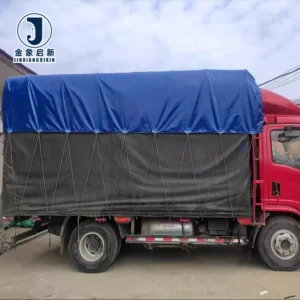
Custom PVC Truck Cover for Trailer – Manufacturer
Read more -
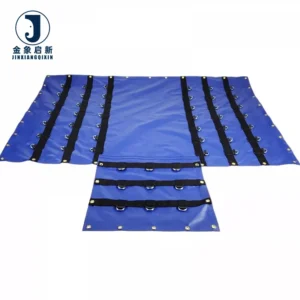
Heavy Duty 24′ X 27′ PVC Lumber Tarpaulin Waterproof 8ft. Drop with 3 Rows of D-Rings Coated and Woven Flatbed Tarps
¥190.00 Add to cart -
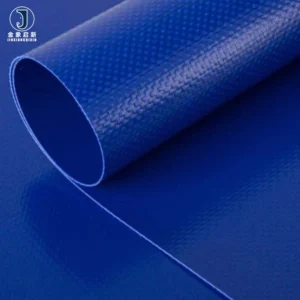
PVC Tarpaulin for Truck Covers – Custom Made
Read more -
PVC Coated Tarpaulin for Truck Cover – Custom Made
Read more