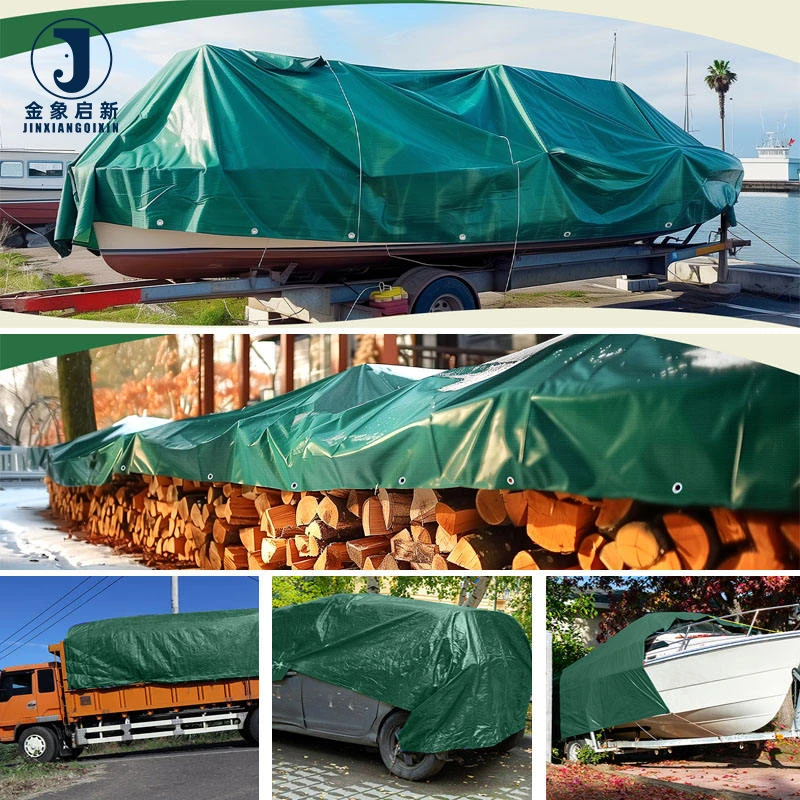
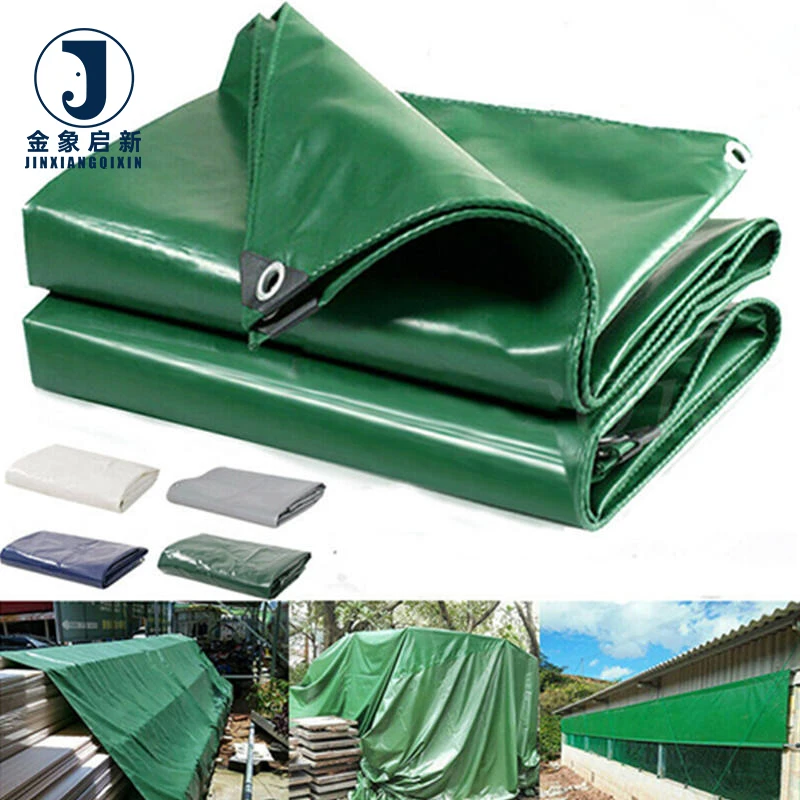
PVC Coated Fish Pond Liner Tarpaulin, 350–750gsm, Polyester Mesh Base — laminated and hot-melt coated for strong seam welds on aquaculture ponds and reservoirs.
- GSM-to-thickness mapping from 350gsm/0.32mm to 750gsm/0.65mm lets you match liner weight to pond depth and climate
- Anti-UV, flame retardant and anti-mildew treatments available with test reports on request
- Custom panel sizing with reinforced hems and eyelets for anchored installations
Backed by 30 years of coating process control, 100% pre-shipment inspection, and a 10-person R&D team for rapid sample development.
Description
Deep Process Control Over Coated Fabric — Every roll of PVC coated fish pond liner is weighed and measured against the spec sheet before dispatch, ensuring the material grade ordered is the material grade received.
Technical Specifications
| Parameter | Value |
|---|---|
| Product Type | PVC Coated Tarpaulin / Pond Liner |
| Material Composition | PVC coating on high-strength polyester mesh fabric |
| Base Fabric | High tenacity polyester yarns |
| Available Weight Grades | 350gsm, 420gsm, 500gsm, 550gsm, 600gsm, 750gsm |
| Available Thickness | 0.32mm, 0.35mm, 0.4mm, 0.45mm, 0.5mm, 0.65mm |
| Roll Width | 2m / 2.1m |
| Roll Length | 75m (for 2m width) / 50m (for 2.1m width) |
| Coating Method | Laminated technology & Hot-melt Coating technology |
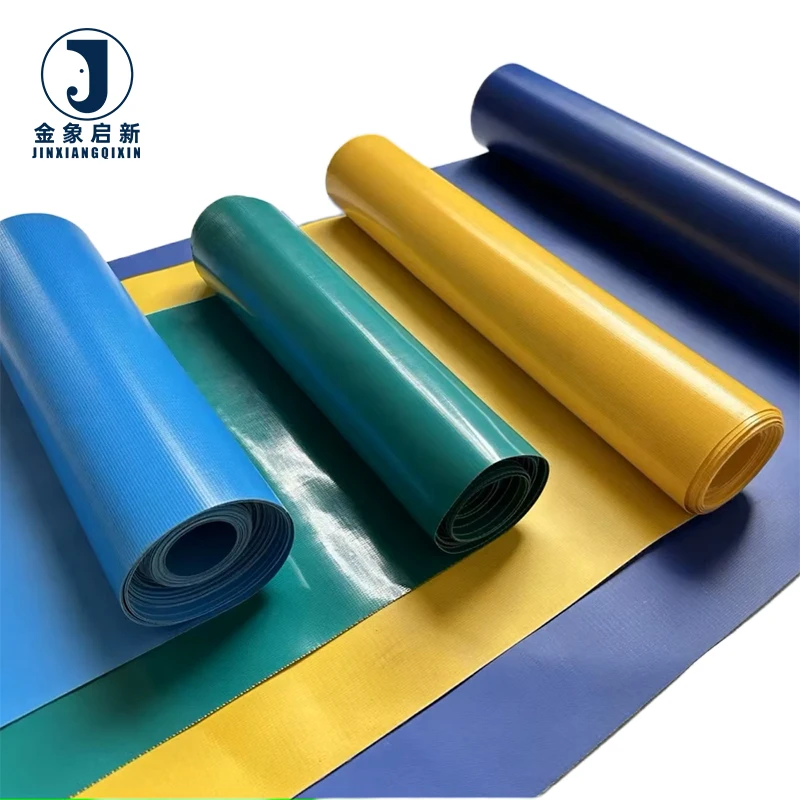
| Colour Options | Blue, Red, Yellow, Light Blue, Grey (custom colours available) |
| Key Features | Waterproof, anti-mildew, cold crack resistance, sunproof, anti-static treatment, best colour fastness, flame retardant special treatment available on request |
Application Suitability
| Application | Exposure & Requirement |
|---|---|
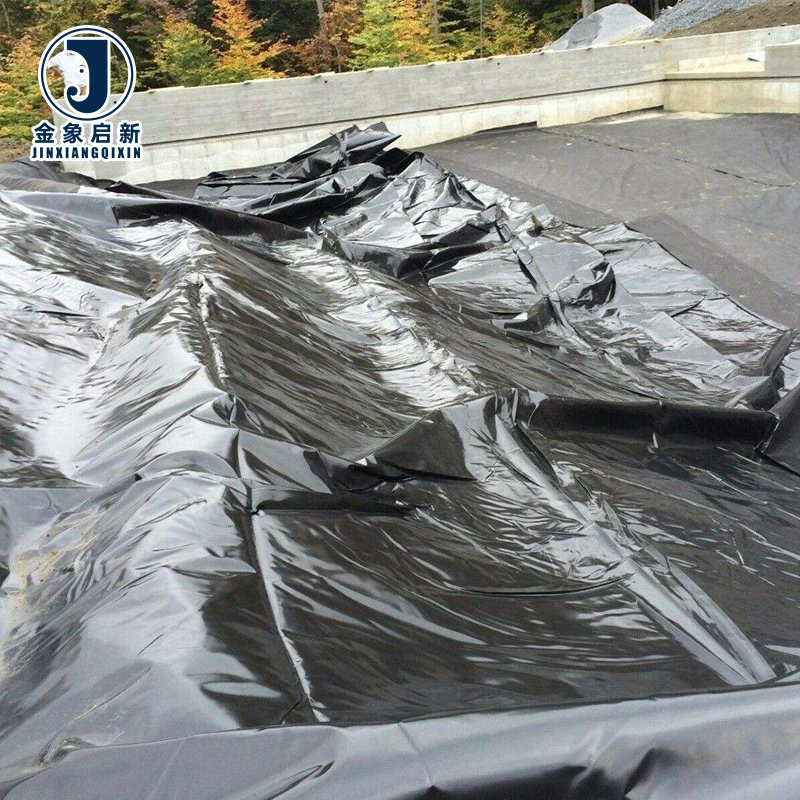
| Commercial fish and shrimp pond lining | Continuous water immersion, soil chemistry contact, biological growth prevention, puncture resistance during installation |
| Agricultural water storage reservoirs | Seasonal temperature swings, UV exposure, algae and mildew resistance, flexible fitment over uneven ground |
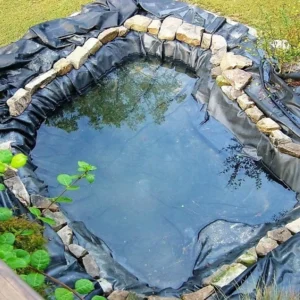
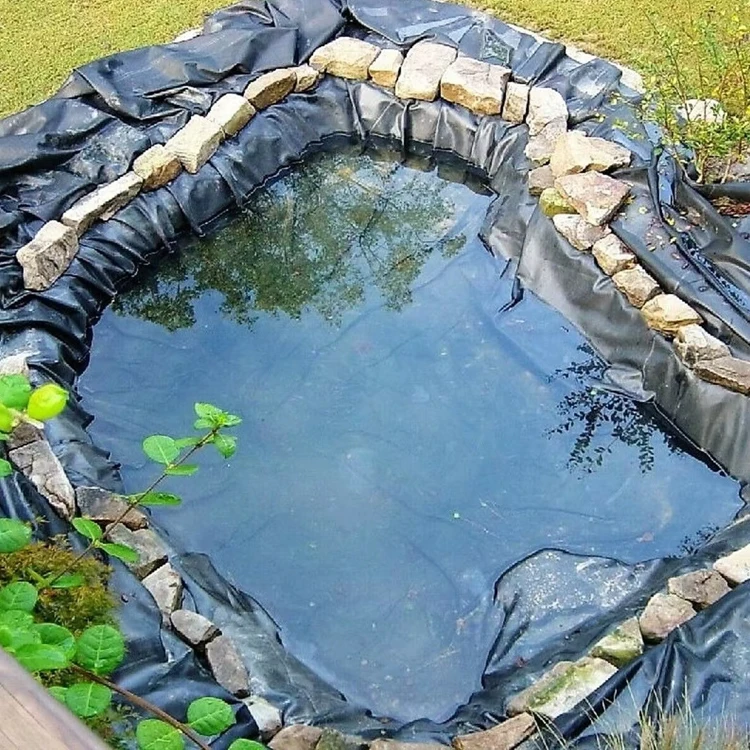
| Landscape and ornamental pond construction | Cut-to-shape flexibility, aesthetic colour matching, long-term water containment without leaching |
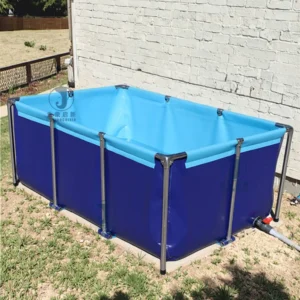
| Fish tank and pool fabrication | Watertight seam welding, structural load from water depth, clean surface for aquatic environments |
Why Specified GSM Often Fails at the Pond Edge
The gsm on the quotation must match the gsm on the roll — verified before it leaves the factory floor.
A PVC fish pond liner that arrives lighter than specified loses more than weight. The base fabric denier and coating thickness together determine how the material behaves under continuous hydrostatic pressure and installation stress. When a 500gsm grade is substituted with a lighter construction, the liner may still look correct on the surface but fails at the flex points where water load concentrates against the pond wall [NEED_CITE: tensile and tear test methods for coated fabrics per ISO 1421]. Aquaculture operators who specify by weight expect the mechanical properties that correspond to that weight, and any deviation compromises the containment integrity they designed for.
Hot-Melt Coating and Laminated Construction for Pond Containment
The PVC coated fish pond liner is produced using either laminated or hot-melt coating technology, each serving different seam-welding and adhesion requirements. Hot-melt coating penetrates the high-tenacity polyester yarn structure under heat and pressure, creating a bond between the PVC layer and the base fabric that resists delamination during heat welding on site. Laminated construction offers a different balance of flexibility and coating weight distribution. The choice between these two methods directly affects how the material performs when panels are joined under continuous water pressure at depth.
Matching Liner Grade to Pond Depth and Structural Load
Selecting the correct grade from the available range requires understanding what water depth and ground conditions demand from the fabric. A shallow ornamental pond with minimal substrate irregularity can be served by lighter grades, while deep commercial aquaculture reservoirs require heavier constructions that resist puncture from compacted soil and withstand the lateral pressure of several metres of water column. The thickness options correspond to each gsm grade, giving specifiers two ways to confirm they are ordering material with the right structural capacity for their containment design [NEED_CITE: coated fabric puncture resistance testing standards].
What GSM and Thickness Actually Mean for Pond Performance
The relationship between weight per square metre and total thickness in PVC coated fabric is governed by how much PVC compound is applied to each side of the polyester mesh and how densely the base yarns are woven. A higher gsm does not automatically mean proportionally higher tear strength if the additional weight comes from coating rather than from a denser base fabric. The base yarn tenacity and the weave pattern determine how a tear, once initiated, propagates through the material. Coating method influences peel strength — the force required to separate the PVC skin from the polyester core — which directly affects whether a heat-welded seam holds or delaminates under sustained water pressure. Available thickness grades from 0.32mm to 0.65mm allow buyers to match the liner to expected mechanical stress and installation handling requirements.
The Hidden Cost of Batch Colour and Weight Inconsistency
When multiple rolls are ordered for a large pond project, visible colour variation between panels installed side by side signals inconsistent coating batches and raises questions about whether other properties also vary roll to roll. More critically, weight variation across a batch means some panels carry less coating and therefore less UV protection and less waterproofing than the specification requires [NEED_CITE: batch consistency standards for coated industrial fabrics]. For aquaculture operators, a liner section that degrades prematurely due to underweight coating creates a leak path that threatens the entire containment system and the stock within it.
Sourcing Confidence Through Process Verification
The PVC fish pond liner range is produced across three dedicated coating lines with 36 sets of professional equipment, supporting volume orders while maintaining specification control. A ten-person R&D team handles custom sizing, colour matching, and sample development for application-specific requirements. Every production run passes through dedicated QA and QC checkpoints with 100 percent pre-shipment inspection, so the roll weight, colour reference, and coating integrity are confirmed before dispatch. Custom widths and cut-to-size panels are developed with sample approval before bulk production begins.
Documentation & Verification
- Material specification sheet stating exact GSM, base fabric denier, and coating weight per grade
- Pre-shipment inspection record with roll-by-roll weight verification against the stated spec
- UV resistance and anti-mildew test reports for treated grades where applicable
- ISO and CE certificates, certificate of origin, and customs documentation for export
- Colour reference and batch consistency record for multi-roll pond projects
Fabrication, Handling & Storage
- Heat welding parameters must account for coating method — laminated and hot-melt coated grades require different temperature settings to achieve full seam fusion
- Roll storage should be upright on pallets to prevent permanent creasing across the 2m or 2.1m width
- Cold crack resistance allows handling in lower temperatures, but unrolling should be done gradually to avoid stress whitening at fold lines
- Cut-to-shape panels should be laid out with allowance for thermal expansion before final edge anchoring
- Reinforced hems and edge sealing are recommended for anchored pond installations to distribute tie-down loads across the high-tenacity polyester base
What to Include in Your Specification Request
Provide the intended pond depth, ground conditions, and whether the liner will be anchored or buried at the edges. Confirm the colour requirement and whether multiple rolls must be batch-matched for a single installation. State whether you need full roll stock or finished cut-to-size panels with specific hem or edge treatment. If your market requires flame retardant certification, specify the grade and standard so the correct treatment is applied and documented.
Frequently Asked Questions
Q: How is GSM verified before shipment and what tolerance applies?
A: Every roll is individually weighed during pre-shipment inspection and compared against the specification sheet. The inspection record documents actual measured weight per roll. Acceptable tolerance depends on the grade and coating method — confirm the tolerance range applicable to your selected GSM and request the inspection record with your dispatch documentation.
Q: What UV treatment is applied for outdoor pond exposure?
A: Sunproof treatment is incorporated into the PVC compound during coating. The specific UV stabiliser package and test basis depend on the grade and intended exposure conditions. Request the UV test report for your selected grade to confirm suitability for your climate and expected continuous outdoor service environment.
Q: How is colour consistency maintained across multiple rolls for one project?
A: Production batches are controlled by colour reference with consistency checks between rolls. For large pond projects requiring multiple rolls, batch matching is documented so panels installed side by side show no visible colour difference. Confirm your colour reference at the sample approval stage before bulk production.
Q: What is the difference between laminated and hot-melt coated pond liner?
A: Hot-melt coating penetrates the polyester mesh under heat and pressure for strong adhesion, while laminated technology bonds pre-formed PVC films to the base fabric. Each method produces different peel strength and flexibility characteristics that affect heat welding parameters and seam performance under water pressure. Request a sample of each to compare for your welding setup.
Related products
-
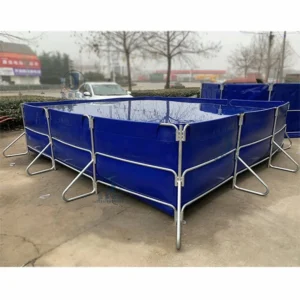
Custom PVC Tarpaulin Fish Pond Liner for Aquaculture
Read more -
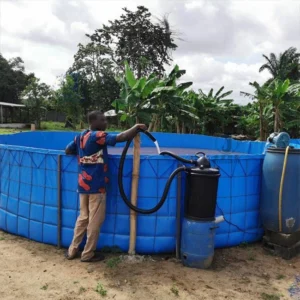
PVC Tarpaulin for Fish Pond – Custom Made
Read more -
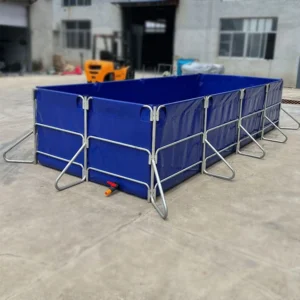
Foldable Circular Rectangular PVC Tarpaulin Fish Pond Tarpaulin for Fish tank
¥0.53 Select options This product has multiple variants. The options may be chosen on the product page -
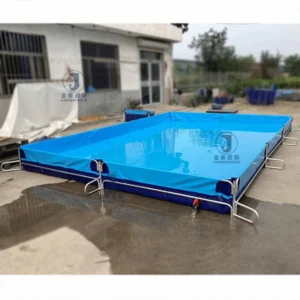
Anti-leaking Durable PVC Tarpaulin Fish Pond Liner Plastic Fish Ponds Foldable Aquaculture Pond Tanks for Fish
¥153.00 Add to cart