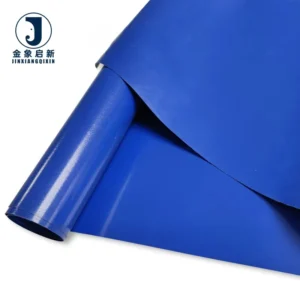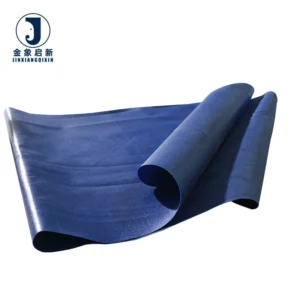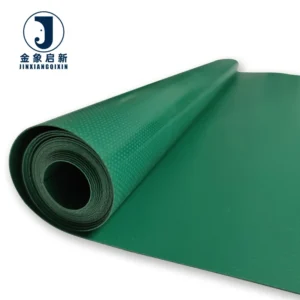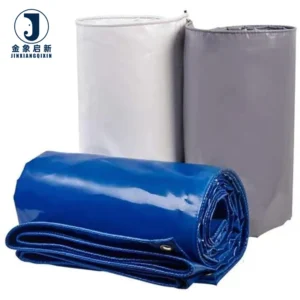
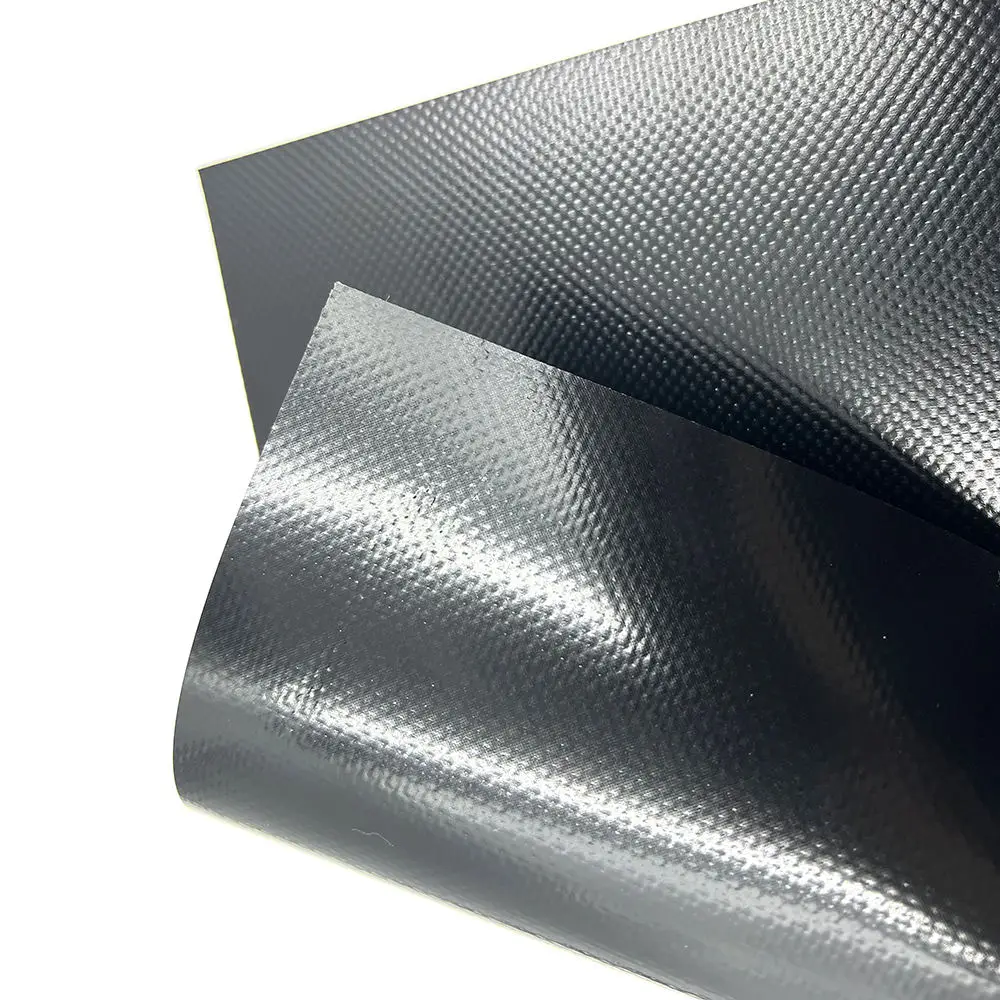
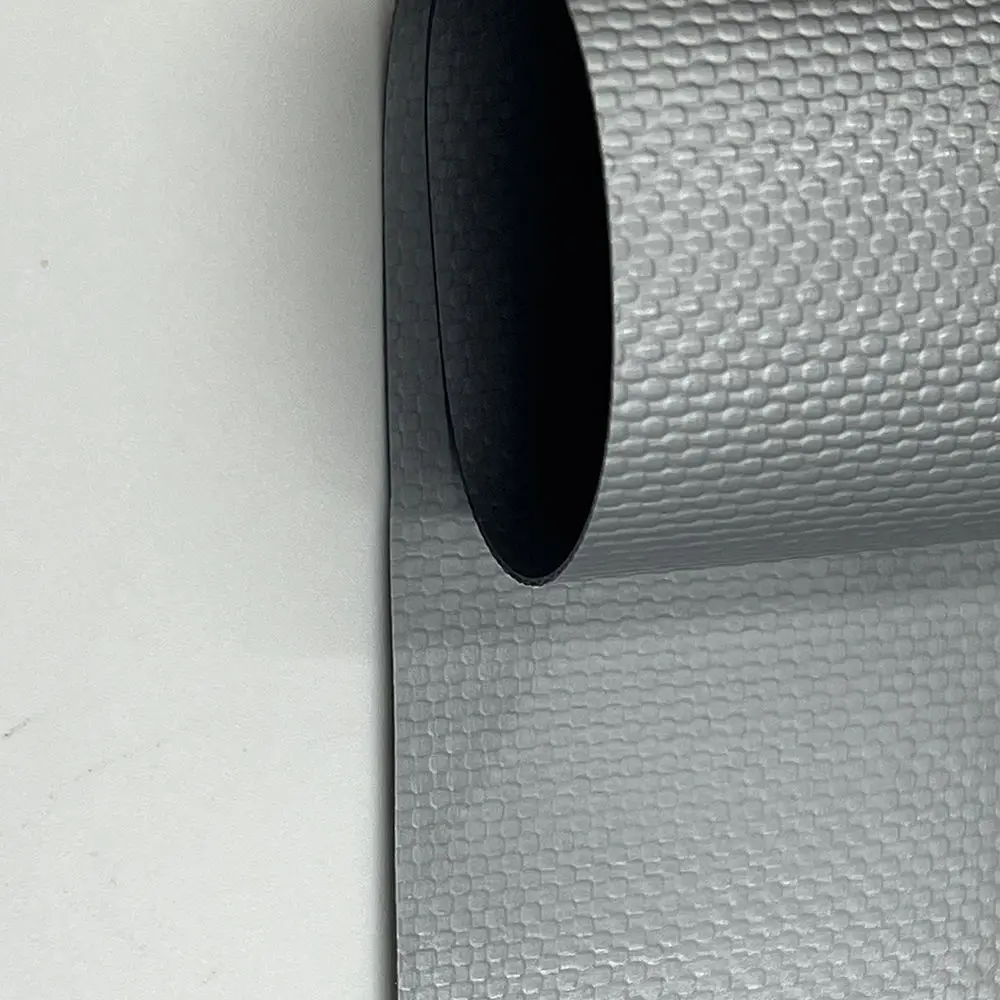
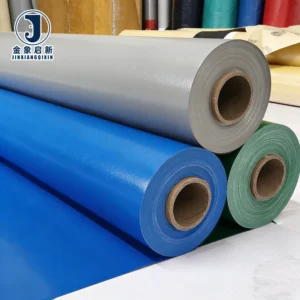
PVC Knife Coated Tarpaulin Roll — UV resistant, fire retardant and anti-mildew treated fabric for tensile structures, truck covers and industrial protective applications. Knife coating ensures strong adhesion between base fabric and PVC layers, delivering reliable seam performance under HF and hot air welding at flex points. Supported by nearly 30 years of coating process control, 100% pre-shipment inspection, and samples developed within days for custom requirements.
Description
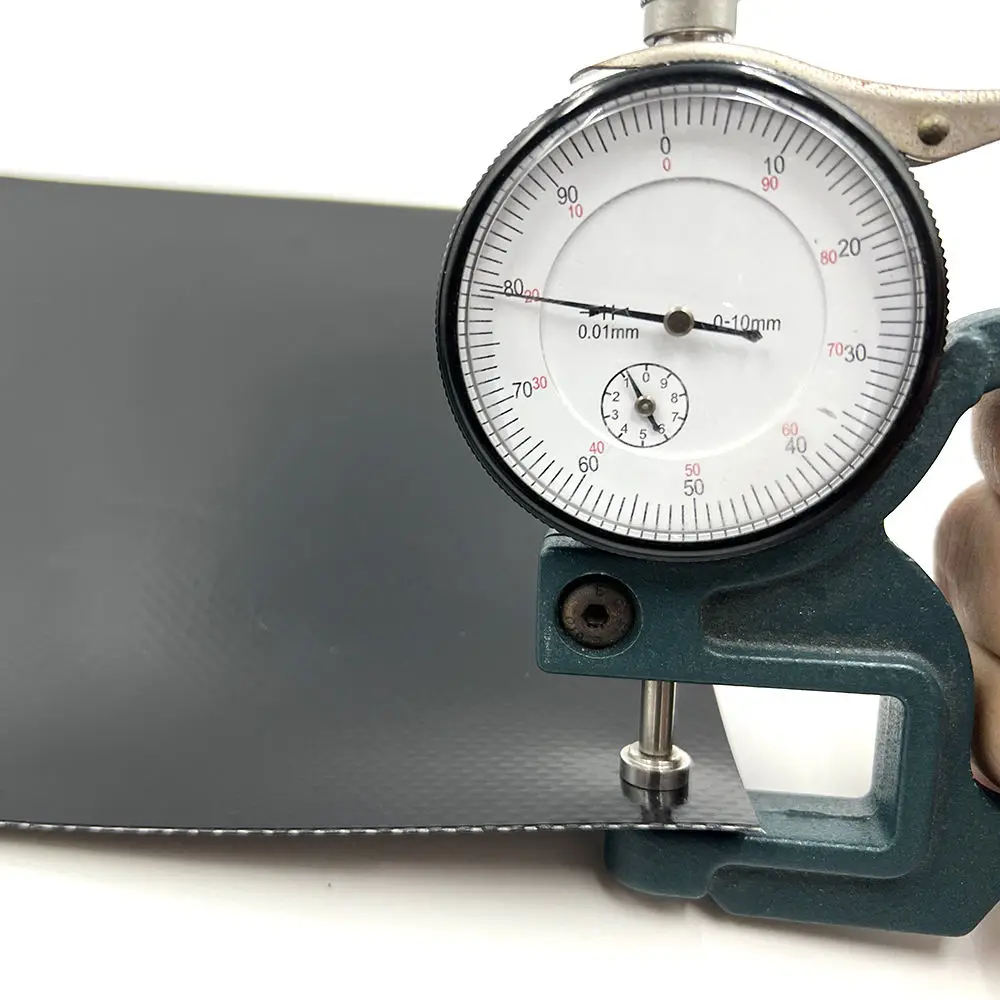
Deep Coating Process Control — every PVC Knife Coated Tarpaulin Roll leaves the line with a material spec sheet stating coating weight, base fabric and colour reference for independent verification at your receiving dock.
Technical Specifications
| Parameter | Value |
|---|---|
| Product Type | PVC Tarpaulin Roll |
| Material | PVC Knife Coated Fabric |
| Coating Method | Knife Coated |
| Color | Gray |
| Surface Treatment | UV Resistant (test basis not stated), Fire Retardant (grade not stated), Anti-mildew |
| Welding Options | HF, Hot Air, Sewing |
| Temperature Resistance | High temperature and cold resistant (specific values not stated) |
| Key Features | Anti-oxidation, Weather-resistant, Self-cleaning surface, Crack-resistant, Waterproof |
Application Suitability
| Application | Exposure & Requirement |
|---|---|
| Tensile Structures | Long-term outdoor tension, UV exposure, wind loading, weld integrity at seam lines |
| Large Format Technical Textiles | Handling and fabrication at scale, dimensional stability across wide spans |
| Portable Storage Structures | Weather protection, repeated assembly and disassembly, abrasion at frame contact points |
| Airport Hangars | Fire safety compliance, large-span membrane performance, chemical exposure from aviation operations |
| Shade Systems and Shadings | Continuous solar exposure, colour fastness, thermal expansion and contraction |
| Stadium Architectural Structures | High wind load, permanent outdoor installation, public fire safety requirements |
Why the Stated GSM Does Not Guarantee Structural Performance
Coating adhesion and base fabric construction determine real-world strength more than weight alone.
When sourcing a PVC Knife Coated Tarpaulin Roll for tensile or membrane structures, buyers often specify a target GSM and assume the mechanical performance follows automatically. In practice, two rolls carrying the same stated weight can behave very differently under tension if the base fabric denier, weave density or coating penetration differ between them. A heavier coating layer may add grams without adding tear resistance, while a tighter weave at slightly lower weight can deliver superior peel strength at the weld line [NEED_CITE: tensile and tear test methods for coated fabrics per ISO 1421]. This is why verifying the full material construction — not just the weight — matters before committing a roll to a structural application.
Knife Coated Construction and Fabrication Compatibility
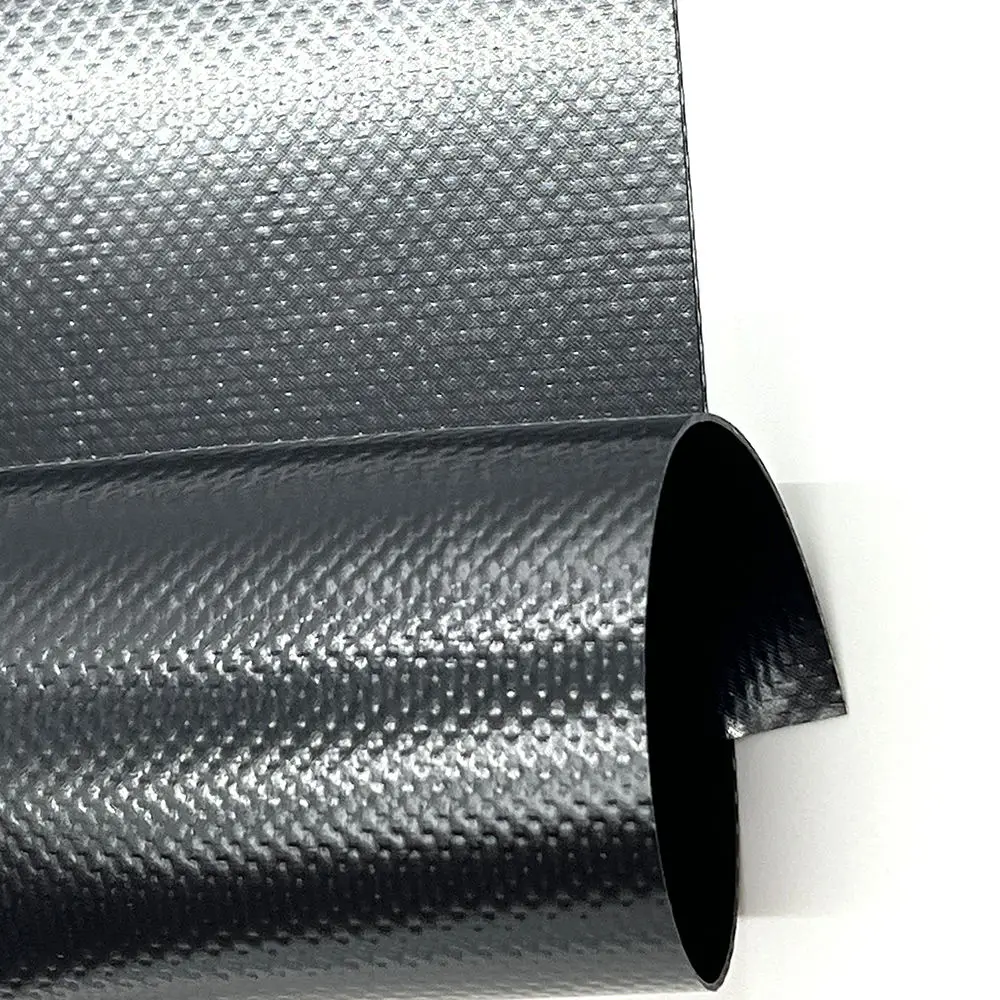
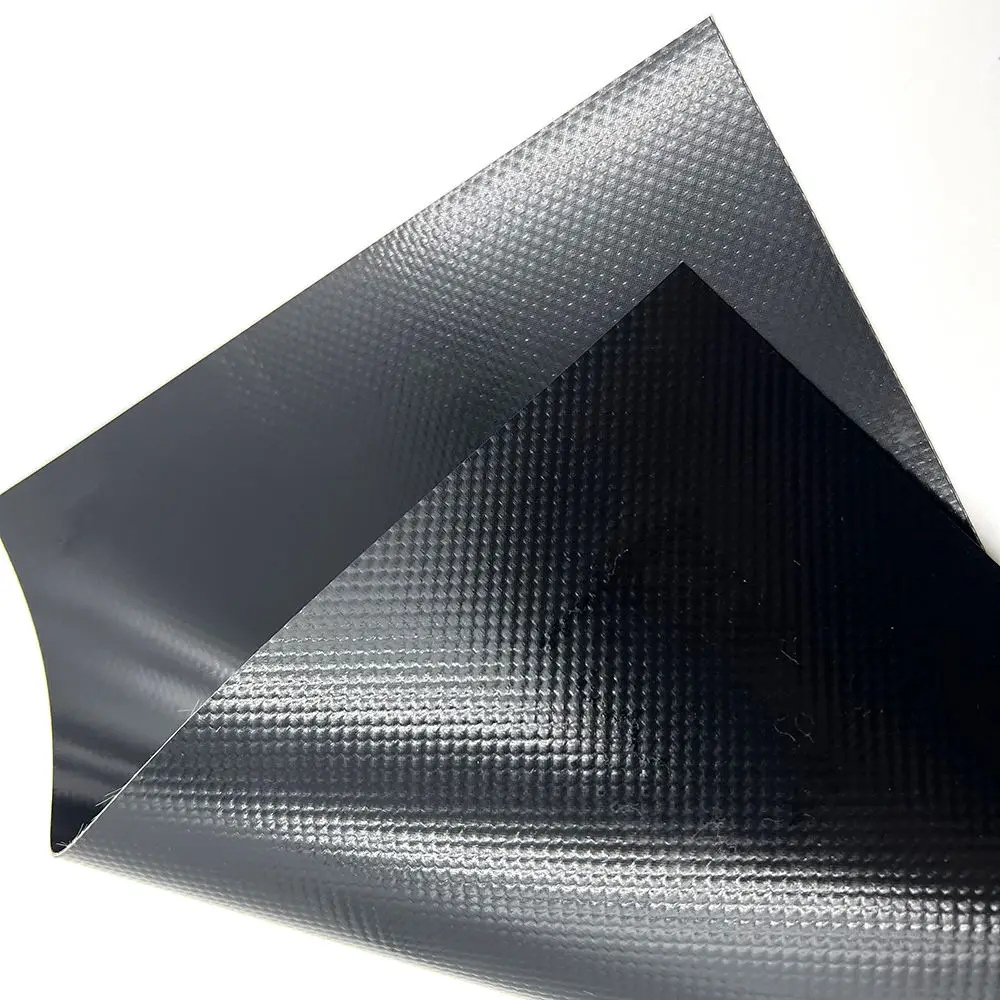
The knife coating process deposits a controlled PVC layer onto the base fabric, allowing the coating to penetrate the weave structure rather than simply sitting on the surface. This penetration is what gives the fabric its peel resistance and determines how well the material holds together at welded seams. For fabricators working on tensile and membrane structures, this PVC Knife Coated Tarpaulin Roll supports high-frequency welding, hot air welding and traditional sewing — giving you the flexibility to match the joining method to the stress profile of each panel.
Treatment Grades and the Documentation Gap
Available in flame retardant grades — confirm the grade required for your market before specifying. The same applies to UV treatment: different test standards and exposure classifications exist, and a generic "UV resistant" label does not tell you which climate zone or service expectation the material was designed for. Our R&D team can develop treatment formulations matched to your project specification and supply test report documentation where applicable [NEED_CITE: DIN 4102 fire classification for building materials]. Requesting the specific grade and test basis upfront avoids costly rejections at the installation inspection stage.
Reading Beyond the Weight Number
GSM tells you how much material is present per square metre, but it does not tell you how that weight is distributed between base fabric and coating. A knife coated construction allows precise control over coating thickness, meaning the ratio of structural yarn to surface layer can be engineered for the target application. For tensile structures, high tensile and tear strength depend on the base fabric denier and mesh count working together with coating adhesion. Weldability and seam behaviour under load are governed by how thoroughly the PVC has penetrated the weave — something that knife coating addresses directly compared to lamination or calendering methods. The self-cleaning surface and anti-oxidation treatment further reduce maintenance demands once the fabric is installed overhead in a stadium canopy or airport hangar.
The Hidden Cost of Unverified Material Declarations
Colour variation between rolls in the same order becomes visible the moment panels are installed side by side on a tensile structure — a problem that forces contractors to reorder, delay handover and absorb reinstallation costs. Similarly, when flame retardant treatment is claimed without a supporting test report, the fabric may pass your visual inspection but fail at the fire safety audit, shutting down an entire project timeline [NEED_CITE: fire safety compliance requirements for public membrane structures]. Welded seams failing before the fabric itself is another recurring issue, typically traced to inconsistent coating penetration or incorrect welding parameters for the specific material grade. These failures are preventable when the full material specification is documented and verified before the rolls leave the factory.
Why Fabricators Source This PVC Knife Coated Tarpaulin Roll Here
Nearly 30 years of focused coating process experience means the relationship between coating weight, adhesion and base fabric selection is controlled at every production stage rather than left to chance. Three full production lines and 36 sets of professional equipment support bulk roll orders with consistent output, so the colour and weight you approve on the sample are what you receive across the entire shipment. A 10-person R&D team handles custom width, colour matching and pattern printing in-house, delivering development samples within days rather than weeks. Dedicated QA and QC checkpoints run through every stage of production, culminating in 100% pre-shipment inspection across every roll before dispatch. This process control is what allows fabricators building tensile structures and stadium canopies to specify with confidence.
Documentation & Verification
- Material specification sheet stating GSM, base fabric and coating weight for every roll shipped
- Test report for UV and flame retardant grades supplied where applicable to match the specified treatment
- Pre-shipment inspection record covering weight, colour consistency and surface quality across the order
- ISO and CE certificates with certificate of origin and customs documentation included
Fabrication, Handling & Storage
- HF and hot air welding parameters should be matched to the knife coated PVC layer thickness for optimal peel strength
- Sewn seams on this PVC coated fabric benefit from bonded thread and sealed needle holes to maintain waterproof integrity
- Store rolls horizontally on a flat surface to prevent permanent creasing in the coating layer
- Allow cold-stored rolls to reach ambient temperature before unrolling to avoid coating crack risk
- Use mild detergent and soft cloth for cleaning — abrasive solvents can damage the self-cleaning surface treatment
- Plan panel cutting layout to minimise off-cuts and reduce the number of welded joints in visible areas
What to Include in Your Specification Enquiry
To move from enquiry to sample quickly, share the intended application and exposure conditions — whether the fabric will be used for a permanent tensile structure, a portable canopy or an industrial cover. Specify the fire safety classification required in your target market, the roll width and length that suit your fabrication equipment, and any colour or printing requirements. Let us know if you need development samples before committing to a production run.
Frequently Asked Questions
Q: How can I verify the GSM on arrival matches the quoted specification?
A: Every roll ships with a material specification sheet stating GSM, base fabric and coating details. You can independently weigh a sample cut at your receiving dock and compare it against the documented value. Our pre-shipment inspection records also include weight verification data for your reference.
Q: Which flame retardant grade should I specify for my market?
A: Fire safety requirements vary by region and application. Public structures in Europe typically reference DIN 4102 classifications, while other markets may use NFPA 701 or local building codes. Share your target market and installation type, and our R&D team will recommend the appropriate grade with supporting test documentation.
Q: How do you ensure colour consistency across multiple rolls in one order?
A: Colour reference values are set during sample approval and monitored through every production batch. Our 100% pre-shipment inspection includes side-by-side colour comparison across rolls in the same order, so variation is caught before dispatch rather than at your installation site.
Q: What welding method works best for tensile structure panels?
A: High-frequency welding and hot air welding both deliver strong seams on this knife coated PVC fabric. The best choice depends on your panel geometry and equipment. Sewing is also supported for applications where mechanical fastening is preferred. Request our welding parameter guide matched to the specific material grade.
Related products
-
Hot Selling Heavy Duty Waterproof Large Camping Tarp Outdoor Use 500gsm Pvc Laminated Tarpaulin Tent
¥3.20 Add to cart -
Factory Custom 9×11 Poultry Curtains Tarpaulin PVC Coated Waterproof and Anti-Static Tarp for Chicken Coop Farms
¥0.85 Add to cart -
Tarp Factory 610gsm 650gsm 800gsm Awnings Tent PVC Coated Fabric Waterproof Bache Lona PVC Tarpaulin Roll
¥1.45 Select options This product has multiple variants. The options may be chosen on the product page -
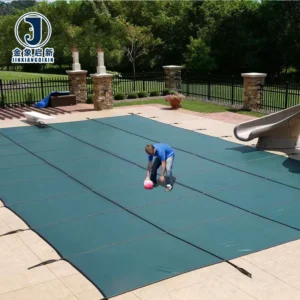
JX Manufacturer Direct Sales PVC Coated Swimming Pool Cover. Durable Waterproof and UV Resistant Floor Swimming Pool Cover Cloth
¥1.78 Select options This product has multiple variants. The options may be chosen on the product page