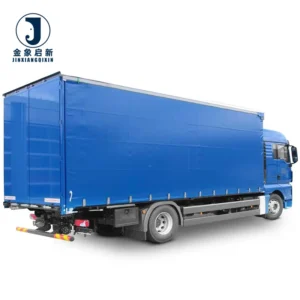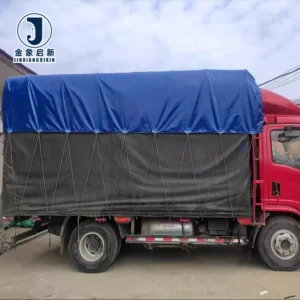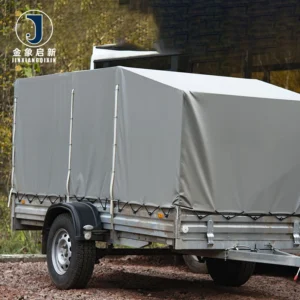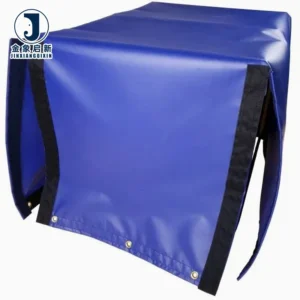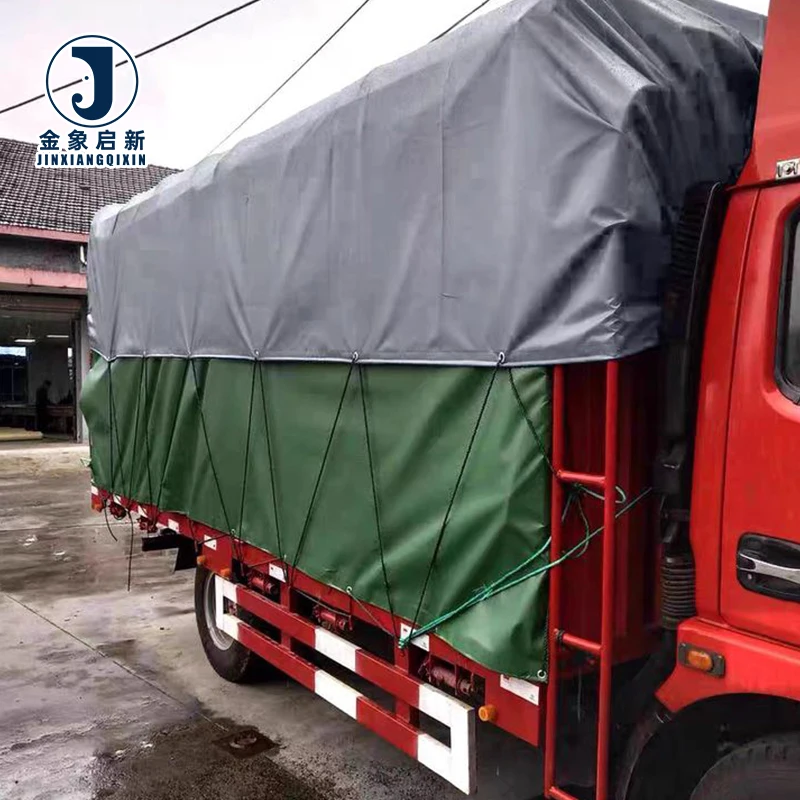
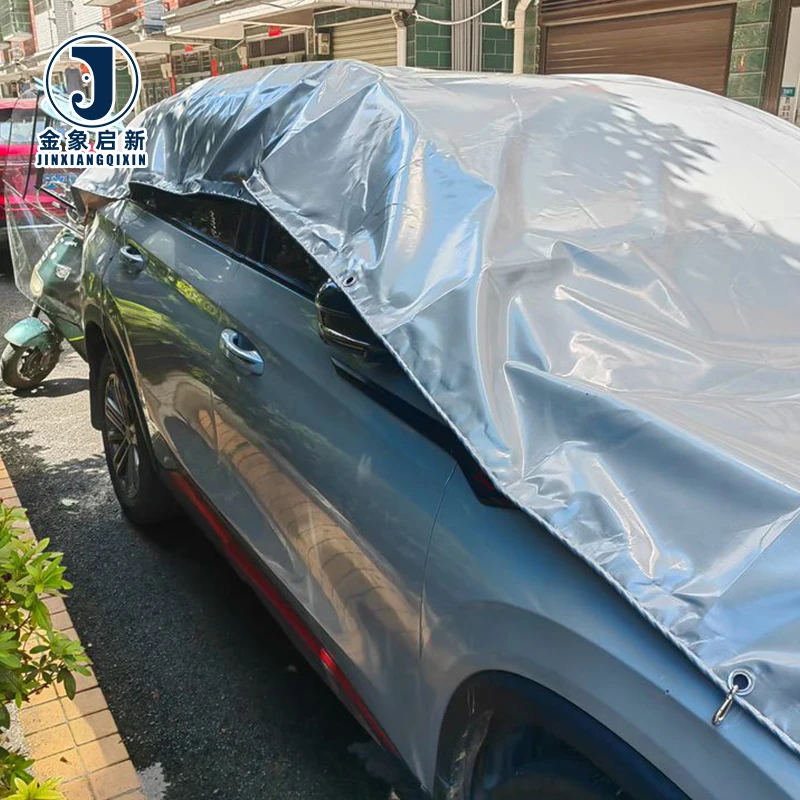
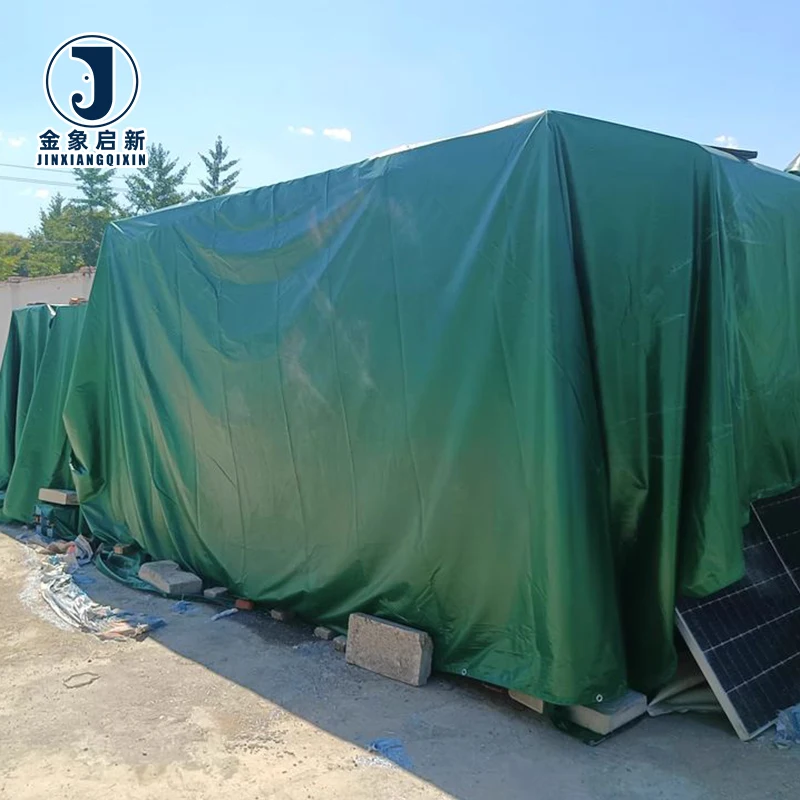
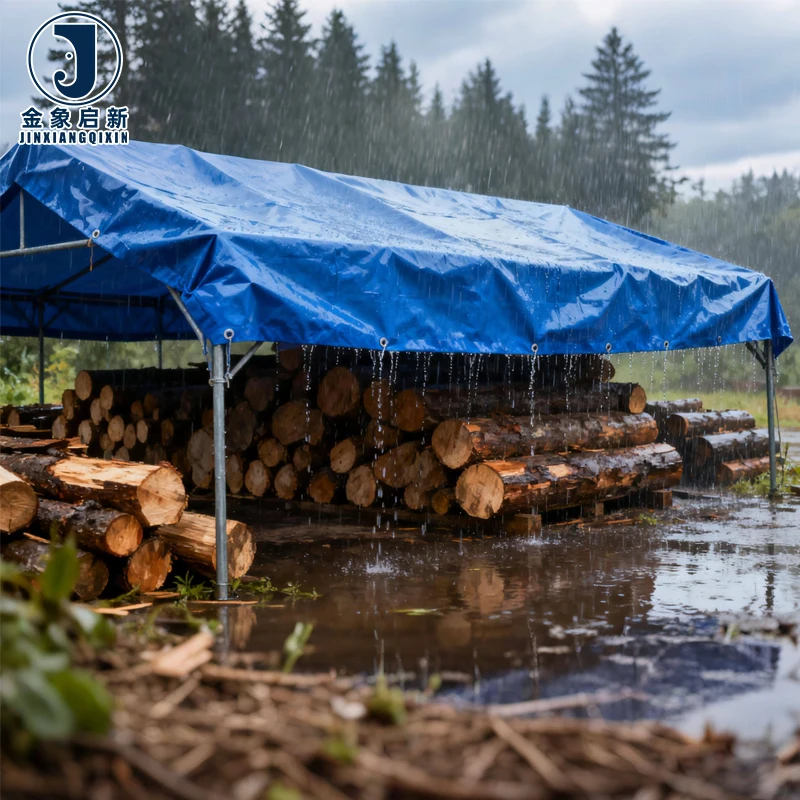
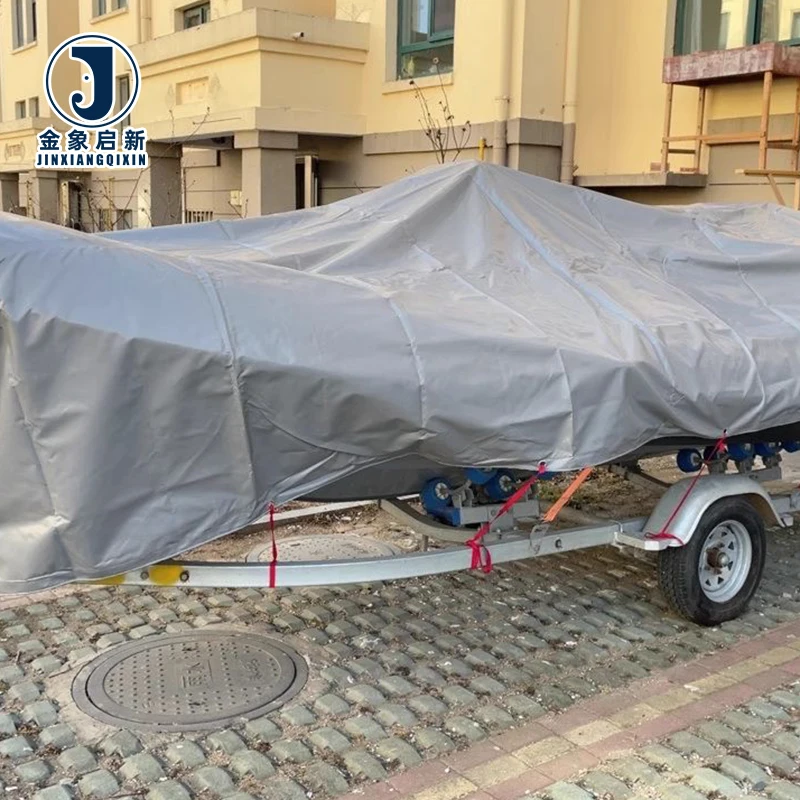
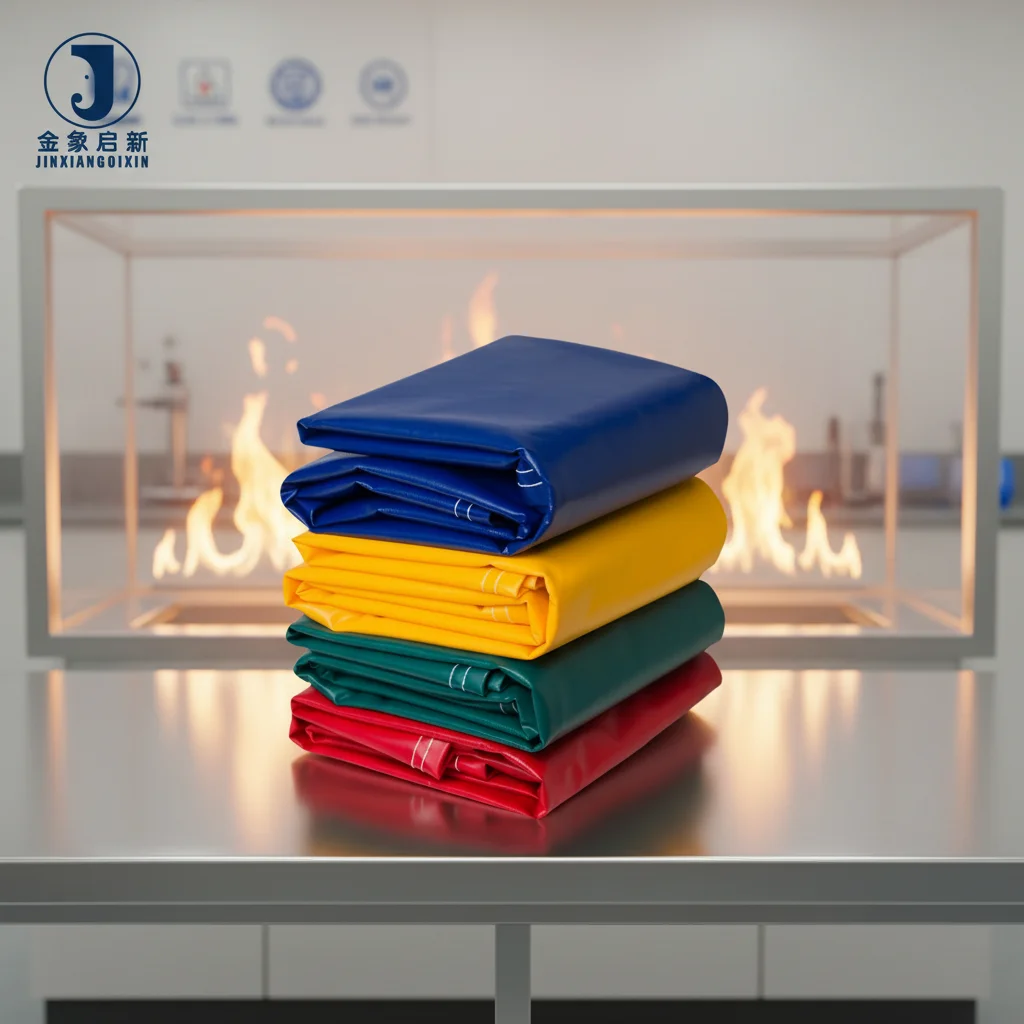
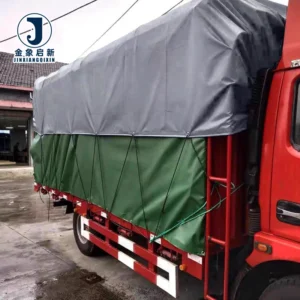
PVC Coated Tarpaulin Truck Cover, 400–1500 g/m², Hot Melt Coated — available in medium, heavy and super heavy grades with full lamination and hot melt coating technology for strong adhesion at flex points.
- Covers cut to your specific trailer model, not generic sizing
- Flame retardant, anti-UV, anti-static and cold resistant treatments with test documentation
- Custom printing, branding, eyelet placement and reinforced hems
Nearly 30 years of coated fabric process control with dedicated QA at every production stage and 100% pre-shipment inspection.
Description
Three Full Production Lines — dedicated capacity across 36 sets of professional equipment ensures bulk orders of PVC truck tarpaulin covers ship on schedule with verified weight and treatment consistency.
Technical Specifications
| Parameter | Value |
|---|---|
| Product Type | PVC Coated Tarpaulin |
| Material | 100% high toughness polyester yarn with PVC coating |
| Coating Technology | Lamination technology and hot melt coating technology |
| Weight (Medium-sized) | 400-500 g/m² |
| Thickness (Medium-sized) | 0.35-0.45 mm |
| Base Fabric Denier (Medium-sized) | 500D |
| Tensile Strength (Medium-sized) | Longitude 1500-2000 / Latitude 1200-1800 N/5cm |
| Weight (Heavy-duty) | 700-1000 g/m² |
| Thickness (Heavy-duty) | 0.70-1.0 mm |
| Base Fabric Denier (Heavy-duty) | 1000D |
| Tensile Strength (Heavy-duty) | Meridian 2000-2500 / Latitude 1800-2200 N/5cm |
| Weight (Super heavy) | 1100-1500 g/m² |
| Thickness (Super heavy) | 1.2-1.5 mm |
| Base Fabric Denier (Super heavy) | 500D-2000D |
| Tensile Strength (Super heavy) | 2500-3000 warp / 2200-2800 weft N/5cm |
| Key Features | Waterproof, cold resistant, mold proof, mildew proof, anti-aging, tear resistant, excellent welding tear strength, best color fastness |
| Available Treatments | Flame retardant, anti-UV, anti-static (grades available — confirm required standard) |
| Customization Options | Custom colors, custom sizes, custom printing, eyelet and hem configurations |
| Certifications | ISO, CE |
Application Suitability
| Application | Exposure & Requirement |
|---|---|
| Heavy truck trailer side curtains | Constant flexing at load shift points, road debris abrasion, sustained UV exposure |
| Flatbed load protection on long-haul routes | High-speed wind uplift stress, rain ingress prevention, tie-down tension at hems |
| Farm machinery and combine covers | Prolonged sun exposure, chemical contact from crop residue, puncture risk from sharp edges |
| Construction site equipment enclosures | Dirt and moisture ingress, abrasion against steel frames, wind load on temporary structures |
| Bulk material containment on trailers | Material weight pressing against seams, moisture penetration risk, frequent deployment cycles |
Why a Generic PVC Truck Cover Tarpaulin Fails Your Fleet
A cover cut to a standard rectangle will always leave gaps on a shaped trailer — and gaps mean water ingress and load damage.
Many transport operators receive a PVC truck tarpaulin that is labeled with the correct GSM but arrives feeling noticeably lighter. The discrepancy often sits between the stated weight and the actual coated weight, particularly when the supplier applies coating to only one side or uses a lighter base fabric than agreed. When you deploy a cover across a fleet, a shortfall in material weight translates directly into early failures at stress points. [NEED_CITE: common discrepancies between quoted and delivered GSM in coated tarpaulin shipments]
Full Product Family Across Three Weight Classes
Specifying a PVC Truck Tarpaulin custom cover starts with matching the weight class to the load profile. The medium-duty range from 400-500 g/m² suits pickup truck beds and light equipment wraps where flexibility and ease of handling matter. The heavy-duty range from 700-1000 g/m² covers standard trailer side curtains and flatbed loads that endure daily deployment and sustained wind tension. The super heavy range from 1100-1500 g/m² addresses large trailers, mining equipment covers, and construction site enclosures where the material must resist sustained mechanical stress and environmental degradation. Each class pairs a specific base fabric denier with a corresponding coating weight, so the tensile and tear values scale with the application rather than relying on coating thickness alone.
Weld Strength and Seam Integrity Under Load Flex
The most common failure point on a PVC truck tarpaulin is not the fabric itself but the welded seam where load flex concentrates stress. Hot melt coating technology and lamination technology create a bond between the PVC layer and the polyester base that determines how well the material holds together when heat-welded. Excellent welding tear strength means the weld line resists peeling apart when the cover bends over a shifting load or flaps at highway speed. [NEED_CITE: heat welding parameters for PVC coated polyester fabrics and peel strength testing] A cover that fails at the seam before the fabric body has reached its service life is a specification problem, not a usage problem — and it is preventable by selecting the correct coating adhesion grade for the welding method your fabricator uses.
How Base Fabric Denier, Coating Weight, and Tensile Strength Interact
Tensile strength in a PVC coated tarpaulin depends on two independent variables working together: the base fabric construction and the coating weight. The base fabric denier — ranging from 500D in the medium class to 2000D in the super heavy class — determines how much force the yarn structure can absorb before individual filaments break. The coating weight, measured in g/m², adds mass and stiffness that resists tearing propagation but does not directly increase the tensile load the yarn can carry. A 1000D base fabric at 700-1000 g/m² will outperform a 500D base at the same coating weight because the underlying yarn structure distributes load across more filaments. Thickness values from 0.35-0.45 mm up to 1.2-1.5 mm reflect this combined effect. Buyers who specify by GSM alone risk receiving a heavier coating on a weaker base, which tears easily despite the high weight reading. The coating technology — lamination or hot melt — also affects how the PVC adheres to the yarn: hot melt penetration into the weave creates a stronger mechanical bond than surface lamination, which matters when the fabric is welded or flexed repeatedly. [NEED_CITE: tensile and tear test methods for coated fabrics per ISO 1421]
What Happens When the Wrong Grade Reaches Your Loading Dock
A truck cover specified without confirming the treatment grade creates downstream rejection risk. A PVC truck tarpaulin that claims flame retardant treatment but arrives without a matching test report will fail site inspection on a mining or construction project where fire classification is mandatory. Color variation between rolls in the same order becomes visible the moment two panels are installed side by side on a trailer, forcing a choice between accepting a mismatched fleet appearance or returning the batch. Welded seams that separate under load indicate the coating adhesion was insufficient for the welding temperature used, a problem that surfaces only after the cover has been deployed and the load has shifted during transit. [NEED_CITE: field failure analysis of coated fabric seams under dynamic loading]
Why Procurement Teams Specify With Us
Our 10-person R&D team develops samples within days when you need a PVC Truck Tarpaulin custom cut to a specific trailer model, with reinforcement patterns mapped to your tie-down configuration. Three full production lines and 36 sets of professional equipment handle bulk volumes without pushing delivery dates, so your fleet receives matched covers in the same shipment window. Dedicated QA/QC at every production stage means each roll passes weight verification, color consistency checks, and weld strength sampling before it reaches pre-shipment inspection. We supply the material specification sheet, test reports for UV or flame retardant grades where applicable, and a pre-shipment inspection record with every order, so your receiving team can confirm what arrives matches what was quoted.
Documentation & Verification
- Material specification sheet stating exact GSM, base fabric denier, and coating weight per roll
- Test reports for flame retardant and anti-UV grades matching the treatment specified on your purchase order
- Pre-shipment inspection record with roll-by-roll weight verification against stated GSM
- Color reference documentation confirming shade consistency across all panels in a multi-cover order
- Certificate of origin and customs documentation for cross-border shipment clearance
Fabrication, Handling & Storage
- Hot melt coated surfaces require controlled heat welding temperatures matched to the specific GSM grade to prevent delamination
- Reinforced hems and eyelet placement should align with the base fabric warp direction to distribute tie-down loads across yarns
- Store rolls upright on pallets to prevent flat-spot creases that become visible after the cover is deployed on a trailer
- Cold resistant grades remain flexible at low temperatures but should be unrolled above freezing to avoid cracking the coating
- Clean PVC surfaces with neutral detergent only; solvent-based cleaners degrade the coating adhesion over repeated wash cycles
- Custom printed panels should be laid flat during fabrication to avoid stretching the base fabric before pattern alignment
Requesting a Specification for Your Fleet
Provide your trailer make, model, and year along with the load type and typical route conditions so we can recommend the correct weight class and treatment combination. If your destination market requires a specific fire classification or UV resistance standard, state the grade on your inquiry so the test documentation matches your compliance requirements. Let us know whether you need finished covers with eyelets and reinforced hems, or roll stock for in-house fabrication.
Frequently Asked Questions
Q: How do you verify the GSM stated on the quotation matches the delivered material?
A: Every roll undergoes weight verification during our pre-shipment inspection. We document the actual measured GSM on the inspection record that accompanies your shipment, so your receiving team can confirm the material weight matches the quoted specification without needing to conduct independent testing.
Q: Can truck covers be cut to fit my specific trailer make and model?
A: Yes. We cut PVC truck tarpaulin covers to your exact trailer dimensions rather than generic sizes. Provide the make, model, and any specific reinforcement requirements such as extra eyelets or hem doubling at high-stress points, and our R&D team will develop a sample for your approval before production begins.
Q: What test reports do you provide for flame retardant and anti-UV claims?
A: When you specify a flame retardant or anti-UV treatment grade, we include the corresponding test report with your shipment documentation. State the standard your market requires on your inquiry, and we will confirm the available grade and provide the matching certificate before you commit to the order.
Q: How do you ensure colour consistency across a multi-cover fleet order?
A: All rolls for a single order are produced in the same batch run using the same colour reference. Our QA team checks shade consistency between rolls before packing, and the inspection record documents the colour verification result so you can confirm uniformity before deployment across your fleet.
Q: What customization options are available for branding and printing?
A: We offer custom pattern printing and branding on the PVC truck tarpaulin surface, including logos, fleet identifiers, and contact information. Provide your artwork and placement requirements, and our R&D team will produce a printed sample for approval before the full production run begins.
Related products
-
Heavy Duty 24′ X 27′ PVC Lumber Tarpaulin Waterproof 8ft. Drop with 3 Rows of D-Rings Coated and Woven Flatbed Tarps
¥190.00 Add to cart -
Custom Made PVC Lumber Tarpaulin 24′ x 27′ with D-Rings
Read more -
Custom PVC Truck Cover for Flatbed Semi – Manufacturer
Read more -
High-Quality Tarpaulin Products for Trucks. Trailers. and More – Coated Tarpaulin. 950 Gsm Pvc Tarpaulin Roll
¥1.48 Add to cart