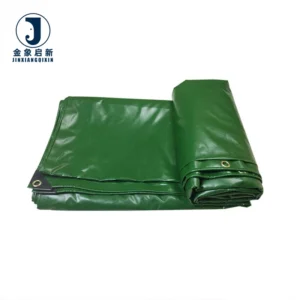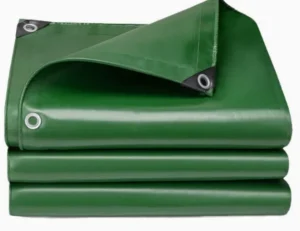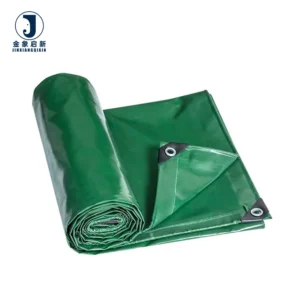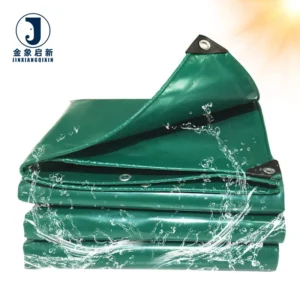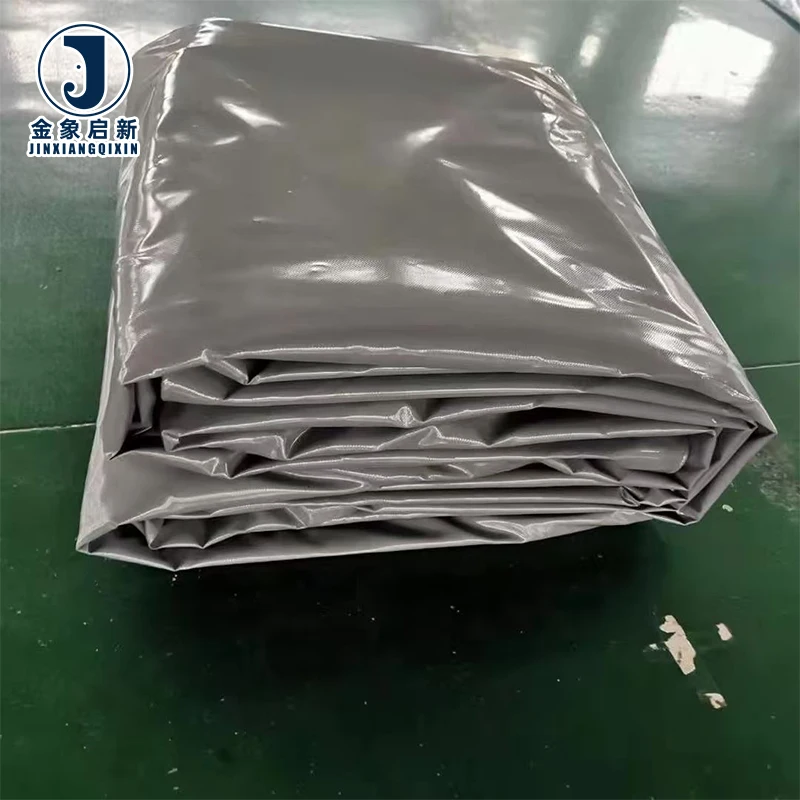
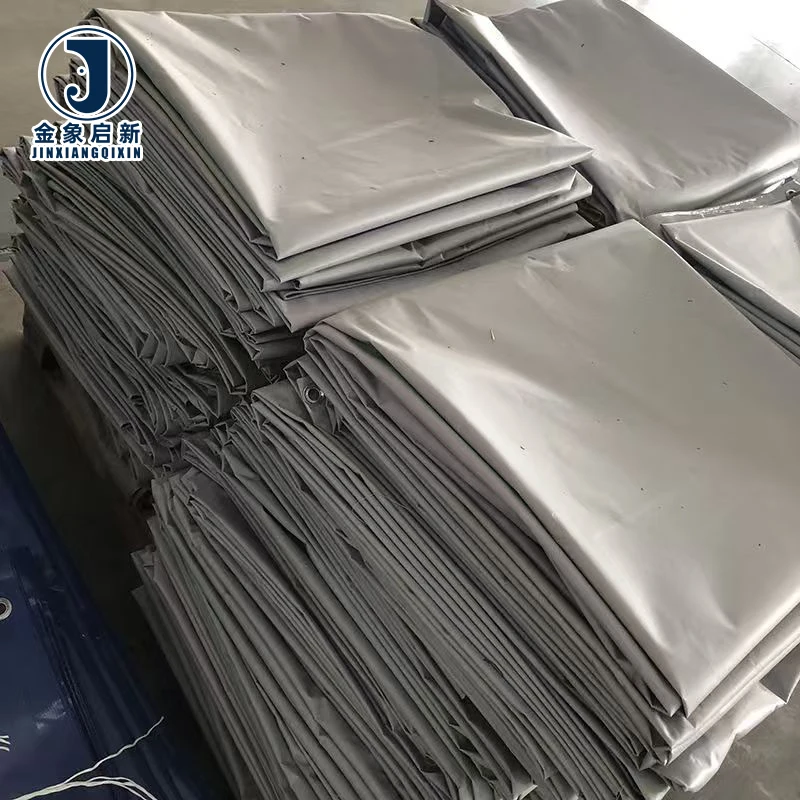
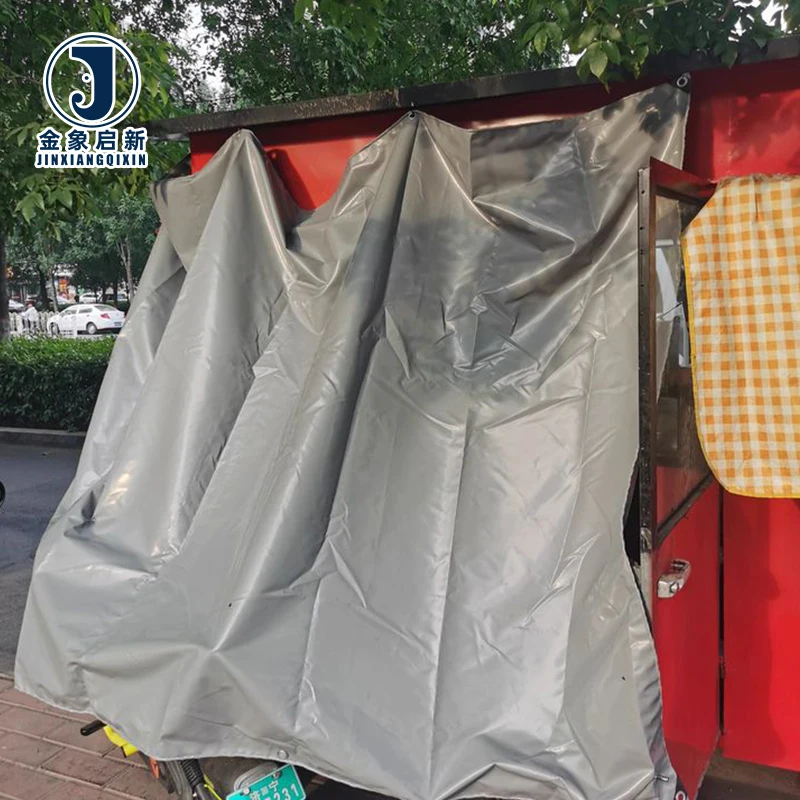
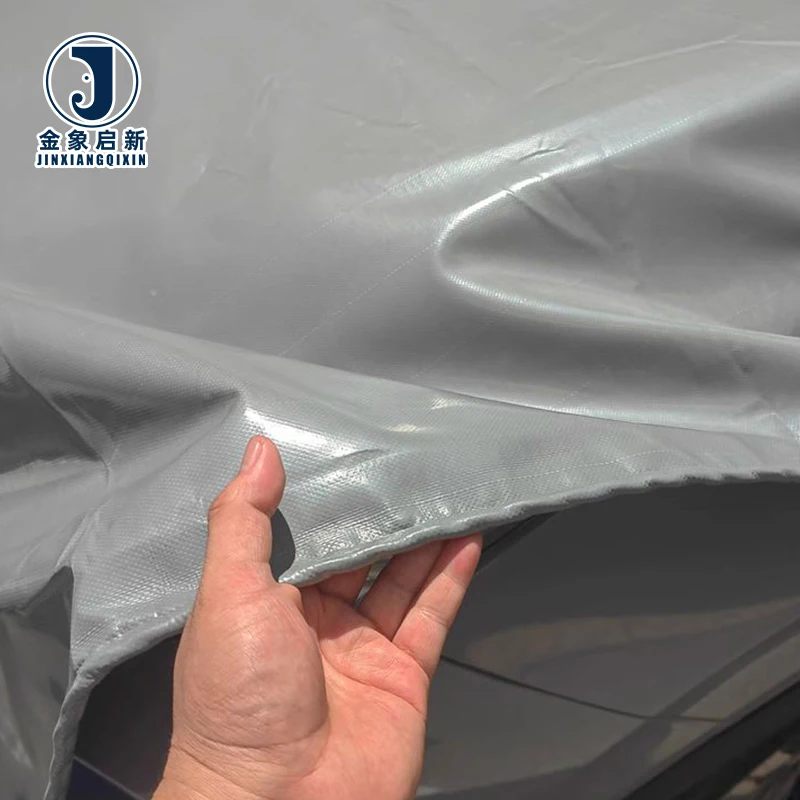
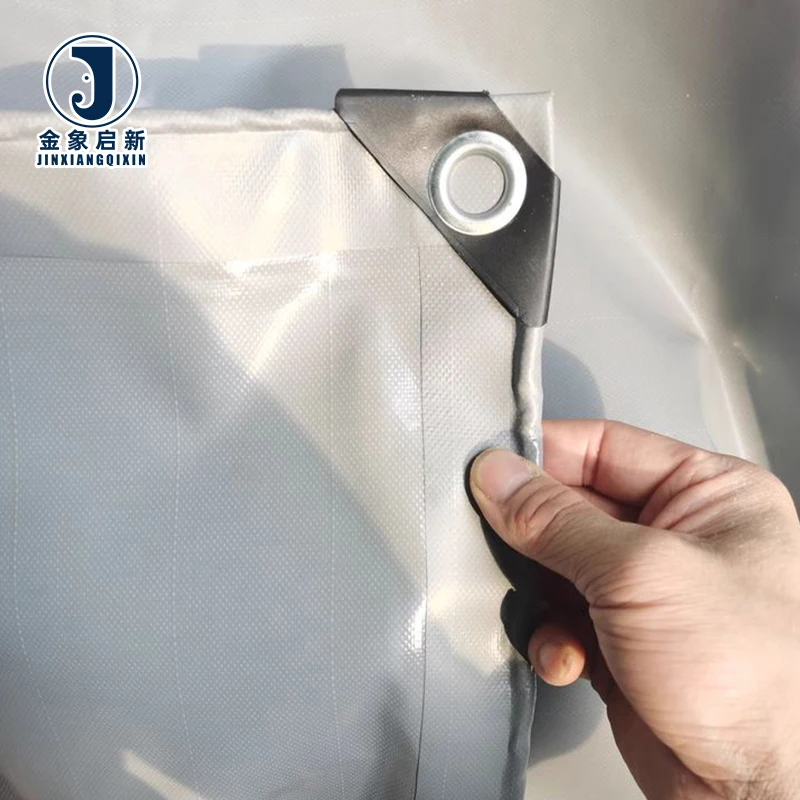
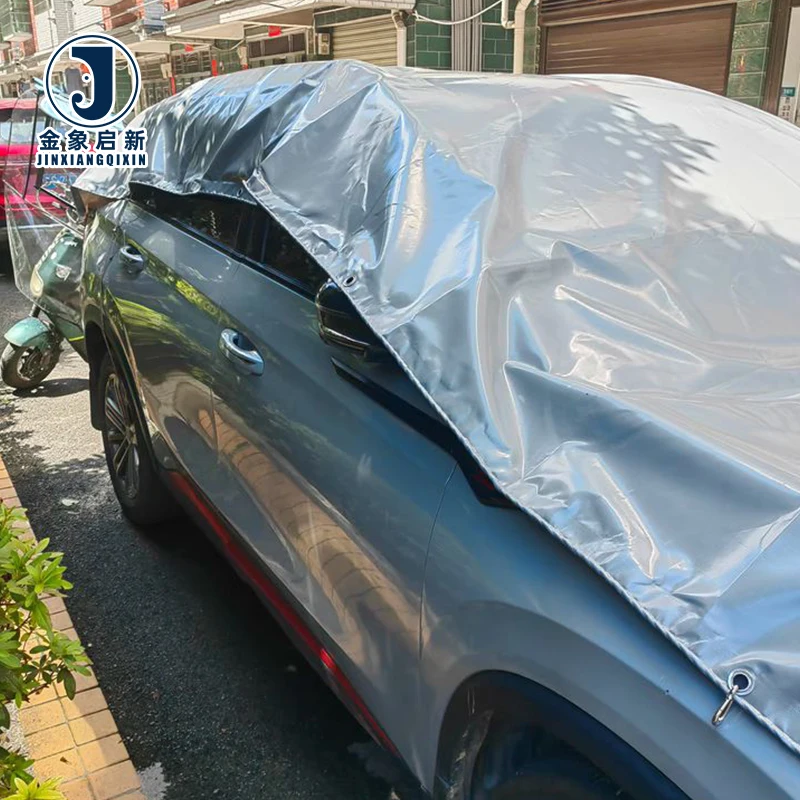
630 Gsm PVC Coated Tarpaulin Roll — waterproof, UV and FR treated, glossy or matte surface finish for truck covers, construction enclosures and agricultural applications.
- Choose denier and GSM together: 200D×300D to 1000D×1000D base fabrics paired with verified coating weight ensure tensile and tear performance match the actual load and flex conditions.
- Custom widths, cut sizes, eyelets, reinforced hems and pattern printing handled in one production flow, with roll-to-roll colour consistency verified before dispatch.
Samples developed within days and 100% pre-shipment inspection backed by nearly 30 years of coated fabric process control.
Description
Verified Coating Weight — every roll of 630 Gsm PVC Coated Tarpaulin is weighed and sampled for coating adhesion before it leaves the production floor, ensuring the specification on the quotation matches the material you receive.
Technical Specifications
| Parameter | Value |
|---|---|
| Product Type | PVC Coated Tarpaulin |
| Weight | 630 GSM |
| Base Fabric Denier | 200D×300D, 500D×500D, 840D×840D, 1000D×1000D options |
| Surface Finish | Glossy or matte |
| Colour Range | Blue, yellow, black, green, white and custom colours available |
| Temperature Range | -15°C to 70°C |
| Treatment Options | Waterproof, UV, flame retardant and anti-fungal (confirm grades required for your market) |
| Roll Sizes | Custom width and length available |
| Cut Sizes | 3×4m, 6×8m, 8×10m, 10×12m or custom dimensions |
| Key Features | Water-proof, rain-resistant, tear-resistant, flexible, strong coating adhesion, abrasion-resistant |
| Standards | ISO, CE |
Application Suitability
| Application | Exposure & Requirement |
|---|---|
| Truck and trailer covers | Continuous road vibration, UV exposure, tie-down flex points, rain and spray ingress |
| Construction site enclosures | Wind loading, scaffold abrasion, prolonged sun exposure, dust containment |
| Equipment and machinery covers | Outdoor storage, moisture ingress, UV degradation, repeated draping and removal |
| Agricultural and pond liners | Permanent water contact, soil chemistry, puncture from substrate irregularities |
| Tent and awning fabric | Tension loading, repeated folding, UV and rain exposure, colour consistency across panels |
Why GSM on the Label Is Not Enough to Judge a PVC Coated Tarpaulin
Coating weight and base fabric construction together determine real-world performance, not the headline GSM figure alone.
A PVC coated tarpaulin aftermarket supplier may quote 630 GSM and ship material that measures lighter once the base fabric and coating are separated and weighed individually. When the coating is thin but the base yarn is heavy, tensile strength may hold while peel adhesion at the weld line drops. I have watched heavy-grade coated rolls fail at the seam while the fabric body stayed intact — the coating simply pulled away from the polyester under load [NEED_CITE: tensile and tear test methods for coated fabrics per ISO 1421]. That is why our in-process QA checks coating weight on every production run, not just the finished roll weight.
Full Product Family from Lightweight to Heavy-Duty in One Production Flow
Sourcing a PVC coated tarpaulin aftermarket supplier that covers the entire weight spectrum eliminates the need to qualify separate vendors for different applications. This product line runs from 250 GSM through to 1500 GSM across three production lines, so you can order lighter grades for temporary covers and heavier grades for permanent enclosures from the same source. Colour matching across weight grades stays consistent because the coating formulations share the same pigment system.
Custom Width, Length and Surface Treatment Without Splitting Orders
Roll width and cut size are adjusted on-line rather than outsourced to a converter. Glossy and matte finishes are produced on the same coating head with a finish changeover, and UV, flame retardant and anti-fungal treatments are added at the coating stage. This means a single purchase order can carry multiple widths and treatment combinations without introducing a middleman markup or a second point of quality failure [NEED_CITE: flame retardant classification systems for textile building materials].
How Denier and Weave Density Interact with the 630 GSM Coating
The base fabric options — from 200D×300D up to 1000D×1000D — determine how the 630 GSM coating load distributes across the yarn structure. A tighter weave with lower denier yarn gives a smoother surface for printing and welding but concentrates tear propagation along fewer yarns. A heavier denier with a more open weave absorbs the coating deeper between yarns, improving peel adhesion and tear resistance at the cost of surface smoothness. Temperature range from -15°C to 70°C means the plasticiser balance must match the intended climate; a formulation optimised for hot climates becomes stiff below zero, while a cold-climate plasticiser softens too early in summer heat. Choosing the correct denier for the application is as important as confirming the GSM.
What Happens When Coating Weight Falls Short of the Quoted Specification
When a PVC coated tarpaulin arrives lighter than the GSM stated on the purchase order, the first visible symptom is usually poor heat-weld strength rather than a simple weight discrepancy. The thinner coating leaves less material at the seam to fuse, and the weld fails before the fabric body does — often at the exact flex point where a truck side curtain bends most. Batch-to-batch colour variation is another consequence of inconsistent coating weight, because pigment loading per square metre changes. Contractors installing side-by-side panels on a construction enclosure see the shade difference immediately, forcing a full panel swap [NEED_CITE: weld strength testing protocols for PVC coated polyester].
Why This PVC Coated Tarpaulin Aftermarket Supplier Holds Up Under Scrutiny
Three full production lines and 36 sets of professional equipment give the capacity to run bulk roll orders without compressing curing times to meet a ship date. A 10-person R&D team develops custom samples — width, colour, treatment, and finish — within days rather than weeks, so you can verify the material before committing to a container load. Every production stage has dedicated QA/QC checkpoints, with a 100% pre-shipment inspection that catches coating weight drift and colour shift before rolls are packed. ISO and CE certification underpin the documentation package, and the production team’s experience with coated fabric means they anticipate the heat-weld behaviour of each GSM grade rather than treating every roll identically.
Documentation & Verification
- Material specification sheet listing exact GSM, base fabric denier, and coating weight per roll batch
- UV and flame retardant test reports provided where treatments are specified on the order
- Pre-shipment inspection record confirming colour consistency across every roll in the batch
- Roll packing list with individual roll weight, width, and length for receiving verification
- Certificate of origin and customs documentation included for international shipments
Fabrication, Handling & Storage
- Heat-weld temperature and travel speed must be matched to the 630 GSM coating thickness to avoid cold joints or burn-through at flex points
- Store rolls upright on pallets in a shaded area to prevent flat-spotting and surface adhesion between coating layers
- Allow rolls to acclimatise above 10°C before unrolling to avoid cracking the PVC coating at low temperatures
- Use compatible PVC-based repair patches and solvent cement for on-site seam repairs rather than generic adhesive tapes
- Cut panels with the glossy side face-up when pattern printing is required to ensure ink adhesion on the treated surface
What to Include in Your Enquiry
Specify the end-use application and the environmental exposure conditions so we can recommend the correct denier and treatment combination. Provide the target market and any fire classification or compliance standard that applies to your project. Indicate whether you need full rolls or finished cut sizes with eyelets and reinforced hems, and let us know if sample approval is required before bulk production.
Frequently Asked Questions
Q: How do I choose the right GSM for my application?
A: Match the GSM to the mechanical load and exposure duration. Truck side curtains that flex constantly need a balance of flexibility and tear resistance, while pond liners benefit from heavier coating weight for puncture resistance. Share your application details and we will recommend the appropriate weight grade and base fabric denier.
Q: Can I get different colours in the same order with consistent shade?
A: Yes. Multiple colours can run in one production batch. Our QA team verifies shade consistency roll-to-roll using the same pigment system across the order. A pre-shipment inspection record documents the colour check so you can confirm before the shipment leaves.
Q: What test reports come with UV or flame retardant grades?
A: Where UV or flame retardant treatment is specified, test reports confirming the treatment grade are included with the shipment. Confirm the specific standard your market requires so we can match the treatment and documentation to your compliance needs.
Q: How are custom widths and lengths handled for roll orders?
A: Custom widths and lengths are produced on our coating lines without outsourcing. Specify the roll width, length, and quantity. Samples can be developed within days for approval before the full order enters production, ensuring the specification is correct before bulk commitment.
Q: What documentation ships with the order?
A: Each shipment includes a material specification sheet, roll packing list, certificate of origin, and pre-shipment inspection record. UV and flame retardant test reports are added where applicable. ISO and CE certificates are available for customs and compliance submissions.
Related products
-

Hotsale Custom China Supplier Super Strength Industrial Grade 680GSM RIPSTOP PVC Tarpaulin for Builders Roof Tarp and Sheeting
¥2.80 Add to cart -

PVC Coated Tarpaulin PVC Fabric Tarpaulinheavy duty fire retardant waterproof pvc coated tarpaulin rolling pvc tarp
¥1.00 Select options This product has multiple variants. The options may be chosen on the product page -
PVC-coated Waterproof Heavy-duty Vinyl Industrial Outdoor Reinforced Tarpaulins for Tents and Truck Covers
¥1.45 Add to cart -
Waterproof Custom 1000D 550GSM/900GSM Self Clean PVC Coated Tarpaulin for Truck. Tent. Roof Cover Flood Barrier
¥0.99 Select options This product has multiple variants. The options may be chosen on the product page