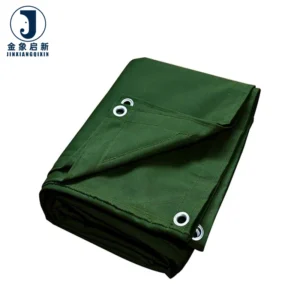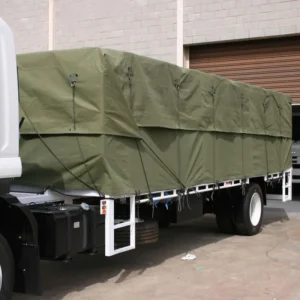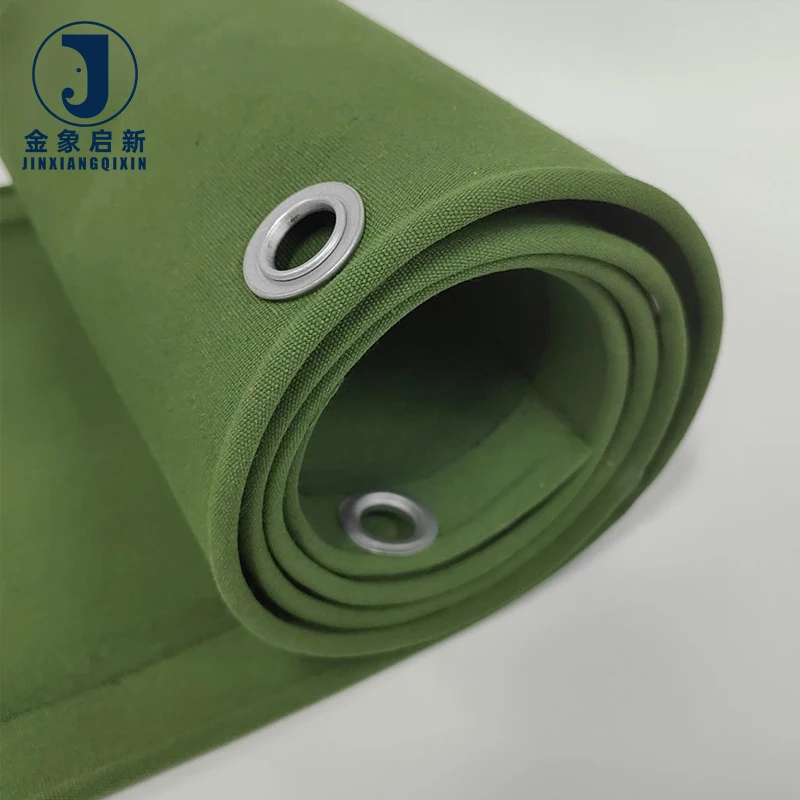
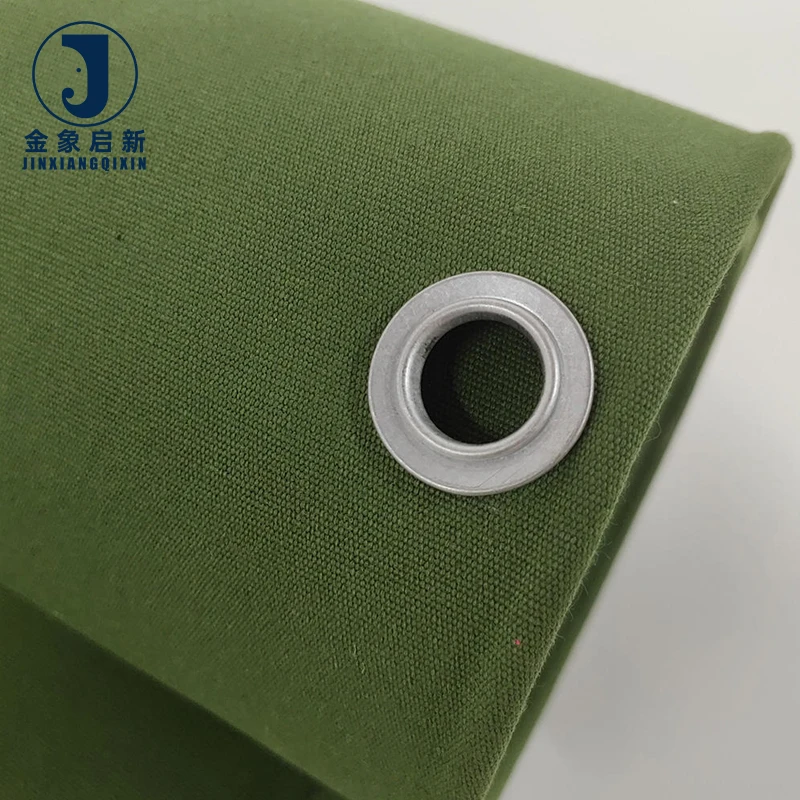
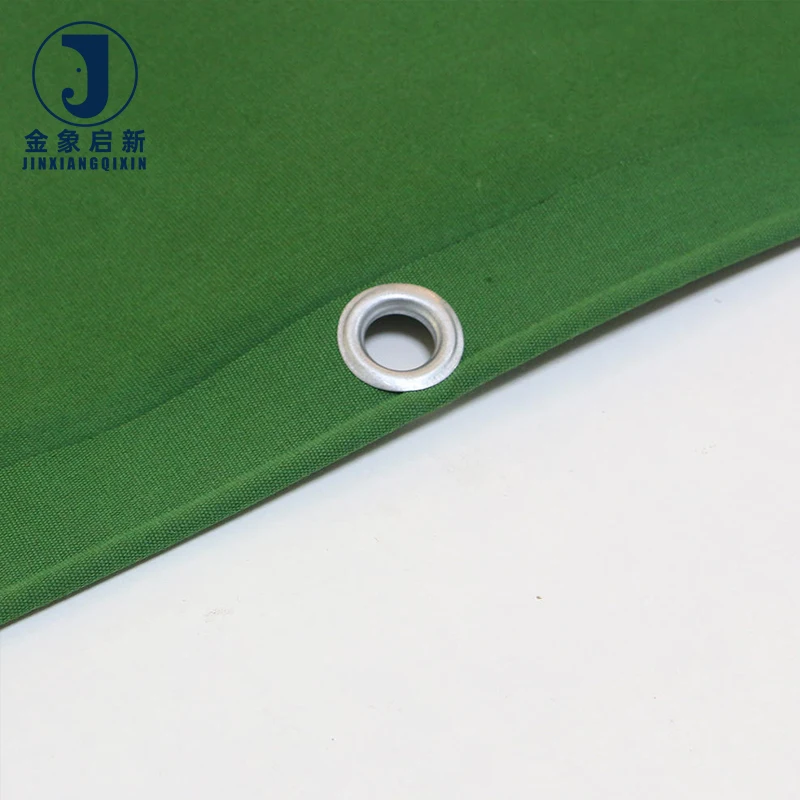
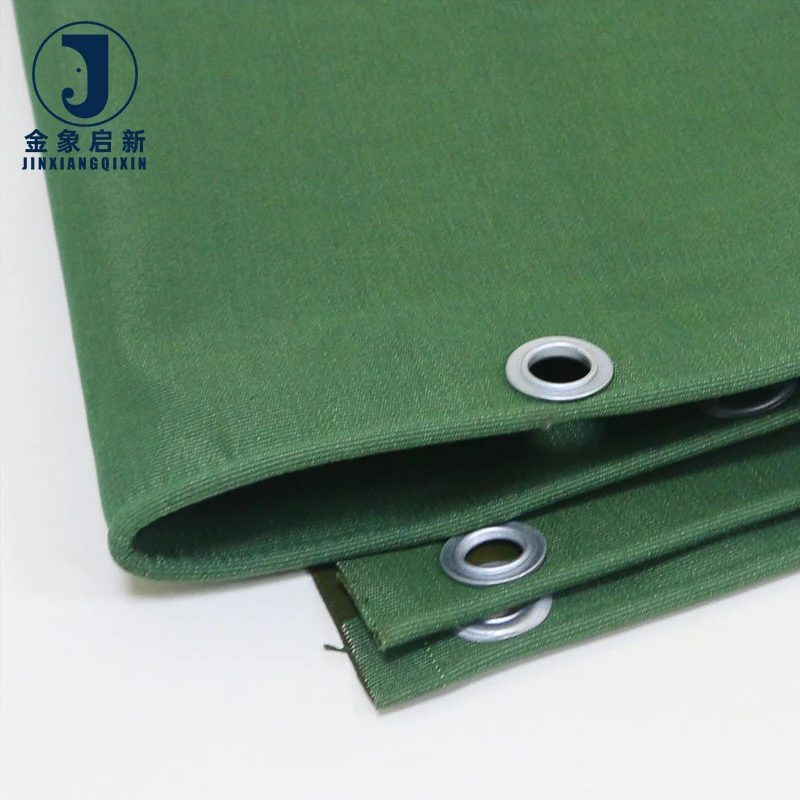
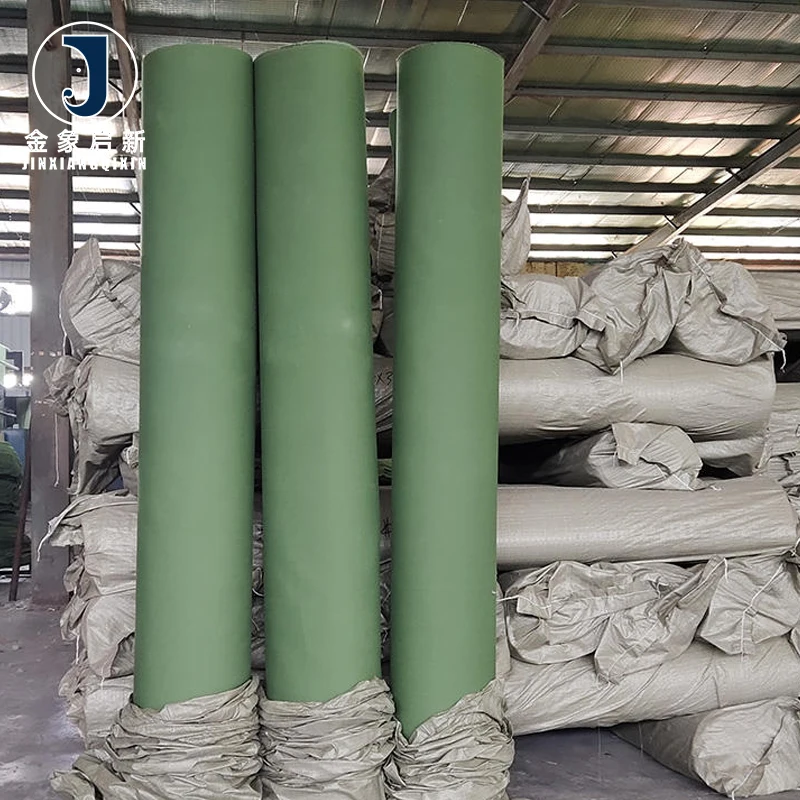
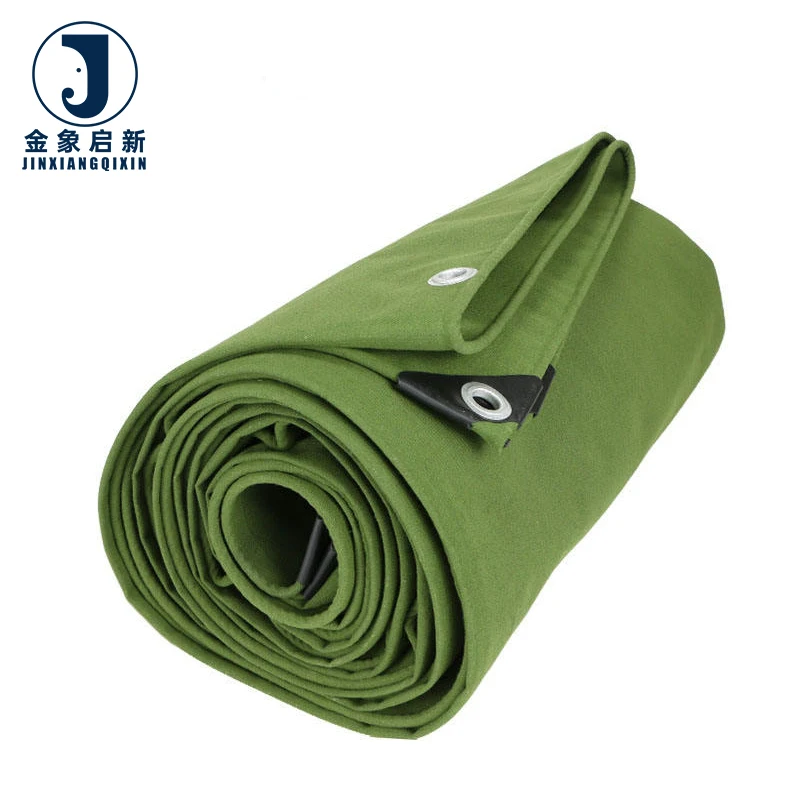
Heavy Duty Canvas Tarps 600gsm, 0.5-0.7mm Thickness, 2m Width — polyester cotton base with 8-12 strands fine cotton yarn, rust-proof aluminum eyelets every 1 meter.
- Welded and sewn seams with poly rope reinforcement resist failure at high-flex load points where generic tarps tear first
- Custom sizing to match specific truck models, trailer beds, or construction equipment footprints
Supported by 3 full production lines with 100% pre-shipment inspection and dedicated QA at every stage.
Description
Deep Process Control — nearly 30 years of coating experience applied to every roll of heavy duty canvas tarpaulin custom produced at our facility, ensuring verified GSM and consistent finish from first meter to last.
Technical Specifications
| Parameter | Value |
|---|---|
| Product Type | Canvas Tarps |
| Base Fabric | Polyester cotton industrial textile, 8–12 strands of fine cotton yarn |
| Weight | 600gsm |
| Thickness | 0.5mm / 0.6mm / 0.7mm (available in multiple grades) |
| Roll Width | 2m |
| Roll Length | 100m |
| Color | Army Green Camouflage / Custom |
| Coating | Silicone canvas treatment |
| Eyelets | Rust-proof aluminum, spaced every 1 meter at corners and hem |
| Edge Finish | Folded and sewn hems with poly rope reinforcement |
| Standards | CE, ISO |
Application Suitability
| Application | Exposure & Requirement |
|---|---|
| Truck and trailer load covering | Continuous road vibration, wind-induced flexing, UV exposure, abrasion at tie-down points |
| Construction site material protection | Rain, dust, mechanical impact from tools and equipment, ground contact abrasion |
| Tent and awning fabrication | Prolonged weathering, structural tension loads, repeated deployment and storage cycles |
| Open-air cargo and asphalt cover | Thermal exposure from hot asphalt, precipitation, wind uplift force on grommets |
| Industrial equipment shrouding | Chemical splash risk, particulate ingress, outdoor temperature cycling |
Why Canvas Weight Alone Cannot Predict Real-World Performance
A stated GSM figure without verified base fabric construction and coating adhesion tells buyers nothing about how the tarp will behave under load.
I have seen heavy duty canvas tarpaulin custom orders fail not because the fabric was too light, but because the woven base lacked sufficient strand density to resist tear propagation at the eyelet line. The polyester cotton base in this 600gsm canvas uses 8–12 strands of fine cotton yarn, creating a tighter weave that distributes tension across multiple fibers rather than concentrating stress on one. When a truck cover flexes in crosswind, every thread carries a fraction of the load — and that distribution is what separates a cover that lasts from one that splits at the first storm. [NEED_CITE: tensile and tear test methods for coated fabrics per ISO 1421]
How Silicone Treatment Changes Waterproofing Behavior
Unlike PVC or PE coatings that seal the fabric surface entirely, the silicone treatment on this canvas tarpaulin penetrates the yarn structure. This means water beads off the surface while the fabric retains a degree of breathability — a characteristic that matters when covering cargo sensitive to condensation buildup. Fleet operators covering temperature-sensitive loads benefit from this balance because trapped moisture under a fully sealed membrane can cause more damage than rain itself.
Reinforcement at the Points Where Tarps Actually Fail
The hem and eyelet zone is where most canvas covers start to deteriorate. This product places rust-proof aluminum eyelets every 1 meter along corners and the full hem perimeter, backed by folded and sewn hems reinforced with poly rope. The rope inside the hem distributes pull force across a wider fabric area, preventing the eyelet from tearing through the canvas under wind load or aggressive tie-down tension. For transport fleets, this means the cover survives repeated strapping cycles without edge damage.
Reading the Numbers Behind 600gsm Canvas Construction
The 600gsm weight results from the combined mass of the polyester cotton base fabric and the silicone treatment. GSM alone is a weight measurement, not a strength rating — two canvases at identical GSM can perform very differently depending on base yarn count and weave tightness. The 8–12 strand fine cotton yarn specification here creates a denser textile foundation, improving both tear initiation resistance and coating adhesion. Thickness options of 0.5mm, 0.6mm, and 0.7mm correspond to different levels of silicone loading and base fabric density, giving buyers a way to match material substance to the specific mechanical demand of their application. The 2m roll width is a standard that balances container loading efficiency with manageable panel sizes for fabrication into truck covers and tent panels. [NEED_CITE: relationship between base fabric denier and coated textile tensile performance]
The Cost of Specifying Canvas Without Verifying Construction
When a buyer orders canvas tarps based on price per square meter without confirming the base yarn composition or actual delivered GSM, the failure pattern is predictable. The cover arrives, looks acceptable, and is installed. Within the first season, the eyelets begin pulling through because the fabric density is lower than the weight suggested. Hems start fraying because the poly rope reinforcement was omitted or substituted with twine. These failures do not appear in the supplier’s quotation — they appear on the truck, the job site, or the storage yard, where replacement costs and downtime multiply the original material savings many times over. [NEED_CITE: field failure patterns in coated industrial textiles related to specification gaps]
Why Procurement Teams Source This Canvas Through Our Facility
Deep coating process control built over nearly three decades means the silicone treatment weight on each roll is held within tight tolerance — not a production average that lets some rolls run light. Three full production lines and 36 sets of professional equipment provide the capacity to deliver consistent batch quality across large orders without extended lead times. A dedicated 10-person R&D team develops custom sizing, color, and branding samples within days, allowing buyers to verify fit and finish before committing to volume. Every roll passes 100% inspection at each production stage, with pre-shipment verification of GSM, color consistency, and eyelet placement against the agreed specification.
Documentation & Verification
- Material specification sheet confirming 600gsm, polyester cotton base composition, and silicone coating type
- Pre-shipment inspection record matching actual roll GSM and color against the quotation
- CE and ISO certificates included in the dispatch documentation package
- Roll packing list detailing individual roll weights, dimensions, and batch identification
- Certificate of origin provided for customs clearance in destination markets
Fabrication, Handling & Storage
- Sew hems with UV-resistant thread to match the 600gsm canvas weight and prevent stitch failure before fabric wear
- Space rust-proof aluminum eyelets at maximum 1-meter intervals to align with the poly rope reinforced hem zones
- Store rolls horizontally on pallets to prevent permanent creasing in the 0.5–0.7mm thick silicone-treated canvas
- Clean with mild detergent only; harsh solvents may degrade the silicone waterproof treatment over repeated washes
- Cut panels using sharp blades on flat surfaces to avoid fraying the 8–12 strand cotton yarn base fabric edges
Preparing Your Inquiry for Accurate Quotation
To receive a precise quotation, provide your application scenario — whether the canvas will cover truck loads, protect construction materials, or serve as tent fabric — along with the required dimensions or roll quantities. If custom color or branding is needed, specify the Pantone reference and print placement. Confirm whether you require finished panels with eyelets and reinforced hems, or roll stock for your own fabrication.
Frequently Asked Questions
Q: How is the 600gsm weight verified — do you provide a GSM test report with each order?
A: Yes. Each roll undergoes GSM verification during our 100% pre-shipment inspection. The actual weight measurement is recorded on the inspection report included with your dispatch, allowing you to cross-check the delivered material against the specification sheet and quotation figures before installation.
Q: Can the canvas tarpaulin be custom-cut to fit my specific truck or trailer model?
A: Our R&D team can develop custom-cut panels to your exact vehicle or equipment dimensions. We recommend providing model-specific measurements or CAD drawings. Samples are produced within days for fit confirmation before bulk production proceeds, ensuring the cover matches your trailer bed or cargo footprint precisely.
Q: What eyelet spacing and hem reinforcement options are available?
A: Standard configuration includes rust-proof aluminum eyelets every 1 meter at corners and along the hem, with poly rope sewn inside folded hems. For applications with higher tie-down loads or wind exposure, we can adjust spacing or increase rope diameter — specify your requirements during inquiry.
Q: How do you ensure color consistency across multiple rolls in one order?
A: All rolls within a single order are produced in the same batch run to minimize variation. The pre-shipment inspection includes a roll-to-roll color comparison under controlled lighting. The inspection record documents the result and accompanies your shipment for verification upon receipt.
Q: What documentation accompanies each shipment?
A: Every dispatch includes a material specification sheet, pre-shipment inspection record, roll packing list, certificate of origin, and CE/ISO certificates. Additional documentation for customs or market compliance can be arranged — specify any special requirements when placing your order.
Related products
-
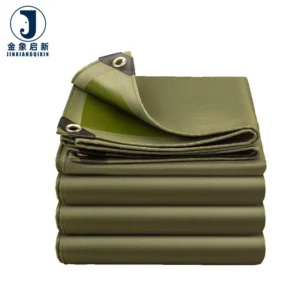
Thick 0.9mm PVC Laminated Woven Plain Canvas Tarpaulin Truck Canopy Waterproof Outdoor Awning Shading Sail Pet House Accessories
¥20.00 Add to cart -
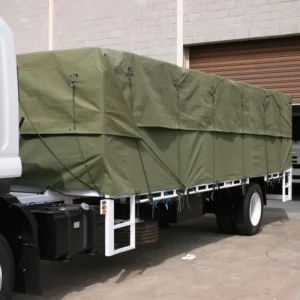
Custom PVC Coated Tarpaulin for Truck Cover – Full Range
Read more -
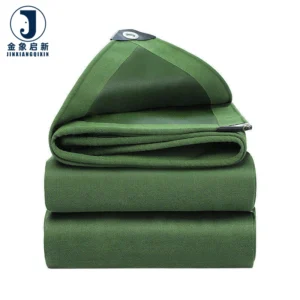
Heavy Duty Waterproof PVC Laminated Woven Plain Asphalt Anti-Mildew Very Heavyweight Truck Cover Canvas Tarpaulin Accessories
¥20.00 Add to cart -
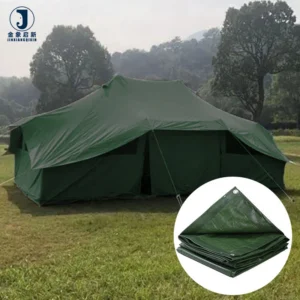
Custom Size Heavy Duty Organic Coated Blackout Tarpaulin Fabric Truck Covers Waterproof Roll Tarp for Commercial Protection
¥0.30 Select options This product has multiple variants. The options may be chosen on the product page