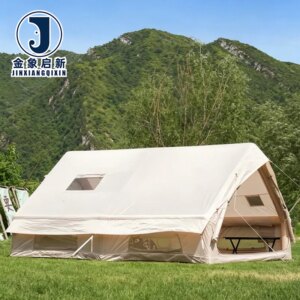
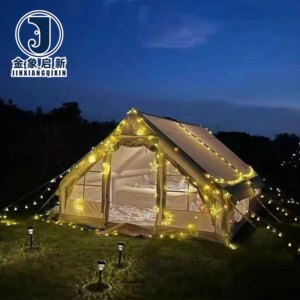
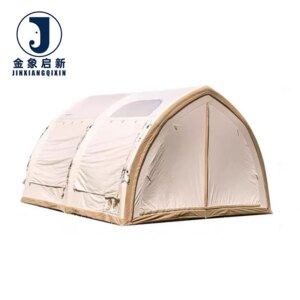
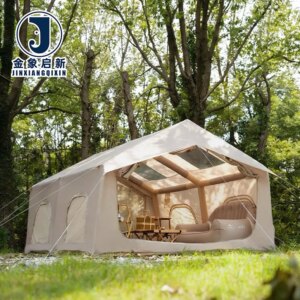
Automatic Inflatable Tent 3-5 Person, Waterproof PVC, UV Protection — engineered for rapid commercial deployment with tear-resistant construction.
- Automatic inflatable design cuts setup time for construction shelters and outdoor event workspaces
- UV-treated PVC fabric maintains integrity under prolonged sun exposure while custom pattern printing supports project branding
Backed by 100% pre-shipment inspection and samples developed within days for custom requirements.
Description
Deep Coating Process Control — Nearly 30 years of PVC formulation experience ensures consistent coating adhesion and uniform weight distribution across every roll of inflatable tent fabric we produce.
Technical Specifications
| Parameter | Value |
|---|---|
| Product Type | Inflatable Tent Fabric |
| Core Material | Waterproof PVC Coated Fabric |
| Key Performance | Waterproof, Tear-Resistant, UV Protection (test basis not stated) |
| Product Forms | Automatic Inflatable 3-5 Person Camping Tent |
| Customization Service | OEM & ODM (sample customization, pattern printing) |
| Certification Standards | ISO9001, ISO14001, ISO45001, CE |
Application Suitability
| Application | Exposure & Requirement |
|---|---|
| Commercial inflatable event shelters | Continuous UV exposure, frequent inflation cycles, high foot traffic abrasion |
| Construction site temporary enclosures | Wind loading, dust and debris impact, rapid deployment requirements |
| Mobile equipment storage covers | Moisture ingress prevention, ground contact wear, repeated folding stress |
| Outdoor camping and expedition tents | Variable weather conditions, tear resistance at seam stress points |
Why Coating Adhesion Matters More Than Stated Weight for Inflatable Structures
The structural integrity of an inflatable tent depends on how well the coating bonds to the base fabric, not just the total GSM figure on the specification sheet.
When fabricators source material for inflatable structures, they often focus on weight as the primary indicator of durability. A heavy-grade coated fabric that delaminates at the seam under internal pressure fails faster than a lighter fabric with superior adhesion. The repeated flexing during inflation and deflation cycles tests the bond strength between coating and substrate more aggressively than static loads [NEED_CITE: peel strength testing methods per ISO 2411 for coated fabrics]. Inflatable tent manufacturers need to verify that the PVC coating is applied through a controlled process that achieves consistent penetration into the base fabric weave, rather than accepting a weight specification without understanding the lamination method.
Sourcing PVC Fabric for Rapid-Deployment Commercial Shelters
Inflatable tent structures require fabric that withstands repeated stress cycles while maintaining airtight integrity. As a custom inflatable tent fabric supplier, we work with manufacturers who need material specifications matched to their inflation system pressures and expected deployment frequency. The base fabric denier and weave density determine how tear propagation behaves when the material is punctured or stressed beyond design limits.
Pattern Printing and Custom Branding Integration
Commercial operators specify inflatable tents for brand visibility at events and worksites. Pattern printing on PVC-coated fabric requires surface treatment that balances ink adhesion with weather resistance. Our R&D team develops samples with custom colour matching and logo placement, allowing buyers to approve print durability before committing to bulk production. Colour consistency across rolls is controlled through standardized formulation processes [NEED_CITE: colour fastness testing for coated textiles].
Understanding Base Fabric Architecture and Coating Weight Distribution
The tear resistance of inflatable tent fabric comes from the interplay between base yarn tenacity and coating penetration depth. A high-denier polyester base with open weave allows PVC to lock mechanically around individual yarns, creating composite strength greater than either component alone. Coating weight must be distributed evenly across both faces to prevent weak points where delamination initiates under flex fatigue. Glossy or matte surface finish affects how dirt accumulates and how effectively cleaning agents remove contaminants without degrading the topcoat layer. Waterproof performance depends on continuous coating coverage with no pinholes or thin spots that allow moisture migration during extended rain exposure.
The Hidden Cost of Specifying Generic Tarpaulin for Inflatable Applications
Using standard truck cover or general-purpose tarpaulin fabric for inflatable structures creates failure modes that only appear after deployment. Generic coated fabrics may lack the elongation characteristics needed to accommodate inflation pressure without permanent deformation. When seams are heat-welded on material not designed for inflatable duty, the weld zone becomes the failure point as internal pressure cycles stress the bond line [NEED_CITE: heat welding parameters for PVC coated fabrics]. Manufacturers who discover this incompatibility after production face rework costs and delivery delays that exceed any initial material savings.
Production Capability Matched to Custom Specification Requirements
Our three full production lines and 36 sets of processing equipment support batch sizes from sample quantities to container loads. The 10-person R&D team handles material selection consultations, developing fabric specifications matched to your inflation system design and target market compliance requirements. Every production run undergoes full-process quality inspection with dedicated QA and QC staff documenting coating weight, adhesion strength, and visual consistency before release. ISO9001, ISO14001, and ISO45001 certification provides the compliance framework that commercial buyers require for their procurement documentation.
Documentation & Verification
- Material specification sheet stating base fabric type, coating composition, and colour reference
- Test reports for UV protection treatment provided where applicable with stated test basis
- Batch-specific quality inspection record with coating weight verification per roll
- ISO9001, ISO14001, ISO45001, and CE certificates available for compliance review
- Pre-shipment inspection report with photographic evidence of roll condition
Fabrication, Handling & Storage
- Heat welding temperature and dwell time must match the PVC coating formulation for consistent seam strength
- Store rolls horizontally on pallets to prevent permanent creasing in the waterproof coating layer
- Allow material to acclimatize before fabrication to avoid dimensional instability during cutting
- Use compatible PVC-based repair adhesives for field maintenance on tear-resistant fabric
- Pattern printing requires surface preparation matching the specified finish type
Specifying Your Requirement
Provide your inflation system pressure range and expected deployment frequency so we can recommend base fabric weight and coating thickness appropriate to your application. Share your target market safety standards if flame retardant grades are required for building code compliance. Specify finished tent dimensions and whether you need roll stock or custom-cut panels with seam allowances included.
Frequently Asked Questions
Q: How is UV protection treatment verified and what test basis supports the claim?
A: UV protection treatment is available for inflatable tent fabric, and we provide test documentation upon request specifying the exposure duration and degradation measurement method used. Buyers should state their target market requirements so we can confirm whether our standard UV treatment meets the applicable performance threshold or whether enhanced formulation is needed for extended outdoor service life.
Q: What OEM/ODM customization options are available for inflatable tent fabric?
A: Customization covers material specification including base fabric weight and coating type, colour matching to your reference standard, pattern printing with your branding artwork, and finished product sizing. Our R&D team develops samples within days for custom inflatable tent requirements, allowing you to verify material performance and print quality before authorizing bulk production.
Q: How do you control colour consistency across rolls within the same order?
A: Colour formulation follows standardized procedures with batch records documenting pigment ratios and mixing parameters. Every production run undergoes visual inspection against the approved reference sample, with dedicated QA staff verifying consistency before rolls are released for shipment. Buyers can request batch-specific inspection records showing colour comparison results.
Q: What is the sample development lead time for custom inflatable tent specifications?
A: Sample development for custom specifications typically takes several working days from confirmation of your requirements. The R&D team prepares material samples matching your stated GSM, colour, and finish requirements, shipping them for your evaluation before bulk production scheduling begins. Complex customizations involving pattern printing may extend this timeline.
Q: What documentation accompanies each shipment for compliance and quality verification?
A: Each shipment includes a material specification sheet, pre-shipment inspection record with batch-specific test results, packing list with roll identification, and applicable ISO and CE certificates. Buyers requiring additional documentation for import clearance or project compliance should specify requirements during the inquiry stage so we prepare certificates of origin and customs support documents accordingly.
Related products
-
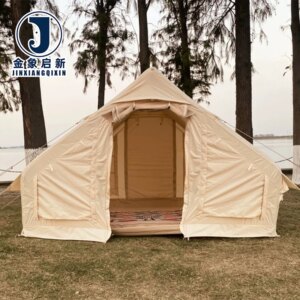
خيمة قابلة للنفخ لأربعة مواسم طبقة واحدة >3000 مم مقاومة للماء ومقاومة للرياح فتح تلقائي سريع قماش PVC صديق للبيئة
Read more -
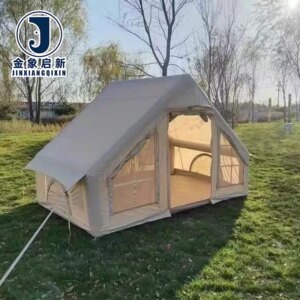
Outdoor Portable Camping Inflatable Tent Luxury All-Season Use Overnight Large Space Rainproof Insulated Quick Automatic Opening
Read more -
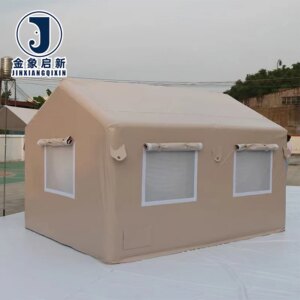
Inflatable Camping Tent PVC Waterproof Four-Season Outdoor Air Tent with Quick Automatic Opening for 3-4 Person
Read more -
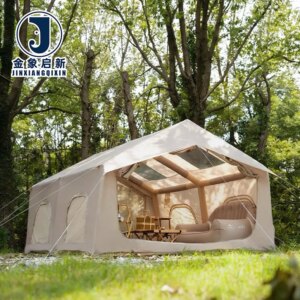
Inflatable Four-season Camping Tent-PVC Coated Waterproof Eco-Friendly Quick Inflation CE Certified ODM/OEM Accepted
Read more