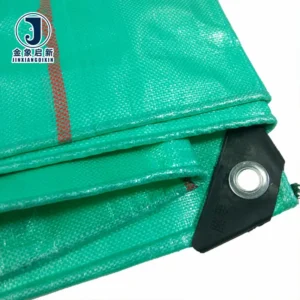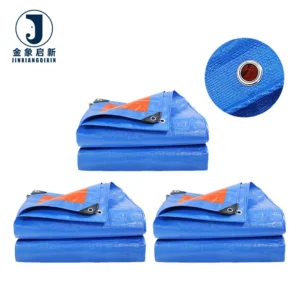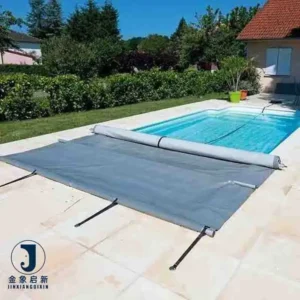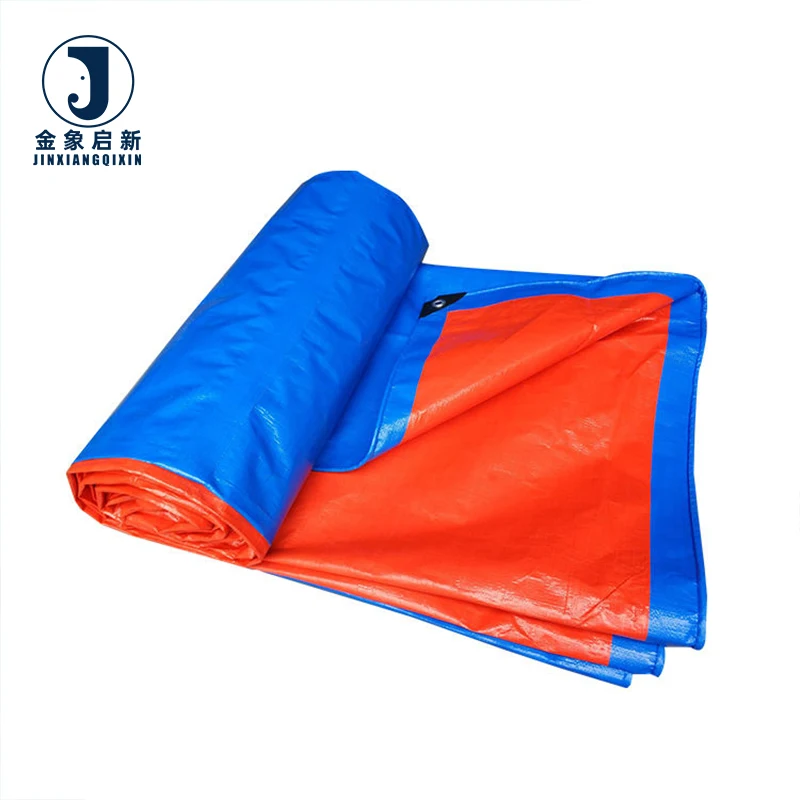
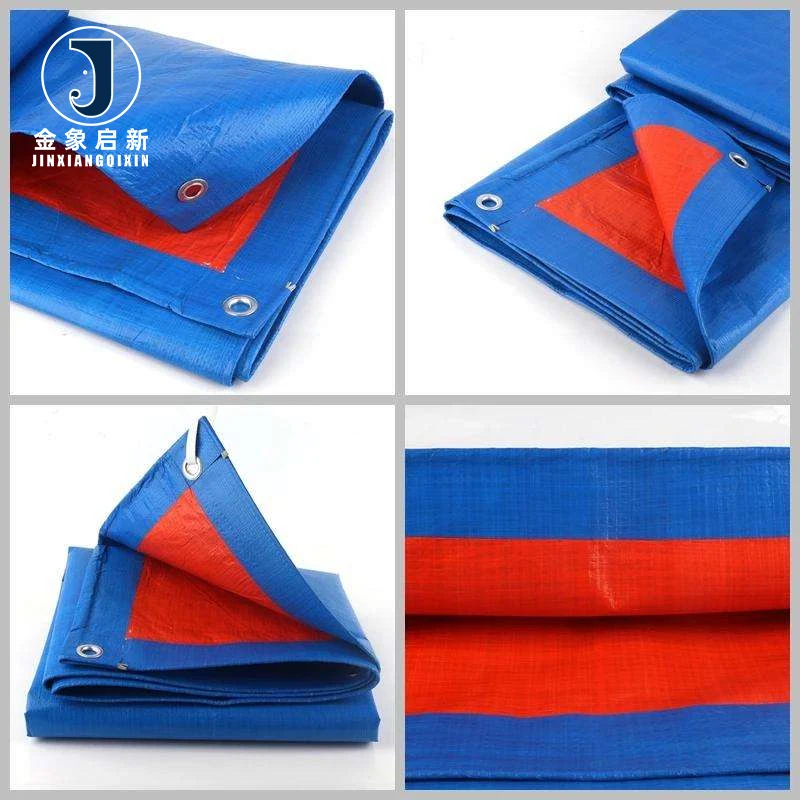
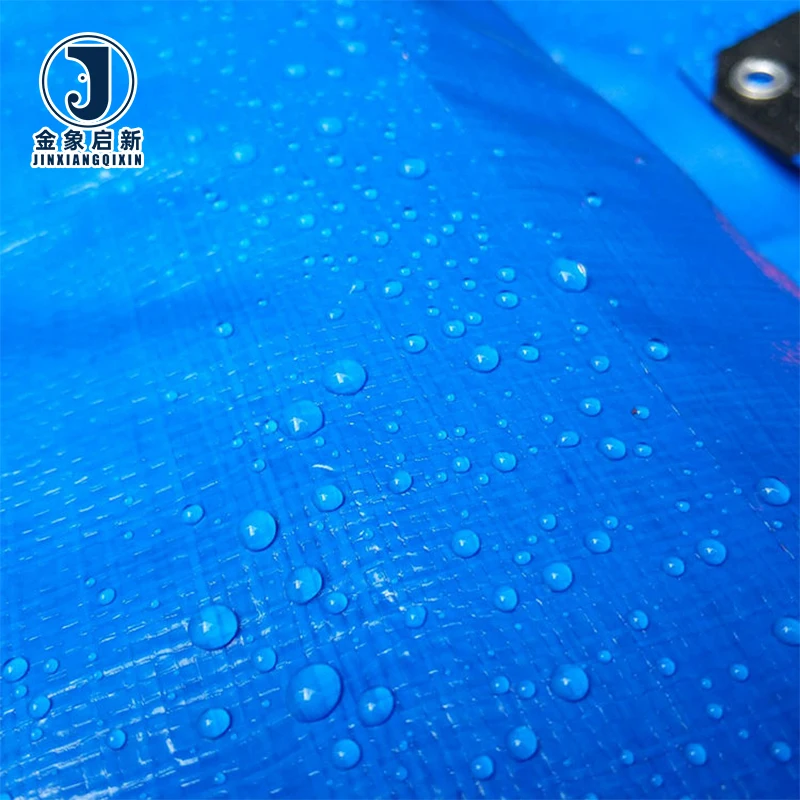
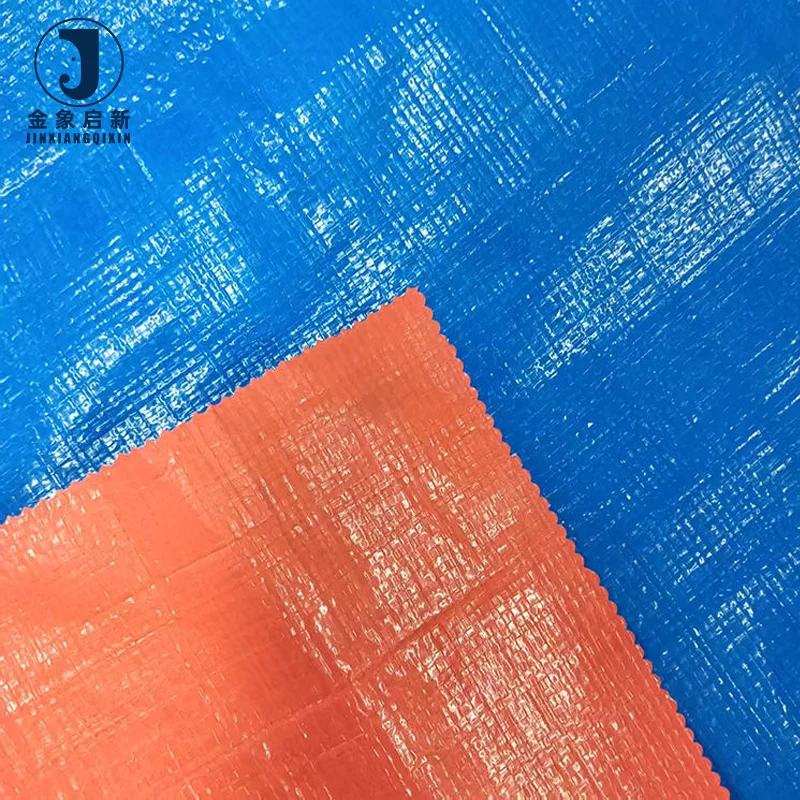
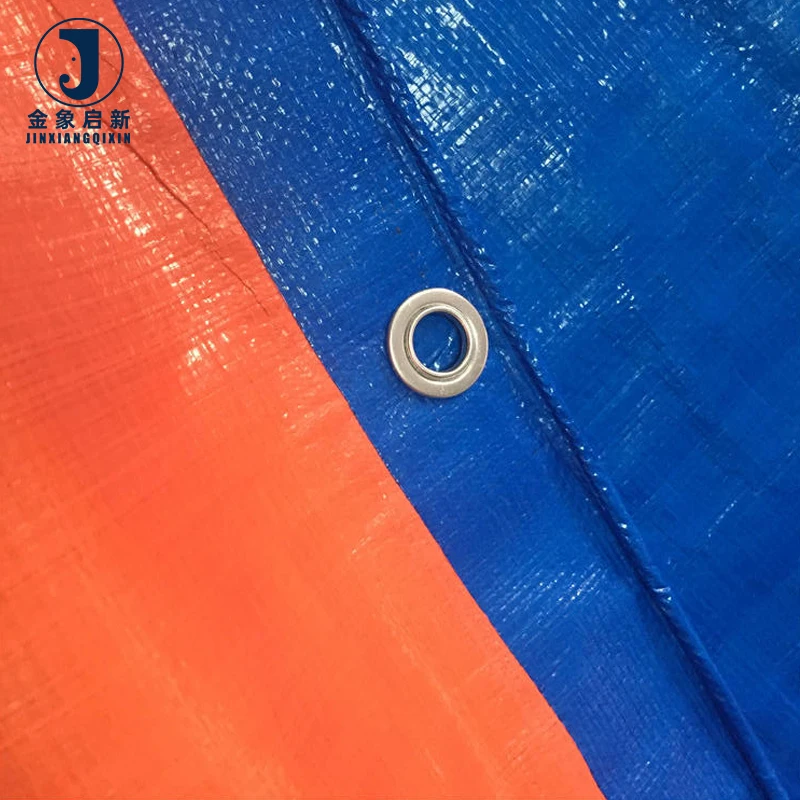
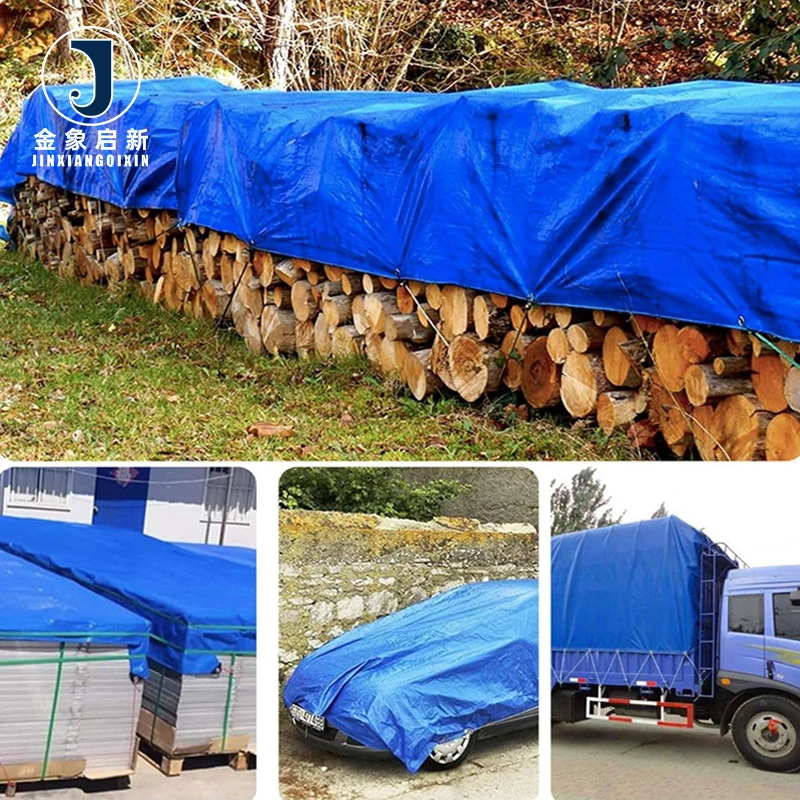
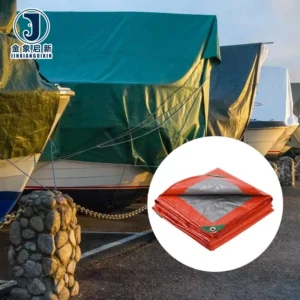
Tear-Resistant PE Coated Polyethylene Tarpaulin with HDPE woven base and dual-side LDPE coating, available in 6×6 to 16×16 mesh density.
- Custom sheet and roll sizes with rustproof aluminum eyelets at 1m or 1.5m spacing
- Reinforced PP rope hems and black plastic triangle corners for secure tie-down
- UV and fire-resistant treatment options with verified test documentation
- Full custom printing for logos, safety markings, and branding
One supplier covering your entire PE tarpaulin requirement — from stock sheets by the bale to fully fabricated covers with your company branding and specific reinforcement layout. Backed by nearly 30 years of coated fabric process control, 100% pre-shipment inspection, and samples developed within days for custom requirements.
Description
Deep Process Control — nearly three decades of coating weight and adhesion expertise applied to every PE tarpaulin roll and sheet we produce.
Technical Specifications
| Parameter | Value |
|---|---|
| Product Type | PE Tarpaulin |
| Base Fabric | HDPE woven fabric |
| Coating | LDPE coat on both sides |
| Mesh Density | 6×6 to 16×16 mesh (options available) |
| Weight Range | 50 g/m² to 300 g/m² (options available) |
| Sheet Sizes | 2×3, 3×4, 3×5, 4×5, 5×6, 6×8, 10×10, 10×12, 12×14 m or custom dimensions |
| Roll Length | 100 m per roll or as specified |
| Edge Construction | PP rope inserted in all hemmed edges |
| Corner Reinforcement | Black plastic triangle at each corner |
| Eyelet Type | Rustproof aluminum eyelets at 1 m or 1.5 m intervals |
| Color Options | Blue, Orange, White, Black, Grey, Yellow, Green, Red, or custom color |
| Printing | Logo or company information printing available |
| Special Treatment | Fire resistant / UV protection available as per the requirements (grade not stated) |
| Standards | ISO 9001 / CE |
Application Suitability
| Application | Exposure & Requirement |
|---|---|
| Construction site covers | Rain, wind-blown debris, daily handling, scaffolding abrasion |
| Truck bed and trailer load covers | Road vibration, tie-down strap tension, weather exposure during transit |
| Agricultural stockpile covers | Prolonged sun exposure, moisture ingress prevention, repeated draping over irregular shapes |
| Aquaculture pond liners | Continuous water immersion, soil chemistry contact, puncture risk from substrate |
| Equipment protection sheets | Dust ingress, outdoor UV exposure, occasional repositioning and folding |
| Tent and awning fabrication | Tensile load during frame erection, weather resistance, heat-sealed seam integrity |
Why Specified GSM Rarely Matches What Arrives on Site
A quoted weight means nothing without roll-by-roll verification before the tarpaulin leaves the factory.
I have watched fleet operators receive a batch of covers that felt noticeably lighter than the sample they approved months earlier. The gsm stated on the original quotation was never checked against production output, and by the time the covers were thrown over a load, the fabric was already underperforming against wind lift and strap tension. A PE tarpaulin aftermarket supplier that does not verify weight per roll before shipping is passing that risk directly to you. [NEED_CITE:]
Full Range From Light-Duty Stock Sheets to Heavy-Duty Custom Covers
Buyers surveying options need a single source that can supply standard bales for general-purpose covering and also develop custom-fabricated covers with specific reinforcement layouts. This PE tarpaulin aftermarket supplier covers that entire spectrum, from lightweight 50 g/m² sheets for temporary dust protection to heavy 300 g/m² covers for permanent outdoor installations, all produced on the same three lines with identical quality checkpoints at every stage.
Color, Print, and Branding Consistency Across Multi-Roll Orders
Batch-to-batch color variation is one of the most common complaints from buyers who install sheets side by side. Whether the application is a branded truck cover or a color-coded site safety system, a visible mismatch between rolls makes the entire order look defective. We hold color reference standards for every run and verify shade consistency before sheets leave the cutting table [NEED_CITE:].
How Mesh Density and Coating Weight Determine Real-World Performance
Mesh density and coating weight work together, not independently. A 6×6 weave with a heavy LDPE coat produces a sheet that relies mostly on the coating for waterproofing, while a 16×16 weave with the same coat weight gives substantially more tensile strength from the HDPE base fabric. When you select a weight from the 50 g/m² to 300 g/m² range, the mesh density chosen alongside it dictates how much load the fabric can carry before the weave distorts. The dual-side LDPE coating seals both faces, preventing water channeling through the weave intersections — a failure mode common in single-coated economy grades.
The Hidden Cost of Wrong Specification Choices
Specifying a mesh density that is too low for the intended load means the cover will stretch and deform under tie-down tension, concentrating stress at the eyelet rows. When eyelet spacing is set at 1.5 m on a light-duty cover that will face high wind, the distance between anchor points allows billowing that tears the hem. Fire resistant or UV protection treatments requested without confirming the applicable grade for your destination market can result in failed compliance inspections — the treatment is present, but it does not match the standard the local authority requires. [NEED_CITE:]
Production Capability Backed by Fabric Coating Expertise
Three full production lines and 36 sets of professional equipment give us the capacity to run large PE tarpaulin orders alongside smaller custom batches without scheduling conflicts. The 10-person R&D team develops cut patterns, reinforcement layouts, and print proofs before production begins, so the first roll or sheet you receive already matches your requirements. Dedicated QA/QC at every production stage means 100% inspection before shipment — not a sampling plan that lets defective rolls through. Custom samples are turned around within days, allowing you to approve material, color, and eyelet layout before committing to a full container load.
Documentation & Verification
- Material specification sheet confirming mesh density, coating type, and selected gsm grade
- Color reference card matched to production batch for shade consistency verification
- UV protection and fire resistant test documentation where treatments are specified
- Roll packing list with individual weight records for every roll or bale
- ISO 9001 and CE certificates supplied with each shipment
- Pre-shipment inspection record covering dimensions, eyelet count, and edge construction
Fabrication, Handling & Storage
- Heat-seal dual-side LDPE coating using compatible temperature settings to avoid base fabric distortion
- Position rustproof aluminum eyelets at specified 1 m or 1.5 m intervals to distribute tie-down load evenly
- Store 100 m rolls upright on pallets to prevent compression marks on the LDPE surface
- Allow sheets to reach ambient temperature before unfolding in cold conditions to prevent coating crack
- Clean with mild detergent only — solvent-based cleaners can degrade the LDPE coat finish
- Reinforce high-stress corners with the black plastic triangle inserts before final installation
What to Include in Your Inquiry
Provide the application type, exposure conditions, and the mesh density or weight range you need for your project. Confirm whether you require finished sheets with eyelets or roll stock for your own fabrication, and specify any fire resistant or UV protection grades your market mandates. Include color references, print artwork, and target quantities so we can prepare an accurate specification recommendation and sample.
Frequently Asked Questions
Q: What mesh density should I choose for truck load covers versus temporary site fencing?
A: For truck load covers that face constant tie-down tension and wind billowing, a higher mesh density such as 14×14 or 16×16 provides the tensile stability needed at the eyelet rows. Temporary site fencing with lower mechanical stress can use a lighter 6×6 or 8×8 mesh with the same coating weight, reducing cost while still providing waterproof coverage. We recommend a sample in your target weight before full production.
Q: Can the tarpaulin be produced with different colors on each side?
A: The dual-side LDPE coating process allows color variation between faces, but this requires a dedicated production run with separate coating batches for each side. Minimum quantities apply for two-color construction. Provide your color references for both sides and we will develop a sample showing the exact shade split before committing to the full order.
Q: How is color consistency maintained across a large multi-roll order?
A: Every production run is matched against a held color reference standard. Rolls from the same batch are inspected side by side for shade variation before packing. If your order spans multiple production batches, we retain the color standard from the first run and calibrate subsequent batches against it, keeping the tolerance within limits you approve at the sample stage.
Q: What reinforcement options exist beyond the standard corner triangles?
A: Beyond the black plastic triangle corner reinforcement and PP rope hem, we can add reinforced strips at high-stress zones, adjust eyelet spacing to match your specific tie-down pattern, and apply additional hem doubling at edges that take the most load. Each option is developed on a sample piece so you can test the reinforcement layout under real conditions before approving the full production run.
Q: Can I get a sample with my custom print and eyelet pattern before placing a full order?
A: Yes. Provide your print artwork, eyelet spacing requirements, and sheet dimensions, and our R&D team will produce a sample within days. The sample uses the same HDPE woven base, LDPE coating, and printing process as production, so you evaluate the actual material, print clarity, and reinforcement layout before committing to container quantities.
Related products
-
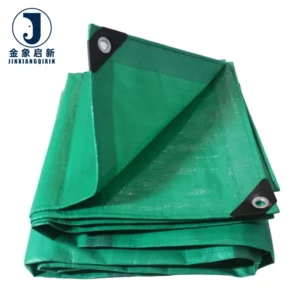
Waterproof Organic Blackout PE Coated Medium Duty All-Purpose Truck Tarpaulin for Outdoor Use Boys
¥6.81 Select options This product has multiple variants. The options may be chosen on the product page -
Wholesale Organic Breathable PVC Waterproof Oilcloth Blackout Fabric Sun Protection Tarpaulin Outdoor Awning Industrial Tent
¥0.89 Select options This product has multiple variants. The options may be chosen on the product page -
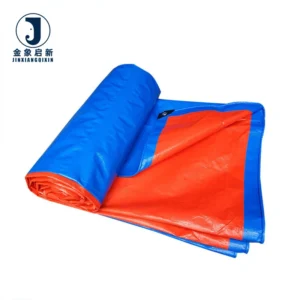
France Hot Sales Blue Color Polyethylene PE Tarpaulin Waterproof Sheet for Truck Canopy and Outdoor Awning
¥0.66 Select options This product has multiple variants. The options may be chosen on the product page -
PE Coated Blackout Tarpaulin Poly Tarp with UV Protection Standard Size Fabric Sheet for Agriculture & Industrial Use
¥0.35 Select options This product has multiple variants. The options may be chosen on the product page