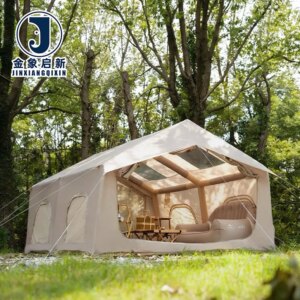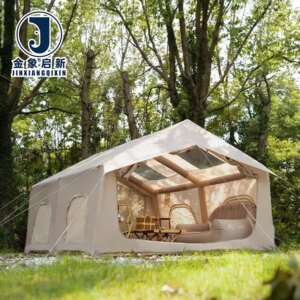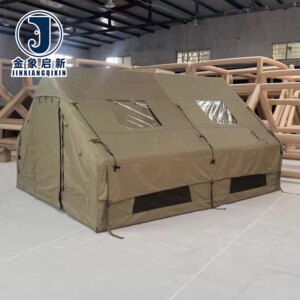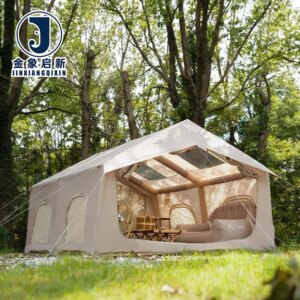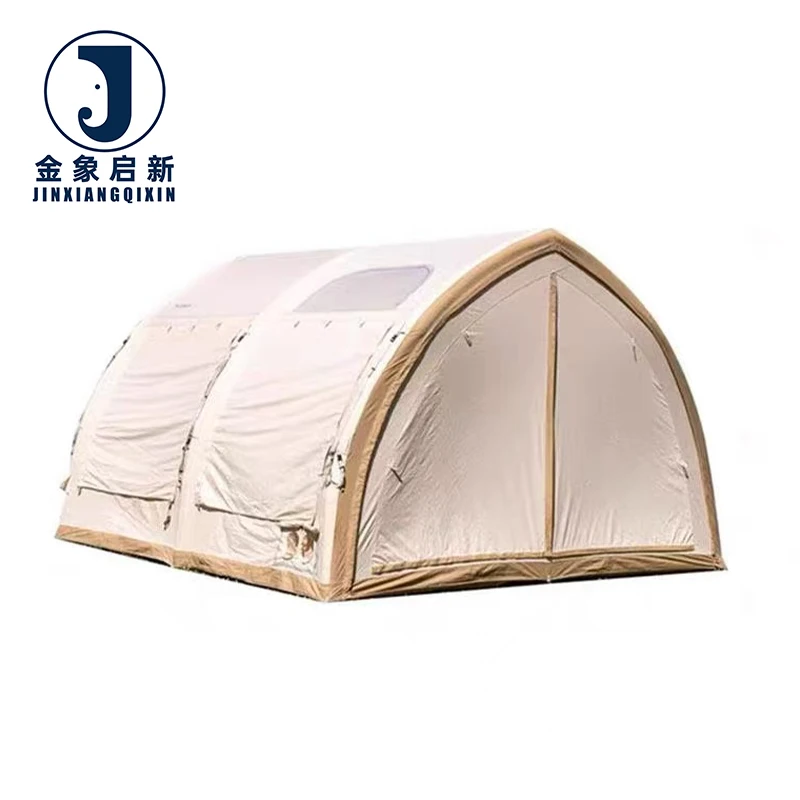
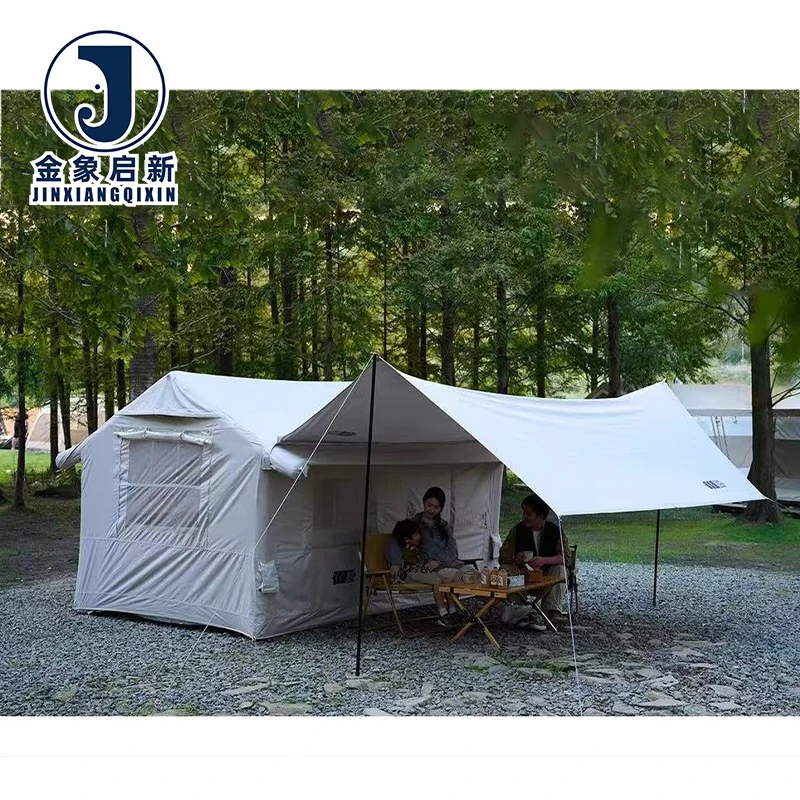
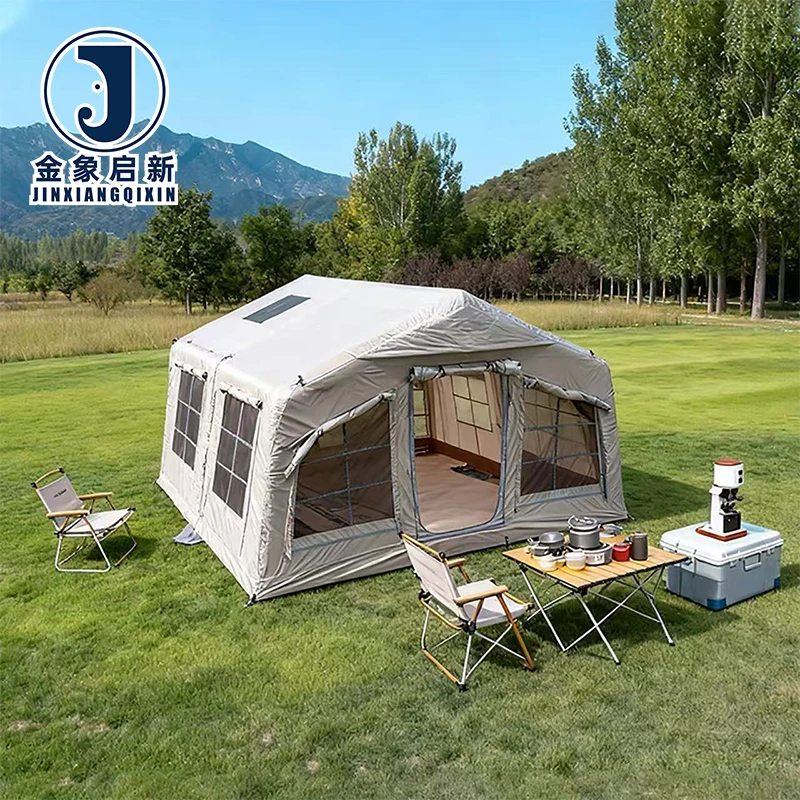
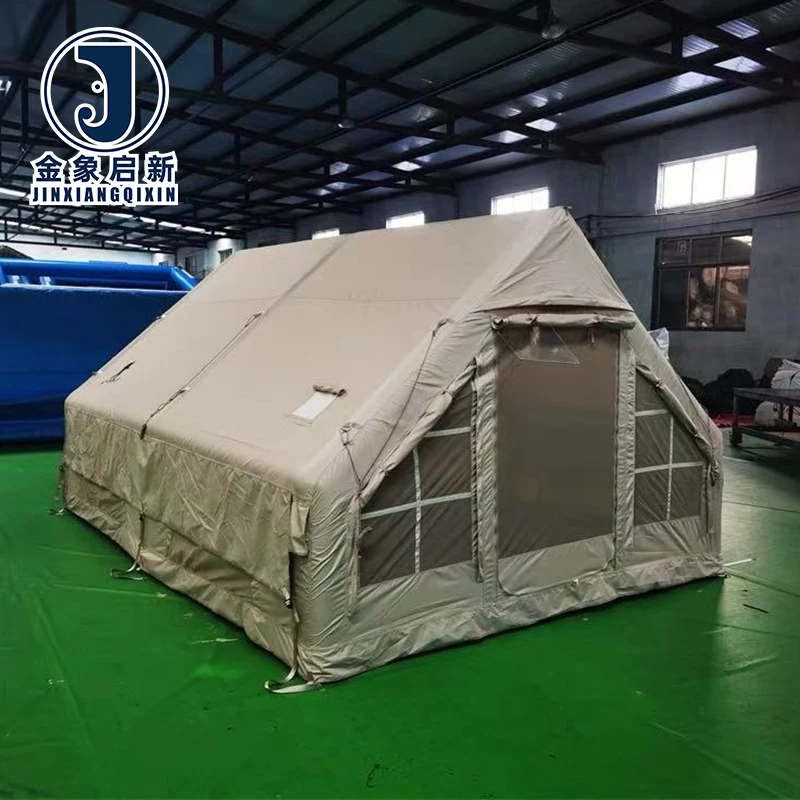
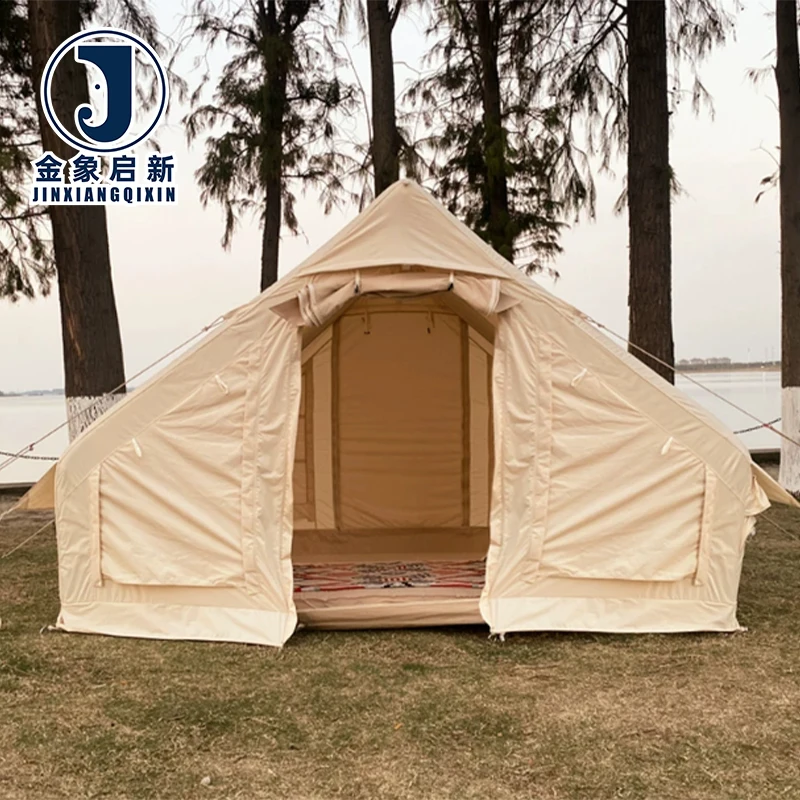
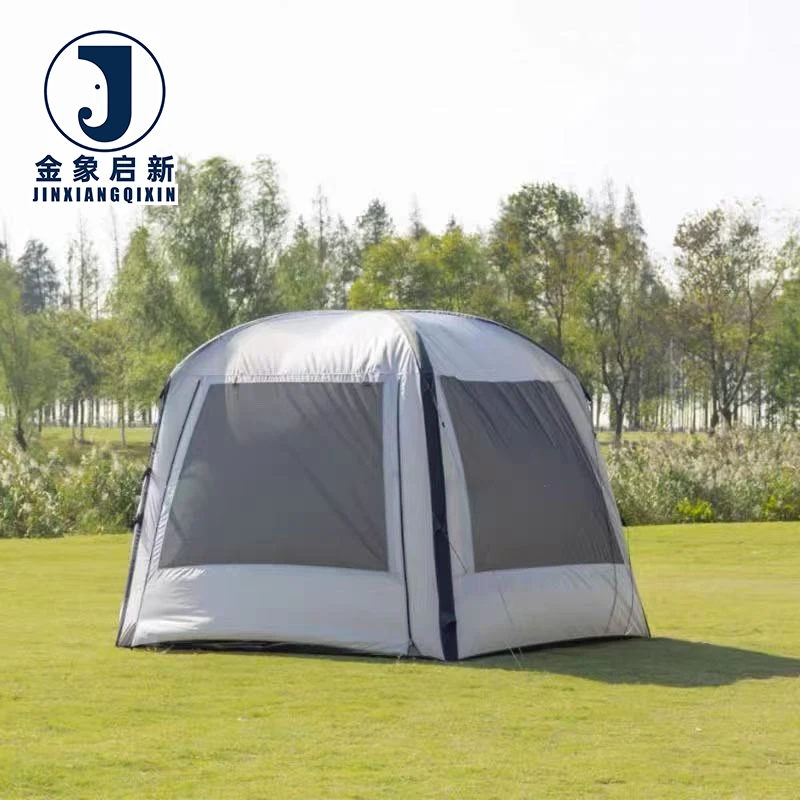
PVC Inflatable Tent with waterproof, UV-resistant and tear-resistant PVC tarpaulin construction — engineered for rapid automatic deployment across commercial and industrial outdoor sites. Coated fabric weight and adhesion are controlled at every production stage, ensuring consistent airtightness and seam integrity under wind load. Fire-retardant and anti-static options available for site safety compliance.
- Full custom sizing, colour and logo printing supported
- 100% pre-shipment inspection on every unit
Description
Precision Coating Control — Every roll of PVC coated fabric for our inflatable structures is produced on-site, ensuring consistent coating weight and adhesion across the entire production run.
Technical Specifications
| Parameter | Value |
|---|---|
| Product Type | Inflatable Tent |
| Core Material | PVC Tarpaulin |
| Product Form | Inflatable structure with automatic opening mechanism |
| Waterproof Performance | Fully waterproof coated construction |
| UV Resistance | Available with anti-UV treatment — confirm required UV rating for your market |
| Flame Retardant | Available in flame retardant grades — confirm the grade required for your market |
| Anti-Static | Available in anti-static grades — confirm the standard applicable to your site |
| Seasonal Rating | Four-season use |
| Quality Inspection | 12 checkpoints with 24-hour pressure testing for airtightness |
| Certifications | ISO9001, ISO14001, ISO45001, CE |
| Customization | OEM & ODM, sample customization, pattern printing |
Application Suitability
| Application | Exposure & Requirement |
|---|---|
| Temporary site shelters for construction projects | Wind loading, UV exposure, frequent relocation, puncture risk from site debris |
| Mobile storage facilities for logistics operations | Continuous outdoor weather exposure, abrasion from loading and unloading, water ingress prevention |
| Auxiliary accommodation units for industrial camps | Extended human occupancy, thermal comfort, fire safety compliance in remote areas |
| Commercial event structures | Public access safety codes, visual branding requirements, rapid deployment and dismantling |
| Commercial emergency preparedness scenarios | Immediate deployment reliability, airtightness integrity under variable weather, structural stability |
Why "Waterproof" Claims Mean Nothing Without Airtightness Verification
A waterproof fabric does not guarantee a waterproof inflatable structure.
Sourcing inflatable tents frequently involves receiving units that hold air during the factory demo but develop slow leaks within the first week of field deployment. The seam welding process is where most airtightness failures originate, and without sustained pressure testing, these defects remain hidden until the buyer is on-site. A PVC inflatable tent manufacturer that skips batch-level airtightness verification is passing that risk directly to the end user [NEED_CITE: seam failure rates in heat-welded inflatable structures].
Coated Fabric Expertise Applied to Inflatable Engineering
The performance of any inflatable tent depends on the base fabric and coating system working as a unified structure. Our PVC tarpaulin is produced in-house, giving us direct control over the coating weight and adhesion at every stage. This matters because inflatable structures concentrate stress at curved sections and valve attachment points, where poor coating adhesion leads to delamination under repeated inflation cycles.
As a custom inflatable tent producer, we select base fabric denier and weave density matched to the structural demands of each unit. A larger commercial event tent requires a heavier base cloth to resist tearing under wind load, while a compact emergency shelter prioritizes lighter weight for transport. Our 10-person R&D team handles this material selection for each project.
Rapid Deployment Through Automatic Opening Mechanism
The automatic opening mechanism integrated into our inflatable structures eliminates the multi-step assembly that conventional frame tents demand. A single operator with an air blower can have the structure standing and functional in minutes, which is critical when shelters are needed for emergency response or when construction crews face sudden weather changes.
This deployment speed depends entirely on airtightness integrity. If the internal pressure drops, the structure sags and the mechanism fails. That is why every unit undergoes 24-hour pressure testing before leaving our facility — verifying that the structure holds its rated pressure continuously, not just during a brief factory check [NEED_CITE: pressure retention standards for commercial inflatable structures].
Understanding the Specifications That Govern Inflatable Performance
Base fabric denier and weave density determine how the material resists tearing when punctured by sharp objects on a job site. A higher denier yarn in the warp direction limits tear propagation, which is essential for inflatable walls that carry structural load from internal air pressure. Coating weight and the knife-coating process directly affect how well the fabric bonds at heat-welded seams, which is the primary failure point in inflatable construction.
Surface finish influences how easily the tent can be cleaned after extended outdoor use and how well printed branding adheres during the pattern printing process. Glossy finishes shed dirt and water more effectively, while matte finishes reduce glare for accommodation and event applications. Flame retardant and anti-static treatments are integrated into the coating compound during production, but the specific grade must match the regulatory requirements of the destination market — always confirm the required classification before production begins [NEED_CITE: flame retardant classification standards for temporary structures by market].
The Hidden Cost of Skipping Airtightness Testing
An inflatable tent that passes a five-minute factory pressure check but was never subjected to extended testing can develop seam leaks that are invisible during inspection. Once deployed, these leaks cause gradual deflation, forcing the blower to run continuously, increasing fuel or power consumption and wearing out the inflation equipment prematurely.
For industrial camps and construction sites, a deflating shelter is not merely an inconvenience — it exposes stored equipment to water damage and disrupts workforce accommodation schedules. The cost of replacing a failed unit mid-project, including transport to a remote site, far exceeds the production time required for proper 24-hour pressure verification [NEED_CITE: total cost of inflatable structure field failures in industrial settings].
Why Source Your Inflatable Tent Here
Direct control over PVC coating production means the fabric going into your inflatable tent is manufactured to the same specification every time, with no reliance on external fabric suppliers whose batches may vary.
Three full production lines and 36 sets of processing equipment provide the capacity to handle bulk orders for custom inflatable tent projects without extended lead times that delay your site mobilization.
A dedicated 10-person R&D team manages sample development, material selection, and pattern printing specifications, delivering custom samples within days rather than weeks.
Full-process quality inspection across 12 checkpoints, culminating in 24-hour pressure testing on every completed unit, ensures airtightness is verified — not assumed.
ISO9001, ISO14001, ISO45001, and CE certifications support compliance documentation required for export to regulated markets across North America, Europe, and Asia.
Documentation & Verification
- Material specification sheet stating PVC base fabric, coating type, and weight parameters for each order
- Test reports for UV resistance and flame retardant grades where applicable to your market regulations
- ISO9001, ISO14001, ISO45001, and CE certificates supplied with shipment documentation
- Pre-shipment inspection record with 24-hour pressure test data included per unit
- Batch-specific quality data retrievable for up to five years after delivery
Fabrication, Handling & Storage
- Heat-weld seams at temperatures matched to the specific PVC coating weight to prevent delamination at inflation stress points
- Store rolled inflatable units horizontally on pallets to avoid permanent creasing in the PVC tarpaulin coating
- Deploy inflation blowers with pressure regulators set to the tested rating to protect welded seams from over-pressurization
- Clean PVC surfaces with mild detergent only; solvent-based cleaners degrade the coating and compromise airtightness
- Repair minor punctures with compatible PVC patch kits using heat-activated adhesive matching the base coating chemistry
- Inspect valve attachment points and high-stress curved sections before each deployment for early signs of seam separation
Request a Quotation With Complete Project Details
To provide an accurate specification and lead time for your custom inflatable tent order, please share your intended application, deployment environment, and any regulatory requirements for fire safety or anti-static compliance in your target market.
Include the required dimensions, color specifications, and whether pattern printing or branding is needed on the structure. If you require finished units or prefer to receive roll stock for your own fabrication, specify this in your initial inquiry so we can align production planning accordingly.
Frequently Asked Questions
Q: What customization options are available for size, color, and branding on inflatable tents?
A: We offer full OEM and ODM customization including dimensions, color selection, and pattern printing. Our 10-person R&D team develops samples within seven working days for standard specifications and 10 to 14 days for fully customized designs. Confirm your branding requirements and target dimensions at inquiry stage for accurate sampling.
Q: How is airtightness verified before shipment and what testing protocol is used?
A: Every completed inflatable unit undergoes 24-hour continuous pressure testing at our facility as part of our 12-checkpoint quality inspection process. This extended test identifies slow seam leaks that shorter checks miss. Test data is recorded per unit and included in the pre-shipment inspection documentation provided with your order.
Q: What certifications does the inflatable tent fabric carry for export markets?
A: Our production facility holds ISO9001, ISO14001, ISO45001, and CE certifications. Flame retardant and anti-static treatments are available in various grades — specify the classification required by your destination market so we can supply the correct material with supporting test reports and compliance documentation.
Q: What is the sample development process and lead time for custom inflatable structures?
A: Submit your application requirements, dimensions, and material preferences. Our R&D team develops a sample within seven working days for standard specifications or 10 to 14 days for custom configurations. Once the sample is approved, standard production orders require approximately 45 days for completion and dispatch.
Q: How are material performance claims substantiated with test data?
A: We provide material specification sheets stating base fabric and coating parameters for every order. Test reports for UV resistance, waterproof rating, and flame retardant grades are supplied where applicable. Batch-specific inspection records are maintained and retrievable for up to five years after delivery for ongoing verification.
Related products
-
Premium Four-season PVC Inflatable Tents for Camping Easy-to-Use Spacious Portable Waterproof Outdoor Tent with Pump
Read more -
خيمة فعاليات قابلة للنفخ لجميع الفصول، خارجية مقاومة للماء من مادة PVC، فتح تلقائي سريع، تتسع لـ 6-8 أشخاص، مع شعار مخصص
Read more -
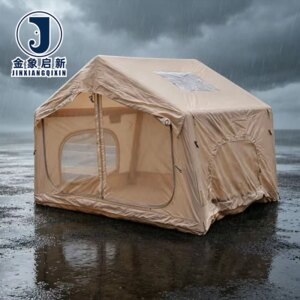
Inflatable Camping Tent Waterproof Outdoor Air Tent for Camping Inflatable Tent Shelter
Read more -
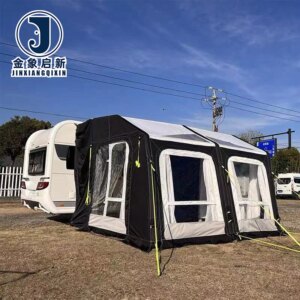
Outdoor Camping Inflatable Tent Luxury All-Season Use PVC Waterproof Quick Automatic Opening Rainproof Insulated
Read more