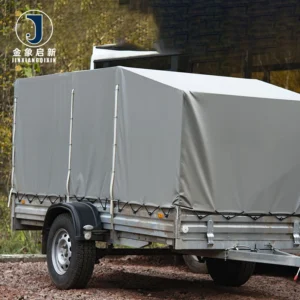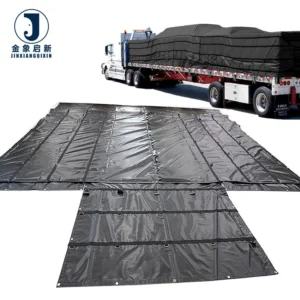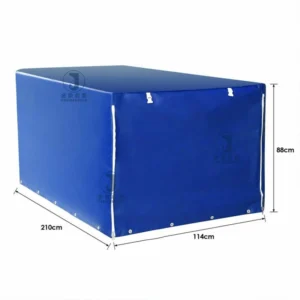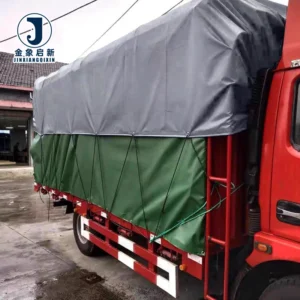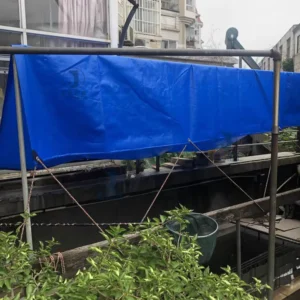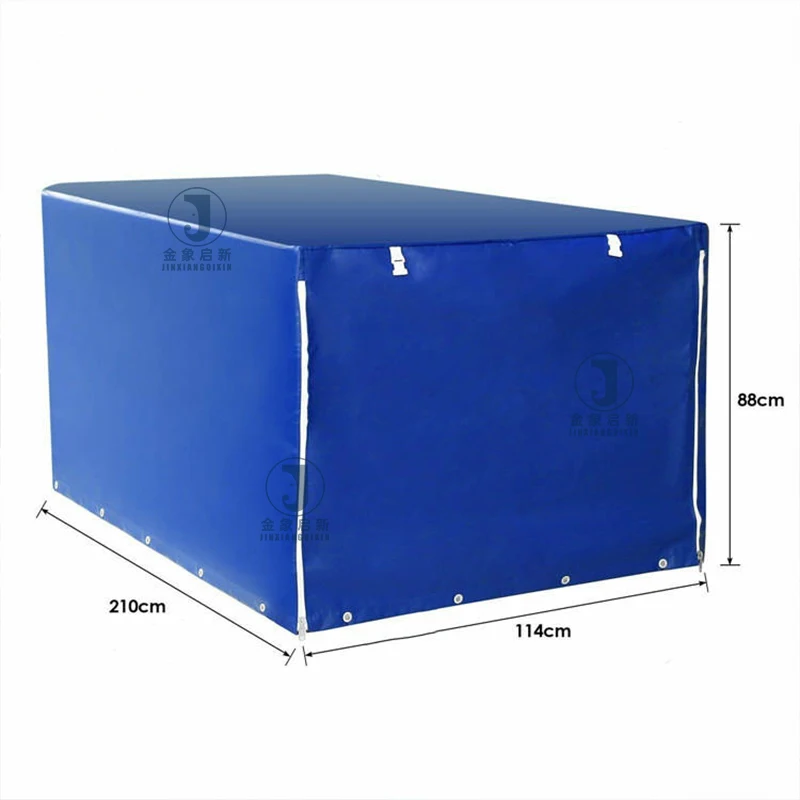
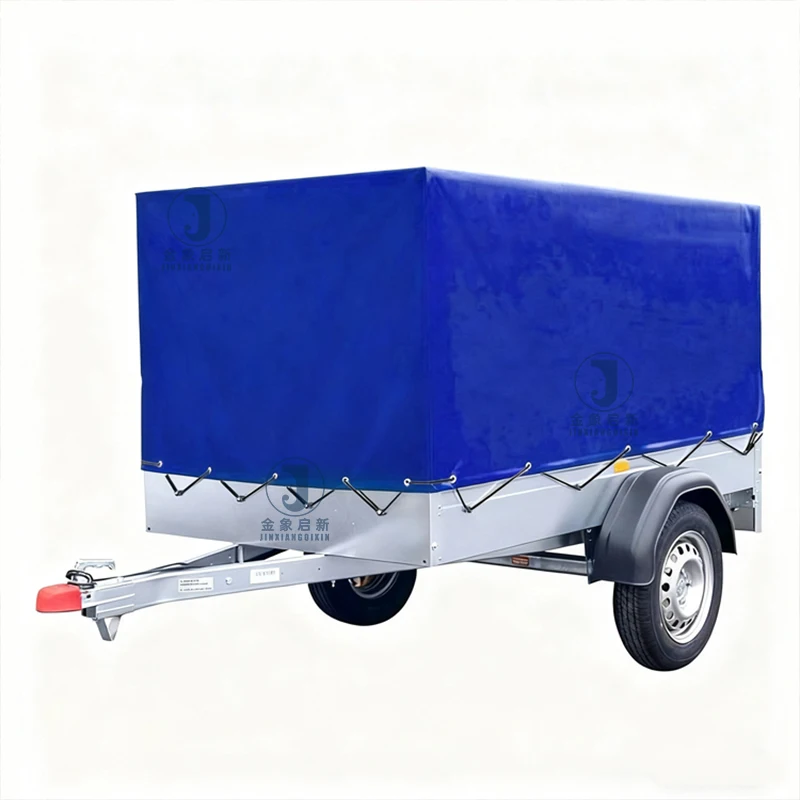
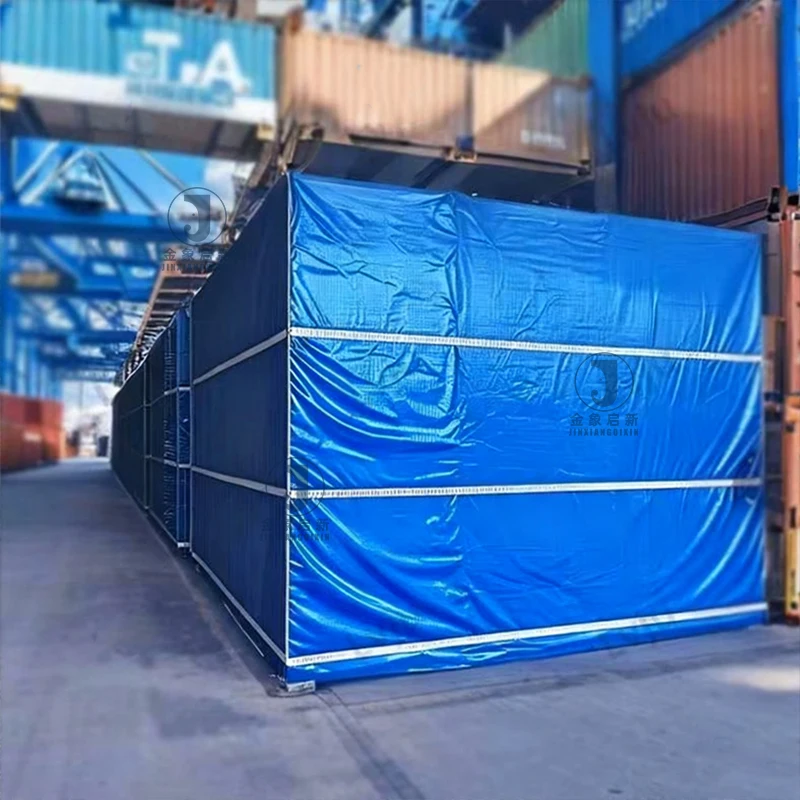
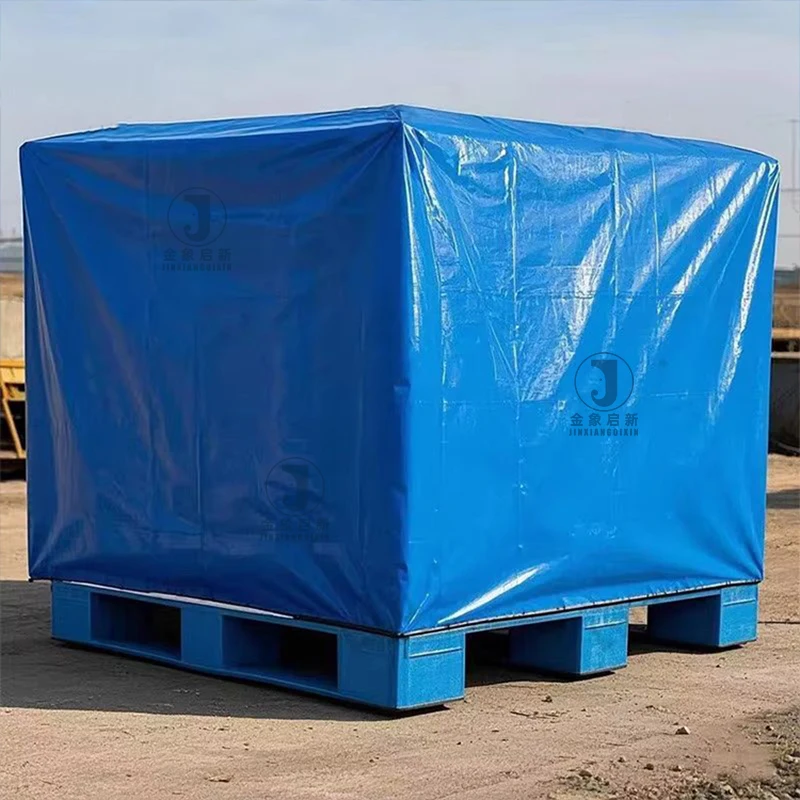
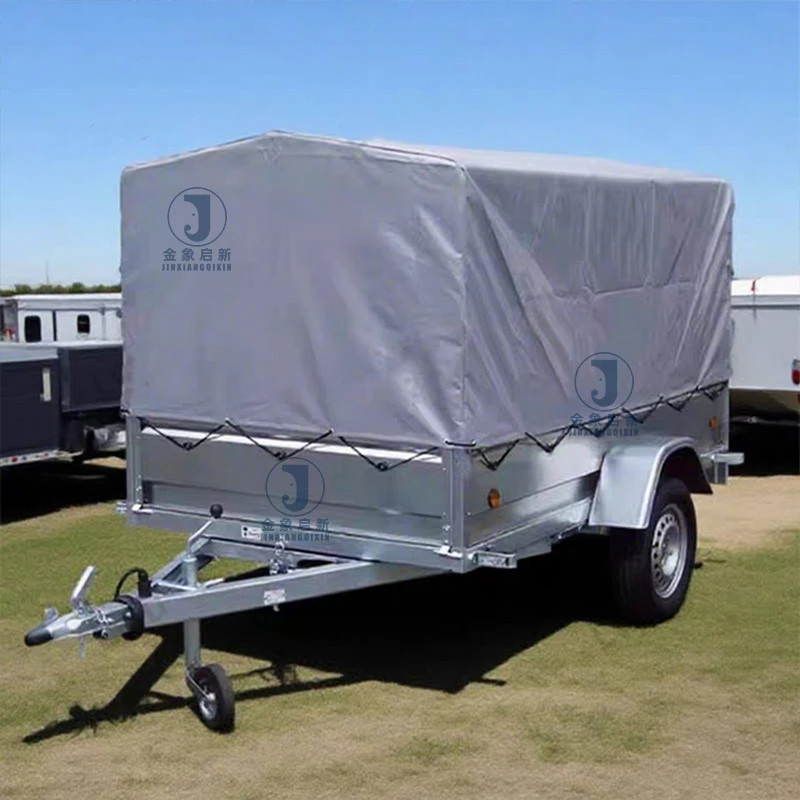
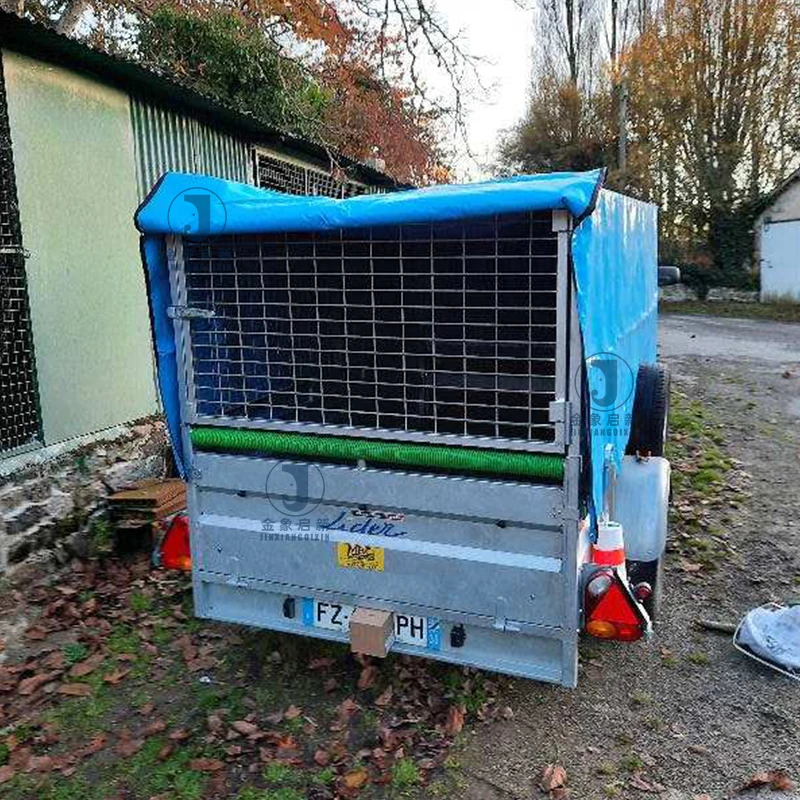
Waterproof PVC Coated Tarpaulin Trailer Cover, 350gsm to 750gsm, hot-melt coated on high-tenacity polyester mesh with UV and anti-static treatment for open trailer, truck and cargo ship protection.
- Double-sided PVC coating ensures consistent adhesion and weight across the full sheet
- Hot-welded hems flex under load without cracking at stress points
- Custom sizing, eyelet placement, colour and pattern printing handled in-house
- Backed by 10-person R&D team, 3 full production lines and 100% pre-shipment inspection
Description
Proven Coating Control — We maintain strict adhesion and weight consistency across PVC truck cover production runs, verified at every stage from base fabric through to hot-melt coating.
Technical Specifications
| Parameter | Value |
|---|---|
| Product Type | PVC Truck Cover |
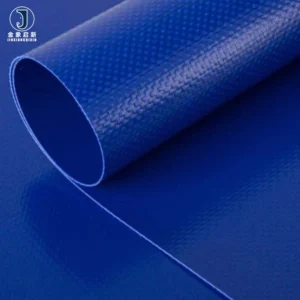
| Material | PVC + High-strength polyester mesh fabric |
| Coating Method | Laminated technology & Hot-melt Coating technology |
| Weight (GSM) | 350gsm / 420gsm / 500gsm / 550gsm / 600gsm / 750gsm |
| Total Thickness | 0.32mm / 0.35mm / 0.4mm / 0.45mm / 0.5mm / 0.65mm |
| Color | Blue / Red / Yellow / Light blue / Grey (Customized) |
| Key Features | Waterproof, Sunproof, Cold Crack Resistance, Anti-Mildew, Anti-Static treatment, Best color fastness |
| Trailer Cover Options | Hot welded hem at the bottom, Eyelets, zipper, velcro as option |
| UV Treatment | UV treated material (test basis not stated in source) |
| Service Life | 5-10 years under normal circumstances (source value — verify against manufacturer catalog) |
| Standards | ISO / CE |
Application Suitability
| Application | Exposure & Requirement |
|---|---|
| Open trailer loads on highway routes | High-speed wind flexing, road debris abrasion, continuous UV and rain exposure |
| Truck body side curtains | Constant folding and unfolding at hinges, friction against cargo edges, daily weather cycling |
| Construction equipment transport | Heavy machinery contact, puncture risk from sharp corners, dust and moisture ingress prevention |
| Cargo ship deck covers | Salt-laden air, prolonged water pooling, wind uplift forces at sea |
Why Generic Sizing Fails PVC Truck Cover Performance
Covers cut to standard dimensions that ignore your specific trailer profile create the exact conditions for premature failure.
Transport operators often order PVC coated tarpaulins based on nominal trailer lengths, only to find the material flaps excessively at speed or pulls tight across load protrusions. This misfit concentrates stress at the hems and eyelets — the points that already carry the highest mechanical load. When a PVC truck cover is not cut and welded to the actual vehicle geometry, abrasion accelerates at contact points, and cargo remains exposed to rain and dust ingress at the gaps [NEED_CITE: fleet tarpaulin failure root cause analysis per transport industry surveys]. The result is material that wears through in months rather than years, regardless of how heavy the GSM specification reads on paper.
Hot-Welded Hems at the Points That Matter Most
The bottom hem of a trailer cover bears the cumulative load of wind uplift, tie-down tension, and road vibration. Our PVC truck cover production uses hot welding at these stress zones rather than relying solely on stitching, which can create needle holes that propagate tears. Hot-melt coating technology ensures the weld bonds with the PVC layer itself, maintaining waterproof integrity at the seam. This approach addresses the failure pattern where stitched hems separate before the main fabric body shows wear.
Configuring Closures for Your Loading Workflow
Access requirements vary between fleet operators. Some need full side access via zipper runs for forklift loading, while others rely on velcro flaps for quick inspection hatches. The eyelet spacing, reinforcement patches, and closure type on each PVC coated trailer tarpaulin are configured to match how your drivers and loading crews actually interact with the cover. This prevents the situation where generic closure layouts force operators to cut access points post-installation, compromising the waterproof seal [NEED_CITE: ISO 1421 tensile and tear test methods for coated fabrics].
Reading the Specification Sheet Beyond GSM
A 600gsm PVC coated fabric derives its tear resistance from the interplay between base fabric denier, weave density, and coating adhesion — not from weight alone. The high-strength polyester mesh base provides the structural skeleton; the hot-melt coating locks the yarns in place and transfers load between them. Two fabrics at identical GSM can behave differently if one uses a finer denier yarn at higher density versus a heavier yarn at lower count. Laminated coating technology produces a distinct bond character compared to knife-over-roll methods, influencing how the material responds to heat welding at fabrication. Cold crack resistance and anti-mildew treatment further determine whether the PVC truck cover maintains flexibility and surface integrity through seasonal temperature swings and humid storage conditions.
The Hidden Cost of Skipping Pre-Shipment Verification
When material arrives lighter than the GSM stated on the quotation, the fleet operator absorbs the cost in two ways: the cover fails earlier under road conditions, and the replacement cycle disrupts scheduled maintenance windows. Colour variation between rolls in a single fleet order becomes visible once covers are installed side by side on adjacent trailers, undermining corporate branding standards. Welded seams that fail before the fabric body does indicate either insufficient heat input during fabrication or a coating formulation that does not bond consistently under thermal stress — a defect that only surfaces under real load flexing [NEED_CITE: coated fabric weld integrity testing standards]. These are not material defects in the traditional sense; they are specification-to-delivery gaps that pre-shipment inspection is designed to close.
Why Source Your PVC Trailer Covers Here
Our 10-person R&D team handles pattern layout and sample development for custom truck cover dimensions, turning around prototypes in days rather than weeks. Three full production lines with 36 sets of professional equipment support bulk orders with consistent on-time dispatch, critical for fleet operators managing replacement schedules. Dedicated QA/QC runs at every production stage — from base fabric inspection through coating weight verification to final weld testing — with 100% pre-shipment inspection before any PVC truck cover leaves the facility. We provide material specification sheets that state the exact GSM, base fabric construction, and coating method, giving buyers a document to cross-reference against what arrives on the dock. Custom width, colour matching, and hardware configuration are handled in-house, eliminating the coordination overhead of dealing with separate fabric suppliers and fabricators.
Documentation & Verification
- Material specification sheet stating exact GSM, base fabric denier, and coating weight per roll or finished cover
- UV treatment test documentation provided where applicable to the specific batch supplied
- Pre-shipment inspection record confirming dimensions, colour match, and weld seam integrity before dispatch
- Roll packing list with individual item weights for cross-check against quoted GSM values
- ISO and CE certificates available for compliance submissions in regulated transport markets
Fabrication, Handling & Storage
- Hot welding parameters must match the specific GSM grade to achieve full PVC layer fusion at hems
- Eyelet placement should align with reinforced hem zones to distribute tie-down loads across the polyester mesh base
- Store rolls horizontally on racking to prevent flat spots that complicate unfolding on-site
- Unfold cold-stored PVC truck cover material gradually to avoid crease cracking at low temperatures
- Clean with mild detergent only; solvents can degrade the PVC coating surface and compromise color fastness
What We Need to Quote Accurately
To provide a specification that matches your fleet requirements, share the trailer make and model or dimensioned drawings, the typical cargo type and loading method, and the climatic conditions your vehicles operate in. If your market requires specific fire classification or anti-static certification for tunnel or enclosed-route compliance, state the standard your authority references. Confirm whether you need finished covers with hardware installed or roll stock for your own fabrication line.
Frequently Asked Questions
Q: How do you confirm GSM on finished truck covers matches the quotation?
A: Every production run includes in-process coating weight checks and a 100% pre-shipment inspection. We supply a material specification sheet with the stated GSM and a packing list showing individual item weights. Buyers can cross-reference these documents against physical samples taken on arrival to verify the PVC truck cover material was not substituted with a lighter grade during production.
Q: Can covers be cut to fit specific trailer models instead of generic dimensions?
A: Yes. We work from vehicle dimensioned drawings or model references to cut and weld each PVC coated trailer tarpaulin to the actual trailer profile. This eliminates the excess material that causes wind flap at highway speeds and the tight spots that concentrate stress at hems and eyelets during loading and transit.
Q: What UV treatment documentation is available for the material supplied?
A: UV treated material is available across the PVC truck cover range. Test documentation supporting the UV treatment claim is provided where applicable to the specific batch. Buyers should state their market’s testing standard at inquiry stage so we can confirm whether the treatment and available test reports meet your compliance requirements before production begins.
Q: How is colour consistency maintained across multiple covers in one order?
A: Batch colour matching is controlled during the coating stage with reference samples checked against the approved standard. The pre-shipment inspection includes visual comparison across all rolls or finished covers in the order. This prevents the situation where PVC truck covers installed on adjacent trailers show visible colour variation once deployed in the fleet.
Q: What reinforcement and closure options suit high-wind transport routes?
A: Eyelet spacing, hem reinforcement patches, and closure types including zipper runs and velcro flaps are configured to your specification. Hot welded hems at stress zones prevent seam failure where wind uplift loads concentrate. We recommend sharing your route conditions and tie-down hardware details so the PVC trailer cover hardware layout matches actual field forces.