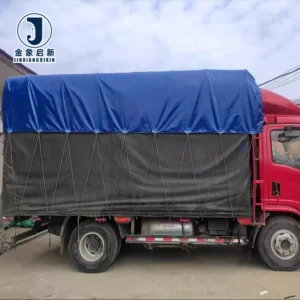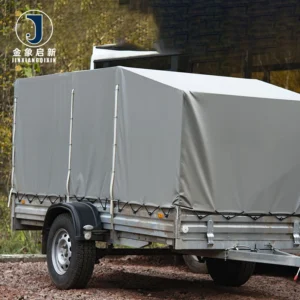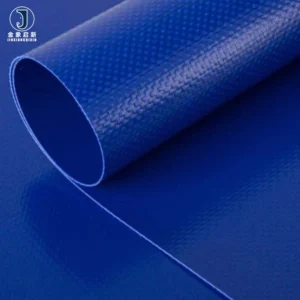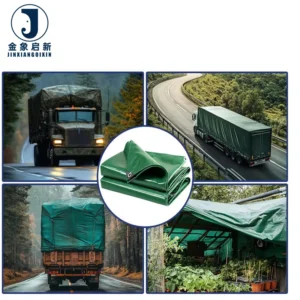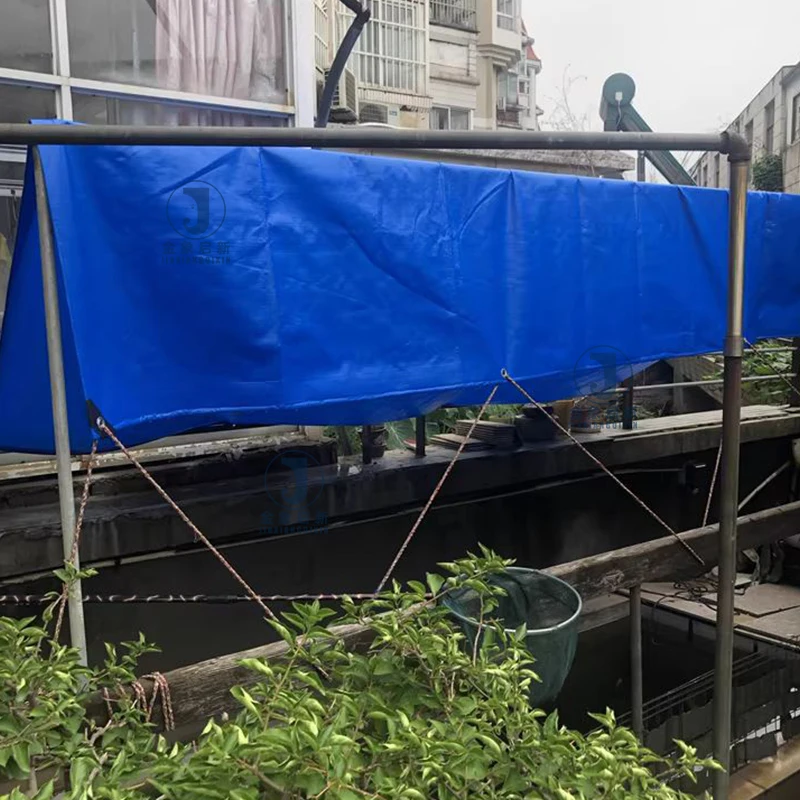
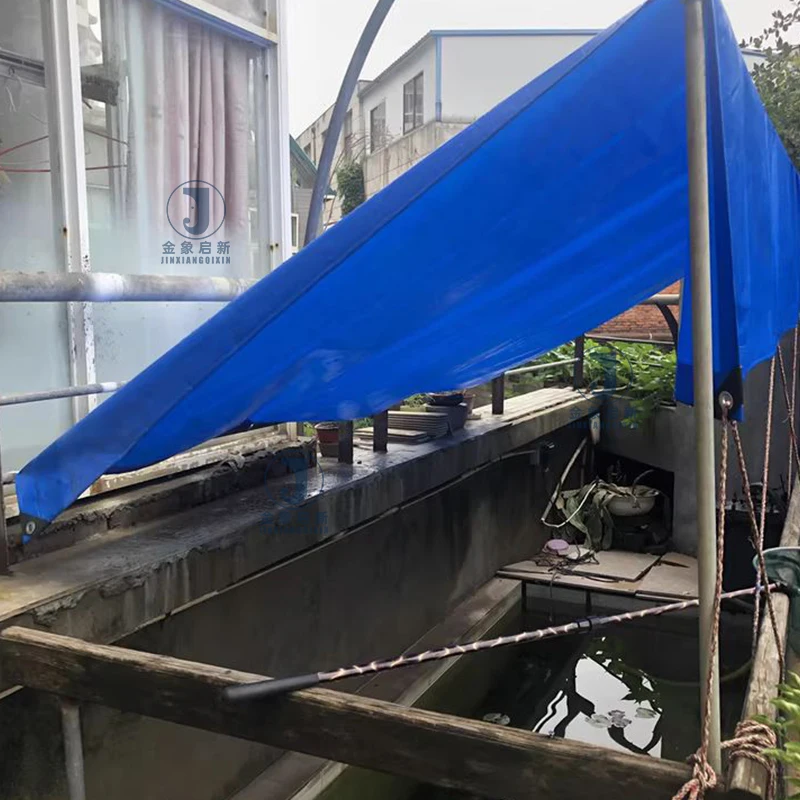
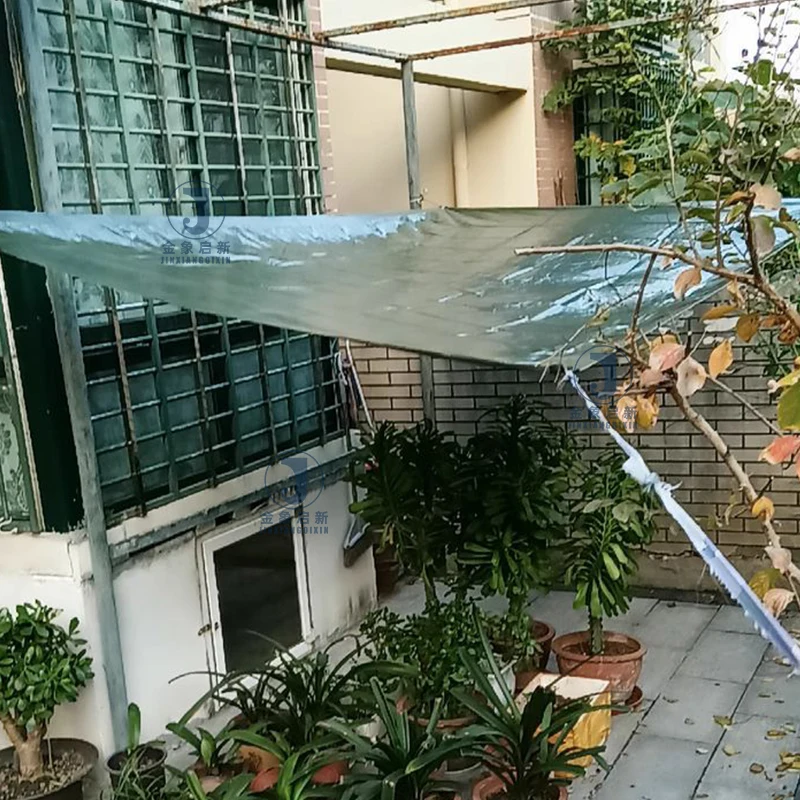
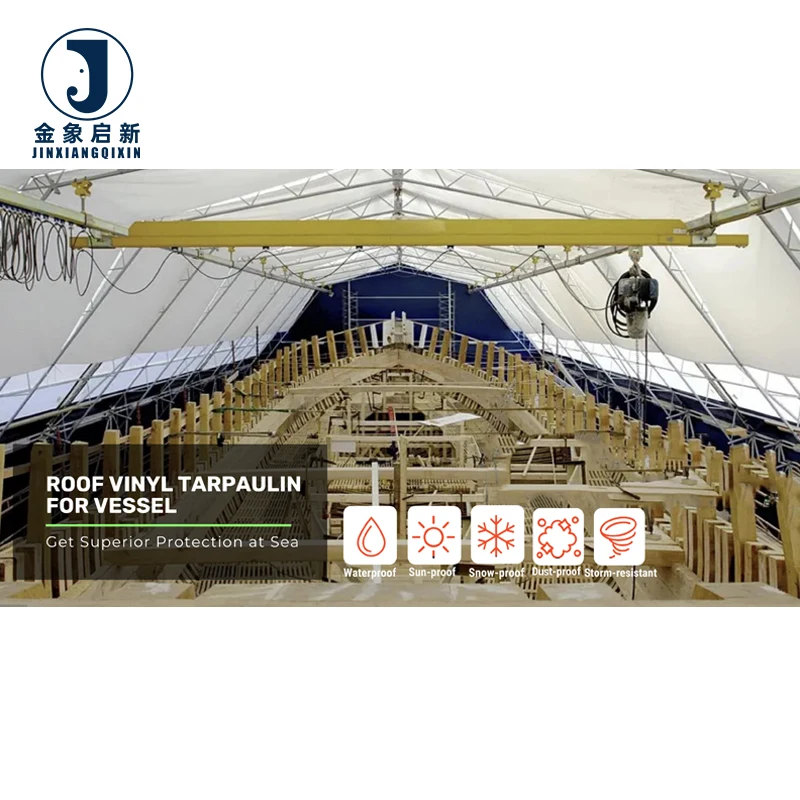
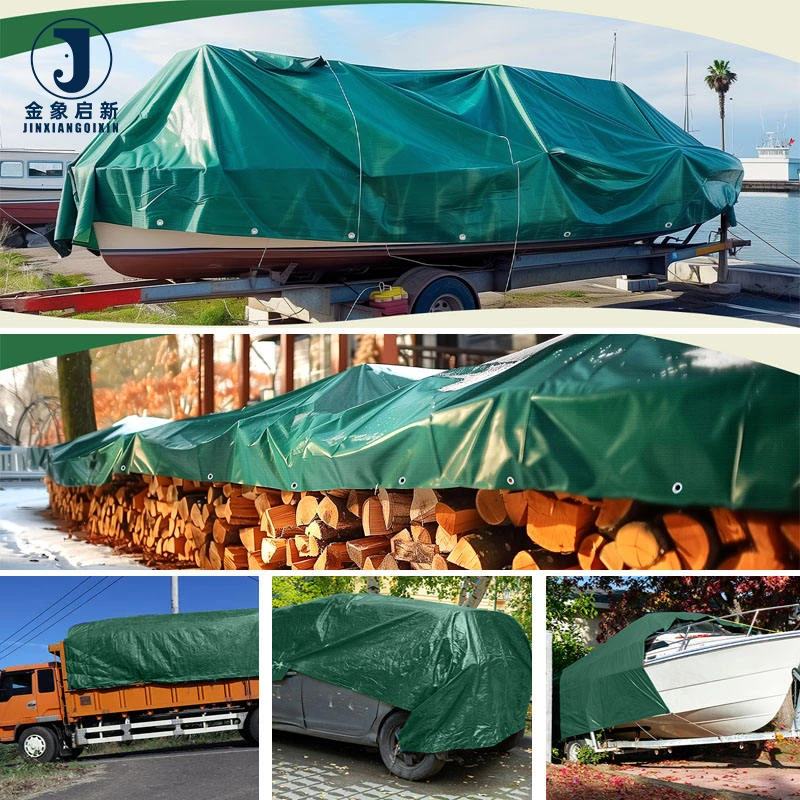
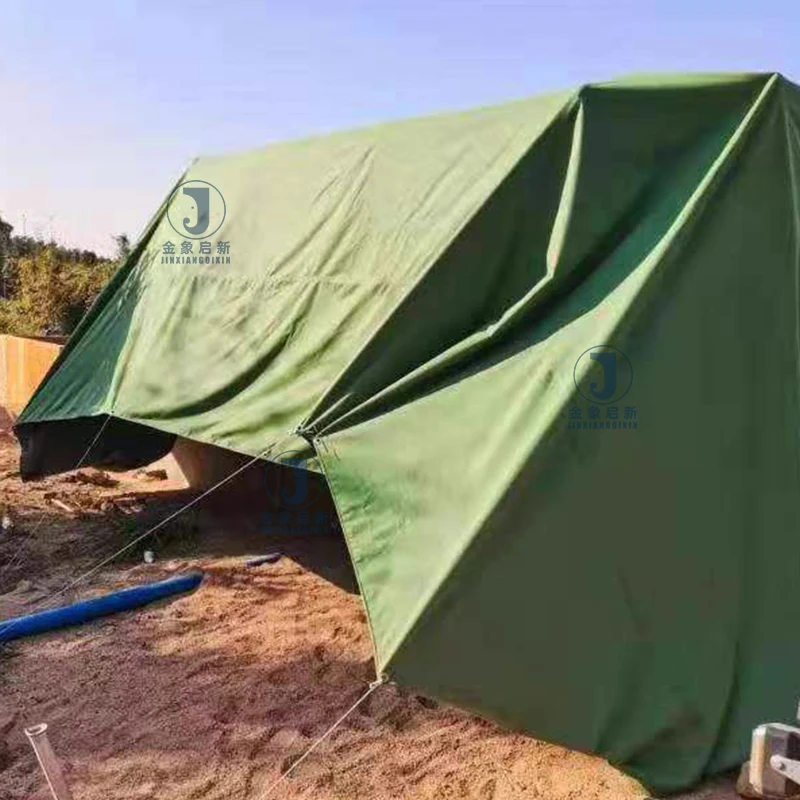
PE Tarpaulin 80-240 g/m², HDPE Woven with LDPE Lamination — available in 8×8, 10×10, and 12×12 knitting density with widths up to 6m.
- Full PE tarpaulin range from lightweight agricultural sunshades to heavy-duty transport covers, supplied in rolls or finished cut sizes with PP rope hems and galvanized eyelets every 3ft.
- Knitting density matched to GSM grade ensures tensile strength aligns with stated weight — HDPE base fabric delivers consistent waterproof and tear-resistant performance across the roll.
- Batch colour consistency verified roll-to-roll, with 100% pre-shipment inspection and full documentation including packing list and certificate of origin.
Description
Deep Process Control Over Coating — Every roll of PE Blackout Tarpaulin is verified against the stated GSM and mesh count on our inspection line before dispatch, ensuring what you order is what arrives on site.
Technical Specifications
| Parameter | Value |
|---|---|
| Product Type | PE Tarpaulin |
| Coating Material | HDPE weaving with LDPE lamination on both sides |
| Knitting Density | 8×8 / 10×10 / 12×12 |
| Total Thickness | 0.18-0.35mm |
| Roll Width | 2m, 4m, 6m or 6ft, 8ft, 10ft, 12ft |
| Roll Length | 100 yards, 100 meters, or custom |
| Color Options | Blue, Blue/Orange, Green, Grey, Black, Clear, Grey/Green, Orange, or custom |
| Surface Finish | Matte |
| Edge Reinforcement | PP rope in hem on all four edges |
| Eyelets | Galvanized, every 3ft or 1 meter interval |
| Corner Reinforcement | Reinforced plastic corners |
| Key Features | Waterproof, tear resistant, UV treated (grade available upon request), mildew proof |
Application Suitability
| Application | Exposure & Requirement |
|---|---|
| Agricultural & Poultry Sunshade | Continuous solar exposure, light-blocking requirement, humidity, mildew risk |
| Truck Tarpaulin (Medium-Duty) | Road abrasion, wind load, flexing at tie-down points, weather exposure |
| Warehouse & Site Coverage | Dust ingress, moisture, UV exposure, handling abrasion during deployment |
| Industrial Protective Covering | Equipment storage, puncture risk, long-term outdoor staging |
The Gap Between Quoted GSM and Arriving Fabric Weight
A specification sheet only matters when verified roll by roll before the container leaves the factory.
Many buyers specify a PE tarpaulin aftermarket supplier based on the stated grams per square metre, only to find the delivered rolls fall short when weighed on site. This discrepancy often traces back to inconsistent coating weight or a lighter base fabric substituted during production. When the actual weight is lower than quoted, tensile strength and tear resistance drop proportionally, leaving the cover vulnerable to failure at the very stress points — eyelets, hems, and tie-down zones — where the load concentrates. [NEED_CITE: tensile and tear test methods for coated fabrics per ISO 1421].
Selecting the Right Mesh Count and Laminate Structure
The base fabric construction determines how the PE blackout tarpaulin handles mechanical stress. An 8×8 knit provides adequate performance for static shading applications where the fabric remains tensioned without frequent handling. Moving to a 10×10 or 12×12 mesh count increases the yarn intersections per square inch, distributing point loads across a wider area and resisting tear propagation when the material is pulled at eyelet zones. The HDPE woven base with LDPE lamination on both sides locks the weave in place and provides a continuous waterproof barrier.
How Coating Weight and Matte Finish Serve Field Performance
The LDPE lamination process controls both the waterproof integrity and the surface character of the finished fabric. A matte finish reduces glare in agricultural and sunshade installations where reflective surfaces would disturb livestock or create unwanted light scatter. The lamination weight must be balanced against the base fabric density — over-coating a lightweight knit adds stiffness without adding meaningful strength, while under-coating a heavy-duty mesh leaves gaps in the waterproof barrier. Every PE Blackout Tarpaulin roll undergoes in-process quality checks to confirm the lamination has bonded uniformly across the full width. [NEED_CITE: peel strength testing methods for laminated fabrics].
Reading the Specification Sheet Beyond GSM
GSM alone does not predict how a tarpaulin will perform in service. The knitting density — whether 8×8, 10×10, or 12×12 — determines how the load transfers through the weave when a corner eyelet is under tension. A 12×12 mesh with balanced meridian and latitude yarns resists tear propagation far more effectively than a loosely woven base of identical weight. The LDPE lamination thickness, ranging from 0.18mm to 0.35mm total, governs puncture resistance and the fabric’s ability to bridge sharp edges on stacked cargo. For finished sheets, the PP rope reinforced hem distributes tie-down forces along the entire edge rather than concentrating them at a single grommet, and the galvanized eyelet spacing at 3ft or 1m intervals determines how many attachment points share the wind load.
What Happens When Grade Selection Is Left to Chance
Choosing the wrong knitting density or lamination weight for a given application creates a predictable failure sequence. A lightweight 8×8 grade deployed as a truck tarpaulin will abrade at contact points long before UV degradation becomes a factor, with the LDPE coating wearing through to expose the base weave. Colour variation between rolls in the same shipment becomes visible when multiple sheets are installed side by side as sunshade panels, forcing a partial rejection and re-order. Reinforced plastic corners that are not heat-sealed correctly will peel away under repeated tie-down cycles, leaving the hem exposed to fraying. [NEED_CITE: seam and weld failure analysis in coated fabric installations].
Why Procurement Teams Consolidate Their PE Tarpaulin Sourcing Here
The three full production lines support bulk roll output with consistent mesh count and lamination weight across the entire order, eliminating the batch-to-batch variation that disrupts installation planning. The in-house R&D team develops samples for custom widths, colours, and weights within days, allowing buyers to confirm the material before committing to a full container load. Dedicated QA/QC at every production stage means each roll is weighed and inspected against the agreed specification, with a pre-shipment inspection record generated before dispatch. The matte finish and blackout pattern options are maintained through controlled lamination parameters rather than post-coating surface treatments that degrade over time. Documentation packages include the material specification sheet, roll packing list, and certificate of origin to support customs clearance in destination markets.
Documentation & Verification
- Material specification sheet stating GSM, base fabric knit density, and LDPE coating type per roll
- Pre-shipment inspection record verifying weight and dimensions against the agreed grade
- UV treatment test report available for grades where the treatment is specified
- Roll packing list with individual roll weights and dimensions for container loading
- Certificate of origin and customs documentation for export shipments
Fabrication, Handling & Storage
- Weld temperature must match the LDPE lamination grade to prevent delamination at seam lines
- PP rope hem requires reinforced stitching at eyelet zones to distribute tie-down loads
- Store rolls on their cores in a dry environment to prevent compression creases on the LDPE surface
- Galvanized eyelets should be set through both lamination layers and the base weave simultaneously
- Cut sheets with reinforced plastic corners should be folded along the hem line to avoid corner stress
- Matte finish surfaces tolerate mild detergent cleaning without affecting the light-blocking performance
Specifying Your PE Tarpaulin Requirement
To match the correct knitting density, lamination weight, and finished format to your application, provide the intended use and exposure conditions — whether the fabric will serve as static sunshade, a transport cover subject to road abrasion, or a warehouse barrier. Specify whether you need rolls in standard widths or finished cut sizes with eyelets and reinforced hems, along with any colour or shade consistency requirements across the order volume. If your market requires UV treatment verification or specific fire-retardant grades, state the compliance standard so we can confirm availability and provide the corresponding test report with your shipment.
Frequently Asked Questions
Q: How is the GSM verified before my shipment leaves the factory?
A: Every roll is weighed on calibrated scales during the pre-shipment inspection and compared against the specification sheet agreed at order confirmation. The inspection record documenting actual weight, mesh count, and dimensions accompanies the shipment documentation, so you can verify the match upon arrival without relying solely on the quoted figure.
Q: Can I get consistent colour across all rolls in a large order?
A: Batch consistency is controlled by maintaining the same LDPE compound mix and pigment loading across the entire production run. We recommend ordering the full volume at once rather than splitting into multiple releases, and we provide roll-to-roll colour comparison records so you can confirm shade uniformity before the container is sealed.
Q: What UV treatment evidence comes with the fabric?
A: Where UV treatment is specified in your order, we supply a test report indicating the treatment grade applied during the lamination process. We recommend requesting this documentation at the quotation stage and confirming the specific test method so it aligns with your local regulatory or project specification requirements.
Q: Which eyelet spacing and hem reinforcement suit agricultural sunshade installations?
A: For static sunshade deployments where wind load is moderate, galvanized eyelets at 1-meter intervals with PP rope reinforced hems provide sufficient attachment points. Higher wind zones or larger span installations may benefit from closer eyelet spacing and additional intermediate fixings to prevent edge stress concentration.
Q: How quickly can you develop a sample in a custom colour or weight?
A: Sample development typically takes several days from specification confirmation, depending on whether the request involves a standard knitting density with a custom colour or a non-standard lamination weight. We ship the sample with its own specification sheet so you can evaluate weight, finish, and opacity before approving bulk production.
Related products
-
Custom PVC Truck Cover for Transport Fleets – Manufacturer
Read more -
Custom Made PVC Lumber Tarpaulin 24′ x 27′ with D-Rings
Read more -
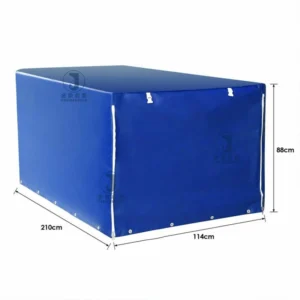
Waterproof PVC Coated Tarpaulin Double Sided Coating Environmentally Friendly Multifunctional Vehicle Open Trailer Cover
¥68.50 Select options This product has multiple variants. The options may be chosen on the product page -
PE-Coated Blackout Organic Chicken Farm Sunshade Anti-Aging Plain Style with Matte Surface Woven Pattern Awning for Agriculture
¥1.32 Select options This product has multiple variants. The options may be chosen on the product page