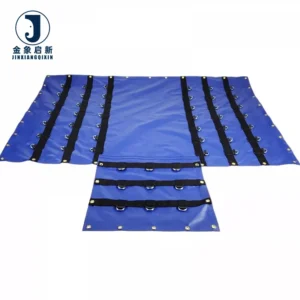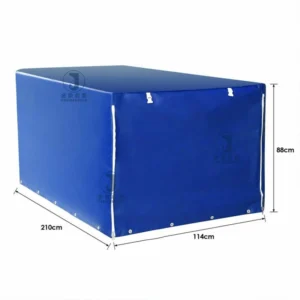
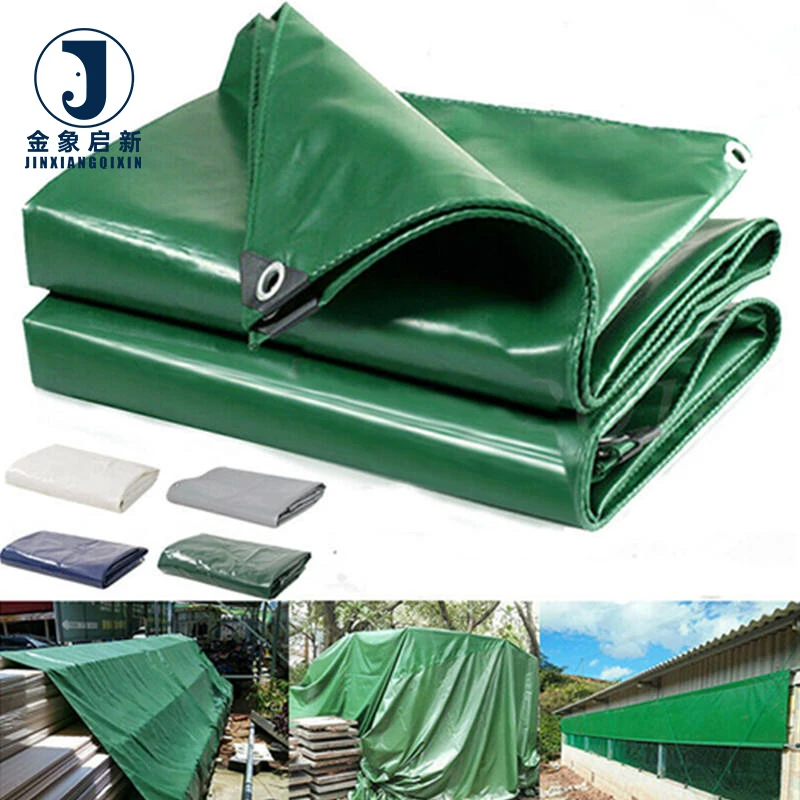
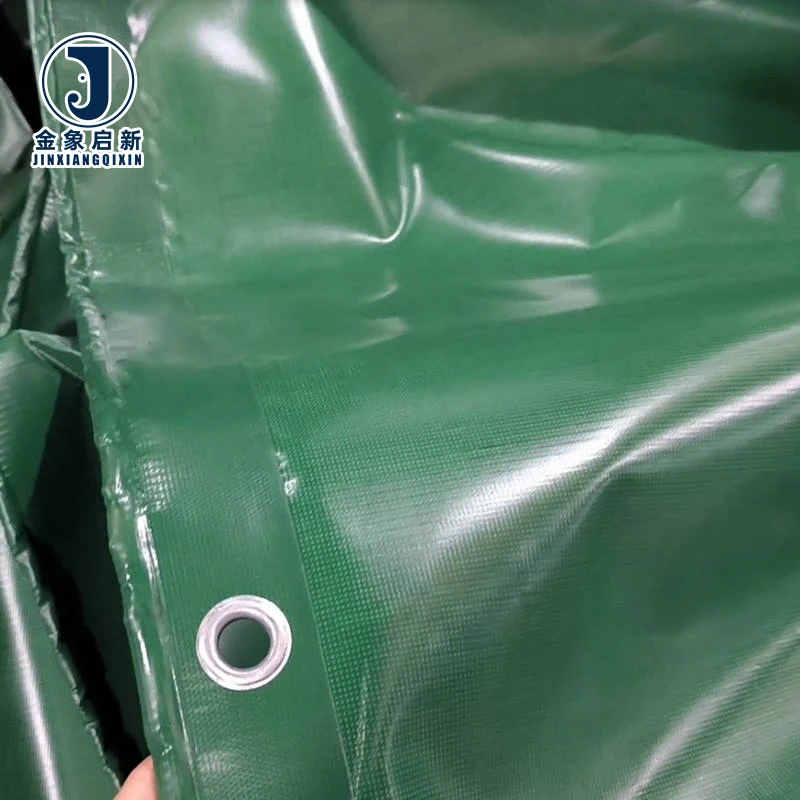
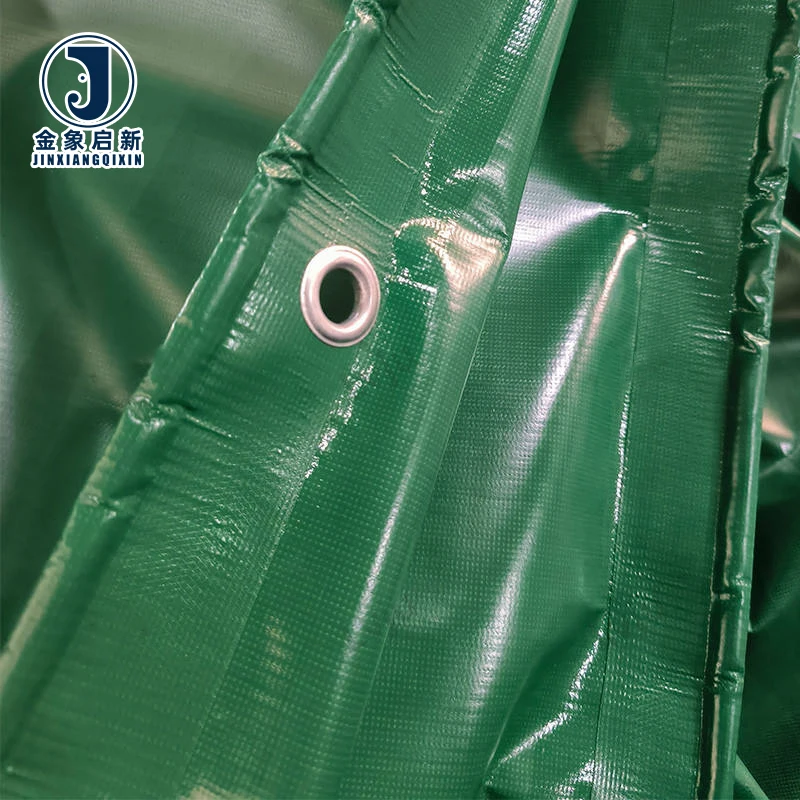
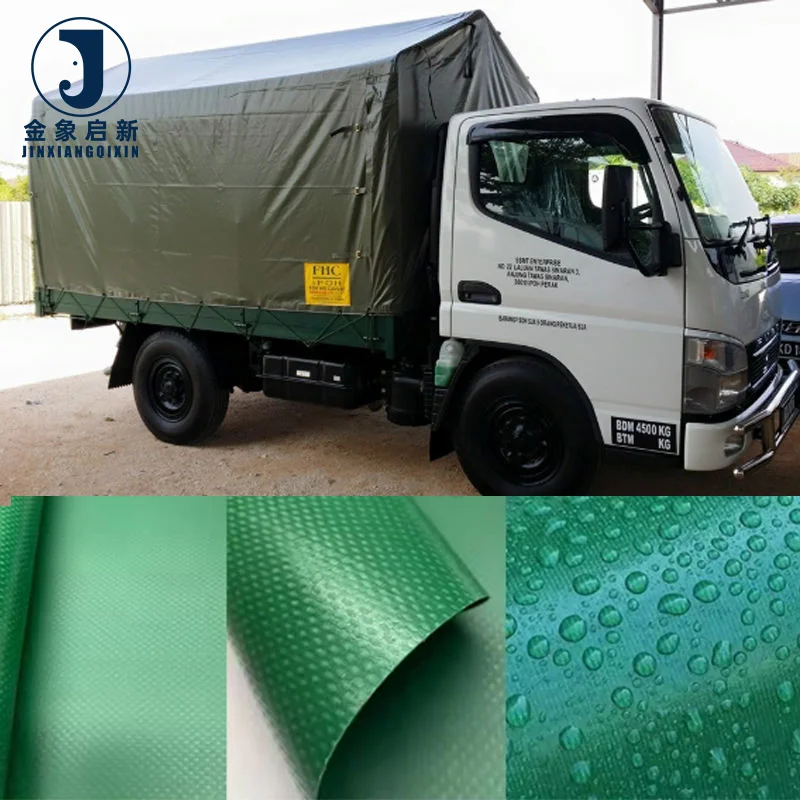
PVC Truck Cover Tarpaulin — vinyl-coated polyester mesh fabric with 50-220gr/m2 GSM range, 0.2-0.4mm thickness, galvanized eyelets every 3ft and reinforced PP rope hem edges.
Deep process control over coating weight and adhesion ensures consistent GSM verification on arrival, with custom width from 6ft to 6m and length up to 100 meters tailored to specific trailer models. Color matching across rolls maintained through batch-level quality checks.
- UV treatment and mildew resistance available for long-term outdoor fleet exposure
- 10-person R&D team develops samples within days for custom sizing and branding
Backed by nearly 30 years of coated fabric specialization with 100% pre-shipment inspection on every roll.
Description
Coating weight control — deep process oversight ensures GSM stated on the quotation matches the material received, verified per roll before dispatch.
Technical Specifications
| Parameter | Value |
|---|---|
| Product Type | Truck Cover |
| Coating Material | PVC (vinyl-coated polyester mesh fabric, 100% PES dipping coating process) |
| Base Fabric Weave | Knitting and plain weave |
| Weight (GSM) | 50gr/m2 ~ 220gr/m2 available |
| Total Thickness | 0.2-0.4mm / 8 mil-16 mil / Custom |
| Product Form | Tarpaulin rolls / Finished Tarpaulin |
| Roll Width | 6ft, 8ft, 10ft, 12ft or 2m, 4m, 6m |
| Roll Length | 100 yards, 100 meters, or as per buyer requirement |
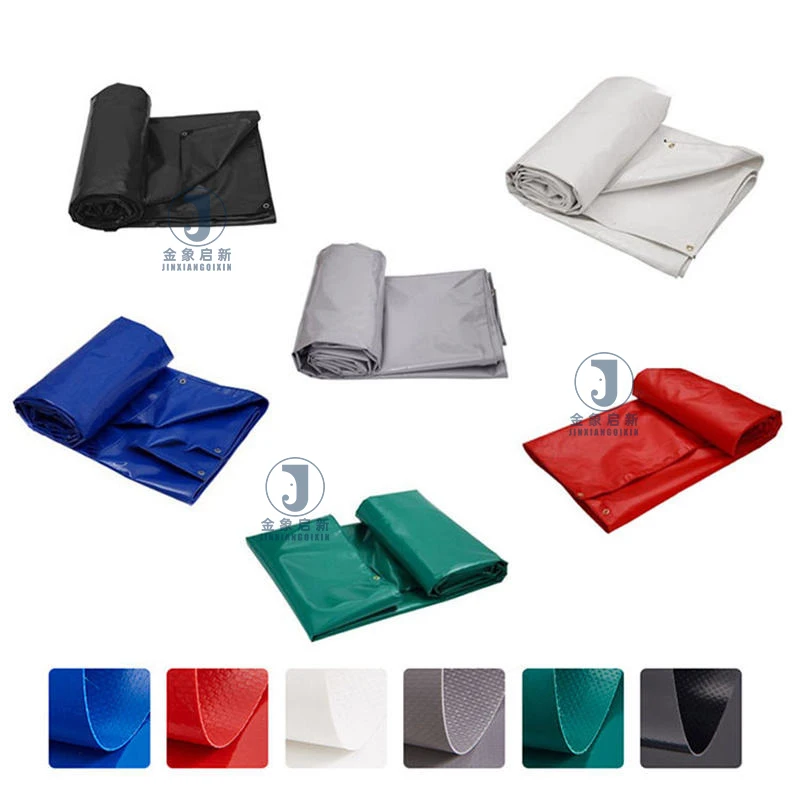
| Color Options | Blue, Blue/Orange, Green, Grey, Black, Clear, Grey/Green, Orange, or custom |
| UV Treatment | Available (test basis not stated in source) |
| Anti-Mildew | Mildew proof (grade not stated in source) |
| Waterproof | Yes |
| Tear Resistant | Yes (test basis not stated in source) |
| Edge Reinforcement | All four edges reinforced with PP rope in hem |
| Eyelets | Galvanized eyelets every 3ft or 1 meter interval |
| Corners | Reinforced plastic corners |
| Finished Sizes | 2x2m to 8x10m (6x6ft to 26x32ft) and custom |
| Printing Option | Custom brand printing available |
| Certifications | ISO, CE |
Application Suitability
| Application | Exposure & Requirement |
|---|---|
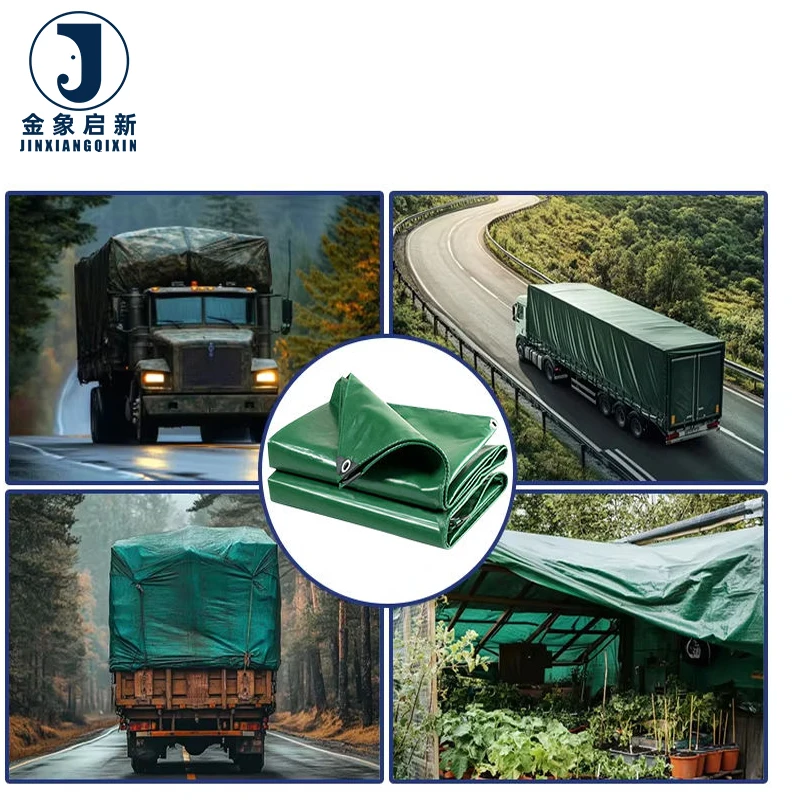
| Truck and trailer load covering | Road abrasion, wind flexing, weather exposure, tie-down stress at eyelets |
| Lumber and steel tarps | Heavy cargo contact, edge wear from load shifting, prolonged outdoor storage |
| Coil tarps | Concentrated point loads, moisture ingress prevention, forklift handling damage |
| Snow tarps | Low-temperature flexibility, moisture saturation, freeze-thaw cycling |
| Construction equipment covers | UV exposure, dust and debris abrasion, repeated folding and deployment |
| Agricultural stock covering | Mildew resistance in humid conditions, seasonal storage, wind uplift |
Why a Generic-Sized PVC Truck Cover Manufacturer Custom Order Beats Off-the-Shelf Buying
A cover cut to your exact trailer dimensions eliminates cargo exposure and reduces deployment time on every load.
Generic truck tarps are produced to standard sizes that rarely match a specific trailer model. The result is excess fabric flapping in the wind at highway speeds, which accelerates edge wear and creates drag. Covers that are too short leave cargo exposed to rain and road spray, defeating the purpose of the investment. I have watched fleet operators spend fifteen minutes wrestling with an ill-fitting tarp when a model-specific cut would deploy in five. [NEED_CITE: aerodynamic drag caused by loose tarpaulin fabric on moving trailers]
Sourcing a PVC truck cover manufacturer custom solution means the cover is engineered around your vehicle’s dimensions, tie-down points, and load profile. The eyelet spacing aligns with your trailer’s anchor rails, and the hem reinforcement sits where the load flexes most during transit.
Engineering the Cover Around the Vehicle, Not the Other Way Around
When a fleet operator orders covers sized to their specific trailer models, the entire rigging process changes. PVC truck cover manufacturer custom fabrication allows eyelet placement to match the anchor points already welded to the trailer chassis, eliminating the need for supplementary straps or bungee cords that introduce their own failure points. The PP rope hem reinforcement runs the full perimeter, distributing tie-down tension across the edge rather than concentrating it at isolated grommets.
Each cover in a fleet order can be produced to the same pattern, meaning drivers swap between vehicles without adjusting their tarping routine. This consistency reduces loading bay time and lowers the risk of improper securing, which is a common cause of roadside cargo loss incidents.
Color Consistency and Fleet Branding Across Production Runs
A fleet of twenty trucks arriving at a customer site with covers in slightly different shades signals inconsistent sourcing. Maintaining color uniformity across multiple rolls in a single production run requires controlled coating batches and standardized pigment dosing. When the PVC truck cover manufacturer custom order includes brand printing, the ink adhesion must be compatible with the coating surface to prevent cracking or fading through repeated folding.
Custom color matching begins with a reference sample approved before bulk production starts. The approved swatch is held at the production line for visual comparison during coating, and any roll that deviates is flagged before it enters the finishing stage. [NEED_CITE: color measurement standards for coated textile production consistency]
How GSM, Base Fabric Density, and Coating Process Interact
The weight specification in GSM does not operate in isolation. A 220gr/m2 fabric with a loosely woven base and thick coating will behave differently under tension than the same GSM achieved with a tightly woven high-denier polyester base and thinner coating. The base fabric’s warp and weft density determines how load transfers across the material when a tie-down strap pulls on an eyelet. The dipping coating process bonds PVC to the polyester mesh, filling the weave structure and creating a waterproof barrier. Thicker coatings add puncture resistance but reduce flexibility at low temperatures, which matters for snow tarp applications where the cover is deployed in freezing conditions. The knitting and plain weave combination in this fabric provides dimensional stability while maintaining enough drape for folding and storage on the truck.
The Hidden Cost of Specifying the Wrong Cover Grade
Ordering the lightest GSM available to reduce per-unit cost creates downstream expenses that outweigh the initial saving. A cover that is too light for the load profile will develop pinhole abrasions at contact points within weeks, allowing moisture to reach the cargo. Reinforced plastic corners and galvanized eyelets cannot compensate for a base fabric that lacks the tear strength to resist propagation once a small cut starts.
Batch color inconsistency across rolls forces a fleet operator to either accept a mismatched appearance or reject the entire shipment, both of which carry cost. When mildew-resistant treatment is claimed without a supporting test grade, the cover may perform adequately in dry climates but develop fungal growth during humid-season storage, requiring early replacement. [NEED_CITE: tarpaulin degradation patterns under repeated folding and UV exposure in transport applications]
What Supports Reliable Supply from This Source
Thirty years of continuous production on coated fabrics means the coating formulation and adhesion parameters for PVC truck covers are established through process history, not trial runs. Three full production lines and 36 sets of professional equipment provide capacity to fulfil bulk fleet orders without subcontracting to facilities with different quality controls.
The 10-person R&D team handles material selection and sample development, producing a physical sample within days so the buyer can verify weight, color, and eyelet placement before authorising bulk production. Dedicated QA/QC operates at every stage from coating to hemming, with 100% inspection before dispatch rather than statistical sampling. Custom width, length, eyelet interval, and reinforcement specifications are standard production variables, not special requests requiring separate negotiation.
Documentation & Verification
- Material specification sheet confirming exact GSM, coating type, base fabric, and color reference per roll
- Test report for UV and mildew-resistant treatment grades where applicable to your market requirements
- Pre-shipment inspection record documenting eyelet spacing, hem integrity, and dimensional accuracy of each cover
- Roll packing list detailing quantities, sizes, and weight per package for receiving verification
- Certificate of origin and customs documentation supporting import clearance at destination
Fabrication, Handling & Storage
- Heat welding parameters must match the PVC coating thickness to achieve seam strength equal to the base fabric
- Galvanized eyelets at 3ft or 1 meter intervals should be inspected for secure crimping before first deployment
- Rolls stored horizontally on pallets to prevent permanent creasing in the 0.2-0.4mm coating layer
- Finished covers folded along consistent lines to avoid random crease marks that weaken the coating over time
- Mildew-proof treatment does not eliminate the need to dry covers before prolonged storage in enclosed spaces
- Field repairs using PVC-compatible adhesive patches applied to clean, dry surfaces at ambient temperature
Requesting a Quotation That Matches Your Fleet Requirements
Provide your trailer make, model, and bed dimensions so the cover can be patterned to the specific vehicle rather than cut to a generic rectangle. Specify the cargo type you haul most frequently, as this determines whether the priority is abrasion resistance, puncture protection, or mildew resistance for organic loads. Indicate your preferred eyelet interval, hem reinforcement method, and whether custom color or brand printing is required across the fleet order.
Frequently Asked Questions
Q: What is the minimum order for custom-sized truck covers?
A: Custom sizing is available for fleet orders of any practical quantity. Each cover is cut to the trailer dimensions you provide, and sample development is completed within days for your approval before bulk production begins. MOQ depends on the specific size, color, and printing requirements of your order.
Q: How do you ensure color consistency across multiple covers in one order?
A: A color reference sample is approved before production starts and held at the coating line for visual comparison. Each roll is checked against the approved swatch during the coating process. Rolls that deviate from the standard are segregated before entering the finishing and hemming stage.
Q: Can eyelet spacing be adjusted to match our trailer anchor points?
A: Yes. Standard eyelet spacing is every 3ft or 1 meter with galvanized grommets and reinforced plastic corners. Custom intervals can be specified to align with your trailer’s tie-down rail configuration, ensuring the cover secures directly to existing anchor hardware without supplementary straps.
Q: How does the sample approval process work before bulk production?
A: Once you provide specifications for size, GSM, color, and treatment requirements, a sample is produced within days. You evaluate the sample for weight verification, color accuracy, eyelet placement, and hem construction. Bulk production only starts after written sample approval.
Q: What documentation ships with the order for customs and receiving?
A: Each shipment includes a material specification sheet, roll packing list with weights and dimensions, certificate of origin, and pre-shipment inspection record. Test reports for UV or mildew-resistant treatments are provided where applicable, and ISO and CE certificates are available for compliance verification.
Related products
-
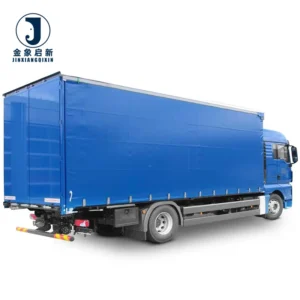
Wholesale High Quality Rainproof Pvc Tarpaulin Truck Cover Truck Side Curtain for the Trailer
¥1.25 Select options This product has multiple variants. The options may be chosen on the product page -
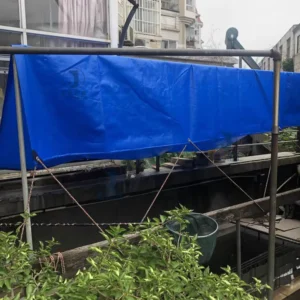
Custom PVC Truck Cover for Transport Fleets – Manufacturer
Read more -
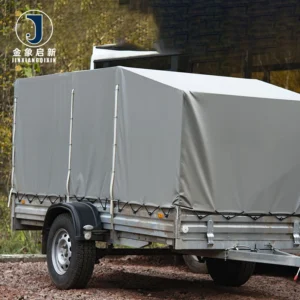
PVC Coated Truck Tarpaulin Cover for Truck – Custom Made
Read more -
PVC Coated Tarpaulin for Truck Cover – Custom Made
Read more