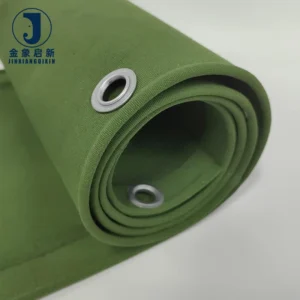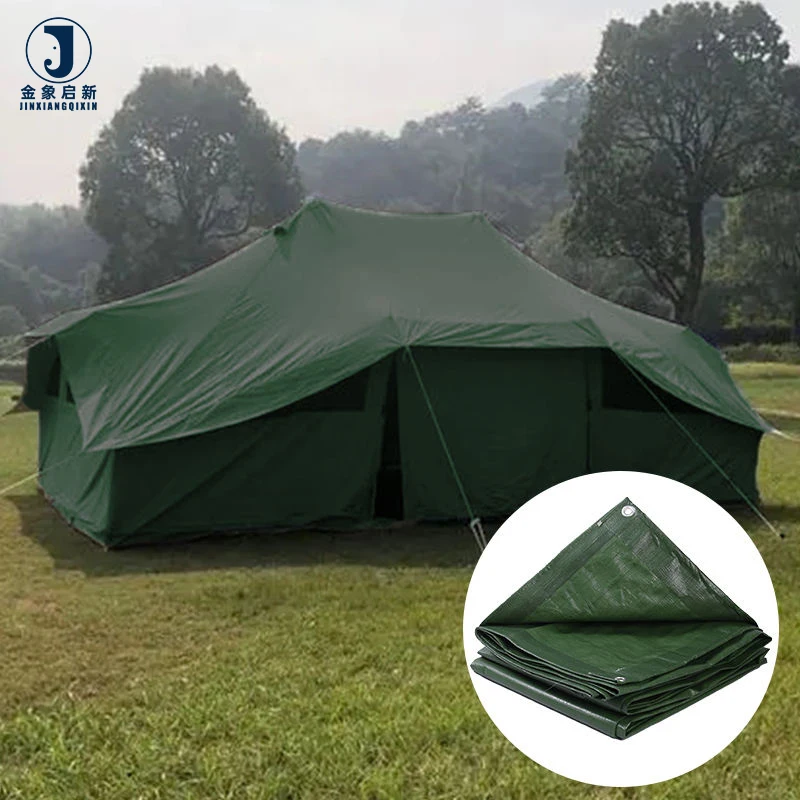
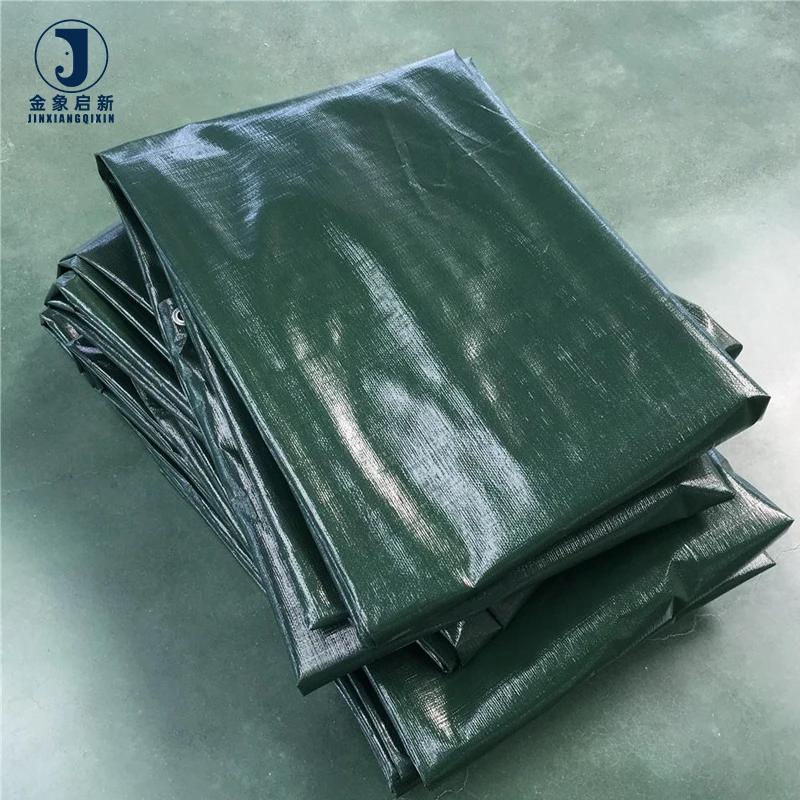
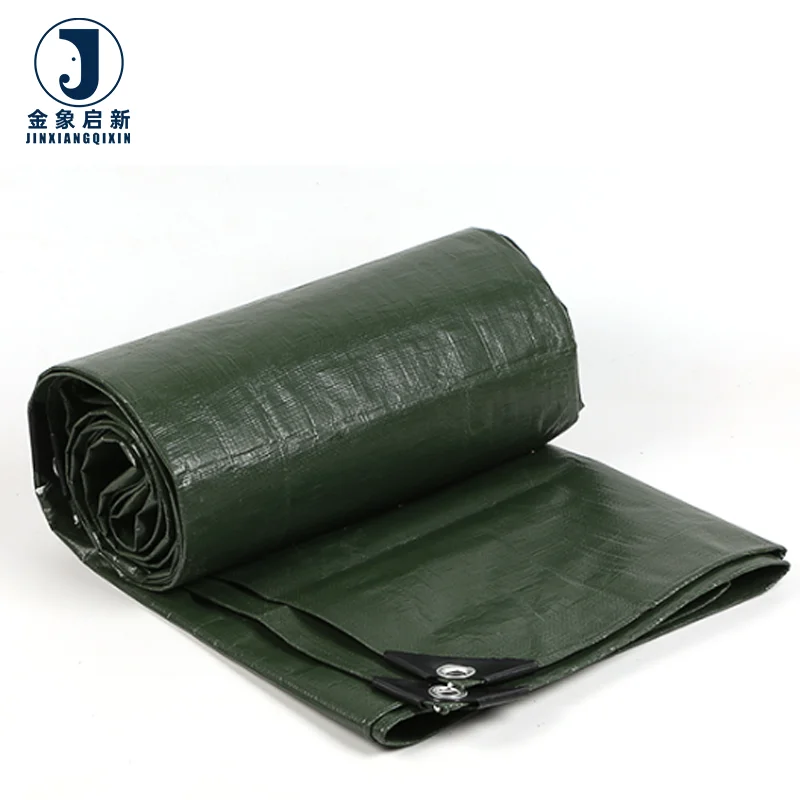
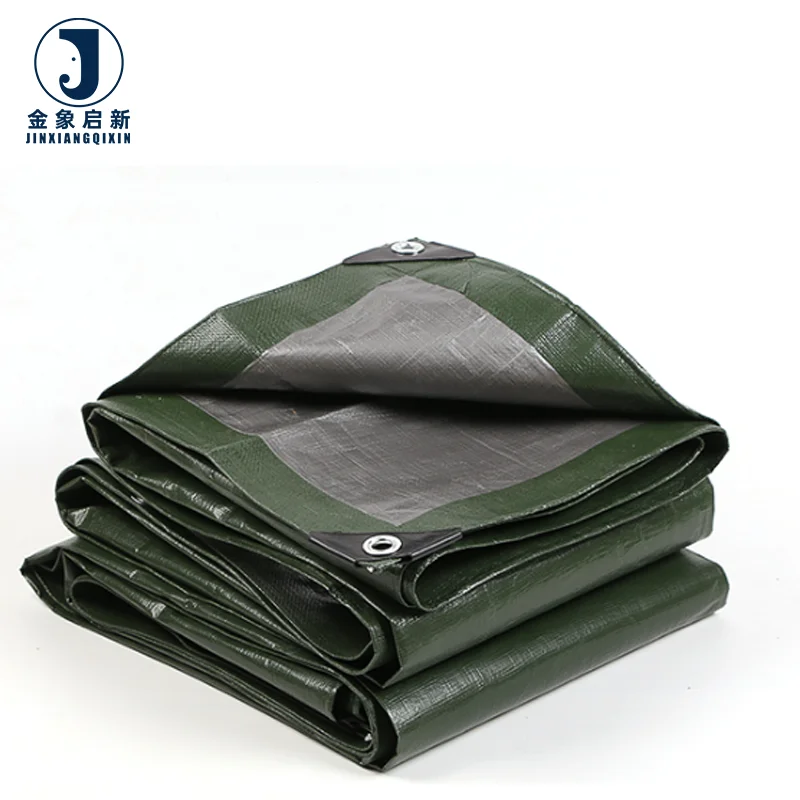
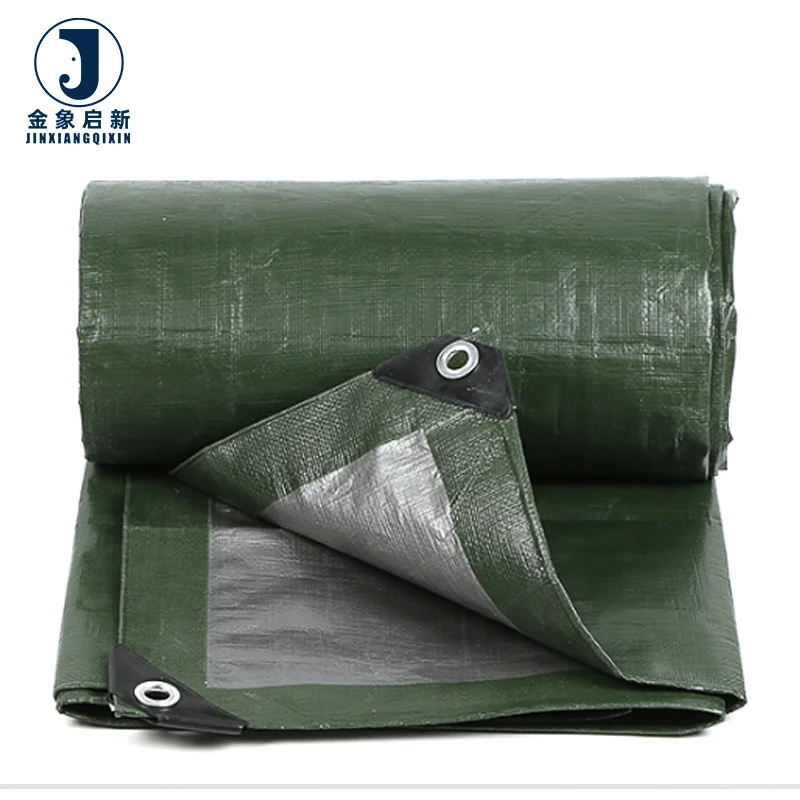
Custom PE Tarpaulin, HDPE Woven with LDPE Double-Side Coating, 50–300 g/m² — available in 6×6 to 16×16 mesh density, with fire-resistant and UV protection options for commercial and industrial covering applications.
Engineered for buyers specifying custom width, length and treatment, this PE tarpaulin supports full roll stock and cut-sheet supply with pattern printing and reinforced hem construction. GSM and mesh density together determine tensile and tear performance across truck covers, site protection and equipment wrapping.
Backed by 100% pre-shipment inspection covering weight, colour consistency and seam integrity, with test reports and full export documentation supplied.
Description
Precision Coating Control — Every roll of this PE tarpaulin undergoes in-process weight verification, with GSM checked against the quoted value before it leaves the line.
Technical Specifications
| Parameter | Value |
|---|---|
| Product Type | PE Tarpaulin |
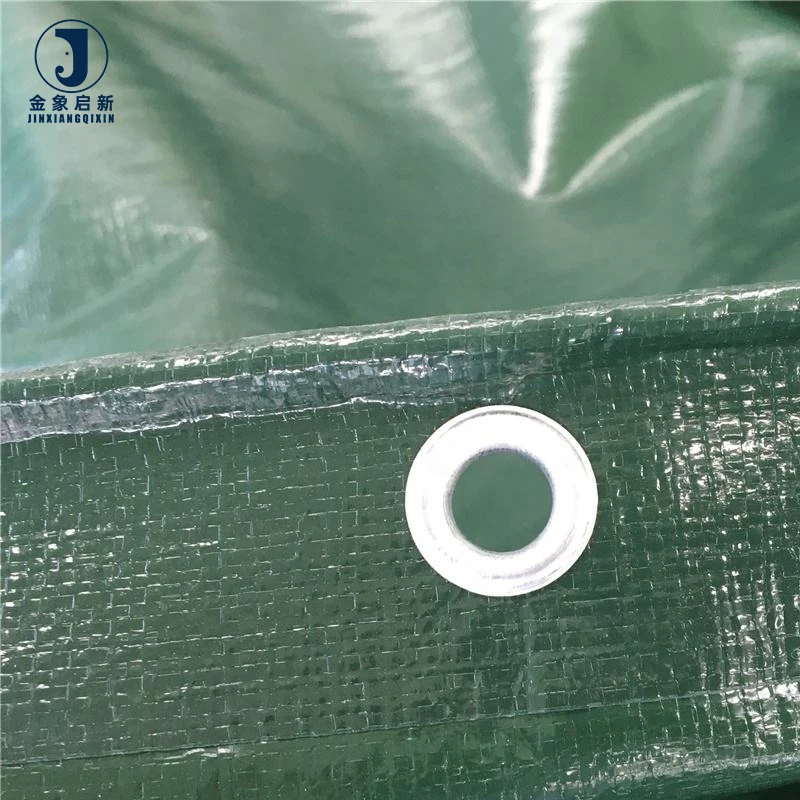
| Base Fabric | HDPE woven fabric |
| Coating | LDPE coating on both sides |
| Mesh Density | 6×6 to 16×16 |
| Weight Range | 50 g/m² to 300 g/m² |
| Available Colors | Blue, Orange, White, Black, Grey, Yellow, Green, Red, custom colors available |
| Printing | Logos or company information, reinforced strip options |
| Cut Sheet Sizes | 2×3, 3×4, 3×5, 4×5, 5×6, 6×8, 10×10, 10×12, 12×14, or custom dimensions |
| Roll Length | 100 m per roll or custom |
| Edge Construction | PP rope in hem on all edges |
| Corner Reinforcement | Black plastic triangle at all corners |
| Eyelet Spacing | Rustproof aluminum eyelet every 1 m or 1.5 m, or as specified |
| Special Treatments | Fire resistant and UV protection available (grade not stated — confirm requirement) |
| Packaging Format | Folded into plastic bag with customer label; rolls, bales, or carton |
| Standards | ISO, CE |
Application Suitability
| Application | Exposure & Requirement |
|---|---|
| Commercial truck and trailer load covers | Constant road vibration, wind flex, UV exposure, abrasion at tie-down points |
| Construction site and equipment covers | Sunlight, rain, dust ingress, mechanical handling damage |
| Pond and reservoir liners | Permanent water contact, soil chemistry, puncture from subgrade |
| Tent and awning fabrication | Fold creasing, repeated assembly, colour consistency across panels |
| Logistics fleet cargo protection | Weather exposure during transit, securing strap abrasion, model-specific fitment |
When the Quoted GSM Does Not Match What Arrives
A stated weight on paper means nothing without a verified weight on the scale at dispatch.
I have watched buyers receive rolls that felt noticeably lighter than the sample they approved months earlier. The coating weight was quoted, but what arrived was a thinner laminate stretched over a looser weave. The result is a PE tarpaulin aftermarket supplier conversation that starts with a complaint and ends with a rejected container. This PE tarpaulin aftermarket supplier problem surfaces more often than buyers expect, particularly when the specification was agreed by email without a pre-production sample cut from the actual production batch. [NEED_CITE: weight tolerance standards for coated polyethylene fabrics]
How Custom Dimensional Accuracy Reduces On-Site Rework
When a fleet operator orders truck covers, a generic size rarely fits a specific trailer model. The PE tarpaulin aftermarket supplier you choose must translate your trailer dimensions — including the overhang needed for eyelet placement and rope tension — into a cutting pattern that accounts for hem allowance and corner reinforcement. Our cutting templates are built per order, not pulled from a shared library, so the cover you receive matches the vehicle it is meant for.
Colour Matching Across Multiple Rolls in One Shipment
Batch colour variation becomes visible the moment two rolls are unrolled side by side on a job site or installed as adjacent panels on a temporary structure. We manage pigment dosing at the masterbatch stage and retain a physical colour chip from each production run. If your order spans several rolls, every roll in that shipment is produced in a single campaign under the same dye lot, eliminating the panel-to-panel shade shift that forces contractors to reorder and delay installation. [NEED_CITE: colour fastness and batch consistency testing methods for LDPE coatings]
Understanding Density and Weight as Separate Decisions
Mesh density — the 6×6 to 16×16 weave count — determines how tightly the HDPE yarns are interlaced before coating. A higher mesh count creates a denser base fabric that resists tear propagation, because the load is distributed across more yarn intersections. Weight, expressed in g/m², reflects the combined mass of the base fabric and the LDPE coating on both sides. Two tarps can share the same GSM yet behave very differently: one may carry a heavier base with a thinner coat, offering better tear resistance but less surface protection; the other may have a lighter base buried under a thick coat, which looks substantial but tears more easily under point load. Choosing the right balance depends on whether the primary threat is abrasion, wind uplift, or puncture.
The Cost of Specifying Without Full Verification
A cover that arrives 40 g/m² lighter than quoted may still pass a visual inspection, but it will fail earlier at the stress points — typically where the eyelet meets the hem under tie-down load, or along a flex line that moves every time the trailer rounds a corner. Similarly, a fire-resistant claim without an accompanying test report leaves the buyer exposed when a site inspector or port authority asks for documentation. These are not theoretical risks; they are the most common reasons containers get turned back at the gate. [NEED_CITE: common failure modes in polyethylene tarpaulin field installations]
What Separates This Production Line from a Generic Quotation
Three full production lines and 36 sets of professional equipment mean your order does not queue behind a single machine bottleneck, supporting reliable scheduling for repeat buyers. A 10-person R&D team handles pattern printing layouts, custom cut-sheet geometry, and sample development in-house, so specification changes do not require a third-party intermediary. Every roll passes through a dedicated QA/QC stage with 100% pre-shipment inspection, catching weight deviation and colour drift before packing. We ship with complete documentation — material specification sheet, roll packing list, certificate of origin — because customs clearance delays cost more than the paperwork takes to prepare. [NEED_CITE: ISO and CE certification scope for coated fabric manufacturers]
Documentation & Verification
- Material specification sheet confirming GSM, mesh density, and colour reference for your exact order
- UV or fire-resistant test report supplied when the corresponding treatment is specified
- Pre-shipment inspection record covering weight, colour consistency, and seam integrity
- Roll packing list with individual roll weights for container loading verification
- Certificate of origin and customs support documentation included with every dispatch
Fabrication, Handling & Storage
- Heat-seal temperature must match the LDPE coat thickness to prevent delamination at hem welds
- Aluminum eyelets require sufficient hem fabric overlap to distribute tie-down load without pull-through
- Store rolls horizontally on pallets to prevent permanent creasing in the HDPE woven core
- Unfold sheets gradually in cold conditions to avoid cracking the LDPE coating layer
- Clean with mild detergent; solvent-based cleaners can degrade the LDPE surface coat
- Cut sheets with a hot knife to seal the HDPE weave and prevent edge fraying between eyelets
How to Structure Your Inquiry
Provide the trailer or equipment dimensions, the primary exposure conditions at the installation site, and the annual volume you expect to order. Specify whether you need finished cut sheets with eyelets and hem reinforcement, or roll stock for your own fabrication. If your market requires a specific fire-resistance grade or UV treatment level, state the standard so we can confirm test coverage before quoting.
Frequently Asked Questions
Q: What custom options are available for size, colour, weight, and treatment?
A: Cut sheet dimensions are built to your exact measurements, with eyelet spacing set at 1 m or 1.5 m intervals, or a custom pitch. Colours span the standard range plus any custom shade matched to a physical sample or reference code. Weight is selectable from 50 g/m² to 300 g/m². Fire-resistant and UV protection treatments are available — confirm the specific grade your project requires so we can include the correct test report.
Q: How is colour consistency maintained across multiple rolls in the same order?
A: All rolls in a single order are produced in one continuous campaign using masterbatch pigment dosed at the same ratio. A physical colour chip is retained from that production run for future reorders. This single-lot approach prevents the shade variation that becomes visible when adjacent panels are installed side by side on a structure or truck fleet.
Q: Can fire-resistant or UV-treated grades be verified with a test report?
A: Yes. When fire-resistant or UV protection treatment is specified at the inquiry stage, the corresponding test report is included with the shipment documentation. We need to know the target standard or grade for your market so the correct treatment formulation and testing protocol are applied during production.
Q: What is the sample development process before bulk production?
A: Once your application, size, GSM, and treatment requirements are confirmed, a sample is developed covering the agreed specification. You approve the sample for weight, colour, and construction before bulk production begins. The production batch is then held to the same parameters verified in the approved sample.
Q: How are eyelet spacing and hem reinforcement specified for heavy-duty applications?
A: All edges are hemmed with PP rope for load distribution, and corners receive a black plastic triangle reinforcement. Eyelet spacing defaults to every 1 m or 1.5 m, but closer intervals can be specified where tie-down loads are concentrated. The rustproof aluminum eyelets are set through the reinforced hem area to prevent pull-through under tension.
Related products
-
Custom Heavy Duty Woven PVC Laminated Canvas Tarpaulin – Full Range
Read more -
Custom PVC Coated Tarpaulin for Truck Trailer – Full Range
Read more -
Commercial Custom Plain Boys 4 Foot Retractable Vinyl Canvas Truck Tarps Cover Heavy Duty Trailer Cargo Tarp for Sale
¥1.10 Select options This product has multiple variants. The options may be chosen on the product page -
Custom Made PVC Laminated Canvas Tarpaulin for Truck Cover – Full Range
Read more