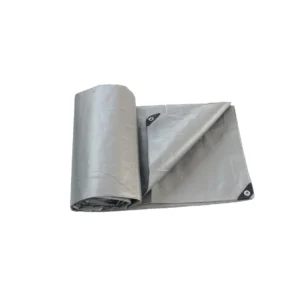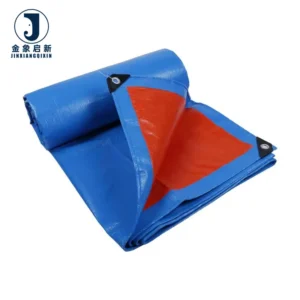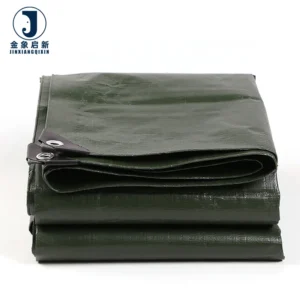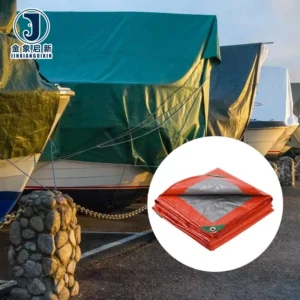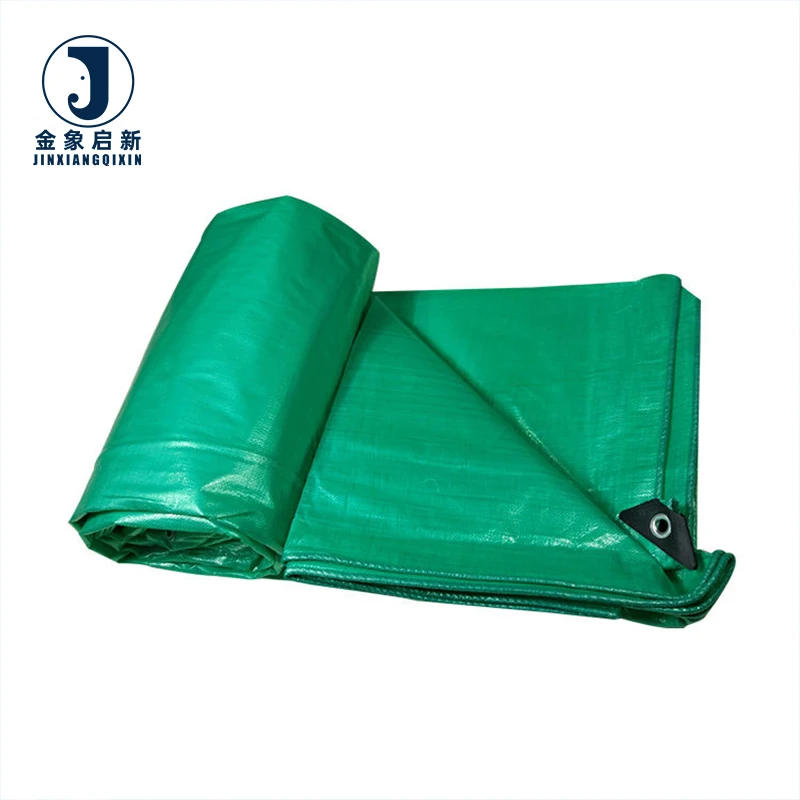
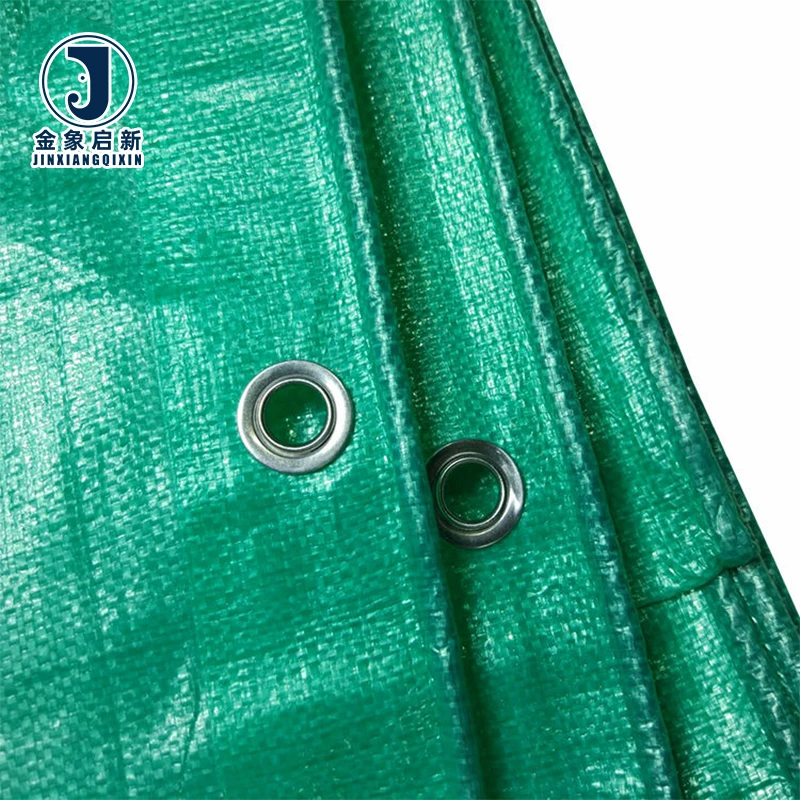
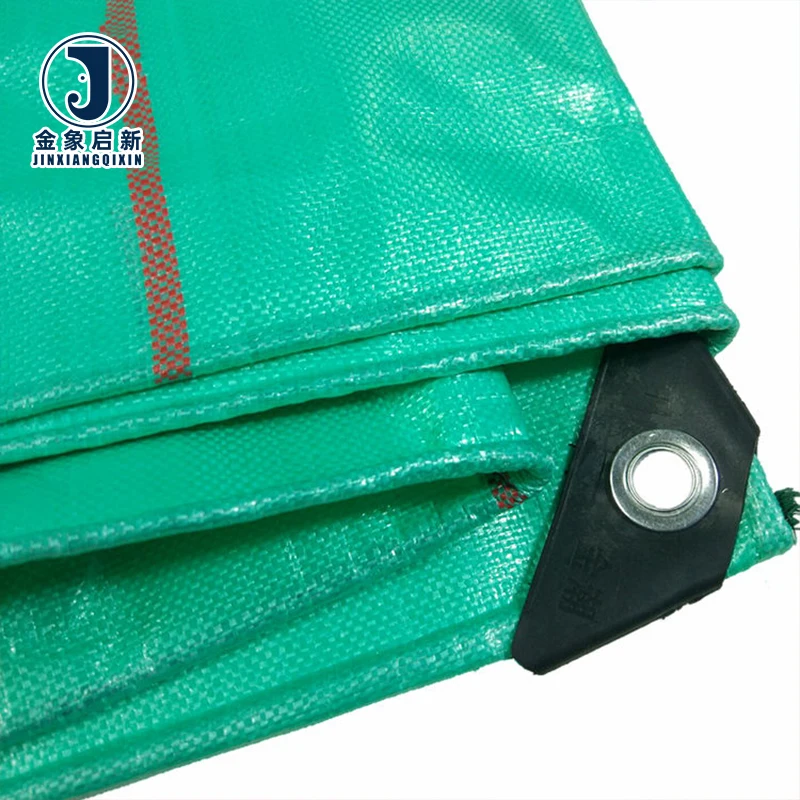
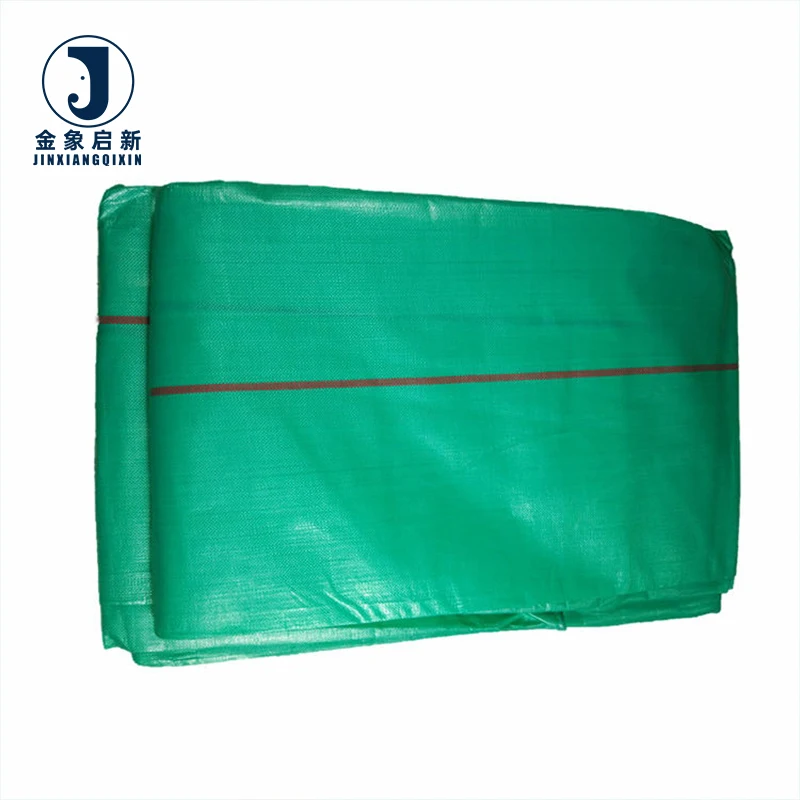
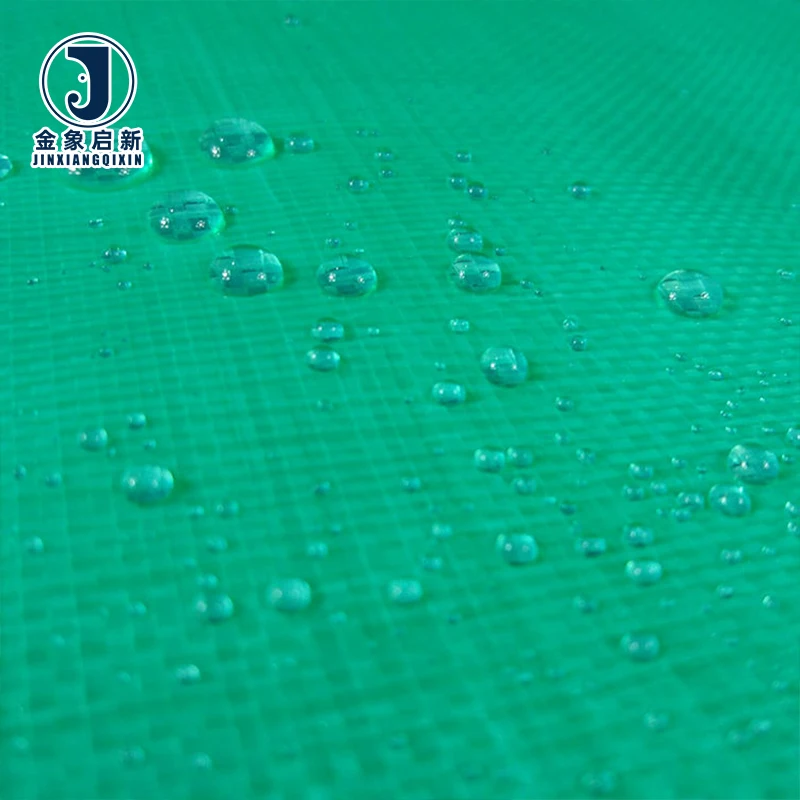
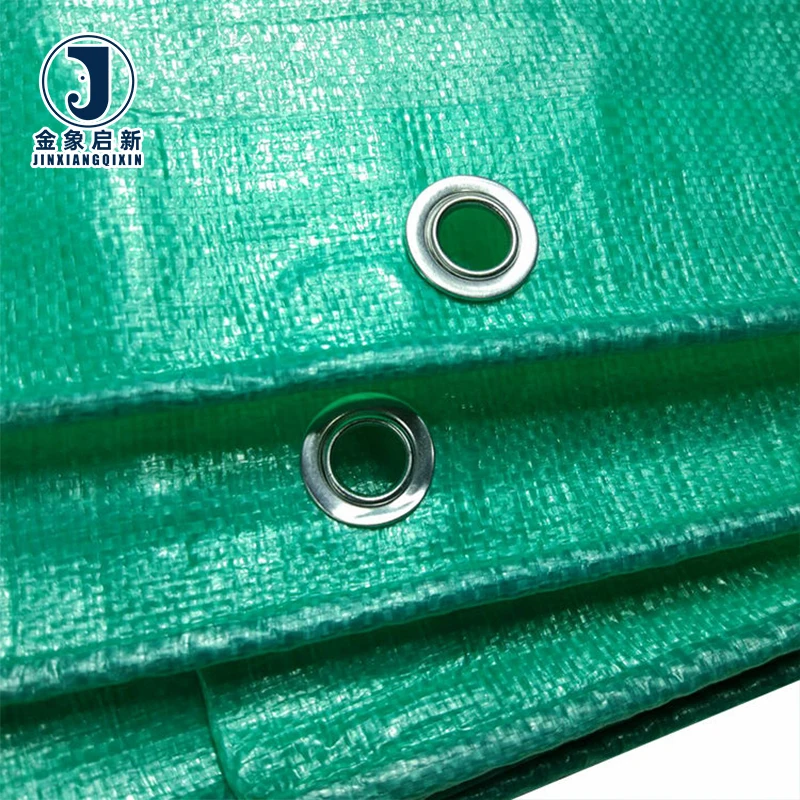
PE Tarpaulin HDPE Coated Tarpaulin — HDPE woven base with LDPE lamination, 50g/m²–220g/m² range, weave density 6×6 to 14×16, galvanized eyelets every 3ft with PP rope reinforced hems.
- Roll stock to finished cut sizes, covering truck, construction, agricultural and home/garden applications with custom width, length and colour options.
- UV treatment and anti-aging formulation for sustained outdoor exposure across varied climates.
- GSM verified on arrival against quotation, with pre-shipment inspection records and full documentation including material spec sheet and certificate of origin.
Description
Proven Process Control — Every roll of HDPE woven tarpaulin we produce passes dedicated QA checkpoints against stated GSM, weave density, and lamination adhesion before it leaves the line.
Technical Specifications
| Parameter | Value |
|---|---|
| Product Type | PE Tarpaulin |
| Material | HDPE weaving with LDPE lamination on both sides |
| GSM Range | 50g/m² ~ 220g/m² |
| Thickness | 0.2–0.4 mm / 8 mil–16 mil |
| Weave Density Options | 6×6, 6×7, 7×7, 7×8, 8×8, 9×9, 8×10, 10×10, 12×12, 14×14, 14×16 |
| Roll Width Options | 6 ft, 8 ft, 10 ft, 12 ft, 2 m, 4 m, 6 m |
| Roll Length Options | 100 yards, 100 meters, or custom |
| Finished Edge | All four edges reinforced with PP rope in hem |
| Eyelets | Galvanized, spaced every 3 ft or 1 m |
| Corners | Reinforced plastic corners |
| Color Options | Blue, Blue/Orange, Green, Grey, Black, Clear, Grey/Green, Orange, or custom |
| Key Features | Waterproof, washable, tear resistant, mildew proof, anti-aging; UV treatment available — confirm specific UV grade required for your market |
| Certifications | ISO, CE |
Application Suitability
| Application | Exposure & Requirement |
|---|---|
| Truck and container covers | Road debris impact, constant UV exposure, repeated tie-down tension at eyelets, flex fatigue at corners |
| Agricultural timber and hay covers | Long-term outdoor weathering, moisture ingress prevention, wind uplift resistance across large spans |
| Construction scaffolding and roof repair | Abrasion from scaffold poles, puncture risk from sharp materials, temporary weather shielding |
| Pond and reservoir liners (light-duty) | Permanent water contact, soil chemistry exposure, puncture from substrate irregularities |
| Home and garden furniture covers | Seasonal UV exposure, rain and snow load, mildew in humid storage conditions |
Why the Stated GSM Is Not the Only Measure That Matters When Selecting a PE Tarpaulin Aftermarket Supplier
GSM tells you how much material is present — not how that material is distributed or how the weave holds under load.
I have watched buyers compare two quotations side by side, pick the lower GSM option because it came in cheaper, and then file a claim six months later when the fabric tore along the warp line during a routine tie-down. The issue was never the weight on the scale. It was that a looser weave at a nominally similar GSM leaves longer unsupported yarn spans that split under point load. A PE tarpaulin aftermarket supplier worth working with will show you both the GSM and the weave density — and explain why a 14×14 weave at 180 GSM behaves very differently from a 7×7 at the same weight [NEED_CITE: relationship between weave density and tear propagation in woven polyethylene fabrics].
How Weave Density Maps to Real-World Tear Performance
The weave count — say 8×8 versus 14×14 — defines how many HDPE yarns cross per square inch in each direction. Higher density means shorter unsupported spans between crossover points, which directly limits how far a tear can propagate once initiated. For applications like truck covers where wind gusts concentrate load at eyelet rows, a PE tarpaulin woven at 12×12 or above provides a meaningful margin against tear spread compared to lighter weaves, even at identical GSM.
Selecting Roll Width and Length to Minimise On-Site Waste
Roll widths from 2 m up to 6 m and standard lengths of 100 yards or 100 meters allow distributors and fabricators to match the roll to the most common panel sizes they cut. Ordering a 4 m roll for a project that predominantly needs 3.8 m panels means you carry 20 cm of trim waste on every drop. A PE tarpaulin aftermarket supplier that stocks multiple width options helps you reduce off-cuts and improve container loading efficiency per roll. [NEED_CITE: ISO 1421 test methods for tensile and tear properties of coated fabrics]
Reading the GSM and Weave Combination Before You Commit
A 50 g/m² tarpaulin at 6×6 weave serves light-duty domestic covering — protecting garden furniture over a season, for instance. Move to 140 g/m² at 10×10 and you have a material suited to agricultural stockpile covers that must resist sustained wind uplift. The GSM alone does not tell the full story; it is the combination of base yarn denier, weave density, and the LDPE lamination weight on each face that determines how the fabric performs under specific loads and environmental stress.
The Cost of Choosing the Wrong Specification Combination
Buyers who specify by GSM alone frequently encounter two problems: the fabric passes the weight check on arrival but fails in the field because the weave was too open for the intended load, or the lamination thickness was reduced to hit the target GSM at the expense of waterproof integrity. I have seen orders where the LDPE coating delaminated along fold lines within months because the lamination was too thin relative to the base fabric stiffness. Specifying both GSM and weave density — and requesting a pre-shipment sample for flex testing — eliminates most of these failures [NEED_CITE: common failure modes in laminated polyethylene tarpaulin under cyclic flex loading].
Why Sourcing Your PE Tarpaulin Through This Line Makes Sense
Three full production lines with 36 sets of equipment give us the capacity to run multiple roll widths and weave densities in parallel without cross-contamination between specifications. A 10-person R&D team handles sample development for custom widths and colours, typically turning around samples within days so you can verify hand feel and lamination quality before committing to a container order. Dedicated QA at every stage — from base weaving through lamination to finished edge reinforcement — means the roll you receive matches the spec sheet. Pre-shipment inspection covers every roll, not just a statistical sample. This matters particularly when you are buying container volumes where one bad roll buried in the middle can shut down a fabrication line downstream. [NEED_CITE: ISO and CE certification scope for coated fabric manufacturing facilities]
Documentation & Verification
- Material specification sheet stating exact GSM, base weave density, and LDPE lamination weight per face
- UV treatment test report provided where UV-stabilised grade is specified on the order
- Pre-shipment inspection record covering roll count, weight verification, and visual defect check
- Roll packing list with individual roll IDs traceable to production batch
- Certificate of origin and customs documentation prepared per destination country requirements
Fabrication, Handling & Storage
- Heat-seal LDPE-laminated PE Tarpaulin using moderate temperature settings; excessive heat melts the HDPE base yarn
- Position galvanized eyelets no closer than 50 mm from the PP rope-reinforced hem to prevent pull-through
- Store rolls vertically on end-caps to prevent flat-spot deformation across the roll width
- Unroll in temperatures above 5 °C to avoid lamination cracking on stiffened PE Tarpaulin
- Clean with mild detergent only; solvents degrade the LDPE lamination surface over time
What to Include in Your Next Specification Request
To get an accurate quotation, share the application the tarpaulin will serve, the environmental exposure it will face (sustained UV, chemical contact, abrasion type), and the finished panel sizes you need most frequently. Let us know if you require roll stock only or finished cut sizes with hemming and eyelets, and specify your target GSM together with preferred weave density. If colour matching to an existing brand or private label is required, provide the Pantone or RAL reference so we can develop a sample for your approval before production begins.
Frequently Asked Questions
Q: How do I choose the right GSM and weave density for my application?
A: Start with the load type: static covers like hay stacks need moderate GSM with medium weave density, while truck covers subject to tie-down tension and wind gust benefit from higher weave counts such as 12×12 or 14×14 at a corresponding GSM. Share your specific use case and we will recommend the combination that balances tear resistance, weight, and cost for your market.
Q: Can I get custom width, length and colour on roll orders?
A: Roll widths from 2 m to 6 m and lengths of 100 yards or 100 meters are available as standard, with custom dimensions produced on request. Colour options include blue, green, grey, black, clear, orange, and dual-tone combinations, plus Pantone-matched custom colours. Samples are developed within days for your approval before the full production run.
Q: What is the eyelet spacing and reinforcement standard on finished tarps?
A: Finished tarpaulins are fitted with galvanized eyelets at every 3 ft or 1 m interval along all four edges, which are reinforced with PP rope sewn into the hem. Corners receive additional plastic reinforcement patches to handle concentrated tie-down loads. Custom spacing and additional reinforcement points are available on request.
Q: How is batch colour consistency maintained across multiple rolls?
A: Each production run uses a single master colour batch for the LDPE lamination compound, and rolls are inspected side by side under standardised lighting before packing. If your order spans multiple production batches, we flag this in advance and provide a colour comparison sample for your sign-off before shipping the second batch.
Q: What documentation ships with my order?
A: Every shipment includes a material specification sheet, roll packing list with individual roll weights, pre-shipment inspection record, and certificate of origin. UV or flame-retardant test reports are included where those treatments were specified on the purchase order. All documents are prepared to support customs clearance at destination.
Related products
-
Sunshade Awning Waterproof Cloth. 7X8 Waterproof Polyurethane Waterproof Cloth – Multi-purpose Cover Water tank Waterproof Cloth
¥0.18 Select options This product has multiple variants. The options may be chosen on the product page -
JX PE Woven Plain Resistance Tarpaulin Tent with Durable Waterproof Features for Outdoor Use
¥0.30 Select options This product has multiple variants. The options may be chosen on the product page -
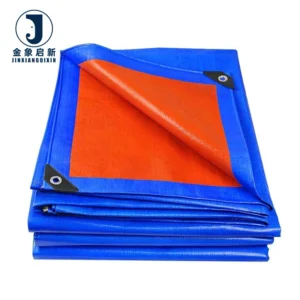
160gms Organic Coated Polyethylene Tarpaulin Trucking Covering Roll Waterproof Blackout Eco-Friendly Fabric Blue Orange Outdoor
¥0.71 Select options This product has multiple variants. The options may be chosen on the product page -
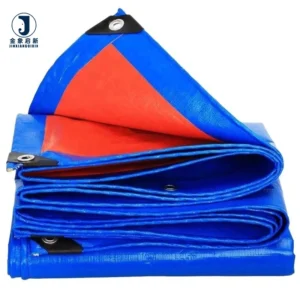
Tarpaulin Manufacture Scaffolding Heavy Duty Camping Waterproof Cover Sheet Coated Plastic Roll Pe Tarp
¥1.80 Select options This product has multiple variants. The options may be chosen on the product page