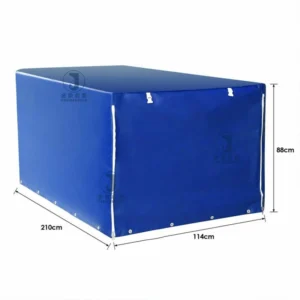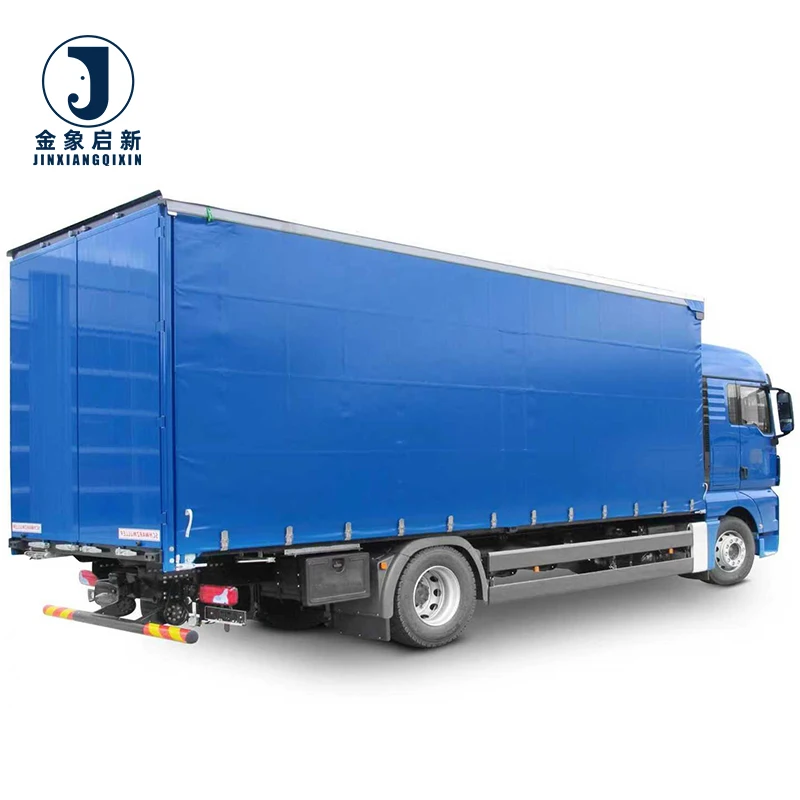
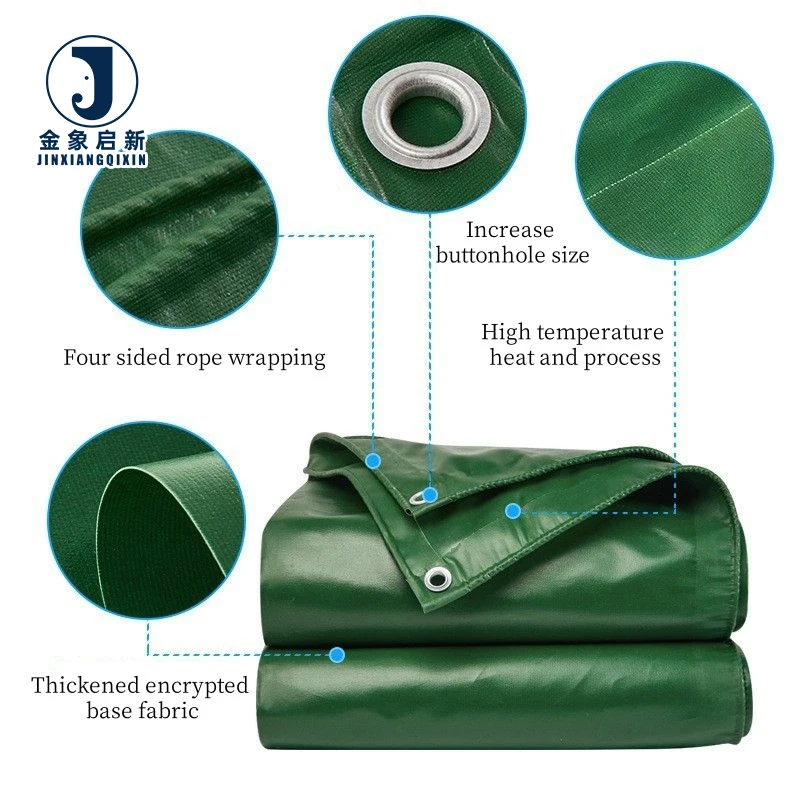
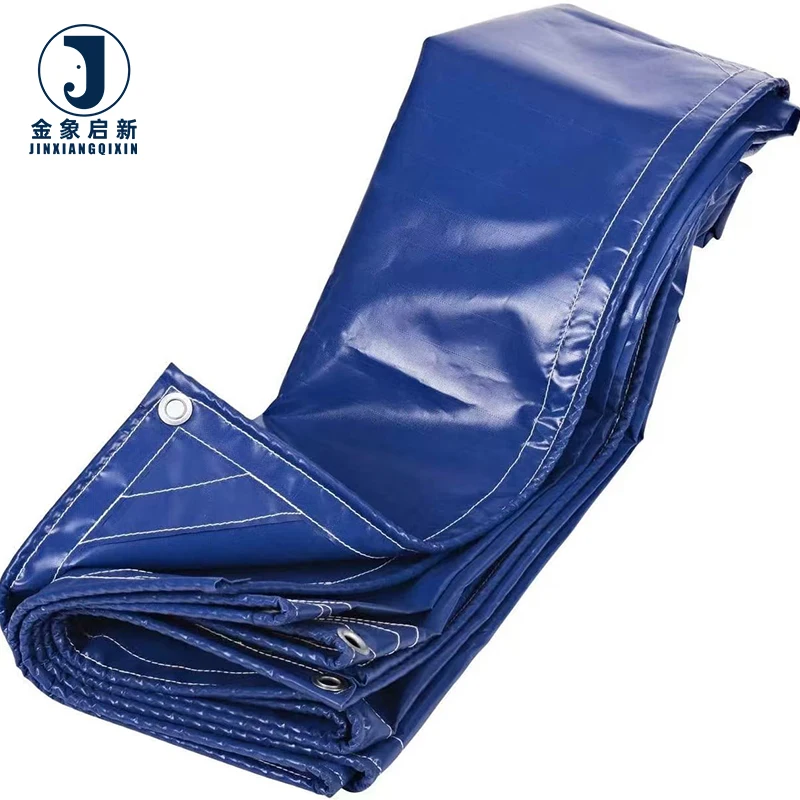
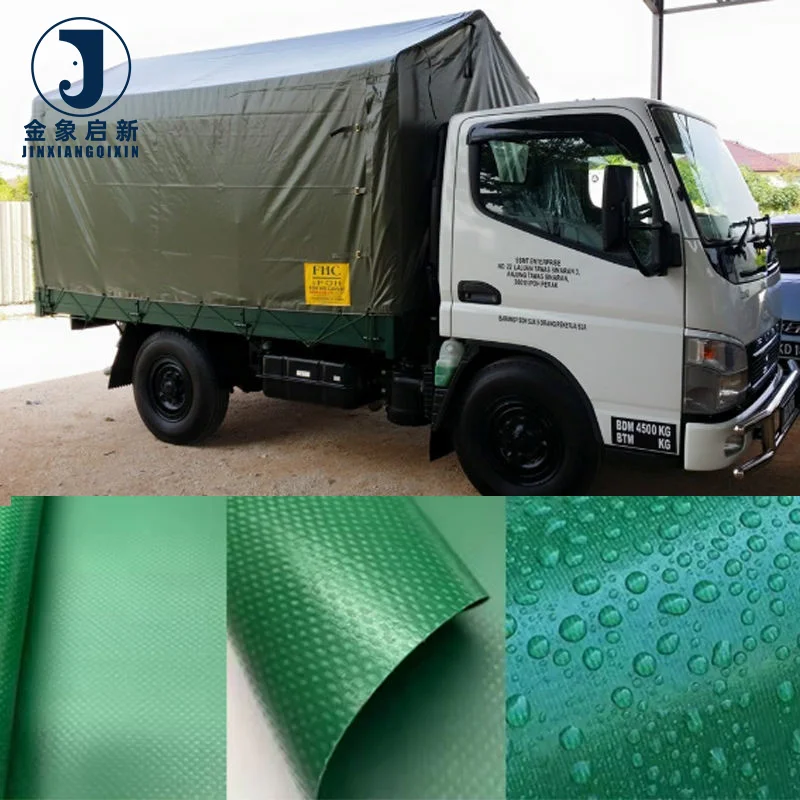
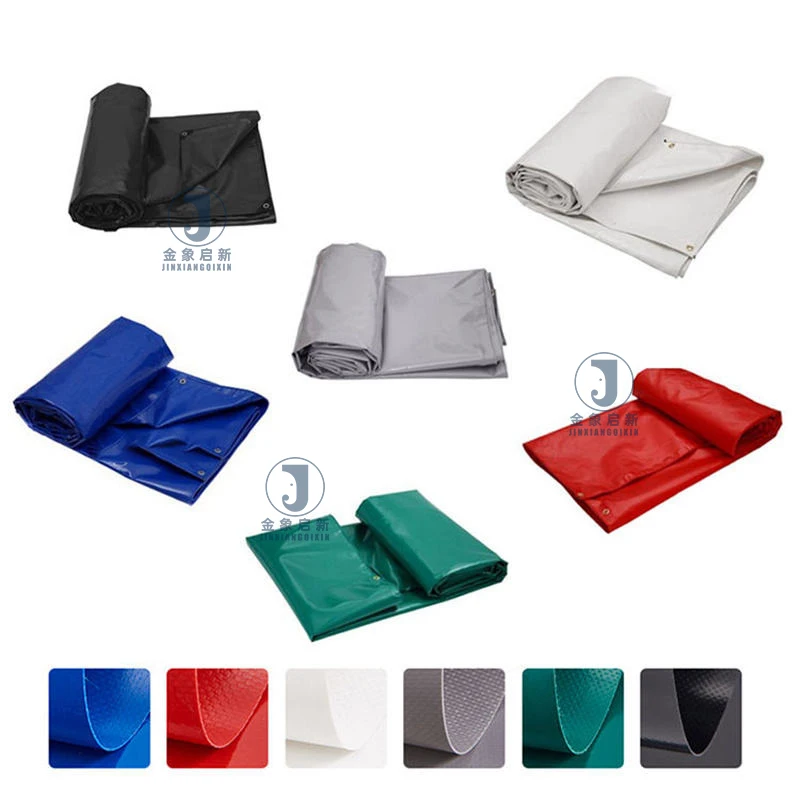
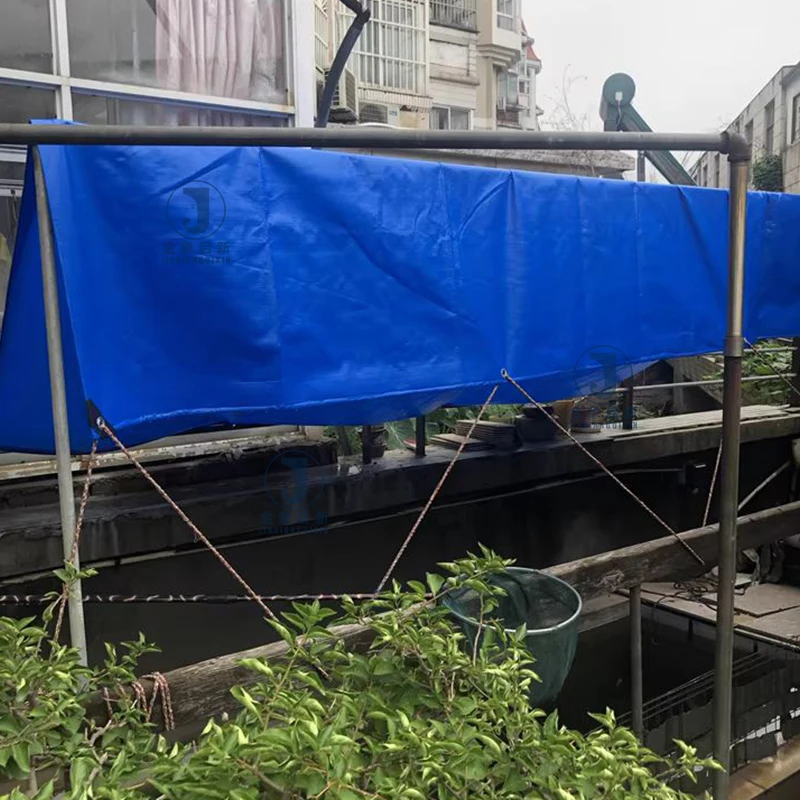
PVC Coated Tarpaulin Truck Cover with anti-UV, flame retardant and water resistant treatments — available in multiple colors and double-faced construction for side curtain applications. Base fabric denier, weave and coating weight are selectable to match GSM and tensile requirements at flex points. Welded seam strength is engineered for the highest-load zones where fabric flexes during transit. Backed by 100% pre-shipment inspection with retained reference samples for color consistency across rolls.
Description
Deep Process Control Over Coating Weight — Every roll of PVC tarpaulin truck cover leaving our facility is weighed and measured against the quoted specification before loading, because a side curtain that comes up light will not survive the flex cycles of a long-haul route.
Technical Specifications
| Parameter | Value |
|---|---|
| Product Type | PVC Coated Tarpaulin Truck Cover |
| Material | PVC Coated Tarpaulin |
| Construction | Double-Faced |
| Surface Treatment | Anti-UV, Flame Retardant, Water Resistant (confirm the grade required for your market) |
| Colors | Multiple Colors Available |
| Standards | ISO, CE |
Application Suitability
| Application | Exposure & Requirement |
|---|---|
| Trailer side curtains | Constant flexing at tie-down points, road debris abrasion, UV exposure, wind load |
| Cargo protection covers | Weather and moisture ingress, load shift friction, repeated folding and unfolding |
| Advertising tarpaulins with logo printing | Outdoor UV exposure, large-format print adhesion, visual colour consistency across panels |
| Transport fleet standardization | Cross-model fitment, batch-to-batch colour matching, uniform weld behaviour during fabrication |
Why a Generic-Size PVC Tarpaulin Truck Cover Aftermarket Supplier Will Cost You More Than Fabric
A cover that does not match your trailer model creates gaps at the rail, puts stress on the wrong seams, and fails within months instead of years.
When a truck cover is cut to a standard rectangle rather than to the actual curtain track dimensions of a specific trailer, the eyelets sit off the reinforcement webbing, the welded hems take load they were not designed for, and the fabric bunches at the rear buckle. I have watched fleets replace entire curtain sets prematurely because the replacement panels were ordered by nominal trailer length without accounting for the overlap and tensioning hardware. The PVC tarpaulin truck cover aftermarket supplier who asks for your exact trailer drawings before cutting is the one saving you from a second order [NEED_CITE: tensile and tear test methods for coated fabrics per ISO 1421].
Curtain Fitment Starts with the Trailer Drawing, Not the Brochure
Every trailer manufacturer uses a different curtain track profile, buckle spacing and header rail geometry. Supplying a PVC tarpaulin truck cover that fits a Schmitz Cargobull is not the same as supplying one for a Krone or a Wielton, even when the nominal body length reads the same on paper. We request the track-to-track width, the curtain drop, the buckle bar position and the header overlap before we cut a single panel. This eliminates the most common field complaint: a curtain that is technically the right size but installs with a twist or a gap that lets weather in and cargo visibility out.
Welded Seams Carry the Real Load on a Side Curtain
The fabric itself rarely fails first on a truck side curtain — the welded seams do, specifically at the points where the curtain flexes every time the driver opens and closes the load bay. Our PVC tarpaulin truck cover panels are welded with heat and pressure calibrated to the coating weight and the base fabric denier, so the bond strength tracks with the tensile rating of the material rather than falling short of it [NEED_CITE: high-frequency and hot-air weld strength requirements for PVC coated fabrics]. Reinforced hems and eyelet spacing are set to distribute tie-down load across the weave, not concentrate it on a single yarn path.
What the Coating Weight and Base Fabric Denier Actually Mean for Your Curtain
GSM alone tells you how heavy the fabric is, not how strong it is. A 650 GSM PVC coated tarpaulin built on a low-denier base fabric with heavy coating will feel stiff but tear more easily along the weft than a panel with a tighter, higher-denier weave and slightly less coating. The denier and the thread count per centimetre determine how a tear propagates once a stone or a forklift tine starts one. Coating method — whether knife-over-roll, dip, or calender — governs peel strength and therefore how well the PVC bond survives repeated heat welding at the fabrication stage. A double-faced construction lets you run one colour on the road side and a different shade on the cargo side, which matters when fleet branding and interior light reflection have different requirements. Surface finish, glossy or matte, influences both dirt pickup on the highway and the adhesion of digitally printed advertising graphics.
The Hidden Cost of Skipping Pre-Shipment GSM and Colour Verification
When a container arrives at the yard and the rolls weigh lighter than the quotation stated, the options are limited: accept the material and accept reduced service life, or ship it back at a cost that erases any unit-price savings. Colour variation between rolls in the same shipment is equally expensive once the panels are hung side by side on a trailer — the fleet branding looks inconsistent and the customer rejects the vehicle. These are not manufacturing defects; they are procurement gaps where pre-shipment inspection was assumed rather than specified. Our process holds reference samples from the approved batch and checks every roll against them before packing [NEED_CITE: colour fastness and batch consistency standards for PVC coated textiles].
Why Fleet Operators Source Side Curtain Fabric Through This Facility
Three full coating lines and thirty-six sets of converting equipment mean we run PVC tarpaulin truck cover stock and custom orders simultaneously without cross-contamination of colour runs. A ten-person R&D team develops sample panels within days, matching your base fabric denier, coating weight and surface finish to the flex and abrasion demands of your specific route profile. Every production stage has a dedicated QA checkpoint, and the pre-shipment inspection record you receive includes actual measured GSM per roll, not a copy of the original quotation. Custom widths, lengths, eyelet spacing and printed branding are all handled on the same line, which keeps lead times contained and eliminates the coordination failures that happen when cutting, welding and printing are subcontracted to different shops.
Documentation & Verification
- Material specification sheet listing base fabric denier, coating weight and confirmed GSM per roll
- Anti-UV and flame retardant test reports matched to the grade specified on the purchase order
- Pre-shipment inspection record with actual scale weight and colour reference check per roll
- Roll packing list with net and gross weight, roll count and linear metre total per container
- Certificate of origin and customs documentation package for destination clearance
Fabrication, Handling & Storage
- Heat-weld side curtain seams at temperatures matched to the PVC coating weight to avoid delamination under load flex
- Reinforce eyelet positions through the base fabric weave, not just the coating layer, to prevent pull-through
- Store rolls upright on pallets to prevent flat-spot creases that show through the double-faced finish once installed
- Avoid dragging printed panels on unprotected surfaces to preserve logo sharpness and coating integrity
- Clean cured PVC surfaces with mild detergent only — solvent-based cleaners degrade the plasticiser in the coating
What to Include When You Send an Enquiry
To move past generic quotes and into a workable specification, share the trailer model or curtain track dimensions, the operating environment including UV exposure and any fire classification your market requires, and whether you need finished panels with eyelets and welded hems or roll stock for your own fabrication line. If colour consistency across a mixed fleet or printed advertising graphics are part of the order, tell us the reference colours and the panel count so we can confirm batch feasibility before sampling.
Frequently Asked Questions
Q: How do you verify the GSM on arrival matches what was quoted?
A: Every roll is weighed on calibrated scales during the pre-shipment inspection. The actual measured GSM is recorded on the inspection report that ships with the documentation package, so you can cross-check it against the quotation without relying on a datasheet claim.
Q: Can side curtains be cut to fit my exact trailer model dimensions?
A: Yes. We request the curtain track width, drop height, buckle bar position and header overlap for your specific trailer model before cutting. This prevents the fitment gaps and seam stress that occur when panels are cut to generic nominal sizes.
Q: What test reports come with anti-UV or flame-retardant fabric?
A: Test reports corresponding to the grade specified on your order are included in the documentation package. Confirm the classification your destination market requires — such as DIN 4102 or NFPA 701 — so we supply the correct validated grade.
Q: How is colour consistency maintained across multiple rolls in one order?
A: Reference samples from the approved batch are retained, and each production roll is checked against them before packing. Rolls that fall outside the colour tolerance are pulled from the shipment rather than mixed into your container.
Related products
-
Custom PVC Truck Cover for Trailer – Manufacturer
Read more -
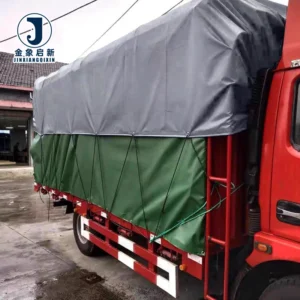
PVC Truck Cover Tarpaulin for Trailers – Custom Made
Read more -
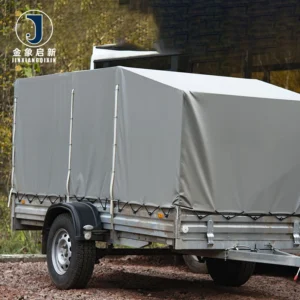
100% Polyester Organic Blackout Breathable Heavy Duty Waterproof PVC Coated Weft Fabric Roll Outdoor Tarpaulin for Boys Girls
¥1.80 Select options This product has multiple variants. The options may be chosen on the product page -
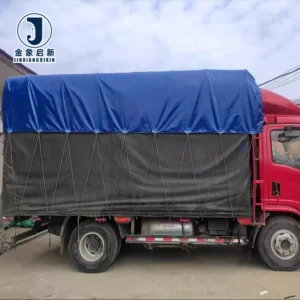
Custom PVC Truck Cover for Trailer – Manufacturer
Read more