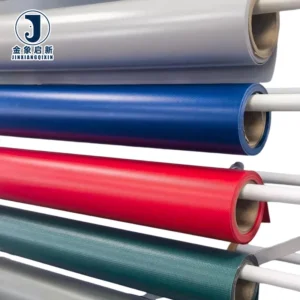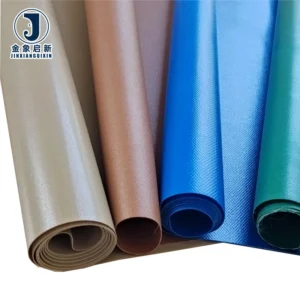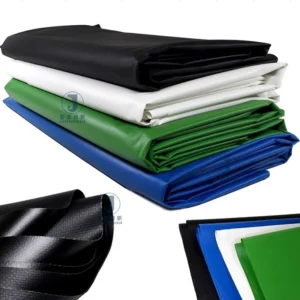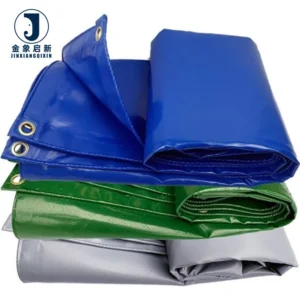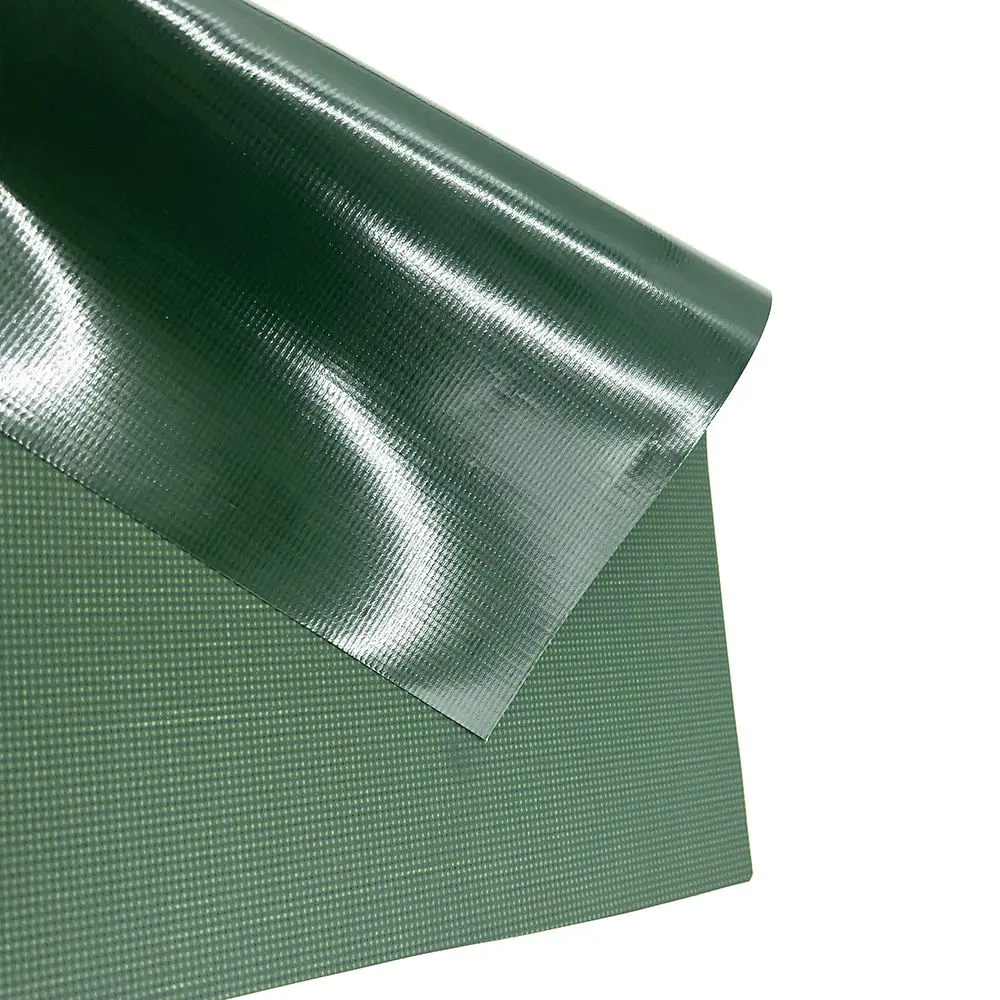
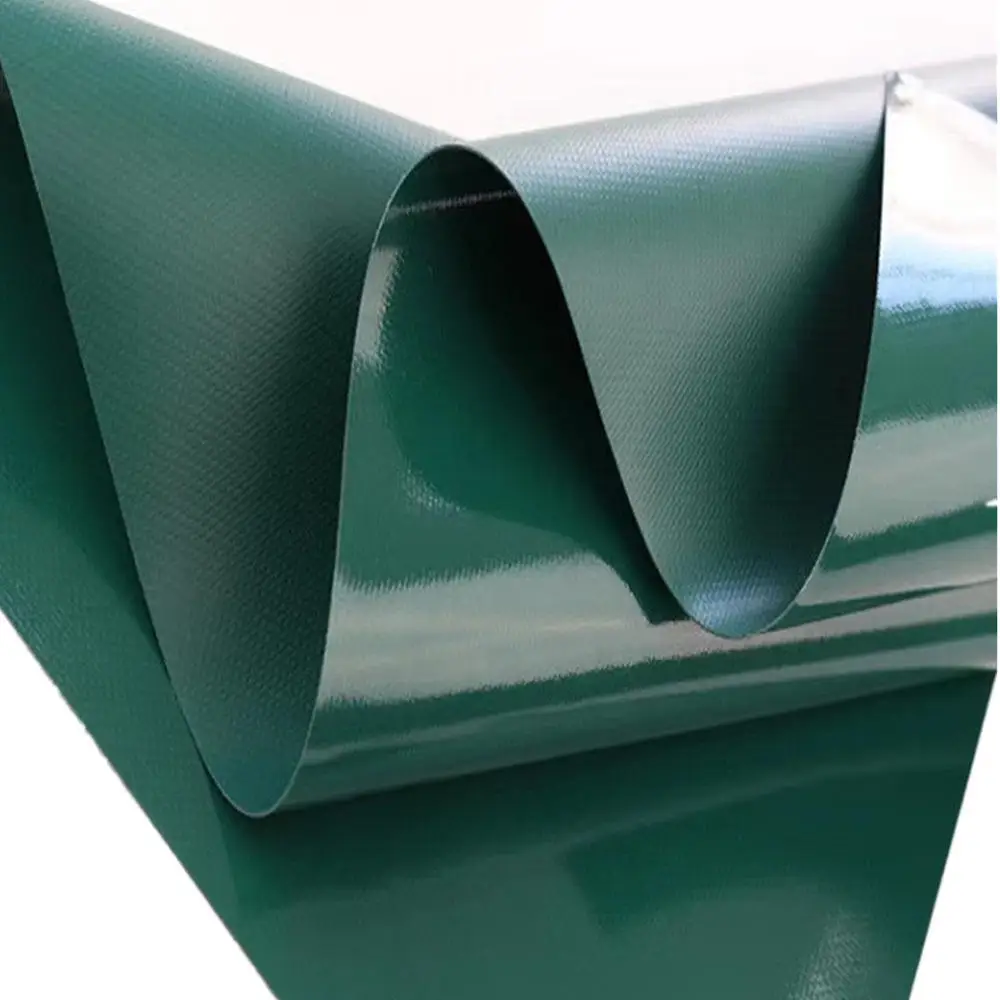
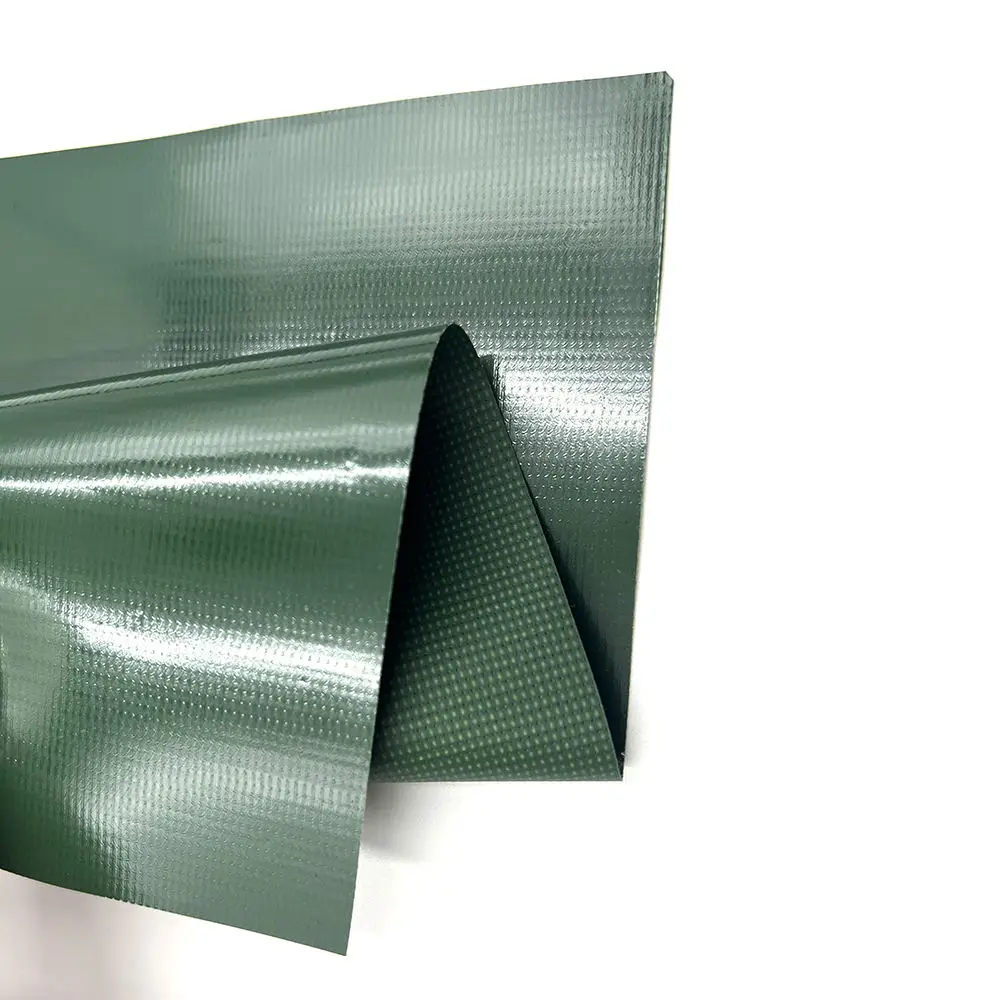
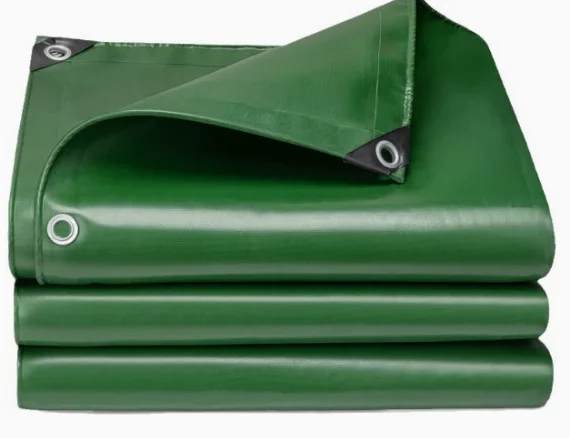
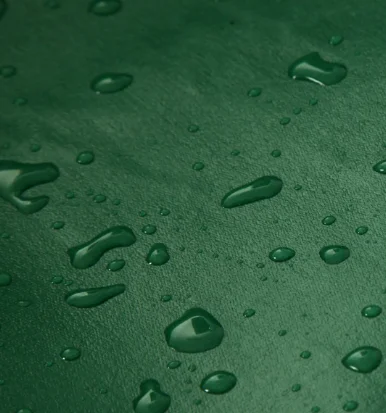
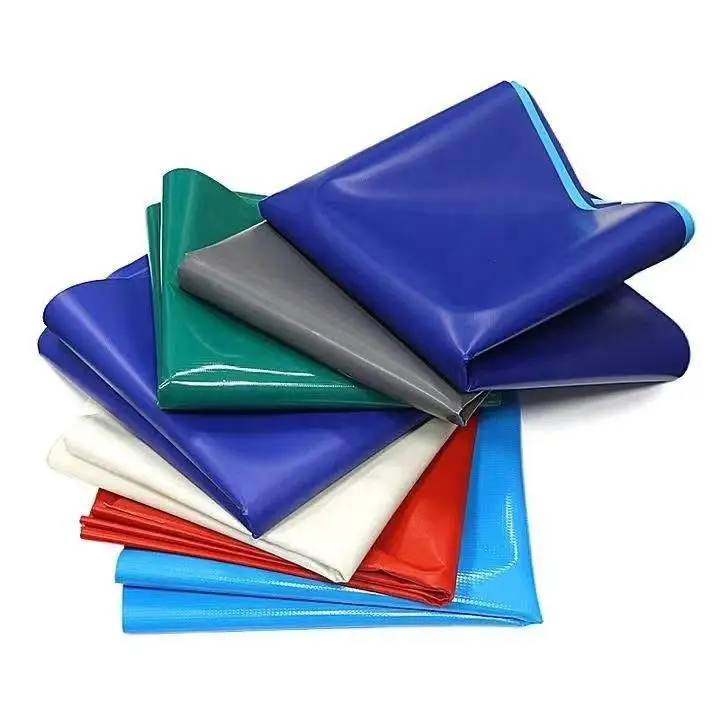
Green PVC Knife Coated Tarpaulin Roll for Truck Covers & Industrial Use — knife-coated construction with UV, flame retardant and antibacterial treatment, supporting HF, hot air and sewing fabrication.
- Full treatment matrix verified by test report on request
- Custom width, colour matching and branding handled in-house
Backed by 30 years of coating process control, 100% pre-shipment inspection and dedicated R&D sample development within days.
Description
Coating Line Process Control — Every roll of Green PVC Knife Coated Tarpaulin Roll is weighed and inspected at the coating line to ensure the GSM matches the specification sheet before it leaves the facility.
Technical Specifications
| Parameter | Value |
|---|---|
| Product Type | PVC Coated Tarpaulin Roll |
| Material | PVC Knife Coated |
| Color | Green |
| Surface Finish | Self-Cleaning System |
| Welding Options | HF / Hot Air / Sewing |
| Fire Retardant | Yes (grade not stated — confirm the grade required for your market) |
| UV Resistance | Yes (test basis not stated) |
| Antibacterial & Mildew Proof | Yes |
| Oil & Stain Resistance | Yes |
| Acid & Alkali Resistance | Yes |
| Temperature Resistance | High Temperature and Cold Resistant |
| Flexibility | Highly Flexible, Crack Resistant |
| Weather Resistance | Anti-oxidation, Durable |
| Key Features | Fire retardant, UV resistant, antibacterial, mildew proof, oil & stain resistant, acid & alkali resistant |
Application Suitability
| Application | Exposure & Requirement |
|---|---|
| Truck side curtains and covers | Constant flexing at load points, road debris abrasion, prolonged UV exposure, weather sealing |
| Tensile and membrane structures | Sustained tensile load, wind uplift, UV degradation over seasons, architectural aesthetics |
| Portable storage structures | Temporary outdoor deployment, wind and rain exposure, repeated assembly and teardown |
| Airport hangar covers | Large span tension, fuel and chemical splash risk, fire compliance requirements |
| Shade systems and stadium roofs | Direct sunlight exposure, thermal cycling, structural load bearing, public safety fire codes |
What "Fire Retardant" Really Means When No Grade Is Named
A flame retardant claim without a recognised test standard is a liability on the job site, not a feature.
I have watched a 650-gram PVC tarpaulin roll pass a visual inspection only to fail the fire marshal’s check because the certificate referenced a standard the local authority did not accept. The contractor had to strip the entire temporary enclosure and reorder. When you source a Green PVC Knife Coated Tarpaulin Roll aftermarket supplier, ask which specific fire classification the material carries — B1 per DIN 4102, NFPA 701, or M2 — because the grade determines whether your structure passes inspection or gets shut down. [NEED_CITE: DIN 4102 fire classification for building materials]
Full Treatment Matrix for Demanding Environments
This Green PVC Knife Coated Tarpaulin Roll is available with a range of functional treatments applied at the coating stage. UV stabilisation, fire retardant, antibacterial, and anti-static options can be specified individually or combined, depending on the end-use environment and compliance requirements of the target market.
Each treatment is documented with a test report where applicable, so the buyer can verify performance before authorising bulk production. This matters for projects where a fire marshal, port authority, or aviation client demands paper proof, not just a data sheet claim.
Welding Versatility Across Fabrication Methods
The knife-coated PVC construction supports high-frequency welding, hot-air welding, and traditional sewing — giving fabricators the flexibility to match the joining method to the structural demand. High-frequency welding produces a homogeneous bond at the seam, which is critical for tensile structures where the weld line carries continuous load.
Hot-air welding suits on-site repairs and field modifications where portable equipment is the practical choice. Sewn seams with thread and tape reinforcement remain relevant for heavy-duty truck side curtains that experience repeated flex cycles at the hem [NEED_CITE: tensile and tear test methods for coated fabrics per ISO 1421]. Selecting the right welding method at the specification stage prevents seam failure before the fabric itself reaches end of life.
Reading the Specifications That Actually Matter
Knife coating deposits PVC paste directly onto the base fabric under controlled blade pressure, forcing the coating into the weave structure rather than simply laminating a film on top. This produces higher peel strength at the coating-to-fabric interface, which is why knife-coated tarpaulins tolerate the repeated folding and tensioning that truck covers and tensile membranes endure.
The self-cleaning surface finish reduces dirt accumulation and makes routine washing easier — a practical advantage for truck fleet livery and architectural shade systems where appearance matters over time. Temperature resistance across both high and cold ranges means the fabric remains flexible in winter transport routes and stable under summer solar loading without softening or becoming brittle. Acid and alkali resistance broadens the usable environment to include agricultural, chemical handling, and industrial storage applications where chemical splash or soil contact is a factor.
The Hidden Cost of Skipping Sample Approval
I have seen entire container loads of coated fabric rejected at the destination because the buyer approved a quotation but never approved a physical sample roll. The colour shifted between production batches, and when two rolls were unrolled side by side on a truck curtain, the mismatch was obvious to the end client.
Batch colour consistency, surface gloss level, and weld behaviour can all vary if the production run is not anchored to a signed-off sample. Requesting a sample roll and running a test weld before authorising full production costs a few days but eliminates the risk of a container-load rejection. [NEED_CITE: colour fastness and batch consistency standards for coated technical textiles]
Why Source This Fabric Here
Deep process control at the coating line means GSM and coating weight are verified per roll, not just stated on a quotation — the number on the spec sheet is the number on the scale.
Three full production lines and 36 sets of professional equipment support bulk order volumes with consistent lead times, whether the order is five rolls or fifty.
A 10-person R&D team handles custom colour matching, width adjustment, and sample development in-house, returning physical samples for buyer approval within days rather than weeks.
Dedicated QA and QC inspection at every production stage, with 100% pre-shipment checking, catches coating defects, colour drift, and GSM deviation before the roll is packed.
Full documentation — from material specification sheets to certificates of origin — travels with the shipment so customs clearance and on-site compliance checks proceed without delays.
Documentation & Verification
- Material specification sheet stating base fabric, coating type, and confirmed GSM for this green PVC roll
- Test reports for UV, fire retardant, and anti-static grades provided where applicable to the specified treatment
- Pre-shipment inspection record verifying roll count, colour consistency, and weight per roll
- Roll packing list with individual roll identification for traceability through the supply chain
- Certificate of origin and customs documentation prepared for destination country requirements
Fabrication, Handling & Storage
- Set HF welding parameters based on the PVC knife-coated thickness to avoid burning through the self-cleaning surface layer
- Allow cold-stored rolls to acclimatise to workshop temperature before unrolling to prevent creasing and coating stress
- Use compatible PVC-based cleaners only — solvent-based products can degrade the self-cleaning surface finish
- Store rolls upright on pallets in a covered area to prevent flat-spot deformation of the knife-coated surface
- Plan cut layouts to minimise offcuts, accounting for the roll width and the directional pattern of the base fabric weave
Before You Request a Quote
Provide the intended application, the environmental exposure conditions, and any fire or safety classification required by the local authority at the installation site. Specify the roll width, colour reference, and whether you need the material as roll stock or as fabricated cut sizes with finished hems. Let us know if a physical sample roll is required for weld testing and colour approval before bulk production is scheduled.
Frequently Asked Questions
Q: Can you match a specific Pantone or RAL colour across multiple rolls in one order?
A: Yes. The R&D team prepares a lab dip based on your colour reference, and a physical sample roll is produced for your approval before bulk runs begin. All rolls in the confirmed order are produced from the same coating batch to maintain colour consistency across the shipment.
Q: What test reports come with fire retardant or UV-treated grades?
A: Test reports are provided for the specific treatment grade applied to your order. Fire retardant reports reference the standard used, such as DIN 4102 or NFPA 701. UV and anti-static test reports include the method and result. Request the reports during the specification stage so they align with your local compliance requirements.
Q: How do I specify custom width, eyelet spacing, and reinforced hems?
A: Provide the finished dimensions, eyelet spacing interval, and hem reinforcement type during the inquiry stage. The R&D team develops a sample showing the construction detail for your approval. This applies whether you order fabricated cut sizes or roll stock with hem finishing added at the factory.
Q: What is the sample development lead time before bulk production starts?
A: Sample development typically takes several days once the specification is confirmed. This includes material selection, coating, colour matching, and finishing. Buyer approval of the sample is required before bulk production is scheduled, ensuring the final product matches the agreed standard.
Q: Do you provide documentation such as certificate of origin and material spec sheets?
A: Yes. Each shipment includes a material specification sheet, roll packing list, pre-shipment inspection record, and certificate of origin. Additional test reports and certificates are included based on the treatments specified. All documentation is prepared to support customs clearance and on-site compliance verification.
Related products
-
Heavy Duty Fire Retardant Waterproof PVC Coated Tarpaulin Rolling Tarp Materials for Truck Cover Tents Outdoor Usage
¥1.40 Add to cart -
Wholesale Pricehigh Quality Outdoor Waterproof Tarp Customized Pvc Tarpaulin Roll
¥1.20 Add to cart -
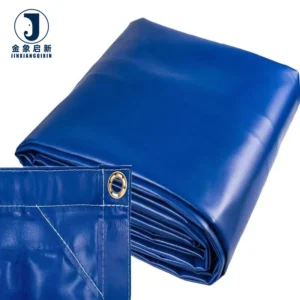
Custom Reinforced Edges Rip-Stop Rubberized PVC Tarpaulin Industry Covering Vinyl Coated Polyester Tarps for Trucks
¥8.00 Select options This product has multiple variants. The options may be chosen on the product page -
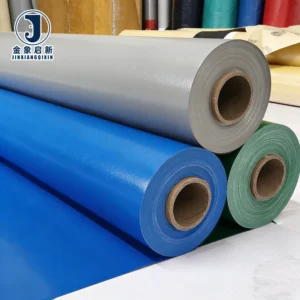
Tarp Factory 610gsm 650gsm 800gsm Awnings Tent PVC Coated Fabric Waterproof Bache Lona PVC Tarpaulin Roll
¥1.45 Select options This product has multiple variants. The options may be chosen on the product page