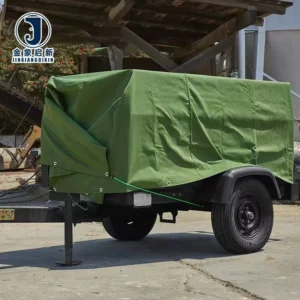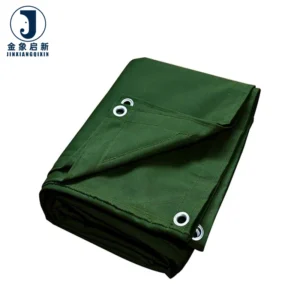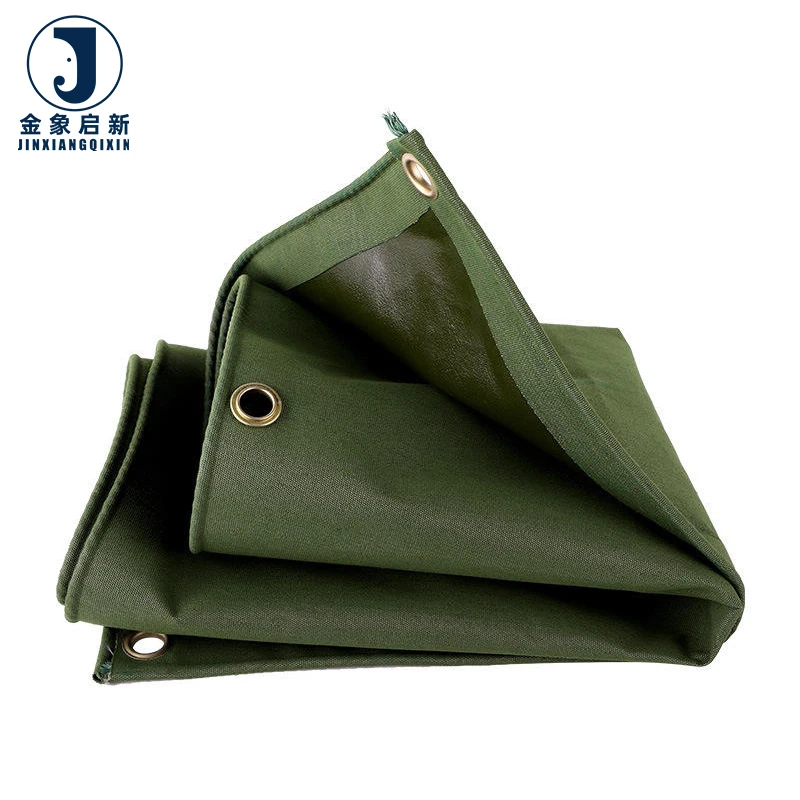
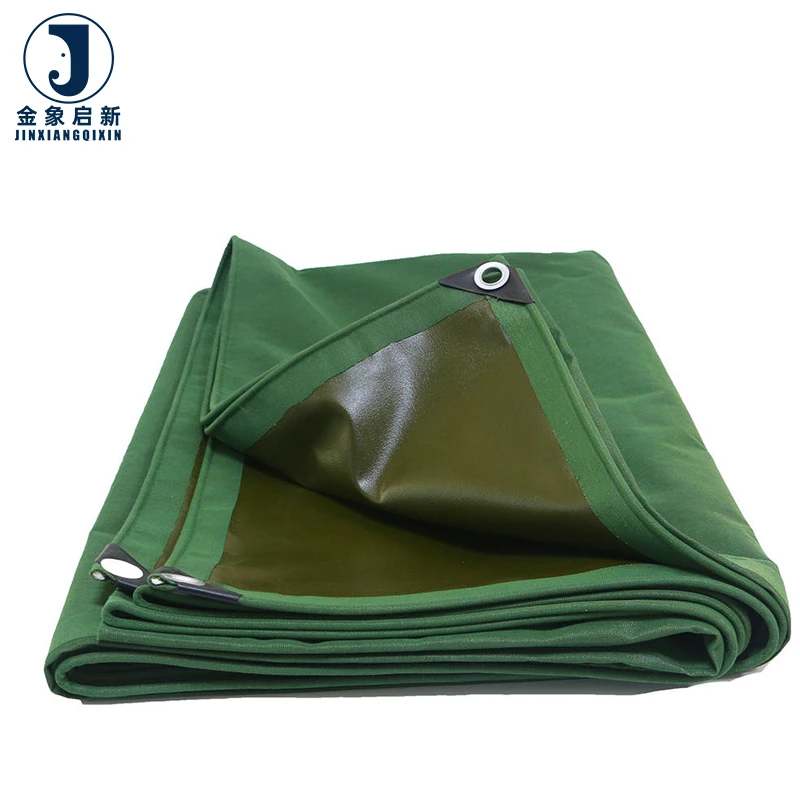
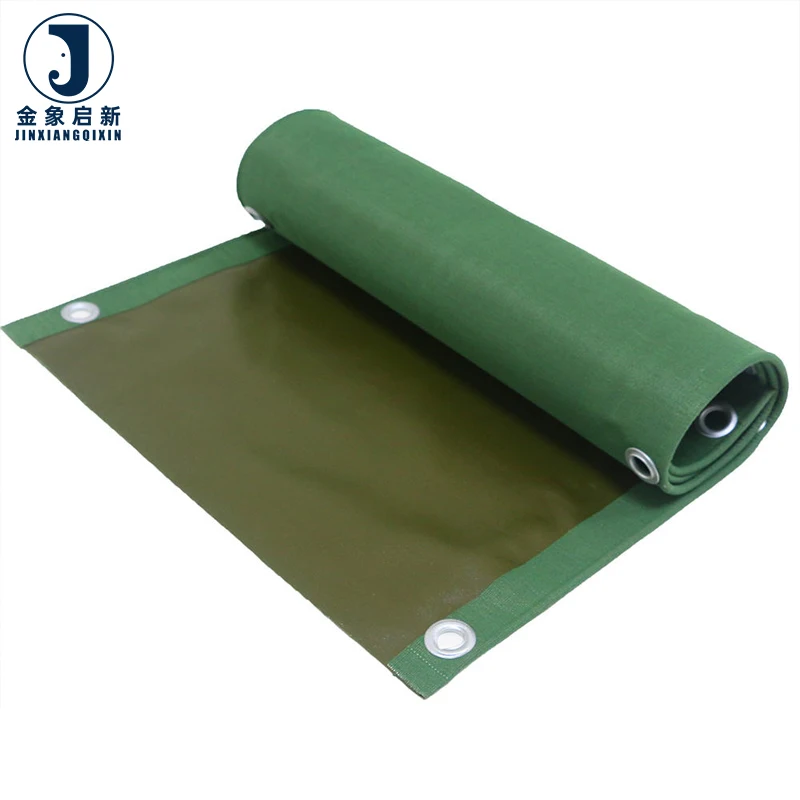
Woven Canvas Laminated Tarpaulin, 600 GSM, Waterproof, Flame Retardant — UV resistant for heavy-duty industrial and outdoor use.
- Coating adhesion and weight control ensure the 600 GSM you specify is the 600 GSM you receive, verified at every production stage.
- Custom widths, reinforced edges, and eyelet placement configured to your application requirements.
- Backed by a 10-person R&D team and 100% pre-shipment inspection across nearly 30 years of coated fabric expertise.
Description
Proven Coating Process Control — every roll of 600 GSM woven plain canvas laminated tarpaulin is verified at our QA/QC stage with 100% pre-shipment weight inspection to guarantee stated specifications match the material you receive.
Technical Specifications
| Parameter | Value |
|---|---|
| Product Type | Laminated Tarpaulin |
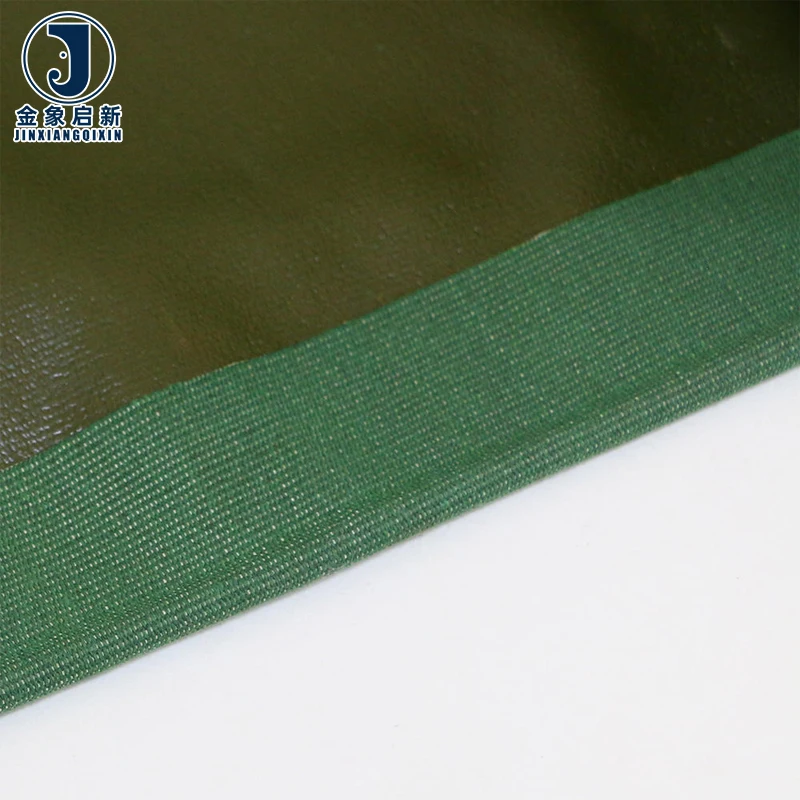
| Base Fabric | Woven Plain Canvas |
| Weight | 600 GSM |
| Coating Method | Laminated |
| UV Treatment | Available (test basis to be confirmed per order) |
| Flame Retardant Grade | Available (grade to be specified and documented per project) |
| Waterproof | Yes |
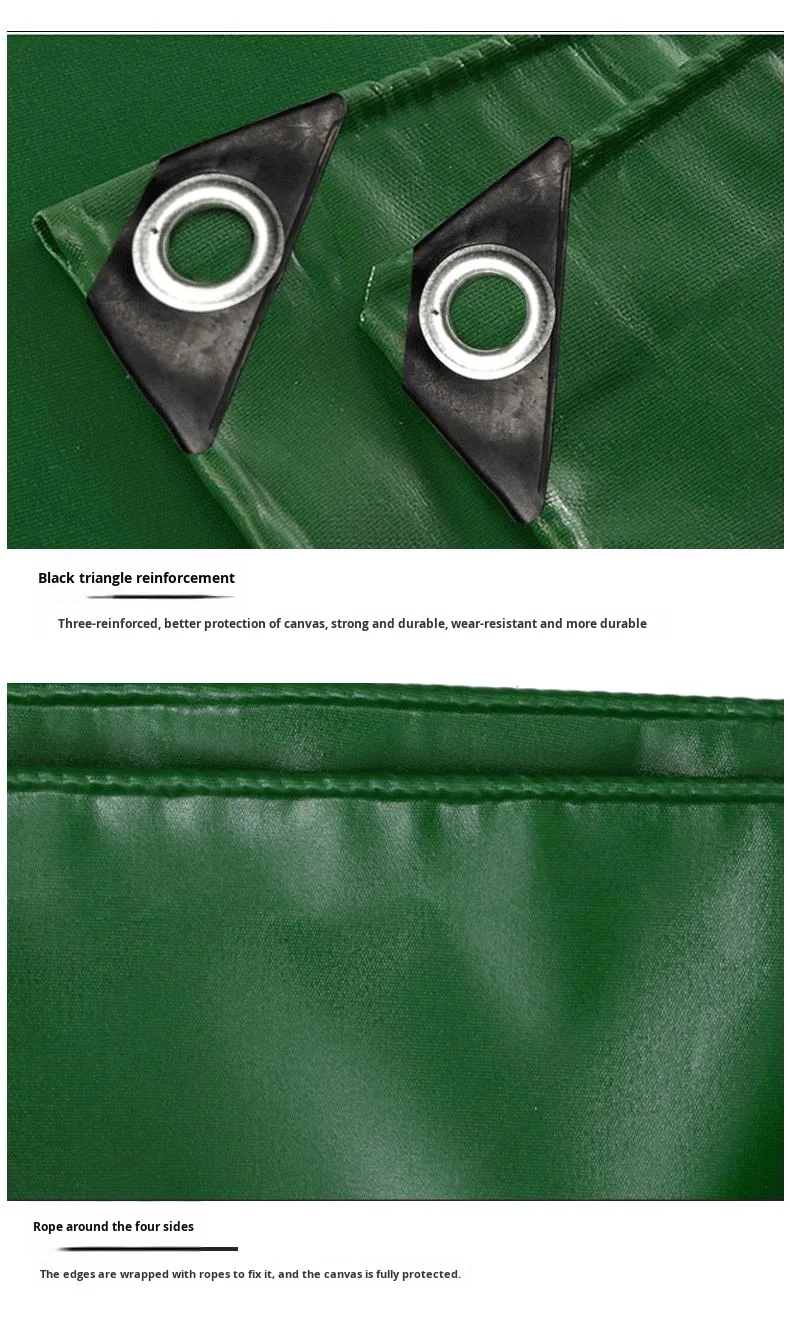
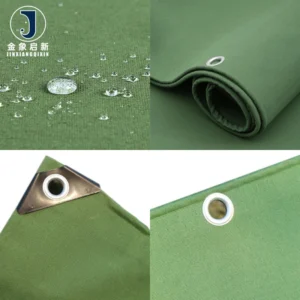
| Edge Reinforcement | Reinforced edges to prevent tearing and wear |
Application Suitability
| Application | Exposure & Requirement |
|---|---|
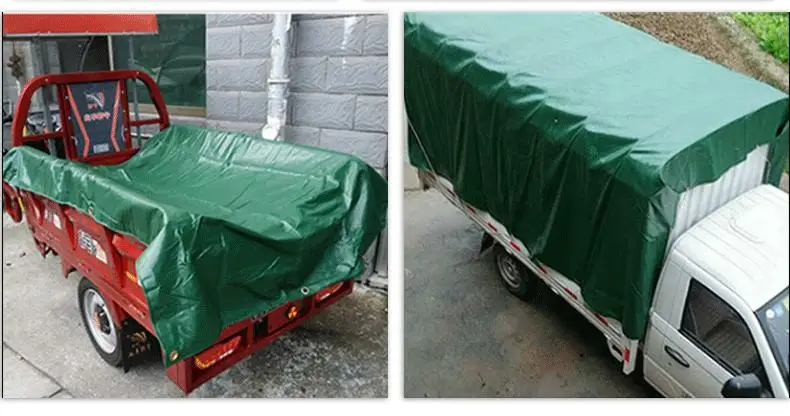
| Industrial Outdoor Covering | Prolonged sun and rain exposure, abrasion from wind-driven debris, requirement for waterproof and UV-resistant performance |
| Construction Site Protection | Heavy equipment contact, dirt and chemical splash, requirement for tear resistance and flame-retardant compliance on regulated sites |
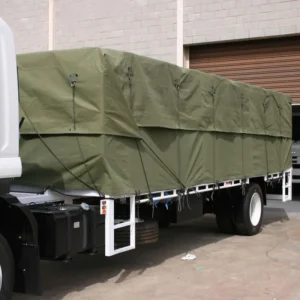
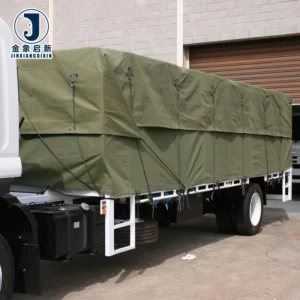
| Multi-use Heavy-Duty Load Covering | Tie-down strap tension at edges, friction against irregular cargo surfaces, requirement for reinforced edges and consistent GSM |
| Camping and Outdoor Activities | Ground moisture, folding and unfolding stress, requirement for waterproof construction and manageable weight |
Why Stated GSM Without Verification Still Leads to Cover Failure
The weight on the quotation only matters if it matches the roll that arrives on your dock.
Sourcing a 600 GSM Laminated Canvas Tarpaulin manufacturer often means dealing with suppliers who quote a target weight but deliver rolls that consistently fall short once you cut them open. The shortfall rarely shows up on a quick hand-feel check; it appears months later when the fabric tears at the tie-down point or the lamination begins to delaminate under flex load [NEED_CITE: tensile and tear test methods for coated fabrics per ISO 1421]. I have watched buyers accept shipments based on trust alone, only to find the base fabric was woven to a lighter denier than specified and the coating weight was adjusted downward to hit a cost target. That is why our production process includes roll-level weight verification against the stated 600 GSM before any roll is cleared for dispatch.
Full-Catalogue Custom Capability Across Width, Length and Finish
When you specify a 600 GSM Laminated Canvas Tarpaulin for a project that demands non-standard dimensions, the ability to adjust width and length without sacrificing coating consistency is critical. Our production lines support custom width runs on this woven canvas base, and the lamination process maintains adhesion across the full roll surface regardless of the cut dimension. Buyers ordering for industrial equipment covers or construction site panels benefit from this flexibility because it reduces on-site seaming and the associated risk of water ingress at welded joints.
Coating Adhesion and Edge Reinforcement Under Field Stress
The lamination method used on this 600 GSM canvas creates a bond between the coating layers and the woven base that must withstand repeated folding, strapping and environmental cycling. Reinforced edges are built into the tarpaulin construction to address the most common failure zone — the perimeter where tie-down loads concentrate and where the fabric flexes most sharply [NEED_CITE: common failure points in heavy-duty tarpaulin installations]. Without edge reinforcement, even a correctly weighted 600 GSM fabric will begin to tear at the hem under sustained strap tension, and that failure compromises the entire cover.
Reading Beyond the GSM Number on the Spec Sheet
The 600 GSM figure tells you the total mass per square metre, but it does not tell you how that mass is distributed between the woven canvas base and the laminated coating layers. A heavier coating with a lighter base fabric may hit 600 GSM on the scale yet deliver lower tear strength than a specification that invests more weight in a denser weave. The lamination process also affects peel strength — the resistance of the coating to separate from the base under flex or heat — and this property is what determines whether the tarpaulin survives repeated folding in cold conditions without delaminating [NEED_CITE: peel strength testing for laminated coated fabrics]. Buyers comparing two 600 GSM options should request the base fabric denier and weave density alongside the total weight to understand where the strength actually comes from.
The Hidden Cost of Accepting Undocumented Specifications
Accepting a 600 GSM canvas tarpaulin without a material specification sheet that breaks down base fabric, coating method and treatment basis creates downstream risk that compounds with every roll in the shipment. A flame-retardant claim without a documented grade means the cover may fail a site inspection on a regulated construction project, forcing replacement at the buyer’s expense and causing schedule delays [NEED_CITE: fire classification standards for temporary construction covers]. Similarly, a UV-resistant claim without a test basis leaves the buyer unable to predict how the fabric will hold up after sustained sun exposure in high-UV regions. These are not theoretical problems — they show up as rejected shipments, re-work orders and disputed invoices.
Procurement Advantages Built Into Every Roll
Our production process for this 600 GSM woven canvas laminated tarpaulin starts with incoming base fabric inspection to confirm denier and weave density before lamination begins. Coating weight is monitored in-process, and every finished roll is weighed and recorded against the 600 GSM target on the pre-shipment inspection record. A 10-person R&D team handles custom sizing, treatment specification and sample development, producing samples within days so buyers can approve the material before bulk production runs. The lamination lines and finishing equipment are calibrated for batch-to-batch colour consistency, and rolls from the same order are checked side by side before packing to eliminate visible colour variation once installed.
Documentation & Verification
- Material specification sheet stating 600 GSM, woven canvas base fabric and lamination coating method
- Test report issued for UV and flame-retardant grades where specified on the purchase order
- Pre-shipment inspection record with roll-level weight verification against stated GSM
- Roll packing list detailing roll count, dimensions and net weight per roll
- Certificate of origin and full customs documentation included with dispatch
Fabrication, Handling & Storage
- Heat-weld settings should be adjusted for laminated construction to avoid delamination at the 600 GSM coating interface
- Reinforced edges require compatible grommet spacing to distribute tie-down load across the perimeter
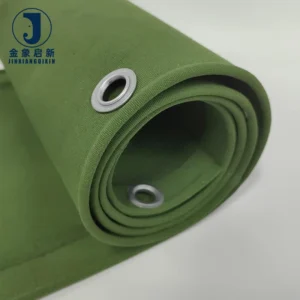
- Store rolls upright on pallets to prevent permanent creasing in the woven canvas base
- Unroll and allow the 600 GSM tarpaulin to acclimatise before fabrication in cold-weather conditions
- Clean with mild detergent only to preserve the laminated coating surface and any applied treatments
How to Structure Your Enquiry for an Accurate Quotation
To receive a specification-matched quotation for this 600 GSM laminated canvas tarpaulin, include your target width and length, required roll quantity and any treatment requirements such as flame-retardant grade or UV test basis for your market. Specify whether you need finished cut-to-size panels with edge reinforcement and eyelet placement or full rolls for your own fabrication line. If colour consistency across multiple rolls is critical for your end use, note this in your enquiry so we can schedule production from a single coating batch.
Frequently Asked Questions
Q: How is the 600 GSM verified on arrival and what re-inspection documentation do you provide?
A: Every roll is weighed at our facility against the stated 600 GSM during pre-shipment inspection, and the inspection record ships with the documentation package. On arrival you can cross-check individual roll weights against the packing list. If any discrepancy is found, the inspection record provides the traceability needed to resolve the claim quickly.
Q: What flame-retardant grades can be supplied and which market-specific standards do they meet?
A: Flame-retardant treatment is available in grades to be specified per project requirement. We supply the grade that matches your local building or site regulation and provide the corresponding test report with the shipment. Include your target standard in your enquiry so we can confirm the applicable grade before production.
Q: What is the UV treatment test basis and how is long-term outdoor performance validated?
A: UV-resistant treatment is applied based on the exposure requirements of your target market, and the test basis is confirmed per order. We provide the test report documenting the method and result alongside the material specification sheet so you have a verified reference rather than an unsupported claim.
Q: What custom width, length, eyelet, hem and printing options are available for this canvas tarpaulin?
A: The 600 GSM laminated canvas base is available in custom widths and lengths, with reinforced edges, eyelet placement to your spacing specification and pattern printing for branding. Samples are developed within days so you can approve dimensions, finish and print quality before bulk production begins.
Q: How do you control batch-to-batch colour consistency when ordering multiple rolls?
A: Rolls from the same order are produced from a single coating batch and checked side by side before packing to verify colour match. This prevents visible variation once the tarpaulin panels are installed adjacent to each other on site or in a finished product.
Related products
-
Heavy Duty Canvas Tarpaulin for Canopy Tent – Custom Made
Read more -
Commercial Custom Plain Boys 4 Foot Retractable Vinyl Canvas Truck Tarps Cover Heavy Duty Trailer Cargo Tarp for Sale
¥1.10 Select options This product has multiple variants. The options may be chosen on the product page -
Canvas Tarpaulin for Asphalt Truck Cover – Custom Made
Read more -
Customized Waterproof Woven Heavy Duty Truck Tarps Side Curtain Cover PVC Laminated Canvas Plain Very Heavyweight Accessories
¥1.50 Add to cart