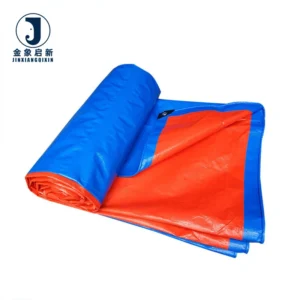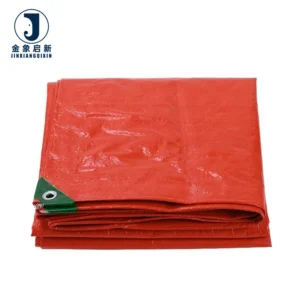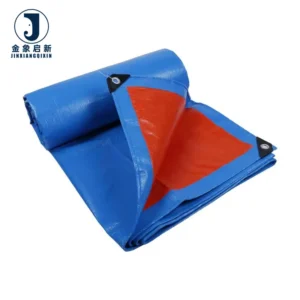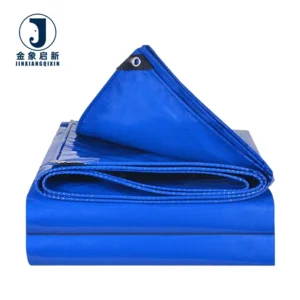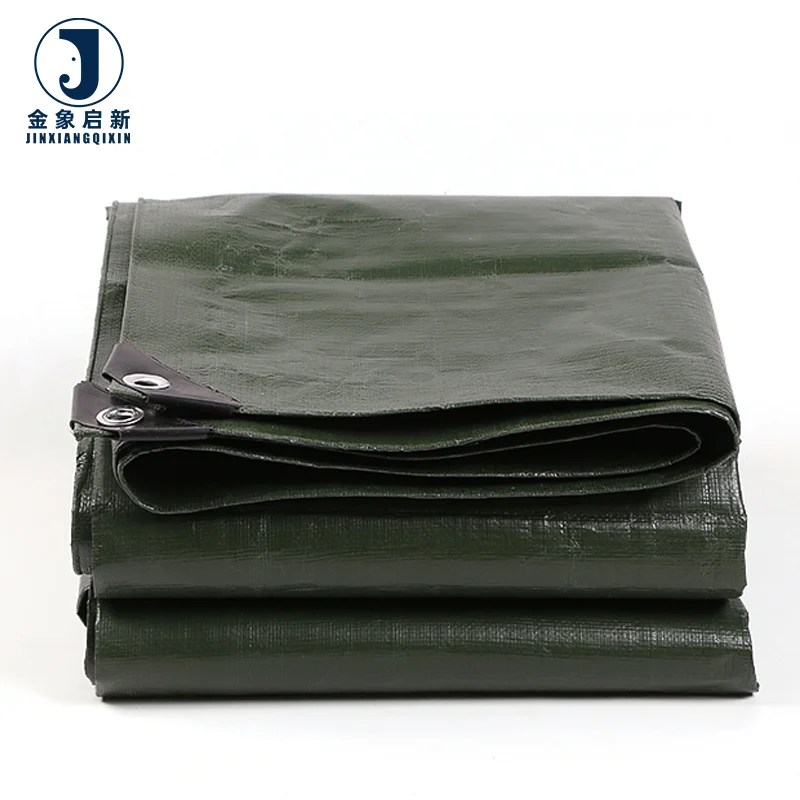
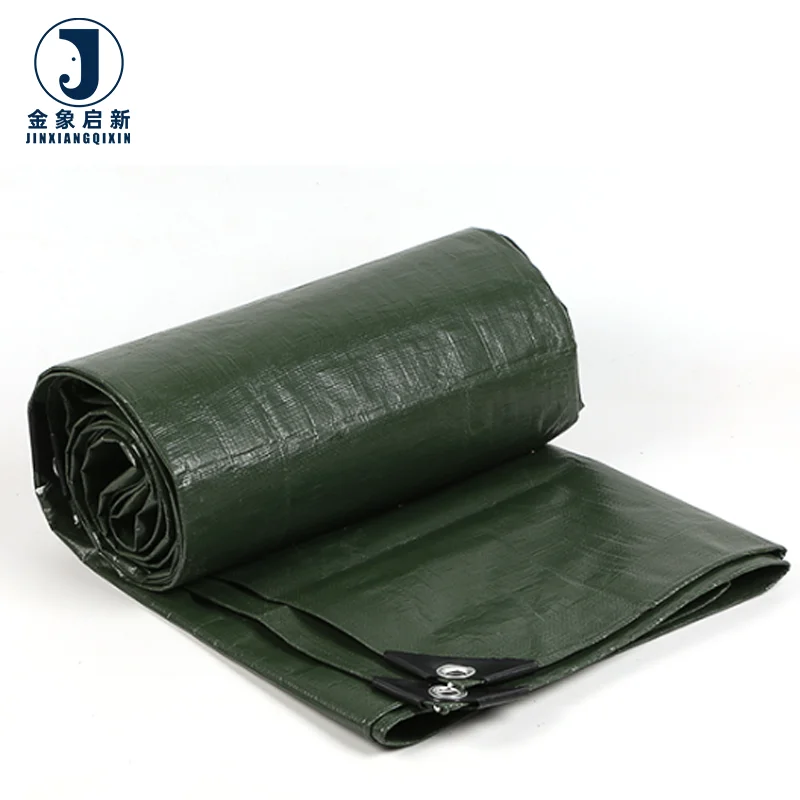
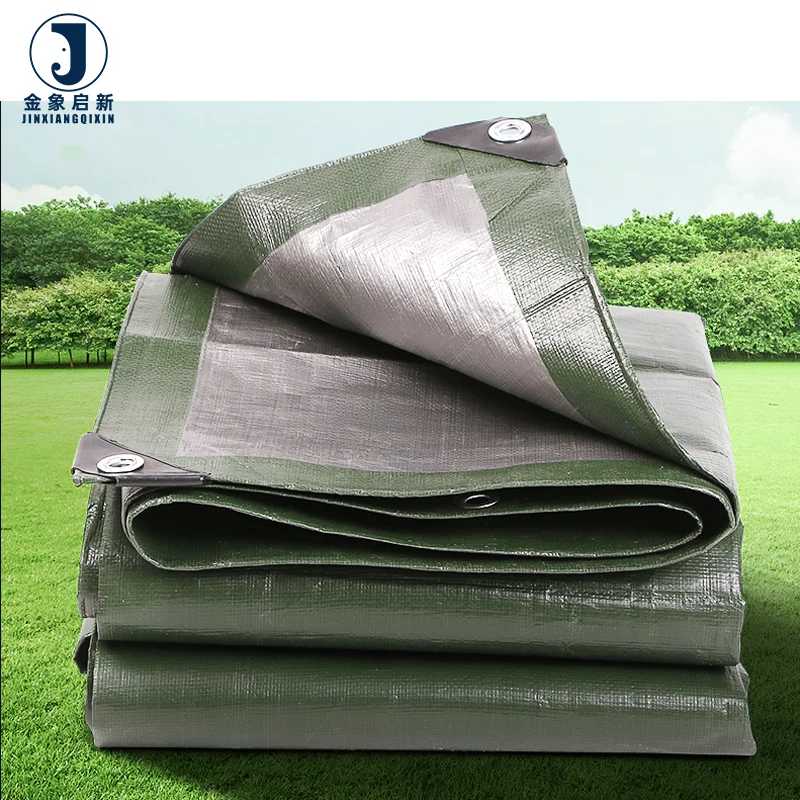
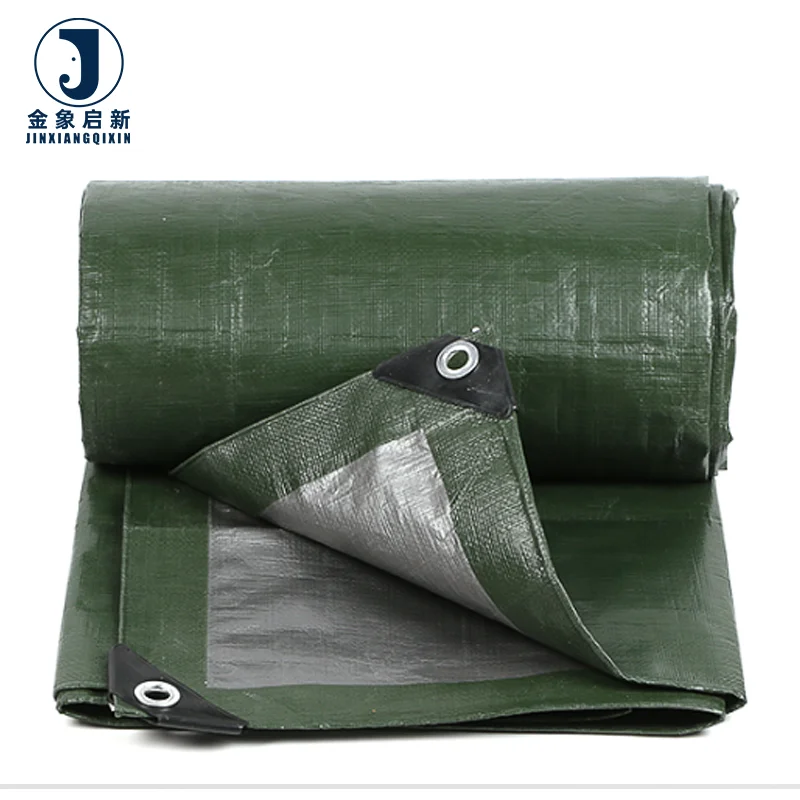
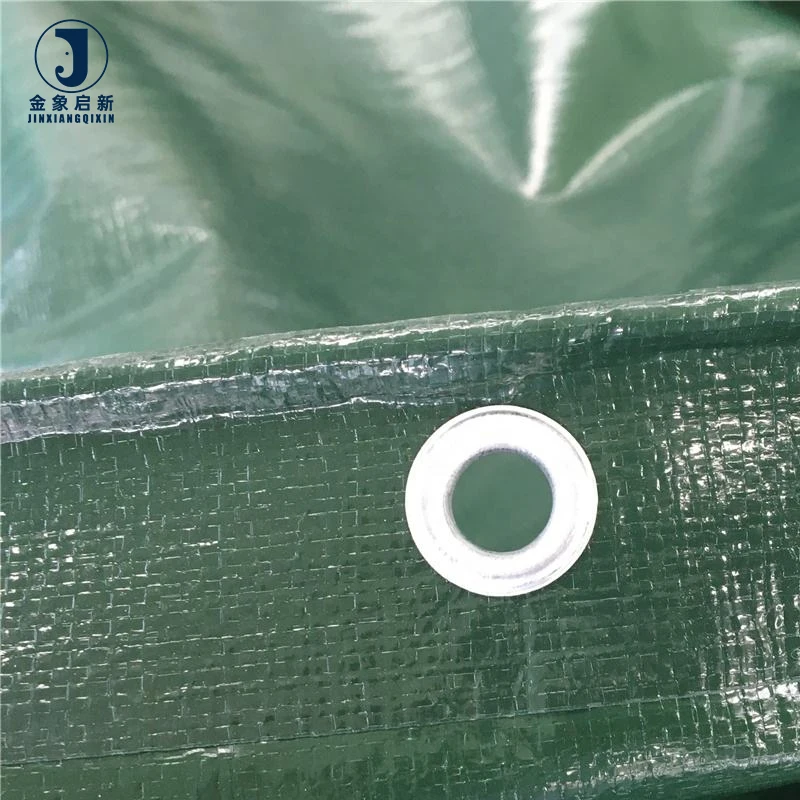
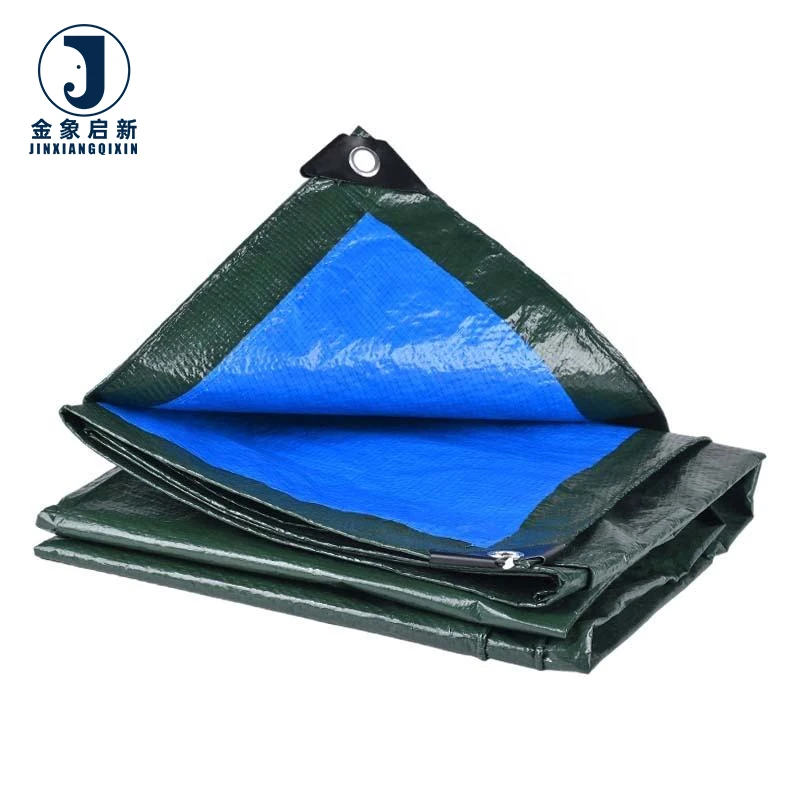
PE Tarpaulin 5/10/12/16/20 Mil — polyethylene fabric with waterproof, fire retardant (701 grade) and anti-UV treatment for outdoor covering.
- Mildew-proof and abrasion-resistant across all thickness grades
- Custom width, length and colour with eyelet spacing and reinforced hems matched to load flex points
- Treatment grades verified with test reports; GSM and mil thickness confirmed against specification before shipment
Backed by dedicated QA at every production stage and 100% pre-shipment inspection to ensure roll-to-roll consistency.
Description
Verified Thickness and Treatment — Every roll of heavy duty PE tarpaulin is checked against the quoted mil grade and treatment specification before dispatch, ensuring what you receive matches what you ordered.
Technical Specifications
| Parameter | Value |
|---|---|
| Product Type | PE Tarpaulin |
| Thickness Options | 5 / 10 / 12 / 16 / 20 Mil |
| Coating Material | Polyethylene (PE) |
| Waterproof Rating | Waterproof |
| Flame Retardant Grade | Fire Retardant (grade not stated in source — confirm required grade) |
| UV Treatment | Anti-UV (test basis not stated in source) |
| Windproof | Yes |
| Anti-Mildew | Mildew-Proof (test basis not stated in source) |
| Abrasion Resistance | Abrasion-Resistant (test basis not stated in source) |
Application Suitability
| Application | Exposure & Requirement |
|---|---|
| Truck and trailer load covers | Weather exposure, road debris impact, abrasion from load movement and tie-down straps |
| Construction site equipment covers | Prolonged UV exposure, rain ingress, dust and particulate contamination |
| Tent and shelter fabric | Wind loading, repeated assembly and disassembly, ground moisture contact |
| Outdoor cargo and stock protection | Constant weather cycling, UV degradation risk, mildew in humid climates |
| Agricultural and aquaculture covers | Water contact, biological growth, chemical exposure from fertilisers or feed |
What "Fire Retardant" Means Without a Test Report Behind It
A fire retardant claim is only as credible as the test standard that supports it.
Many PE tarpaulin products arrive on site labelled as fire retardant, yet when the safety inspector asks for the test report, the paperwork is missing or references a standard that does not apply in the target market. This is a recurring problem for construction contractors and event organisers who face compliance audits. I have seen projects delayed because the fabric passed a basic burn test but not the specific classification the local authority requires. When sourcing a PE tarpaulin manufacturer for safety-critical applications, always confirm the exact grade and request the corresponding test report before production begins [NEED_CITE: fire classification standards for temporary structures and building materials].
Matching Thickness to Application Load and Handling Frequency
Choosing the correct mil thickness for a PE tarpaulin depends on how the cover will be handled and what mechanical stress it will face. A 5 Mil grade suits short-term, light-duty protection where the tarp is laid over static equipment and rarely moved. Moving to 10 or 12 Mil provides better puncture resistance for construction materials stacked on uneven ground. The 16 and 20 Mil grades are specified when the cover must withstand repeated tensioning, abrasive contact with steel or concrete, and prolonged outdoor deployment across seasons. As a custom PE tarpaulin supplier, Jinxiang produces across this range so that the thickness you specify is the thickness delivered.
Anti-UV and Mildew Treatment for Extended Outdoor Deployment
Polyethylene degrades under ultraviolet exposure, becoming brittle and losing tensile strength over time. Anti-UV treatment extends the usable life of the fabric when it is deployed in open environments such as construction yards, agricultural sites or transport staging areas. In humid or tropical climates, mildew growth on untreated PE surfaces can stain cargo and compromise the fabric surface. The mildew-proof treatment option addresses this by inhibiting biological growth during storage and use. Both treatments are available as options — request the test basis for your specific climate and exposure duration before finalising your specification [NEED_CITE: accelerated UV weathering test methods for polyethylene fabrics].
How Thickness, Base Weave and Coating Weight Interact
The mil thickness of a PE tarpaulin is a combined result of the base fabric weave density and the coating weight applied to each side. A thicker mil rating does not automatically mean a stronger fabric if the base weave is open or loosely constructed. Tensile and tear strength depend on both the denier of the yarns and the number of picks per inch in the weave, with the PE coating adding puncture resistance and waterproof integrity. When comparing options, evaluate thickness alongside the base fabric construction rather than treating mil as a standalone indicator of durability. Coating adhesion also matters — poor bonding between the PE layer and the base fabric leads to delamination under flex or abrasion stress.
The Hidden Cost of Underspecifying Thickness or Treatment
Ordering a thinner grade to reduce material cost often results in early failure at stress points where the cover is tensioned or where sharp cargo edges press against the fabric. Covers that fail prematurely must be replaced, generating repeat purchase costs and downtime while unprotected cargo is exposed. Similarly, specifying a PE tarpaulin without the correct fire retardant grade for the target market can lead to failed site inspections, work stoppages or rejected shipments at the port of entry. Colour inconsistency between rolls in a single order becomes visible once installed side by side, forcing the buyer to sort and reassign rolls or absorb the cost of replacement [NEED_CITE: batch colour consistency standards in coated fabric production].
Why Source Heavy Duty PE Tarpaulin Through Jinxiang
Nearly 30 years of focused production on coated fabrics gives Jinxiang deep process control over coating weight accuracy and adhesion quality across every PE tarpaulin grade. Three full production lines with 36 sets of professional equipment support bulk volume orders with reliable scheduling, so container shipments are dispatched on time. A 10-person R&D team handles material selection, custom sizing and sample development — samples for custom thickness, colour or treatment are typically developed within days. Dedicated QA and QC inspection runs at every production stage, with 100% pre-shipment inspection against the order specification. ISO and CE certified production supports compliance documentation for export markets across North America, Europe and Asia.
Documentation & Verification
- Material specification sheet stating mil thickness, base fabric and PE coating details per order
- Fire retardant and anti-UV test reports supplied where applicable — verify grade before specifying
- Pre-shipment inspection record confirming thickness and treatment against quoted values
- Roll packing list with individual roll identification for batch traceability
- Certificate of origin and customs documentation for international shipment
Fabrication, Handling & Storage
- Heat sealing temperature should be matched to the specific mil thickness to avoid coating burn-through on thinner grades
- Reinforced hems and eyelet placement must account for tie-down load distribution across the PE tarpaulin surface
- Store rolls vertically on a flat surface to prevent flat-spot deformation that affects unrolling and cutting accuracy
- Avoid prolonged exposure to sharp fold lines during transport, as creasing can weaken the coating at repeated flex points
- Clean with mild detergent and soft brush — solvent-based cleaners may degrade the PE coating and treatment layers
- For field repairs, use compatible PE tape or patch material matched to the tarp’s coating weight for reliable adhesion
Request a Specification and Sample
To move forward, share your application environment, the exposure conditions the cover will face, and any fire safety or compliance grades required in your target market. Specify the mil thickness range you are considering, along with colour, width and any custom finishing requirements such as eyelet spacing or hem reinforcement. If your project demands roll consistency across a large volume, provide your estimated annual usage so that production can be planned accordingly. Samples are developed within days once the specification is confirmed.
Frequently Asked Questions
Q: How can I verify the mil thickness of PE tarpaulin on arrival against my quotation?
A: Every order is accompanied by a pre-shipment inspection record that documents the measured thickness per roll. You can cross-check this against your quotation using a standard mil gauge upon receipt. If any discrepancy is found, the inspection record provides the batch reference needed to trace and resolve the issue with the production team quickly.
Q: What fire retardant grade is available, and will it meet my local safety requirements?
A: Fire retardant treatment is available as an option, but the specific grade depends on your target market’s regulatory framework. Before placing an order, share the standard or classification your project requires. Jinxiang will confirm whether the available grade matches your requirement and supply the corresponding test report with your shipment for compliance verification.
Q: How is anti-UV treatment tested, and what outdoor exposure can I expect?
A: Anti-UV treatment is applied during production to slow polyethylene degradation under sunlight. The test basis for UV resistance is available on request — ask for the test report before finalising your specification. Actual outdoor exposure duration depends on climate intensity, installation angle and whether the cover is under constant tension or periodically stored.
Q: Can I order custom sizes with specific eyelet spacing and reinforced hems?
A: Yes. Jinxiang’s R&D team develops custom cut sizes, colour options and finishing details including eyelet spacing and hem reinforcement to match your application’s tie-down and load requirements. Provide your dimensions and finishing preferences, and a sample will be produced within days for your approval before bulk production begins.
Q: What is the minimum order quantity for custom thickness or colour, and how long does production take?
A: MOQ varies depending on the specific thickness grade, colour and treatment combination you require. Typical lead times for custom specifications span several weeks from sample approval to dispatch. Share your full specification and target volume so that an accurate quotation with lead time and minimum can be provided for your planning.
Related products
-
Custom Made PE Tarpaulin with Eyelets – Waterproof Tear-Resistant
Read more -
PE Tarpaulin Waterproof Outdoor Garden Sheet HDPE Laminated PVC Coating for Liner Covering Truck Cover Tent Awnings Plain Woven
¥0.31 Select options This product has multiple variants. The options may be chosen on the product page -
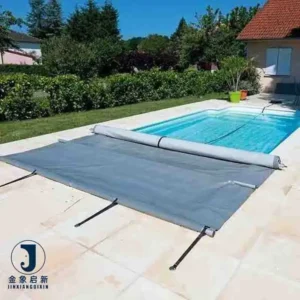
Waterproof PE Tarpaulin Fabric 100-300gsm Anti-Uv Outdoor Use for Boys & Girls Activity Ponds
¥0.31 Select options This product has multiple variants. The options may be chosen on the product page -
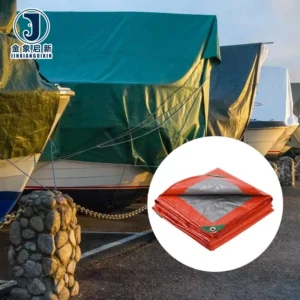
PE Coated Blackout Tarpaulin Poly Tarp with UV Protection Standard Size Fabric Sheet for Agriculture & Industrial Use
¥0.35 Select options This product has multiple variants. The options may be chosen on the product page