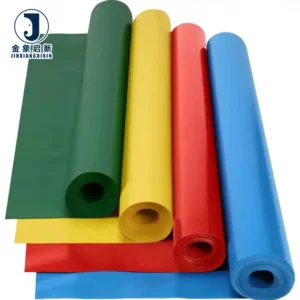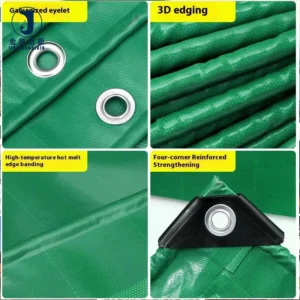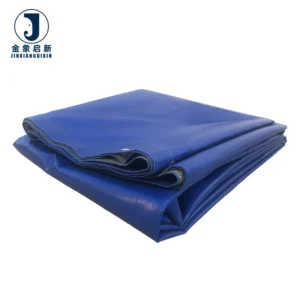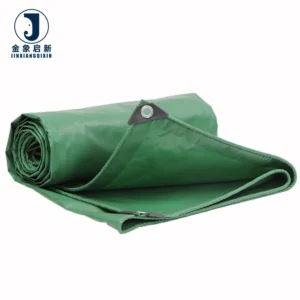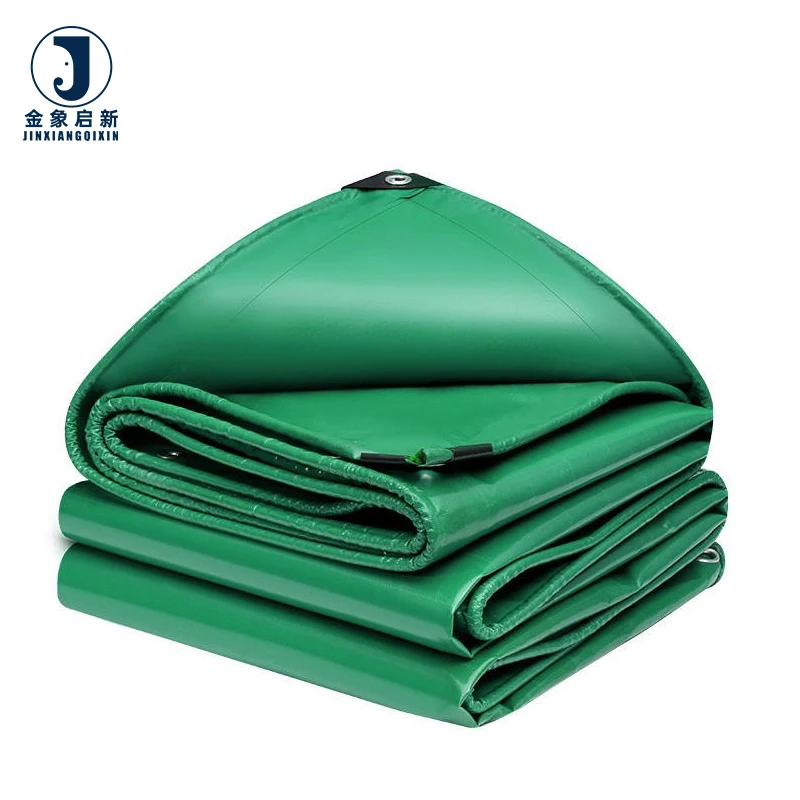
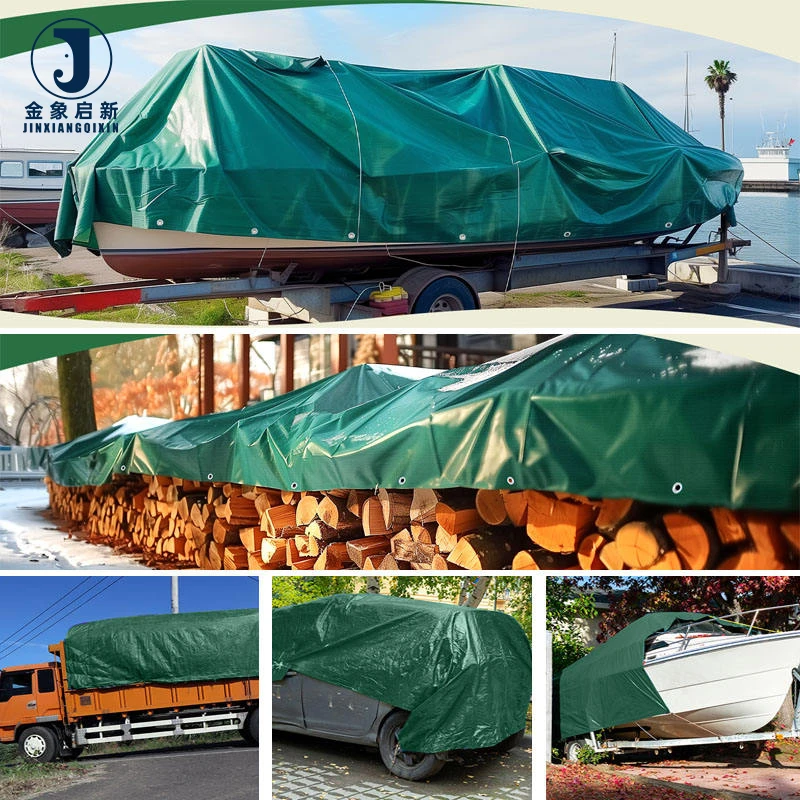
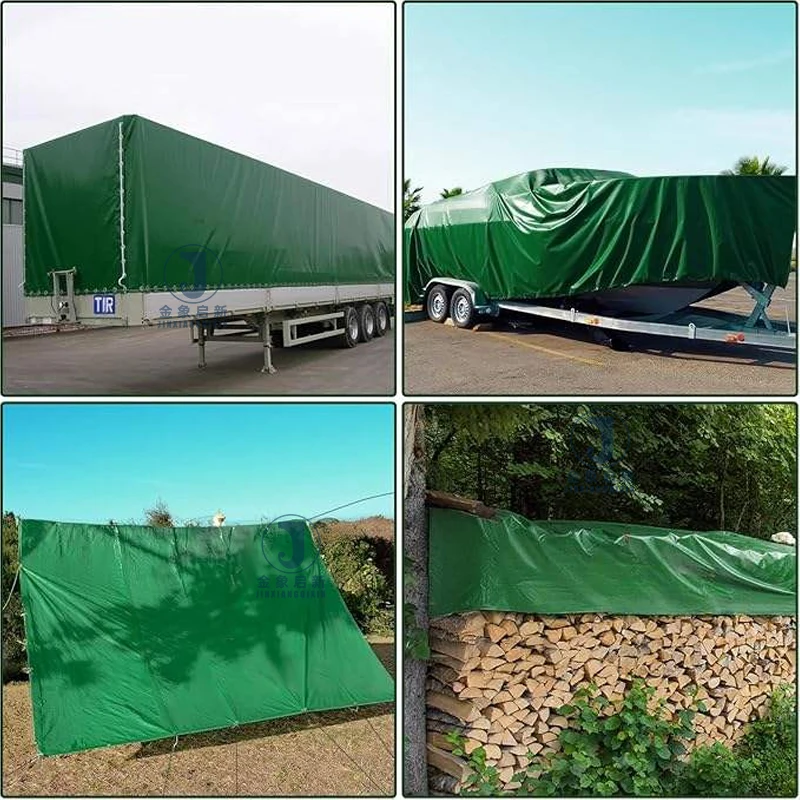
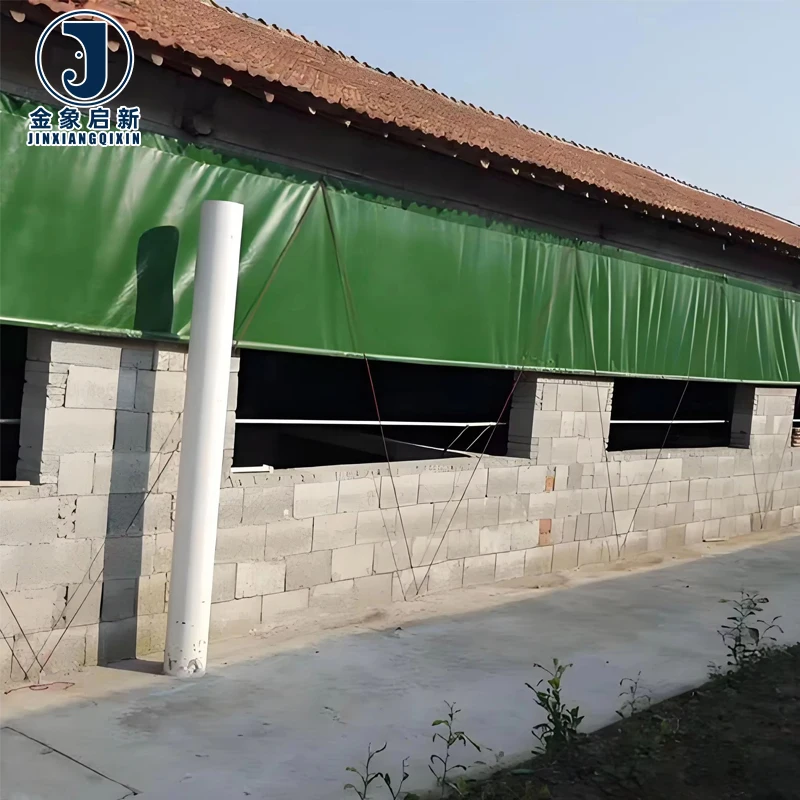
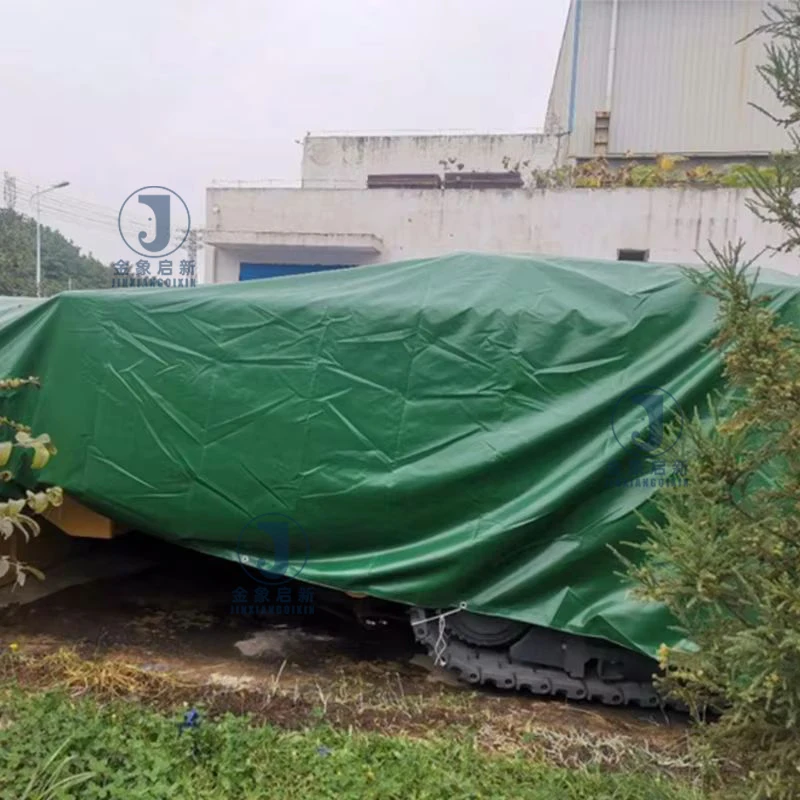
PVC Coated Tarpaulin Roll for Farm Cover — waterproof, anti-static, tear-resistant PVC on warp knitted base, plain woven, customizable colors for agricultural and livestock use.
- Covers poultry, pig, broiler and sheep tents with consistent GSM and color across every roll — no drift between panels once installed side by side. Coating weight and base denier are verified at each stage so tensile and tear strength match the spec sheet, not just the quotation.
- Backed by nearly 30 years of coated fabric process control, 100% pre-shipment inspection with roll-by-roll weight check, and full documentation including test reports and certificate of origin.
Description
Proven Process Control — Nearly three decades focused on coated fabric production with dedicated QA at every stage ensuring consistent roll-to-roll quality for agricultural cover orders.
Technical Specifications
| Parameter | Value |
|---|---|
| Product Type | PVC Coated Tarpaulin Roll |
| Coating Material | PVC |
| Base Fabric | Warp Knitted |
| Weave Style | Plain |
| Waterproof | Yes |
| Tear Resistant | Yes |
| Anti-Static | Yes |
| Customizable Colors | Available |
| Application Grade | Industrial / Agricultural heavy-duty |
| Standards | ISO, CE |
Application Suitability
| Application | Exposure & Requirement |
|---|---|
| Poultry and broiler farm covers | Constant humidity, ammonia exposure, frequent wash-down, wind load |
| Pig pen and sheep shelter enclosures | Abrasion from livestock contact, rain and mud, thermal fluctuation |
| Agricultural tent and temporary shelter | Seasonal UV exposure, wind stress at tie-down points, rapid deployment |
| Farm equipment and feed stockpile covers | Puncture risk from sharp edges, prolonged rain exposure, ground moisture |
Why Roll Consistency Matters More Than Stated GSM for Farm Covers
Verified weight and coating adhesion across every roll prevents mid-season cover failure on the farm.
Buyers sourcing PVC coated tarpaulin for agricultural use often specify a target GSM and assume the delivered rolls will match. In practice, coating weight variation between rolls in the same shipment leads to uneven tensile performance, and the lighter rolls fail first at stress points [NEED_CITE: tensile and tear test methods for coated fabrics per ISO 1421]. For livestock enclosures and poultry house covers, a single weak roll can compromise an entire shelter during high wind or heavy rain, putting stock at risk. Batch-to-batch color drift is another common issue — when two rolls installed side by side show visible shade differences, it undermines the professional finish of the farm build. Our in-process QA checks coating weight at multiple points during production and a full pre-shipment inspection verifies roll-by-roll consistency before dispatch.
How Warp Knitted Base Fabric Performs Under Farm Conditions
The warp knitted construction provides multidirectional yarn interlocking, which limits tear propagation when the fabric is punctured by sharp equipment edges or stressed at tie-down points. This base fabric type, combined with a plain weave style, delivers balanced tensile performance in both warp and weft directions. For farm installations where PVC coated tarpaulin rolls are tensioned across frames or anchored to ground stakes, this balanced strength prevents directional weakness. The PVC coating penetrates the knitted structure, creating a mechanical bond that resists delamination even under repeated flexing from wind loads.
Coating Weight Control and Adhesion Integrity in Agricultural Environments
Deep process control over coating weight ensures that the PVC layer applied to the warp knitted base meets the specified thickness across the full roll width. In poultry and livestock environments, the fabric faces ammonia-rich air and frequent cleaning with pressurized water — conditions that attack poorly bonded coatings first [NEED_CITE: PVC coating adhesion standards for agricultural textile applications]. Our production lines maintain coating temperature and pressure within defined parameters to achieve consistent adhesion. Rolls leaving our facility carry verified coating weight data, giving buyers confidence that the material will resist peeling and cracking through seasons of farm use.
Reading Between the Specs: What GSM, Weave, and Coating Type Mean Together
GSM alone tells only part of the story. A heavy coating on a loosely constructed base fabric inflates the weight number without delivering proportional strength. The warp knitted base with plain weave in this product creates a stable substrate that supports even coating distribution, so the stated GSM reflects genuine structural mass rather than filler. The PVC coating method determines how well the coating bonds to individual yarns — deep penetration into the knitted structure produces higher peel strength than surface-only application. For agricultural covers that endure daily thermal cycling between sun-heated surfaces and cool nights, this bond quality directly affects long-term coating integrity. Anti-static treatment, available on this product line, should be confirmed against your site requirements — request test data for the specific grade needed in your market [NEED_CITE: anti-static test standards for coated industrial fabrics]. Waterproof performance derives from the continuous PVC film formed over the full fabric surface, eliminating the pinholes that appear in lighter coating applications.
The Hidden Cost of Specifying Without Verification
Ordering farm cover rolls based on price-per-kilogram alone creates exposure to underweight material that fails at the first heavy storm. Coating applied below the verified weight threshold delaminates faster under UV and thermal stress, leaving the base fabric unprotected and the livestock exposed. Color inconsistency across rolls forces installers to sort and segregate material on site, adding labor cost and delaying project completion. When flame-retardant or anti-static treatments are claimed without matching test documentation, site inspectors may reject the installation after it is already erected [NEED_CITE: fire classification and compliance requirements for agricultural structures]. These failures do not appear in the quotation stage — they surface on the farm, when replacement is most expensive and most urgent.
Why Procurement Teams Source Farm Cover Rolls Here
Three full production lines and 36 sets of professional equipment support volume roll orders with reliable scheduling, so your farm cover project stays on timeline. The 10-person R&D team handles custom color matching, width specification, and treatment selection — developing samples within days for your approval before bulk production begins. Dedicated QA/QC personnel inspect coating weight, color consistency, and surface quality at every production stage rather than relying on end-of-line spot checks. A full pre-shipment inspection with roll-by-roll verification records accompanies every dispatch, giving your receiving team documented proof of what was ordered. ISO and CE certified processes provide the traceability framework that agricultural project specifiers require. Material specification sheets detailing GSM, base fabric construction, and coating parameters ship with every order so your technical team can verify on arrival.
Documentation & Verification
- Material specification sheet stating GSM, base fabric type, and PVC coating details for each roll batch
- Pre-shipment inspection record with roll-by-roll weight verification against ordered specification
- ISO and CE certificates included with every shipment for compliance and audit purposes
- UV and flame-retardant test reports provided where applicable to the specified treatment grade
- Certificate of origin and full customs documentation for international agricultural cover shipments
Fabrication, Handling & Storage
- Hot-air welding parameters should be tested on PVC coated samples from the actual roll batch before full fabrication
- Store rolls horizontally on pallets in shaded areas to prevent coating deformation from heat and direct sun
- Unroll material flat before fabrication to release curl tension inherent in warp knitted PVC rolls
- Use compatible PVC-based repair patches for field repairs to maintain waterproof continuity on farm covers
- Cut rolls with allowance for thermal expansion and contraction across seasonal temperature ranges
- Avoid dragging rolls on abrasive surfaces to protect the PVC coating layer before installation
What to Include in Your Farm Cover Inquiry
To match the correct PVC coated tarpaulin specification to your agricultural application, share the cover dimensions, installation method, and primary exposure conditions such as humidity level and wind load. Specify your target market so we can confirm any fire classification or anti-static grade required by local regulations. Indicate whether you need rolls at standard width or custom widths, and whether color matching across the full order quantity is critical for your installation. If you require finished panels with welded hems rather than roll stock, provide the panel sizes and any reinforcement requirements at stress points.
Frequently Asked Questions
Q: How do you verify the GSM on each roll before shipment?
A: Every roll undergoes weight measurement during our pre-shipment inspection. We cut sample swatches from each roll, measure the area and weight precisely, and record the result. The inspection report travels with the shipment so your receiving team can compare documented values against physical weight on arrival. This process catches coating weight variation before rolls reach your farm site.
Q: Can I get matching colors across a full container of rolls?
A: Yes. Our in-process QA monitors color at multiple production stages, and the 10-person R&D team develops custom color samples for your approval before bulk coating begins. Rolls within a single order are produced from the same coating batch to minimize shade variation. Side-by-side color consistency is verified during pre-shipment inspection.
Q: Do you supply test reports for anti-static and flame-retardant grades?
A: Test reports are provided for the specific grade you specify at order stage. Anti-static and flame-retardant treatments are available in multiple grades — confirm which standard applies to your market and application before ordering. Reports are matched to the production batch so your site inspector can verify compliance against the delivered rolls.
Q: What custom widths, lengths, and print options are available on roll stock?
A: Rolls can be produced in custom widths and lengths to match your fabrication requirements, reducing waste during cutting. Pattern printing and branding are available for projects requiring identification or decorative finishes. Minimum order quantities vary by specification — share your total meterage requirement and we confirm the production minimum for your chosen width and treatment combination.
Q: How do you handle welded seam reinforcement for farm tent installations?
A: Welded seams on PVC coated tarpaulin are only as strong as the coating adhesion at the joint. Our coating process achieves deep penetration into the warp knitted base fabric, which supports reliable heat-welded joints at stress points. We recommend test-welding samples from your delivered rolls to confirm optimal temperature and speed settings for your specific fabrication equipment before full production.
Related products
-
Nylon-coated Trailer Tarpaulin. Waterproof Canvas. Heavy-duty PVC Tarpaulin for Truck Tents
¥1.04 Add to cart -
Awning and Tents Waterproof Fabric PVC Tarpaulin
¥1.50 Add to cart -
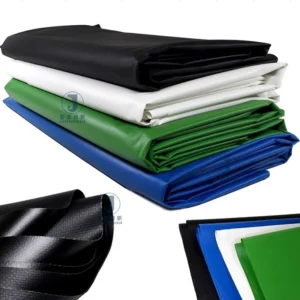
Custom Reinforced Edges Rip-Stop Rubberized PVC Tarpaulin Industry Covering Vinyl Coated Polyester Tarps for Trucks
¥8.00 Select options This product has multiple variants. The options may be chosen on the product page -
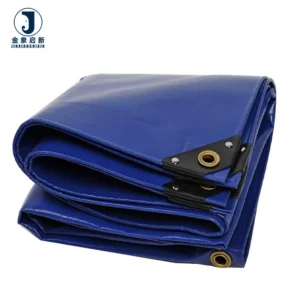
Factory Custom 9×11 Poultry Curtains Tarpaulin PVC Coated Waterproof and Anti-Static Tarp for Chicken Coop Farms
¥0.85 Add to cart