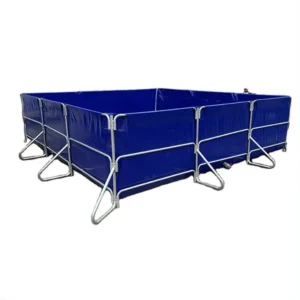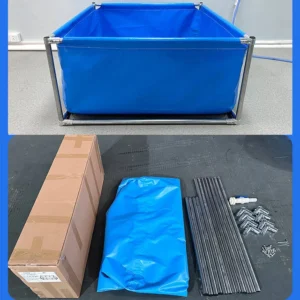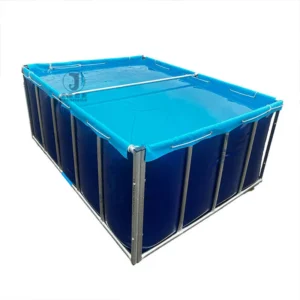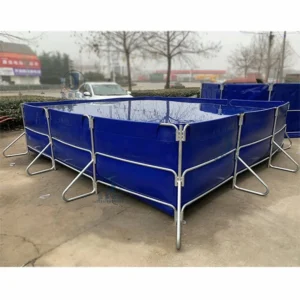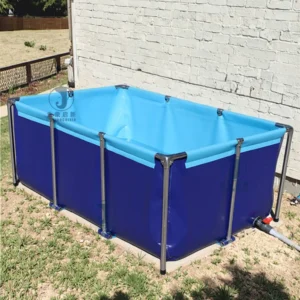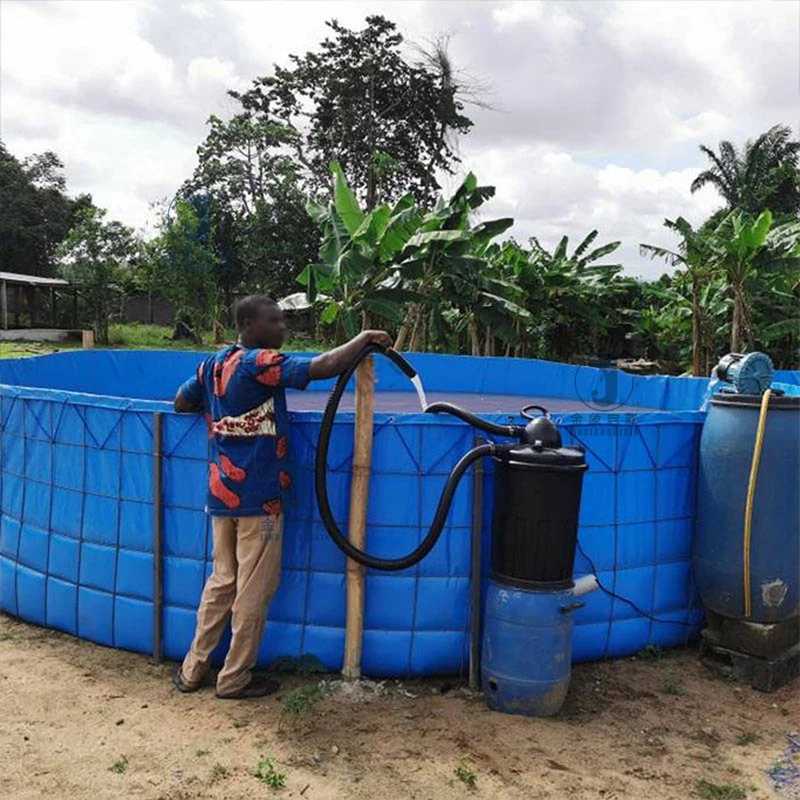
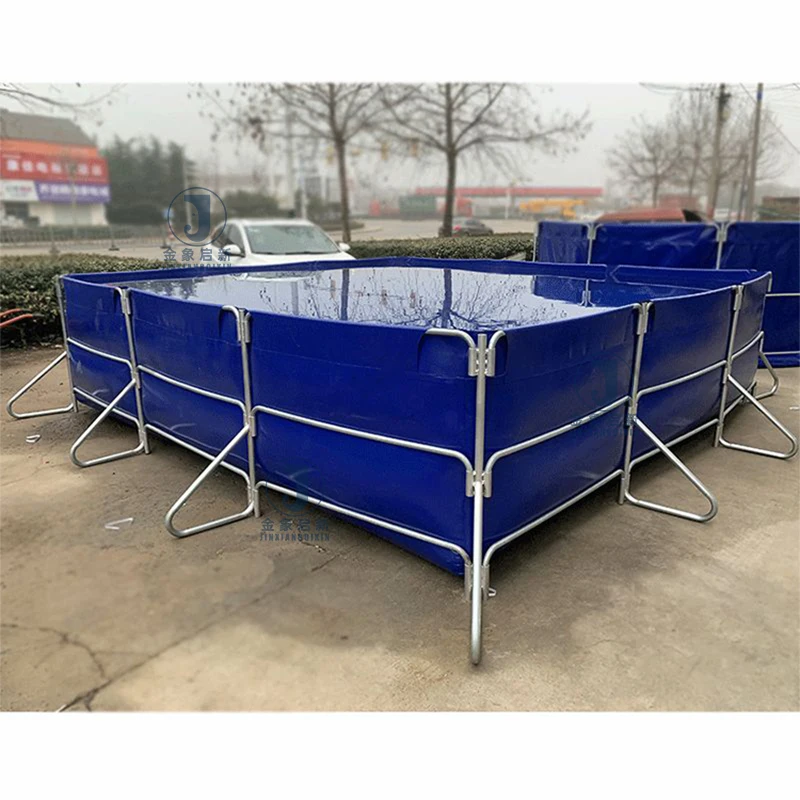
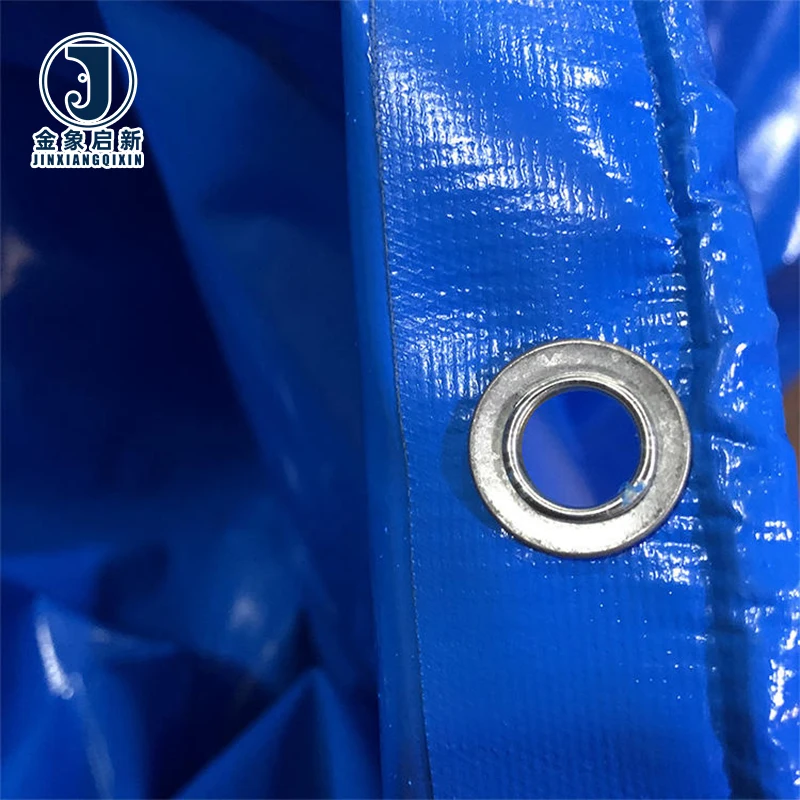
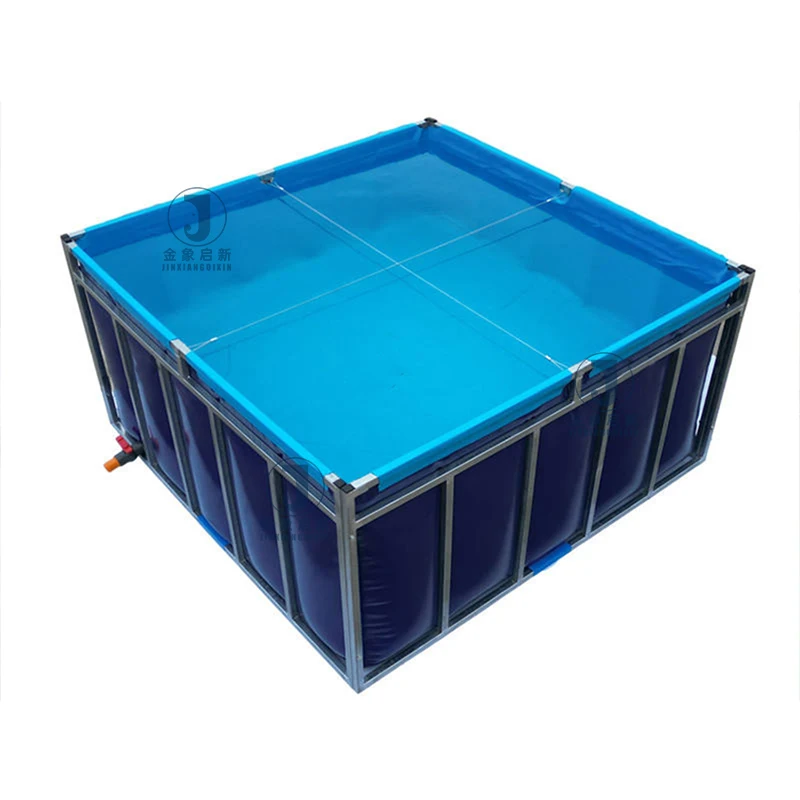
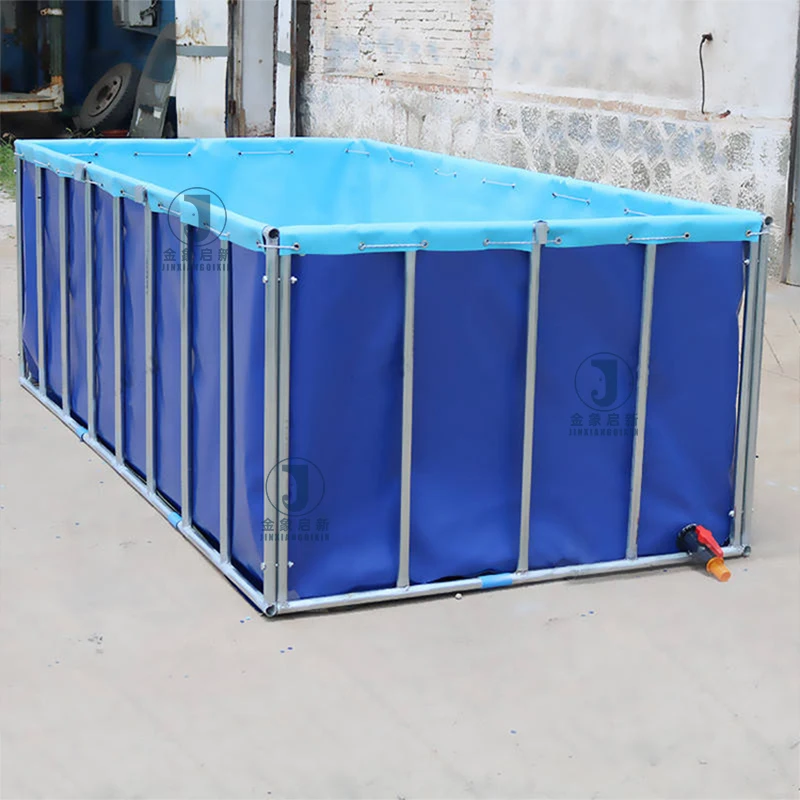
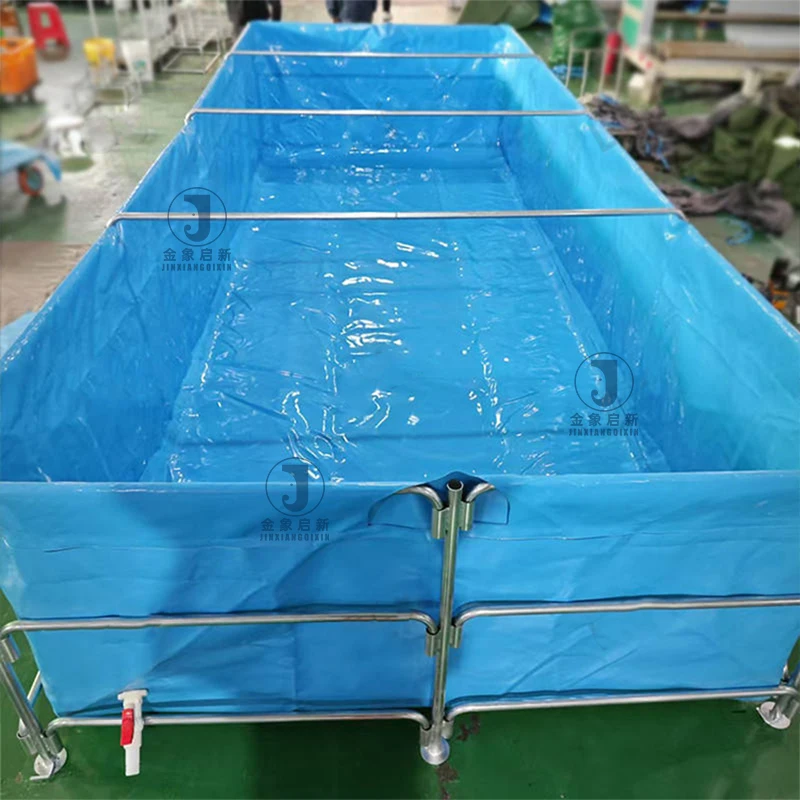
PVC Coated Tarpaulin for Fish Pond — 350-900 g/m², 0.29mm-0.65mm thickness, polyester base with double-sided PVC coating
- Yarn counts from 500D×840D to 1300D×1300D; warp strength up to 3900N for containment pressure and installation stress
- Coating adhesion and weight control ensure consistent GSM roll-to-roll, critical for pond liner weld integrity
- Water resistant, anti-UV and flame retardant options available with test documentation
Full catalogue covering pond, tank and reservoir liner applications — samples developed within days, 100% pre-shipment inspection on every roll, 10-person R&D team supporting custom width and colour.
Description
Coated Weight Consistency — every roll of PVC tarpaulin for fish pond is measured on a calibrated thickness gauge before it leaves the warehouse, so the GSM on your invoice is the GSM you receive.
Technical Specifications
| Parameter | Value |
|---|---|
| Product Type | PVC Coated Tarpaulin |
| Material | PVC & Polyester |
| Yarn Count Options | 500D840D / 500D1000D / 1000D1000D / 1000D1300D / 1300D1300D / 1000D2000D |
| Thickness Range | 0.29mm – 0.65mm |
| GSM Range | 350 – 900 g/m² |
| Density Options | 3019 / 2020 / 30*15 |
| Warp Strength | 1650N – 3900N |
| Pick Strength | 1600N – 3500N |
| Key Features | Water Resistant, Waterproof, Anti-UV, Flame Retardant (confirm the grade required for your market) |
| Surface | Double-Sided PVC Coating on Polyester Base Fabric |
Application Suitability
| Application | Exposure & Requirement |
|---|---|
| Fish Pond Liner | Permanent water contact, soil chemistry, constant hydrostatic pressure, puncture risk from stones and roots |
| Aquaculture Tank Wrap | UV exposure on exterior walls, flexing from water level changes, abrasion against frame supports |
| Reservoir Cover | Full weather exposure, wind uplift stress, standing water accumulation, prolonged UV degradation |
| Stock Water Tank | Animal contact, freeze-thaw cycles, algae and mineral deposit buildup requiring periodic cleaning |
Why a Quoted GSM Does Not Guarantee Pond Liner Performance
Coating weight must be verified on the finished roll, not assumed from the base fabric specification alone.
A pond liner lives underwater for an entire season or longer. When the coating is lighter than the quoted value, the polyester base fabric sits closer to the surface, and punctures from sub-soil debris happen faster than expected. I have seen rolls returned because the measured thickness came in below what was stated on the quotation, and the buyer had to scrap the entire liner after installation. [NEED_CITE: tensile and tear test methods for coated fabrics per ISO 1421]
Matching Denier and Weave to Containment Pressure
Choosing the right PVC tarpaulin for fish pond containment starts with understanding the forces at play. A shallow ornamental pond exerts far less hydrostatic pressure than a deep commercial grow-out pond, so the base fabric denier and weave density should scale accordingly. Higher denier yarns such as 1000D1000D or 1300D1300D provide the tensile backbone needed when water depth creates sustained lateral load on the liner walls.
Coating Adhesion and Long-Term Water Immersion
The PVC coating must bond fully to the polyester base fabric to prevent delamination under prolonged submersion. When coating adhesion is weak, water migrates between the layers and the material blisters or separates at the seams. Double-sided PVC coating on a properly prepared base fabric keeps the liner intact through multiple fill-and-drain cycles, maintaining waterproof integrity where single-coated alternatives break down. [NEED_CITE: coating adhesion test methods for PVC coated polyester fabrics]
Reading the Specification Sheet Beyond the GSM Number
GSM tells you the total weight per square metre, but it does not explain how that weight is distributed between base fabric and coating. A 650 g/m² material with a heavy coating but a light base fabric will tear more easily than one with a balanced construction. Density figures like 3019 or 2020 indicate how tightly the yarns are woven, and tighter weaves resist tear propagation more effectively. Warp and pick strength values between 1650N and 3900N show where the material sits on the load-bearing scale, helping you match the liner to the actual containment stress rather than guessing from weight alone.
The Cost of Getting the Fabric Grade Wrong
Ordering a lighter grade to save on material cost often leads to premature liner failure at the seams, where water pressure concentrates. When the PVC coating is too thin for the installation stress, welding produces weak joints that leak within weeks. I once watched a batch of pond-grade tarpaulin come back because the colour shifted between rolls, making the installed liner look patchy across a visible waterline. Buyers who skip the pre-shipment inspection often discover these issues only after the liner is already in the ground. [NEED_CITE: common failure modes in flexible pond liner installations]
Why Buyers Source This Fabric Through Our Production Lines
Three full production lines and 36 sets of professional equipment handle roll stock output at volumes that keep lead times predictable for bulk pond liner orders. The 10-person R&D team develops samples within days when a custom width or colour is required for a specific aquaculture project. Every roll passes through dedicated QA/QC at each production stage, with 100% inspection before shipment so that GSM and colour remain consistent across your entire order. Deep process control over coating weight and adhesion means the material you approve at sampling is the same material that arrives in the container.
Documentation & Verification
- Material specification sheet stating GSM, base fabric denier and coating weight per roll
- Anti-UV and flame retardant test reports matching the grade quoted on your order
- Pre-shipment inspection record confirming weight and colour across all rolls
- ISO and CE certificates covering the production facility and coated fabric output
- Roll packing list with individual roll identifiers for traceability
Fabrication, Handling & Storage
- Hot-air weld temperature should match the PVC coating thickness to ensure full seam fusion without scorching
- Store rolls upright on pallets to prevent flat-spot creases that weaken the coating at fold lines
- Avoid dragging cut sheets over rough ground during pond installation to protect the lower coating surface
- Use compatible PVC adhesive for patch repairs on site, matching the double-sided coating construction
- Allow rolls to acclimatise before unrolling in cold weather to prevent stiffness-related cracking
What to Include in Your Enquiry
Tell us the pond dimensions, water depth and whether the liner will sit on compacted soil, sand or a concrete base. Specify the target GSM or thickness range, along with any colour requirements for visible waterline sections. Let us know if you need the fabric supplied in rolls for your own fabrication, or cut to finished panel sizes with welded seams.
Frequently Asked Questions
Q: What GSM grade is recommended for fish pond liner vs. reservoir cover?
A: Shallow fish ponds typically use lighter grades around the lower end of the 350–900 g/m² range, while deep commercial ponds and reservoir covers require heavier constructions with higher denier base fabrics. We recommend sharing your pond depth and soil conditions so we can match the denier, density and coating weight to the actual containment stress.
Q: How do you verify the coating weight and GSM on each roll before shipment?
A: Every roll passes over a calibrated measuring station where thickness and weight per square metre are checked against the specification sheet. Rolls that fall outside the agreed tolerance are pulled from the shipment. The pre-shipment inspection record documents these readings and accompanies your dispatch documentation.
Q: Can the fabric be hot-air welded on site, and what seam strength should I expect?
A: The double-sided PVC coating on the polyester base fabric is designed for hot-air welding. Proper weld temperature and speed produce seams where the coating fuses across both layers. We provide welding guidance matched to the specific thickness you order, and we recommend testing weld parameters on a sample piece before full fabrication.
Q: Do you provide UV and flame retardant test reports with the order?
A: Yes. When anti-UV or flame retardant treatment is specified on your order, the corresponding test reports are included in the shipment documentation. Confirm the specific grade required for your market and application so we can supply the correct treated fabric and matching paperwork.
Q: What is the minimum order for custom width or colour on pond-grade tarpaulin?
A: Custom widths and colours are available across the PVC coated tarpaulin range, with minimums depending on the specific grade and coating weight selected. Share your required dimensions and annual volume, and we will confirm the minimum order quantity along with lead time for your project schedule.