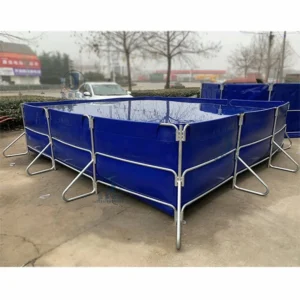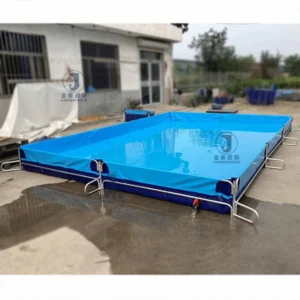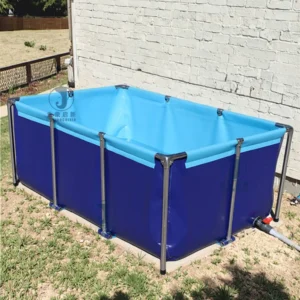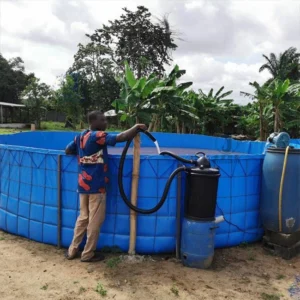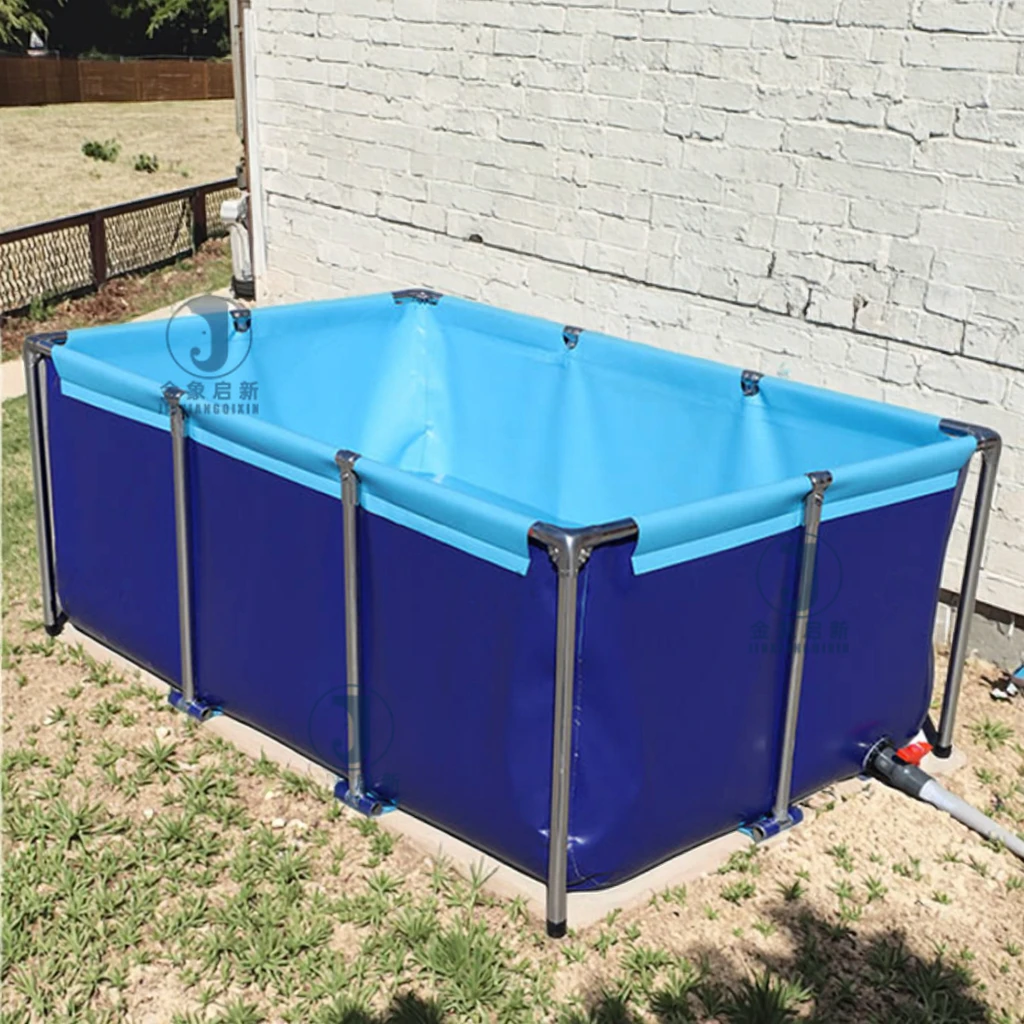
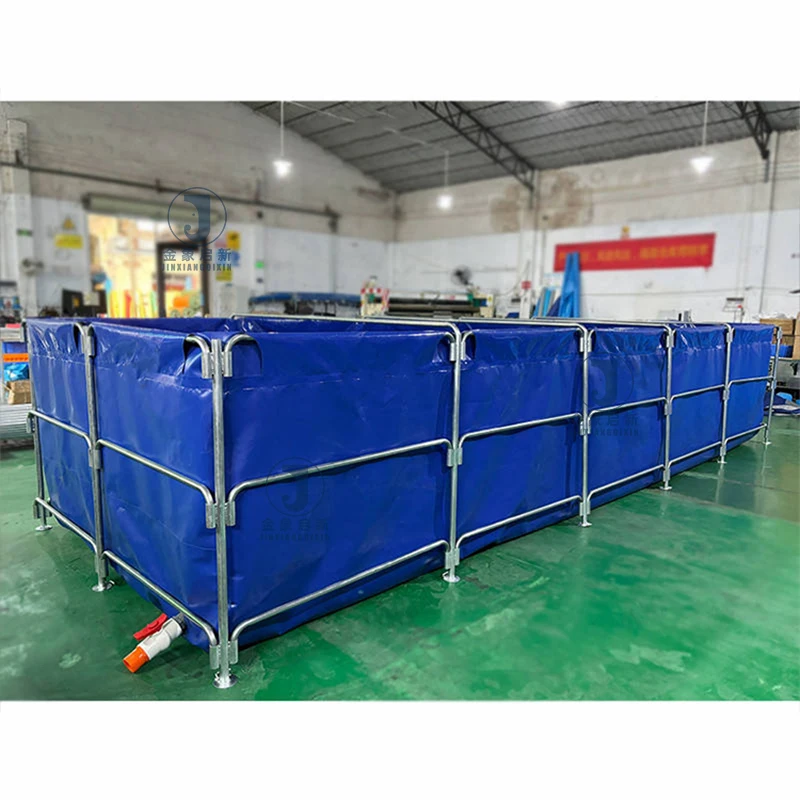
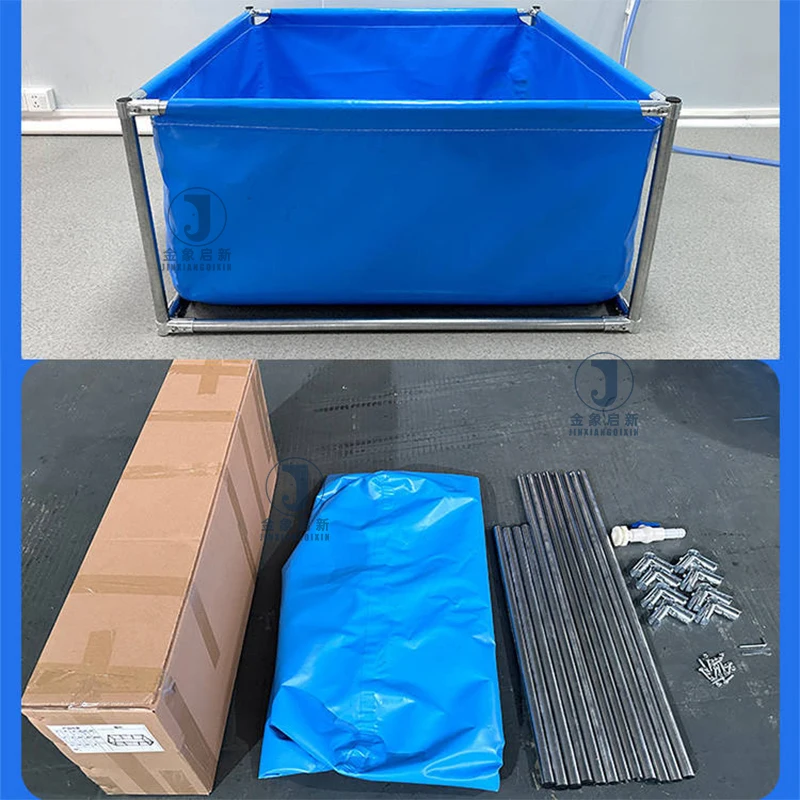
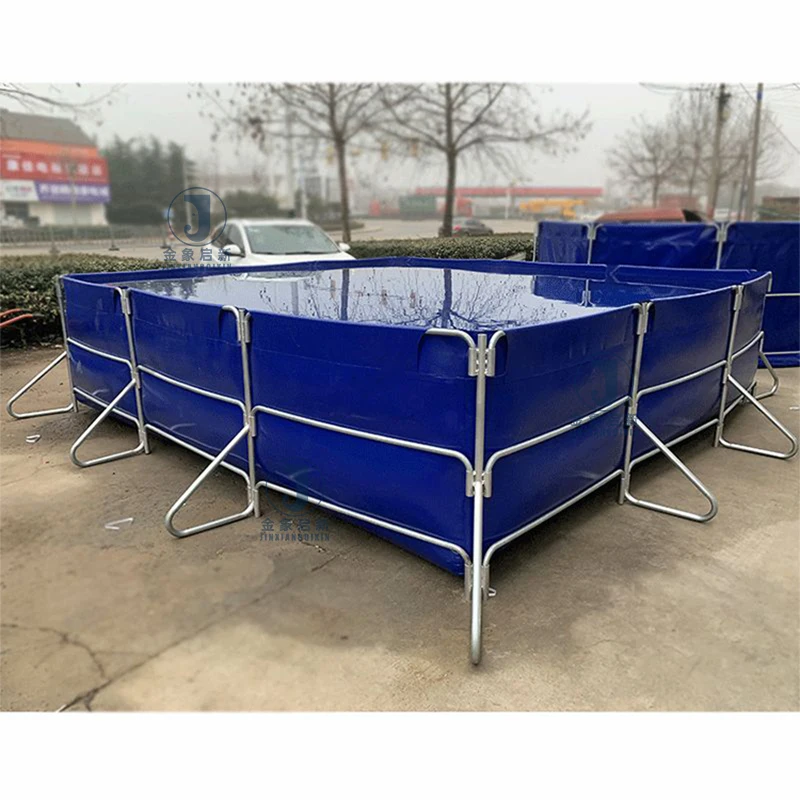
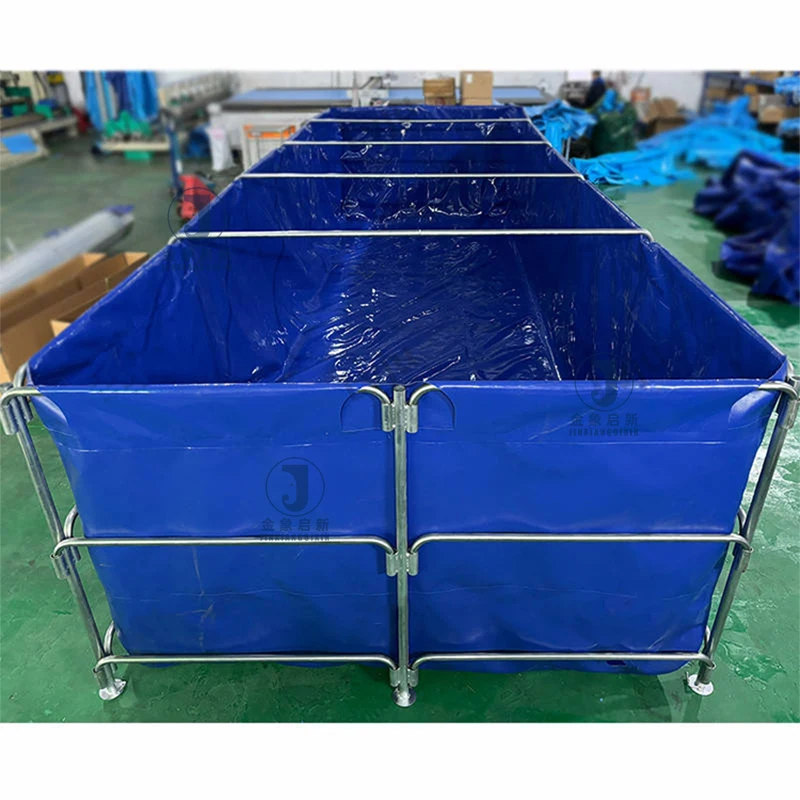
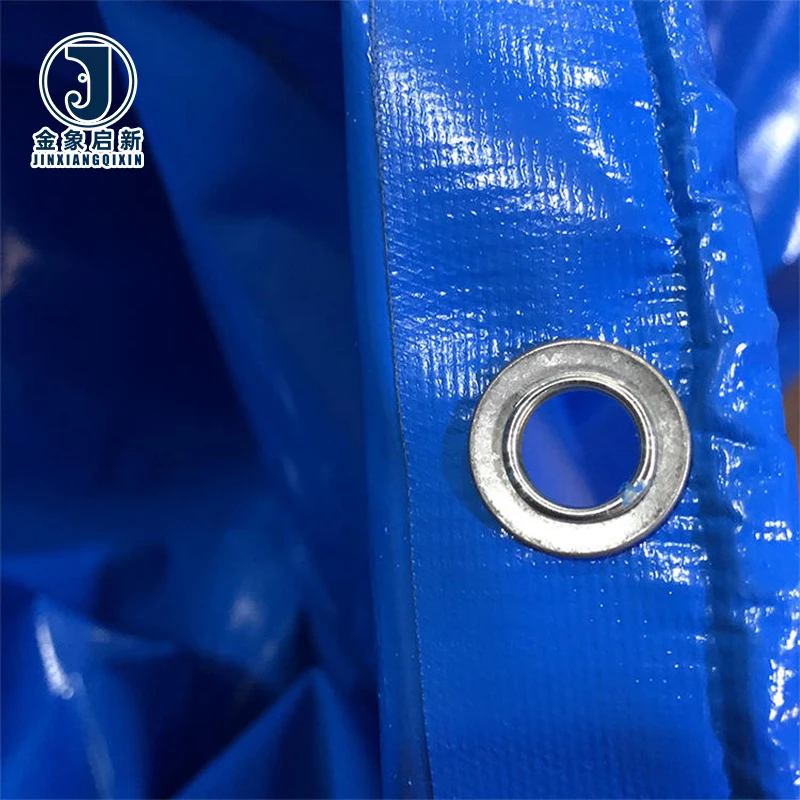
PVC Coated Tarpaulin for Pond & Aquaculture Lining, 350–900 GSM, Double-Sided Coating — engineered for fish pond, hatchery tank and reservoir containment applications.
- High-tenacity polyester base fabric (up to 1300D×1300D) with double-sided PVC coating delivers full waterproof sealing, including at welded seams
- GSM and thickness matched to pond depth and substrate abrasion — from 0.29mm to 0.65mm across multiple weight grades
- Anti-UV and anti-bacteria treatment options available with verifiable test reports on request
Every roll inspected for weight, dimension and colour consistency before dispatch, backed by 10-person R&D support for custom width, colour and branding development.
Description
Proven Process Control — Deep coating weight and adhesion management developed over decades of PVC fabric production, applied directly to aquaculture containment reliability.
Technical Specifications
| Parameter | Value |
|---|---|
| Product Type | PVC Coated Tarpaulin for Pond and Reservoir Liners |
| Base Material | Polyester |
| Coating Material | PVC |
| Yarn Count Options | 500D×840D / 500D×1000D / 1000D×1000D / 1000D×1300D / 1300D×1300D / 1000D×2000D |
| Weight Options (GSM) | 350 / 400 / 420 / 500 / 600 / 650 / 750 / 900 |
| Thickness Range | 0.29mm to 0.65mm |
| Density Options | 30×19 / 20×20 / 30×15 |
| Tensile Strength (Warp) | 1650N to 3900N |
| Tensile Strength (Weft) | 1600N to 3500N |
| Surface | Double-sided PVC coating, smooth with leather-like texture |
| Key Features | Water resistant, waterproof, anti-UV (test basis not stated in source), flame retardant (grade not stated in source), anti-bacteria, abrasion-resistant |
| Customization | Color, brand printing, custom sizing |
Application Suitability
| Application | Exposure & Requirement |
|---|---|
| Commercial fish pond lining | Permanent water immersion, substrate abrasion, aquatic life contact, UV exposure |
| Shrimp farm containment | Saline water chemistry, high stocking density stress, thermal expansion |
| Aquaculture tank fabrication | Repeated fill/drain cycles, weld seam integrity under hydrostatic pressure |
| Agricultural water storage | Seasonal temperature swings, soil chemistry interaction, puncture from rocky substrate |
| Reservoir and irrigation containment | Large surface area coverage, wind-driven water pressure, long-term weathering |
The GSM on Paper vs. the GSM on Arrival
A quoted 650 GSM pond liner means nothing if the roll that arrives weighs 580 GSM — and this is one of the most common failures in aquaculture procurement.
When you source PVC pond liner tarpaulin roll material for fish farming or shrimp operations, the coating weight drives puncture resistance, weld integrity, and how the liner handles substrate abrasion over time. Many buyers discover after deployment that the material feels thinner than expected, seams split under hydrostatic load, or the liner degrades faster than projected. The root cause is often a gap between what was quoted and what was actually coated onto the base fabric. Without documented verification per roll, you are essentially installing an unknown product beneath thousands of litres of water. [NEED_CITE: coating weight verification methods for PVC tarpaulin per ISO testing protocols]
How Base Fabric Denier and Density Shape Pond Liner Performance
The structural backbone of any PVC pond liner tarpaulin roll is its polyester base fabric. A 1000D×1000D construction with a 30×19 density provides substantially higher resistance to tear propagation than a 500D×840D weave at the same GSM. For shallow nursery ponds with minimal substrate contact, lighter denier constructions offer cost-effective containment. For deep commercial ponds lined over rocky or uneven ground, the higher denier options resist puncture initiation and stop small tears from running across the installed liner.
Coating Integrity at the Weld Line — Where Liners Actually Fail
Most aquaculture liner failures occur at hot-air-welded seams rather than in the body of the fabric. When two PVC-coated sheets are joined, the coating must fuse completely to form a continuous waterproof bond. Double-sided PVC coating with a smooth surface texture supports consistent heat transfer during welding, reducing the chance of cold spots where adhesion is incomplete. This is critical for above-ground tanks and raceway systems where hydrostatic pressure pushes water directly against every weld. Operators who have experienced seam delamination in submerged conditions know that weld performance is the true differentiator between liner materials. [NEED_CITE: hot air welding parameters for PVC coated polyester fabrics]
Reading the Specification Sheet Beyond the GSM Number
The GSM value tells you how much PVC is applied per square metre, but it does not reveal how that weight is distributed between the two coating layers and the base fabric itself. A 600 GSM liner built on a 1000D×1000D base with a 20×20 density will behave very differently from a 600 GSM liner on a lighter weave. The heavier base fabric absorbs more of the tensile load, while the coating provides waterproof sealing and chemical resistance. Thickness, measured from 0.29mm to 0.65mm across the available range, correlates with both puncture resistance and flexibility during installation — thicker grades resist sharp substrate contact but require more effort to unfold and position across large pond geometries. Tensile strength figures ranging from 1650N to 3900N in the warp direction reflect this interplay between denier, density, and coating weight.
What Happens When the Wrong Liner Grade Goes Into the Pond
Selecting a lighter grade than the application demands leads to predictable but costly outcomes. A liner installed over coarse gravel without sufficient puncture resistance develops pinhole leaks that are nearly impossible to locate once the pond is filled. Colour inconsistency across rolls becomes visible when multiple sheets are welded side by side in a large commercial pond, creating a patchwork appearance that signals poor quality control to any farm auditor. If the liner is specified with anti-UV treatment but no test report accompanies the shipment, there is no basis to confirm whether the coating will resist degradation under months of direct sun exposure — a common issue in tropical aquaculture zones. [NEED_CITE: field failure analysis of PVC pond liners under UV and substrate stress]
Why Aquaculture Buyers Source PVC Pond Liner Tarpaulin Roll Material Here
Three full production lines and 36 sets of professional coating equipment support consistent output across the eight available GSM grades, from 350 for nursery ponds to 900 for heavy-duty commercial containment.
A dedicated 10-person R&D team develops custom colour and brand-printed samples within days, allowing buyers to confirm appearance and weld behaviour before committing to full production runs.
Every roll undergoes inspection at each production stage with documented weight and dimension verification, eliminating the GSM shortfall risk that plagues aquaculture procurement.
ISO and CE certified production processes ensure that material specification sheets, test reports, and pre-shipment inspection records align with what arrives at the port of destination.
Full customisation of width, roll length, colour, and branding reduces on-site welding and waste for operators lining ponds with non-standard geometries.
Documentation & Verification
- Material specification sheet confirming GSM, denier, coating weight, and thickness per roll
- Pre-shipment inspection record with documented weight verification against the stated GSM
- Roll packing list detailing dimensions, colour reference, and roll count per shipment
- Certificate of origin and customs documentation for international aquaculture supply chains
- Test reports for anti-UV and flame retardant treatment where applicable to the order
Fabrication, Handling & Storage
- Hot-air welding temperature and speed must match the selected GSM grade to ensure full coating fusion at seams
- Roll storage should keep PVC-coated surfaces away from direct ground contact to prevent coating adhesion damage
- Custom width ordering minimises the number of field welds required across large pond installations
- Unfolding heavier grades above 750 GSM requires mechanical assistance to avoid creasing that weakens the coating layer
- Surface cleaning with mild detergent preserves the smooth leather-like finish without degrading PVC plasticisers
Requesting a Pond Liner Specification
To move from inquiry to sample, share your pond depth, substrate type, and whether the installation is open-air or partially shaded. Specify the required roll width to match your pond geometry and reduce weld count. Confirm whether your market requires documented UV or flame retardant treatment, and indicate any custom colour or brand printing needs so the R&D team can prepare samples for your evaluation before bulk production.
Frequently Asked Questions
Q: How can I verify the GSM matches the quotation when the rolls arrive?
A: Each shipment includes a pre-shipment inspection record documenting weight per roll. You can cross-reference this against the material specification sheet provided with your order. We also recommend spot-weighing a cut sample on arrival using a calibrated scale to confirm coating weight independently.
Q: What GSM grade should I choose for my pond depth and substrate?
A: Shallow nursery ponds with smooth substrates typically use lighter grades in the 350–500 GSM range. Commercial ponds over rocky or uneven ground benefit from 600–900 GSM with higher denier base fabrics. Share your pond specifications and we recommend the appropriate construction from the available range.
Q: Can you provide test reports for UV and anti-bacteria treatment?
A: Test reports are available for anti-UV and flame retardant treatments where applicable to your order. Confirm your market requirements and the specific test standards needed, and the documentation will be included with your shipment. Anti-bacteria treatment options can also be discussed during the specification stage.
Q: How do you control colour consistency when multiple rolls line one pond?
A: Colour is matched against a confirmed reference sample before production begins. In-process QA checks pigment dispersion across each roll, and the pre-shipment inspection verifies visual consistency roll to roll. This prevents the patchwork effect that occurs when colour varies between adjacent welded sheets.
Q: What is the maximum custom width available and minimum order per colour?
A: Custom widths are available to match your pond geometry and reduce on-site welding. Minimum order quantities per colour depend on the selected GSM grade and base fabric construction. Provide your target dimensions and colour requirements during inquiry, and a specific lead time and minimum will be quoted for your project.
Related products
-
Foldable Circular Rectangular PVC Tarpaulin Fish Pond Tarpaulin for Fish tank
¥0.53 Select options This product has multiple variants. The options may be chosen on the product page -
Inflatable Swimming Pool Cover Rainproof Ground Outdoor Bathtub Waterproof Coated Blackout Organic Plain Tarpaulin Boys Girls PE
¥1.00 Select options This product has multiple variants. The options may be chosen on the product page -
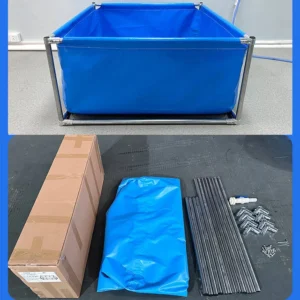
Custom Made PVC Tarpaulin Fish Pond for Aquaculture
Read more -
Custom PVC Pond Liner for Fish Ponds – Manufacturer
Read more