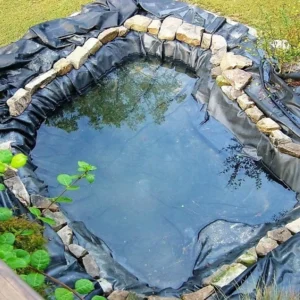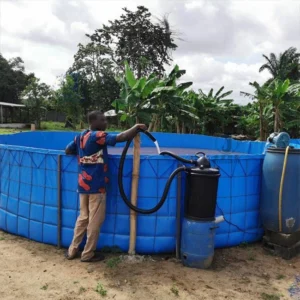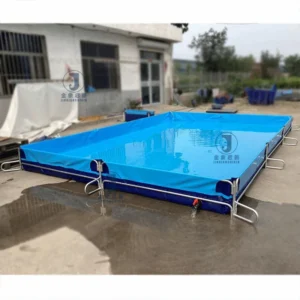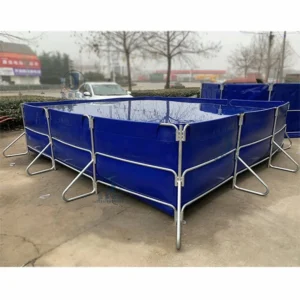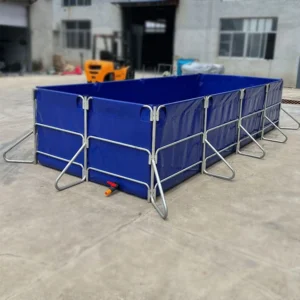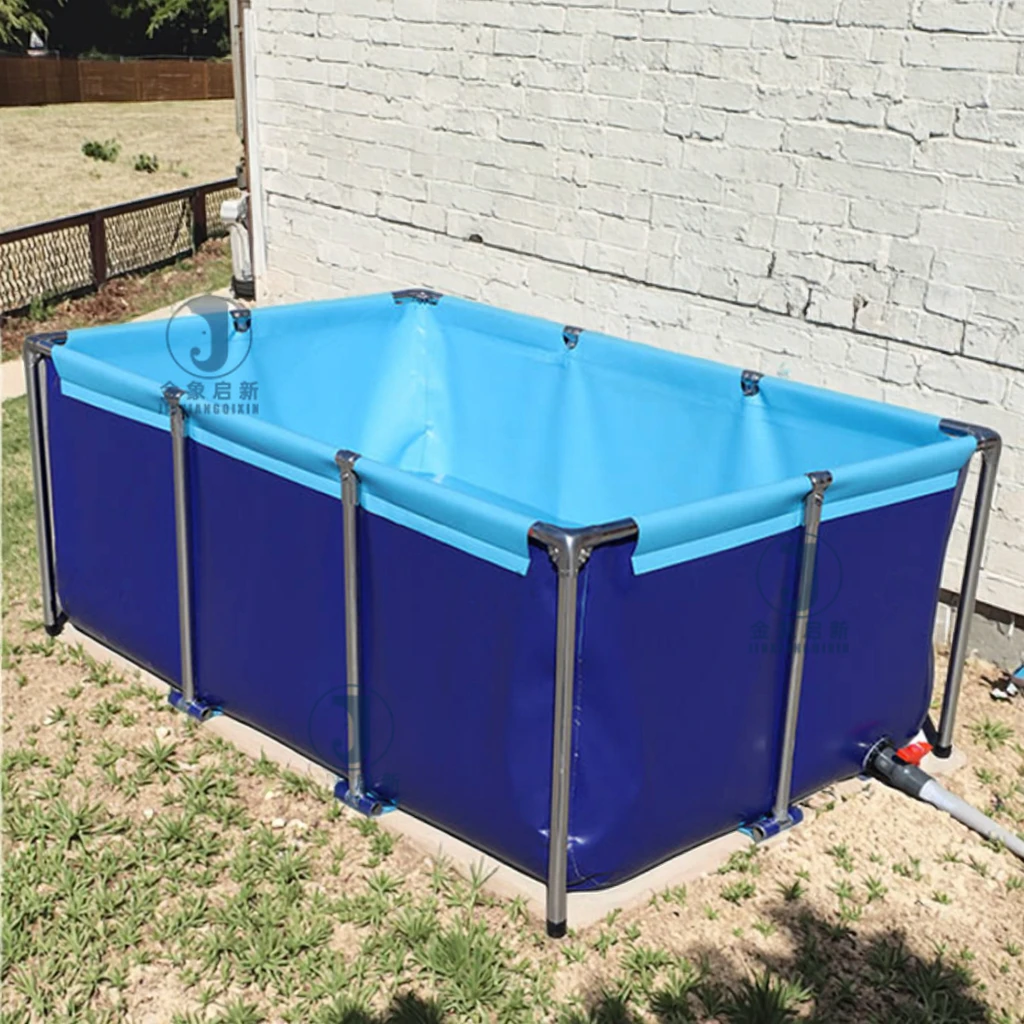
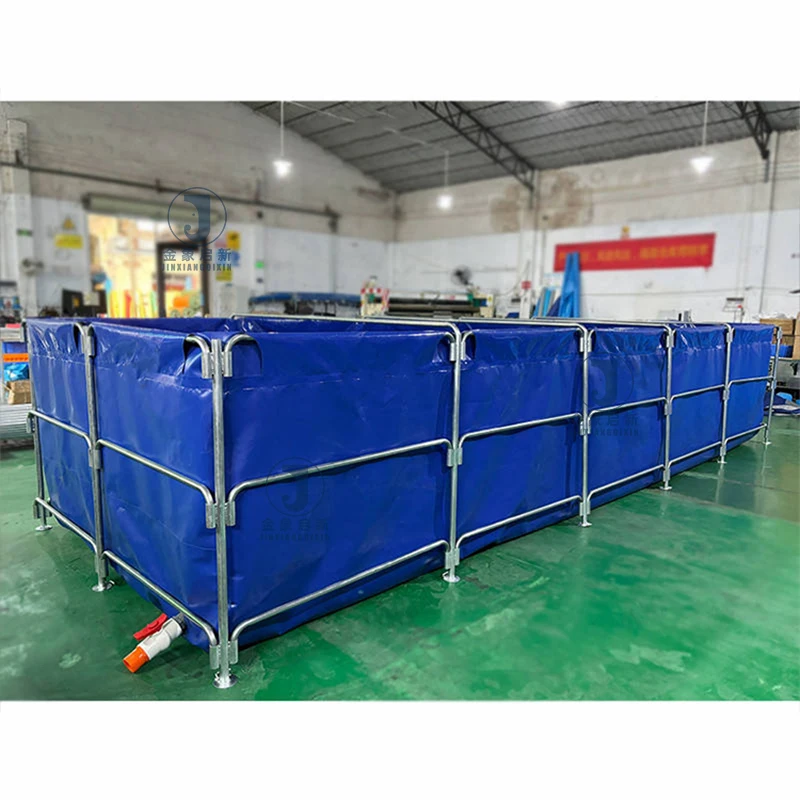
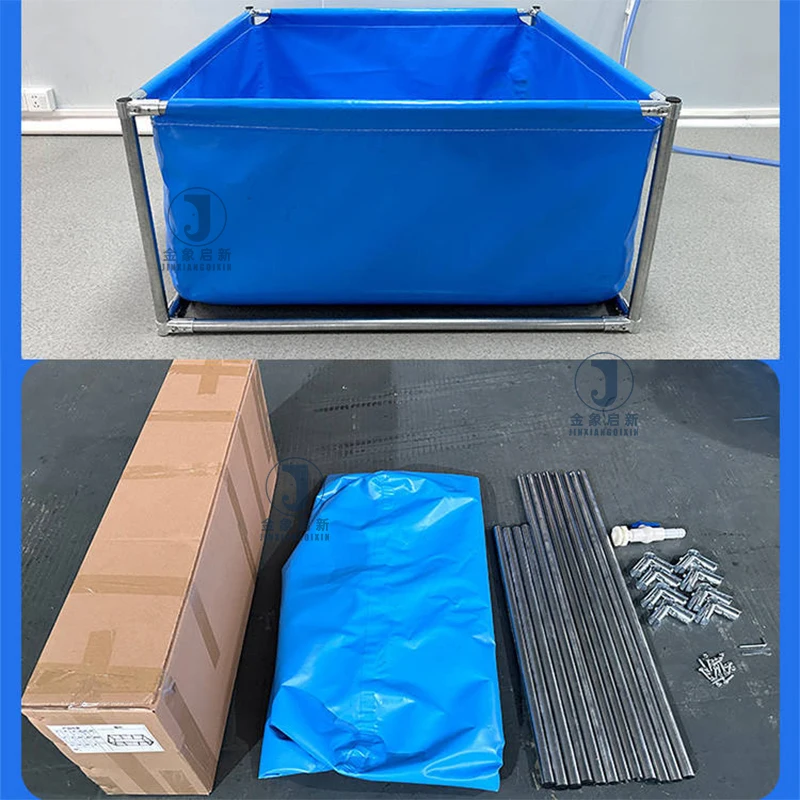
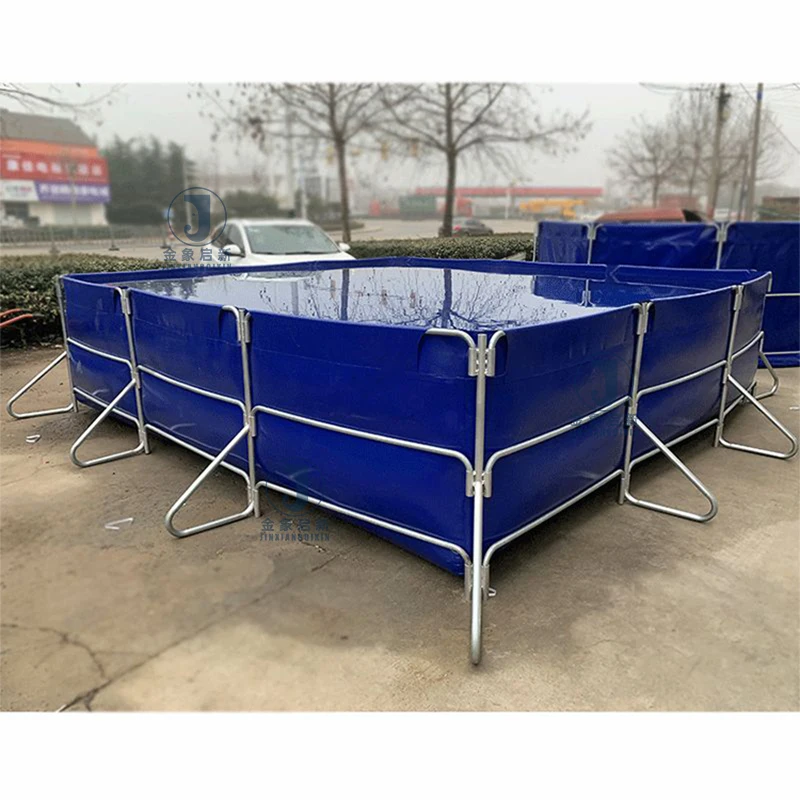
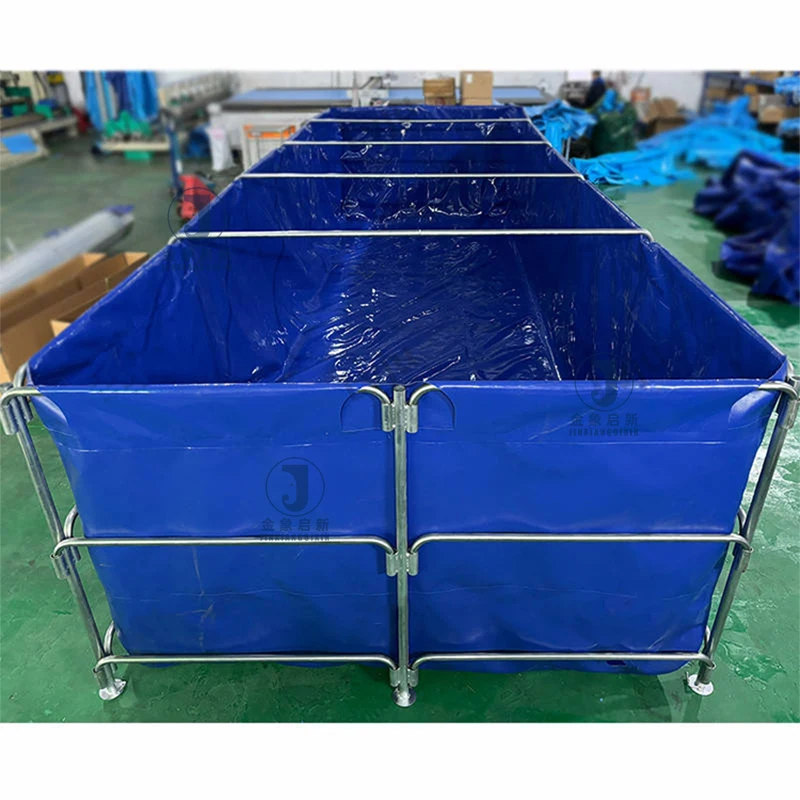
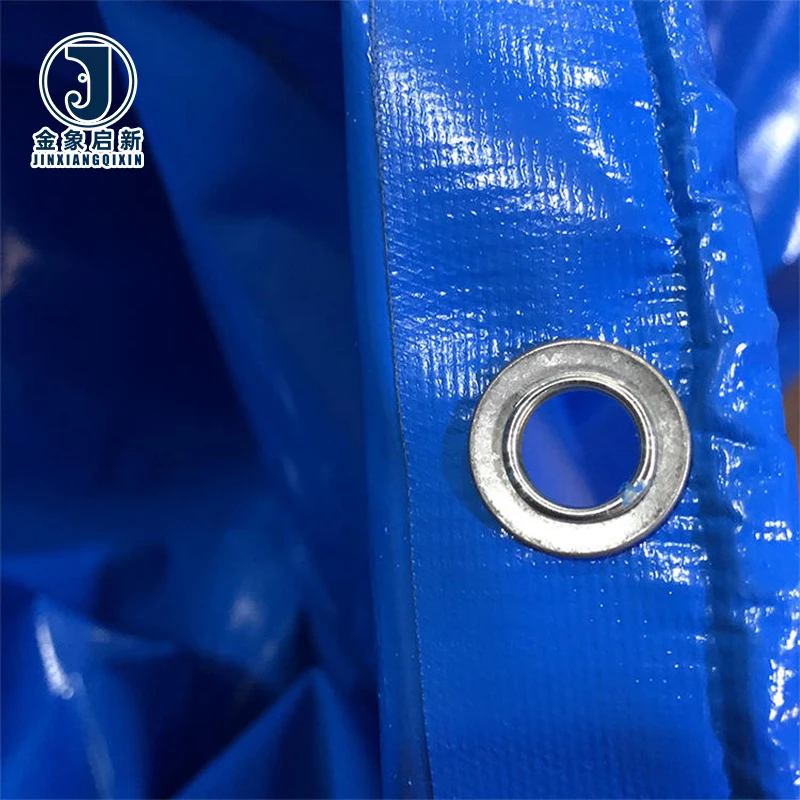
PVC Tarpaulin Roll for Fish Pond Lining, 500D×840D to 1000D×2000D base, 350–900 GSM — waterproof liner for aquaculture ponds and water containment.
- Polyester base with double-sided PVC coating provides reliable waterproof sealing across hot-air welded joints
- Anti-UV treated for open pond environments; multiple GSM grades match pond depth and service requirements
- 0.29mm–0.65mm thickness with warp strength up to 3900N handles substrate contact and water pressure
Backed by 100% pre-shipment inspection and batch-consistent roll production across three dedicated lines.
Description
Precision Coating Control — nearly 30 years of PVC coated fabric production with dedicated QA at every stage, ensuring the GSM on your pond liner roll matches the specification you approved.
Technical Specifications
| Parameter | Value |
|---|---|
| Product Type | PVC Coated Tarpaulin |
| Coating Material | PVC double-sided coating on polyester base fabric |
| Base Fabric Denier Options | 500D×840D / 500D×1000D / 1000D×1000D / 1000D×1300D / 1300D×1300D / 1000D×2000D |
| Weight Options (GSM) | 350 / 400 / 420 / 500 / 600 / 650 / 750 / 900 |
| Total Thickness Range | 0.29mm – 0.65mm |
| Mesh Count Options | 30×19 / 20×20 / 30×15 |
| Tensile Strength (warp/weft) | 1650/1600 N to 3900/3500 N (grade dependent) |
| Flame Retardant | Available in flame retardant grades — confirm the grade required for your market (grade not stated) |
| Anti-UV | Available with UV treatment — confirm test basis for your application (test basis not stated) |
| Waterproof | Yes — fully coated construction |
| Surface Finish | Smooth, leather-like texture |
| Repairability | Hot air weldable |
| Color | Customizable |
| Key Features | Water resistant, abrasion resistant, repairable by heat welding |
Application Suitability
| Application | Exposure & Requirement |
|---|---|
| Commercial fish and shrimp pond lining | Permanent water contact, pond floor abrasion, soil chemistry, UV exposure in open-air farms |
| Aquaculture tank and raceway fabrication | Continuous water pressure, mechanical stress from fish movement, cleaning chemical exposure |
| Agricultural irrigation reservoir | Standing water retention, sediment contact, seasonal UV and weather cycling |
| Outdoor water containment for livestock | Ground contact abrasion, animal traffic, prolonged sun exposure |
Why Quoted GSM Does Not Guarantee Pond Liner Durability
A roll that measures the right weight on paper can still fail if the base fabric density and coating adhesion are mismatched.
When sourcing PVC tarpaulin for fish pond lining, buyers frequently receive material that hits the stated GSM on the certificate but feels thinner and more pliable than expected once unrolled on site. The reason is often a lighter base fabric compensated by a thicker coating layer — the total weight adds up, but the tensile and tear performance falls short of what a properly balanced construction delivers. For aquaculture applications where the liner must resist puncture from rocks, roots and tools during installation, base fabric integrity matters as much as the coating weight [NEED_CITE: tensile and tear test methods for coated fabrics per ISO 1421].
Coating Adhesion and Waterproof Integrity in Submerged Service
The double-sided PVC coating on this pond liner material is applied to a high-tenacity polyester base, creating a continuous waterproof barrier across the entire fabric surface. Unlike laminated constructions where coating layers can separate from the base under prolonged water immersion, the coating process used here bonds the PVC into the fabric structure itself. This matters for aquaculture pond liners where the material sits in continuous contact with water for extended periods — any delamination would expose the base fabric to moisture ingress and biological degradation. When a PVC pond Liner manufacturer specifies double-sided coating, verify that the peel strength between coating and base fabric is confirmed in the material data sheet.
Weld Seam Performance Under Field Conditions
Pond installations rarely use a single piece of fabric — most require joining multiple panels on site. This PVC tarpaulin is hot air weldable, which means the seam is formed by melting the coating layers together rather than relying on adhesive bonding. The resulting weld, when properly executed, creates a continuous coating layer across the overlap that maintains the same waterproof integrity as the body of the fabric [NEED_CITE: hot air welding parameters for PVC coated polyester fabrics]. This is critical for fish pond and aquaculture tank applications where a failed seam means water loss, stock loss and costly emergency repairs.
Reading Between the GSM Grades for Pond Depth Selection
The available GSM range from 350 to 900 covers fundamentally different service conditions, not just thickness increments. A lighter grade in the range suits shallow nursery ponds and temporary containment where the liner is not subjected to significant hydrostatic pressure or mechanical abrasion from substrate contact. Moving to heavier grades introduces denser base fabric constructions with higher denier yarns — the 1000D×1300D and 1300D×1300D options provide substantially greater resistance to puncture and tear propagation than lighter alternatives. For commercial ponds deeper than one metre, or installations over uneven rocky ground, the heavier construction absorbs installation stress and ongoing substrate movement without propagating damage.
What Happens When Roll Consistency Breaks Down
When multiple rolls of pond liner arrive on a farm site with visible colour variation between them, the problem goes beyond appearance — it often signals inconsistent coating weight or curing conditions across the batch. Rolls from an inconsistent production run may also show different stiffness and handling characteristics, making weld parameter settings unreliable from one panel to the next. A weld that holds on one roll may fail on the next if the coating thickness or plasticiser content varies [NEED_CITE: coating consistency and batch uniformity in PVC tarpaulin production]. For large aquaculture installations where dozens of rolls are deployed across a single pond complex, batch-to-roll consistency is a procurement requirement, not a preference.
Why Procurement Verification Matters for Aquaculture Projects
Every roll is weighed and inspected against the agreed specification before dispatch, with a pre-shipment inspection record documenting actual GSM and visual quality. The R&D team develops samples within days for custom requirements, allowing you to confirm material feel, flexibility and weld behaviour before committing to production volume. In-process quality control runs at every production stage rather than relying solely on final inspection — coating weight, base fabric tension and curing temperature are monitored continuously. Three full production lines and 36 sets of equipment support bulk volume for large pond projects while maintaining delivery timelines. Material specification documentation states the exact GSM, base fabric denier and coating construction for traceability from inquiry through to installation.
Documentation & Verification
- Material specification sheet stating exact GSM, base fabric denier and coating construction per roll
- Pre-shipment inspection record with measured GSM and visual consistency verification
- Test reports for UV and flame retardant grades — confirm required grade at inquiry stage
- Roll packing list with batch traceability for multi-roll pond installations
- Certificate of origin and customs documentation for international aquaculture project delivery
- ISO and CE certificates available with shipment documentation package
Fabrication, Handling & Storage
- Hot air welding temperature and speed must match the specific GSM grade — test weld parameters on scrap before production seams
- Store rolls upright on a flat surface to prevent permanent creasing in the PVC coating layer
- Avoid dragging heavier denier rolls (1000D and above) across abrasive ground during pond deployment
- Clean welded seams with mild detergent only — solvent-based cleaners can soften the PVC coating surface
- Allow rolls to acclimatise to ambient temperature before unrolling in cold conditions to prevent coating stiffness cracking
- Plan panel layout from roll width options to minimise the number of field welds in the finished pond liner
Request a Quotation for Your Pond Lining Project
Provide your pond dimensions, depth and substrate type so we can recommend the appropriate GSM grade and base fabric denier from the available range. If your project requires a specific colour, custom roll width or brand printing, include those requirements along with your target roll quantity. Confirm whether you need material test reports for UV or flame retardant performance to meet local aquaculture regulations, and whether samples are required for weld testing before bulk order confirmation.
Frequently Asked Questions
Q: How is the GSM verified before shipment and how do I re-check on arrival?
A: Each roll is weighed during pre-shipment inspection and the measured GSM is recorded against your specification. On arrival, cut a measured square from the roll edge, weigh it on a calibrated scale and calculate grams per square metre. Compare this to the inspection record provided with your shipment documentation.
Q: Which GSM grade is recommended for different pond depths and fish species?
A: Shallow nursery ponds and temporary tanks generally suit lighter grades in the available range, while commercial grow-out ponds deeper than one metre benefit from heavier constructions with denser base fabric. Species that disturb the pond floor, such as bottom-feeding fish or shrimp, require greater abrasion resistance from the liner.
Q: What is the UV treatment basis and expected performance in open pond environments?
A: UV treatment is available as an option — confirm the specific test basis required for your market at the inquiry stage. Open aquaculture ponds expose the liner to direct sunlight continuously, so specifying the appropriate UV grade for your geographic location and expected service duration is essential.
Q: Can I order custom roll width and length to minimise on-site welding?
A: Custom width and roll length are available within production capability, and wider rolls reduce the number of field weld seams needed for large pond installations. Provide your pond dimensions during inquiry so we can calculate the optimal roll specification and confirm any minimum order requirements for custom sizing.
Q: How do you control colour consistency across multiple rolls for the same project?
A: Colour matching is controlled through the coating formulation stage, with in-process monitoring during production to maintain consistency across the batch. A pre-shipment inspection verifies visual uniformity roll-to-roll before dispatch, which is critical when adjacent panels are visible in the finished pond installation.