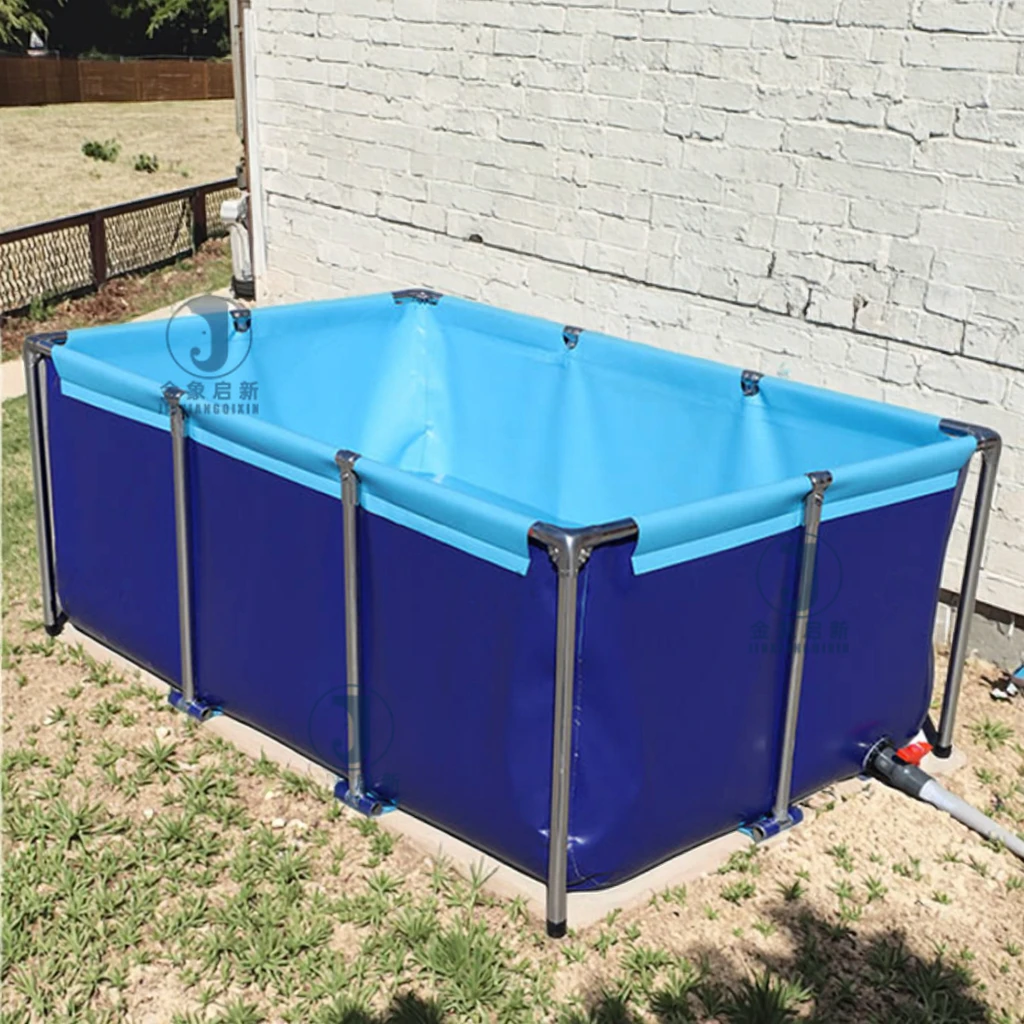
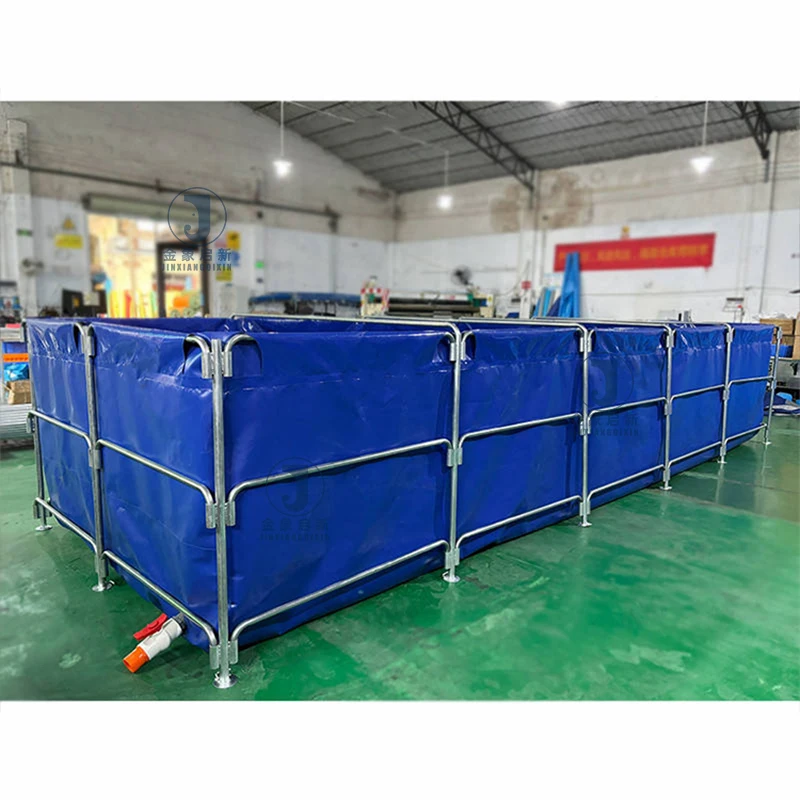
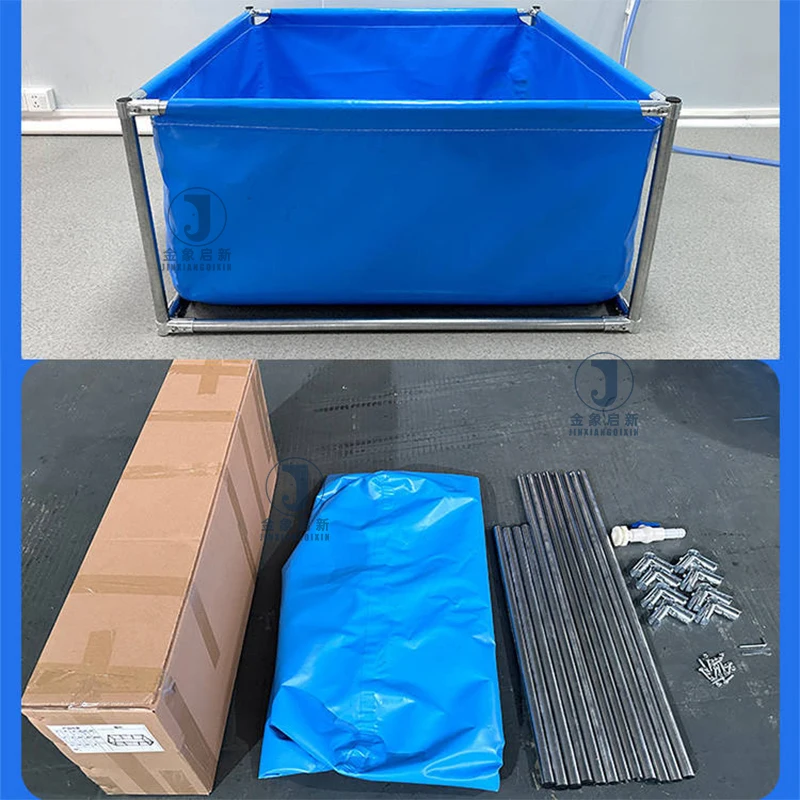
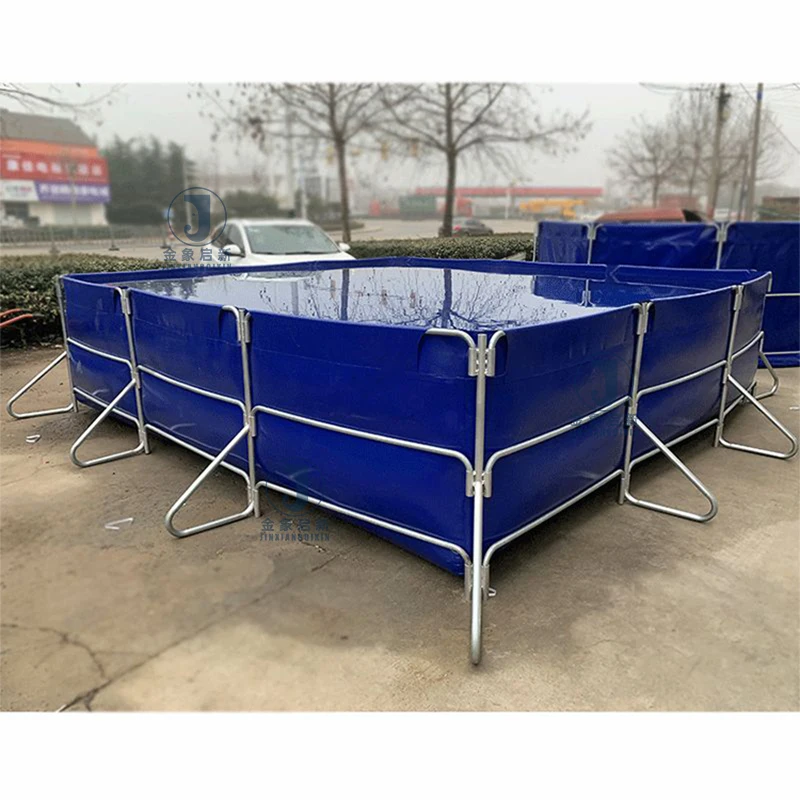
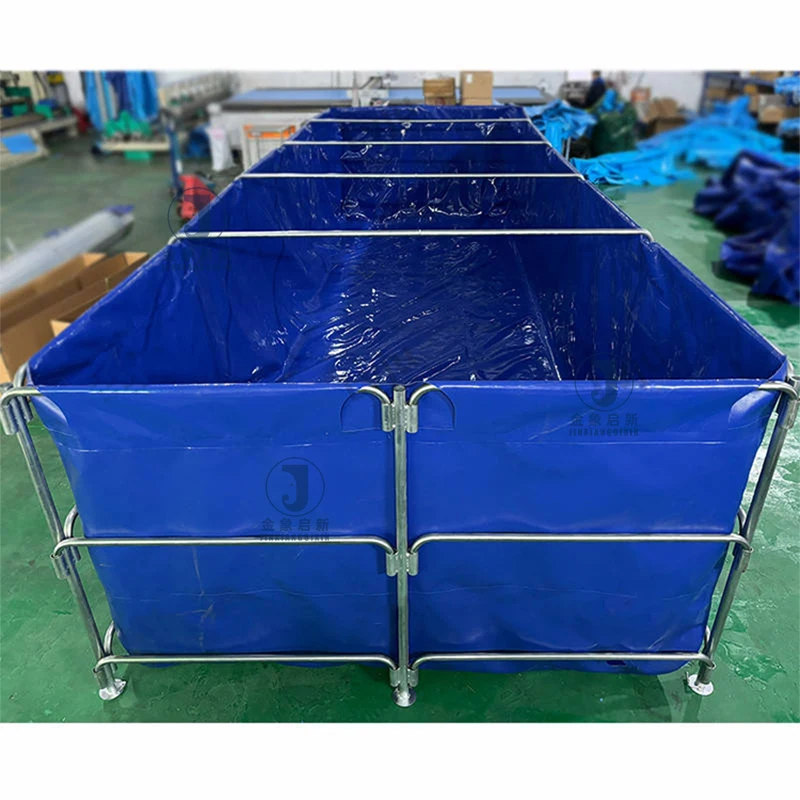
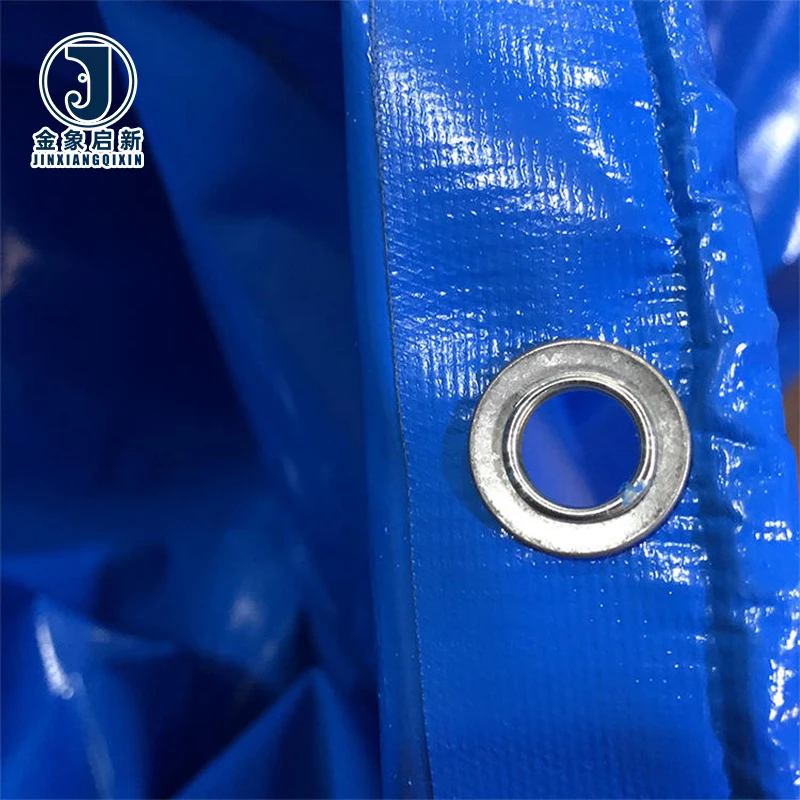
PVC Coated Tarpaulin for Fish Pond Lining, 500D×840D–1000D×2000D base fabric, 350–900 GSM — double-sided PVC coating on high-denier polyester delivers tensile strength across warp and weft to resist pond-edge stretching and substrate abrasion. Hot-air weldable seams outlast the fabric at hydrostatic pressure points, while anti-UV and anti-bacteria treatments maintain liner integrity under prolonged sun and water exposure. Custom roll widths reduce seam count on large or irregularly shaped ponds.
- 10-person R&D team handles custom GSM, width, colour and treatment specification with samples developed in days
- 100% pre-shipment inspection verifies delivered weight and coating against the agreed material spec sheet
- 30 years of coated fabric process control ensures roll-to-roll batch consistency for bulk aquaculture projects
Description
Deep Coating Process Control — Every PVC tarpaulin roll for fish pond lining ships with verified GSM, base fabric denier, and coating weight on the material specification sheet, eliminating the mismatch between quotation and delivery that plagues aquaculture containment projects.
Technical Specifications
| Parameter | Value |
|---|---|
| Product Type | PVC Coated Tarpaulin |
| Base Material | Polyester |
| Coating Material | PVC (double-sided) |
| Yarn Count Options | 500D×840D / 500D×1000D / 1000D×1000D / 1000D×1300D / 1300D×1300D / 1000D×2000D |
| Weight Options | 350 GSM / 400 GSM / 420 GSM / 500 GSM / 600 GSM / 650 GSM / 750 GSM / 900 GSM |
| Thickness Options | 0.29mm / 0.32mm / 0.38mm / 0.44mm / 0.46mm / 0.55mm / 0.65mm |
| Mesh Density Options | 30×19 / 20×20 / 30×15 |
| Tensile Strength (Warp) | 1650 N – 3900 N (test standard not stated in source) |
| Tensile Strength (Weft) | 1600 N – 3500 N (test standard not stated in source) |
| Surface Finish | Smooth, leather-like texture |
| Key Features | Water resistant, waterproof, flame retardant (grade not stated), anti-UV (test basis not stated), anti-bacteria, abrasion resistant |
| Repairability | Hot air weldable |
| Customization | Custom width, length, colour, pattern printing, branding |
Application Suitability
| Application | Exposure & Requirement |
|---|---|
| Commercial fish pond lining | Permanent water submersion, hydrostatic pressure at depth, substrate abrasion from soil and gravel beds |
| Shrimp and prawn aquaculture tanks | Saline water contact, anti-bacteria surface requirement, frequent draining and refilling cycles |
| Agricultural water reservoirs | UV exposure from open-air installation, seasonal temperature fluctuation, puncture risk from debris |
| Irrigation containment liners | Prolonged water contact, edge tension from anchoring, chemical exposure from fertiliser runoff |
When the Quoted GSM Does Not Match What Arrives at Your Pond Site
A material specification sheet with verified GSM per roll is the only defence against underweight delivery.
The most common complaint in aquaculture liner procurement is straightforward: the quotation states a specific weight, but the rolls that arrive on site measure lighter when checked on a calibrated scale. For a PVC tarpaulin roll for fish pond lining, even a small deficit in coating weight translates directly into reduced thickness and lower tensile reserve. In submerged applications, the liner carries constant hydrostatic load — there is no margin for material that was never as heavy as promised [NEED_CITE: pre-shipment GSM verification procedure for coated fabrics]. Sourcing from a supplier that inspects every roll before dispatch and documents the result removes this variable entirely from your receiving process.
Selecting the Right GSM Grade for Your Pond Depth and Water Volume
Choosing a PVC tarpaulin roll for fish pond lining starts with matching the GSM grade to the depth and surface area of the installation. Shallow nursery ponds under one metre of water place lower hydrostatic demand on the liner, allowing lighter grades from the available range to perform effectively. Deeper grow-out ponds and reservoir-style installations require heavier grades with correspondingly higher denier base fabric to resist stretching and puncture under sustained water column pressure. The available yarn count options — from 500D×840D through to 1000D×2000D — provide a structured path to the correct strength grade without overspecifying.
How Seam Integrity Determines Liner Service Life in Submerged Conditions
The welded seam is the single most vulnerable point in any pond liner installation. Where hydrostatic pressure concentrates at the floor-to-wall transition, a poorly executed hot air weld will separate long before the body fabric degrades. PVC coated polyester fabric is inherently suited to hot air welding because the coating material fuses under heat to form a continuous bond across the overlap zone [NEED_CITE: hot air welding parameters for PVC coated polyester pond liners]. This contrasts sharply with adhesive joining, which introduces a foreign chemical layer that can delaminate under prolonged water immersion. Specifying the correct seam width and welding temperature for the selected GSM grade is essential, and our R&D team provides sample welds for your on-site team to validate before full installation begins.
Reading the Specification Sheet: What Denier, Mesh Count, and GSM Actually Mean Together
The GSM figure alone does not define how a pond liner will behave under load. A 650 GSM roll built on a 1000D×1000D base at 20×20 mesh density distributes its weight differently from one on a 500D×1000D base at 30×19 mesh — the former concentrates more yarn mass per thread, yielding higher individual thread tensile capacity, while the latter uses finer yarn at higher count for a tighter, more puncture-resistant weave. Coating weight fills the gaps between yarns and bonds the two faces together; double-sided PVC coating ensures waterproof integrity through the full fabric cross-section. The total thickness values — ranging from 0.29mm at lighter grades to 0.65mm at heavier grades — reflect the combined contribution of base fabric and coating, not coating alone. Understanding this relationship prevents the error of selecting a liner purely on weight while ignoring the structural behaviour that denier and mesh density govern.
The Cost of Specifying the Wrong Liner Grade for Aquaculture Containment
Selecting a grade that is too light for the intended water depth results in visible stretching at the pond walls within the first filling cycle. The liner does not necessarily tear, but the permanent deformation weakens the coating adhesion at the molecular level, creating pathways for slow water migration that worsen over subsequent drain-and-refill events [NEED_CITE: coating adhesion failure mechanisms in submerged PVC tarpaulin liners]. Conversely, overspecifying the GSM adds unnecessary material cost and makes hot air welding more difficult, as heavier grades require higher welding temperatures and longer dwell times that increase the risk of burning through the coating at the seam edge. Batch colour inconsistency across rolls is a secondary but visible problem — when multiple rolls are installed side by side in a lined pond, shade variation is immediately apparent and reflects poorly on the installation quality, even though it does not affect waterproof performance.
Why Aquaculture Operators Source Their Pond Liner Rolls From Jinxiang
Our coating process control ensures that the GSM stated on your quotation is the GSM delivered on every roll, verified through dedicated QA inspection at each production stage. The available PVC tarpaulin roll range covers eight weight grades and six denier options, giving aquaculture operators and liner distributors a single source for every containment specification they encounter. Samples for custom colour or width requirements are developed within days, allowing you to validate material appearance and welding behaviour before committing to full production volume. A 10-person R&D team handles material selection and sample development, providing technical guidance on grade selection matched to your specific pond geometry and water chemistry. Every shipment includes 100 percent pre-shipment inspection with documented GSM and dimensional verification, supported by full customs documentation for cross-border aquaculture projects.
Documentation & Verification
- Material specification sheet stating exact GSM, base fabric denier, and coating weight per roll
- Pre-shipment inspection record confirming GSM and dimensional accuracy before dispatch
- UV and flame retardant test reports matched to specific production batch where applicable
- Roll packing list and certificate of origin ready for customs clearance in aquaculture-regulated markets
- ISO and CE certification documentation included with every shipment
Fabrication, Handling & Storage
- Hot air weld all seams at temperatures matched to the selected GSM grade — heavier grades require higher heat settings and longer dwell times
- Store rolls horizontally on pallets in a covered area to prevent surface compression marks that may affect coating smoothness
- Unroll and allow PVC tarpaulin rolls to acclimatise to site temperature before welding, as cold fabric reduces bond strength at the seam
- Clean liner surfaces with mild detergent only — solvent-based cleaners can degrade the double-sided PVC coating over repeated use
- For custom width orders, confirm roll dimensions against pond layout drawings before cutting to minimise on-site waste and seam count
- Hot air weld repair patches over any puncture damage using offcuts from the same batch to maintain colour consistency
Requesting a Quotation for Your Pond Liner Project
Provide your pond dimensions, maximum water depth, and whether the installation is permanent or seasonal so we can recommend the appropriate GSM grade and denier option. Specify any anti-bacteria treatment requirement and confirm whether you need roll stock for on-site fabrication or pre-cut panels with reinforced edges. If colour matching or brand printing is required, request a sample for approval before production begins.
Frequently Asked Questions
Q: How can I verify the GSM of pond liner rolls when they arrive on site?
A: Every roll ships with a material specification sheet stating the exact GSM, and our 100 percent pre-shipment inspection confirms weight before dispatch. On arrival, weigh a measured sample section on a calibrated scale and compare against the stated value. Report any discrepancy immediately with the roll number for resolution.
Q: Which GSM grade should I select for a commercial fish pond?
A: Shallow nursery ponds under one metre typically suit lighter grades from the available range, while deeper grow-out ponds require heavier grades with higher denier base fabric. Provide your pond depth and surface area so we can recommend the matched yarn count and GSM combination for your installation.
Q: Can the liner be supplied in custom widths to reduce seam count on large ponds?
A: Custom roll widths are available, developed through our R&D team within days of your specification. Wider rolls reduce the number of hot air welded seams required on site, which directly lowers the risk of seam-related failure in large-format pond installations.
Q: Is the anti-bacteria treatment safe for direct contact with aquaculture water?
A: Anti-bacteria treatment is available as an option — confirm the specific certification requirement for your market and species before ordering. We provide test reports matched to the production batch being shipped, not generic certificates, so you can verify compliance with local aquaculture regulations.
Q: What documentation ships with each roll for customs clearance?
A: Each shipment includes a material specification sheet, pre-shipment inspection record, roll packing list, certificate of origin, and ISO and CE certification documents. For markets with specific aquaculture import requirements, confirm any additional documentation needed before production begins.
Related products
-
Custom PVC Tarpaulin Fish Pond Liner for Aquaculture – Manufacturer
Read more -
Custom Blackout Plain Flexible Foldable PVC Tarpaulin Fish Tank 500gsm PVC Coated Roll
¥1.00 Select options This product has multiple variants. The options may be chosen on the product page -
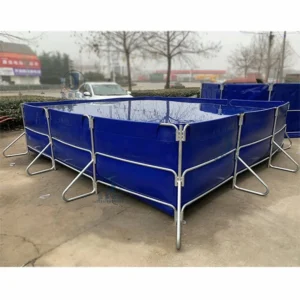
Custom PVC Tarpaulin Fish Pond Liner for Aquaculture – Manufacturer
Read more -
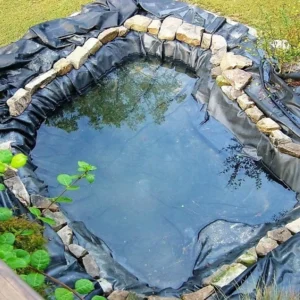
Waterproof Heavy Duty Coated Blackout Fish Pond Tarpaulin Truck Cover Sheet Tent Swimming Pool Liner Anti UV
¥1.00 Select options This product has multiple variants. The options may be chosen on the product page