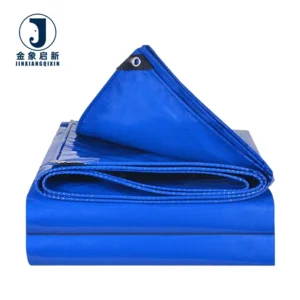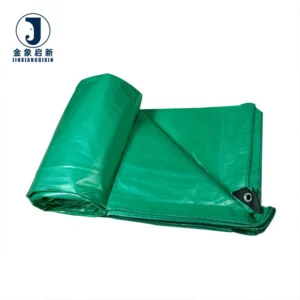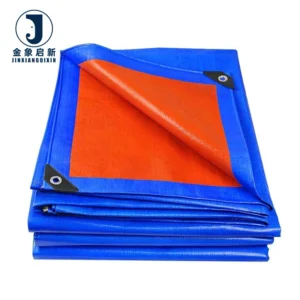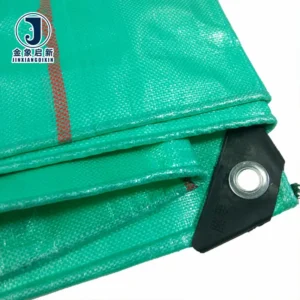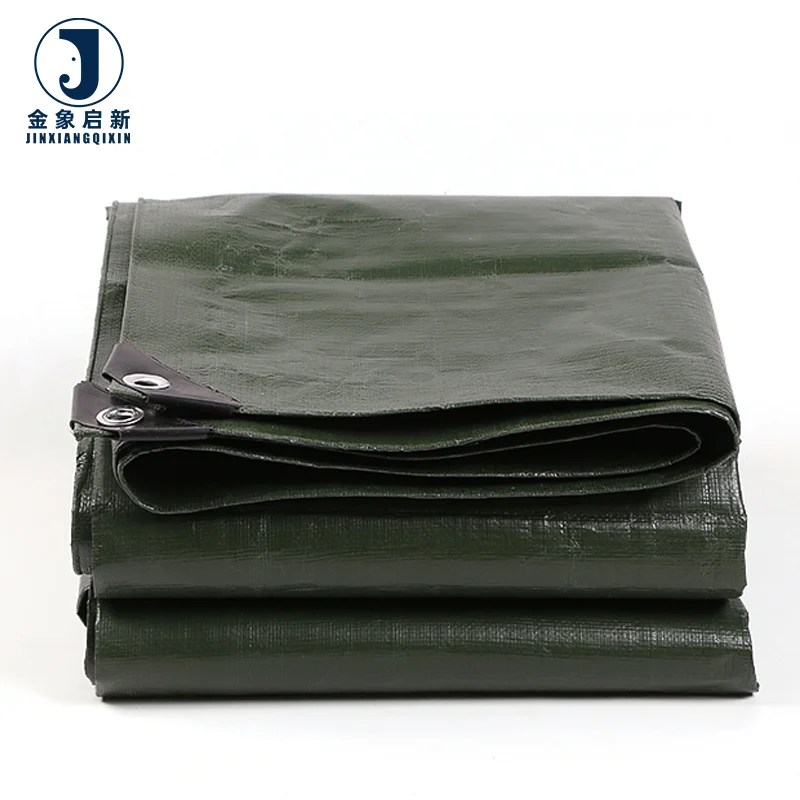
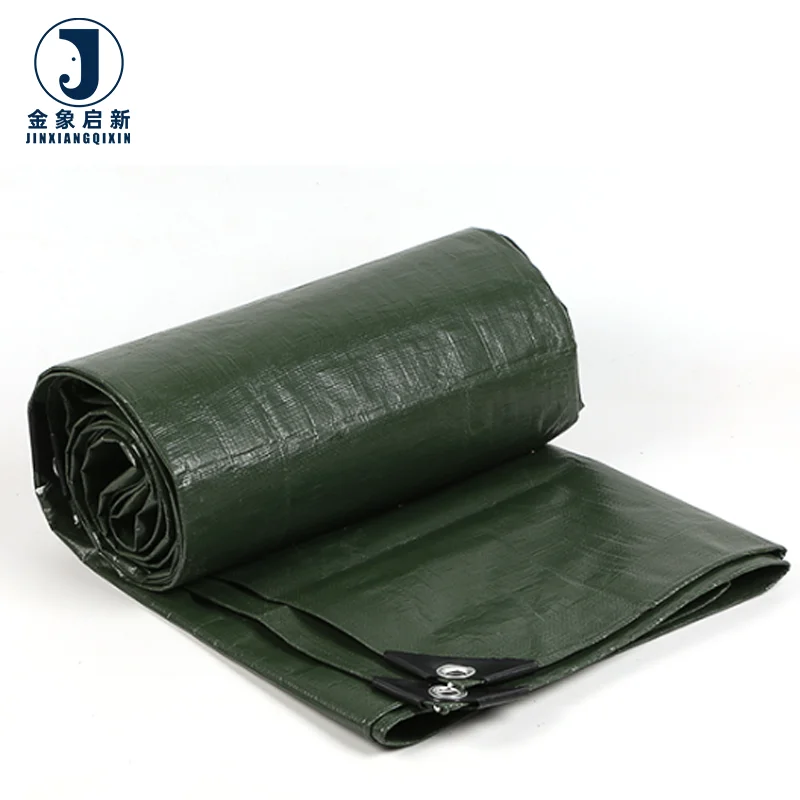
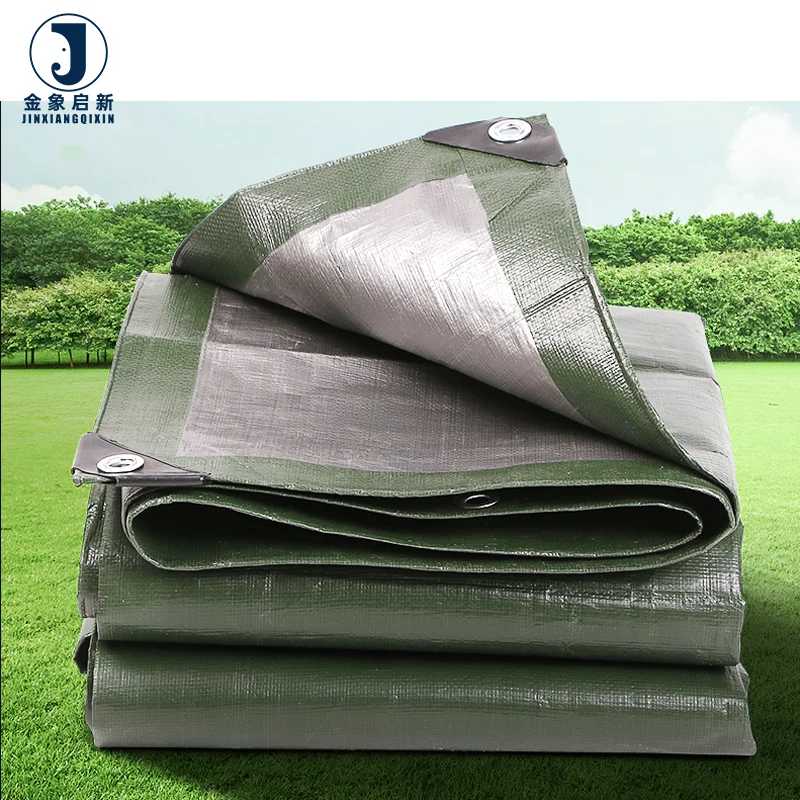
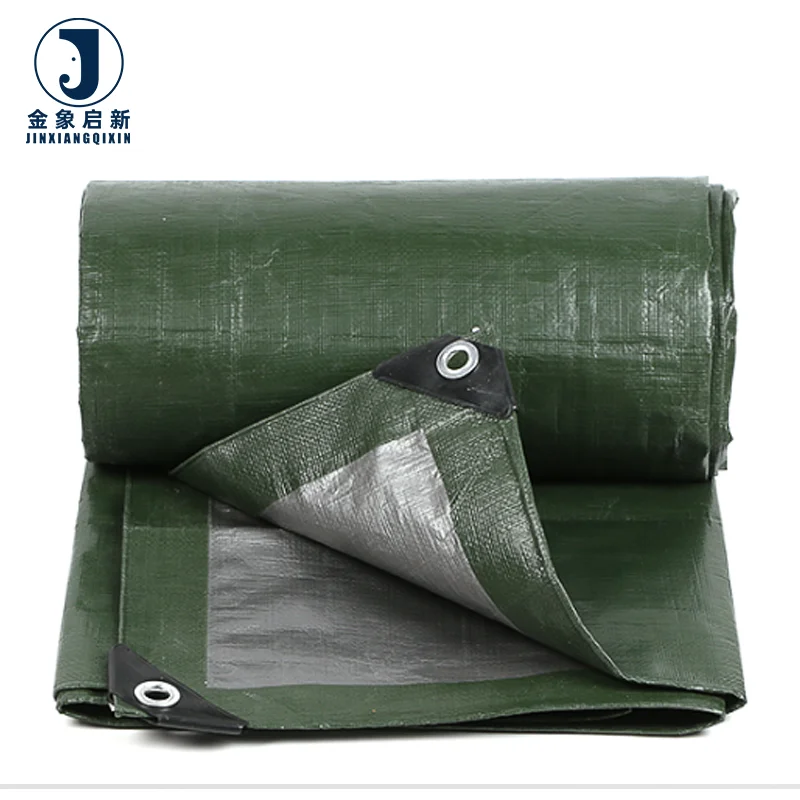
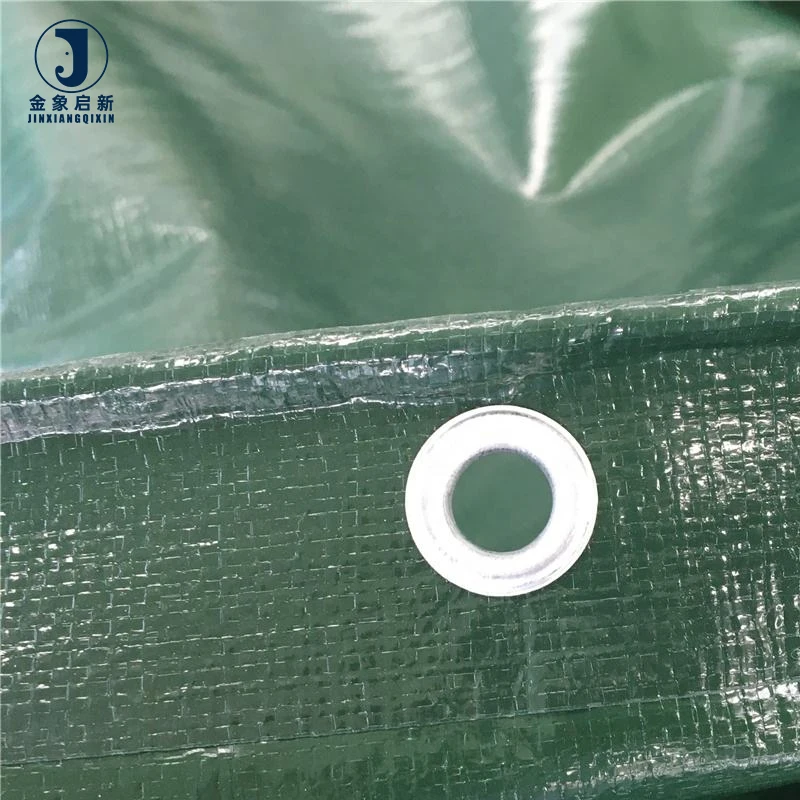
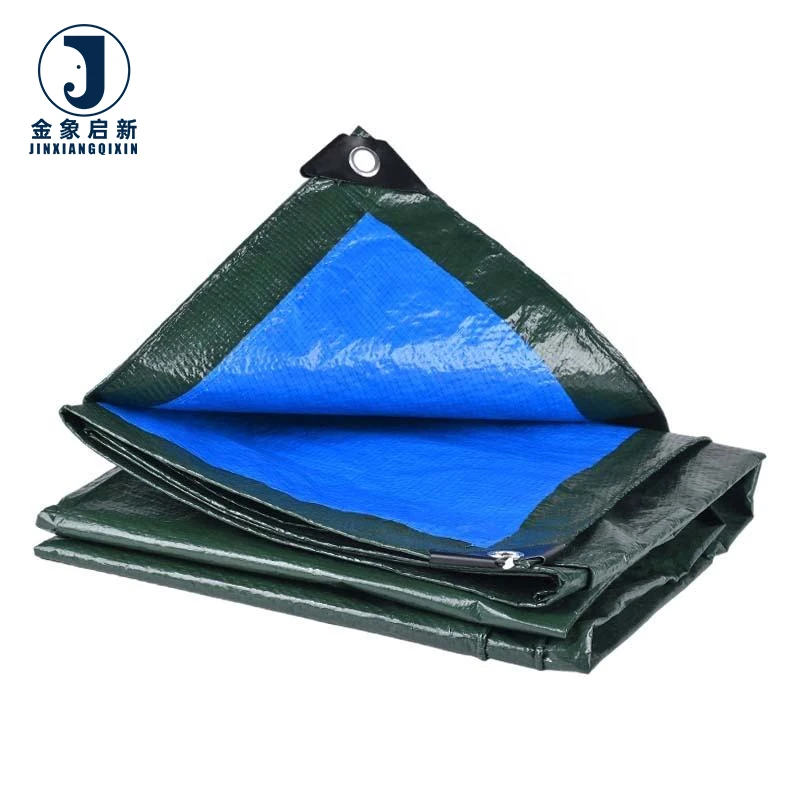
Heavy Duty PE Tarpaulin available in 5/10/12/16/20 Mil thickness options with waterproof, fire retardant and anti-UV treatments. Reinforced hems and eyelets ensure secure tie-down under load flex.
- Complete tarpaulin range with full custom sizing, colour and printing from design to delivery
- Material spec sheet, test reports and ISO/CE certificates provided with every shipment
- 100% pre-shipment inspection across 3 full production lines guarantees batch consistency
Description
Verified Thickness Control — Every roll of Heavy Duty Poly Tarps passes a triple-check on the thickness gauge before leaving the line, with out-of-spec rolls rejected rather than shipped.
Technical Specifications
| Parameter | Value |
|---|---|
| Product Type | PE Tarpaulin |
| Thickness Options | 5 Mil / 10 Mil / 12 Mil / 16 Mil / 20 Mil |
| Construction | Heavy Duty |
| Waterproof | Yes |
| Fire Retardant | Available (grade not stated) |
| Anti-UV | Available (test basis not stated) |
| Windproof | Yes |
| Mildew-Proof | Yes |
| Abrasion-Resistant | Yes |
Application Suitability
| Application | Exposure & Requirement |
|---|---|
| Car covers | Prolonged UV exposure, rain ingress, surface abrasion from wind-driven debris |
| Tent shelters | Constant weather cycling, ground moisture, wind uplift stress at anchor points |
| Cargo protection | Road vibration, tie-down friction, water and dust ingress during transit |
| Outdoor equipment covering | Standing water, mildew-prone humidity, repeated handling and folding |
Why Stated Mil Thickness Is Only Half the Story on a Heavy Duty PE Tarpaulin
Actual in-hand performance depends on resin density, weave integrity, and lamination quality — not the mil number printed on the label.
I have watched a container of poly sheeting get rejected at a Scandinavian port because the buyer’s QC team measured the center of each roll and found the 16 Mil sheets reading closer to 12 Mil. That single discrepancy cost an entire shipment plus weeks of warehouse delay. The lesson stuck: a Heavy Duty PE Tarpaulin aftermarket supplier lives or dies by the consistency between what the spec sheet says and what the caliper reads when the roll is unspooled. Thickness drift is not a cosmetic issue — it changes how the material handles puncture loads, how well heat-welded seams hold, and whether the tarp survives its first winter storm. [NEED_CITE: standard test methods for thickness measurement of plastic sheeting per ASTM D6988]
How Thickness Grades Map to Real-World Use Cases
The 5 Mil and 10 Mil options serve short-term or light-duty scenarios where the tarp must remain flexible and easy to fold — think seasonal equipment covers or temporary dust barriers on renovation sites. Once you move into the 12 Mil to 16 Mil range, the fabric gains enough body to resist wind flap fatigue and moderate abrasion from tie-down straps, making it the working range for cargo protection and tent shelter panels. The 20 Mil grade is where puncture resistance becomes substantial enough for heavy machinery wraps and long-duration outdoor storage. Choosing the right grade starts with knowing the exposure, not just the budget.
What the Weave and Lamination Layer Actually Do
A poly tarp is essentially a woven HDPE scrim sandwiched between LDPE coating layers. The scrim’s denier and weave count determine how well the material resists tear propagation once a puncture starts. The coating layers provide waterproofing and UV protection while also serving as the surface that takes abrasion during handling. When the lamination bond between scrim and coating is weak, you see delamination at fold creases and weld seams before the fabric itself fails. [NEED_CITE: coated fabric peel strength and adhesion test methods per ISO 2411] That bond quality is why two tarps with the same stated mil thickness can perform very differently in the field.
Reading the Specs: What Each Parameter Means on the Ground
Thickness in mil governs stiffness and puncture resistance, but it tells you nothing about tear strength unless you also know the base fabric weave density. A 16 Mil tarp with a loose 8×8 weave will tear more easily than a 12 Mil tarp woven at 14×14, because the tighter weave distributes load across more yarns. The waterproof claim rests on the coating layers being continuous and free of pinholes — a quality that varies with extrusion consistency rather than thickness alone. Mildew-proof treatment matters most in humid climates where tarps stay folded while damp; without it, trapped moisture breeds fungal growth that stains and degrades the polymer over time. Abrasion resistance is largely a function of the outer coating hardness and the scrim’s ability to hold together under repeated friction from straps, ropes, or contact with rough surfaces.
The Hidden Cost of Ordering the Wrong Mil Grade
Under-specifying thickness on a Heavy Duty PE Tarpaulin usually reveals itself at the worst possible moment — mid-season, under load, in bad weather. A tarp that is too thin for its application will develop pinhole tears at grommet stress points and along fold lines, letting water through exactly where protection matters most. Buyers who chose the lowest mil option to save on unit cost often end up replacing covers twice per season, wiping out any initial savings. On the flip side, over-specifying creates handling problems: a 20 Mil tarp used for a light-duty cover is heavier to deploy, harder to fold in cold weather, and puts unnecessary strain on tie-down hardware. [NEED_CITE: field failure modes of polyethylene protective covers in transport and storage]
Why Source Heavy Duty Poly Tarps Through This Line
Nearly three decades of focused coated-fabric production means the extrusion and lamination parameters are dialed in rather than adjusted on the fly. Three full production lines with 36 sets of equipment give enough capacity to run bulk orders without splitting them across subcontractors, which is where batch-to-batch variation usually creeps in. A dedicated 10-person R&D team handles custom width, colour matching, and sample development in-house, cutting the back-and-forth that delays projects. Every roll goes through QA at each production stage and a full pre-shipment inspection, so the thickness and coating weight you ordered are the ones that arrive. Sample rolls are developed within days when custom colours or prints are needed, letting you verify the material before committing to a full container.
Documentation & Verification
- Material spec sheet listing mil thickness, base weave count, and coating type per roll
- Fire retardant test report provided where applicable to the grade ordered
- UV treatment verification with supporting test data on request
- ISO and CE certificates included with every commercial shipment
- Pre-shipment inspection record confirming thickness and visual quality per roll
- Roll packing list with net weight and dimensions for customs clearance
Fabrication, Handling & Storage
- Heat-weld seams at temperatures matched to the specific mil grade to avoid coating burn-through on thinner sheets
- Reinforce grommet zones with extra lamination patches on 5 Mil and 10 Mil grades to prevent tear-out
- Store rolls upright on pallets to prevent flat-spot deformation on heavy 16 Mil and 20 Mil grades
- Unfold tarps in temperatures above freezing to avoid cracking the LDPE coating layer
- Clean with mild detergent only; solvents degrade the mildew-proof treatment on the coating surface
- Repair small punctures with compatible PE patch tape applied to both sides of the woven scrim
What to Include in Your Inquiry
Tell us the application environment — whether the tarps will cover static equipment, moving cargo, or temporary shelters — and the expected duration of exposure. Specify the mil thickness range you are considering, or describe the load and weather conditions so we can recommend the right grade. If your market requires fire retardant certification, state the standard your local authority accepts. Confirm whether you need rolls in stock widths or custom-cut panels, and whether colour matching or printed branding is part of the spec.
Frequently Asked Questions
Q: What thickness options are available and which one fits my application?
A: The range covers 5, 10, 12, 16, and 20 Mil. Lighter grades suit short-term covers and dust barriers. The 12–16 Mil range handles cargo and tent use where wind flap and strap abrasion are factors. The 20 Mil grade is for heavy machinery and long-duration outdoor storage. Share your exposure conditions and we will recommend the right thickness.
Q: Are fire retardant certifications and test reports provided?
A: Fire retardant treatment is available in grades suited to different market requirements. We supply the test report that corresponds to the grade you order. Before production, confirm which fire classification your local building or transport authority requires so we match the correct standard.
Q: Can I order custom sizes, colours, or printed branding?
A: Yes. Custom widths, lengths, and colours are available with sample approval before bulk production. Printed branding and pattern work is handled in-house by the R&D team. We develop sample rolls within days so you can verify colour accuracy and print quality before committing to the full order.
Q: What documentation comes with each shipment?
A: Every dispatch includes a material specification sheet, roll packing list, and pre-shipment inspection record. Fire retardant and UV test reports accompany the shipment when those treatments are specified. ISO and CE certificates and a certificate of origin are also provided for customs and compliance purposes.
Q: How is roll-to-roll colour consistency ensured across a bulk order?
A: Colour is matched against a reference standard at the extrusion stage, and each roll is visually inspected under controlled lighting before packing. The pre-shipment inspection covers side-by-side colour comparison so that variation between rolls is caught before the container is loaded, not after it arrives at your warehouse.
Related products
-
Custom PE Tarpaulin for Industrial Use – Full Range
Read more -
PE Coated Tarpaulin Waterproof Rainproof Outdoor Awning Shade Sail Canopy Pet Dog House Cover for Boys Anti-UV Medium Weight
¥0.70 Select options This product has multiple variants. The options may be chosen on the product page -
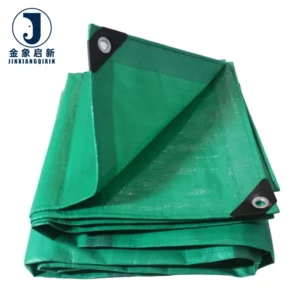
Waterproof Organic Blackout PE Coated Medium Duty All-Purpose Truck Tarpaulin for Outdoor Use Boys
¥6.81 Select options This product has multiple variants. The options may be chosen on the product page -
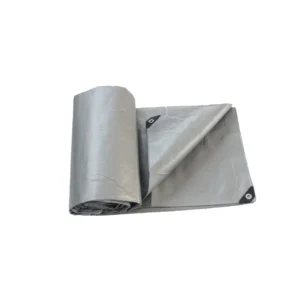
PE Tarpaulin Waterproof Outdoor Garden Sheet HDPE Laminated PVC Coating for Liner Covering Truck Cover Tent Awnings Plain Woven
¥0.31 Select options This product has multiple variants. The options may be chosen on the product page