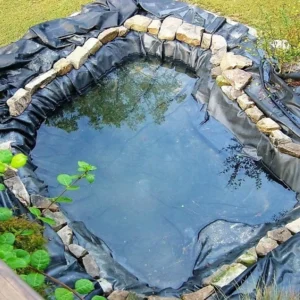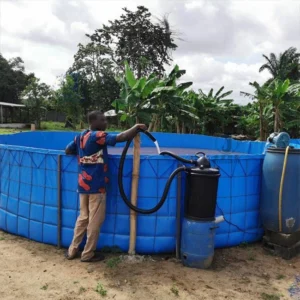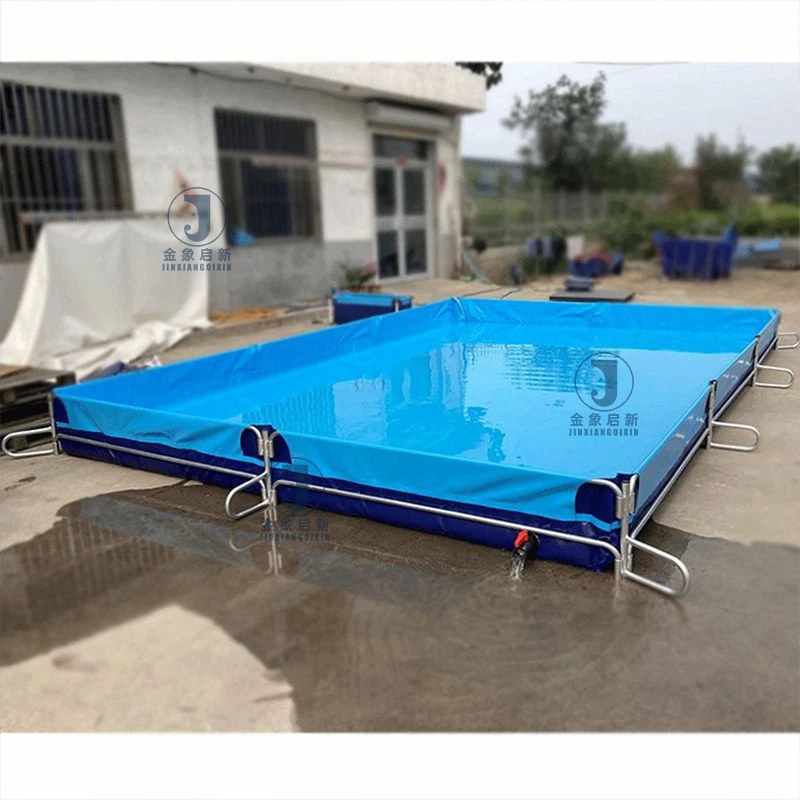
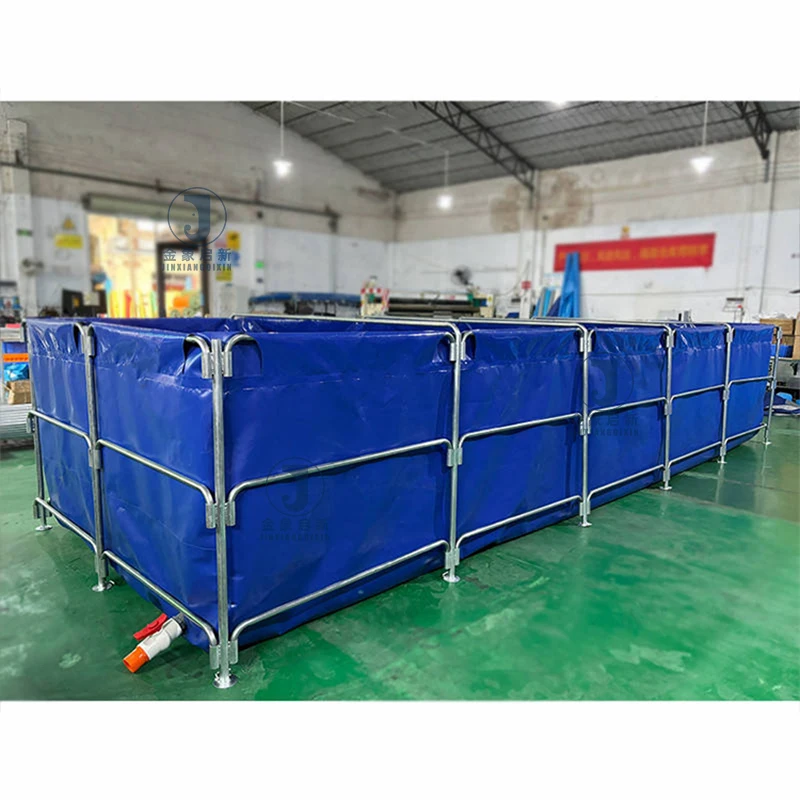
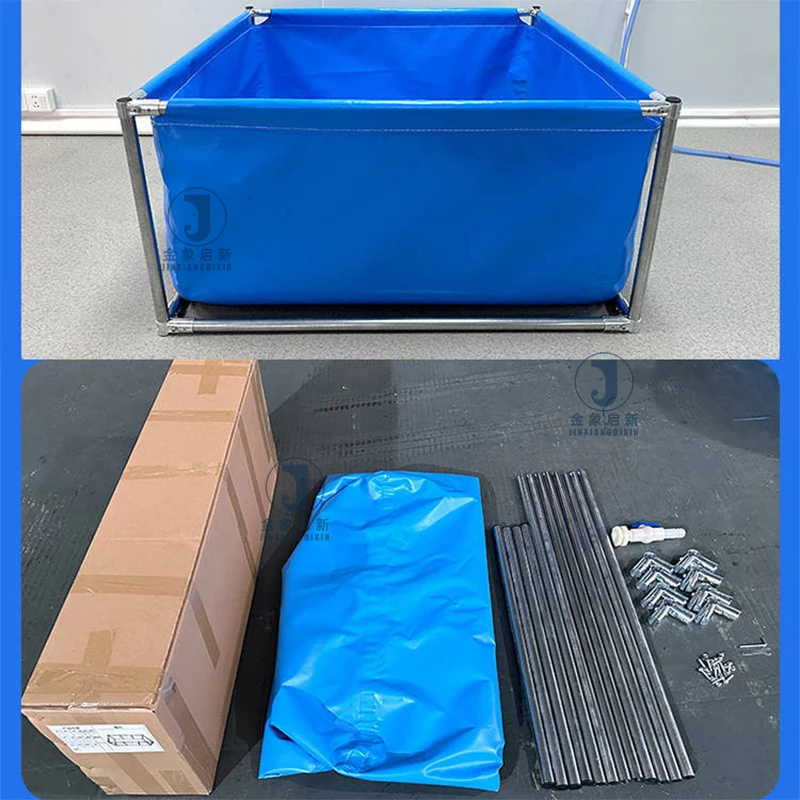
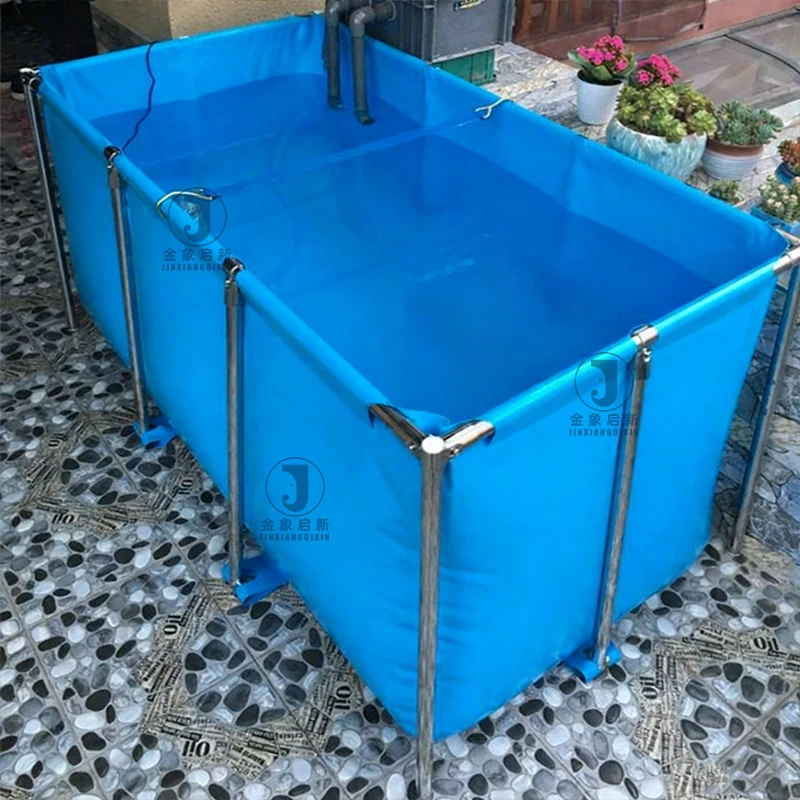
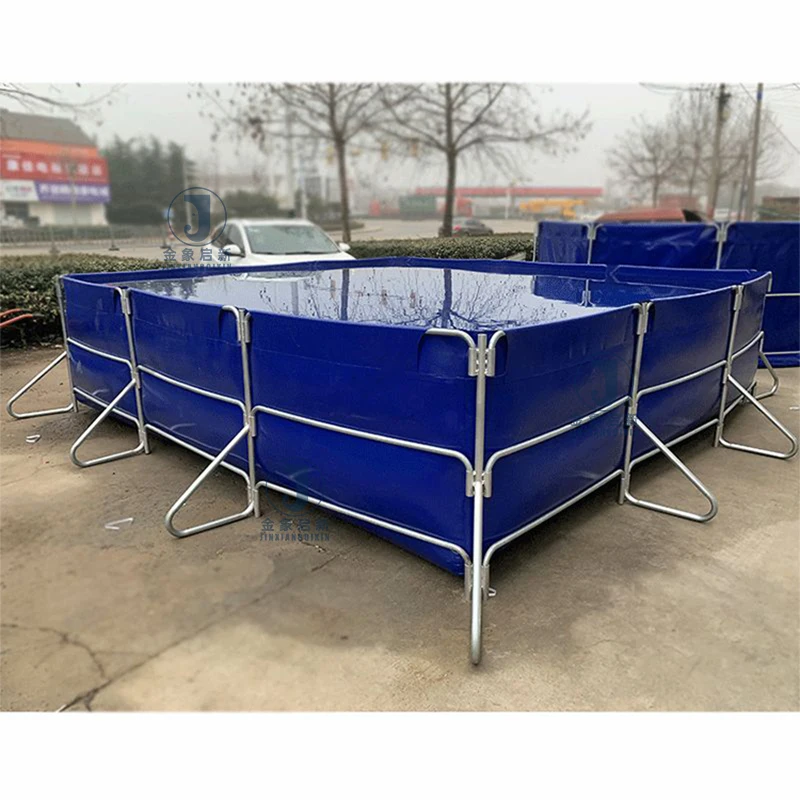
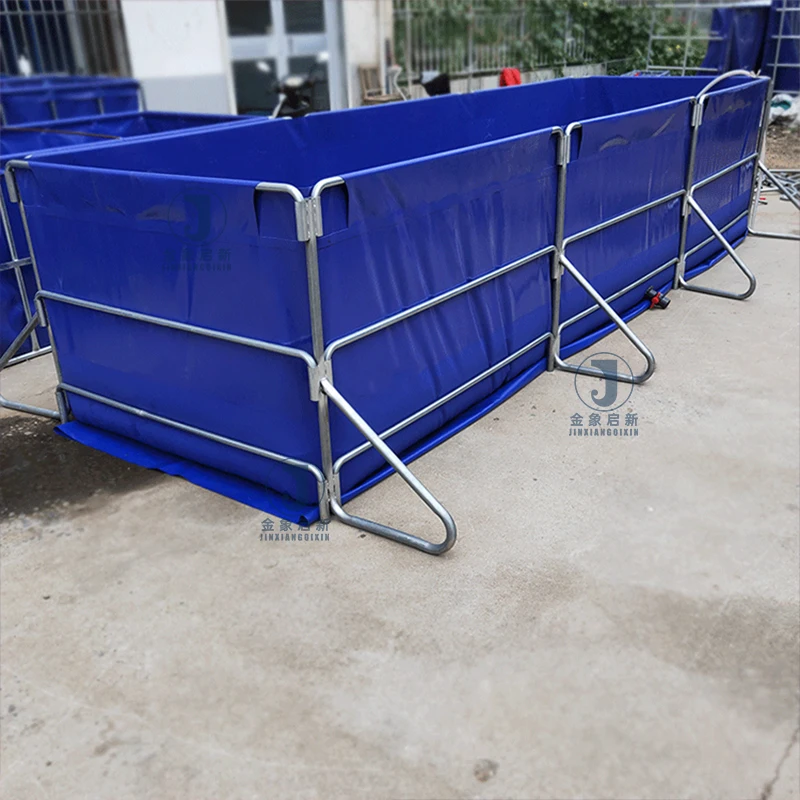
PVC Tarpaulin Fish Pond Liner — 500D-500D polyester base, 450-900 g/m², double-sided PVC coated, smooth surface with hot-air weldable seams.
- Water resistant, anti-UV treated, and flame retardant for long-term outdoor aquaculture exposure
- Double-sided PVC coating over high-density polyester delivers puncture and tear resistance at pond floor and flex points; welded seams outlast the fabric itself under continuous water load
Backed by nearly 30 years of coated fabric process control and 100% pre-shipment inspection on every roll.
Description
Proven Coating Control — We manage PVC coating weight and adhesion at every stage, ensuring the GSM on your pond liner matches the specification sheet before it leaves our facility.
Technical Specifications
| Parameter | Value |
|---|---|
| Product Type | PVC Tarpaulin Fish Pond Liner |
| Base Fabric | Polyester, 500D-500D Yarn Count |
| Coating Material | PVC (Polyvinyl Chloride) |
| Surface Characteristics | Smooth, soft surface with a leather-like texture |
| Water Resistance | Fully waterproof coated construction |
| Flame Retardancy | Available in flame retardant grades — confirm the grade required for your market (grade not stated in source) |
| UV Treatment | Anti-UV treatment available — request test basis for your climate zone (test basis not stated in source) |
| Seam Construction | Integrated pressing (hot air welded), not stitched |
| Repairability | Repairable by hot air welding on-site |
| Standards | ISO, CE certified production |
Application Suitability
| Application | Exposure & Requirement |
|---|---|
| Aquaculture fish and shrimp ponds | Permanent water contact, biological load, puncture risk from substrate and stock movement |
| Foldable and relocatable pond tanks | Repeated folding and unfolding, flex stress at crease lines, abrasion at frame contact points |
| Agricultural water containment and reservoirs | UV exposure, soil chemistry, temperature fluctuation, large surface area welding |
| Nursery and hatchery tanks | Smooth surface requirement to prevent fry injury, frequent cleaning and chemical disinfection |
Why Material Weight Alone Fails Pond Liner Buyers
When sourcing a PVC Tarpaulin Fish Pond Liner manufacturer, buyers often fixate on the GSM figure quoted, only to find the delivered material feels noticeably lighter and thinner once unrolled on-site. The quoted GSM must be verifiable against a physical sample and a pre-shipment inspection record, not just a line on a proforma invoice.
A pond liner that arrives underweight compromises tensile integrity under full water load. Seams welded on thinner-than-expected material fail at lower stress. Aquaculture operators lose water, stock, and an entire growing cycle before the root cause is identified [NEED_CITE: pre-shipment inspection protocols for coated fabric weight verification].
Containment Integrity Starts at the Seam
Stitched seams rely on thread that degrades under constant water immersion and UV exposure. Our PVC Tarpaulin Fish Pond Liner uses integrated pressing construction — hot air welding that fuses the PVC coating layers into a continuous bond. The weld line becomes as resistant to water penetration as the fabric body, eliminating the needle holes that become leak paths in stitched alternatives. This is critical for aquaculture tanks where even slow seepage undermines water chemistry management and increases operational cost.
Surface Texture and Stock Welfare
The smooth, leather-like surface of this PVC coated polyester liner serves a functional purpose beyond aesthetics. In aquaculture environments, rough or textured surfaces abrade fish scales and skin during feeding surges or when stock is crowded against the liner wall. A smooth surface reduces injury rates, lowers susceptibility to secondary infection, and makes between-cycle cleaning faster. Disinfectant washdown runs off without pooling in weave textures, supporting the biosecurity protocols that commercial hatcheries and fish farms require.
Reading the Specification Sheet Beyond the Weight
The 500D-500D yarn count defines the base fabric density — the denier of both warp and weft threads. This denier, combined with the weave pattern and PVC coating adhesion, determines how the liner resists tear propagation when a puncture does occur [NEED_CITE: relationship between base fabric denier and tear strength in coated fabrics per ISO 1421]. Coating weight and base fabric density must be evaluated together; a heavy coating on a low-denier base produces a stiff material that cracks at fold lines, while an adequate denier with proper coating weight delivers balanced flexibility and strength. The smooth double-sided finish also ensures the liner lays flat against prepared ground without trapping air pockets that stress the material under hydrostatic pressure.
What Happens When the Weld Outlives the Fabric — or Doesn’t
A common failure in pond liner installations is seam separation while the field fabric remains intact. This occurs when the hot air welding temperature, speed, or pressure is set for a different material thickness or coating formulation than what is actually on the production line. The result is a liner that holds water during factory testing but develops weeping seams within weeks of installation under full hydrostatic load [NEED_CITE: hot air welding parameters and peel strength testing for PVC coated fabrics]. Sourcing from a supplier that controls its own welding parameters and inspects every seam before dispatch shifts this risk away from your installation timeline.
What Inconsistent Rolls Cost Your Installation Schedule
When colour or thickness varies between rolls in the same shipment, panels welded side by side show visible differences once the pond is filled and inspected. In commercial aquaculture, this triggers client rejection and rework on projects where appearance signals quality to stakeholders. Consistent roll-to-roll output depends on controlled coating formulation and curing across the entire production batch, not just the first sample approved. Buyers who have experienced batch variation learn to require pre-shipment photographs of all rolls laid side by side before container loading [NEED_CITE: batch consistency standards for PVC coated fabric in aquaculture applications].
Why Production Control Matters for Pond Liners
Three full production lines allow us to schedule pond liner orders without queueing behind unrelated product runs, keeping lead times predictable. Our 10-person R&D team develops custom pond shapes — circular, rectangular, or irregular — with sample approval before bulk cutting begins. Dedicated QA/QC checks coating weight, seam peel strength, and dimensional accuracy at each production stage rather than relying on end-of-line sampling. Every roll undergoes 100% inspection before packing, and pre-shipment records are provided so you can verify GSM and dimensions on arrival without dispute.
Documentation & Verification
- Material specification sheet stating exact GSM, 500D base fabric, and PVC coating weight
- UV and flame retardant test reports supplied where the selected grade requires certification
- Pre-shipment inspection record covering dimensional check and seam peel verification
- Roll packing list with individual roll weight and GSM for receiving inspection
- ISO and CE certificates documenting certified production facility compliance
Fabrication, Handling & Storage
- Hot air weld all seams — the PVC coating fuses cleanly at recommended temperature settings
- Store rolls horizontally on pallets to prevent permanent creasing in the PVC coated fabric
- Unfold liner at ambient temperature; cold PVC coated polyester is stiff and resists shaping
- Clean with mild detergent; the smooth surface releases biofilm without abrasive scrubbing
- Repair field punctures on-site using hot air welding with matching PVC patch material
- Plan panel layout to minimise weld count on large reservoir installations
Requesting a Specification That Fits Your Operation
To move from inquiry to sample, provide the pond dimensions or shape drawing, the intended water depth and substrate type, and whether the installation is permanent or relocatable. Specify your local climate so we can recommend the appropriate UV treatment grade and confirm flame retardant requirements if your site safety regulations apply. State the quantity and whether you need finished panels with welded seams or roll stock for your own fabrication.
Frequently Asked Questions
Q: How do I verify the GSM of the pond liner matches the quotation when it arrives?
A: We supply a pre-shipment inspection record that documents the measured GSM and dimensions of each roll or finished panel. On delivery, you can cross-check using a scale and a measured sample cut. The material specification sheet included with your shipment states the agreed GSM, base fabric denier, and coating weight as the reference baseline.
Q: What custom pond shapes and sizes can you produce, and what is the minimum order?
A: We fabricate circular, rectangular, and irregular pond shapes from cut-to-size panels welded to your drawing. Our R&D team develops a sample for your approval before bulk production begins. Minimum order quantities vary with the degree of customisation and are confirmed during the quotation stage based on your specific dimensions and treatment requirements.
Q: How are the seams welded, and can I repair punctures on-site?
A: All seams use integrated hot air pressing rather than stitching, creating a continuous PVC bond that resists water penetration. If the liner sustains a puncture during service, you can repair it on-site using a hot air welder and a patch of matching PVC coated material, restoring water containment without removing the liner from the pond.
Q: What UV treatment is applied, and how does it affect outdoor pond lifespan?
A: Anti-UV treatment is available and the specific formulation is matched to your climate zone and expected exposure duration. We provide a test report for the selected UV grade upon request. Confirm the UV performance standard required in your region so we can supply the appropriate treatment level and supporting documentation with your order.
Q: Will the colour be consistent across multiple pond liners in the same order?
A: Roll-to-roll colour consistency is maintained through controlled coating formulation and curing across the full production batch. Pre-shipment inspection includes a visual check of all rolls together before packing. If your project requires liners installed side by side to match visually, state this in your inquiry so we prioritise batch continuity.
Related products
-
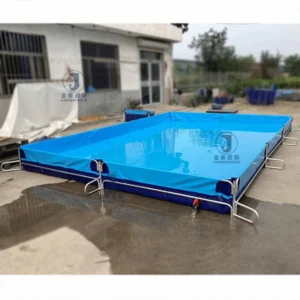
Custom Made PVC Tarpaulin Fish Pond Liner for Aquaculture
Read more -
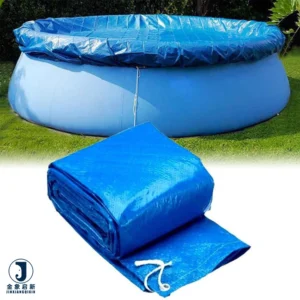
Custom PVC Pond Liner for Fish Ponds – Manufacturer
Read more -
Anti-leaking Durable PVC Tarpaulin Fish Pond Liner Plastic Fish Ponds Foldable Aquaculture Pond Tanks for Fish
¥153.00 Add to cart -
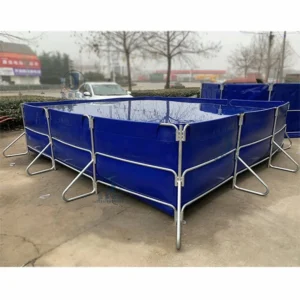
Custom PVC Tarpaulin Fish Pond Liner for Aquaculture – Manufacturer
Read more