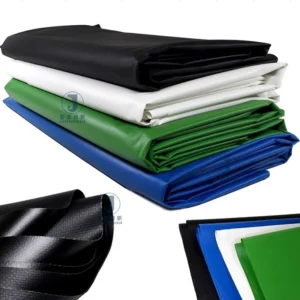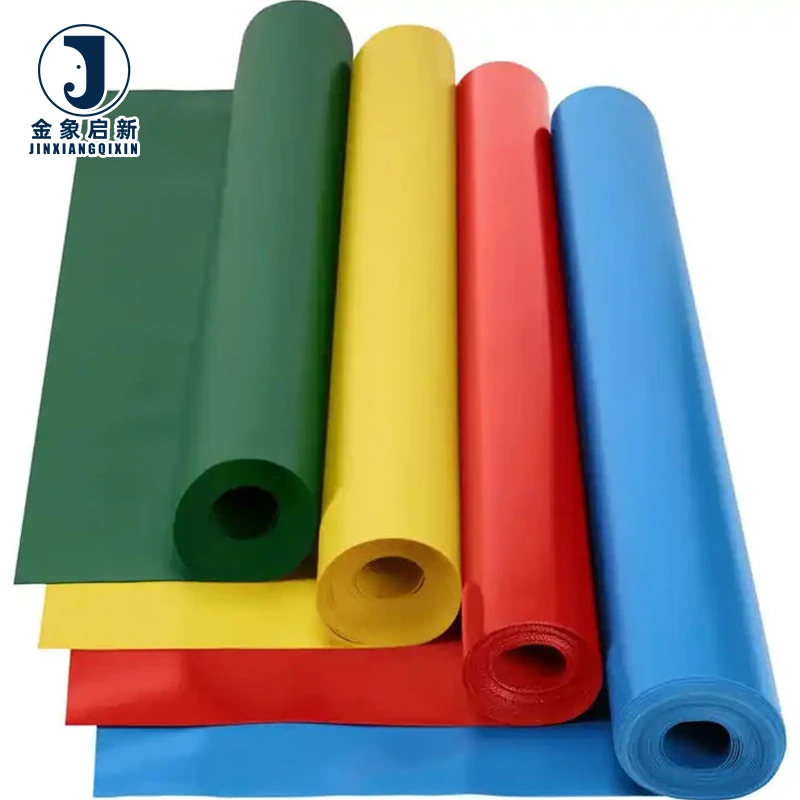
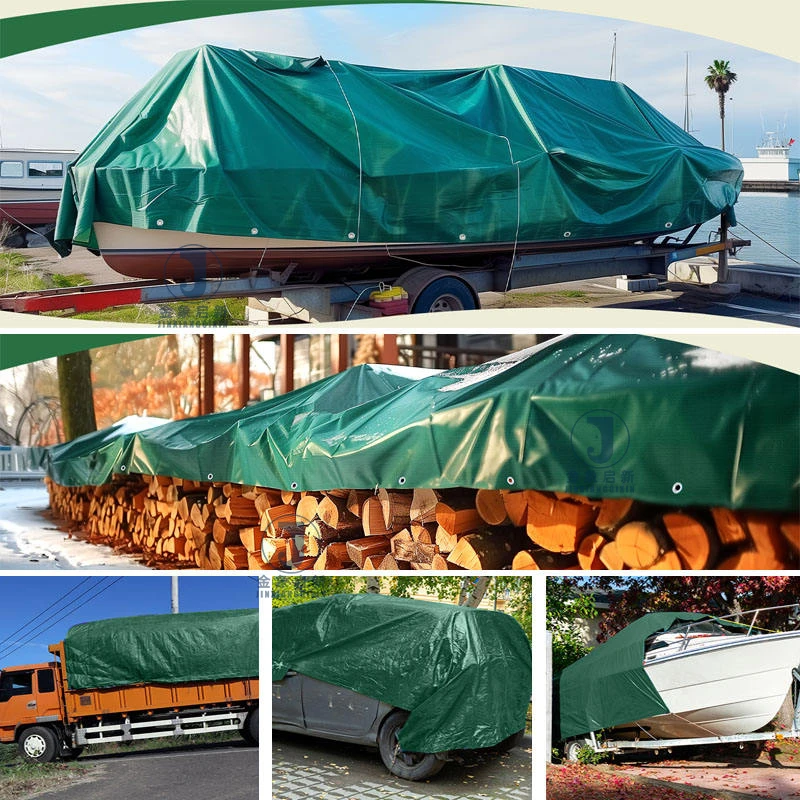
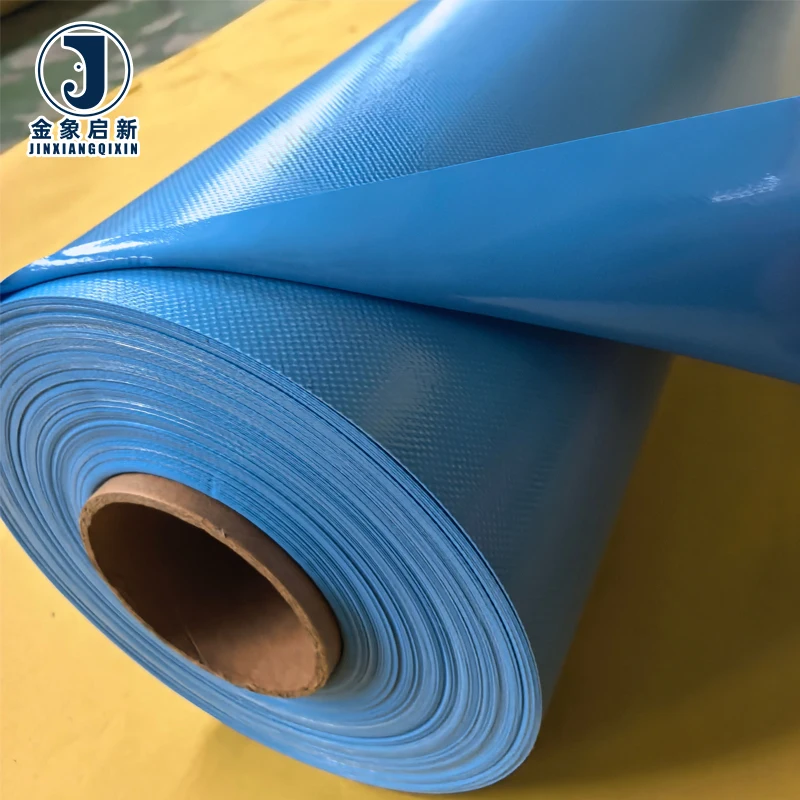
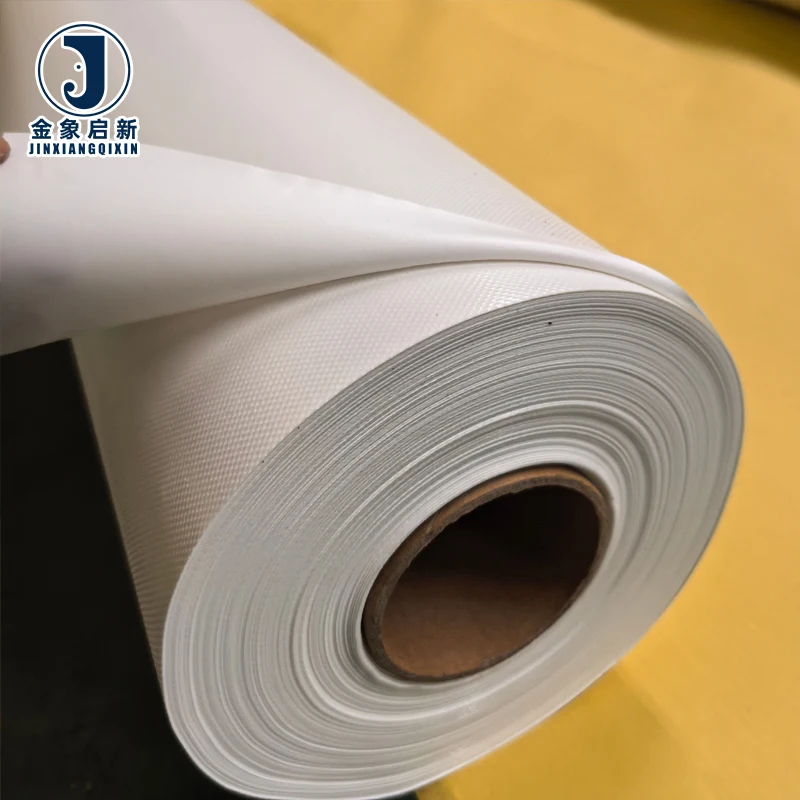
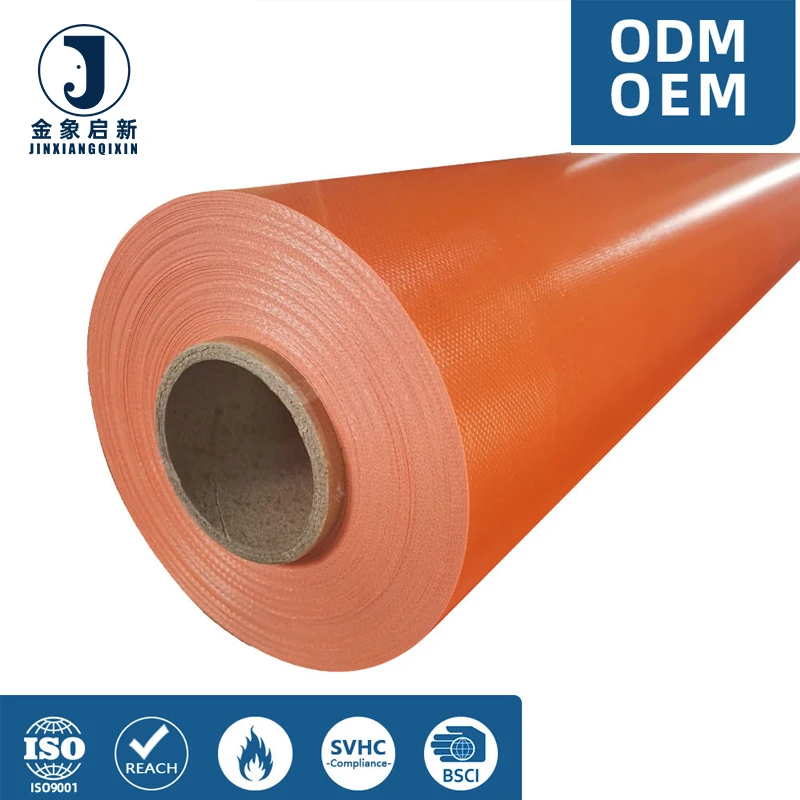
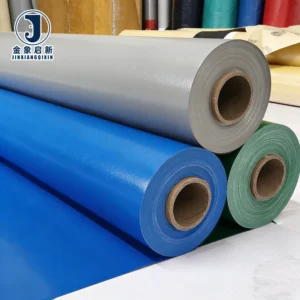
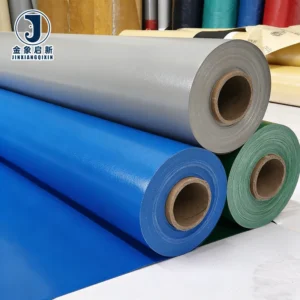
PVC Coated Tarpaulin Roll, 650GSM, 1000D×1000D, Glossy — supplied in 1.50×50M rolls for fabricators producing truck covers, tents and protective sheeting.
- Knife-coated construction delivers reliable peel strength and clean heat-weld seams at flex points
- Glossy finish supports consistent colour across rolls for side-by-side installations
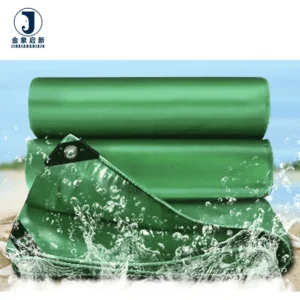
- Available with waterproof, UV and flame-retardant treatments upon request
- Samples developed within days so you confirm weight, colour and finish before bulk production
Description
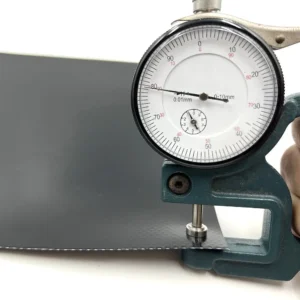
Deep Process Control Over Coating Weight — every roll of this PVC coated tarpaulin undergoes in-line GSM verification and dedicated QA inspection before dispatch, ensuring the material on your dock matches the specification you approved.
Technical Specifications
| Parameter | Value |
|---|---|
| Specification | PVC Tarpaulin Glossy 650GSM 1000D1000D 2323 1.50*50M/R |
| Product Type | PVC Coated Tarpaulin Roll |
| Base Fabric | 1000D×1000D polyester |
| Mesh Count | 23×23 |
| Weight | 650 GSM |
| Roll Width | 1.50 m |
| Roll Length | 50 m |
| Surface Finish | Glossy or matte (selectable) |
| Coating Material | PVC |
| Temperature Range | -15 °C to 70 °C |
| Waterproof | Yes |
| Anti-Mildew | Treated |
| UV Treatment | Available — confirm test basis required for your market |
| Flame Retardant | Available in flame retardant grades — confirm the grade required for your market |
| Colour Options | Blue, yellow, black, green, white, and custom colours |
| OEM / ODM | Accepted |
| Standards | ISO 14001, ISO 45001, CE, RoHS |
Application Suitability
| Application | Exposure & Requirement |
|---|---|
| Truck and trailer side curtains | Constant flexing at load points, road spray, UV exposure, abrasion from tie-down straps |
| Construction site equipment covers | Prolonged outdoor weathering, UV exposure, contact with dust and debris |
| Agricultural and stock covers | Moisture, mildew risk, seasonal UV exposure, handling and repositioning |
| Outdoor storage and load protection | Rain, wind-driven water, temperature cycling, puncture from stacked loads |
| Tent and awning fabrication (roll stock) | Repeated deployment and folding, UV exposure, need for clean weld seams |
| Multi-purpose protective covers | General abrasion, handling stress, intermittent weather exposure |
Why Stated GSM Without Verification Leaves Buyers Exposed
We weigh and record every roll against the quoted 650 GSM before it leaves the production floor.
A recurring problem across the coated fabric supply chain is material that arrives lighter than the figure printed on the quotation. When PVC tarpaulin manufacturer custom orders are placed at 650 GSM, even a modest shortfall in coating weight shifts the balance between adequate service life and premature failure at stress points. The base fabric may be correct, but if the PVC coating layer is thinner than specified, peel strength drops and the fabric becomes vulnerable to delamination under flex load. [NEED_CITE: coating weight variance as a root cause of premature tarpaulin failure in field service]
This is not a marginal issue. A consistent coating shortfall across an entire container means every fabricated cover is working below its intended specification, and the failure will show up at the weld line or hem exactly when the load flexes most. Dedicated QA checkpoints at each coating stage catch these deviations before the roll is wound, rather than after it has been shipped.
Coating Weight Control Across the Full Roll Run
Maintaining a consistent 650 GSM across a 50-metre roll length requires controlled coating application and continuous monitoring. On this PVC tarpaulin manufacturer custom specification, the PVC coating is applied to a 1000D×1000D polyester base at a 23×23 mesh count, giving a balanced substrate that accepts a uniform coating layer without starved or heavy spots. Rolls with uneven coating weight create problems downstream: fabricators find that heat welding parameters need constant adjustment, and finished covers show weak points exactly where the coating dips below target.
Surface Finish Selection and Its Practical Impact
The glossy finish on this roll provides a smooth, non-porous surface that sheds water and resists dirt accumulation, making it straightforward to clean between uses. For applications where glare is a concern or where printed branding must adhere with minimal surface preparation, the same specification is available in a matte finish. Surface finish does not change the underlying tensile properties of the 1000D×1000D base fabric, but it does affect how the material behaves during fabrication — glossy surfaces tend to slide more easily on cutting tables, while matte surfaces grip better during heat welding alignment. [NEED_CITE: surface finish influence on heat weld peel strength in PVC coated fabrics]
What the Denier and Mesh Count Mean in Use
The 1000D×1000D denier with a 23×23 mesh count creates a base fabric where warp and weft yarns are evenly matched in thickness and spacing. This balance matters because tensile load on a truck side curtain or equipment cover is rarely applied in a single direction — wind loading, tie-down tension, and the weight of pooled water all create multi-axis stress. An unbalanced weave would concentrate failure along the weaker axis. The 23×23 count places enough yarns per unit area to distribute load across multiple threads before any single yarn reaches its breaking point, while still leaving sufficient space for the PVC coating to penetrate and lock the weave in place.
Temperature range is rated from -15 °C to 70 °C. Below the lower bound, the PVC coating begins to stiffen and the risk of cracking at fold lines increases during handling. Above the upper bound, the coating softens and tackiness can develop where rolls or finished covers are stacked in direct sun. For markets with extreme seasonal swings, this range covers typical temperate and subtropical service conditions but should be evaluated against local peak temperatures before specifying for permanent outdoor installation.
The Hidden Cost of Specifying on Price Per Kilogram Alone
When buyers select PVC tarpaulin rolls based primarily on cost per kilogram, the incentive shifts toward thinner coating and lighter base fabric, neither of which is visible once the material is wound on the core. A cover fabricated from underweight material may pass a visual inspection on arrival, but the first time it is tensioned over a load or exposed to sustained wind, the weld lines — which are already the thinnest point in the assembly — will fail before the body fabric does. Batch-to-batch inconsistency compounds this: if the second container is lighter than the first, fabricated covers from different shipments will perform differently in the field, and the buyer carries the warranty exposure. [NEED_CITE: weld line failure preceding fabric failure in PVC coated tarpaulin assemblies]
Colour inconsistency across rolls in the same order creates a different but equally costly problem. When a distributor or fabricator installs two covers side by side and the shade differs visibly, the end user rejects the entire batch. Controlling pigment dispersion at the compounding stage, not just at the coating head, is what prevents this from happening across a multi-roll production run.
What This PVC Tarpaulin Manufacturer Custom Capability Delivers
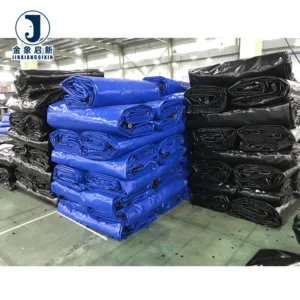
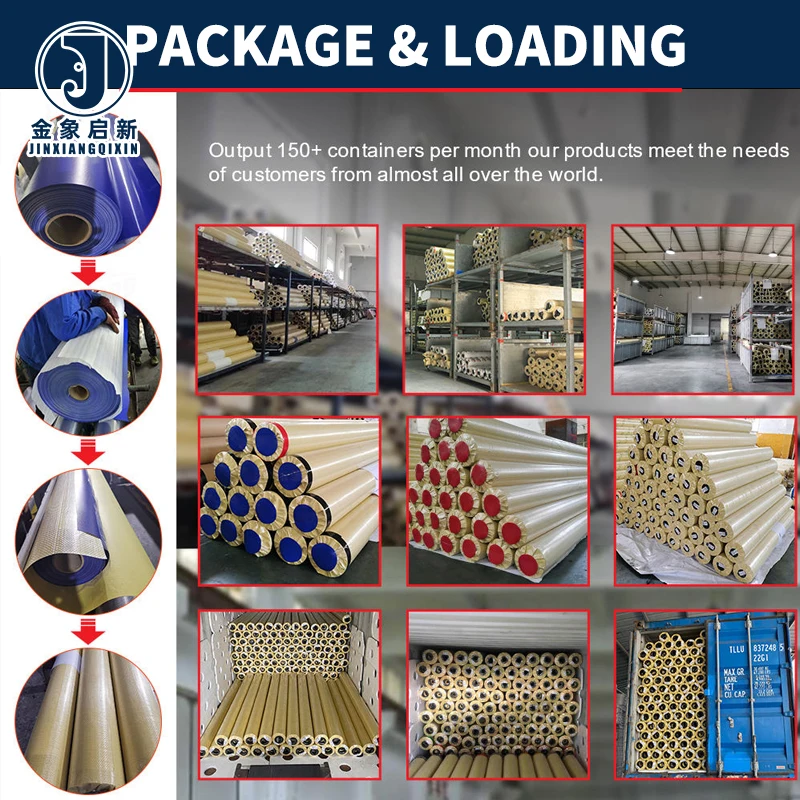
Three full production lines and 36 sets of professional equipment support bulk capacity for this 650 GSM roll specification, with scheduling flexibility for custom width, colour, and surface finish orders running alongside standard stock production.
A 10-person R&D team handles material selection, sample development, and pattern printing specification, producing confirmation samples within days so that colour, finish, and treatment are locked before bulk coating begins.
Dedicated QA and QC checkpoints operate at every production stage — base fabric inspection, coating weight measurement, surface finish verification, and 100% pre-shipment inspection — so that the roll data on file matches what arrives at your facility.
Full OEM and ODM capability covers custom colour matching, custom roll width and length, branding, and pattern printing, all documented with material specification sheets and test reports where applicable.
ISO 14001, ISO 45001, CE, and RoHS certifications are maintained and available with documentation packages, providing a verifiable compliance baseline for markets that require it.
Documentation & Verification
- Material specification sheet confirming 650 GSM, 1000D×1000D base fabric, 23×23 mesh count, and surface finish
- UV and flame retardant test reports supplied when those treatments are specified for the order
- Pre-shipment inspection record with per-roll weight verification against the stated GSM
- Roll packing list with individual roll identification for traceability
- Certificate of origin and customs documentation supporting export shipments
Fabrication, Handling & Storage
- Heat weld temperature and dwell time should be calibrated to the 650 GSM coating thickness before production runs begin
- Glossy surface rolls require anti-slip separation layers during stacking to prevent blocking between layers
- Store rolls horizontally on racking to avoid permanent creasing in the 1.50 m width across the 50 m length
- Allow cold-stored rolls to reach ambient temperature before unrolling to prevent coating crack at fold lines
- Use PVC-compatible cleaners only — solvent-based products will soften the coating and reduce surface integrity
- Plan cutting layouts around the 1.50 m roll width to minimise offcuts and transverse weld seams on large covers
How to Structure Your Enquiry
Provide your end-use application, the environmental exposure the fabricated covers will face, and the annual volume you plan to source. Specify whether you need rolls at standard 1.50 m width or a custom width to reduce waste in your cutting layout, and confirm whether glossy or matte finish is required. If your market mandates a particular flame retardant grade or UV test standard, state it in the initial enquiry so that the correct treatment can be included in the sample and quotation.
Frequently Asked Questions
Q: How do you verify that the GSM on arrival matches the quotation?
A: Every roll of 650 GSM PVC tarpaulin is weighed and recorded during the pre-shipment inspection stage. The inspection record accompanies the dispatch documentation, showing actual coating weight per roll against the quoted specification. This eliminates the risk of material arriving lighter than agreed.
Q: Can I order custom width, length, colour, or branding on this roll?
A: Yes. This PVC tarpaulin manufacturer custom capability covers non-standard roll widths, custom lengths beyond 50 m, Pantone or RAL colour matching, and printed branding or pattern work. Samples are developed within days to confirm appearance and finish before bulk production is scheduled.
Q: How is colour consistency controlled across multiple rolls in one order?
A: Pigment is controlled at the PVC compounding stage, not just at the coating head. Each production batch for a single order uses the same compound lot, and colour is checked against the approved reference standard under controlled lighting before rolls are released for winding and packing.
Q: What certifications and documentation ship with each container?
A: Each dispatch includes a material specification sheet, pre-shipment inspection record, roll packing list, certificate of origin, and customs support documents. ISO 14001, ISO 45001, CE, and RoHS certificates are available on file, and UV or flame retardant test reports are supplied when those treatments are part of the order specification.
Related products
-
Best Quality 650gsm Waterproof Polyester Heavy Duty Bache Pvc Tarpaulin
¥0.53 Add to cart -
Custom Reinforced Edges Rip-Stop Rubberized PVC Tarpaulin Industry Covering Vinyl Coated Polyester Tarps for Trucks
¥8.00 Select options This product has multiple variants. The options may be chosen on the product page -
Tarp Factory 610gsm 650gsm 800gsm Awnings Tent PVC Coated Fabric Waterproof Bache Lona PVC Tarpaulin Roll
¥1.45 Select options This product has multiple variants. The options may be chosen on the product page -
Wholesale PVC Coated Breathable Tarpaulin Fabric Rolls Waterproof Fire-Retardant for Boys & Girls Outdoor Use
¥0.79 Select options This product has multiple variants. The options may be chosen on the product page