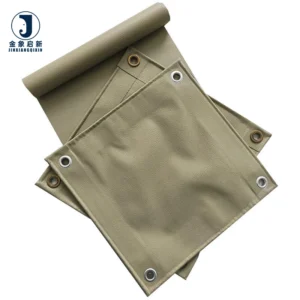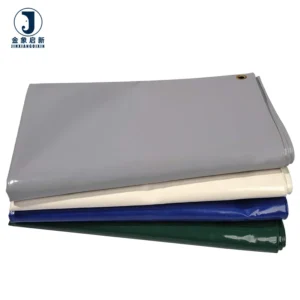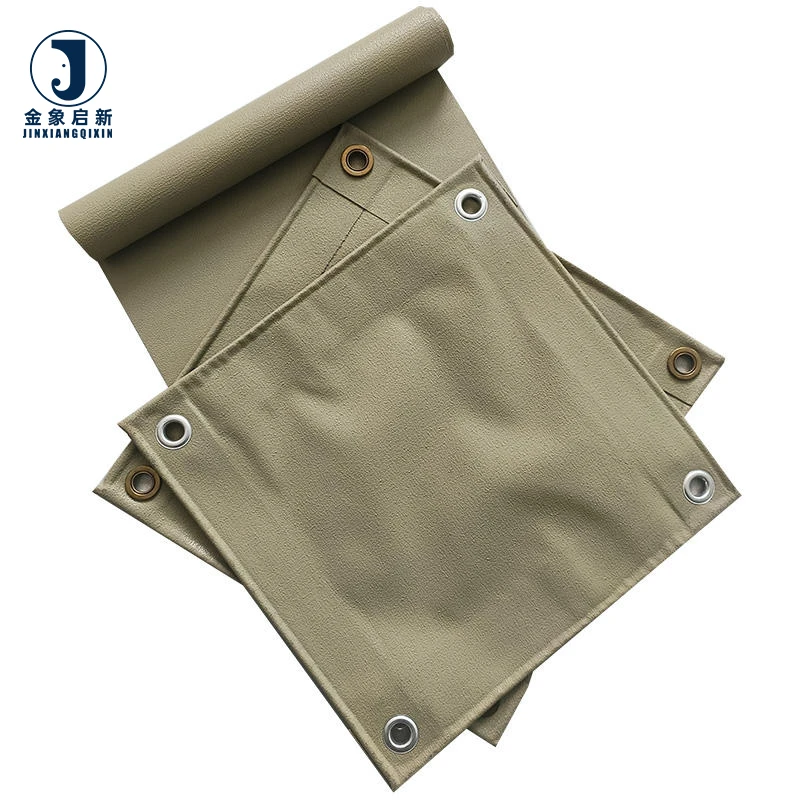
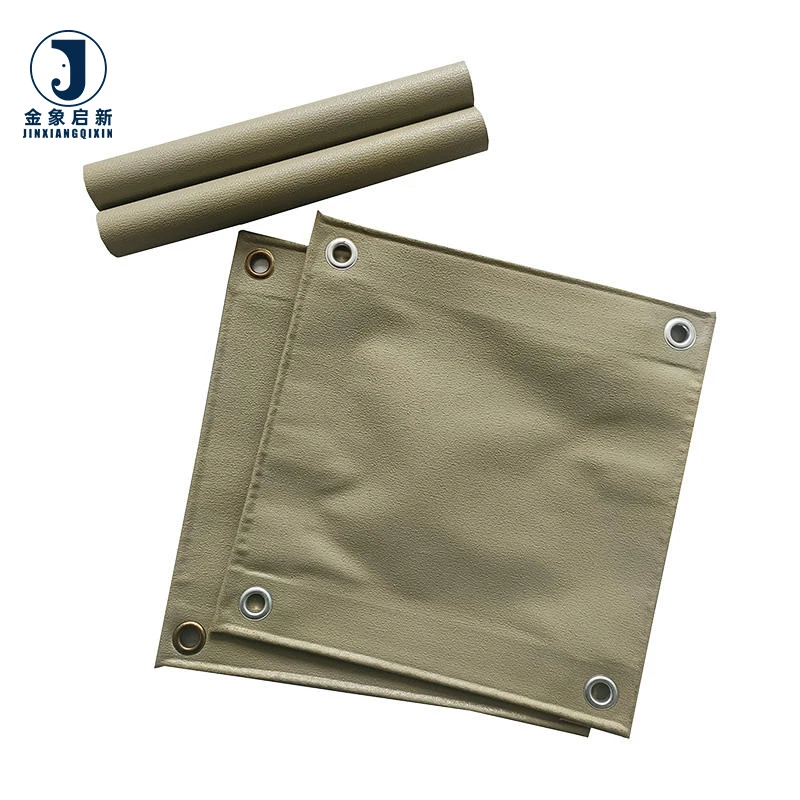
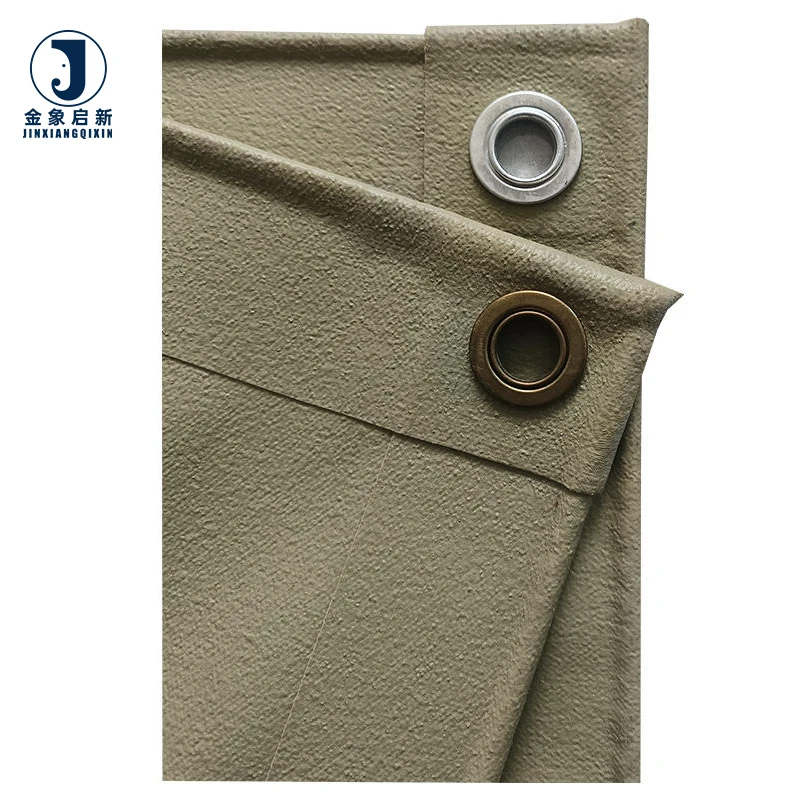
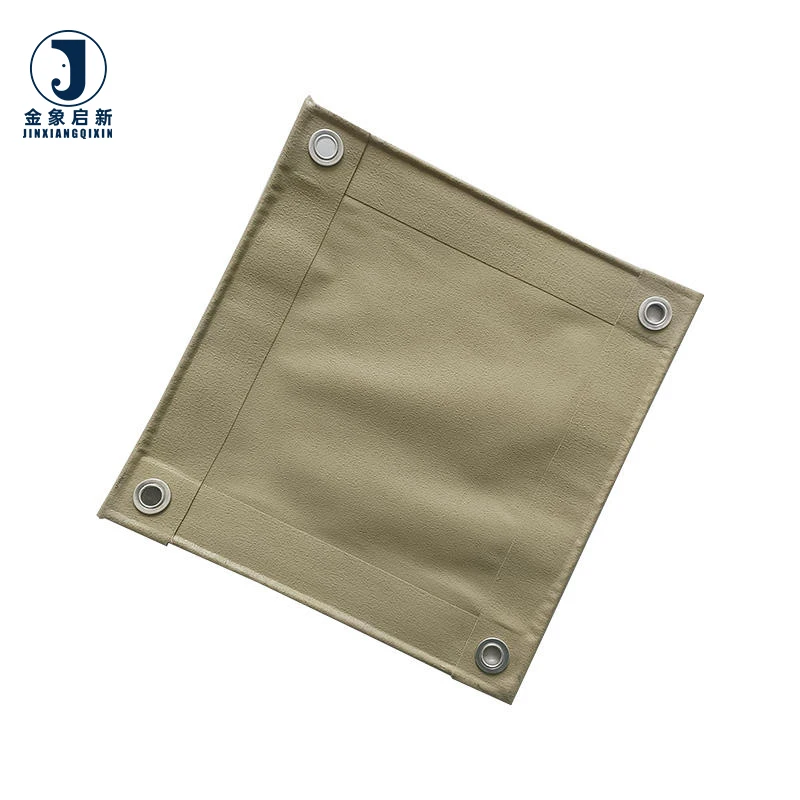
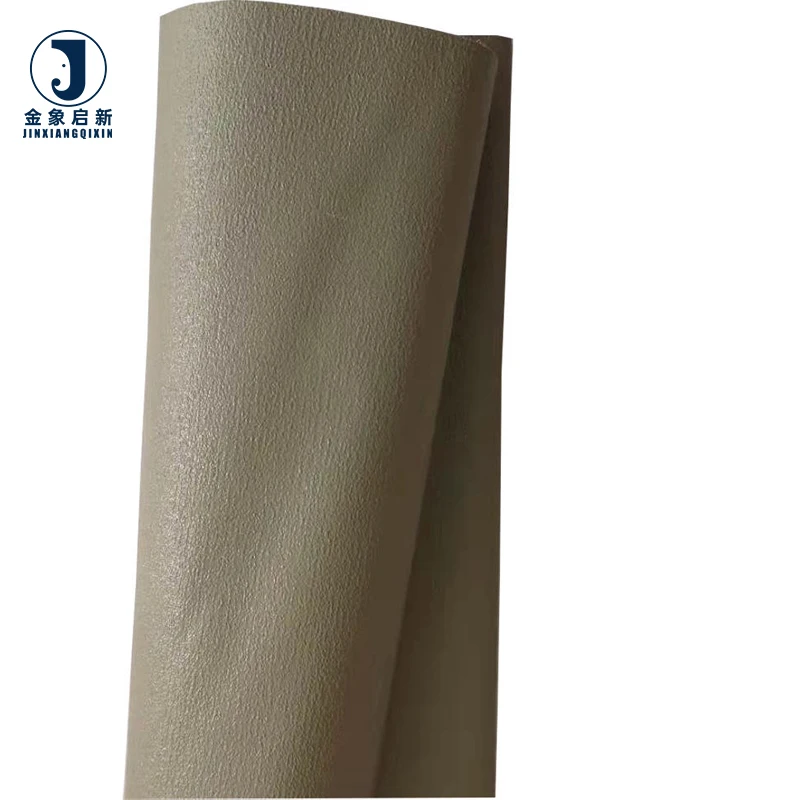
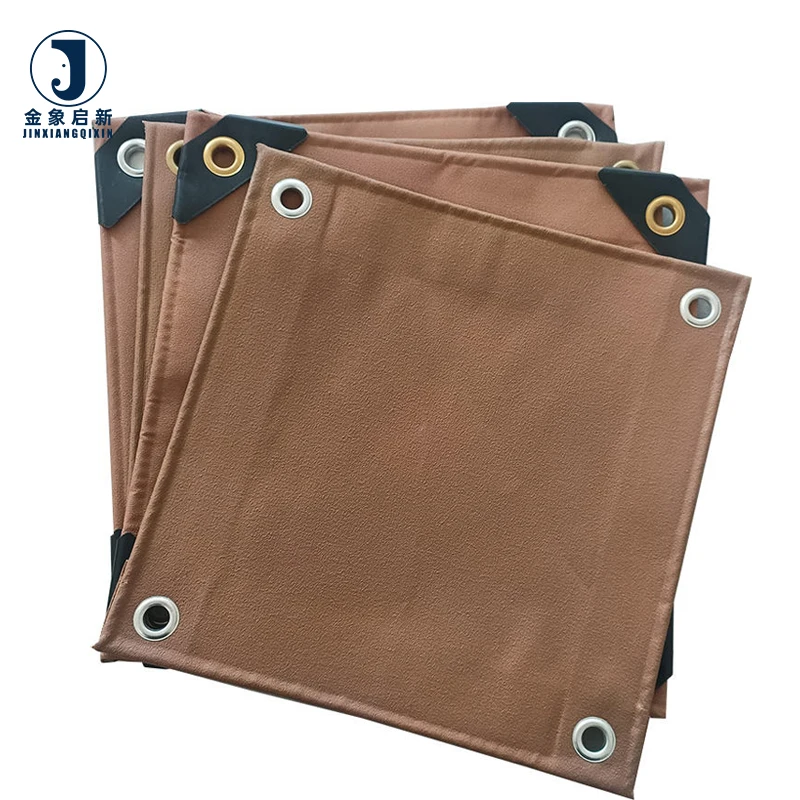
PVC Coated Tarpaulin for Truck Cargo Covers — 700gsm / 850gsm / 900gsm weight grades with flame retardant and anti-static treatment options for transport fleet load protection.
- Deep process control over coating weight and adhesion ensures every roll meets the specified GSM on arrival
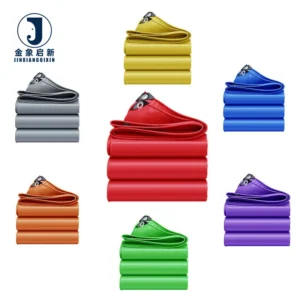
- Custom width, length, and colour with roll-to-roll consistency for side-by-side installation
- Welded seams tested at high-flex points where load movement concentrates stress
- 10-person R&D team delivers rapid sample development and full custom sizing from design to dispatch
Description
Deep Process Control — Coating weight and adhesion are verified at every production stage, ensuring each truck cover matches the stated material specification before it leaves the facility.
Technical Specifications
| Parameter | Value |
|---|---|
| Product Type | PVC Coated Tarpaulin |
| Coating Material | PVC |
| Weight Grade | 700gsm / 850gsm / 900gsm (source value — verify against manufacturer catalog) |
| Flame Retardant | Available in flame retardant grades — confirm the grade required for your market (grade not stated) |
| Anti-Static | Available with anti-static treatment — confirm the standard applicable to your site (standard not stated) |
| Anti-Mildew | Treated against mildew growth |
| Anti-Cold | Cold-resistant formulation available |
| Waterproof | Fully waterproof coated construction |
| Weather Resistance | Suited to extended outdoor exposure (source value — verify against manufacturer catalog) |
| Customization | Available in custom sizes, eyelet configurations, reinforced hems, and selectable treatments |
| Standards | ISO, CE |
Application Suitability
| Application | Exposure & Requirement |
|---|---|
| Truck cargo cover — flatbed and curtain-side trailers | Constant road vibration, wind flap at highway speed, tie-down strap abrasion at flex points, UV and rain exposure |
| Transport fleet weather shielding — multi-model trailer parks | Long-duration outdoor staging, colour consistency across covers deployed side by side, resistance to pooled water on flat surfaces |
| Transport equipment builder — side curtain and tie-down cover fabrication | Welded seam integrity under repeated flex, eyelet pull-out resistance under strap tension, fabric compatibility with standard hot-air welding equipment |
Why a Generic Truck Cover Size Costs More Than the Cover Itself
A PVC coated tarpaulin custom truck cover manufacturer understands that a cover cut to a generic rectangle rarely fits a specific trailer model. The result is loose fabric that flaps at speed, accelerated edge wear, and tie-down points that never align with the trailer’s load-bearing structure.
Truck covers that do not match the trailer profile create wind drag that stresses seams and eyelets far beyond their design load. Fleet operators replacing covers mid-season due to poor fit absorb both material cost and downtime that compounds across every vehicle in the rotation [NEED_CITE: impact of wind flap on tarpaulin seam fatigue in highway transport].
Custom Sizing Per Trailer Model, Not Per Approximation
Each PVC coated tarpaulin custom truck cover manufacturer order begins with the exact trailer dimensions — deck length, side height, roof profile, and tie-down rail position. Pattern-based sizing accounts for the wrap-around allowance at each edge and the reinforcement zones where straps pass over the load. This eliminates the excess fabric that causes wind flap and the shortfalls that leave cargo exposed at the corners.
Treatment Selection Aligned to Route Conditions
The route profile determines which treatments matter. Long-haul routes with high UV exposure require anti-UV confirmation with a test report that maps to the destination market’s standard. Cold-region winter runs demand an anti-cold formulation that resists low-temperature cracking at fold lines. Anti-mildew treatment protects covers stored rolled and damp between shifts. Each option is selectable independently so you only specify what the operating environment requires.
Coating Weight, Base Fabric, and What GSM Actually Tells You
The stated GSM reflects total coated weight — base fabric plus coating combined. Two covers rated at 850gsm can perform very differently if one achieves that weight through a heavy base fabric with light coating, and the other through a light base fabric with thick coating. The base fabric denier and weave density govern tensile and tear strength, while the coating thickness governs waterproofing, abrasion resistance, and weldability. Specifying only GSM without the base fabric detail leaves a critical variable undefined. PVC coating applied by knife-over-roll or lamination affects peel strength differently; laminated fabrics typically show higher inter-layer adhesion, which matters at welded seams where flex concentrates [NEED_CITE: coating adhesion test methods for PVC tarpaulin per ISO standards]. Selecting the correct construction prevents delamination failures that appear only after months of field use.
What Happens When the Specification Does Not Match the Load
A cover specified without regard to the actual load profile fails in predictable ways. Undersized GSM on a heavy-load route leads to puncture at sharp cargo edges and tear propagation from eyelet stress points. Flame retardant treatment claimed without a supporting test report becomes a liability when a site safety audit demands documentation. Colour variation between covers in the same fleet order is immediately visible once vehicles are parked in sequence, undermining professional presentation. Welded seams that fail before the fabric itself indicate a mismatch between welding temperature, dwell time, and the specific coating formulation used [NEED_CITE: hot-air welding parameters for PVC coated fabrics].
Why Fleet Operators Source From This Line
Deep process control over coating weight means the material specification sheet matches the physical product on arrival — verified by weight measurement per roll before dispatch. Three full production lines provide the capacity to fulfil fleet-wide orders within the required delivery window without splitting production across incompatible batches. The dedicated QA/QC protocol includes inspection at every production stage with a pre-shipment record documenting each cover. Custom samples are developed within days, allowing fitment approval on a single trailer before the full order enters production. The documentation package includes material specification, test reports where treatments are specified, and a roll packing list for batch traceability.
Documentation & Verification
- Material specification sheet stating GSM, base fabric denier, and coating type for each cover
- Flame retardant and anti-static test reports provided where applicable to match site compliance requirements
- Pre-shipment inspection record included with every dispatch
- Roll packing list with colour reference for batch traceability
- ISO and CE certificates available with shipment documentation
- Certificate of origin and customs support documentation
Fabrication, Handling & Storage
- Hot-air welding temperature must match the specific PVC coating formulation to prevent seam delamination under load flex
- Reinforced hems at tie-down points require double-layer fold with welded seal to distribute strap tension across the base fabric
- Rolled covers should be stored upright on end-caps to prevent flat-spot creasing that weakens the coating at fold lines
- Low-temperature transport requires anti-cold formulation to prevent coating crack during unfolding in sub-zero conditions
- Cleaning with mild detergent preserves the anti-mildew treatment surface; solvent-based cleaners degrade the PVC top layer
- Field repair of puncture damage requires PVC-compatible adhesive patch matched to the coating weight grade
Requesting a Fitment-Specific Quotation
Provide the trailer make, model, deck dimensions, and tie-down rail configuration so the cover pattern can be developed to match. Specify the operating climate and any fire safety or anti-static standards required at the destination site. Confirm whether the order requires finished covers with eyelets and hems, or roll stock for in-house fabrication.
Frequently Asked Questions
Q: How is GSM verified on arrival against the quotation?
A: Each roll is weighed and measured before dispatch, and the pre-shipment inspection record documents the actual GSM. The material specification sheet included with your order states the base fabric denier and coating weight so you can cross-reference the physical product on arrival against the agreed specification.
Q: Which flame retardant grades are available and how do they map to regional standards?
A: Flame retardant treatment is available in selectable grades. Provide the fire safety standard required by your destination market or site operator, and the applicable test report will be included with your shipment documentation to confirm compliance.
Q: How are truck covers sized to fit specific trailer models?
A: Covers are pattern-cut to the exact trailer dimensions — deck length, side height, and roof profile. A sample is developed and fitted to one trailer for approval before the full order enters production, ensuring alignment with tie-down points and eliminating wind flap from excess fabric.
Q: What eyelet, hem and reinforcement options are available for high-flex tie-down points?
A: Reinforced hems with double-layer welded seals distribute strap tension across the base fabric. Eyelet spacing and placement are set according to the trailer’s load-bearing rail position. Additional reinforcement patches can be applied at corners and high-stress zones identified during the fitment review.
Q: How do you control colour consistency across multiple covers in one order?
A: All covers in a single order are produced from the same coating batch with a single colour reference. The roll packing list documents the batch number for traceability, and the pre-shipment inspection verifies colour uniformity before dispatch so covers deployed side by side show no visible variation.
Related products
-
Heavy Duty Truck Tarpaulin 1000d Pvc Tarp Waterproof Pvc Canvas
¥1.20 Add to cart -
Waterproof Heavy Duty Tarpaulin Water Proof Cover Tarpaulin Manufacturer
¥1.48 Add to cart -
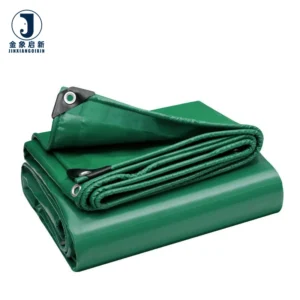
Factory Direct 20×30 Feet 13mil Heavy-Duty Vinyl Tarps PVC Tarpaulin for Firewood Roof Camping Patio Pool Boat Dump Trailer
¥2.60 Add to cart -
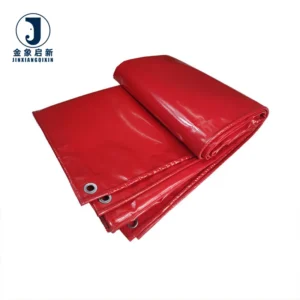
Tarpaulin Hot Selling 30M X 30M Finished PVC Tarpaulin for Farming Tarpaulin
¥1.48 Add to cart