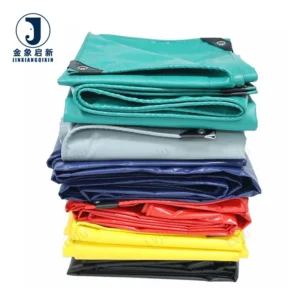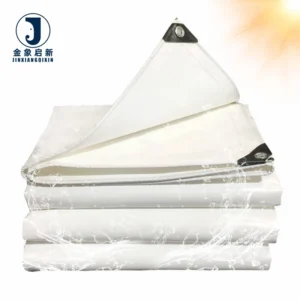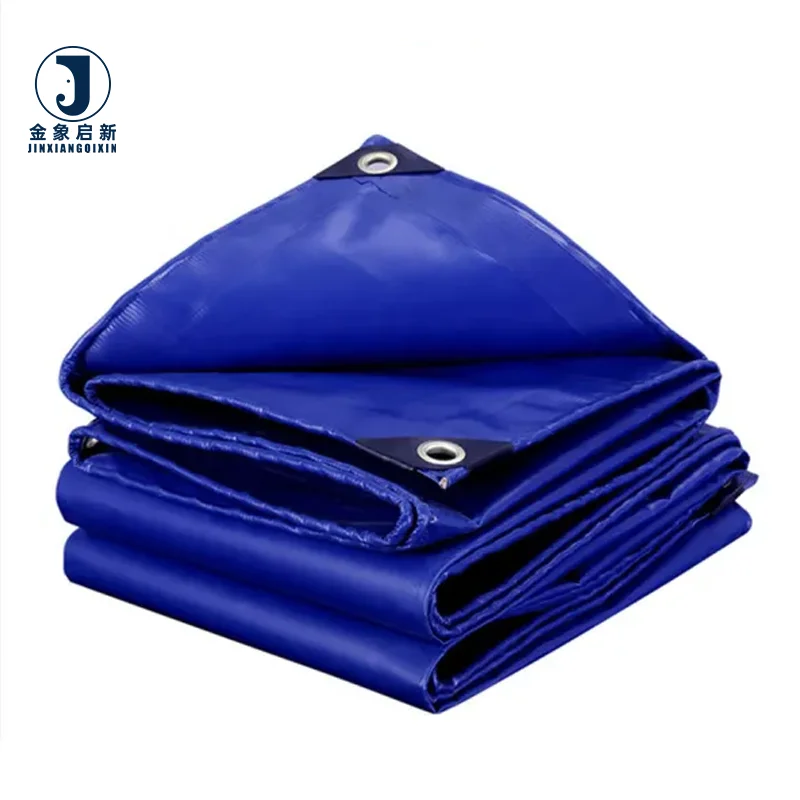
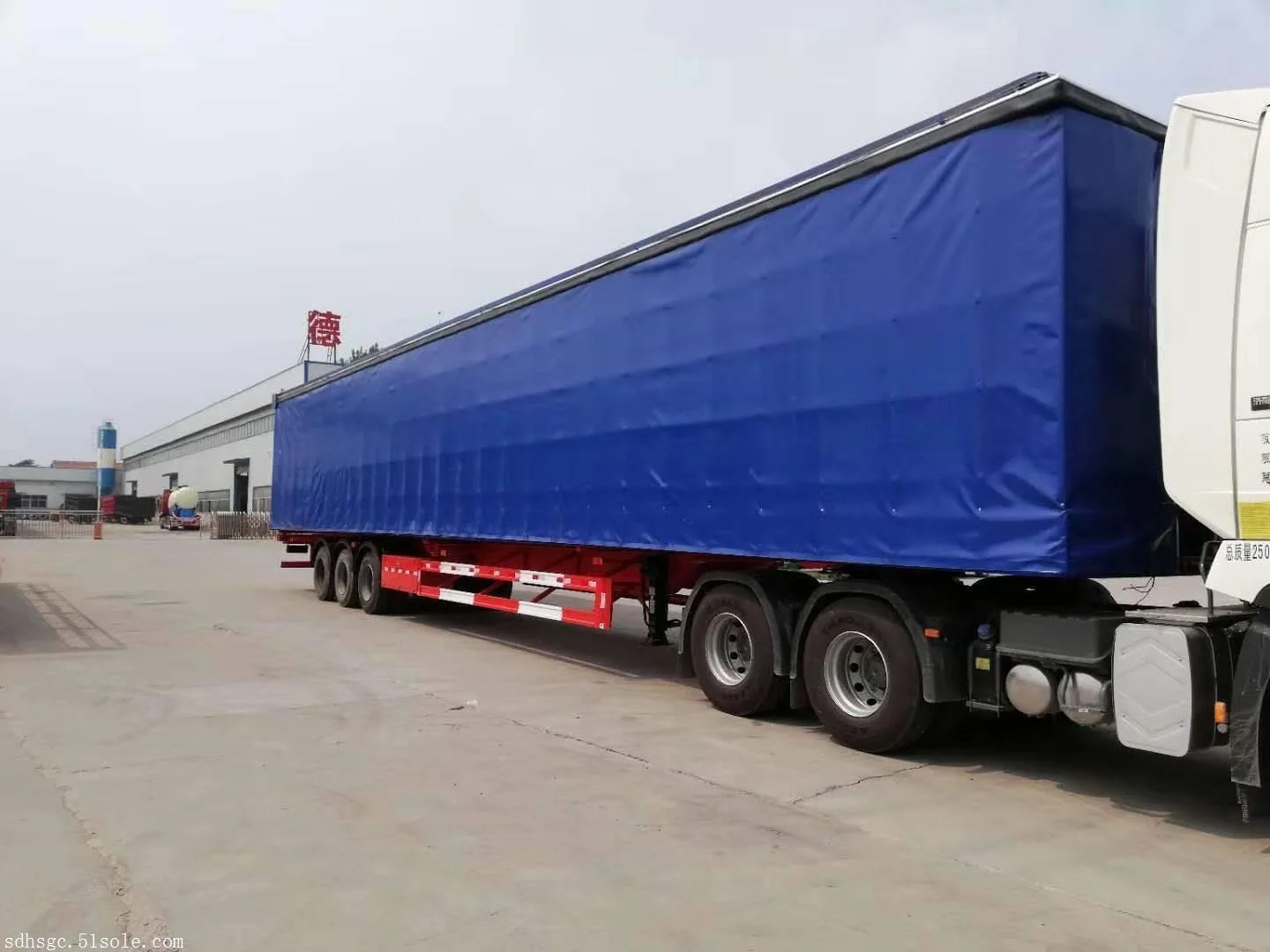
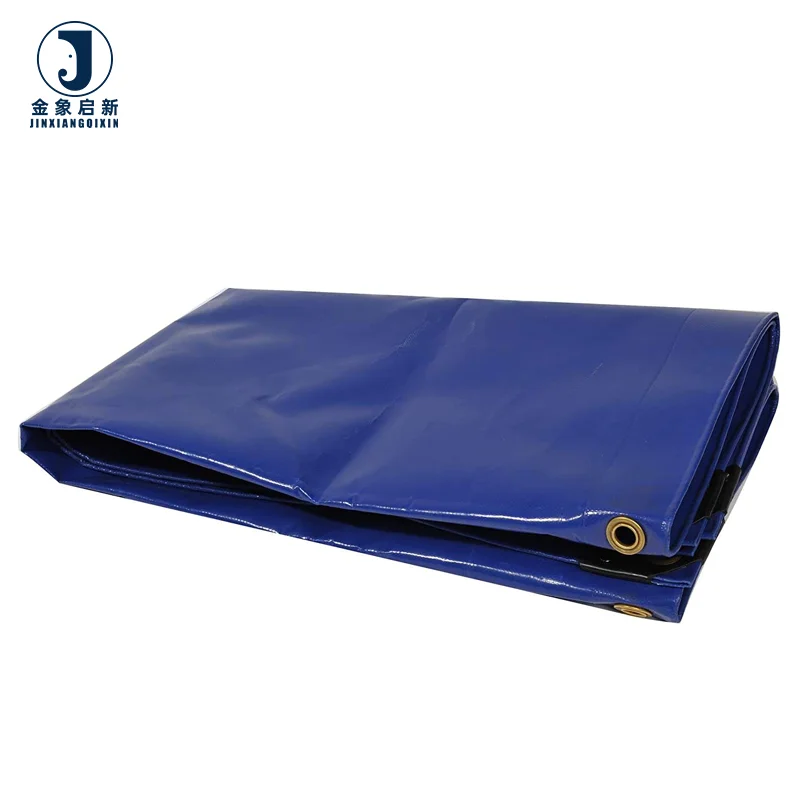
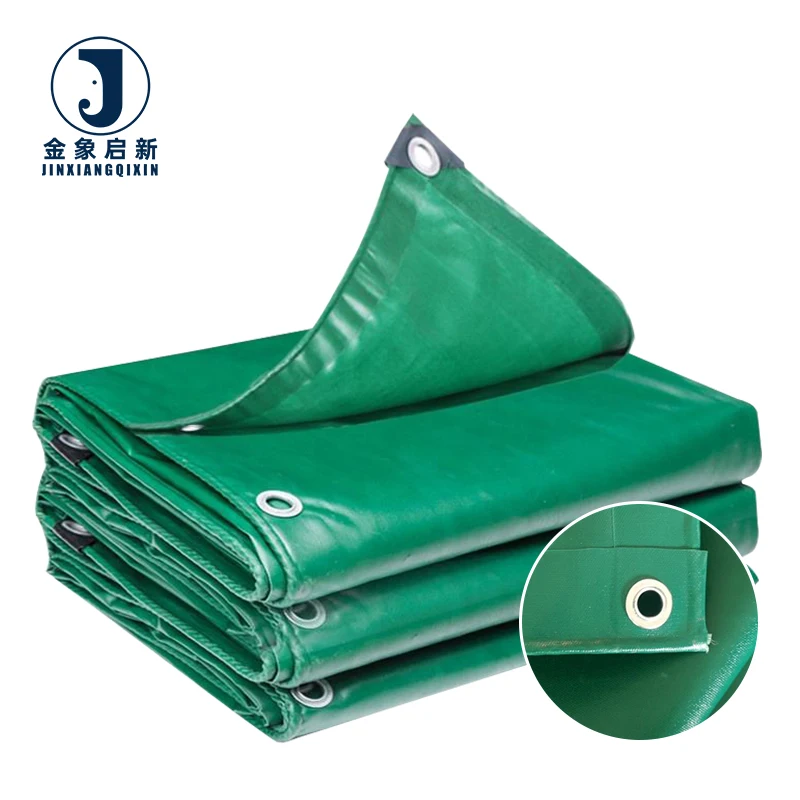
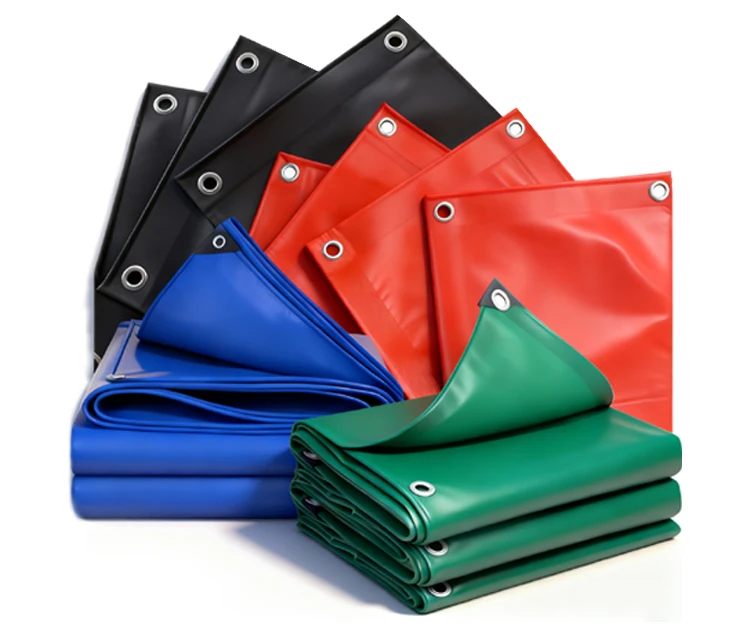
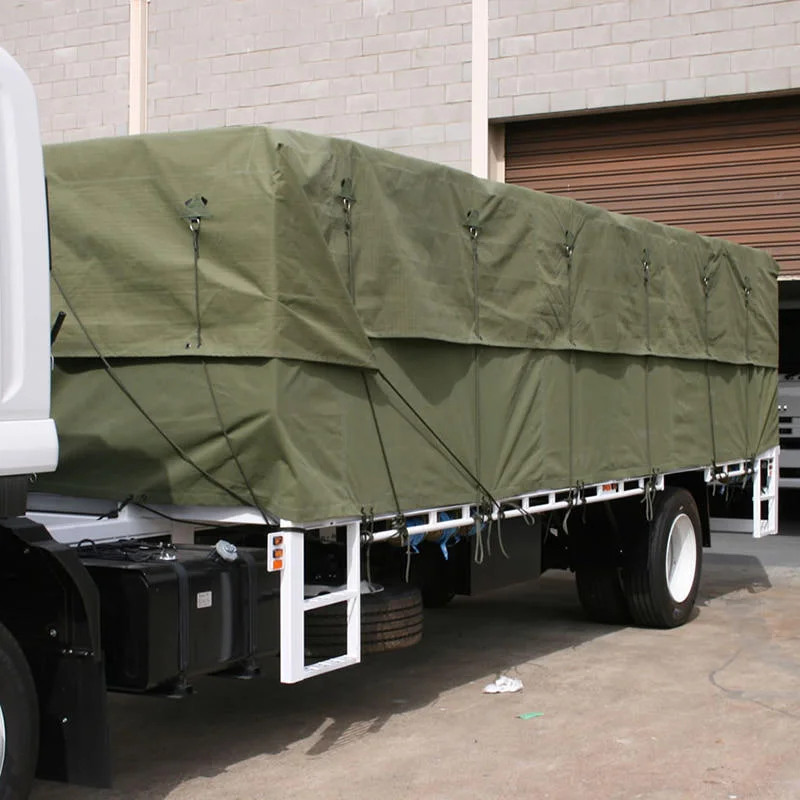
PVC Knife-Coated Fabric — 350–750gsm weight range with hot-melt coating technology for strong PVC-to-polyester adhesion, available in 2m and 2.1m roll widths.
- Six weight grades from lightweight to heavy-duty with matched thickness options
- Cold crack resistance and anti-mildew treatment for extended outdoor use
- Custom widths, lengths, colors, eyelet placement, and pattern printing supported
Dedicated QA/QC at every production stage with 100% pre-shipment inspection ensures spec compliance on arrival.
Description
Proven Process Control — Nearly 30 years focused on coated fabric delivers tight adhesion between PVC coating and polyester base, verified at every production stage before dispatch.
Technical Specifications
| Parameter | Value |
|---|---|
| Product Type | PVC Knife-Coated Fabric |
| Weight (GSM) | 350gsm, 420gsm, 500gsm, 550gsm, 600gsm, 750gsm |
| Total Thickness | 0.32mm, 0.35mm, 0.4mm, 0.45mm, 0.5mm, 0.65mm |
| Base Fabric | High-strength polyester mesh fabric |
| Coating Material | PVC |
| Coating Technology | Laminated technology & Hot-melt Coating technology |
| Roll Width | 2m, 2.1m |
| Roll Length | 75m (2m width), 50m (2.1m width) |
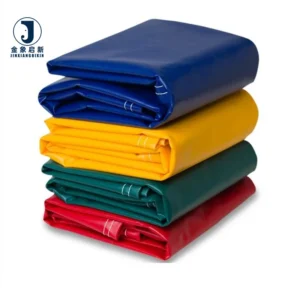
| Color Options | Blue, Red, Yellow, Light blue, Grey (customizable) |
| Key Features | Waterproof, Sunproof (UV treatment — test basis not stated), Anti-Mildew, Anti-Static (grade not stated), Cold Crack Resistance |
| Flame Retardant | Available in flame retardant grades — confirm the grade required for your market |
Application Suitability
| Application | Exposure & Requirement |
|---|---|
| Truck tarpaulin covers | Constant flexing at load points, road abrasion, weather exposure, tie-down stress at hems |
| Fish tank and pool liners | Permanent water contact, UV exposure outdoors, puncture resistance from substrate |
| Tent and awning covers | Wind loading, repeated folding and unfolding, UV and rain exposure across seasons |
| Cargo ship covers | Saltwater environment, high wind load, prolonged sun exposure on deck |
| Agricultural pond liners | Water retention, soil chemistry contact, installation tension across large spans |
Why Colour Consistency Across Rolls Matters More Than You Think
Batch-to-batch colour variation is one of the most visible failures once the fabric is installed side by side on a truck or structure.
When a fleet operator orders multiple rolls of PVC Coated Tarpaulin manufacturer custom fabric for a trailer side curtain, even a slight shade shift between rolls becomes obvious once the panels are welded together and stretched over the frame. Buyers often specify a Pantone reference but receive rolls that drift in tone due to inconsistent pigment dosing or coating thickness variation. This is not a cosmetic complaint — it signals deeper process instability that can also affect coating weight and adhesion [NEED_CITE: pigment dispersion control in PVC coating operations]. We have seen entire installations rejected because two adjacent panels read as different materials in daylight.
Matching GSM Grade to the Actual Load and Exposure
Selecting the right weight from the available 350gsm through 750gsm range determines how the PVC Coated Tarpaulin manufacturer custom fabric performs under real working conditions. A 350gsm grade suits temporary covers and light-duty enclosures where the material is not under constant tension. Moving up to 550gsm or 600gsm provides the base fabric density needed for truck side curtains that flex every time the trailer is loaded and unloaded. The 750gsm grade addresses heavy containment and permanent structure applications where the fabric must resist sustained mechanical load and environmental stress across years of service.
Coating Technology and Its Effect on Weld Integrity
The laminated and hot-melt coating technologies used in this PVC Knife-Coated Fabric range affect how the material behaves during fabrication. Hot-melt coating drives the PVC into the polyester mesh under heat and pressure, creating a mechanical bond that supports high-frequency welding without delamination at the seam. Laminated construction provides a consistent coating layer that suits large-panel applications where visual uniformity matters. Both methods influence the welding temperature window your fabricator should use — too low and the PVC will not fuse properly; too high and the coating degrades before the base fabric bonds [NEED_CITE: high-frequency welding parameters for PVC-coated polyester].
How Weight, Thickness and Base Fabric Interact
GSM alone does not predict tearing or tensile behaviour. The high-strength polyester mesh base fabric carries the structural load, while the PVC coating adds abrasion resistance and waterproofing. A 500gsm fabric at 0.4mm thickness with a dense mesh will outperform a heavier fabric built on a loose weave when the load is applied at an angle. Thickness correlates with coating volume — more PVC on the surface means better resistance to abrasion at contact points but also higher stiffness, which matters when the material must fold or drape over curved frames. Buyers specifying this PVC Coated Tarpaulin manufacturer custom range should request the base fabric denier and mesh count alongside the stated GSM to make an informed comparison.
The Hidden Cost of Specifying the Wrong Grade
Ordering a 420gsm roll for an application that demands 600gsm performance does not save money — it defers the cost to the field. When the coating is too thin for the abrasion environment, wear marks appear at contact points within months. When the base fabric density is insufficient for the tie-down load, tears propagate from the eyelet line under sustained tension. Colour inconsistency between rolls in a single order forces the fabricator to sort and match panels manually, adding labour and creating waste. Flame retardant treatment claimed without a test report to support it leads to failed site inspections and project delays [NEED_CITE: fire classification requirements for temporary structures and transport covers]. These outcomes are preventable when the specification matches the exposure from the start.
Why Buyers Source This PVC Coated Tarpaulin manufacturer custom Range Here
Three full production lines and 36 sets of professional equipment support consistent output across the 350gsm to 750gsm range, maintaining coating weight uniformity from first roll to last in a container order. A 10-person R&D team handles colour matching, custom sizing and sample development, with samples produced within days rather than weeks. Dedicated QA/QC runs at every production stage with 100% inspection before shipment, catching GSM drift and coating defects before rolls are packed. The combination of laminated and hot-melt coating lines gives buyers flexibility in choosing the construction method that fits their fabrication process. ISO and CE certified production supports documentation requirements for export markets across North America, Europe and Asia.
Documentation & Verification
- Material specification sheet stating exact GSM, base fabric type and coating weight per roll
- Pre-shipment inspection record confirming 100% check on colour, weight and coating adhesion
- Roll packing list with individual roll identification for customs and warehouse receiving
- Certificate of origin prepared for destination-country tariff classification
- UV and flame retardant test reports supplied where the specified grade has been tested
Fabrication, Handling & Storage
- Hot-melt coated rolls respond well to high-frequency welding; confirm temperature settings against coating thickness before production runs
- Laminated grade rolls should be stored flat or on racks to prevent permanent creasing at the core
- Cold crack resistant formulation allows deployment in low-temperature environments; allow rolls to acclimatise before unrolling in frost conditions
- Anti-mildew treatment reduces biological growth in humid storage, but rolls should still be kept off damp floors
- Custom widths of 2m and 2.1m suit standard container loading; plan panel layout to minimise offcuts at the fabrication stage
- Cut edges on PVC coated polyester should be sealed by welding or hemming to prevent moisture ingress into the base fabric
Request a Specification Recommendation
Provide your application type, expected exposure conditions and the mechanical load the fabric must carry. Specify whether you need roll stock for your own fabrication line or cut-to-size finished covers. State any colour, printing or compliance requirements for your target market so we can match the right grade and confirm available treatments.
Frequently Asked Questions
Q: How do I verify the GSM on arrival matches the quotation?
A: We supply a material specification sheet stating the exact GSM and base fabric details for each roll. Our QA process includes weight verification at production and again during the 100% pre-shipment inspection. You can request a cut sample from your batch before dispatch for independent testing at your end.
Q: What colour consistency controls are in place across multiple rolls in one order?
A: Pigment dosing and coating thickness are monitored throughout the production run. We reference a colour standard for your order and check each roll against it during inspection. Rolls that drift outside the acceptable range are pulled before packing, so panels installed side by side present a uniform appearance.
Q: Which roll widths and lengths are stocked versus made to order?
A: Standard inventory covers 2m width in 75m rolls and 2.1m width in 50m rolls across the GSM range. Custom widths, colours and lengths are produced to order with samples developed within days for your approval before the full production run begins.
Q: What eyelet, hem and reinforcement options are available for finished covers?
A: When ordering cut-to-size finished covers from this PVC Knife-Coated Fabric range, hems are welded or stitched with reinforcement tape at high-stress points. Eyelet spacing and diameter are specified to match your tie-down system. Provide your trailer or structure dimensions and we will confirm the reinforcement layout.
Q: How does custom pattern printing and brand logo application work?
A: We handle pattern printing and branding directly on the coated surface. Submit your artwork and colour references, and our R&D team produces a printed sample within days. Once you approve the sample for colour accuracy and registration, the print design is locked into the production run for batch consistency.
Related products
-
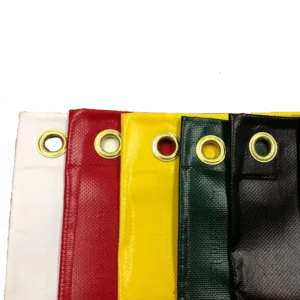
PVC Knife-Coated Fabric Tarpaulin 300-600gsm – Custom Made
Read more -
Custom Made PVC Knife-Coated Fabric for Truck Canopy
Read more -
Heavy Duty PVC Tarpaulin for Truck and Tent – Custom Made
Read more -
500gsm 600gsm Plain PVC Waterproof Truck Cargo Cover Tarpaulin Canopy for Boys & Girls
¥3.00 Select options This product has multiple variants. The options may be chosen on the product page