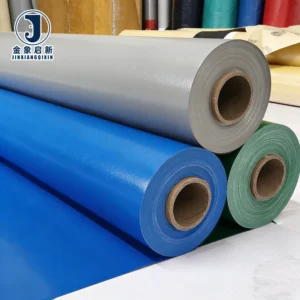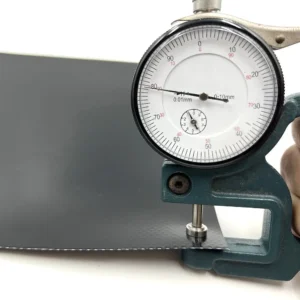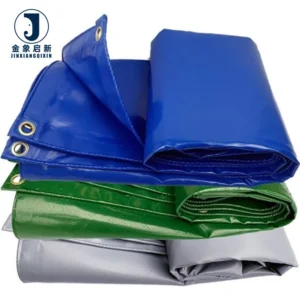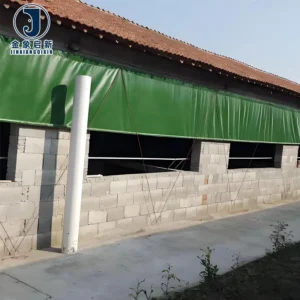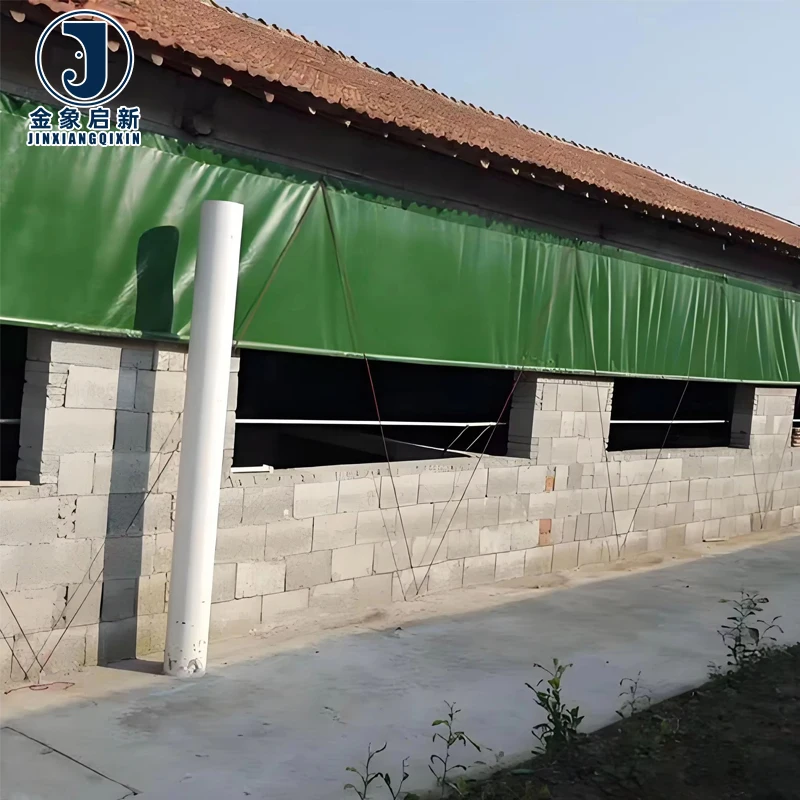
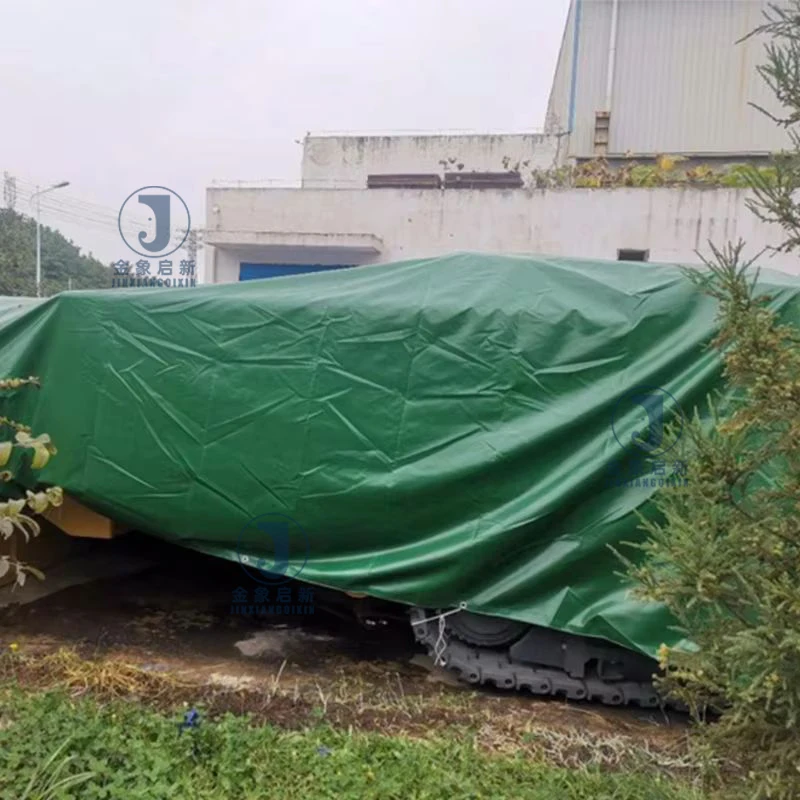
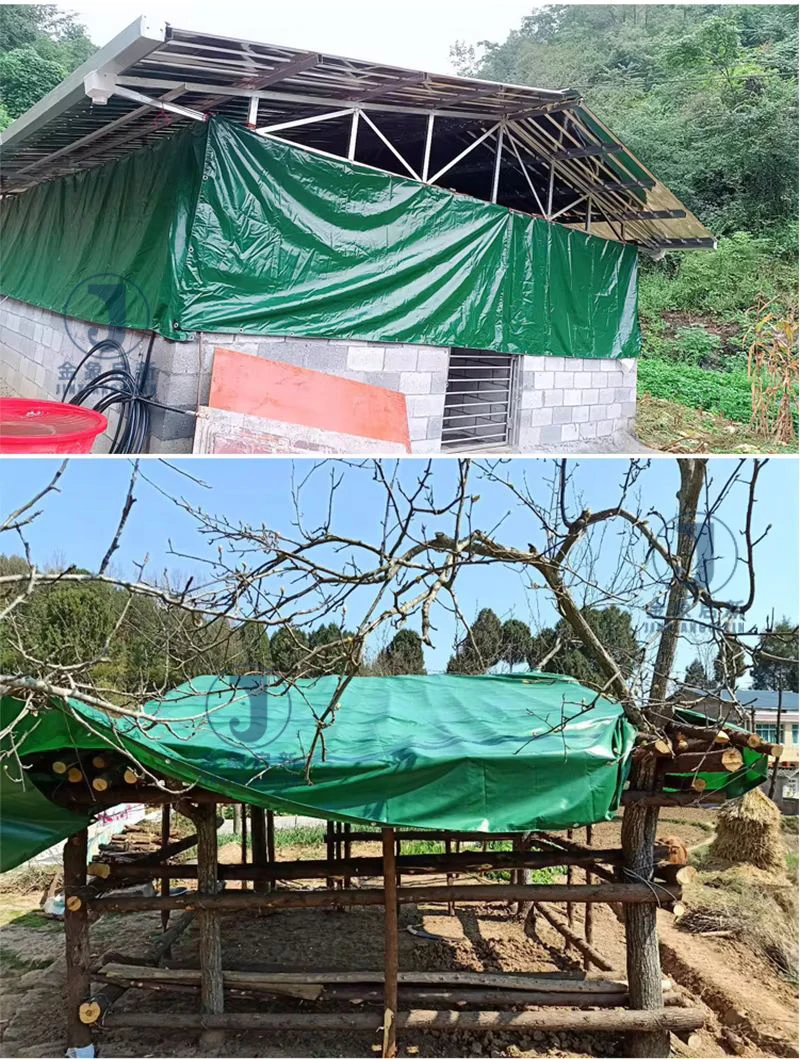
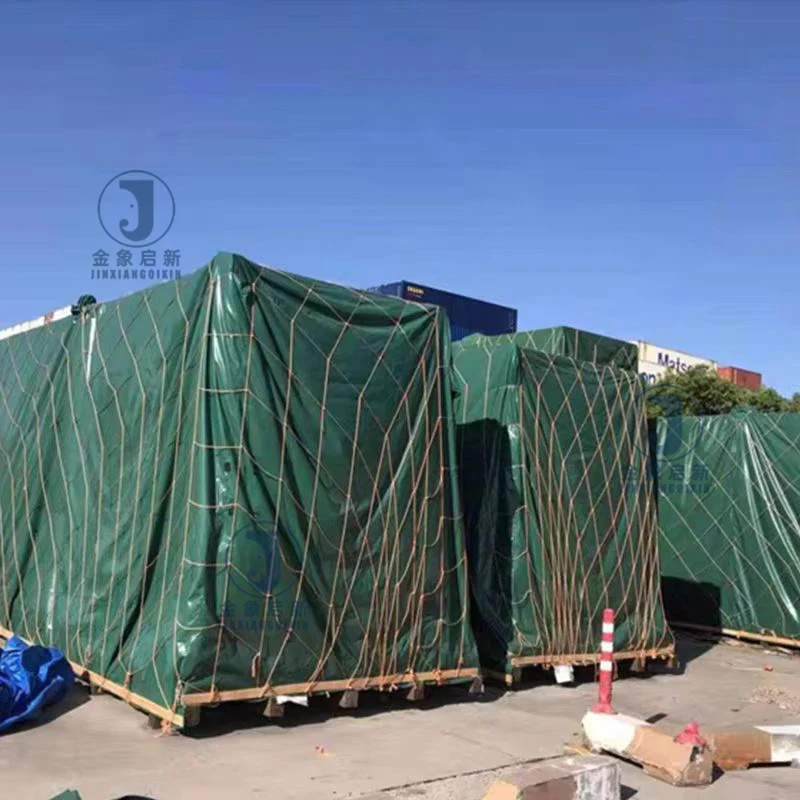
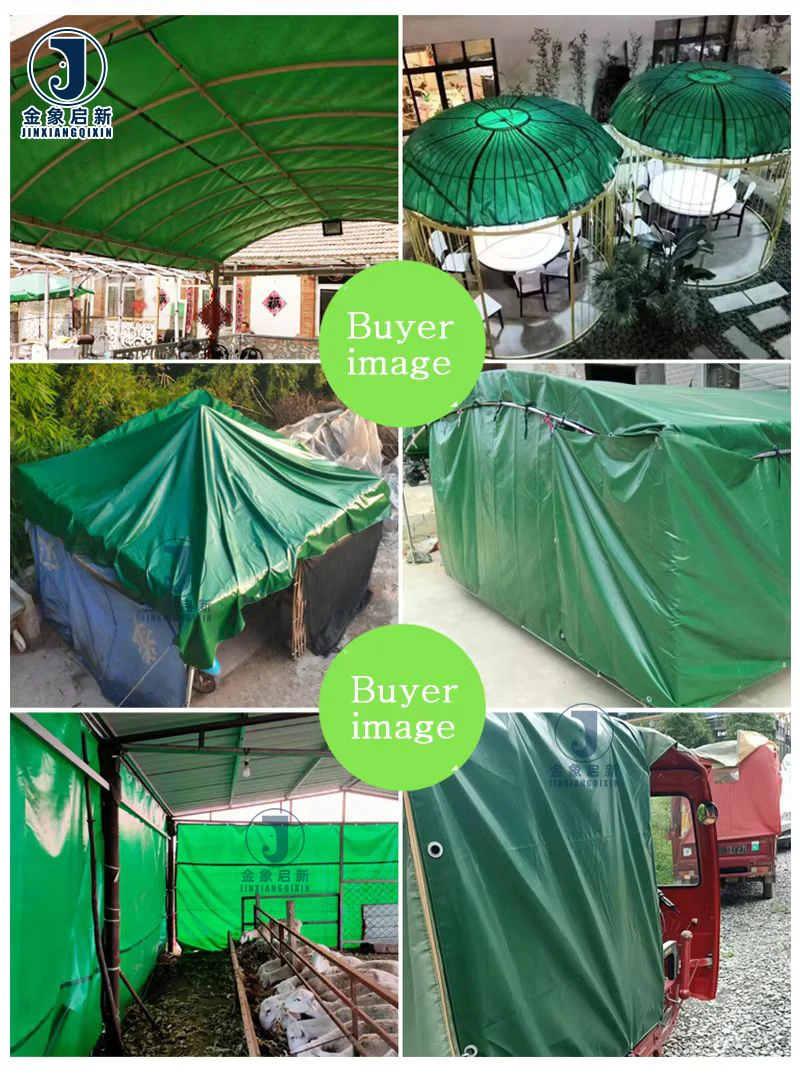
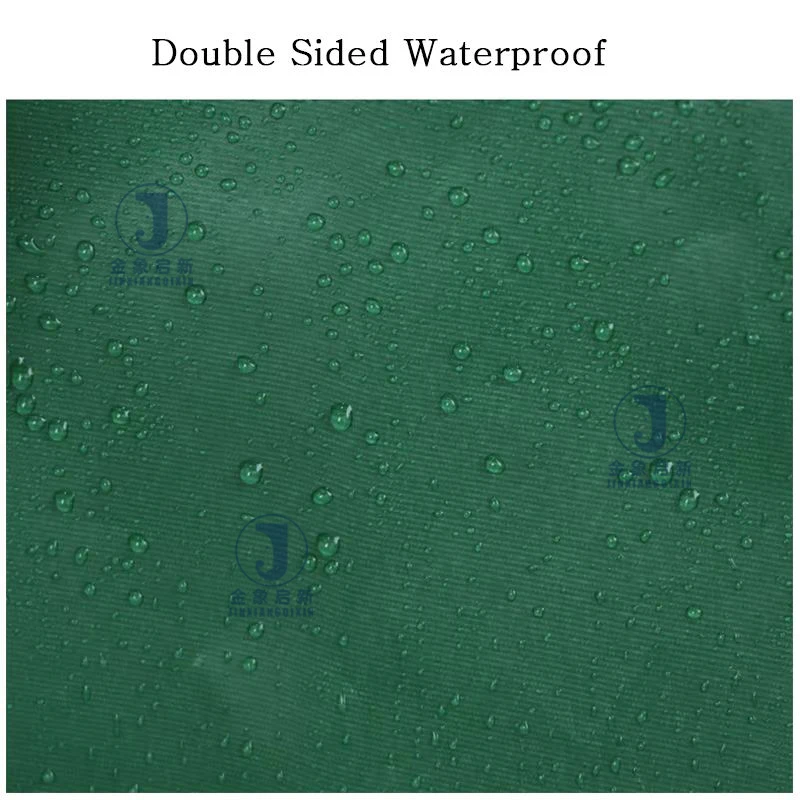
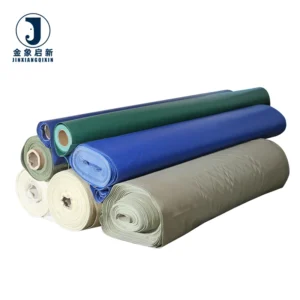
PVC Coated Tarpaulin Roll — waterproof, anti-static, tear resistant, plain weave, industrial strength with customizable colors. Designed for poultry and livestock farm covers, tent enclosures and agricultural shelters. Base fabric denier and PVC coating weight are controlled to balance tensile strength with tear performance, not just maximise GSM. Roll-to-roll colour consistency is checked before dispatch so side-by-side panels match on site. Backed by dedicated QA at every production stage, ISO and CE certified, with full pre-shipment inspection records included.
Description
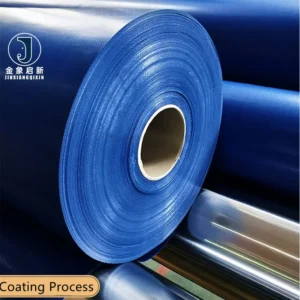
Deep Coating Process Control — every roll of PVC coated tarpaulin is weighed and inspected against the stated GSM before leaving the line, a discipline born from early production-floor experience where a single batch discrepancy cost a full return.
Technical Specifications
| Parameter | Value |
|---|---|
| Product Type | PVC Coated Tarpaulin |
| Material | PVC Coated Warp Knitted Fabric |
| Key Features | Waterproof, Anti-Static (grade not stated), Tear Resistant |
| Style | Plain Weave |
| Customizable Colors | Available — confirm Pantone or RAL reference |
| Application Grade | Industrial Strength / Heavy-Duty |
| Certification Framework | ISO, CE |
Application Suitability
| Application | Exposure & Requirement |
|---|---|
| Poultry farm covers | Constant moisture, ammonia vapour, daily temperature swings, wind load on large unsupported spans |
| Pig and livestock tent enclosures | Animal contact abrasion, urine and manure chemistry, repeated washing with disinfectants |
| Agricultural waterproof shelters | Standing water on flat sections, UV exposure on south-facing roofs, mechanical stress from snow load |
| Industrial heavy-duty covers | Forklift and equipment contact, outdoor yard storage, dust and debris accumulation |
Why Stated GSM Is Not the Whole Story When Ordering PVC Coated Tarpaulin Roll for Farm Use
A roll that weighs the right number on the scale can still fail early if the base fabric density and coating adhesion are not matched to the application.
I learned this the hard way years ago. A batch of coated fabric went out to a livestock operation and the weight checked out on the quotation, but the base knit was loose and the coating peeled at the welds within one season. The farm owner called it lightweight material dressed up as heavy-duty. Since then, every roll I oversee gets more than a weight check — the coating bond and fabric structure are part of the pre-shipment record. When you source a PVC coated tarpaulin roll for farm environments, the number on the spec sheet is only the starting point for a conversation about what the fabric actually does under load. [NEED_CITE: tensile and tear test methods for coated fabrics per ISO 1421]
How Coating Weight and Base Fabric Work Together on the Farm
The PVC coating provides the waterproof barrier and chemical resistance that farm environments demand, while the warp knitted base fabric carries the mechanical load. A thicker coating on a loosely knitted base will crack at the fold lines before the coating itself degrades. Conversely, a tightly knitted base with insufficient coating weight will wick moisture through the yarn intersections. For a PVC coated tarpaulin roll for farm applications, the balance between these two layers determines whether the material survives a full season of wind, rain and animal contact.
Colour Consistency Across Multiple Rolls for Large Farm Installations
When a poultry operation orders enough fabric to cover several houses, even a slight colour shift between rolls becomes visible once the panels are installed side by side. This is not a cosmetic issue — it signals inconsistent coating formulation between batches, which can also mean variation in UV treatment concentration and surface finish. Our production process holds colour within a tight delta across the full order, so the finished installation looks uniform and performs uniformly. [NEED_CITE: colour consistency measurement methods for coated textiles]
Reading the Specification Sheet Beyond the Weight Number
Base fabric denier and weave density determine how the material resists tear propagation once a puncture occurs. In a livestock enclosure, a sharp edge or a torn nail head can start a small cut; a dense knit arrests that cut before it runs across the panel. The PVC coating method — whether knife-over-roll, dip, or calender — affects peel strength at welded seams, which is where most field failures originate. Surface finish, glossy or matte, influences how easily manure and dust wash off and how well printed markings adhere if branding is required. Understanding these parameters helps you specify a PVC coated tarpaulin roll for farm use that matches the actual stress profile rather than just a weight category.
What Happens When Specification Shortcuts Reach the Farm
A roll that arrives lighter than the quoted GSM means thinner coating, which translates to reduced waterproof life and earlier UV degradation on exposed roof sections. Anti-static treatment claimed without a supporting test report can leave the fabric attracting dust and feed particles, accelerating surface wear. Colour variation between rolls forces the installer to sort and rearrange panels on site, adding labour hours and delaying completion. Weld seam failure under wind load exposes the livestock to the elements and requires emergency patching that never matches the original panel strength. [NEED_CITE: common failure modes in agricultural coated fabric installations]
Why Procurement Teams Consolidate Their Coated Fabric Orders Here
Three full production lines and 36 sets of professional equipment mean that bulk roll orders for farm covers move through without being queued behind smaller custom jobs. A dedicated 10-person R&D team handles material selection and sample development, so you can evaluate the exact colour and finish before committing to a container load. QA and QC checkpoints at every coating stage catch adhesion and weight deviations before they reach the packing area. Every roll undergoes 100 percent pre-shipment inspection with documented weight verification, eliminating the guesswork that plagues farm cover procurement from mixed-source suppliers.
Documentation & Verification
- Material specification sheet confirming GSM, base fabric denier and coating weight per roll
- Anti-static test report supplied where the grade is specified for your market
- UV and flame retardant test reports provided for treated grades — confirm requirements
- Pre-shipment inspection record with individual roll weight logged against stated GSM
- Roll packing list detailing quantity, colour batch and net weight per roll
- Certificate of origin and customs documentation included with every shipment
Fabrication, Handling & Storage
- Heat-weld PVC coated warp knitted fabric using temperature and dwell time matched to coating thickness
- Reinforce eyelet positions with additional PVC patches to distribute tie-down load across the base knit
- Store rolls upright on pallets in a dry warehouse to prevent flat-spot deformation of the coating
- Allow cold-stored rolls to reach ambient temperature before unrolling to avoid coating micro-cracking
- Clean with mild detergent and soft brush; avoid solvents that attack the PVC plasticiser system
- Repair field punctures with compatible PVC adhesive patches matching the coating chemistry
What to Include in Your Enquiry for Farm Cover Fabric
Send us the dimensions of the structures you are covering, the livestock type and the environmental exposure — poultry houses have different ammonia and moisture profiles than open cattle pens. Let us know whether you need roll stock for your own fabrication line or cut-to-size finished panels with hemming and eyelets. Specify your target market so we can confirm which anti-static or flame retardant grades, if any, are required for compliance. Colour references and annual volume estimates help us quote accurately and plan batch-consistent production runs.
Frequently Asked Questions
Q: How do I verify the GSM stated on the quotation matches the roll I receive?
A: Every roll is weighed during our 100 percent pre-shipment inspection and the result is logged on the packing list that ships with your order. You can cross-check the documented weight against the quotation GSM immediately on receipt. If any discrepancy is found, the inspection record provides the traceability needed for a prompt resolution.
Q: Can you supply test reports for anti-static and other treatments?
A: Where anti-static treatment is specified for your application grade, the corresponding test report is included in the shipment documentation. For UV stabilisation or flame retardant grades, confirm the specific standard your market requires and we will provide the matching report with the order.
Q: What is the minimum order for custom width, colour or printed branding?
A: Minimum order quantities vary depending on the degree of customisation — standard stock widths and colours carry lower minimums, while custom Pantone matches, non-standard widths or printed branding require dedicated production runs. Share your colour reference and volume estimate so we can confirm the applicable threshold.
Q: How do you ensure colour consistency across multiple rolls in one order?
A: All rolls within a single order are produced from the same coating batch and are compared under controlled lighting before packing. The batch reference on the packing list ties every roll back to a single production run, preventing the visible variation that occurs when rolls from different batches are installed side by side.
Q: What documentation ships with the order for customs and quality traceability?
A: Each shipment includes a material specification sheet, roll packing list with individual weights, certificate of origin and ISO and CE certificates. Test reports for specific treatments are added where applicable, giving your receiving team and customs broker a complete documentation package.
Related products
-
PVC Tarpaulin Waterproof Triangular Tarpaulin Folha De Tarpaulina Truck Tarpaulin
¥0.90 Select options This product has multiple variants. The options may be chosen on the product page -
Wholesale 650 Gsm Waterproof Outdoor Tarp Roll Pvc Coated Industrial Tarpaulin Roll for Tent
¥1.26 Select options This product has multiple variants. The options may be chosen on the product page -
Awning and Tents Waterproof Fabric PVC Tarpaulin
¥1.50 Add to cart -
PVC Coated Tarpaulin Outdoor Poly Tarp Plastic Canvas Tarpaulin Roll 650 Gsm for Truck Tent. Roof Cover
¥2.70 Add to cart