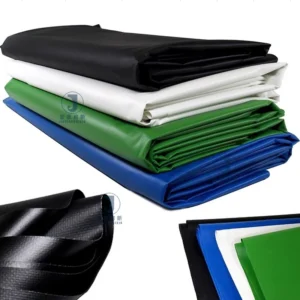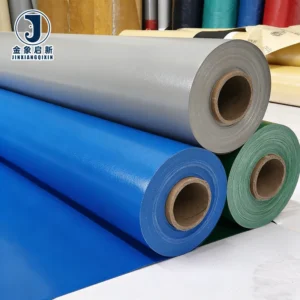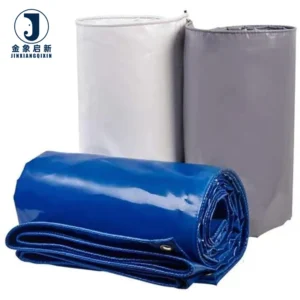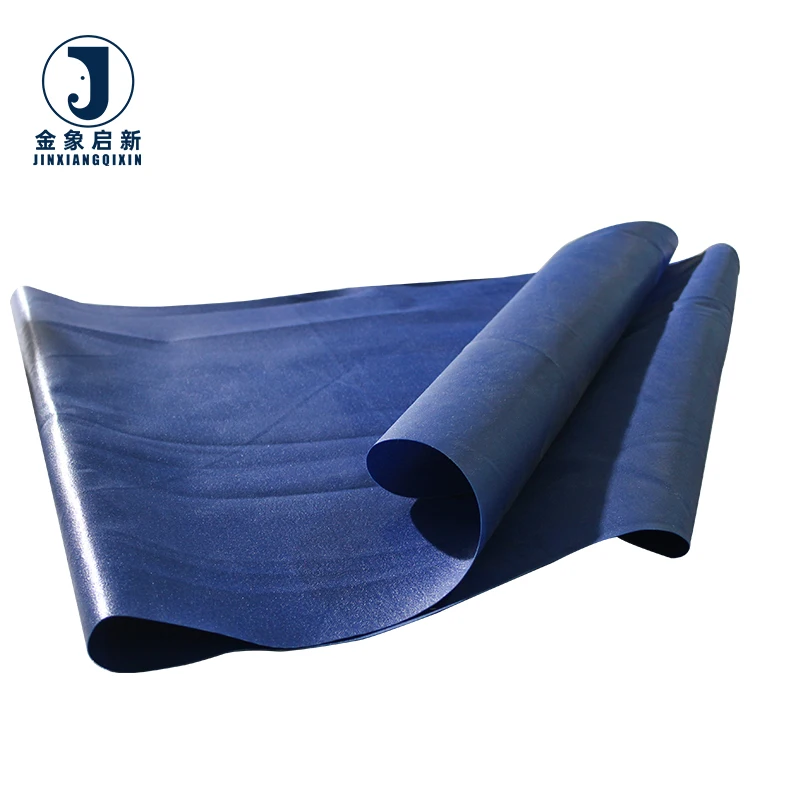
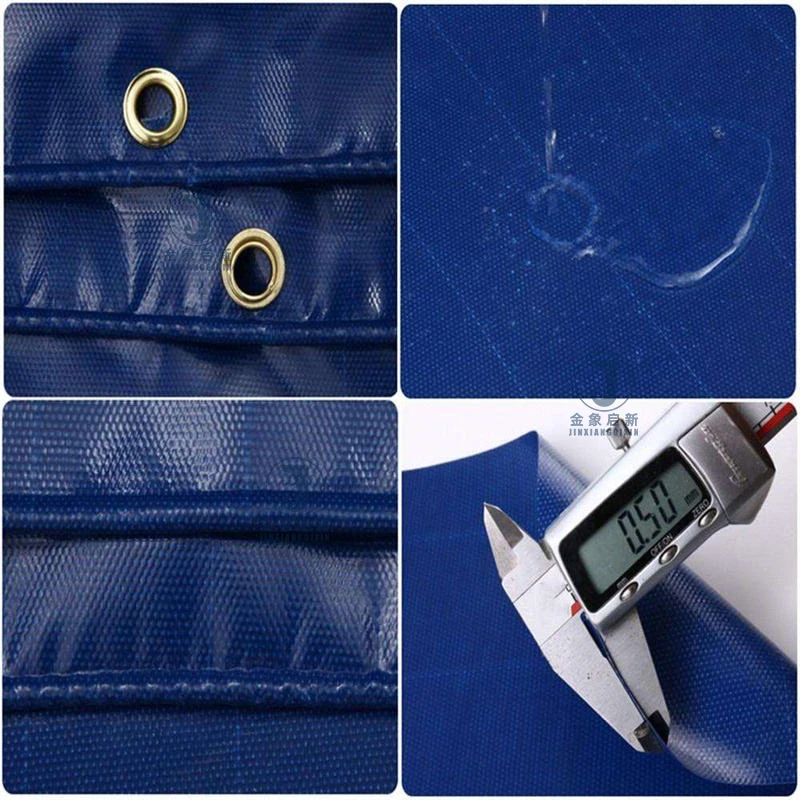
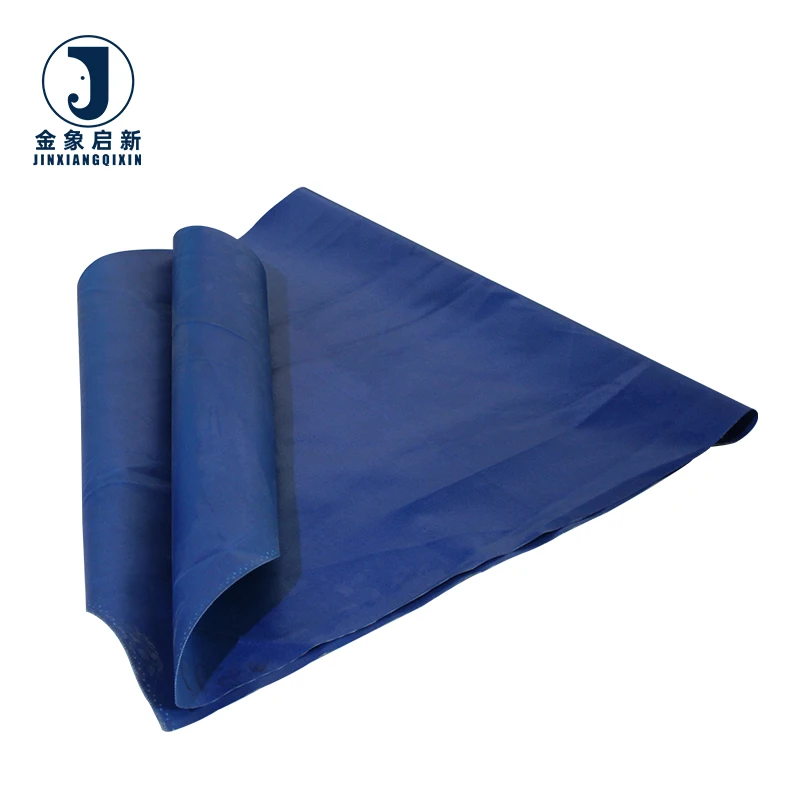
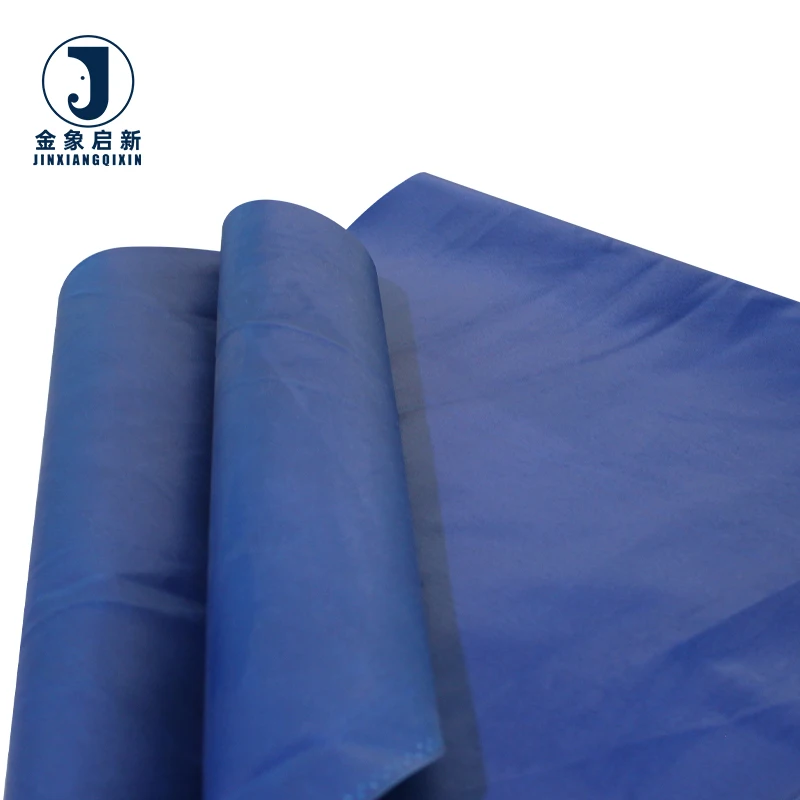
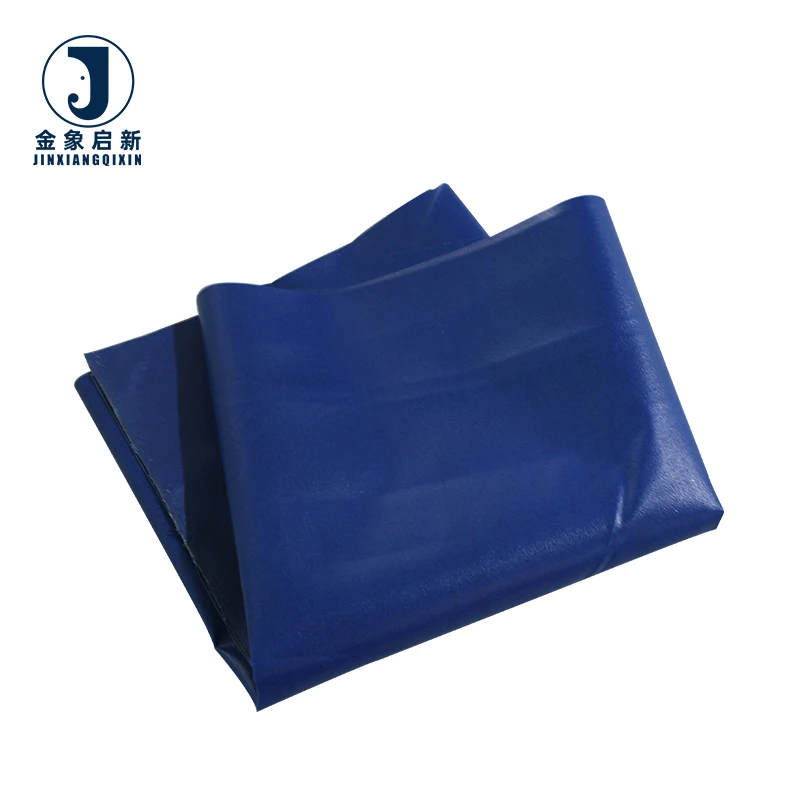
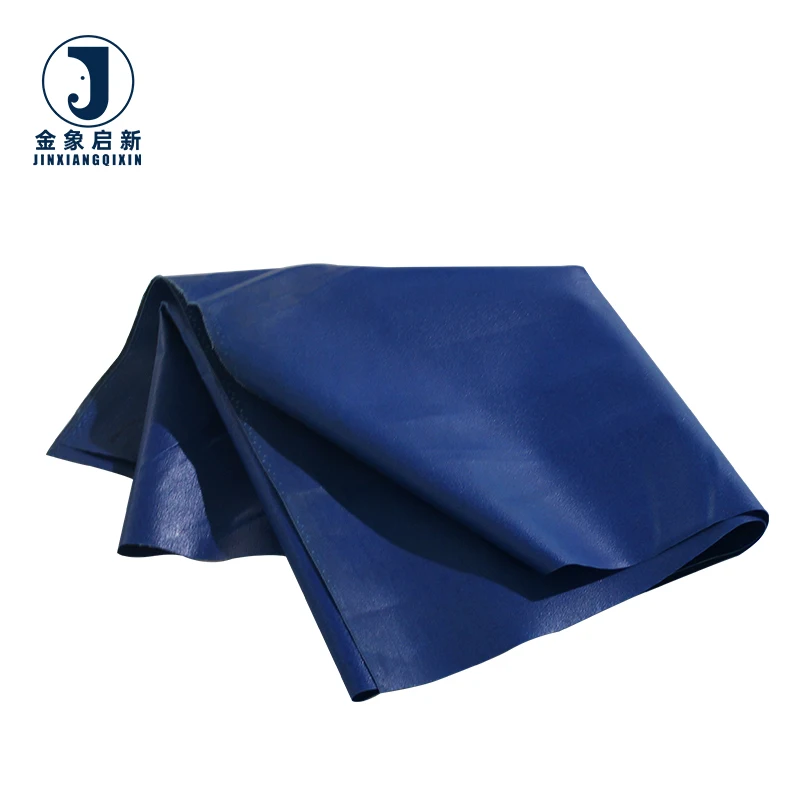
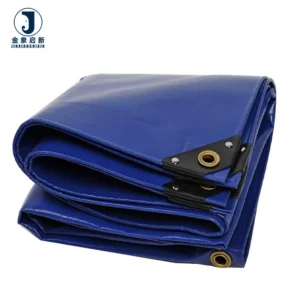
PVC Tarpaulin Roll — available in 550g/m², 600g/m², 650g/m², and 900g/m² grades with glossy or matte surface finish, anti-UV and flame retardant treatment options, and custom width and length configurations.
- Covers the complete tarpaulin range from lightweight to heavy-duty, with full customization on color, sizing, and treatment specifications backed by deep coating process control
- Each roll verified for GSM accuracy against quotation, with 100% pre-shipment inspection, roll-to-roll color consistency, and full documentation including material spec sheets and test reports
Description
Process-Controlled Coating — Every roll of PVC tarpaulin leaves the line with verified GSM, ensuring the weight on your purchase order matches the fabric on the pallet.
Technical Specifications
| Parameter | Value |
|---|---|
| Product Type | PVC Tarpaulin Roll |
| Material | PVC coated polyester fabric |
| GSM Range | 550g/m² / 600g/m² / 650g/m² / 900g/m² |
| Surface Finish | Glossy or matte |
| Treatment Options | Anti-UV, flame retardant (confirm grade required for your market) |
| Width | Custom widths available |
| Length | Custom lengths available |
| Color | Custom colors available |
| Key Features | Waterproof, UV resistant, tear resistant, mildew proof, anti-aging |
| Standards | ISO, CE |
Application Suitability
| Application | Exposure & Requirement |
|---|---|
| Truck side curtains and covers | Continuous flexing at load points, road debris abrasion, UV and weather exposure |
| Construction site covers | Wind uplift, UV degradation, mechanical contact with scaffolding and equipment |
| Roof tents and awning structures | Prolonged sun exposure, rain pooling, repeated folding and unfolding |
| Agricultural and equipment covers | Moisture ingress, mildew, UV fading, dust and chemical splash |
| Logistics and transport fleets | Load shifting friction, tie-down strap abrasion, multi-climate transit |
Why the Stated GSM Does Not Guarantee the Strength You Paid For
The weight printed on a quotation is only meaningful if it survives the trip from factory floor to your receiving dock.
I have watched containers get turned around because the rolls that arrived were lighter than the ones that were quoted. A PVC tarpaulin roll ordered at 650 GSM should not arrive weighing 590 GSM, yet this gap is common enough that seasoned importers now budget for the discrepancy. The problem is not always deliberate short-weighting; coating adhesion, calendering pressure, and resin formulation each shift the final number. What matters at the buying desk is a supplier who weighs every roll before it wraps and keeps a record you can audit. [NEED_CITE: tensile and tear test methods for coated fabrics per ISO 1421]
Batch Consistency Across a Full Container Load
When you are buying a PVC tarpaulin roll aftermarket supplier catalogue by the container, the colour of roll number one and roll number forty must match once they are hung side by side on a trailer or stretched over a warehouse frame. Off-shade rolls force fabricators to sort, match, and sometimes reject an entire batch. Maintaining colour consistency starts at the pigment mixing stage and runs through every coating pass, and it only holds if the same resin lot and pigment batch feed the line from first roll to last.
Coating Weight and Adhesion Control at Every Pass
The difference between a PVC coated fabric that holds for seasons and one that delaminates at the first hard fold comes down to how the coating bonds to the base polyester scrim. Knife-coating pushes the PVC paste into the weave interstices, locking the layers together with mechanical grip. Lamination, by contrast, bonds pre-formed films to the fabric surface and relies on adhesive strength. For a PVC tarpaulin roll intended for truck curtains or tensioned structures, the bond strength at the coating-to-yarn interface determines whether the material survives repeated flexing without peeling. [NEED_CITE: PVC coating adhesion test methods for industrial fabrics]
How GSM, Base Fabric, and Surface Finish Work Together
A common sourcing mistake is treating GSM as the sole indicator of quality. The 550g/m² grade may outperform a poorly constructed 650g/m² fabric if its base scrim uses a tighter weave with higher-denier yarns. The PVC coating weight on each face adds mass but does not proportionally increase tear resistance — that comes from the yarn count and weave density in the base layer. Surface finish also plays a role: a glossy face sheds dirt and water more readily and accepts heat-transfer printing better, while a matte finish reduces glare and hides scuff marks on construction covers. Selecting the right combination of scrim weight, coating thickness, and surface finish for each application prevents both over-specification and premature failure.
The Cost of Specifying on Price per Kilogram Alone
Choosing a PVC tarpaulin roll based on the lowest cost per kilogram often means accepting thinner base fabric or reduced coating weight to hit the target price. The consequences show up downstream: seams that split under tension, colour drift between production runs, and UV degradation that appears within the first season. [NEED_CITE: flame retardant classification standards for PVC coated fabrics in building and transport applications] A fabric that costs slightly more per kilogram but delivers verified GSM, matched colour across rolls, and documented treatment performance almost always costs less over a full procurement cycle because it eliminates rework, rejection, and replacement.
What Happens When Rolls Fail Pre-Shipment Inspection
A rejected roll is not just a production loss — it is a delivery delay that ripples through your customer commitments. When a roll tests below the quoted GSM, shows a colour shift outside tolerance, or lacks the correct flame retardant documentation, pulling it from the shipment and remaking it on a tight schedule requires a factory with real line capacity and process flexibility. Facilities running three full production lines with dedicated quality checkpoints at coating, curing, and winding stages catch these variances before they reach the packing area, not after.
How Documentation Follows Every Roll
Each roll ships with traceable records rather than generic paperwork. The documentation package is built around what your market and application actually require.
- Material specification sheet confirming the exact GSM, base fabric construction, and coating type for your order
- Test reports for UV resistance and flame retardant grades where specified in your purchase order
- ISO and CE certificates matching the production facility and product category
- Pre-shipment inspection record with per-roll weight verification against the quoted specification
- Roll packing list with individual roll numbers, dimensions, and net weight for customs clearance
- Certificate of origin prepared to match the destination country’s import requirements
Fabrication, Handling & Storage
- Heat welding temperature must match the 550-900 GSM coating thickness to avoid surface scorching or incomplete bonding at seams
- Store rolls upright on pallets to prevent flat-spot deformation on the outer coating layers of heavy-grade material
- Unroll custom-width stock on clean surfaces to avoid embedding grit into the glossy or matte surface finish
- Cut patterns should account for the fabric’s directional weave to maximise tear resistance along the primary stress axis
- Clean with mild detergent only; solvent-based cleaners can degrade the PVC coating plasticisers over repeated use
Planning Your Roll Order for Maximum Yield
To quote accurately, share the end-use application, the environmental exposure conditions at the installation site, and any fire classification or UV treatment your local regulations require. Specify the roll width you need and your estimated annual volume so the production schedule can lock in a dedicated resin and pigment lot for colour continuity. If you require custom colour matching or pattern printing, allow time for sample development and approval before bulk production begins.
Frequently Asked Questions
Q: How do you verify GSM matches the quotation before dispatch?
A: Every roll is weighed on calibrated scales during the winding stage. The recorded weight is compared against the quoted GSM specification, and any roll falling outside tolerance is pulled before packing. Pre-shipment inspection records with per-roll weight data are included in your documentation package so you can verify on arrival.
Q: Can I get test reports for UV and flame retardant treatments?
A: Yes. When your order specifies anti-UV or flame retardant treatment, the corresponding test reports are generated for the production batch and included with your shipment documents. Confirm the specific grade or standard your market requires so we align testing to the correct protocol before production.
Q: What is the minimum order for custom colours or widths?
A: Minimum order quantities depend on the specific colour, width, and GSM grade you require. Custom pigment mixing and non-standard width runs involve dedicated line setup, so minimums ensure batch consistency and cost efficiency. Submit your target colour reference and roll dimensions for a confirmed minimum.
Q: How do you ensure colour consistency across multiple rolls in one order?
A: A single pigment and resin lot is allocated to your full order before production begins. Inline colour checks at the coating stage flag any drift before the roll completes winding. This prevents the visible shade variation that appears when rolls from different batches are installed side by side.
Q: What documentation comes with each shipment?
A: Your shipment includes a material specification sheet for your exact order, test reports for any specified treatments, ISO and CE certificates, a pre-shipment inspection record with roll weights, a detailed roll packing list, and a certificate of origin matched to your destination market requirements.
Related products
-
PVC Tent Fabric Shelter Blackout Anti-UV PVC Tarpaulins 1000D for Tent Fabric for Event Exhibition Shade Tents
¥1.45 Select options This product has multiple variants. The options may be chosen on the product page -
JX Manufacturer Direct Sales PVC Coated Swimming Pool Cover. Durable Waterproof and UV Resistant Floor Swimming Pool Cover Cloth
¥1.78 Select options This product has multiple variants. The options may be chosen on the product page -
Wholesale 650 Gsm Waterproof Outdoor Tarp Roll Pvc Coated Industrial Tarpaulin Roll for Tent
¥1.26 Select options This product has multiple variants. The options may be chosen on the product page -
Factory Custom 9×11 Poultry Curtains Tarpaulin PVC Coated Waterproof and Anti-Static Tarp for Chicken Coop Farms
¥0.85 Add to cart