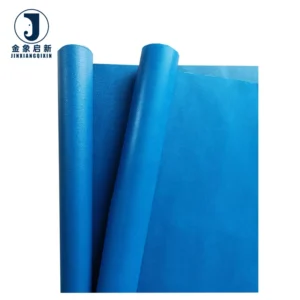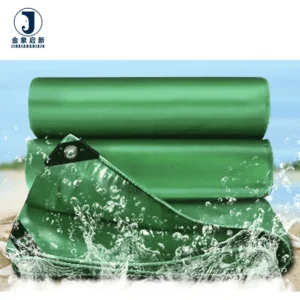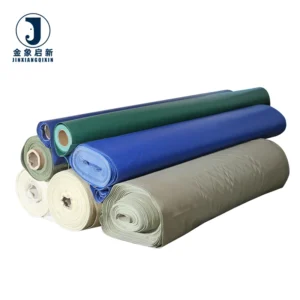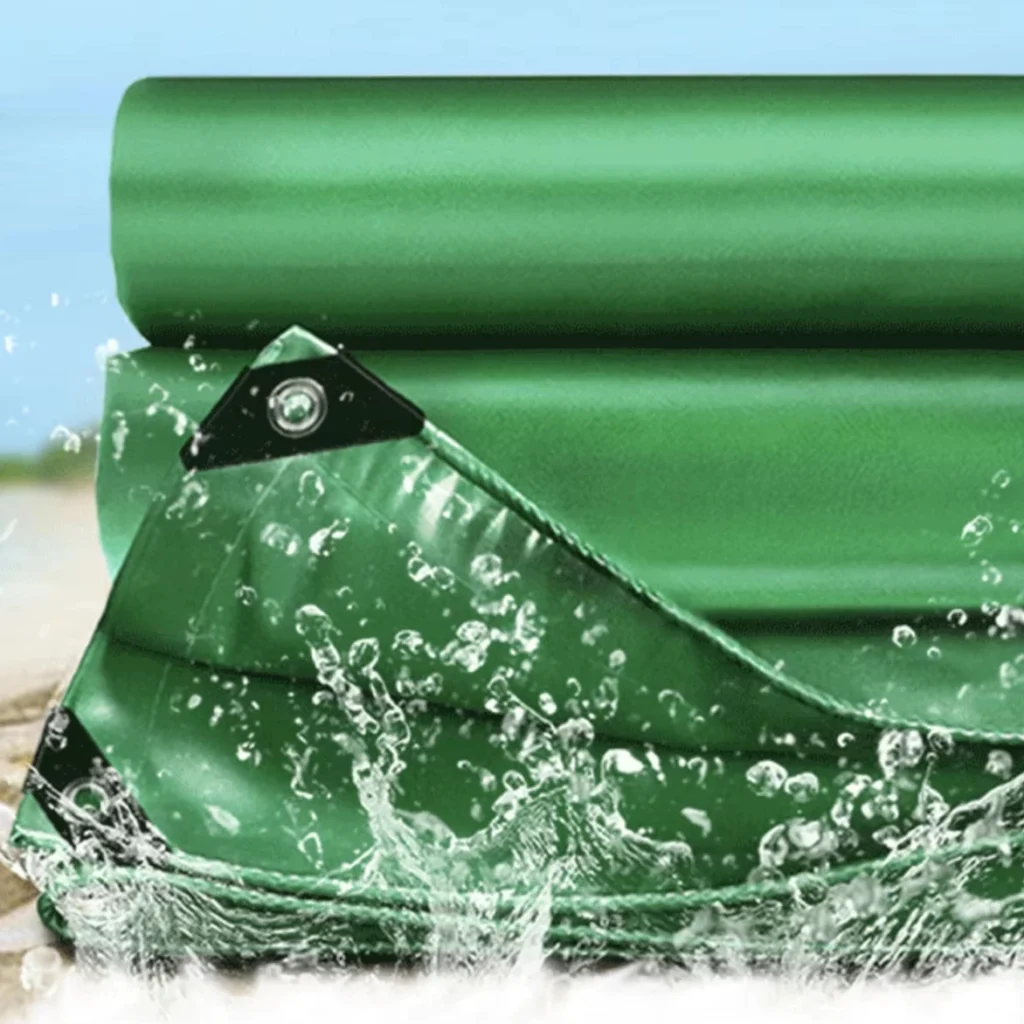
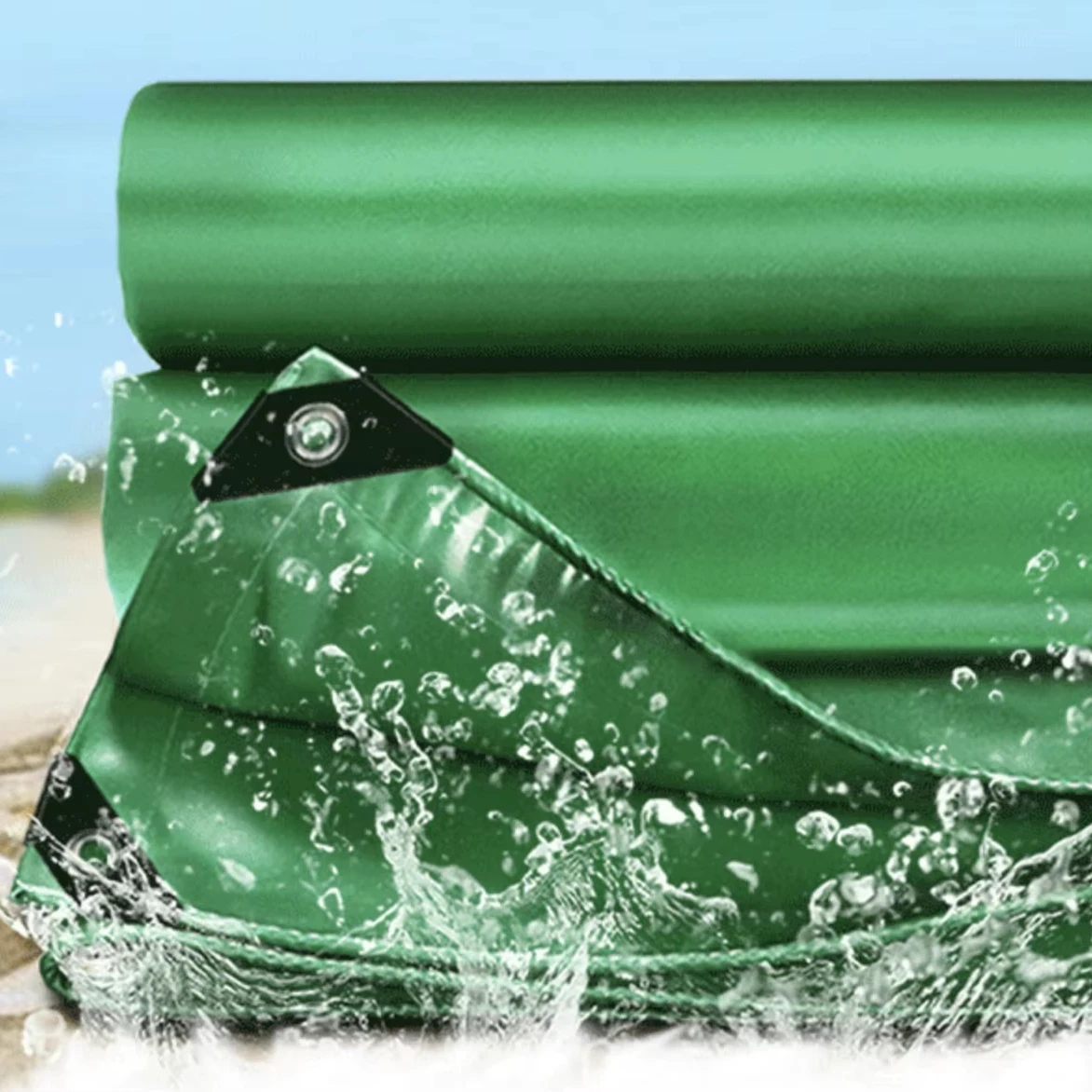
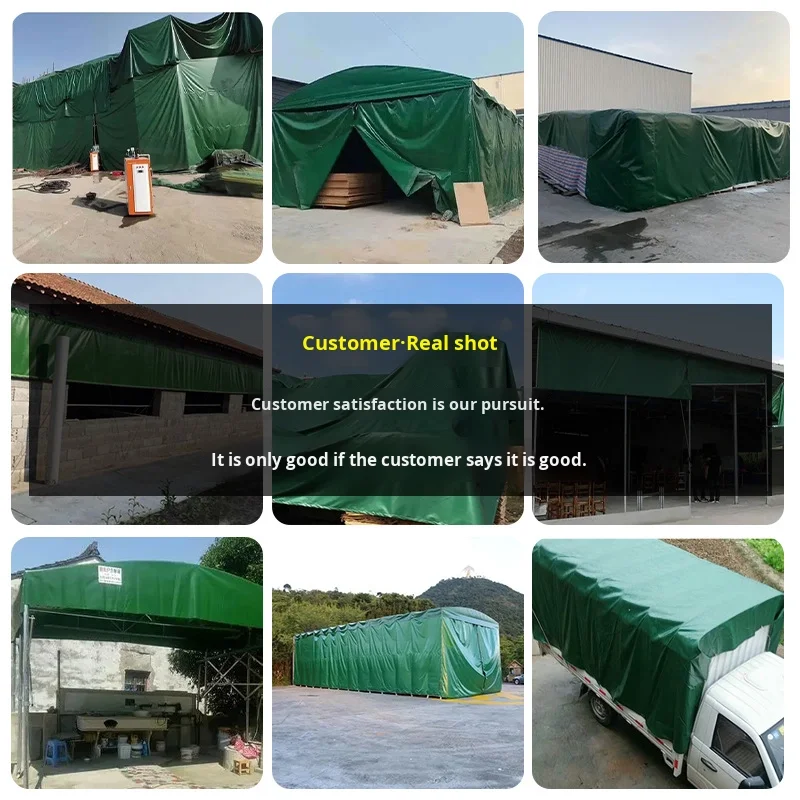
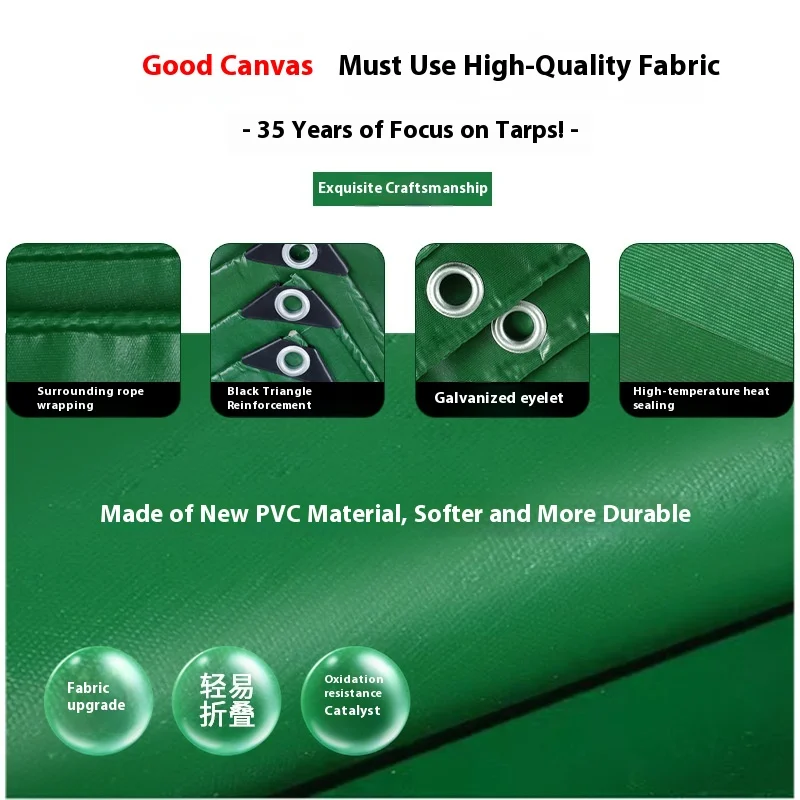
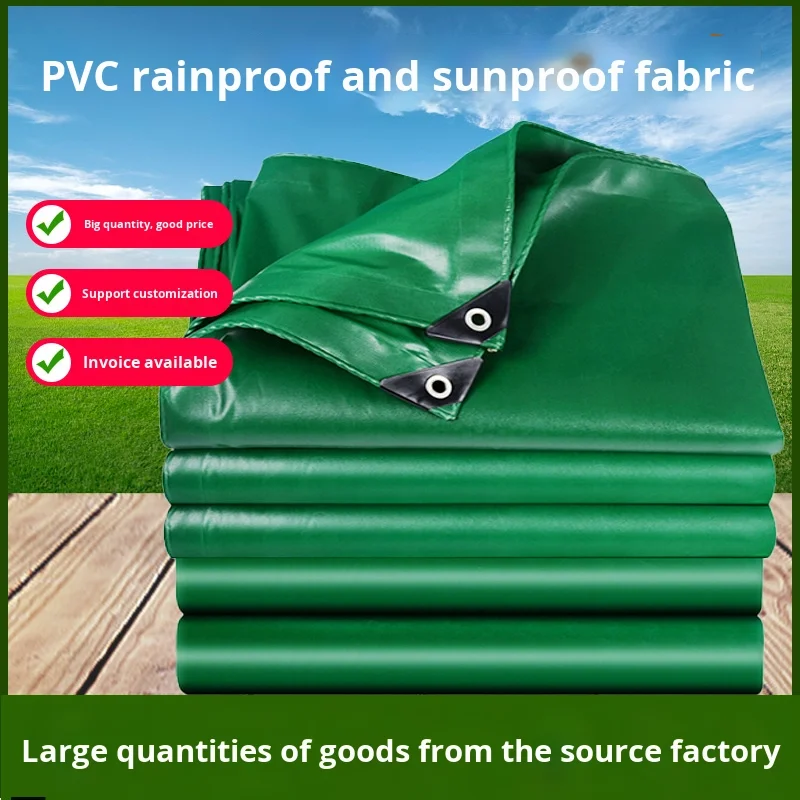
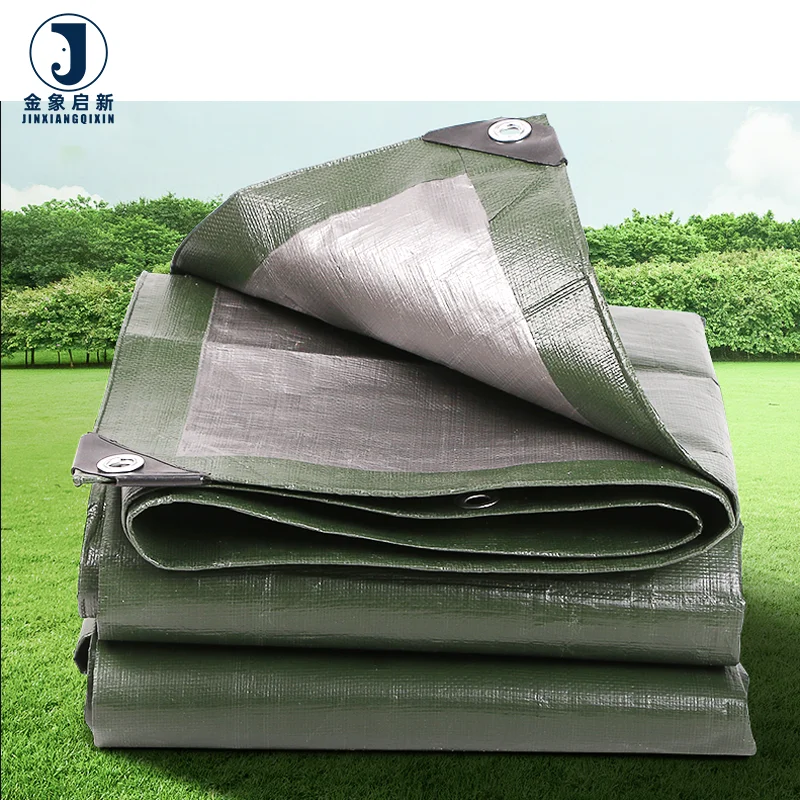
PVC Coated Tarpaulin Roll, 500D×500D Polyester Base, Double-Sided Coating — engineered for truck, trailer and industrial cover fabrication with verified GSM and roll-to-roll colour consistency.
- Anti-UV and flame-retardant treatments available with supporting test reports
- Custom width, length, colour and pattern printing supported with low minimums
- Weldable surface delivers strong seam adhesion at flex points for long service life
Backed by nearly 30 years of coating process expertise, 100% pre-shipment inspection, and a 10-person R&D team handling full customisation from sample to bulk.
Description
Verified Coating Weight — Every PVC coated tarpaulin roll leaving the line carries a recorded GSM reading, cross-checked against the quotation before packing.
Technical Specifications
| Parameter | Value |
|---|---|
| Product Type | PVC Coated Tarpaulin |
| Material | PVC & Polyester |
| Yarn Count | 500D×500D |
| Features | Water Resistant, Waterproof, Anti-UV, Flame Retardant (grade not stated — confirm the grade required for your market) |
| Standard Compliance | ISO, CE |
| Available Finishes | Custom colours, gloss or matte options |
| Supply Format | Roll stock, custom width and length |
Application Suitability
| Application | Exposure & Requirement |
|---|---|
| Truck and trailer side curtains | Constant flexing at tie-down points, road spray, UV exposure, abrasion against load edges |
| Machine and equipment covers | Outdoor weathering, dust ingress, repeated handling and folding |
| Wood and timber stack covers | Moisture penetration, wind uplift, UV degradation over extended storage |
| Awning and tent structures | Tension loading on seams, rain pooling, UV fading on visible panels |
| Car and vehicle covers | Scratch protection, water shedding, heat buildup in direct sun |
Why GSM Alone Does Not Define Roll Quality
GSM tells you what the roll weighs — not how the coating bonds to the base fabric or whether the colour holds from first roll to last.
Buyers routinely receive PVC coated tarpaulin roll shipments where the stated GSM matches the paperwork but the material feels lighter in hand. The missing variable is coating adhesion and base fabric density, which together determine how the fabric behaves under real load. I once watched a production run where the coating weight drifted outside tolerance mid-shift; those rolls were pulled before packing. [NEED_CITE: tensile and tear test methods for coated fabrics per ISO 1421]
Coating Process Control on Every Roll Off the Line
The coating stage is where a PVC coated tarpaulin roll either earns its specification or quietly falls short. Double-sided PVC coating on a 500D×500D polyester base demands consistent paste viscosity and oven temperature throughout the run. Any fluctuation shows up later as delamination or uneven surface finish at the fabrication stage.
Colour Matching That Survives Side-by-Side Installation
A single order may ship multiple rolls destined for the same structure or fleet. If roll three is half a shade off from roll one, the difference is invisible in the warehouse but glaring once panels are installed adjacent to each other. Every batch here carries a retained sample chip; pre-shipment colour comparison is conducted roll-to-roll against the approved reference before any roll is cleared for dispatch. [NEED_CITE: colour fastness testing standards for coated textile surfaces]
Reading the Yarn Count and Feature Set
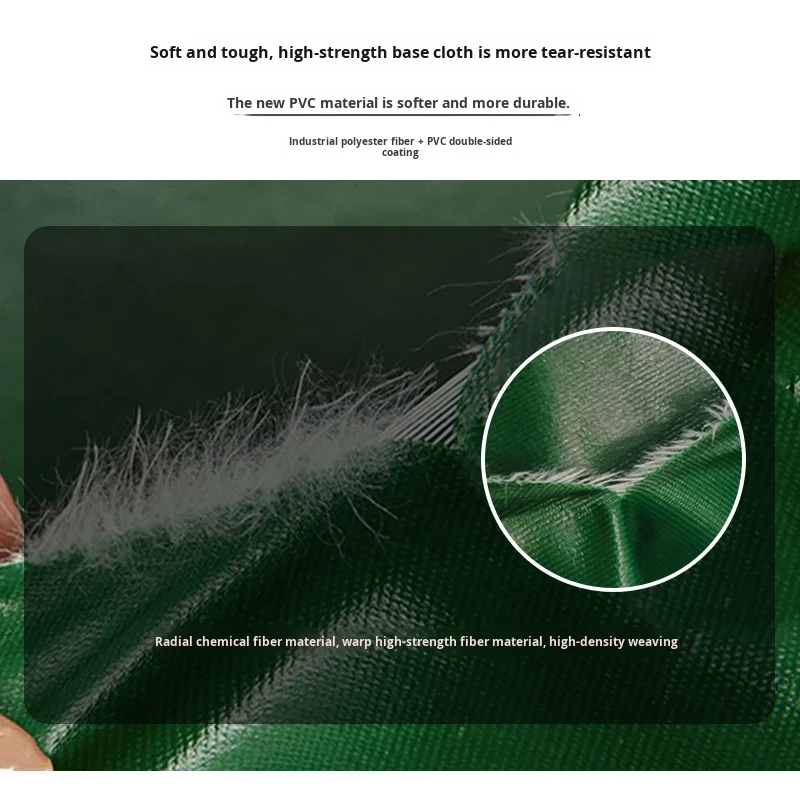
The 500D×500D polyester yarn count indicates the denier of both warp and weft threads, which directly influences tear propagation resistance — a heavier denier base slows the spread of a puncture across the panel. PVC coating on both sides encapsulates the base fabric, blocking moisture ingress at cut edges. Water resistance and waterproof performance stem from this fully coated construction rather than a surface treatment alone. Anti-UV and flame retardant treatments are available; the specific grade and corresponding test report should be confirmed against your end-market compliance requirements before production begins.
The Hidden Cost of Overlooking Batch Consistency
When rolls arrive with colour variation or inconsistent coating weight, the damage rarely appears at receiving inspection. It surfaces weeks later on a job site where adjacent panels visibly mismatch, or where a heat-welded seam peels under tension because the coating thickness was uneven at the weld zone. Fabricators then face rework costs and delayed project timelines — consequences that far outweigh the effort of verifying batch consistency upfront. [NEED_CITE: common failure modes in PVC coated fabric welding]
Why Source PVC Coated Tarpaulin Rolls Here
Three full production lines and 36 sets of professional equipment mean roll orders are scheduled without competing against unrelated product runs for machine time. The 10-person R&D team handles custom width, colour and pattern printing specifications, developing samples within days rather than weeks. Dedicated QA/QC runs at every production stage with 100% pre-shipment inspection — no roll is packed without a recorded weight check and visual review. Nearly 30 years of focus on coated fabric translates into process parameters refined over thousands of production cycles, not guessed from a single trial. ISO and CE certifications are maintained and documentation ships with every dispatch.
Documentation & Verification
- Material specification sheet listing GSM, base fabric denier and coating type per roll order
- UV and flame retardant test reports supplied with applicable treatment grades
- Pre-shipment inspection record confirming colour and weight consistency
- Roll packing list with individual roll identification for traceability
- Certificate of origin and customs documentation included in dispatch
- ISO and CE certificates provided with shipment paperwork
Fabrication, Handling & Storage
- Heat welding parameters should match the PVC coating weight to avoid seam delamination on 500D base fabric
- Cut panels with allowance for thermal expansion in hot climates to prevent tension stress at seams
- Store rolls upright on pallets to prevent flat spots and coating crease damage
- Unroll at ambient temperature; cold PVC coating becomes brittle and may crack if handled below freezing
- Clean with mild detergent only — solvent-based cleaners attack the plasticiser in the PVC surface
- Plan panel layout to minimise cross-grain joins, reducing weld count on wide-format rolls
What We Need to Quote Your Roll Order Accurately
Provide the target application and exposure environment so we can recommend the appropriate coating weight and treatment package. Specify required roll width, colour reference and whether gloss or matte finish is needed. Confirm the flame retardant or anti-UV grade your market mandates so we include the matching test report. Indicate annual volume to align production scheduling with your delivery cadence.
Frequently Asked Questions
Q: How do you guarantee the GSM matches the quotation on arrival?
A: Each roll undergoes a recorded weight verification during production and again at pre-shipment inspection. The material specification sheet shipped with your order states the confirmed GSM alongside the base fabric denier and coating type. Any roll falling outside tolerance is pulled before packing.
Q: Can I get a test report for UV resistance or flame retardancy with my order?
A: Yes. Anti-UV and flame retardant treatments are available with supporting test reports for the specific grade applied. Confirm the compliance standard required in your market — such as DIN, NFPA or local building codes — and the matching report ships with your documentation package.
Q: What is the minimum order for a custom width or colour?
A: Minimum quantities for custom width and colour roll orders are kept accessible for distributors and fabricators. The R&D team develops colour-matched samples within days, allowing you to approve before full production runs. Contact the sales team with your target width and Pantone or RAL reference for a specific minimum.
Q: How do you ensure colour consistency across multiple rolls in one shipment?
A: Every production batch retains a reference sample chip. At pre-shipment inspection, each roll is visually compared against the approved standard and against adjacent rolls. Any roll showing visible deviation is held back. This process prevents on-site colour mismatch once panels are installed side by side.
Q: What documentation ships with each roll order?
A: Your dispatch includes a material specification sheet, pre-shipment inspection record, roll packing list with individual roll IDs, certificate of origin, and applicable test reports for UV or flame retardant grades. ISO and CE certificates are provided alongside standard customs documentation.
Related products
-
Nylon-coated Trailer Tarpaulin. Waterproof Canvas. Heavy-duty PVC Tarpaulin for Truck Tents
¥1.04 Add to cart -
New Design Waterproof Coated Heavy Duty Pool Cover Cargo Covers Tarp for Truck
¥1.15 Add to cart -
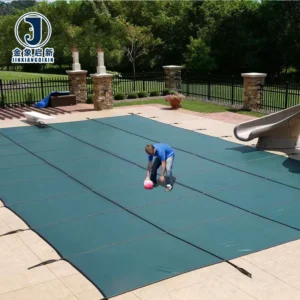
JX Manufacturer Direct Sales PVC Coated Swimming Pool Cover. Durable Waterproof and UV Resistant Floor Swimming Pool Cover Cloth
¥1.78 Select options This product has multiple variants. The options may be chosen on the product page -
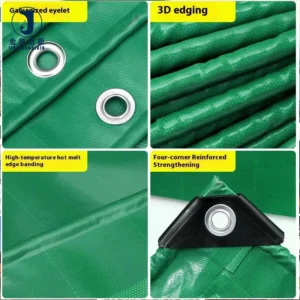
PVC Tarpaulin Waterproof Triangular Tarpaulin Folha De Tarpaulina Truck Tarpaulin
¥0.90 Select options This product has multiple variants. The options may be chosen on the product page