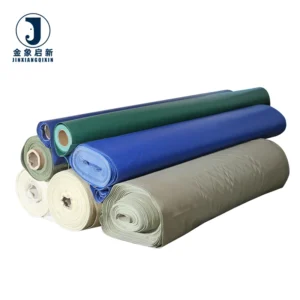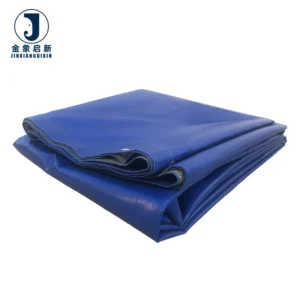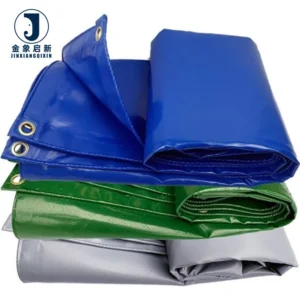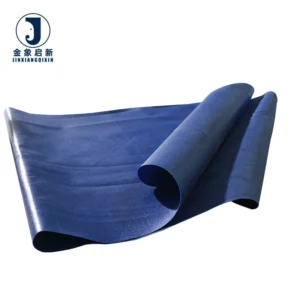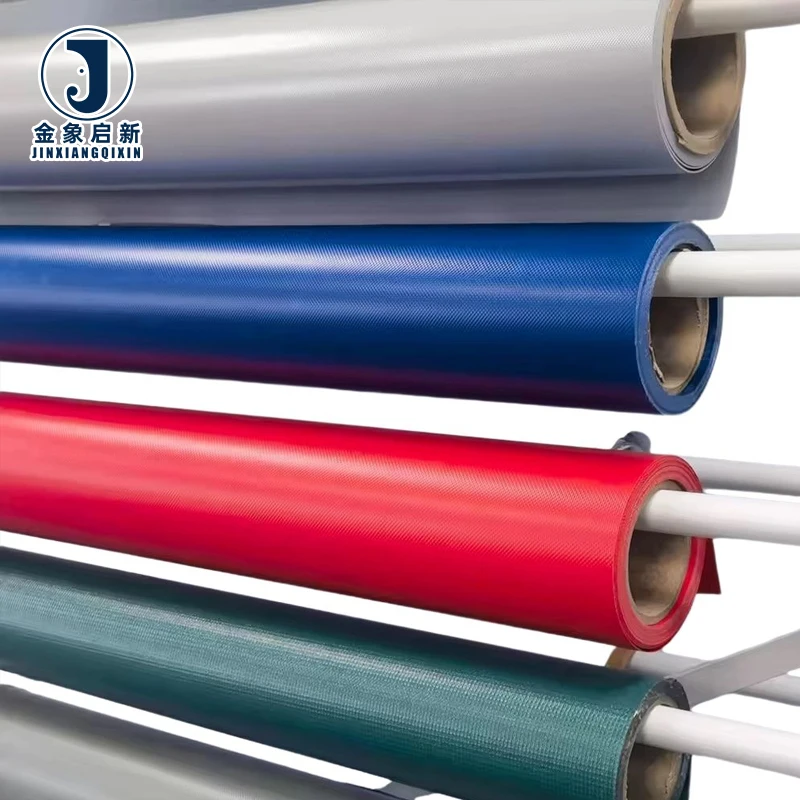
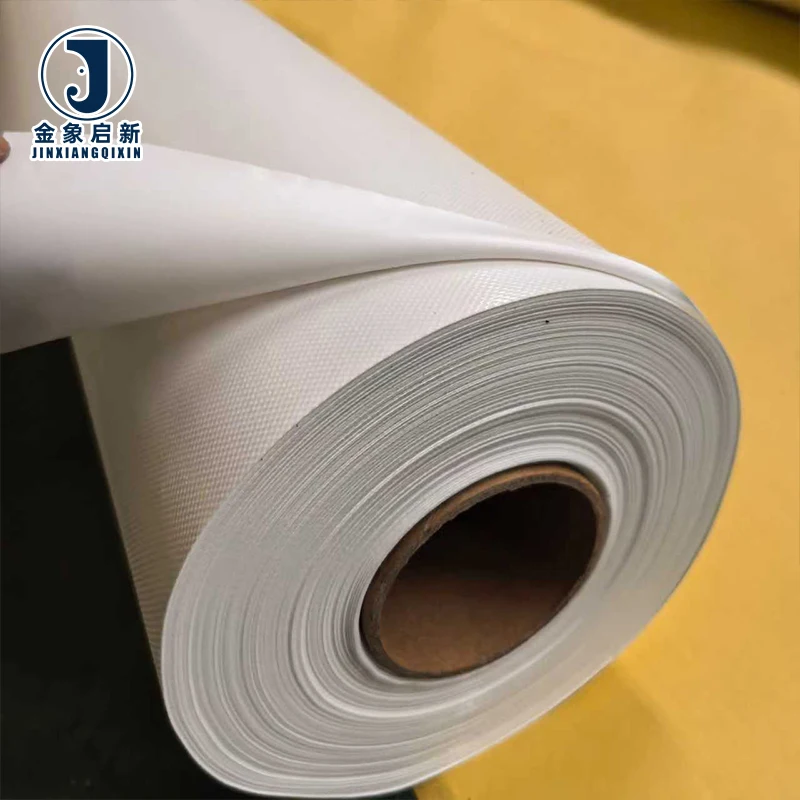
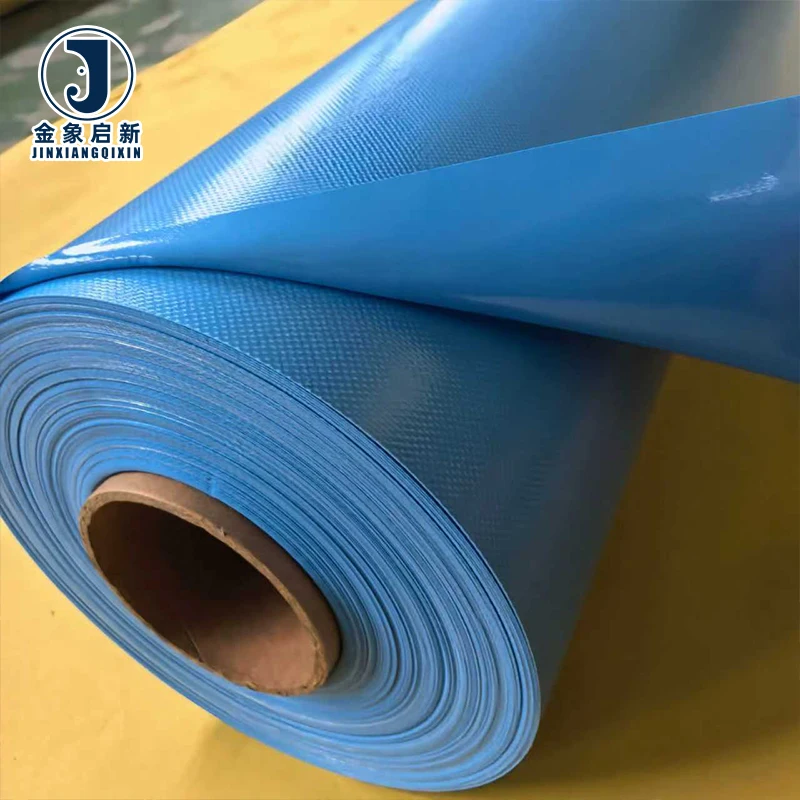
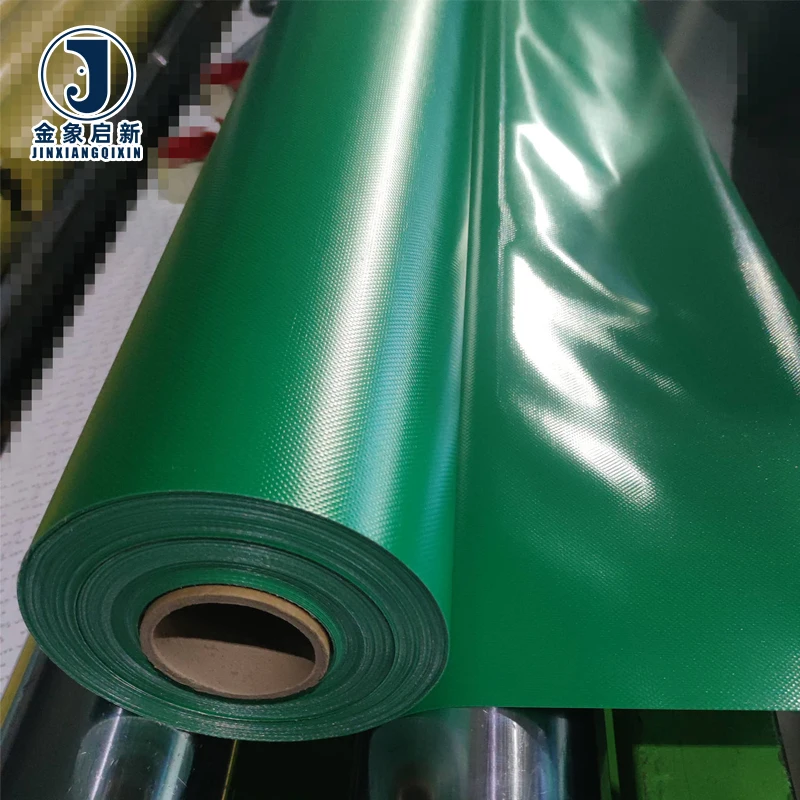
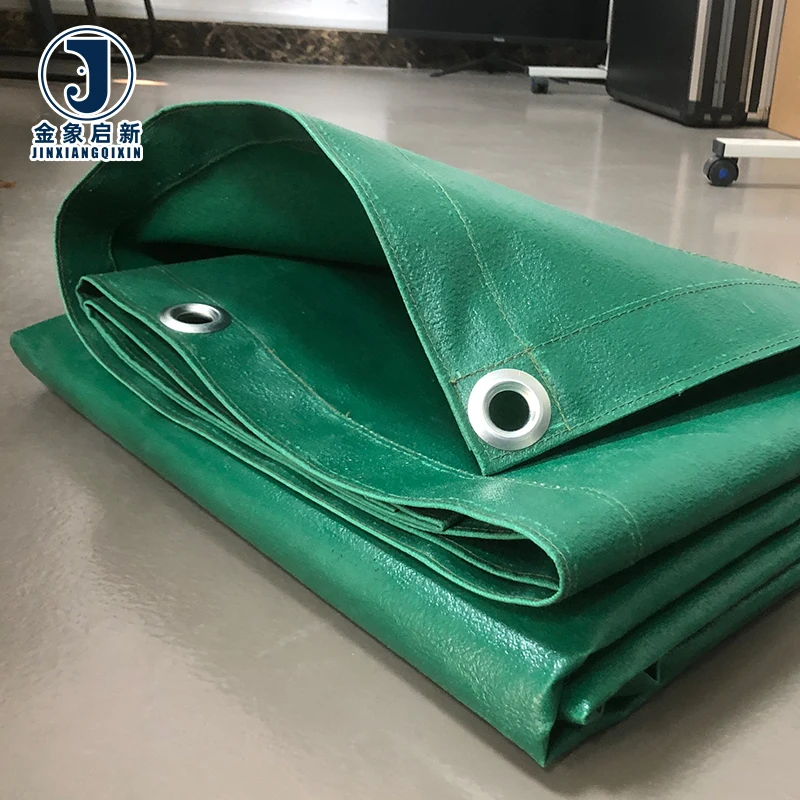
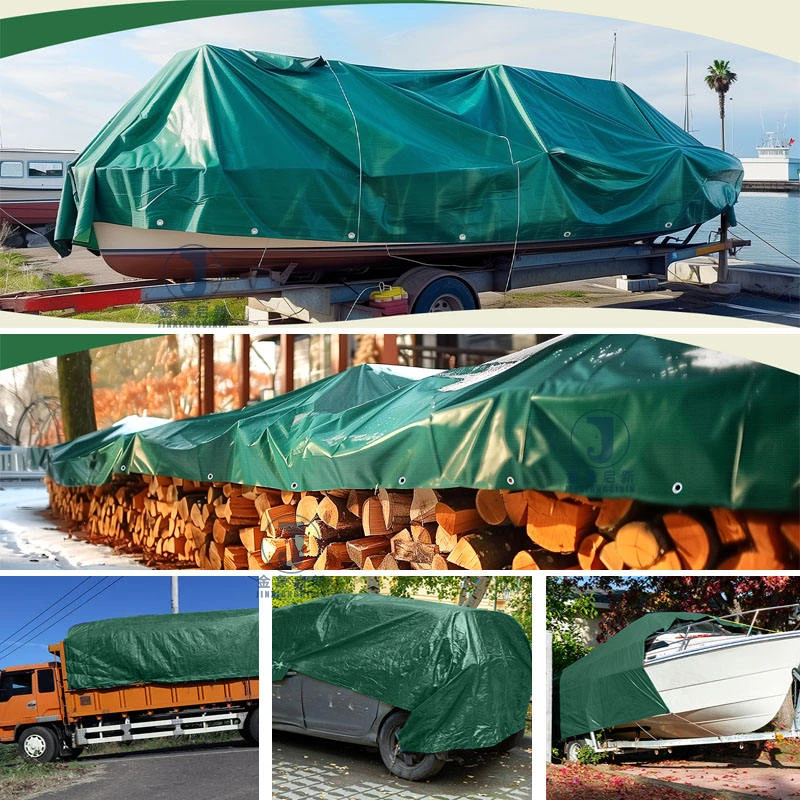
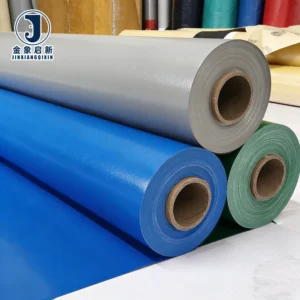
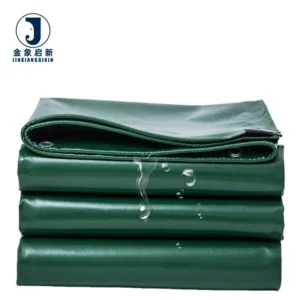
PVC Tarpaulin Roll — 1000D base fabric with blackout and anti-UV treatment, fire retardant and fully weldable via HF, hot air or sewing. Engineered for tent, shade structure and tensile membrane fabricators who need verified coating weight, consistent colour across rolls and reliable seam performance at flex points. Backed by nearly 30 years of coated fabric process control, 100% pre-shipment inspection, and rapid sample development for custom specifications.
Description
Coating Process Control — Three full production lines maintain tight GSM and adhesion tolerances across every PVC coated tarpaulin roll we ship, verified at each stage before dispatch.
Technical Specifications
| Parameter | Value |
|---|---|
| Product Type | PVC Coated Tarpaulin |
| Base Fabric | 1000D polyester |
| Coating Material | PVC |
| UV Treatment | Anti-UV (test basis not stated) |
| Flame Retardant | Fire retardant (grade not stated) |
| Light Blocking | Blackout |
| Mildew Proof | Yes |
| Antibacterial | Yes |
| Oil and Stain Resistance | Yes |
| Acid and Alkali Resistance | Yes |
| Temperature Resistance | High temperature and cold resistant (values not stated) |
| Anti-oxidation | Yes |
| Weather Resistance | Yes |
| Flexibility | Highly flexible, resistant to cracking |
| Self-Cleaning Surface | Yes |
| Welding Compatibility | HF, Hot Air, Sewing |
| Certifications | ISO, CE |
Application Suitability
| Application | Exposure & Requirement |
|---|---|
| Event and exhibition tents | Repeated assembly, UV exposure, fire code compliance, blackout for light control |
| Tensile and membrane structures | Constant tension loads, wind uplift, long-term weather exposure, seam integrity |
| Stadium architectural roofs | Large-span tension, pooling water drainage, thermal expansion and contraction |
| Airport hangars and portable storage | Wide clear spans, heavy wind and snow loads, equipment abrasion at contact points |
| Shade systems and shade sails | Continuous solar radiation, edge tension hardware stress, colour fade resistance |
Why Batch Consistency Separates Reliable Roll Stock From Costly Rework
Roll-to-roll colour drift and unverified GSM are the two failures that only appear after the container arrives.
When sourcing PVC coated tarpaulin roll aftermarket supplier options, buyers often receive a quotation listing a specific weight, only to find the delivered material lighter than agreed. The coating process can drift when line speed or paste viscosity shifts mid-run, and without in-process checks, that drift travels straight into your warehouse. A fabricator cutting panels for a multi-panel tensile canopy cannot afford shade variation between adjacent rolls — the mismatch shows up under sunlight and triggers a client rejection on site [NEED_CITE: colour consistency standards for architectural coated fabrics]. The same applies to weight: lighter fabric means lower tensile capacity, and a membrane structure engineered around a quoted GSM will underperform if the actual material falls short.
Weld Compatibility Across Fabrication Methods
Tent and membrane fabricators work with different joining methods depending on seam location and load path. This PVC coated tarpaulin roll supports high-frequency welding, hot air welding, and industrial sewing, giving your workshop the freedom to match the method to the stress profile of each seam. High-frequency welding delivers fast, clean joins on flat panels where peel strength matters most. Hot air welding suits curved or three-dimensional assemblies typical of tensile structures. Sewing remains necessary for edge hems and hardware attachment points where the fabric must bear concentrated loads.
Blackout and Surface Treatment for Installed Performance
The blackout layer blocks light transmission entirely, making this material suited to event tents, temporary shelters, and any structure where interior light control is required. The self-cleaning surface finish allows rain to wash away surface dust and particulate, reducing scheduled maintenance on installed shade canopies and stadium roofs. Combined with mildew-proof and antibacterial treatment, the fabric resists biological growth in humid climates where condensation collects on the underside of membrane panels [NEED_CITE: mildew growth conditions on PVC-coated polyester in tropical installations].
What the Specification Sheet Actually Means for Your Project
The 1000D base fabric provides a heavy denier yarn in both warp and weft, which directly influences tear propagation resistance — once a puncture occurs, higher denier yarns require more force for the tear to spread across the panel. PVC coating applied to this base creates the waterproof barrier and determines the surface characteristics. The relationship between coating weight and base fabric density defines the final GSM; a roll quoted at a given GSM achieves that weight through both yarn mass and coating thickness together, not coating alone. Anti-UV and flame retardant treatments are available in specific grades — confirm the grade required for your market’s fire codes and UV exposure expectations before placing the order. The high temperature and cold resistant formulation keeps the PVC flexible across seasonal temperature swings, preventing the embrittlement that causes cracking at folded edges during winter storage or transport.
The Real Cost of Unverified Material Properties
A membrane roof engineered for a specific tensile load assumes a known fabric strength. If the GSM on arrival does not match the quotation, the safety margin shrinks without the engineer knowing. Flame retardant material supplied without a matching test report creates a compliance gap — the building inspector asks for documentation and the installation halts until proof arrives [NEED_CITE: fire code documentation requirements for temporary event structures]. Colour inconsistency between rolls forces fabricators to either reject partial shipments or install panels with visible shade differences, both of which cost more than a proper pre-shipment inspection would have.
Why Fabricators Source This Roll Stock Here
Nearly 30 years of coated fabric production means the coating lines are tuned for consistent paste application and curing, not just throughput speed. The 10-person R&D team develops samples within days for custom widths, colours, and print patterns, so you can validate the material before committing to a production order. Dedicated QA/QC checks at every stage — incoming yarn, coating weight, colour match, final roll inspection — catch deviations before they ship rather than after you receive them. Three full production lines and 36 sets of equipment handle bulk orders without the extended delays that single-line suppliers face during peak demand. Every roll ships with a pre-shipment inspection record covering weight verification, colour consistency, and surface quality.
Documentation & Verification
- Material specification sheet listing GSM, 1000D base fabric denier, and PVC coating type for cross-checking on arrival
- UV and flame retardant test reports matched to the treatment grade specified on your quotation
- Pre-shipment inspection record with weight and colour check across every roll in the order
- Roll packing list with certificate of origin and customs documentation for import clearance
- ISO and CE certificates included with shipment paperwork
Fabrication, Handling & Storage
- HF welding parameters should be adjusted for the PVC coating thickness on this 1000D base to avoid burn-through
- Hot air welding temperature and speed must account for the blackout layer to ensure full seam penetration
- Store rolls upright on end cores to prevent flat-spot creases that show through on installed tensioned panels
- Allow cold-stored rolls to reach ambient temperature before unrolling to prevent coating crack at the fold line
- Use non-abrasive cleaners compatible with the self-cleaning surface to preserve the treatment integrity
- Plan panel cutting layout around roll width to minimise off-cuts and welded seam count on large canopies
What We Need to Quote Your Roll Order Accurately
Tell us the end application and the environmental exposure conditions — outdoor UV load, wind classification, and any fire code requirements in your installation region. Specify the roll width and length you need, along with colour references or custom print requirements if applicable. Let us know whether you need the material shipped as full rolls only or if cut-to-size panels are required, and confirm the quantity so we can check line scheduling and sample development timelines.
Frequently Asked Questions
Q: How is GSM verified before shipment and what tolerance applies?
A: Each roll is weighed and measured during our 100% pre-shipment inspection. The actual GSM is recorded on the inspection report and compared against the quotation value. Any roll falling outside the agreed tolerance is held for review. We share the inspection record with you before dispatch so you can confirm acceptance prior to container loading.
Q: Can I get a test report for UV and flame retardant treatment with my roll order?
A: Yes. Test reports for UV and flame retardant grades are available where applicable to the treatment specified on your quotation. Confirm your target market’s compliance requirements — such as local fire codes for event tents — so we match the correct grade and provide the corresponding documentation with your shipment.
Q: What custom widths, colours and print options are available on roll stock?
A: Custom width, length, colour, and pattern printing are supported by our R&D team with samples developed within days. Minimum order quantities and lead times depend on the specification. Share your colour reference and print artwork early so we can produce a sample roll for your approval before full production.
Q: How do you ensure colour consistency across multiple rolls in one order?
A: In-process QA monitors coating colour at each production stage, and our pre-shipment inspection includes a side-by-side colour check across all rolls in your order. Any roll showing visible shade variation is flagged before packing. This prevents the on-site mismatch that appears when adjacent panels are installed under direct sunlight.
Q: What is the sample lead time and minimum order for custom specifications?
A: Sample development for custom width, colour, or treatment specifications is handled by our R&D team and typically completed within days. Minimum order quantities vary by specification complexity and treatment type. Confirm your requirements with us early so we can provide a precise sample timeline and production minimum.
Related products
-
Precio mayorista alta calidad lona impermeable para exteriores rollo de tarpaulina de PVC personalizada
¥1.20 Add to cart -
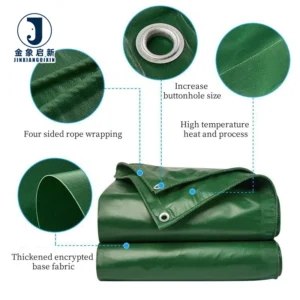
Nuevo diseño de cubierta de piscina resistente al agua con recubrimiento, cubiertas de carga, lona para camiones.
¥1.15 Add to cart -
Fábrica de lonas 610gsm 650gsm 800gsm Toldos Tienda Tela Recubierta de PVC Impermeable Bache Lona PVC Lona de Tarpaulin Roll
¥1.45 Select options This product has multiple variants. The options may be chosen on the product page -
Tela de tarpaulina de PVC Industria Tarpaulina de PVC 620gsm para fábrica de estanques de peces Cubierta de piscinas PE Tarpaulina
¥0.90 Select options This product has multiple variants. The options may be chosen on the product page