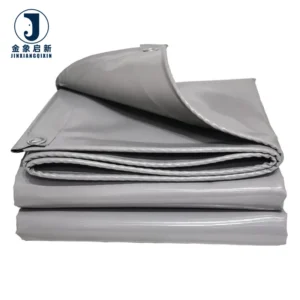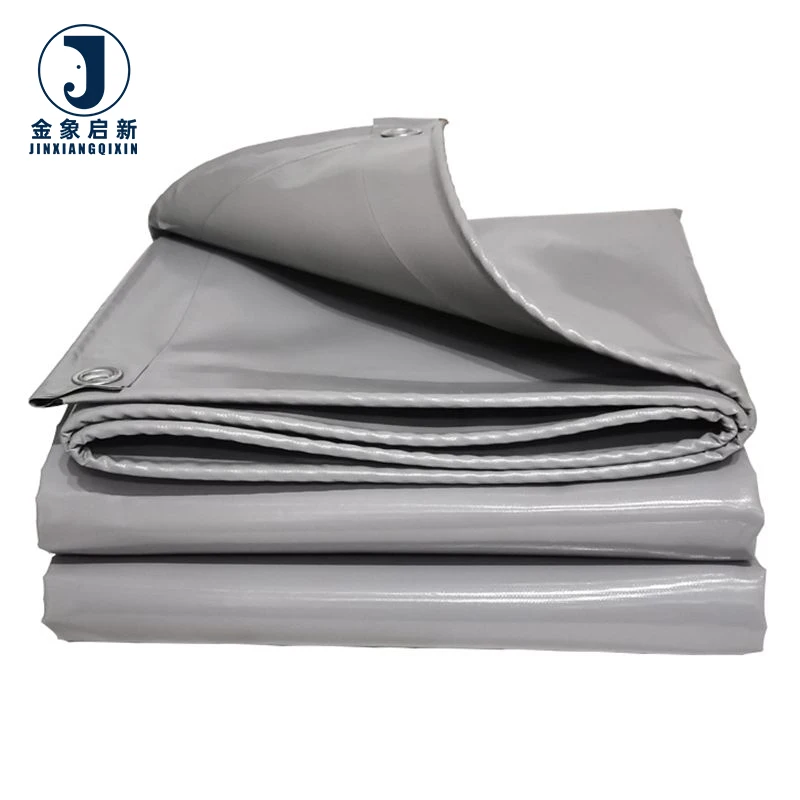
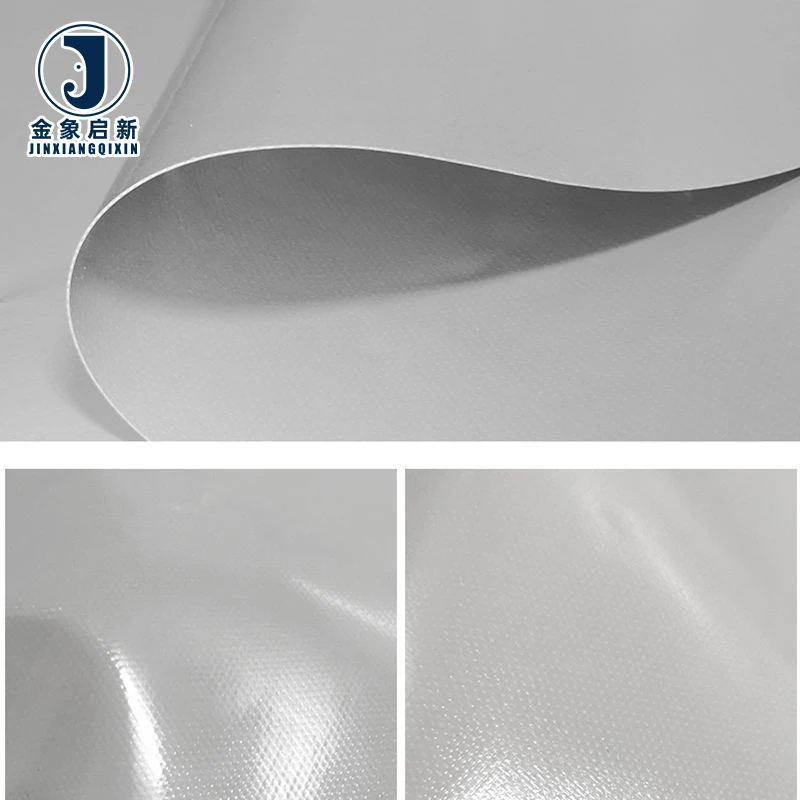
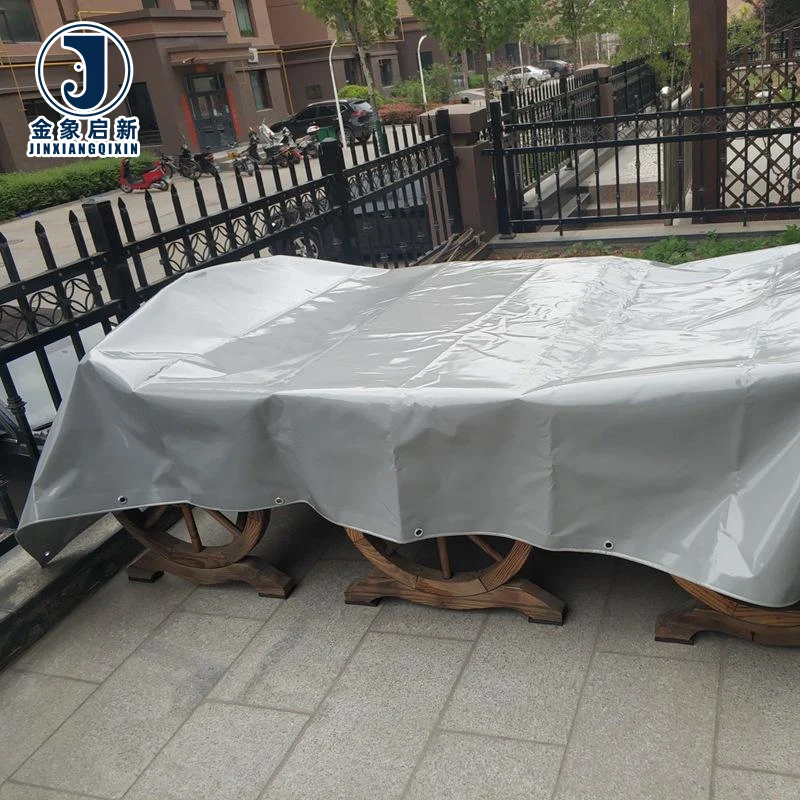
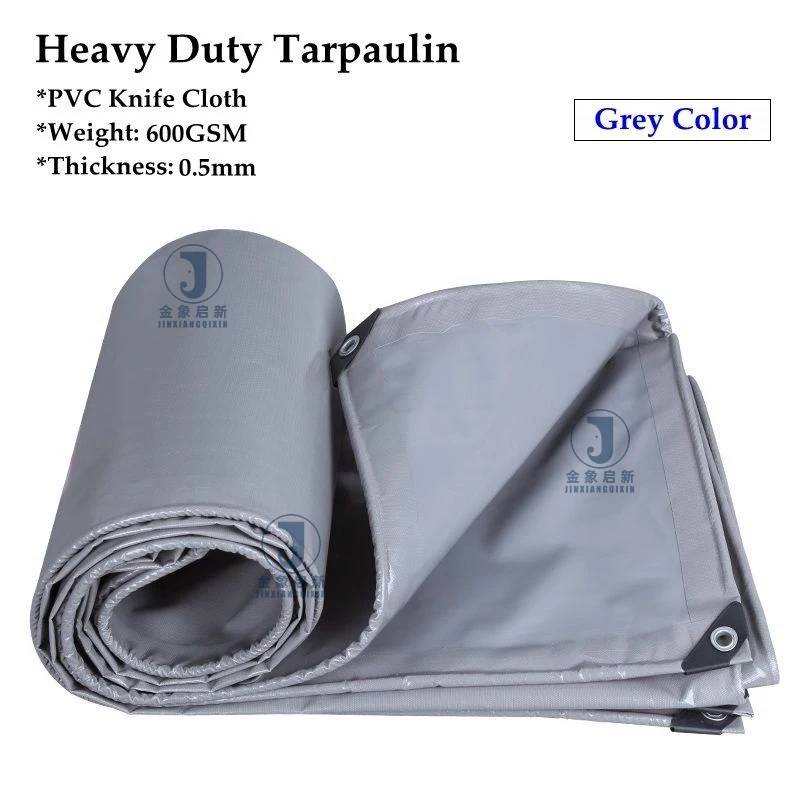
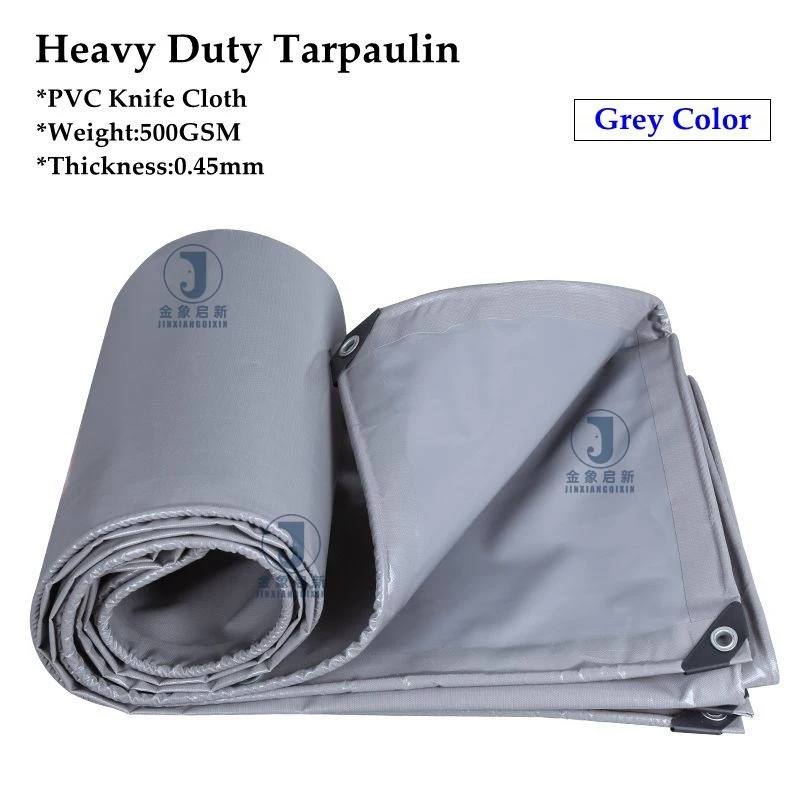
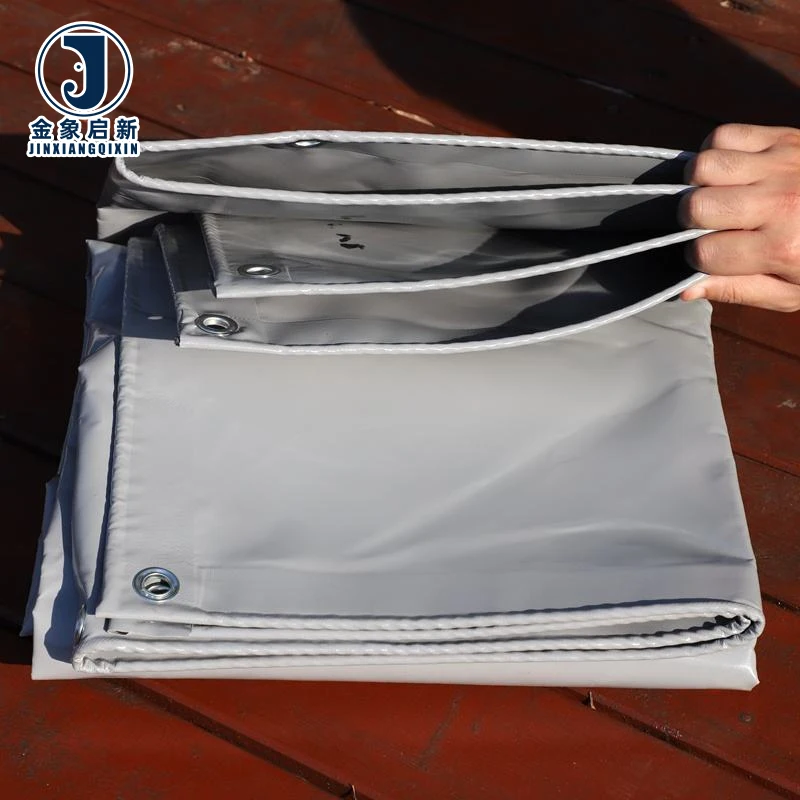
PVC Knife-Coated Fabric with 500–800 g/m² weight range, anti-permeable ≥20KPa waterproofing, and -30°C low-temperature flexibility — knife coated polyester for tents, canopies, and awnings.
Coating weight and base fabric adhesion are controlled through deep process oversight, ensuring consistent tensile performance across the full GSM range. High-frequency heat seaming delivers water-tight joints that resist cracking at flex points where fabric stress concentrates.
- Full custom specification from GSM to colour and print
- Dedicated QA/QC with 100% pre-shipment inspection
- 10-person R&D team handling material selection and sample development
Description
Coating Weight Precision — Deep process control over knife coating ensures every roll of this PVC knife-coated fabric matches the specified GSM, verified through dedicated QA at every production stage with 100% pre-shipment inspection.
Technical Specifications
| Parameter | Value |
|---|---|
| Product Type | PVC Knife-Coated Fabric |
| Weight Range | 500 to 600 g/m² |
| Coating Method | Knife coated |
| Coating Material | PVC |
| Base Fabric | PVC coated polyester |
| Waterproof Rating | Anti-permeable ≥ 20 KPa |
| Flame Retardant | Available in flame retardant grades — confirm the grade required for your market (test basis not stated in source) |
| UV Treatment | Anti-UV (test basis not stated in source) |
| Low-Temperature Flexibility | Will not fracture at -30°C |
| Anti-Mildew | Mildew proofing properties stated |
| Chemical Resistance | Acid, alkali and brine corrosion resistant |
| Seam Construction | High-frequency heat combined, water tight |
| Absorbency | Almost no water absorption, quick drying |
| Customization Options | Weight, width, length, colour, and printing |
| Standards | ISO, CE |
Application Suitability
| Application | Exposure & Requirement |
|---|---|
| Car tent manufacturing | Tension at frame joints, UV exposure, waterproof membrane requirement, repeated folding and unfolding |
| Canopy structures | Structural tensile load, wind-driven rain, prolonged outdoor weather exposure |
| Awning fabric | Roll-to-roll colour consistency for multi-panel installations, abrasion at roller mechanism contact points |
| Outdoor shelter covers | Acid rain, brine environments near coastlines, mildew in humid climates |
What Happens When the Spec Sheet Promises More Than the Roll Delivers
A material specification sheet is only as reliable as the inspection process behind it.
Buyers sourcing PVC knife-coated tarpaulin often face a recurring gap: the gsm weight stated on the quotation does not match the material that arrives on the factory floor. The coating appears thinner, the hand feel is lighter, and the tensile performance falls short of what was agreed. This is not a minor variance — it directly affects how the fabricated tent or canopy performs under tension and weather exposure. The root cause is typically inconsistent coating weight control during the knife coating process, where blade gap and paste viscosity determine how much PVC lands on the polyester base fabric. [NEED_CITE: tensile and tear test methods for coated fabrics per ISO 1421]
Full Custom Specification From GSM to Colour
As a PVC knife-coated tarpaulin manufacturer, we work with buyers who need fabric that fits their cut-and-sew production line exactly. That means custom width to reduce waste during panel cutting, custom length per roll to match your lay-up table, and colour matched to your product range. Pattern printing and branding options are available for awning fabricators who sell finished products under their own label. The knife coating method allows precise control over coating weight across the 500 to 600 g/m² range, giving you a material that balances flexibility for folding with the structural rigidity needed for tensioned canopy frames.
Seam Integrity Where the Load Flexes Most
The weakest point on any fabricated cover is not the fabric itself — it is the welded seam where panels join. High-frequency heat welding on this PVC knife-coated fabric produces water-tight seams that resist cracking under repeated flex cycles. This matters for awning roller mechanisms and car tent frame joints where the material bends constantly. The anti-permeable rating of ≥ 20 KPa applies to both the coated surface and the welded joint, meaning water penetration resistance is consistent across the entire fabricated piece. [NEED_CITE: high-frequency welding parameters for PVC coated polyester]
Reading the Spec Sheet Beyond the GSM Number
GSM alone does not tell you how this fabric will perform on a canopy frame. Weight is the combined result of base fabric density and coating thickness. A 550 g/m² roll with a dense polyester weave and thinner coating will tear differently than a roll that achieves the same weight through heavy coating on a loose weave. The knife coating process deposits PVC paste directly onto the base fabric under controlled blade pressure, creating a mechanical bond that affects both peel strength and weld behaviour. For awning fabricators, this means the material responds predictably to high-frequency welding without delamination at the seam edge.
Low-temperature flexibility verified at -30°C without fracture matters for canopy and tent structures installed in cold climates, where standard PVC formulations become brittle and crack at fold lines. The mildew-proofing and corrosion-resistant formulation addresses extended outdoor exposure in humid or coastal environments where salt spray and organic growth degrade untreated fabrics. [NEED_CITE: low-temperature flexibility test methods for PVC coated fabrics]
The Hidden Cost of Inconsistent Rolls in One Order
Colour variation between rolls in the same batch becomes visible the moment panels are installed side by side on an awning or canopy structure. For fabricators producing multi-panel products, this means rejected inventory, re-cutting from new rolls, and delayed shipments to your own customers. Inconsistent coating weight across rolls also causes welding parameters to shift — a seam that holds on one roll may delaminate on the next because the coating thickness differs. This forces your production team to adjust heat and pressure settings for every roll change, slowing throughput and increasing scrap rate. [NEED_CITE: batch consistency requirements for coated fabric in cut-and-sew production]
Why Fabricators Source This PVC Knife-Coated Tarpaulin Here
Deep process control over coating weight and adhesion means the 500 to 600 g/m² range is not a catalogue claim — it is verified per roll before dispatch.
Three full production lines and 36 sets of professional equipment support bulk roll orders with reliable on-time delivery, so your awning or tent production line does not wait on material.
A 10-person R&D team handles material selection, pattern printing, custom sizing and sample development, providing cut-and-sew manufacturers with samples developed within days for custom specifications.
Dedicated QA/QC at every production stage with 100% inspection before shipment catches coating weight deviation, colour drift and surface defects before rolls leave the facility.
Material specification sheets state exact GSM, base fabric and coating for each roll, giving your quality team documentation that matches what arrives on your receiving dock.
Documentation & Verification
- Material specification sheet stating exact GSM, base fabric and coating for every PVC knife-coated fabric roll
- Pre-shipment inspection record covering coating weight, colour and surface quality across the full order
- Test report for UV and flame-retardant grades where applicable, matching your agreed specification
- Roll packing list with batch traceability linking each roll to its production run
- Certificate of origin and customs documentation for international shipment clearance
Fabrication, Handling & Storage
- High-frequency welding parameters should be calibrated per roll batch to account for coating weight variance across the 500 to 600 g/m² range
- Store rolls upright on cores to prevent permanent creasing in the PVC coated polyester base fabric
- Cut panels with sharp blades to avoid fraying the polyester weave at seam allowance edges
- Clean fabricated surfaces with pH-neutral detergent to preserve the mildew-proofing and corrosion-resistant coating treatment
- Allow rolls to acclimatise before unrolling in cold conditions to maintain low-temperature flexibility at -30°C
What We Need to Specify Your Fabric Correctly
Provide the end-use application and installation environment — whether the canopy or tent will face coastal salt spray, high-altitude UV exposure, or cold-climate folding cycles. Confirm your target market’s fire safety requirements so we match the correct flame-retardant grade to your local compliance standard. Share your required roll width, annual volume, and whether you need plain rolls for your own cut-and-sew line or finished panels with welding and eyelet reinforcement.
Frequently Asked Questions
Q: How is the GSM weight verified before my rolls ship?
A: Every roll undergoes 100% pre-shipment inspection where coating weight is measured against the quoted specification. A material specification sheet accompanies your order stating the exact GSM, base fabric and coating for each roll, giving your receiving team documentation to verify weight on arrival.
Q: What flame-retardant test standard applies to this fabric?
A: Flame retardant grades are available — the specific test standard and grade depend on your target market’s fire safety regulations. Confirm the certification required for your application during the inquiry stage so we provide the matching test report with your shipment documentation.
Q: How do you control colour consistency across rolls in one order?
A: Colour matching is controlled during the coating stage with in-process QA checks at every production stage. Rolls within the same batch are compared side by side before packing, and any roll showing visible drift from the approved colour reference is removed before dispatch.
Q: What custom widths and printing options can I specify?
A: Custom width, length, colour and pattern printing are available across the 500 to 600 g/m² range. Provide your roll dimensions, Pantone or RAL colour reference, and print artwork during the sample development stage so we can confirm feasibility, minimums and lead time before production.
Related products
-
500gsm 600gsm Plain PVC Waterproof Truck Cargo Cover Tarpaulin Canopy for Boys & Girls
¥3.00 Select options This product has multiple variants. The options may be chosen on the product page -
Cubierta de tienda para camiones y remolques de lona negra de PVC recubierta de cuchillo, impermeable y de alta resistencia de 650GSM, almacenamiento al aire libre para camioneros industriales.
¥1.10 Add to cart -
Waterproof Heavy-duty PVC Truck Canopy Plain Style Boys & Girls Use Customizable Sizes Anti-Mildew
¥0.99 Select options This product has multiple variants. The options may be chosen on the product page -
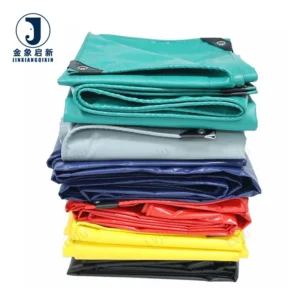
500 GSM PVC Knife-Coated Fabric for Tent & Truck – Custom Made
Read more