Backed by 100% pre-shipment inspection, three dedicated production lines, and nearly 30 years of coated fabric process control.
Description
Verified Coating Weight — every roll of 600gsm canvas tarpaulin we ship is checked against the material specification sheet before dispatch, so the weight you order is the weight you receive.
Technical Specifications
| Parameter | Value |
|---|---|
| Product Type | Canvas Tarpaulin |
| Base Fabric | Polyester cotton industrial textile, 8–12 strands fine cotton yarn |
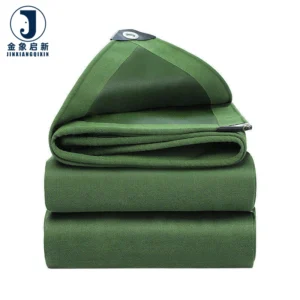
| Weight | 600gsm |
| Thickness Options | 0.5mm / 0.6mm / 0.7mm |
| Coating Method | PVC Laminated |
| Roll Width | 2m |
| Roll Length | 100m |
| Colour Options | Army Green Camouflage / Custom |
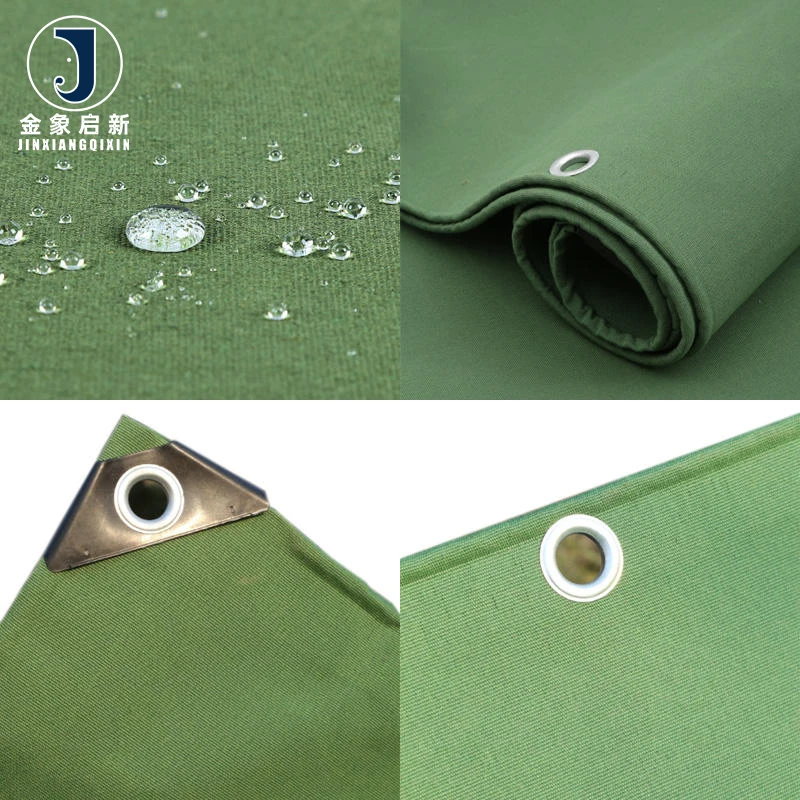
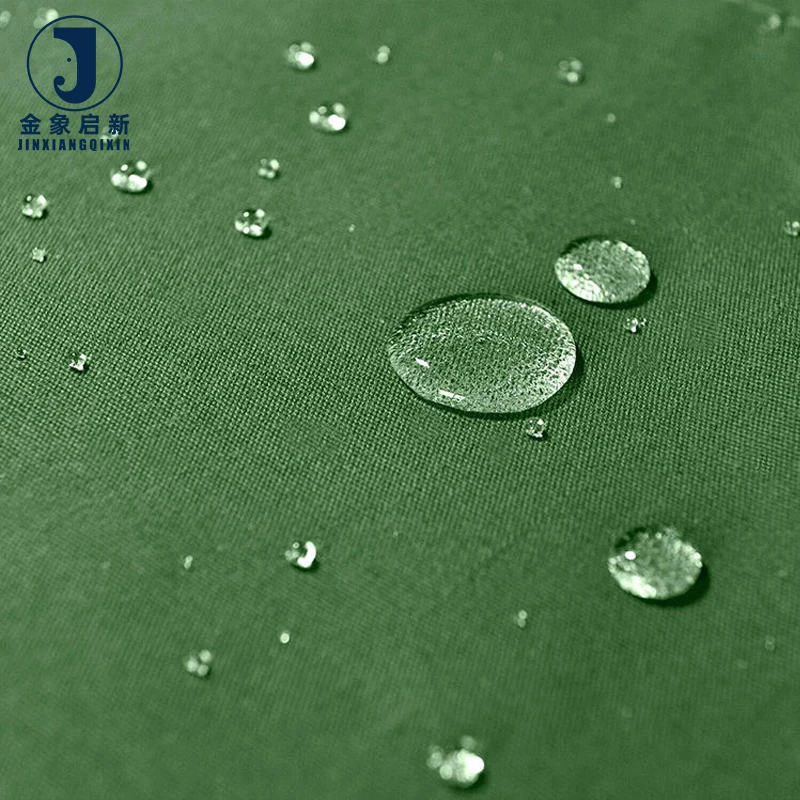
| Waterproof | Fully waterproof laminated construction |
| UV Resistance | UV resistant (test basis not stated in source — confirm grade required) |
| Anti-Mildew | Mold resistant (test basis not stated in source — confirm treatment for your climate) |
| Temperature Resistance | High- and low-temperature resistant (range not stated in source) |
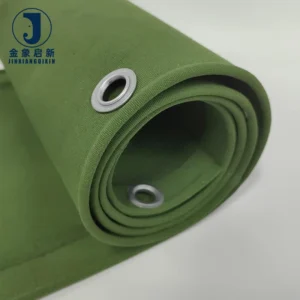
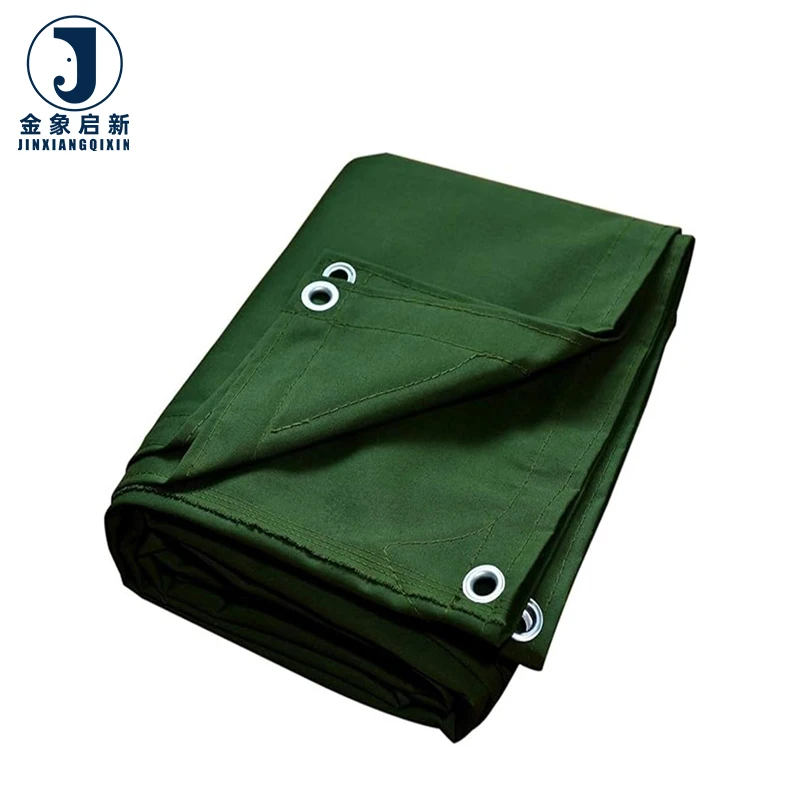
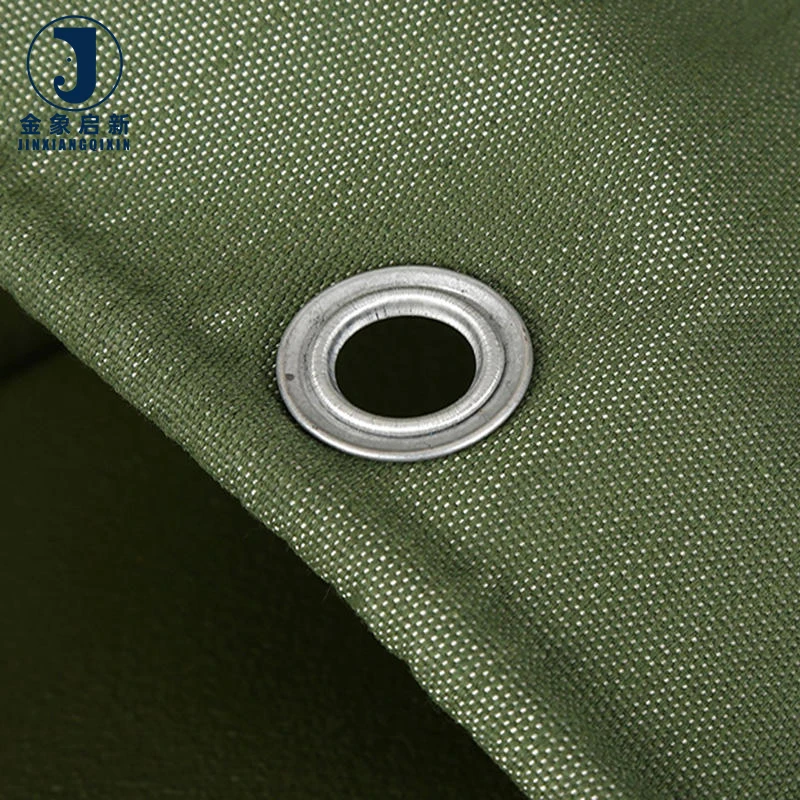
| Eyelets | Rust-proof aluminum, spaced every 1 meter at corners and hem |
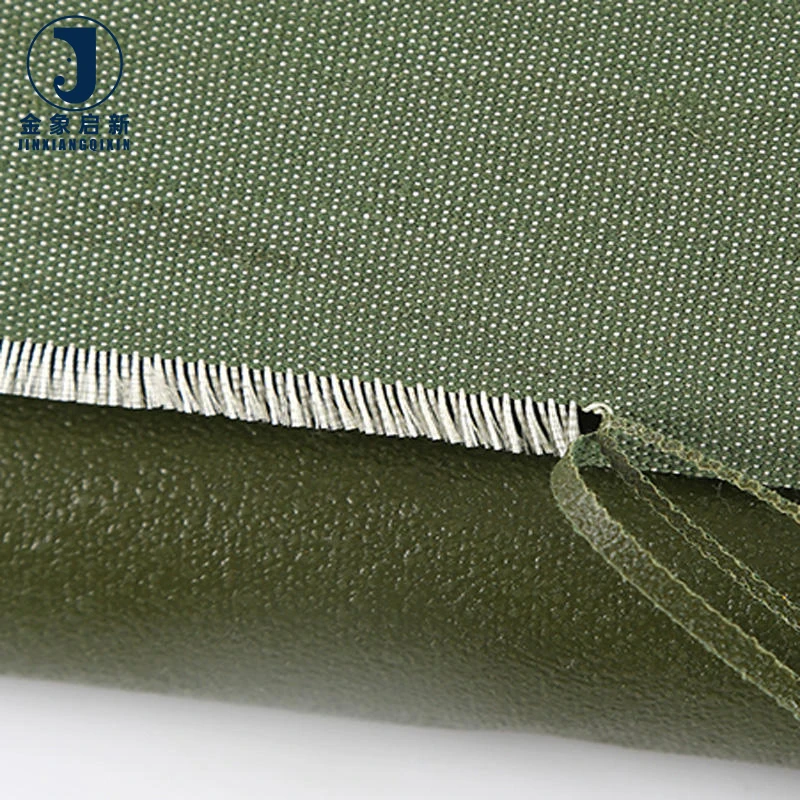
| Hem & Seam | Folded, welded, and sewn with poly rope reinforcement |
| Standards | CE, ISO (specific standards not identified in source) |
Application Suitability
| Application | Exposure & Requirement |
|---|---|
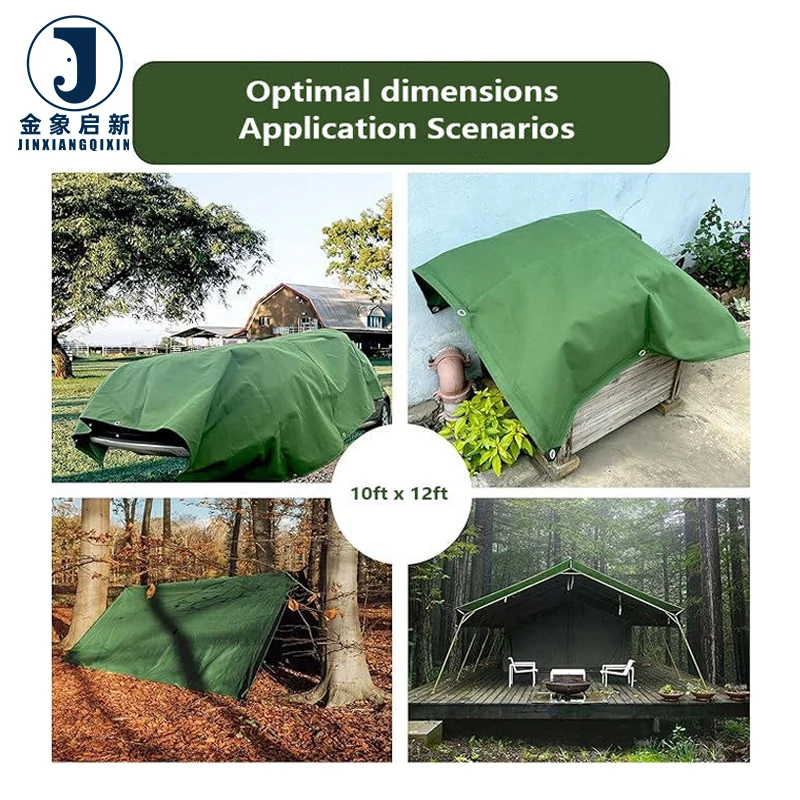
| Truck and trailer cover | Constant flexing at load points, road spray, abrasion against cargo edges, tie-down tension at eyelets |
| Construction site equipment cover | UV exposure, wind loading, puncture from sharp equipment corners, dust and debris accumulation |
| Tent and temporary structure fabric | Tension from frame poles, rain pooling on flat surfaces, repeated assembly and teardown |
| Open-air cargo and asphalt cover | Direct sunlight, thermal cycling, moisture ingress, weight of stacked materials |
| Outdoor machinery protection | Chemical splash, grease contact, bird dropping acidity, seasonal temperature swings |
Why GSM Verification Matters More Than the Number on the Quote
A stated 600gsm is only meaningful when verified roll by roll against a documented inspection record.
Buyers across the coated fabric supply chain have received tarpaulin that arrived lighter than the weight agreed at quotation stage. The shortfall is rarely obvious on visual inspection — it shows up later as premature tearing at stress points, faster UV degradation, or seams that fail before the fabric body does. [NEED_CITE: ISO 1421 test methods for coated fabric weight and tensile properties]. A heavy-duty woven canvas tarpaulin destined for truck covers or industrial site use cannot perform if the coating weight is below specification. This is why we treat weight verification as a non-negotiable pre-shipment checkpoint, not a sampling exercise.
Coating Weight, Base Fabric, and Real-World Performance
The 600gsm coating weight on this PVC laminated canvas tarpaulin works in combination with the polyester cotton industrial textile base. The 8–12 strand fine cotton yarn provides the structural skeleton — the woven density determines how well the fabric resists tear propagation once a puncture initiates. The laminated PVC coating adds waterproof protection and surface abrasion resistance. Neither element compensates for a deficit in the other: a heavy coating on a loose weave will crack at fold lines, while a tight weave with insufficient coating will absorb moisture through exposed yarn.
Seam and Eyelet Construction for Heavy-Duty Tie-Down Use
Hems on this canvas tarpaulin are folded, welded, and sewn with poly rope running through the fold. This triple-reinforcement approach distributes tie-down load across the hem rather than concentrating it at a single stitch line. Rust-proof aluminum eyelets are spaced every 1 meter at corners and along the hem, reducing the unsupported span between anchor points. [NEED_CITE: tensile and tear test methods for coated fabrics per ISO 1421]. On truck and trailer covers, this matters because load shift during transit creates cyclic stress at each eyelet — widely spaced or poorly anchored eyelets are the first failure point in the field.
Understanding Thickness Grades and Selection
This canvas tarpaulin is available in three thickness options: 0.5mm, 0.6mm, and 0.7mm. Thickness in a laminated fabric reflects the combined depth of base fabric and PVC coating layers. A thicker grade does not automatically mean higher tensile strength — that depends on the base yarn denier and weave density — but it does improve puncture resistance and stiffness, which affects how the tarp handles during deployment and how well it holds shape over a load. For truck covers exposed to wind flutter, a stiffer grade resists billowing. For tent fabric that needs to fold tightly for storage, a lighter thickness may be more practical. Choose the grade based on the mechanical demands of your application, not on thickness alone.
What Happens When Colour Consistency Is Not Controlled
A batch of canvas tarpaulin rolls destined for the same project should match in shade when installed side by side. When colour matching is not enforced at the dye and coating stage, rolls from the same purchase order can show visible variation once laid out in sunlight — particularly with tones like Army Green Camouflage where slight hue shifts are obvious. This forces the buyer to sort, return, or accept an inconsistent appearance on a high-visibility installation. [NEED_CITE: colour fastness and batch consistency standards for coated textiles]. Our production process holds colour reference against a controlled standard for every dye lot, and the pre-shipment inspection record includes a visual consistency check across all rolls in the order.
Why Procurement Documentation Should Match the Fabric
Every order of this PVC laminated canvas tarpaulin ships with documentation that reflects the actual material delivered. The material specification sheet states the verified GSM, base fabric composition, coating type, and colour reference for your batch. The pre-shipment inspection record documents the weight check and visual inspection results roll by roll. CE and ISO certificates are included for compliance, along with a roll packing list and customs documentation. Where UV resistance or mold resistance is specified for your market, we provide the applicable test report — confirm the grade your application requires before placing the order.
Production Capability Behind This Canvas Tarpaulin
Jinxiang operates three full production lines with 36 sets of professional equipment, giving us the capacity to run bulk roll orders on schedule. The 10-person R&D team develops custom colour matches, cut-to-size samples, and pattern printing layouts in-house before production begins. A dedicated QA/QC protocol inspects coating adhesion, weight, and colour at every production stage, with a final 100 percent check before any roll is packed. Custom widths and finished sizes are supported without prohibitive minimums, and sample development runs in days rather than weeks.
Documentation & Verification
- Material specification sheet listing exact GSM, polyester cotton base, and PVC coating for your batch
- Roll-by-roll weight verification record checked against the 600gsm target before dispatch
- Colour consistency visual check across all rolls in a single order documented at inspection
- CE and ISO certificates included with shipment for customs and compliance clearance
- Test reports for UV or mold resistance available on request — confirm your required grade first
Fabrication, Handling & Storage
- Weld seams at recommended temperature settings to avoid delaminating the PVC coating from the cotton base
- Eyelet punching should align with the poly rope hem reinforcement for maximum pull-through resistance
- Store 2m rolls upright on end cores to prevent flat-spot creasing across the 100m length
- Avoid dragging the laminated surface over sharp edges during site deployment to protect the coating
- Clean with mild detergent — solvents may soften the PVC lamination and reduce coating adhesion
- Cut panels with sealed edges or hem immediately to prevent yarn fraying at the polyester cotton weave
What We Need to Quote Your Canvas Tarpaulin Accurately
To match the right grade and finish to your project, tell us the end-use application and the environmental exposure the fabric will face — continuous sunlight, chemical contact, or thermal cycling. Specify the thickness grade you need from the available 0.5mm, 0.6mm, or 0.7mm options, and whether you require roll stock or finished cut-to-size panels. Let us know your colour requirement, annual volume, and whether your market mandates a particular UV or fire classification so we can confirm the applicable test documentation before production.
Frequently Asked Questions
Q: How is the 600gsm weight verified before shipment?
A: Every roll is weighed during the pre-shipment inspection and recorded against the 600gsm specification. The inspection report ships with your order so you can cross-reference the documented weight with the material specification sheet. This eliminates the common problem of tarpaulin arriving lighter than quoted.
Q: Can I customise eyelet spacing and hem reinforcement?
A: Yes. The standard configuration uses rust-proof aluminum eyelets every 1 meter with poly rope sewn into the folded hem. Custom spacing and additional reinforcement points can be specified for applications with concentrated tie-down loads, such as truck side curtains or tensioned tent panels.
Q: How is colour consistency maintained across multiple rolls?
A: Each dye lot is matched against a controlled colour reference before coating, and the pre-shipment inspection includes a side-by-side visual check of all rolls in the order. This prevents the visible shade variation that can occur when rolls from the same batch are installed adjacent to each other.
Q: Can I get samples before committing to a bulk roll order?
A: Sample development is completed within days for custom colour, width, and finished size requirements. We recommend approving a physical sample before authorising bulk production so you can verify the coating hand, colour, and fabrication quality against your project specification.
Q: What documentation ships with each order?
A: Each shipment includes the material specification sheet with verified GSM and base fabric details, a pre-shipment inspection record, CE and ISO certificates, a roll packing list, and customs documentation. Test reports for UV or mold resistance are provided where the applicable grade has been confirmed for your market.
Related products
-
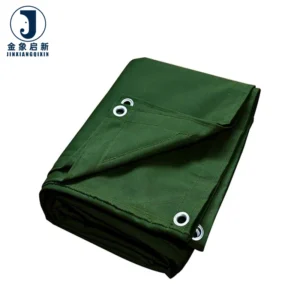
Custom Heavy Duty Woven PVC Laminated Canvas Tarpaulin – Full Range
Read more -
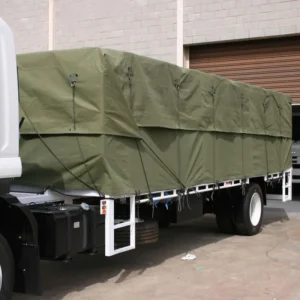
Custom PVC Coated Tarpaulin for Truck Trailer – Full Range
Read more -
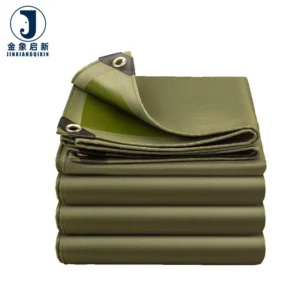
Lona de lona tejida laminada de PVC de 0.9 mm de grosor para camiones, toldo impermeable para exteriores, vela de sombra, accesorios para casas de mascotas.
¥20.00 Add to cart -
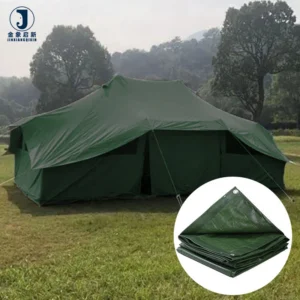
Cubiertas de camiones de tela de lona negra con recubrimiento orgánico de tamaño personalizado, resistentes y a prueba de agua, lona enrollable para protección comercial.
¥0.30 Select options This product has multiple variants. The options may be chosen on the product page